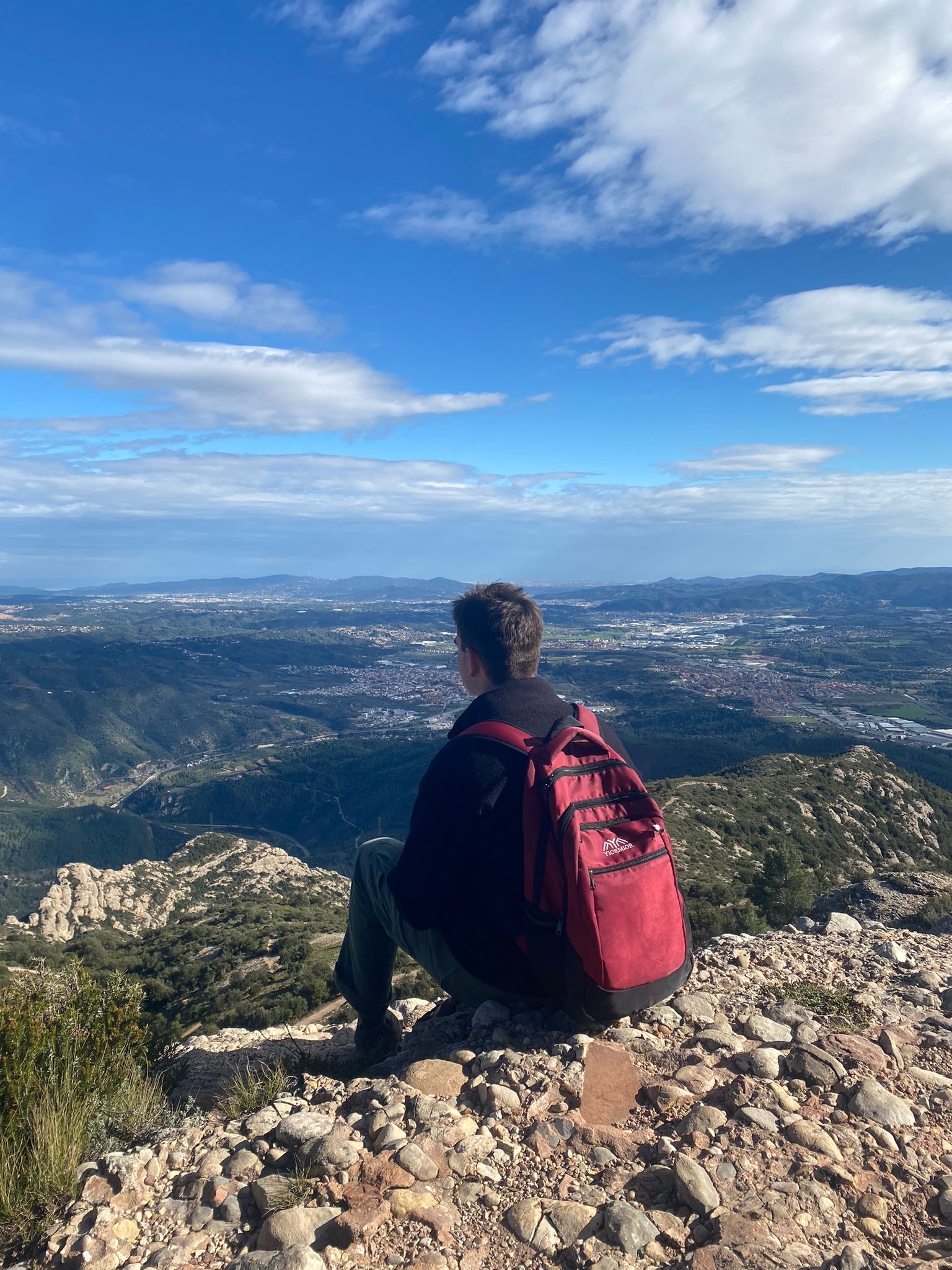
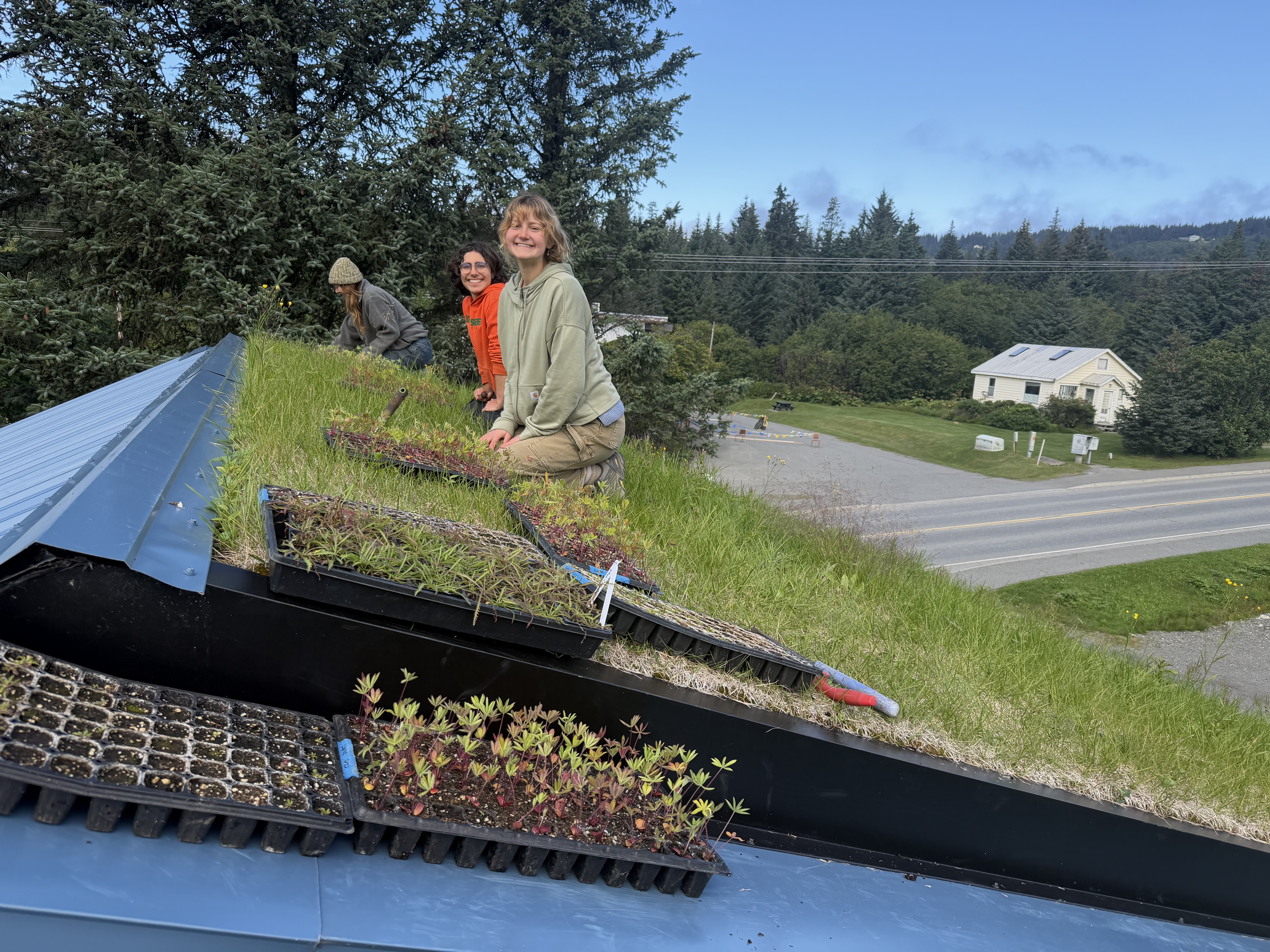
This summer I traveled to Homer, Alaska to work on a small-scale organic veggie and flower farm. I wasn’t sure what to expect from my time on the farm but felt so excited to be traveling to Alaska to farm with new people.
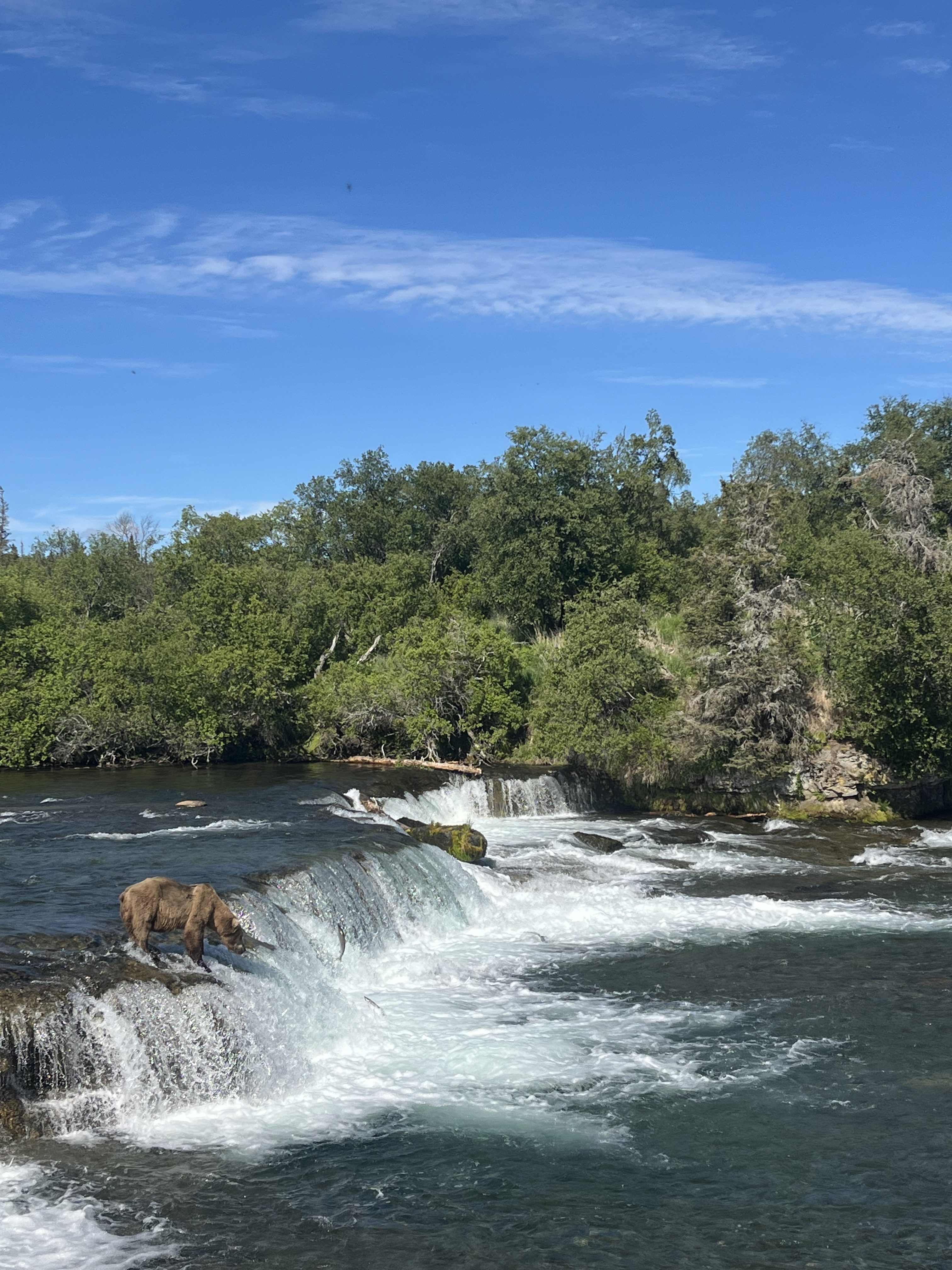
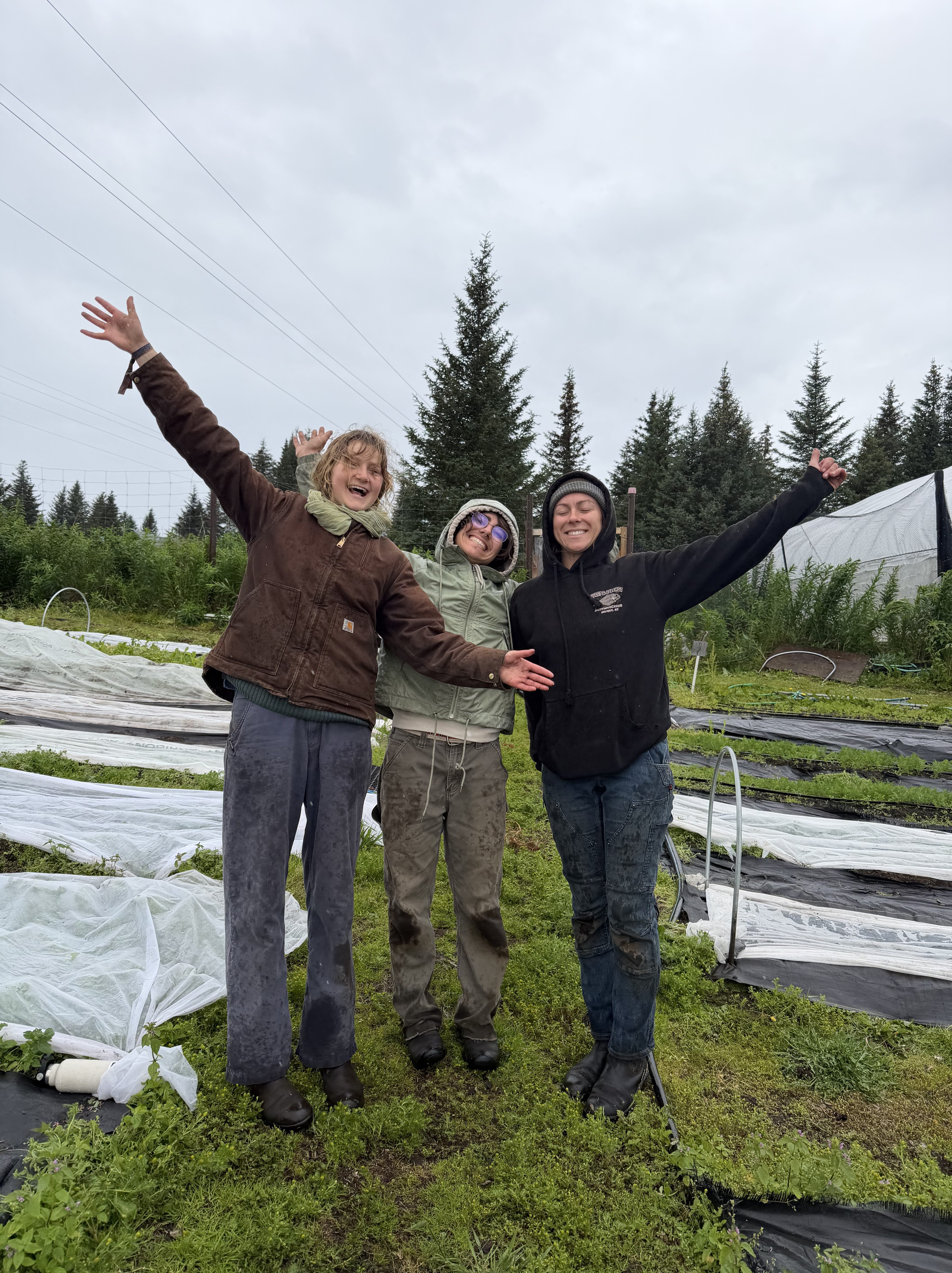
Within my Global Theme of Resources and Sustainability, I am focusing on sustainable agriculture and the barriers that prevent communities from accessing nutritious and sustainably-grown local food. Approximately 95% of Alaska’s food is imported and access to nutritious and affordable food is a big issue in the state. The prices in the grocery store, for example, were often almost twice as much as they are in Montana. Alaska faces unique issues when it comes to food security. The coastal region I was in, for example, has a very short growing season and doesn’t experience temperatures warm enough for a lot of things to grow. Most of what we grew on the farm was grown in high tunnels, and what was grown outside was mostly covered in low-tunnels.
This season, Homer experienced an unusually cold spring which made growing even more difficult. The crew started the season planting into frozen ground and everything we planted was about a month behind due to cold soil temperatures. My boss noted that the weather patterns in Homer have become increasingly unpredictable as a result of climate change, making it harder to grow food in a climate that is already difficult to farm in. This year, for instance, on the morning of the first farmers market of the season, on Memorial day weekend, we woke up to snow, an unusual occurrence even for Alaska.
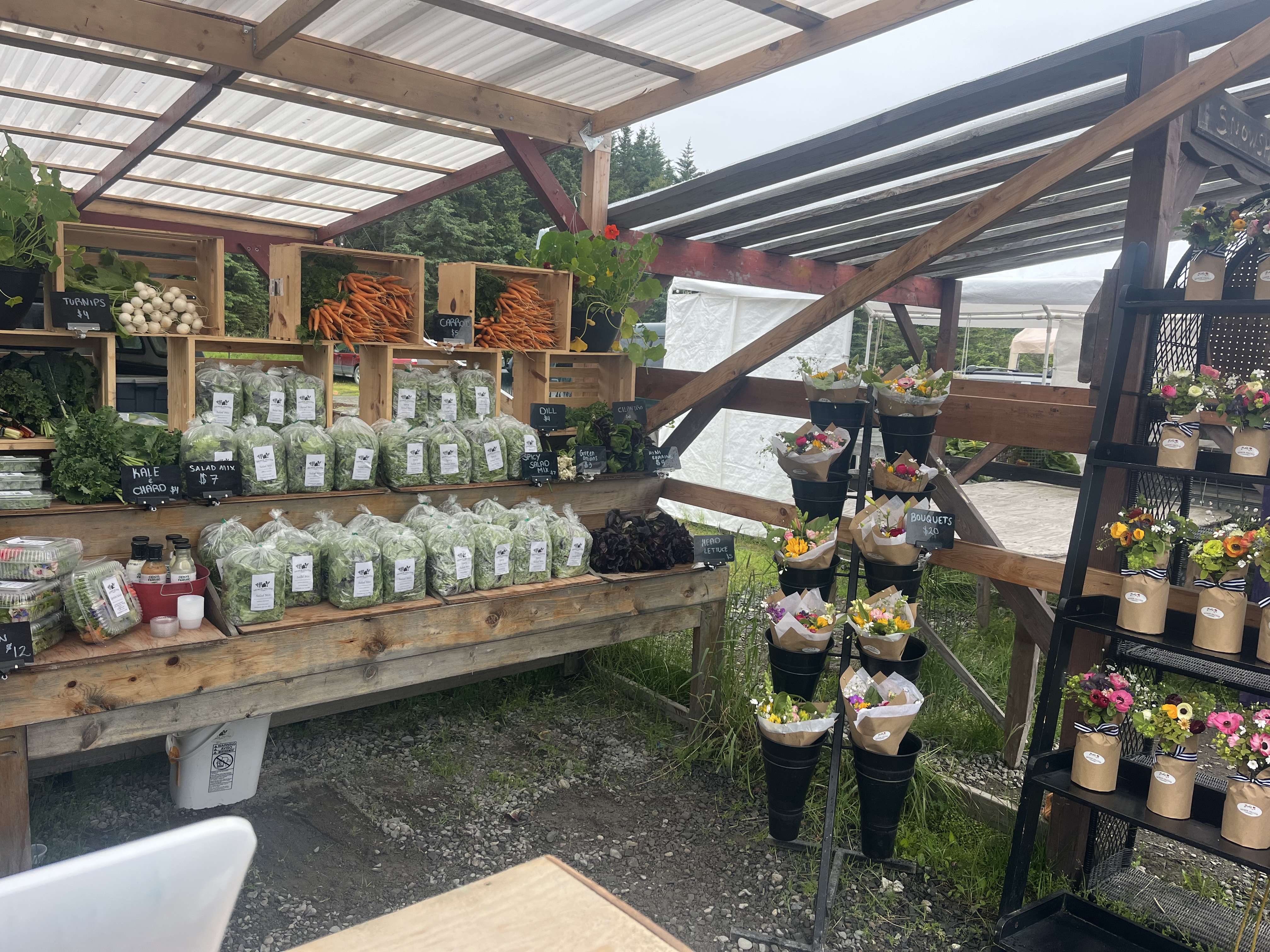
Despite the challenges, small-scale agriculture in Alaska is incredibly valued by local communities. Even with the snow on the first market of the season, Homer locals were lined up outside full of excitement for the chance to eat local veggies. Many people exclaimed things like, “I’ve waited all year for this lettuce!” Over the course of the season working at the farmers market I heard so much gratitude from locals for the opportunity to purchase fresh local vegetables. The farmers market was a frenzy every time as people lined up to get their carrots and tomatoes.
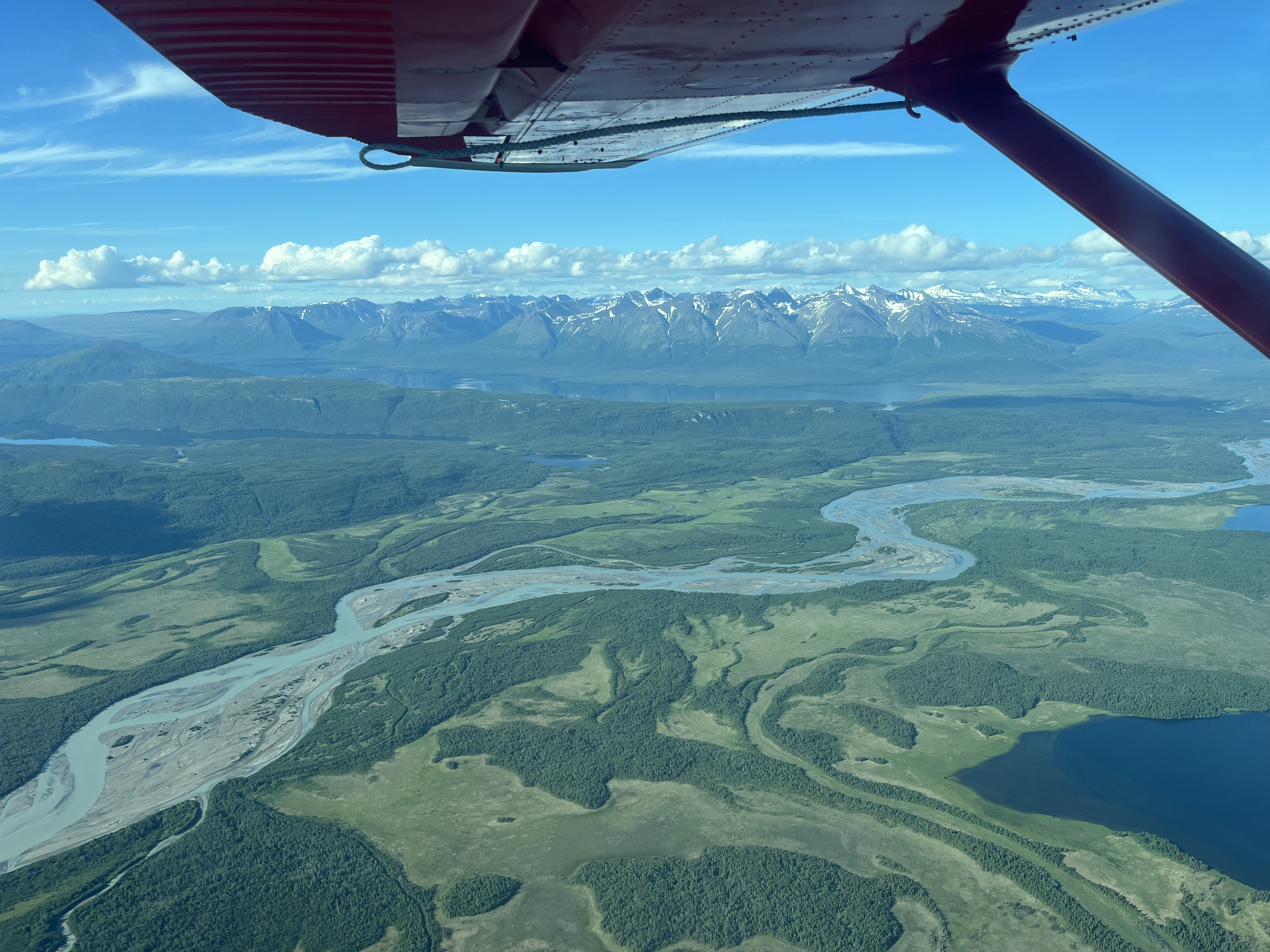
In addition to selling vegetables at the farmers market, I also had the opportunity to fly across the bay to two remote Native villages to sell vegetables at their yearly health fair. Access to fresh produce is even more limited in these villages than it is in Homer, and the people at the fair were overjoyed to see the colorful variety of fresh veggies. All of the food in the small stores in town comes over on freight ships, and the stores we visited had very limited options. Despite the limited food selection in the stores, however, people in the villages do have a lot of access to wild foods. Fishing, for example, is very important in the villages and a lot of families preserve fish to be eaten throughout the winter. My boss told me that a lot of initiatives in Alaska to put in high tunnels and encourage Native communities to farm have failed because there is no cultural context for farming in the villages. Native communities in Alaska have historically supported themselves through wild food and don’t have a history of farming, which in my opinion raises the question of whether encouraging farming in Native villages is the best solution to food security in these communities.
My time at the farm opened my eyes to just how complicated the issue of food security in Alaska is and made me want to learn more about potential solutions to this problem.
In addition to learning more about my global challenge this summer, I also had the opportunity to improve my leadership skills on the farm. As a part of the internship, I had the opportunity to take over the farm for a week and essentially take on the role of farm manager. This taught me a lot about leadership. Before taking over the farm I felt nervous about taking on so much responsibility; however, despite the challenge, my week running the farm ended up being incredibly valuable and rewarding. By the end of my week in charge I felt grateful for the encouragement I received from my boss and coworkers and empowered to take on more leadership roles in the future.

I’m so grateful for my experience at Homer Hilltop Farm this summer. I learned and grew so much, and I can’t wait to go back to Alaska soon!