
When I left Montana to spend a semester studying in Angers, France, I expected to learn a lot about France. I wanted to improve my French, experience another culture firsthand, meet people from around the world, and become more independent. What I did not necessarily expect was how much the experience would teach me about myself and, strangely enough, about home.
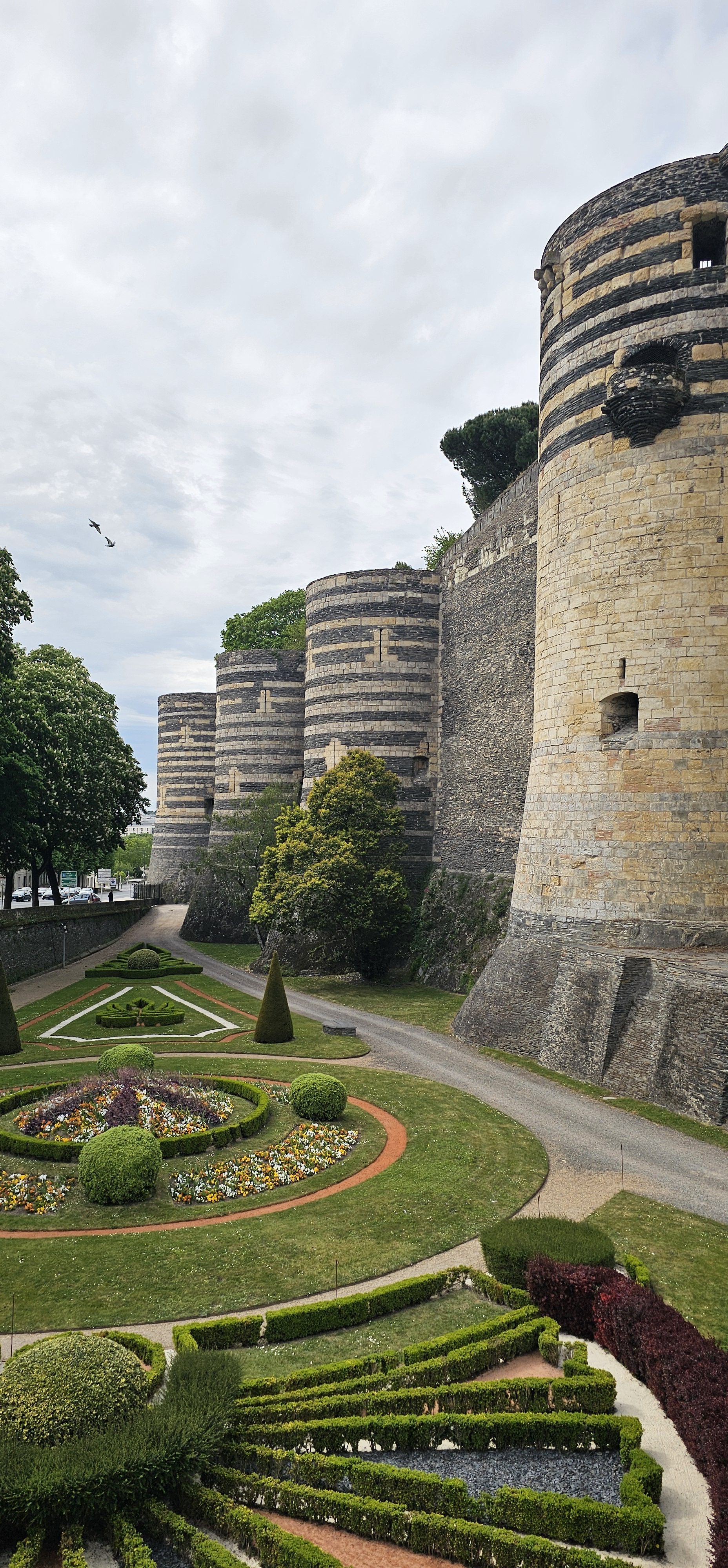
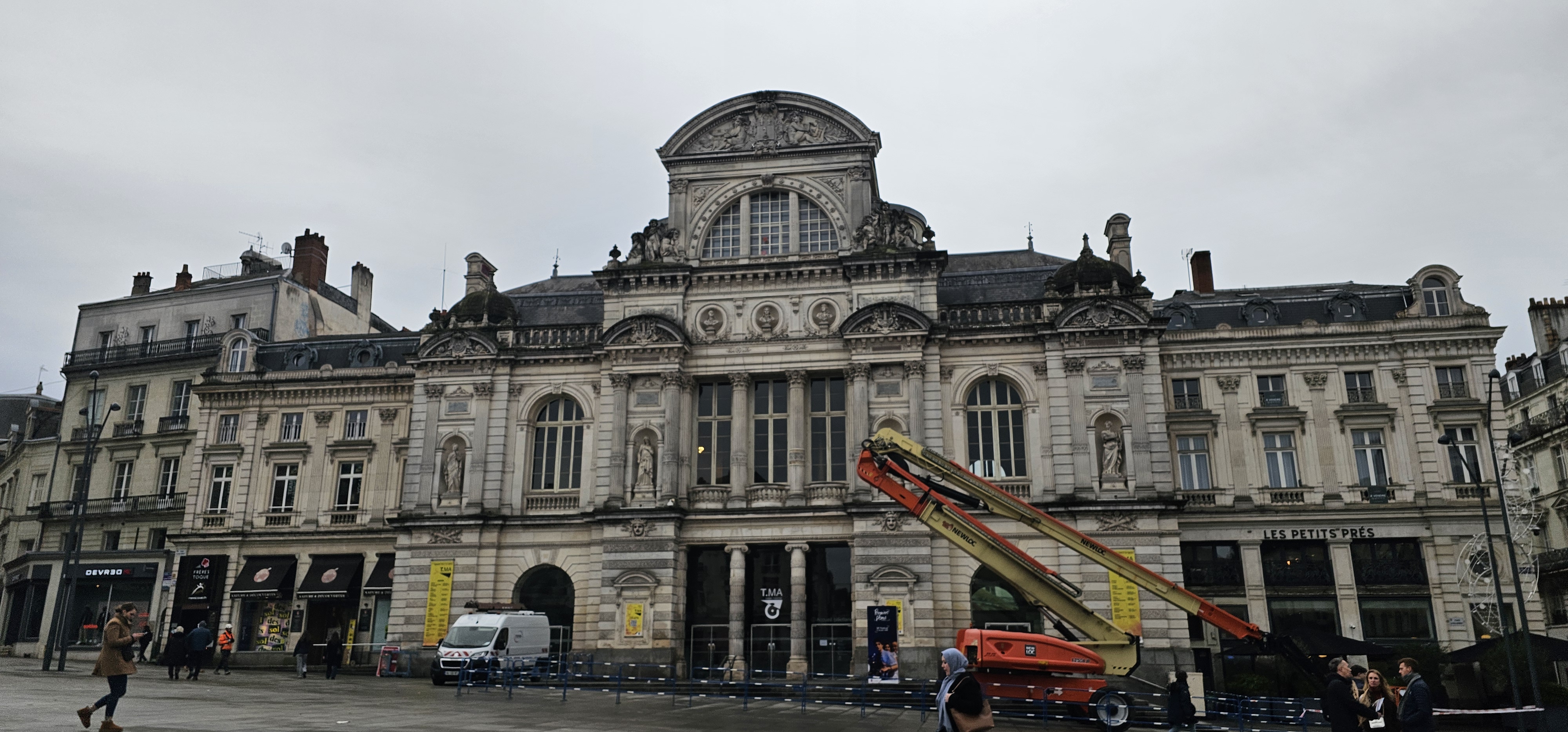
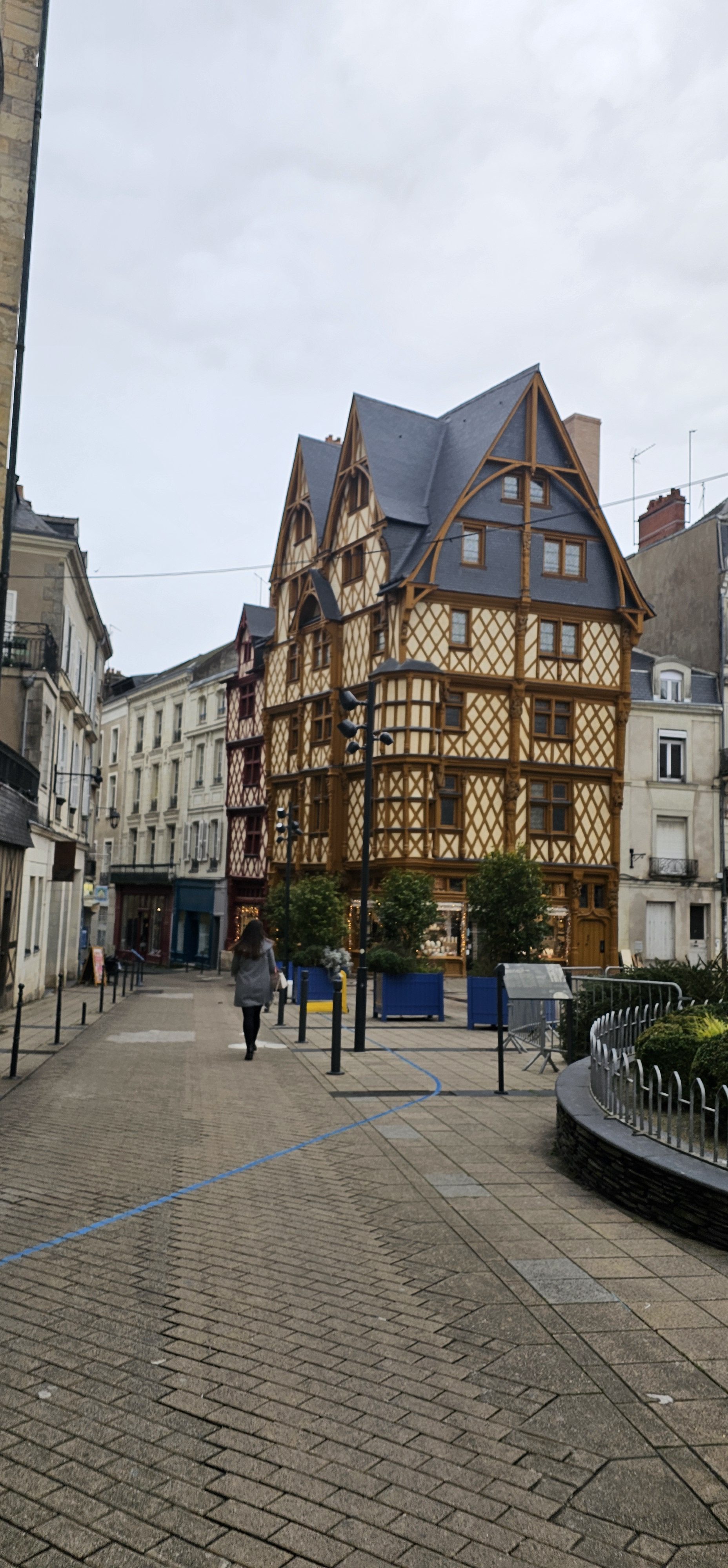
For my Beyond the Classroom experience, I studied an intensive French language and culture program at the University of Angers. Before leaving, I knew studying abroad would push me far outside of my comfort zone. I am someone who likes certainty and routine, thus moving across the world to live somewhere I had never been, surrounded by people I did not know, speaking a language I was still learning, was certainly one way to challenge that.
That challenge started almost immediately. After nearly 29 hours of traveling alone from Montana to France, I still had to navigate the French train system in order to actually reach Angers. And as many people may relate, after successfully navigating the train system for the first time, it is hard to not have a feeling that you could take on almost anything else the world throws at you.
Thankfully, I absolutely loved Angers! It was the perfect city for me, large enough that there was always something to explore but small enough that it quickly became familiar. My favorite places included the botanical garden, the river, and the Château d’Angers. I loved simply walking around the city and getting to experience what it was like to actually live in France rather than just visit it.
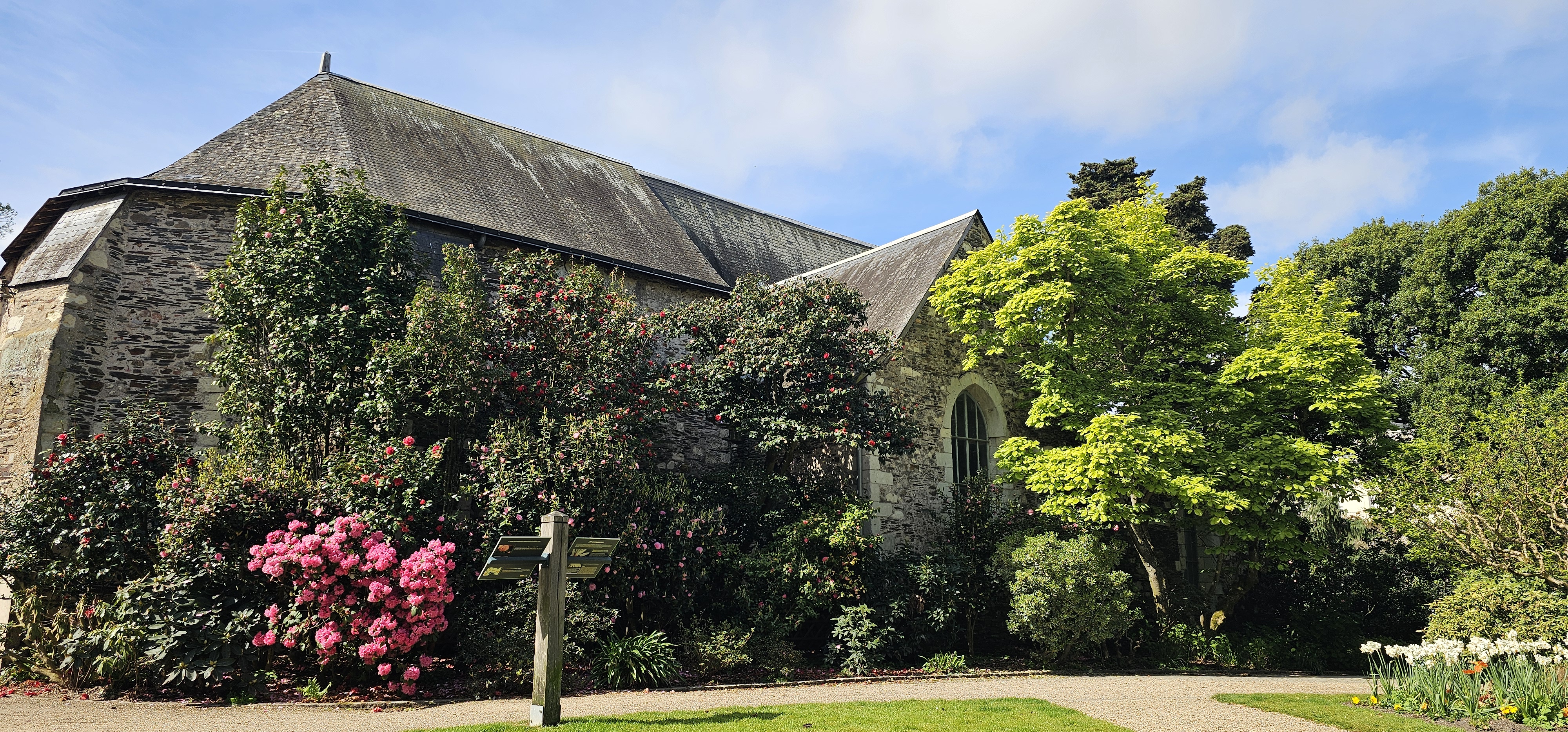
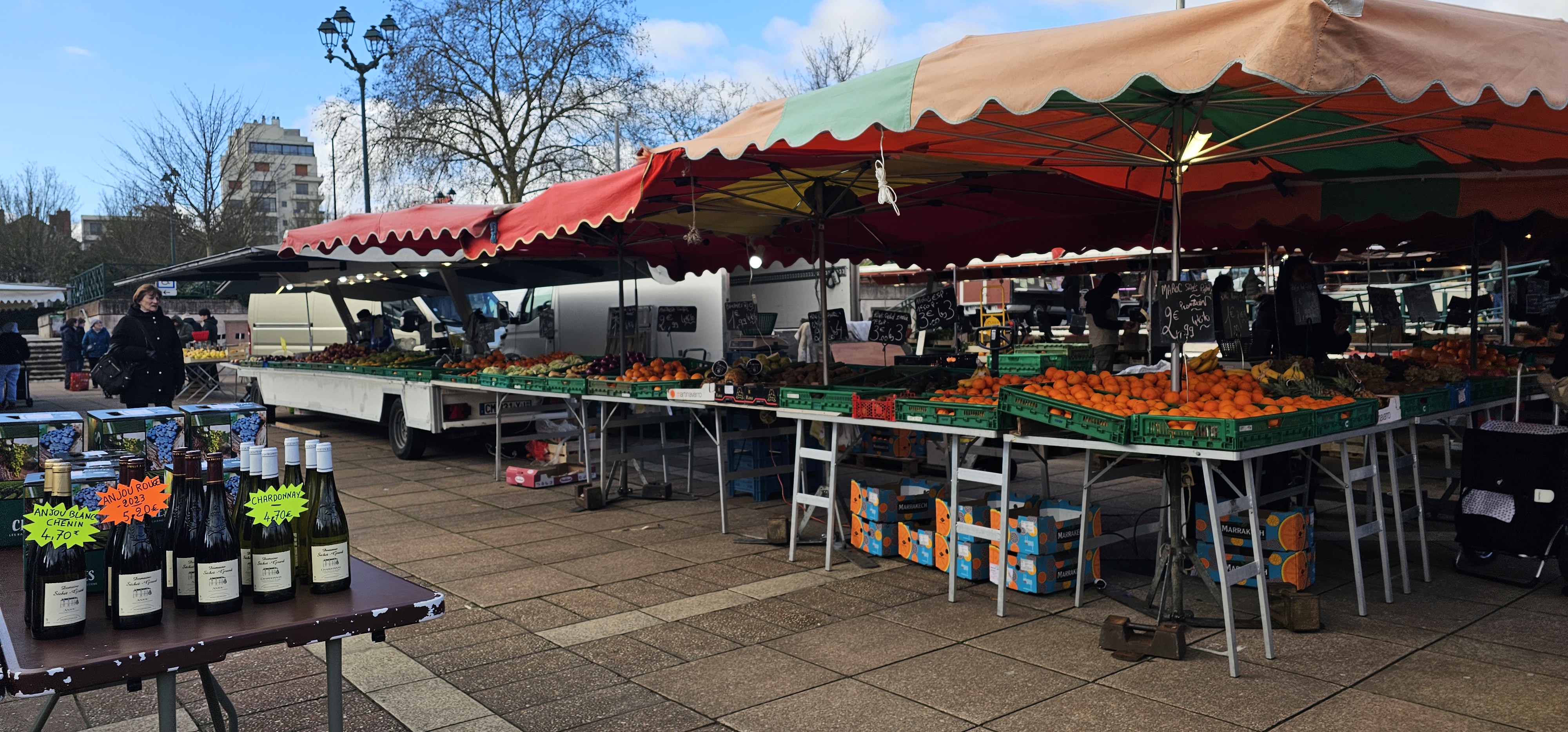
That distinction became particularly important to my GLI work. My Global Theme is Culture and Politics, which I got to experience extensively through my studies and going to many museums and castles. Furthermore, my Global Challenge asks: How can social media both reinforce and dismantle cultural stereotypes in cross-cultural communication?
Before going to France, I had seen plenty of TikToks and other social media posts describing French people as cold or rude, especially toward foreigners attempting to speak French. I had even heard that people would become impatient with imperfect French or immediately switch to English rather than letting someone practice. I was curious how legitimate those stereotypes actually were.
In my experience, they were almost the exact opposite of reality.
Everyone I spoke with was kind and patient with my imperfect French. Granted, I was living in Angers, which is known for being one of the happiest cities in France, so perhaps I stacked the deck slightly in my favor. However, I had multiple experiences where strangers at parks, stores, or other public places would simply start conversations with me. People would ask where I was from, why I was in France, and all kinds of other questions, never seeming to mind that my French was far from perfect.
Furthermore, I had always seen Americans portrayed online as being unusually chatty with strangers while Europeans were supposedly much more reserved. Yet I cannot think of many times in the United States when a complete stranger has approached me randomly. In Europe, it happened constantly.
Apparently, I also look extremely competent while traveling.
No matter where I went, strangers regularly asked me for directions, help finding something, or even how to connect to the Wi-Fi. Sometimes I had been in a place for approximately five minutes before apparently being promoted to local authority. Considering I was also figuring things out as I went, I am still not entirely sure what gave them that confidence in me.
Experiences like these changed how I think about my Global Challenge. Social media gives us incredible access to other cultures, but it can also turn individual experiences into sweeping cultural truths. Actually living abroad showed me how much more complicated people are than the stereotypes attached to their countries.
My understanding of cross-cultural communication also expanded far beyond France. My program included students from all over the world, and I became especially good friends with classmates from Rwanda and Ukraine. And learning about those cultures and their stories was fascinating and I will cherish these friendships forever.
Perhaps the most surprising thing I learned, though, was just how important home is to me. I have always loved traveling, and studying abroad certainly did not change that. However, I realized that home, for me, is less about a particular place and more about the people who make me feel at home.
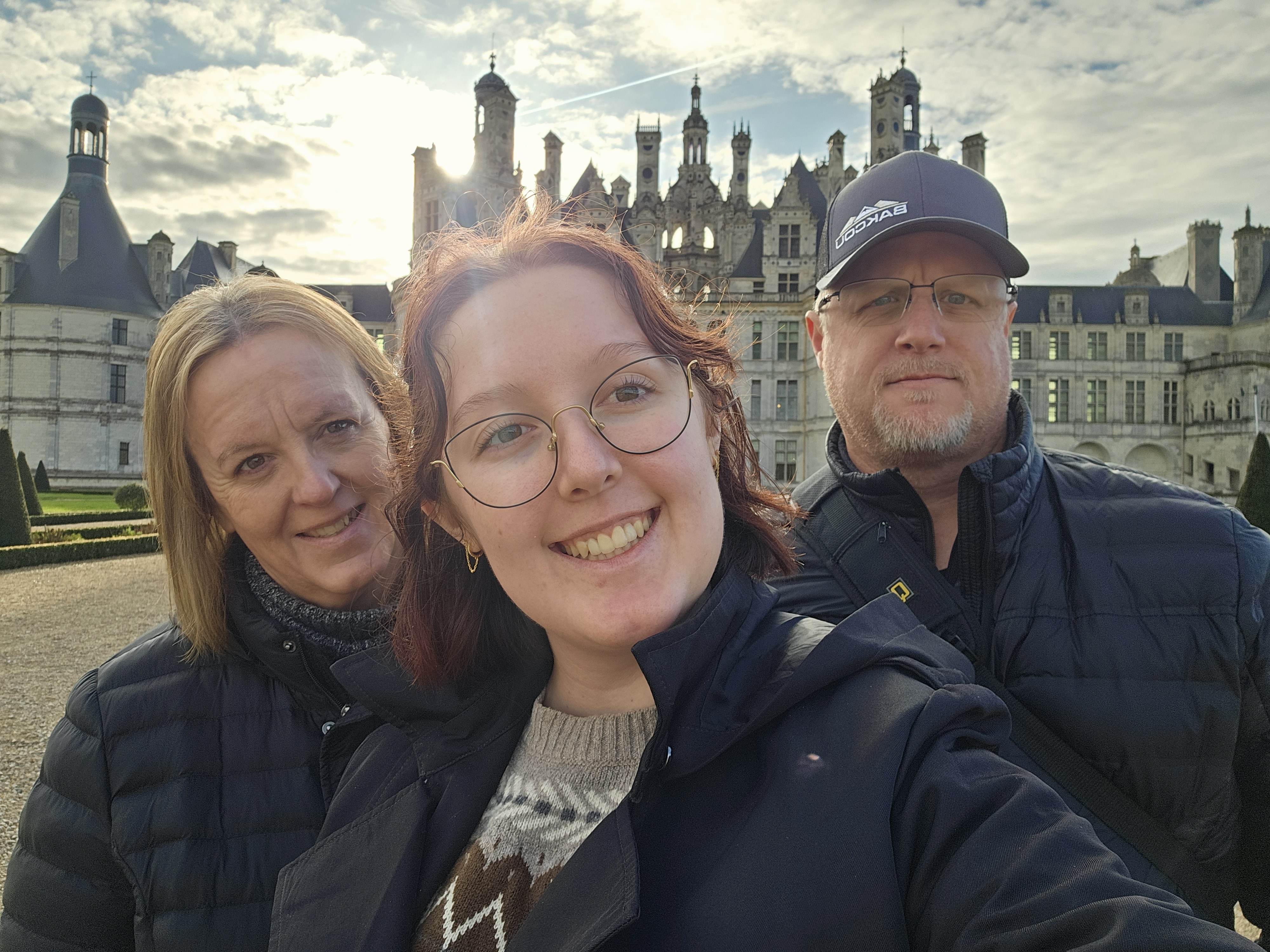
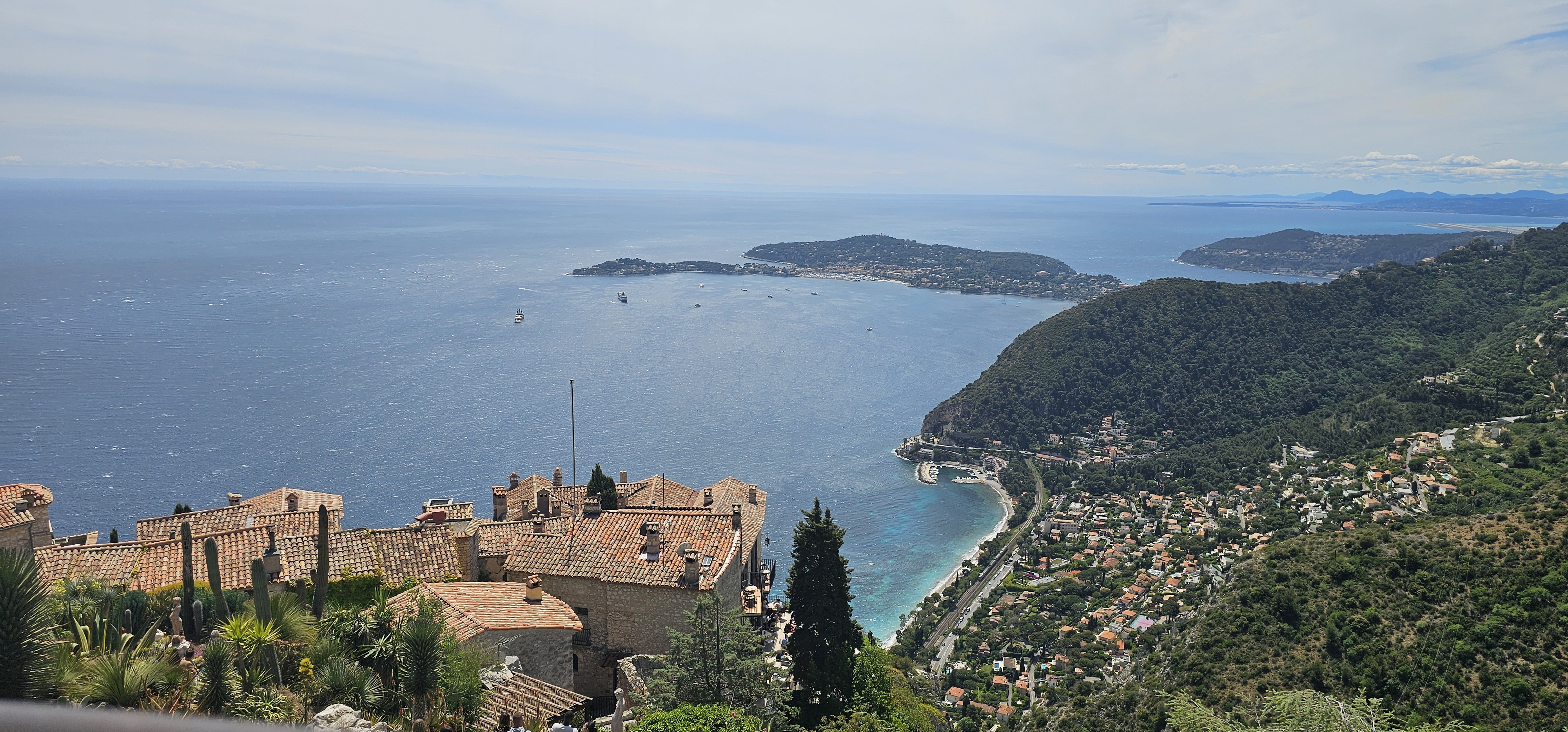
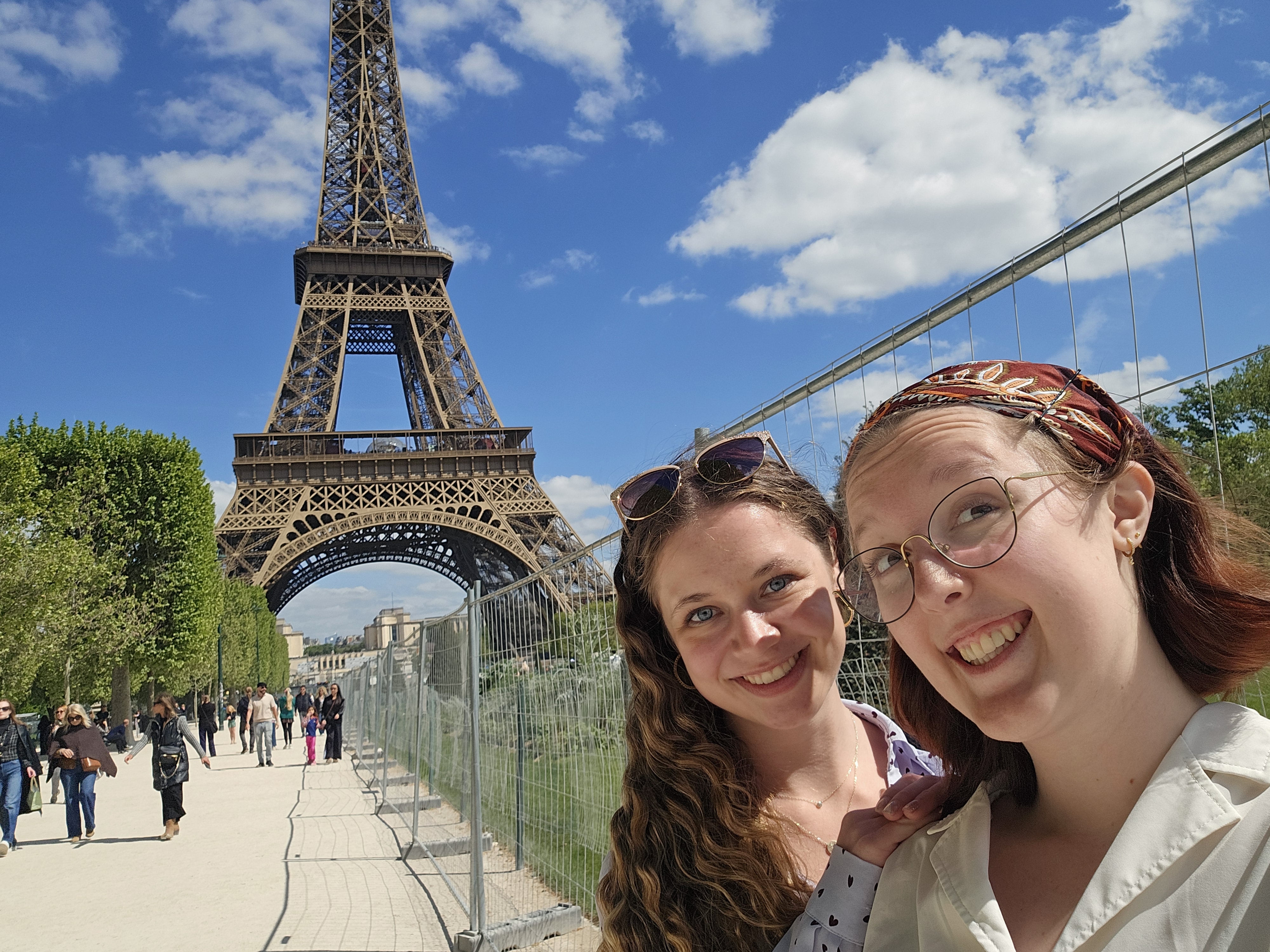
Thus, some of my favorite memories abroad were the ones I was lucky enough to share with my favorite people. My parents came to France, and I was able to travel with them throughout Paris and the Loire Valley, and through Italy and Monaco with my mom at the end of my stay. My best friend, Selah, was studying abroad in Sweden at the same time, so I visited her in Sweden, she visited me in France, and we met again in Norway.
I left Montana wanting to experience more of the world, and I absolutely did. I came home more independent, more confident, and even more excited to continue traveling. At the same time, I returned with a much greater appreciation for Montana and, more importantly, for the people waiting for me there. Studying abroad taught me that I am capable of going very far from home. It also taught me exactly why home will always matter so much.
McKenzie Tordale

