
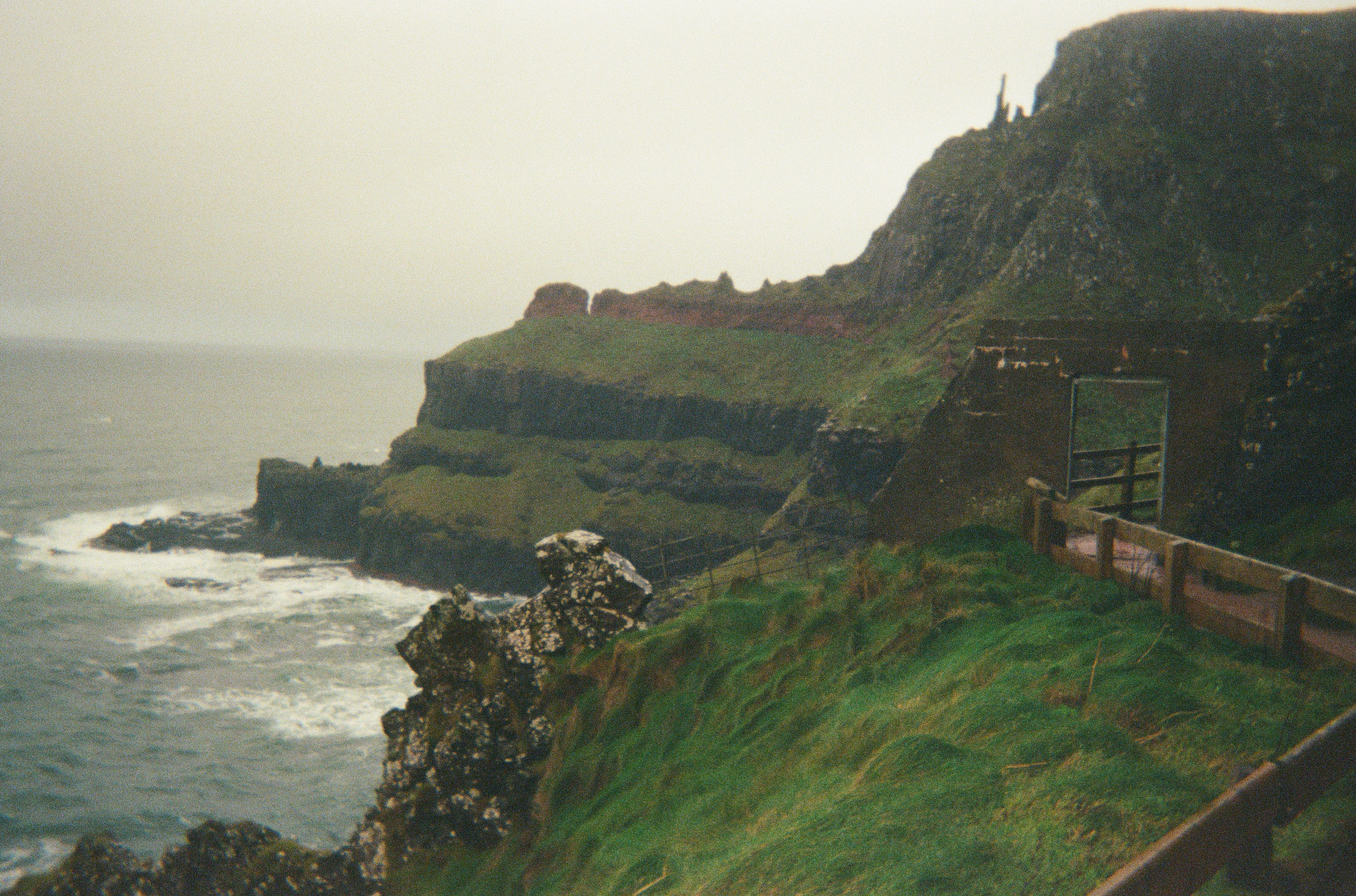
Everyone tells you Ireland is green. They tell you about the rolling hills, the fields, and the endless countryside stretching toward the coast. I thought I understood what they meant before I arrived. I had seen the photographs. But no photograph could have prepared me for actually seeing it. It was as if someone had turned the saturation all the way up—a brilliant, almost impossible blanket of green stretching beneath an often-gray sky.
That was one of my first lessons from studying abroad: sometimes you cannot fully understand a place until you experience it for yourself.
I spent the 2025–26 academic year studying at Ulster University in Coleraine, Northern Ireland. I arrived carrying all the expectations that come with moving somewhere new. I expected to be excited and challenged. I expected to learn about another culture, become more independent, and travel. What I did not expect was how quickly an unfamiliar place could begin to feel like home.
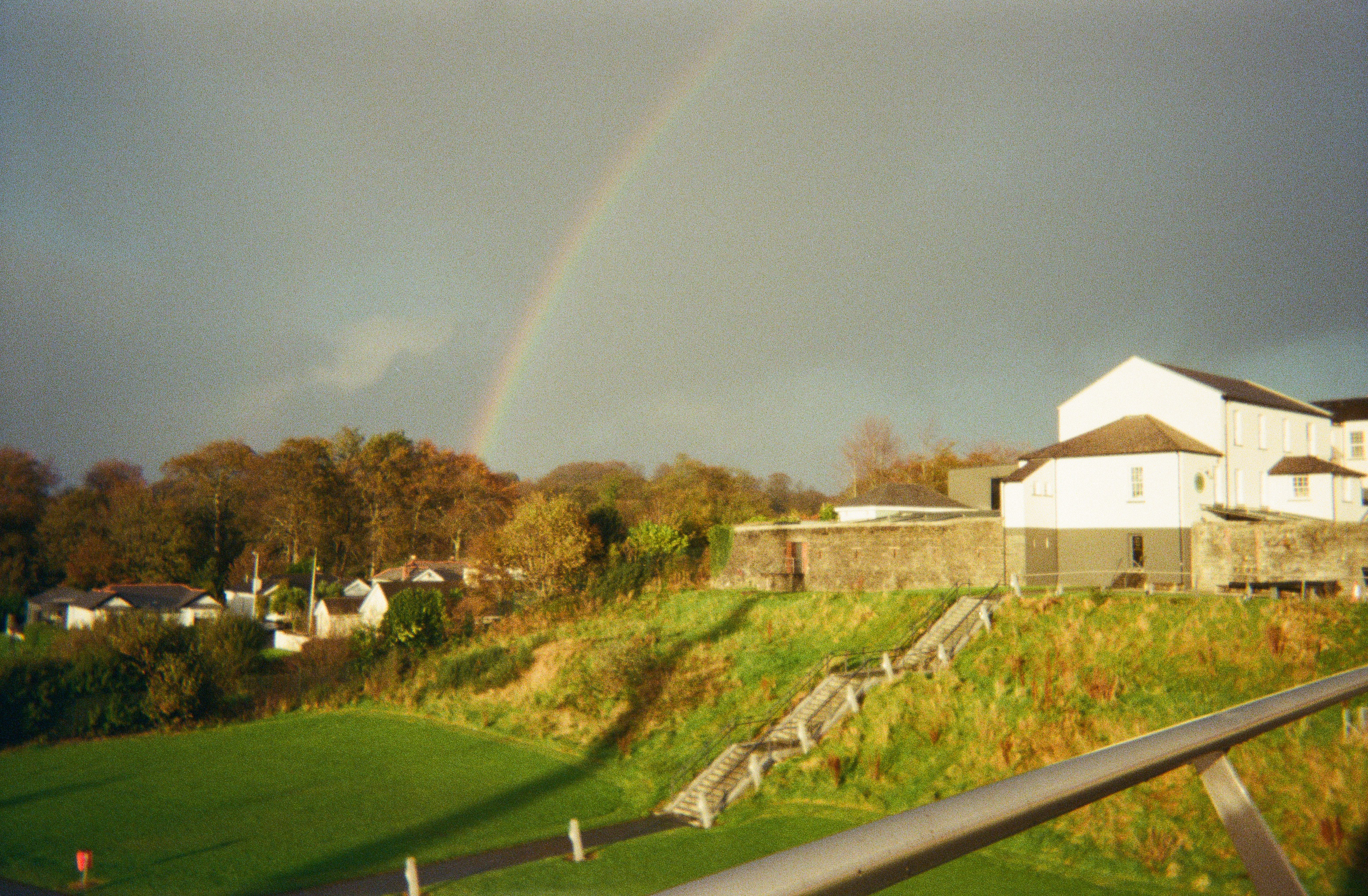
One of my earliest memories is being greeted with unexpected kindness by a stranger. It was a small interaction, but when you are thousands of miles from home and trying to find your footing in an unfamiliar place, small acts of kindness carry a surprising amount of weight. That moment stayed with me. Over time, Coleraine stopped feeling like somewhere I was visiting and started feeling like somewhere I belonged.
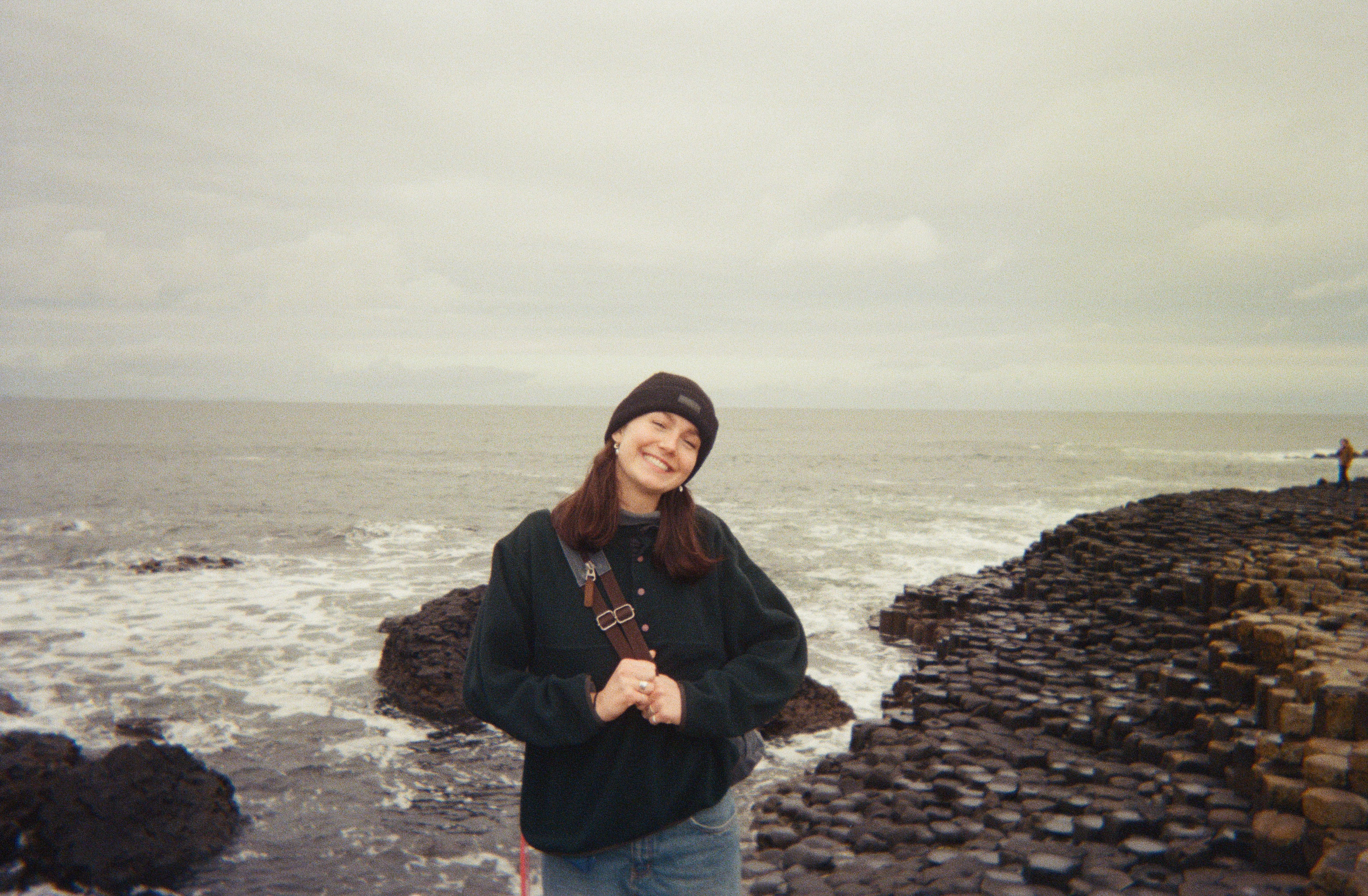
Not far from Coleraine is the Giant’s Causeway, one of Northern Ireland’s most recognizable landscapes. I visited three times during my year abroad, and each visit was just as awe-inspiring as the last. More than 40,000 basalt columns rise from the coast, fitting together in strange, almost impossible patterns before disappearing into the Atlantic Ocean.
There are two stories about how the Causeway came to exist. The scientific explanation tells us that volcanic activity millions of years ago produced the distinctive basalt columns. The myth tells a more dramatic story. According to legend, the giant Finn McCool built a causeway across the sea to confront a Scottish giant named Benandonner. When Finn realized his opponent was much larger than he was, he disguised himself as a baby. Benandonner saw the enormous “baby,” imagined how enormous its father must be, and fled back to Scotland, destroying much of the Causeway behind him.
I find myself drawn to both stories. One explains the landscape through science; the other through imagination, history, and culture. Neither makes the other meaningless. Together, they say something about the different ways people understand the places around them.
As a journalism student, I think there is something important in that. Facts help us understand the world, but stories shape how we relate to it. My time abroad strengthened my interest in the space where journalism, science, and environmental issues overlap—and in finding ways to communicate complicated problems without losing the people and places at the center of them.
That connected closely with my work through the Global Leadership Initiative. My global theme focuses on climate adaptation and how communities respond to environmental change. Before going abroad, I understood climate change as a global problem with consequences that play out differently around the world. Living somewhere else for a year made that idea much more tangible.
Climate change may be global, but adaptation is deeply local. Geography matters. So do history, culture, resources, politics, and the priorities of individual communities. A solution that makes sense in Montana may not make sense in Northern Ireland, even when both places are responding to pieces of the same global challenge. Studying environmental issues from outside the United States made me think more carefully about the danger of assuming there is one correct way to respond to a problem simply because the science behind it is shared.
My coursework reinforced that idea. Studying environmental issues alongside writing and journalism pushed me to think not only about the science behind environmental problems, but also about how those problems are communicated. Whose voices are included? What knowledge is valued? Why do some stories resonate with a community while others do not? And how do you communicate the urgency of a global problem while still respecting the experiences and priorities of the people living with it?
Living in another country also taught me a great deal outside the classroom. Spending an entire academic year abroad is different from visiting somewhere for a few weeks. There were times when I was homesick, confused, lost, or simply unsure of what I was doing. I had to navigate unfamiliar transportation systems, academic expectations, cultural differences, and everyday problems without the support systems I was used to having nearby. Traveling throughout Northern Ireland and Europe pushed that independence even further.
Eventually, I became much more comfortable with uncertainty. I learned that I can arrive somewhere unfamiliar, not know exactly what I am doing, and find my way. More importantly, I learned that I do not always need to have the answer immediately. I can ask questions, listen, adapt, and learn from the people around me.
That has changed the way I think about leadership. Before going abroad, I probably associated leadership more with confidence and knowing what to do. Now, I think there is just as much value in being comfortable enough to admit what you do not know. Leadership can mean listening before speaking, asking better questions, and being willing to change your mind when you encounter a perspective you had not considered.
My understanding of cross-cultural communication changed in a similar way. Before going abroad, I thought cultural differences would mostly be obvious—different accents, traditions, foods, or customs. Instead, I found that culture often reveals itself in smaller moments: how people interact with strangers, how communities understand their history, what they joke about, what they value, and how they relate to the landscapes around them. Experiencing another culture is not simply about observing those differences. It is about allowing them to challenge your own assumptions.
I think that lesson will be especially important as I move forward in journalism. Good reporting often means entering a community or conversation knowing that you do not fully understand it yet. My experience abroad made me more comfortable doing that. It reinforced the importance of listening before assuming and recognizing that people’s relationships with issues like climate change are shaped by much more than facts alone.
In an unexpected way, leaving Montana also made me think more deeply about home. Seeing how strongly place, landscape, history, and identity were intertwined in Northern Ireland made me notice those same connections more clearly when I returned. I came home with a broader understanding of environmental issues, but also with more curiosity about the stories unfolding in my own community.
As I finish my journalism degree at the University of Montana, I want to carry that perspective into my reporting. I am especially interested in environmental and climate journalism, and I hope to tell stories that make complicated issues understandable without losing the people and places behind them. Studying abroad gave me a more global understanding of those issues, but it also showed me why local stories matter. The largest global challenges are ultimately experienced somewhere specific—by particular people, in particular communities, trying to decide what comes next.
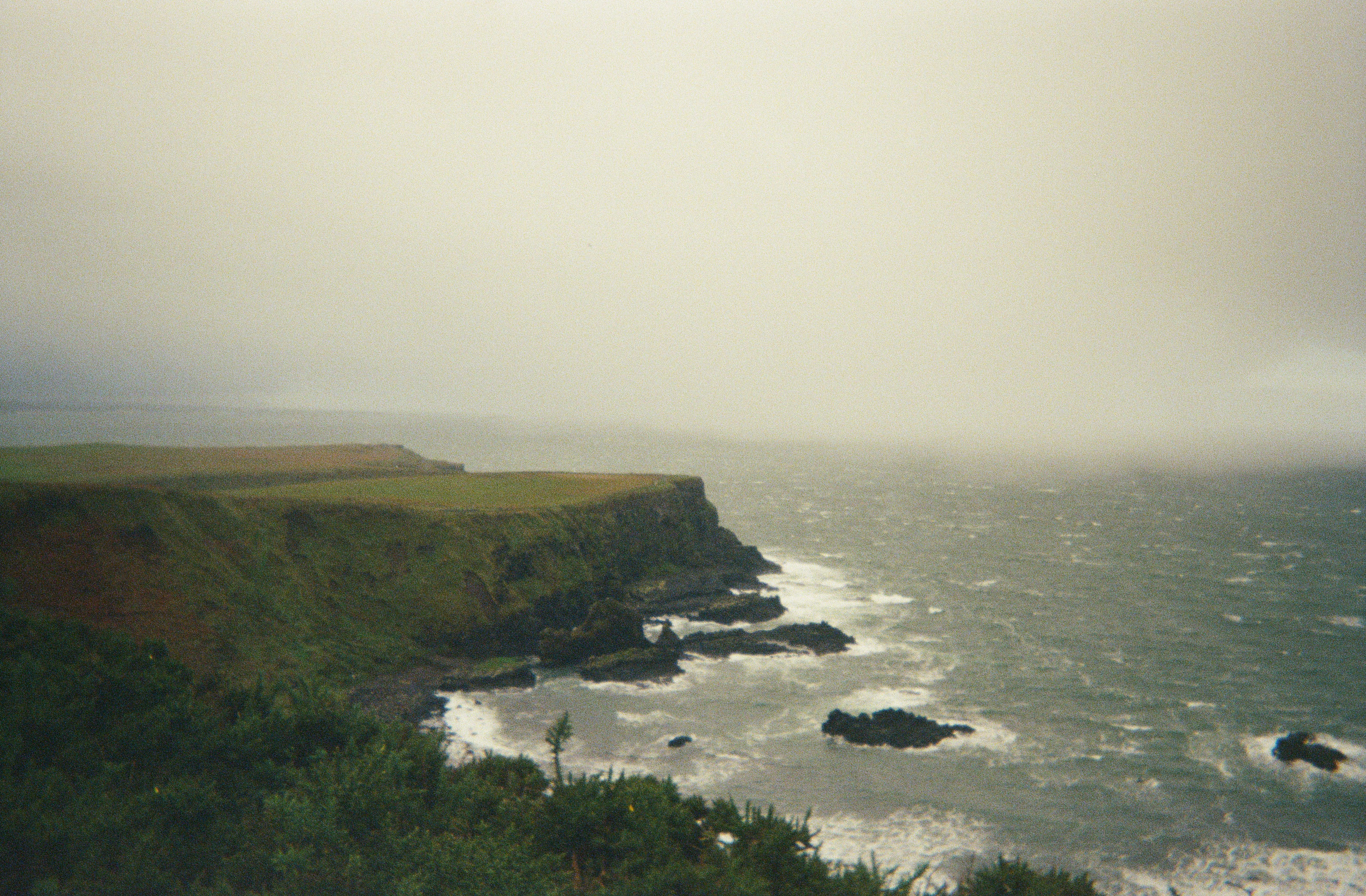
When I think back to the Giant’s Causeway, I think about how it felt different each time I visited. The landscape itself had not changed, but I had. The first visit was an introduction to an incredible place. The second felt more familiar. By the third, I was standing in the same landscape with the perspective of someone who had begun to feel at home there.
Maybe that is what studying abroad gave me more than anything else. It taught me that understanding a place takes time. You have to live in it, listen to it, get lost in it, and allow it to complicate what you thought you knew.
Northern Ireland became my home away from home. I left with more independence, new questions, and a much deeper understanding of the world beyond my own corner of it. I also returned with a clearer sense of the kind of journalist and leader I hope to become.
And I cannot wait to go back—to see that impossible green again, stand beneath the gray Atlantic sky, and visit the Giant’s Causeway for a fourth time.

