
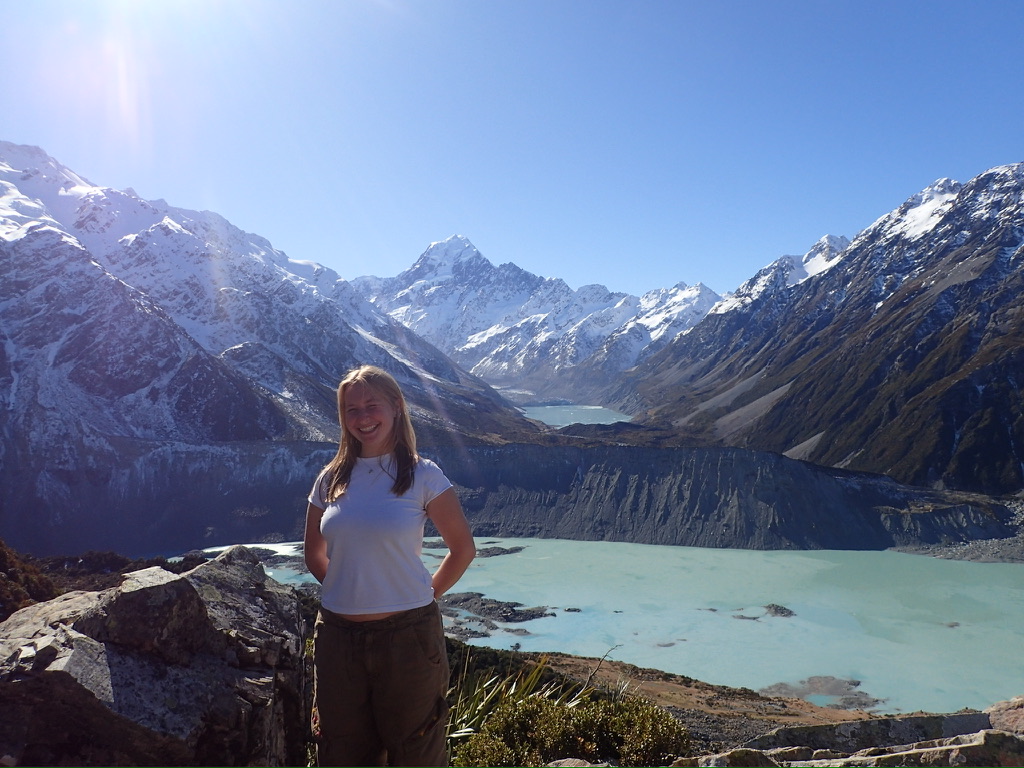
My name is Imogen Steele, and last year, I had the opportunity to study abroad for a year at Te Herenga Waka—Victoria University of Wellington in New Zealand!
Before embarking on my Beyond the Classroom Experience, I had very high expectations for what studying abroad would look like. I imagined myself constantly traveling, bouncing between different countries, solo traveling, trying new foods, and taking advantage of every opportunity to explore. At the same time, I knew I would be challenged personally. I had never been away from my loved ones for such an extended period of time, so I expected that I would experience homesickness and moments of uncertainty. Ultimately, I hoped that I would be able to make New Zealand feel like a second home. In many ways, my experience met those expectations, although not always in the ways I imagined. I spent a large amount of time traveling throughout New Zealand, taking day trips into the mountains, exploring the coast, and going on several road trips. I was constantly surrounded by incredible landscapes and new places to explore. However, one of the biggest surprises was realizing that I was much more of a homebody than I had expected. Instead of always wanting to be on the move, I found myself creating a home for myself in Wellington. Whether it was in my own room, spending time with my roommates, or building friendships with people I met throughout the year, I found a sense of comfort and community that I did not expect. I learned that studying abroad was not only about seeing as much of the world as possible. It was also about creating a life for myself somewhere completely unfamiliar and learning to feel comfortable outside of the environment I had always known.
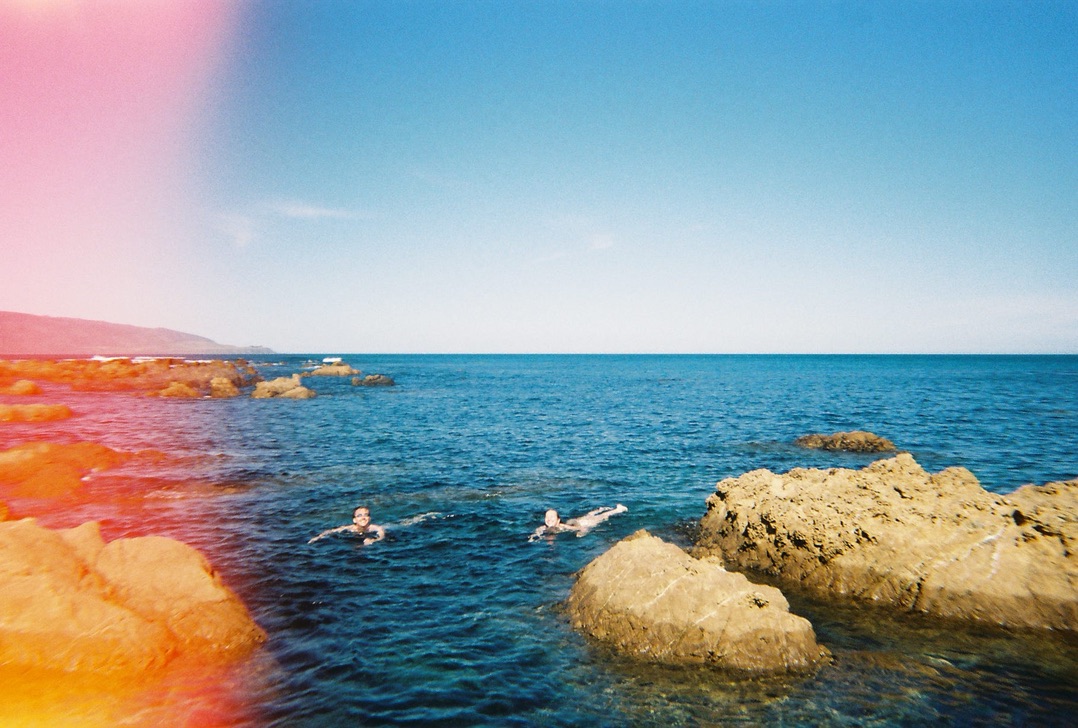
Ian and I swimming in Island Bay
My global theme is Resources and Sustainability, and my global challenge focuses on human impacts on the environment, specifically how these impacts have created a cycle of harm for both people and the Earth. I am particularly interested in how these impacts have become normalized and how Indigenous knowledge, more specifically Māori knowledge, can help address these issues and create a more sustainable future. Before my experience in New Zealand, I understood the importance of sustainability and the need to reduce human impacts on the environment. Still, I primarily viewed these issues through the perspective I had developed in the United States. My time in New Zealand gave me a much deeper understanding of this challenge because I learned about environmental issues in a cultural and geographic context different from what I had experienced at home.
One of the biggest takeaways from the courses I took in New Zealand was learning about how the New Zealand government and Māori communities have worked together to address environmental harm and work toward a more sustainable future. I was especially interested in the Māori concept of kaitiakitanga, or guardianship of the environment, which emphasizes the responsibility people have to care for the land, water, and other natural resources for future generations. Learning about this perspective changed the way I think about sustainability because it showed me that environmental protection is not only about finding new technologies or changing individual behaviors, but also about changing the way we understand our relationship with the environment. Rather than viewing nature as a resource that exists primarily for human use, Māori knowledge emphasizes interconnectedness, responsibility, and reciprocity between people and the natural world.
This experience also challenged me to think more critically about how environmental harm becomes normalized. In the United States, I had become accustomed to many practices that contribute to environmental degradation without always questioning the systems behind them. Seeing environmental issues through a different cultural lens made me recognize that the way we interact with natural resources is not inevitable. Different communities have developed different ways of understanding and managing their relationships with the environment, and Indigenous knowledge can provide important perspectives that are often overlooked in Western approaches to sustainability. My experience in New Zealand therefore expanded my understanding of sustainability from simply reducing environmental harm to considering how cultural knowledge, community relationships, and long-term responsibility can be incorporated into environmental decision-making.
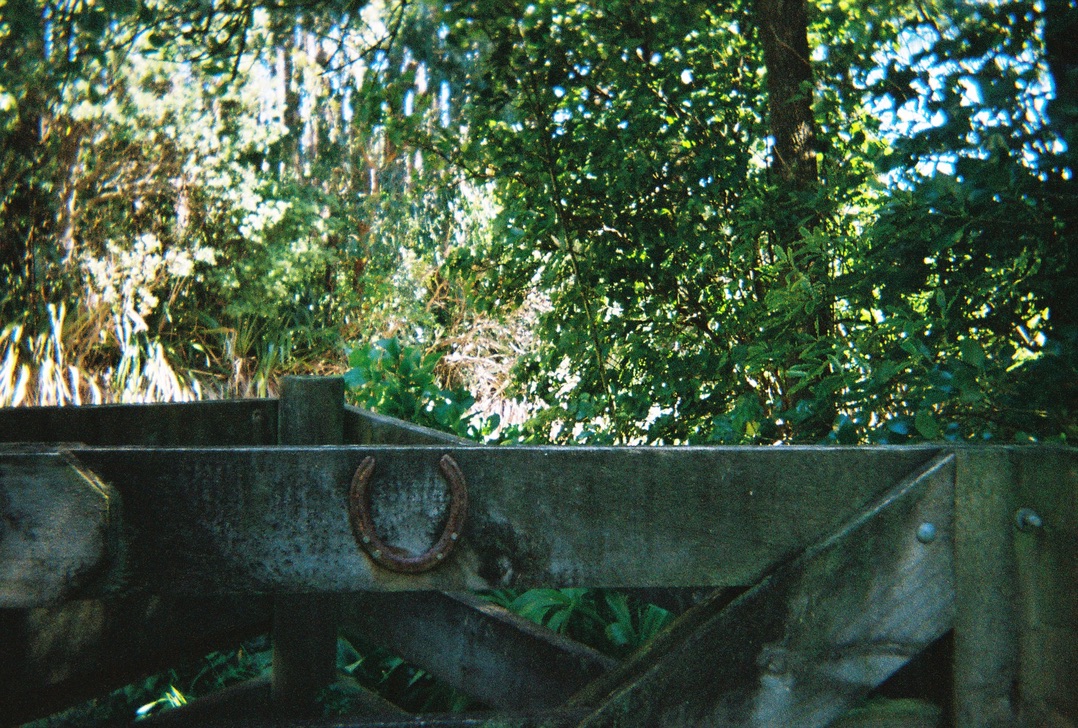
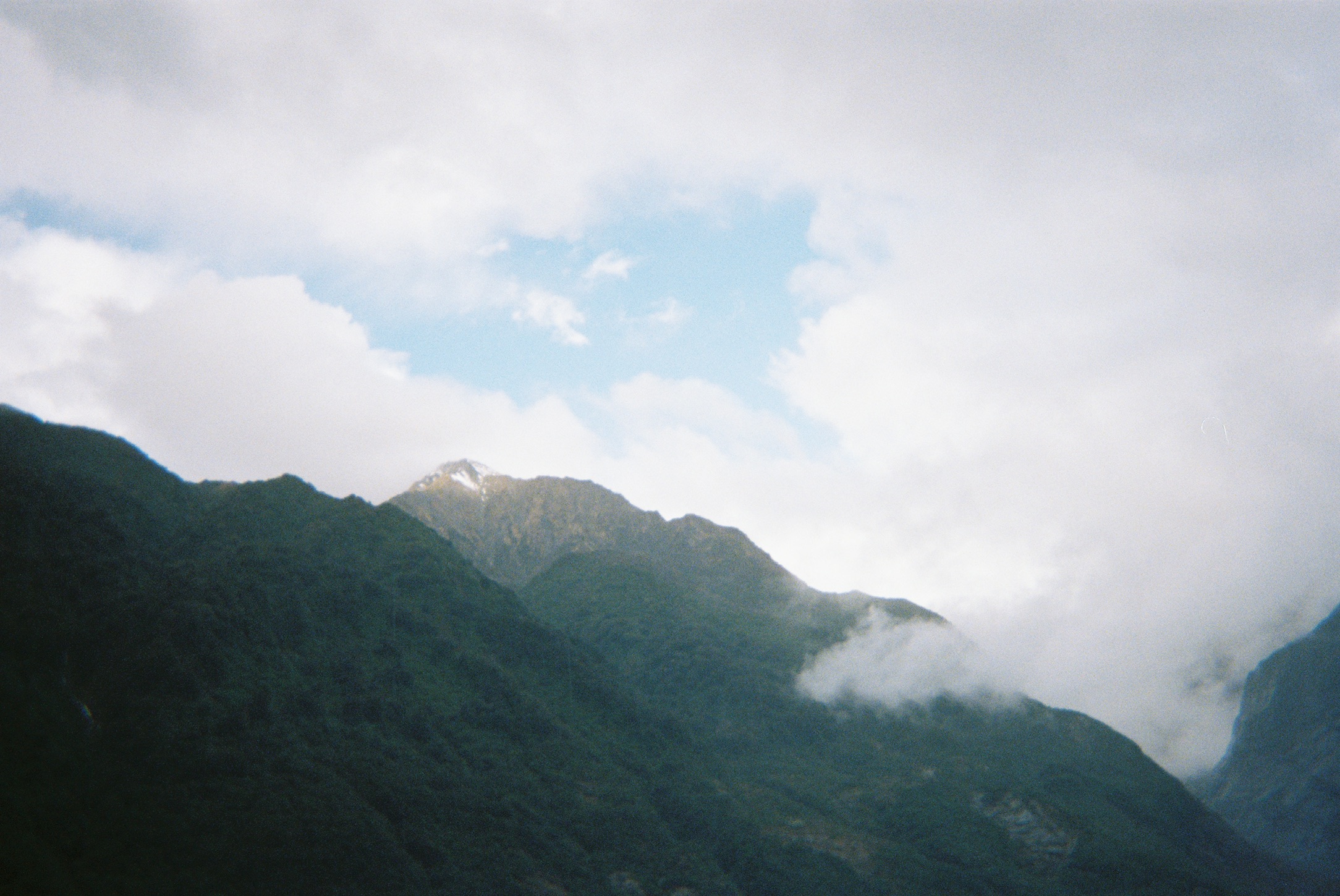
Little horseshoe I found on a hike near my house Franz Josef Glacier
Before my Beyond the Classroom Experience, my understanding of other cultures and communities was largely shaped by what I had learned in school, through the media, or from the people around me. As an someone who had not traveled much outside of the United States, I realized after arriving in Wellington that I had a limited perspective of what it meant to live in another country and experience a culture different from my own. At first, I often compared my experiences in New Zealand to what I was familiar with in the United States, whether that meant searching for familiar brands at the grocery store or comparing the landscapes to ones I had seen at home. Being an American in a foreign country also presented challenges in some situations, as certain people would make assumptions about me and my experiences based on where I was from. Over time, however, living in Wellington for a year challenged me to move beyond these comparisons and become more open to understanding New Zealand on its own terms. Being surrounded by people from different backgrounds and learning about Māori culture, history, and values helped me recognize that my own cultural perspective was not the default or the only way of understanding the world. Instead, I learned to approach different cultures with greater curiosity and openness and to recognize the importance of understanding a community from its own perspective rather than through the lens of my own experiences.
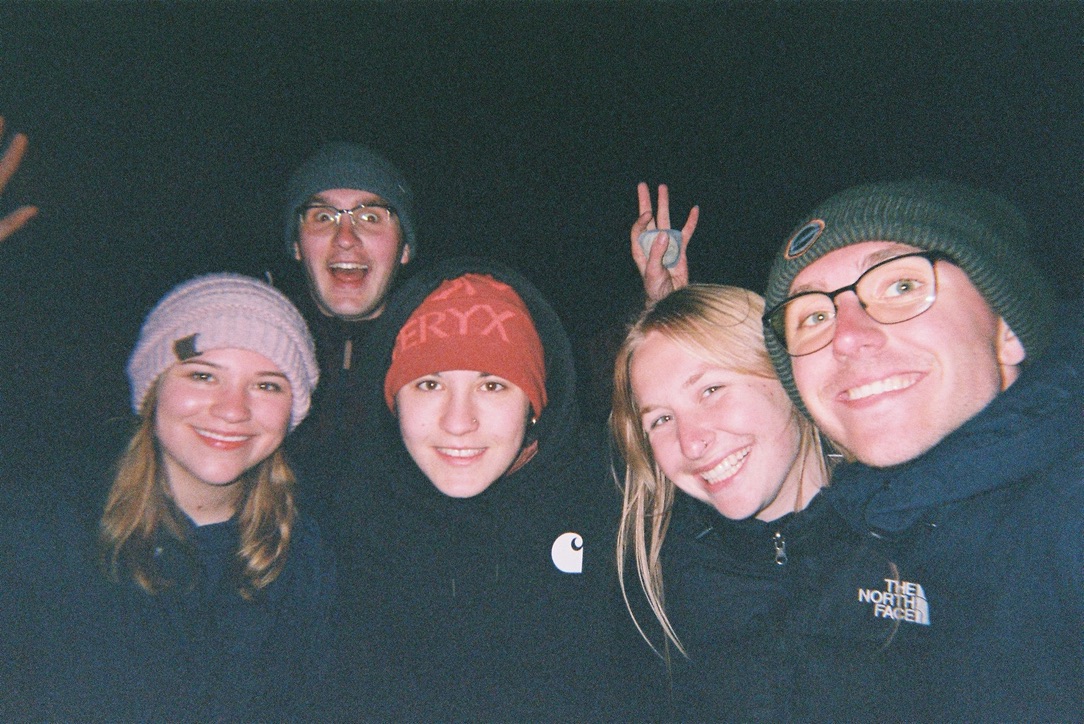
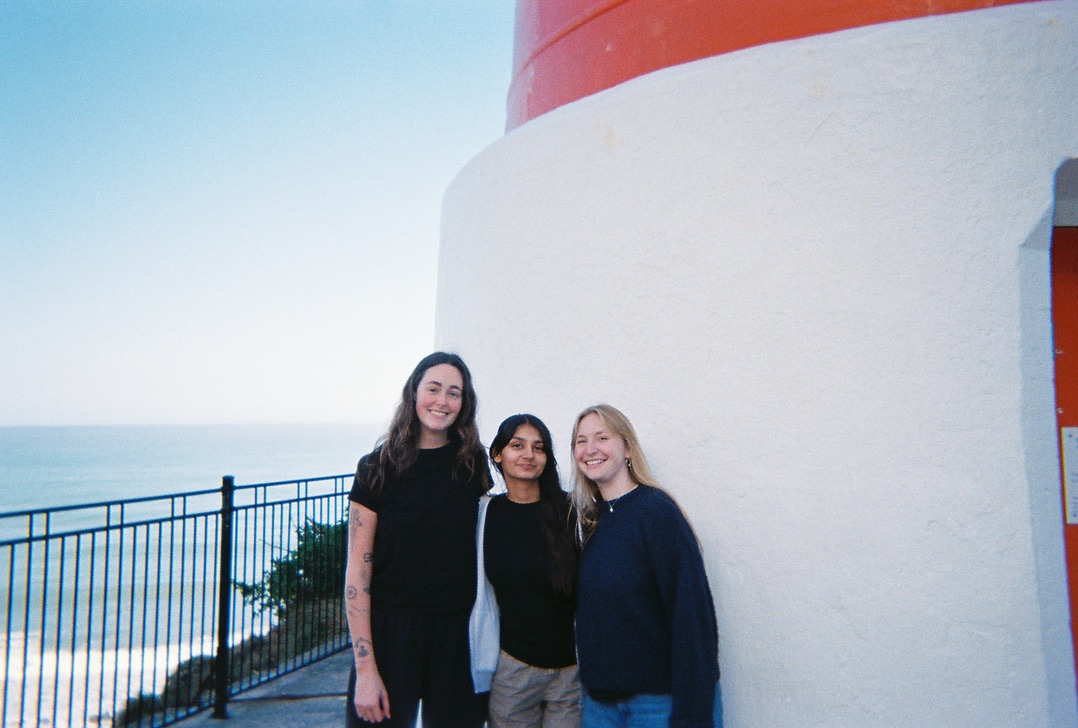
Hannah, Henry, Ellie, Ian, and I on our South Island road trip. Me and my roomates Dannie and India at Cape Palliser
My experience abroad significantly shaped my leadership skills, particularly my independence and adaptability. One of the best examples of this was my 12-day solo road trip around New Zealand’s North Island. Traveling alone required me to make decisions for myself, navigate unfamiliar places, adapt when plans changed, and become comfortable solving problems independently. Although the trip was exciting, it also pushed me outside of my comfort zone. I had to trust myself in situations where I would normally rely on my travel buddies and family. I learned that leadership is not always about being the person in charge of a group. Sometimes leadership means being able to take responsibility for yourself, make thoughtful decisions, and remain open to new experiences even when you are uncertain. Overall, my Beyond the Classroom Experience changed my understanding of what it means to learn outside of the classroom. I went to New Zealand expecting to gain independence and experience a new culture, but I left with a much deeper understanding of myself, my relationship with the environment, and the importance of learning from perspectives different from my own. Studying abroad made me more confident in my ability to navigate unfamiliar situations while also making me more aware of how much I still have to learn. As I continue my Environmental Studies degree and move toward my future career, I want to carry that curiosity with me. I hope to approach environmental challenges with an open mind, prioritize diverse perspectives, and continue looking for ways to connect people and the environment in more sustainable and meaningful ways.
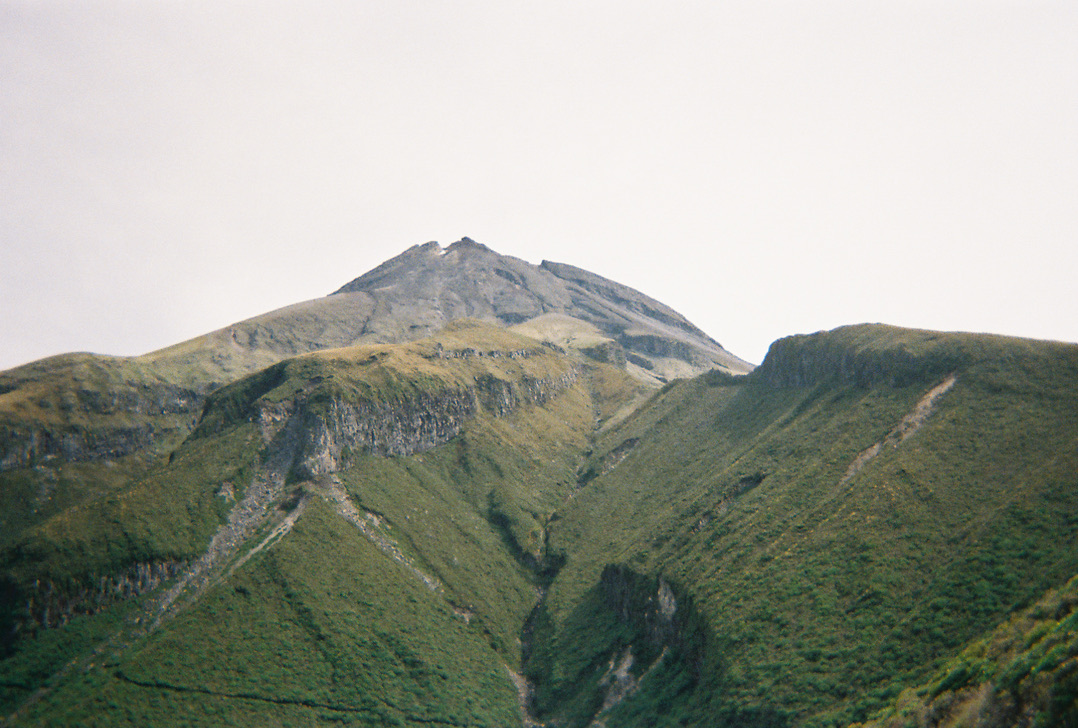
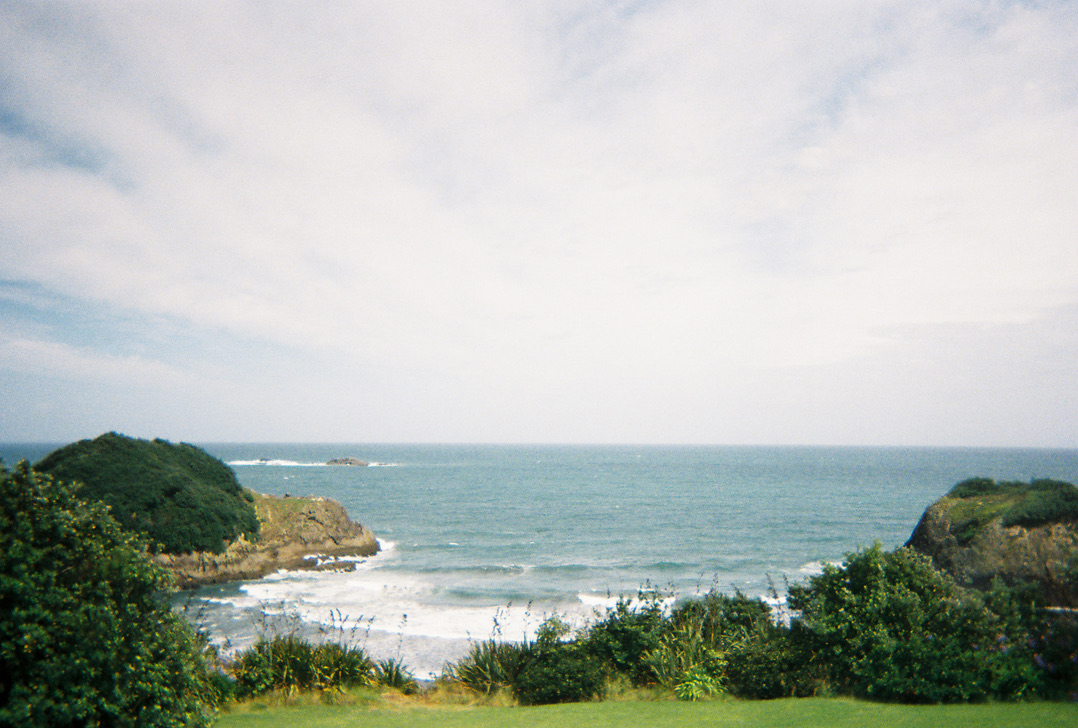
Mount Taranaki, one of 8 active volcanoes in New Zealand One of many ocean views from my roadtrip around the North

