Far from the bright city lights and incredible architecture that many of my peers experienced during their Beyond the Classroom experiences, my summer was spent learning to love the simple things that I often take for granted in my own backyard.
For my Beyond the Classroom experience, I worked a seasonal Forestry Technician job with the Bureau of Land Management’s Missoula Field Office. While it may not have been as glamorous as a semester abroad, my experience gave me an incredible sense of rootedness in Western Montana. Prior to this summer of contributing to forest management in the Missoula area, though I loved the area, it still didn’t feel like home to me. After two summers spent galavanting across the Pacific Northwest and Alaska, I decided to put the old adage that “distance makes the heart grow fonder” to the test. I’d experienced distance, and while I missed home, I think the sheer beauty of the areas I spent my time in dulled the blow a bit.
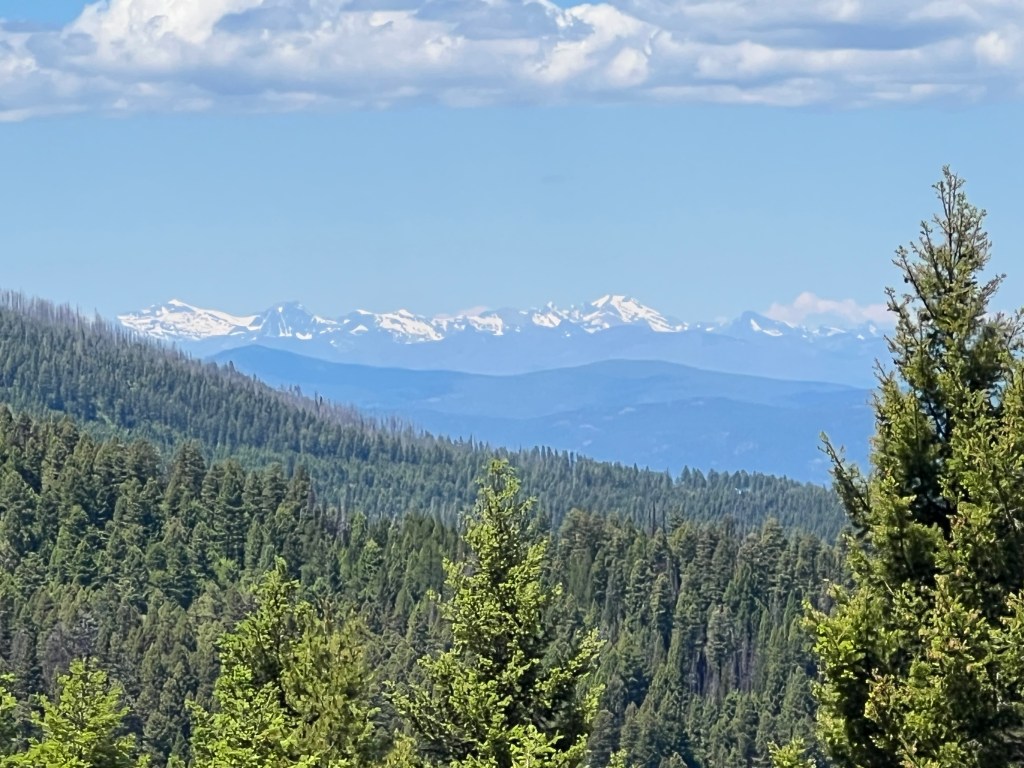
It should come as a surprise to no one that my summer spent around Missoula did nothing short of make me fall in love with this place. The old adage may ring true in some cases, but for me, it was complete immersion in this place that made my heart fall in love. The BLM manages nearly 200,000 acres of (mostly) forest land in Western Montana, stretching up the Lower Blackfoot Corridor, through the Potomac Valley and Garnet Mountains, and into the wild Hoodoo Mountains. My job took me into areas of public land that I would have never visited if not for working in them.
My GLI theme is Natural Resources and Sustainability and I chose to address the global challenge of how land management agencies balance the competing interests in management planning with implementation of sustainable forestry practices. This job was a perfect role for me to explore this issue, because the BLM’s Missoula Field Office, while managing land under its multiple use mandate, is often focused on restoration-based management goals. Instead of managing the land for the greatest economic yield, the BLM is focused on managing its forests for a variety of objectives, including the improvement of Canada lynx habitat, recreation accessibility, and fuels load management to mitigate wildfires. This enabled me to experience a holistic approach to forest management rather than one focused on stand productivity at all costs.
Understanding how a federal land management agency that is required by law to manage for multiple uses and sustained yield balances those requirements was instrumental for informing me about how I want to operate in my future career as a land manager. This summer taught me that achieving balance and meeting multiple objectives that serve seemingly competing interests is not only possible, but it is actually the desirable end for which all management should strive.
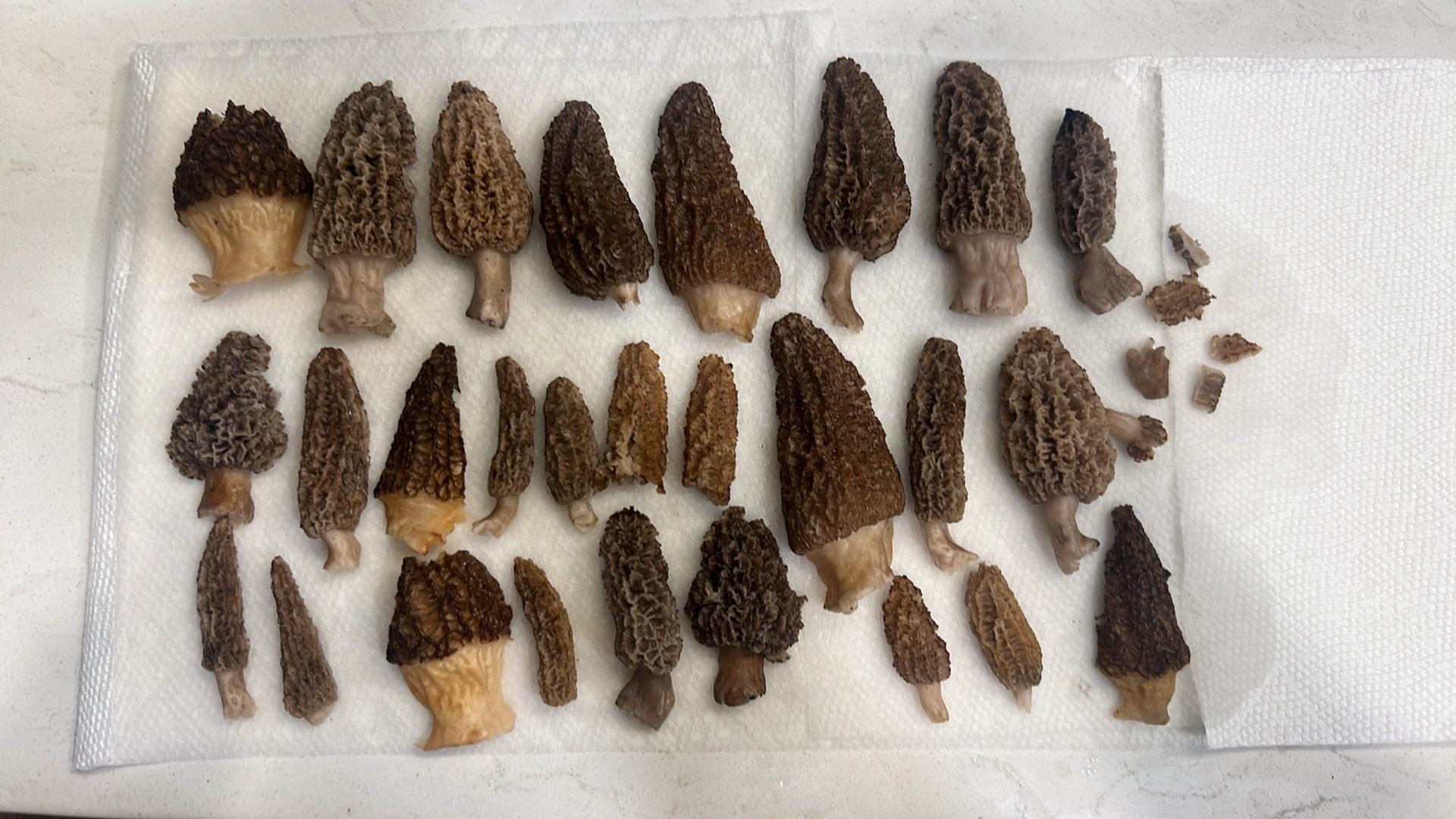
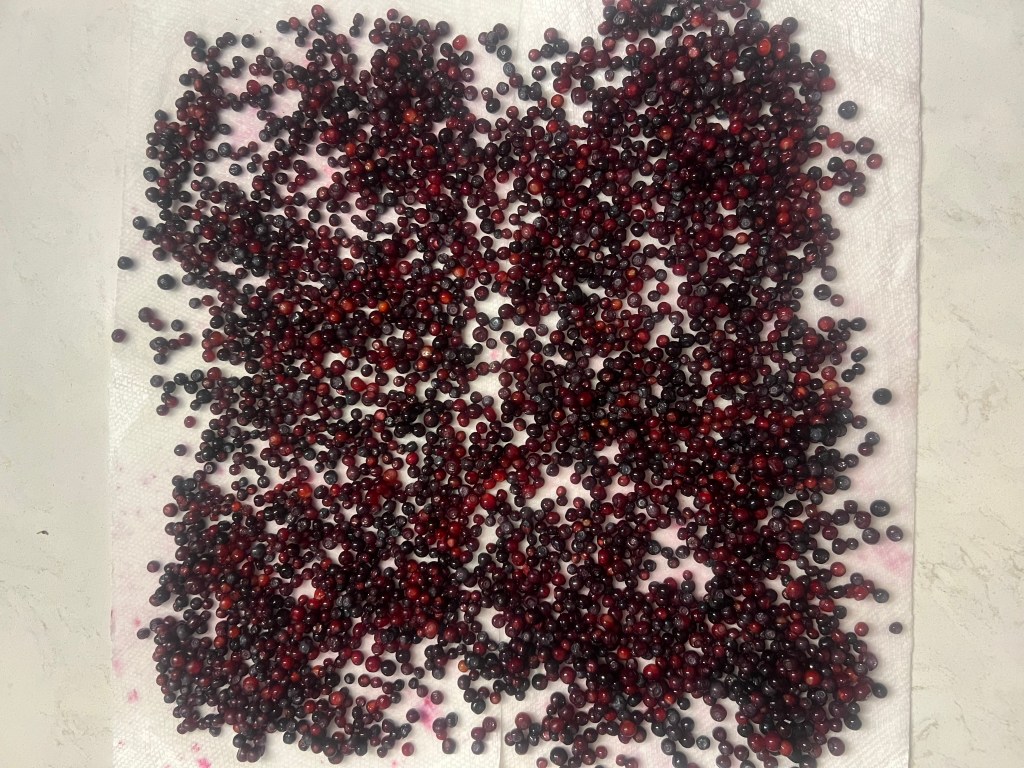
This summer was a sweet reminder for me of what makes Missoula, and Montana generally, such a special place. It rekindled a love of this place within me, and taught me so much about how to orient my future towards conserving the things that make it so special. Two moments stood out to me as prime examples of why I loved this experience so much. The first occurred during a thinning operation that we were administering; my crew and I discovered that the thinning crew was working its way through a huckleberry patch that was among the most productive that I’ve ever seen. Seeing the thinners, a contract crew from Central Mexico, get to enjoy huckleberries for the first time as they worked brought me so much joy in being able to share one of the things that makes Montana so special! Second, I had the pleasure of being able to harvest Morel mushrooms for the first time in a burn scar where we were surveying for whitebark pine regeneration. After picking Morels, I was able to share that harvest with my 90 year old grandmother, who was on a visit from Ohio, and had never tried wild mushrooms before. These are simple moments, but they meant so much to me because they were a vignette of what makes public lands such a unique and beautiful asset to our nation.
My experience, while perhaps not as glamorous as a trip abroad or an exciting, adventurous journey, was the perfect experience for me. It grounded me, reminded me to appreciate the simple things, and helped me gain perspective about prevalent issues that we face on a local, national, and global scale. I’m so grateful I got to experience this, and hope you all enjoy hearing about it from me!