
Hello! My name is Emmary Faerber, and I had the amazing opportunity to study at the University of Granada in Granada, Spain.
I had expectations about studying abroad. In fact, I had my study abroad experience perfectly planned since my junior year of high school. I was going to go to Spain for a year, become fluent in Spanish, eat all the famous Mediterranean food, and travel all around Europe. There would be no room for sleep! Why? Well, I went to Spain one time for two weeks on vacation, but this time, my experience was anything but a vacation. Vacations allow you to bask in the richness and beauty of a culture without understanding or even experiencing the political issues a country endures because we get the privilege to leave. So, thankfully, I got to see more than the Spanish architecture and drink more than the Spanish wine. I indulged in the hidden parts of a beautiful country with a deep, somewhat dark history. Classes took up much of my day, so there was not much time for me to travel on the weekends. Instead, I saw a little glimpse of the everyday political obstacles faced by ordinary Spanish citizens and other migrants who live in the area. Even so, I did not have to experience those obstacles myself for very long.
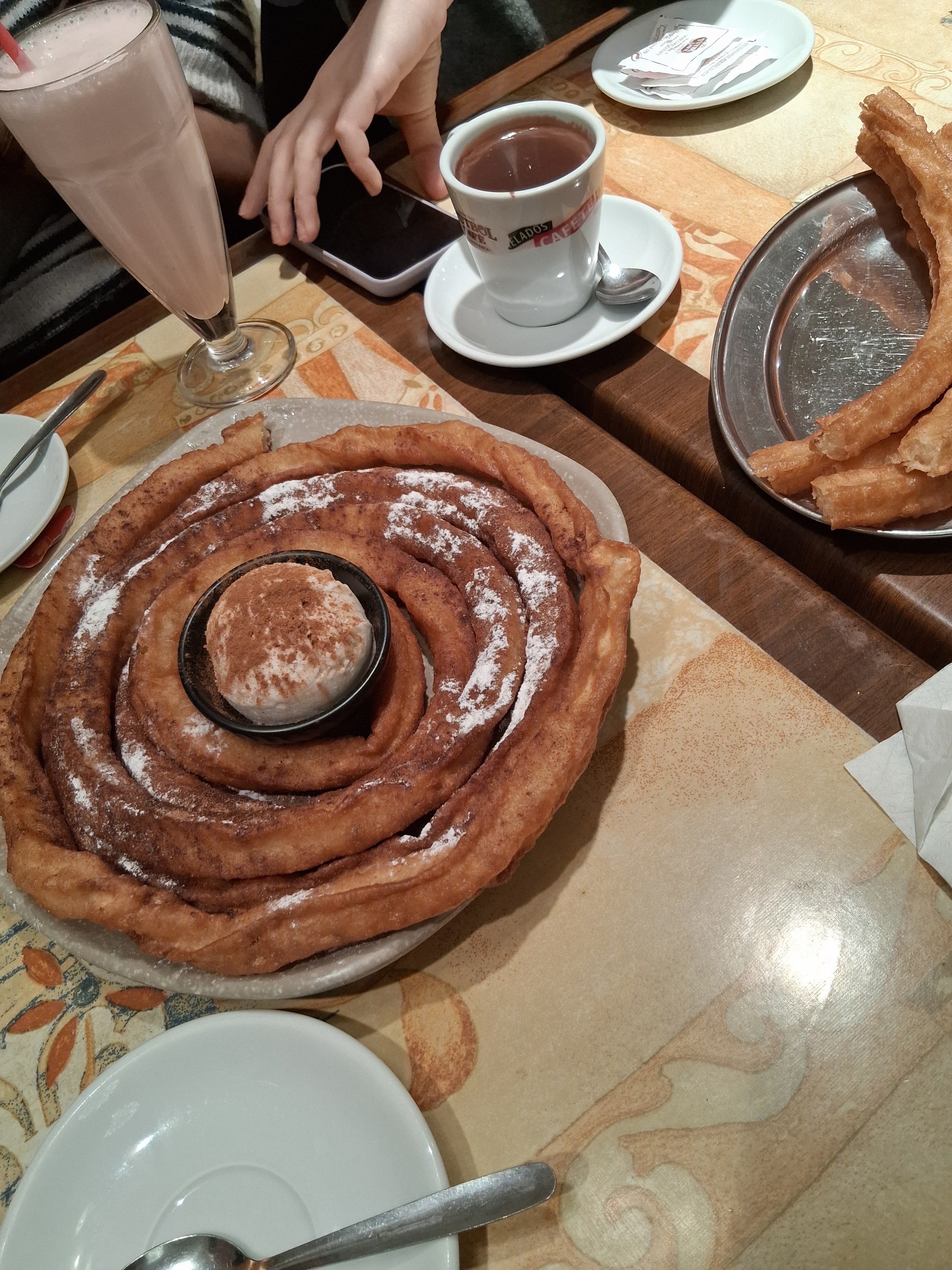
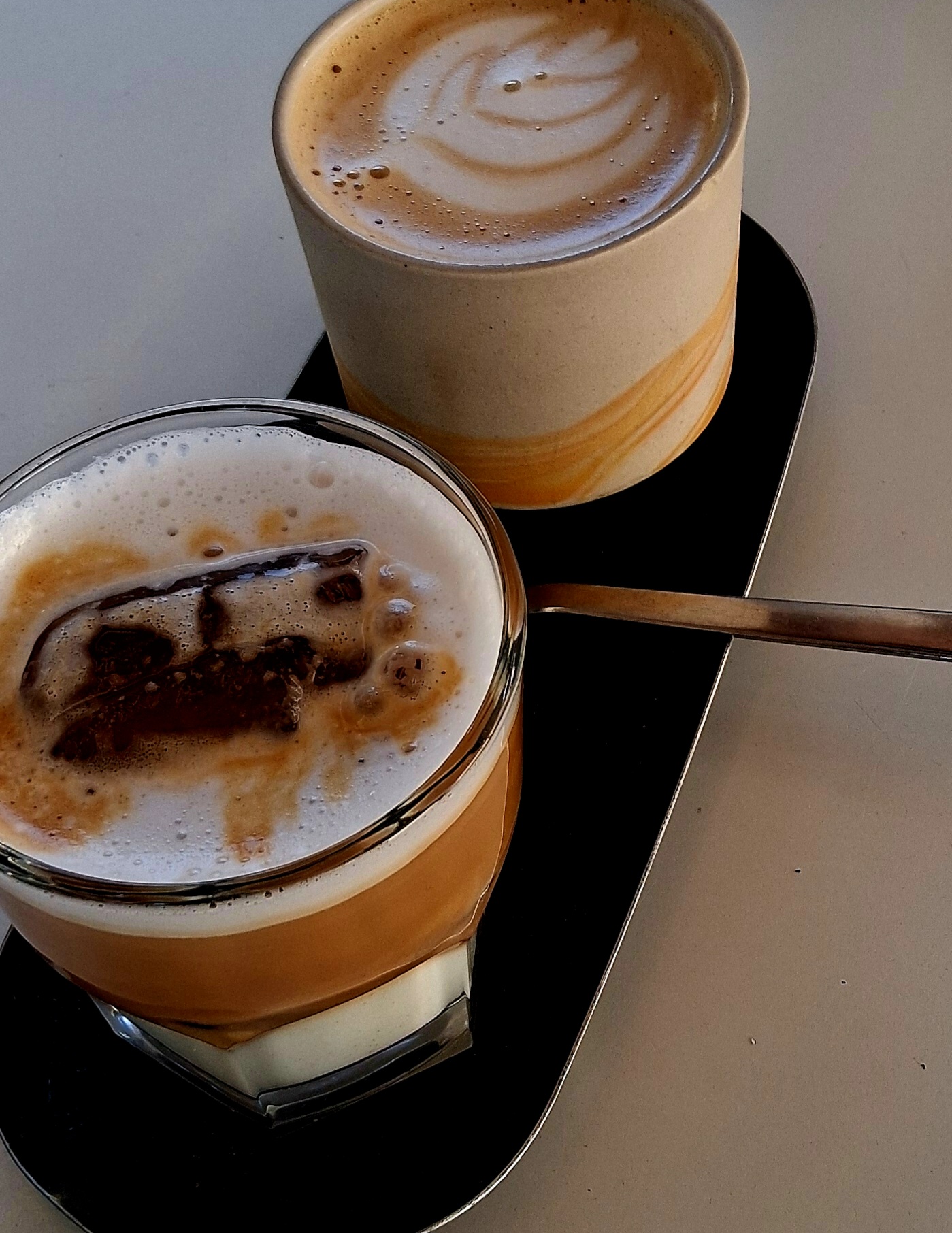
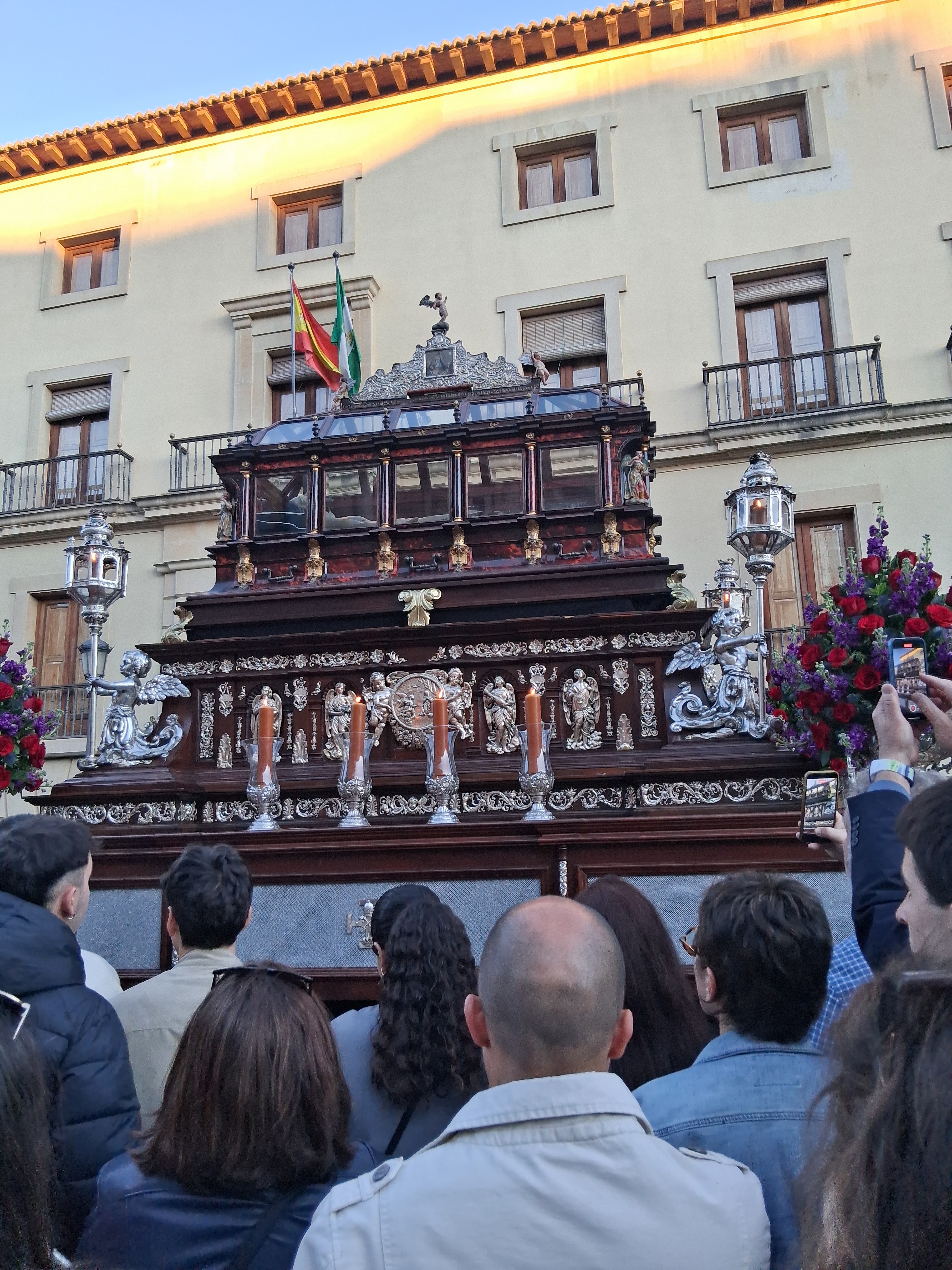
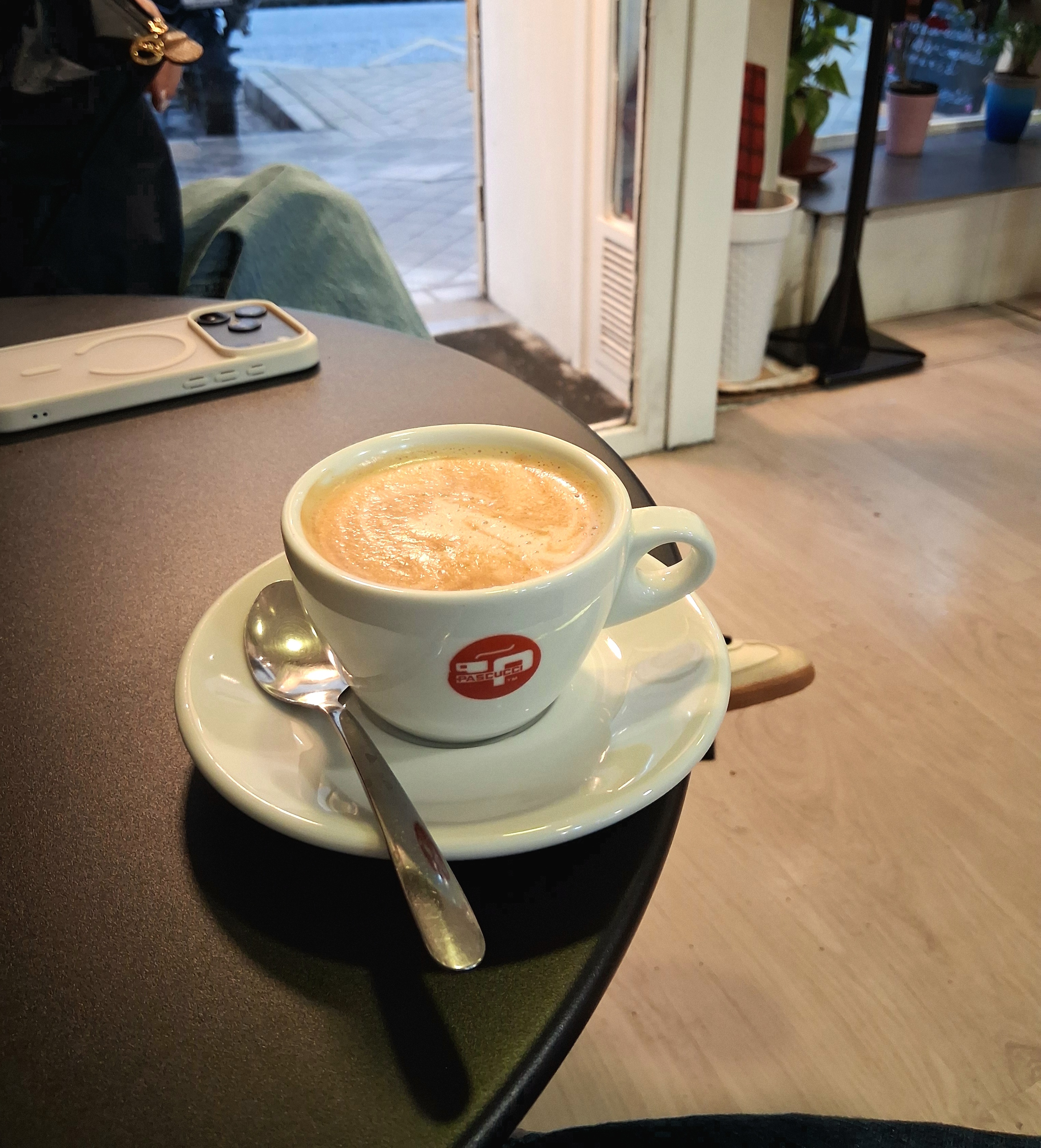
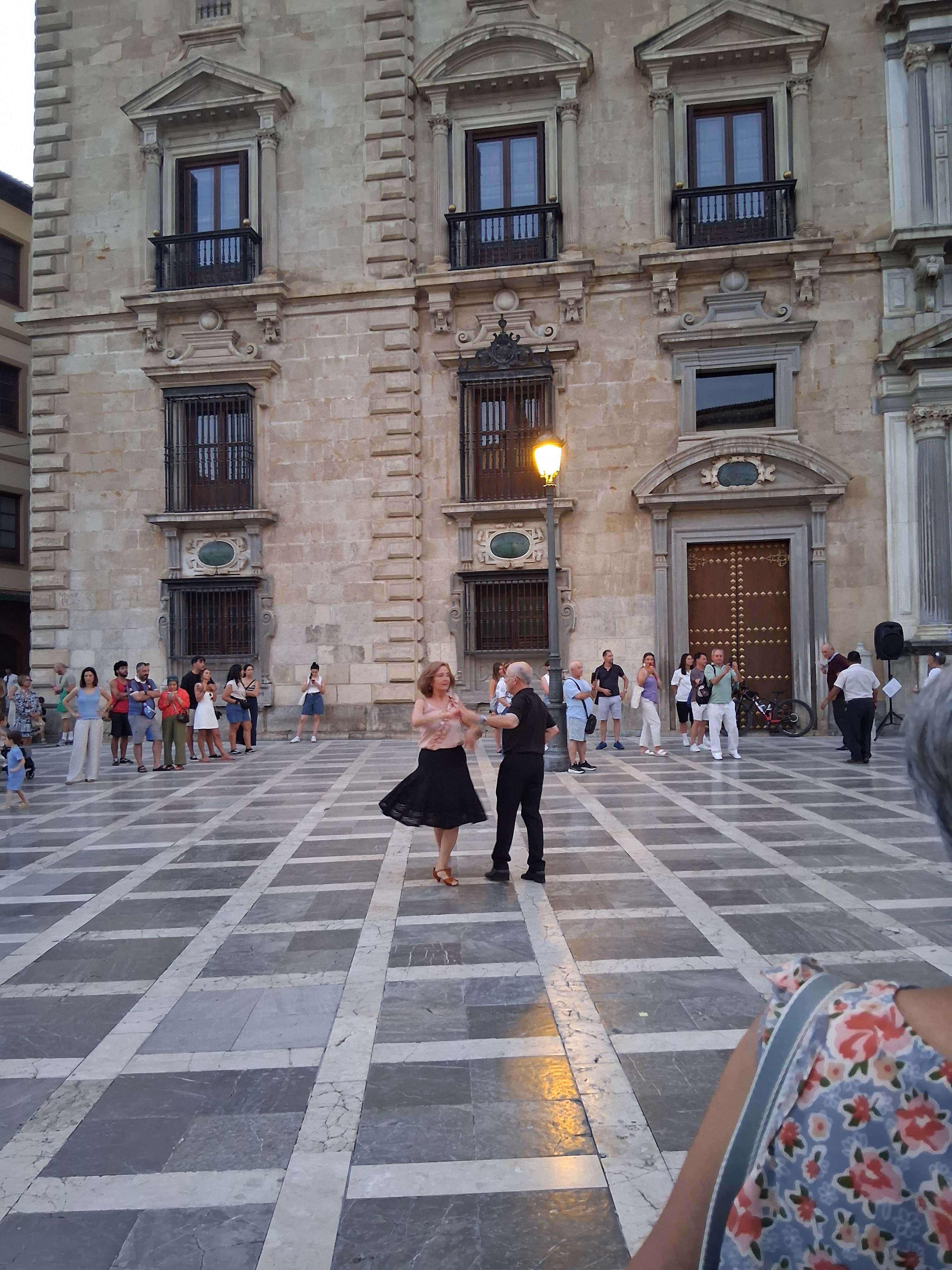
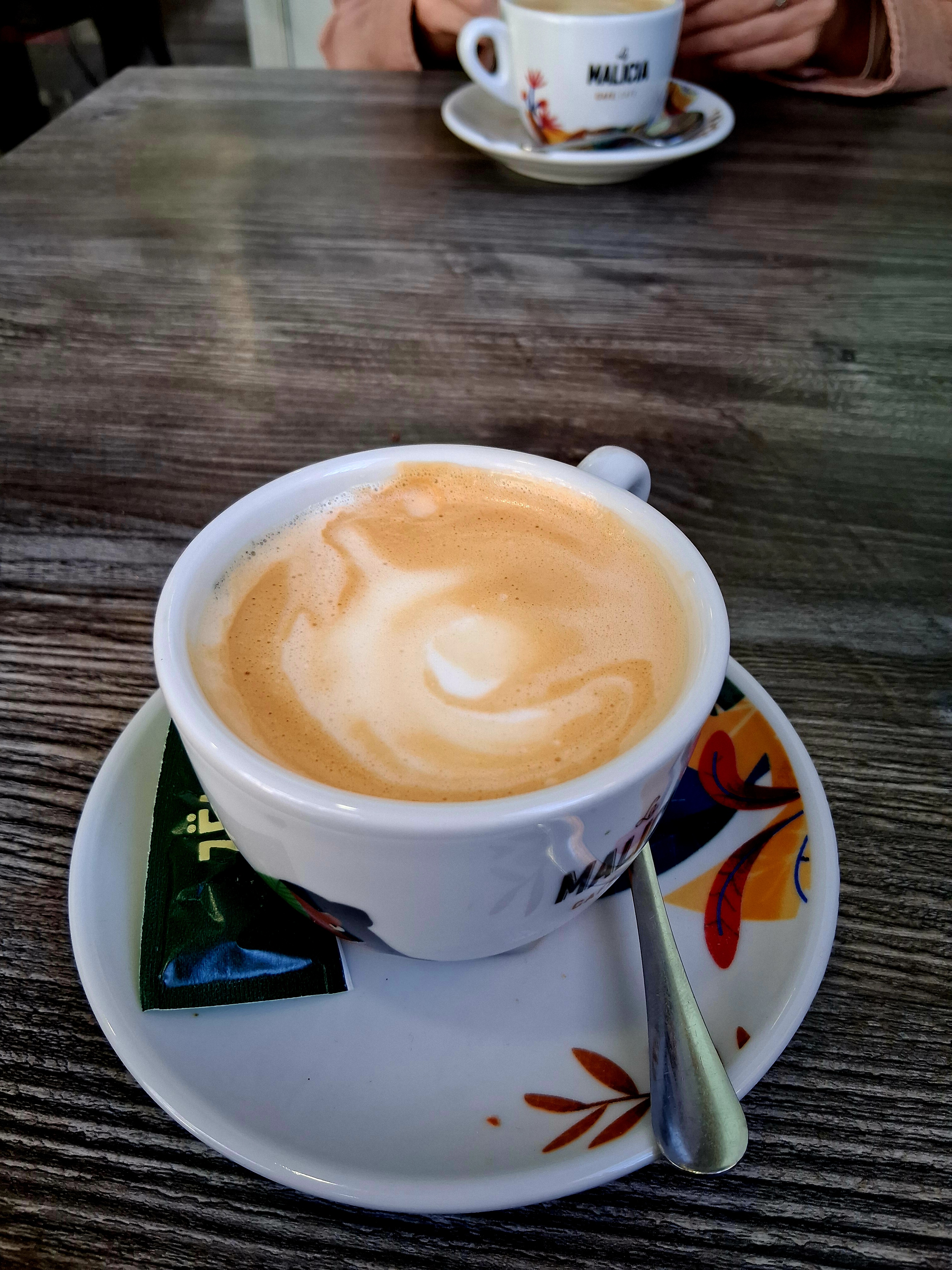
Lots of dancing, café con leche, and festivals.
My ultimate goals were to learn Spanish and immerse myself in another culture. How better to do that than to actually live and experience the environment around me? I befriended people from all over the world with whom I speak all the time. The “grand life-changing adventures” happened all around me. It began small: learning how to order food and asking where the avocados were in the supermarket. Then it turned into informing the doctor of my weird health symptoms to figure out what was wrong, buying a bus ticket at City Hall, and even telling other people how to get from place to place as if I were a local. Learning Spanish was no longer just a fun thing to do. It became my only method of survival. It shaped how I did things, what I learned, with whom I spoke, and my entire lifestyle. On top of that, I was one of the only Americans in every room I entered. People from all over the world became my family, my support system, and my community. Sure, I experienced some prejudice, and sometimes it felt overwhelming and a bit much, but the same people who poked fun at me for my nationality sat and cried with me the night before I left town. There was a lot of love among all of us, which would not have been possible had my experience been any different.
My environment became my classroom. As a Political Science and Spanish student curious about the dynamics of the international community, it is difficult to see how what I learn in my classes develops in everyday life. Yet, that is exactly what I experienced living abroad. At times, when we would have dinner parties, it felt like the United Nations, but instead of just discussing politics, we sat down and learned about each other. We discussed our different accents and how we think in different languages. Some of us would be considered extremely reserved, while others were quite welcoming and friendly upon first impression. All of us, however, expressed our love for each other in one way or another. Not all of us were close, but all of us were able to develop a deep understanding of one another.
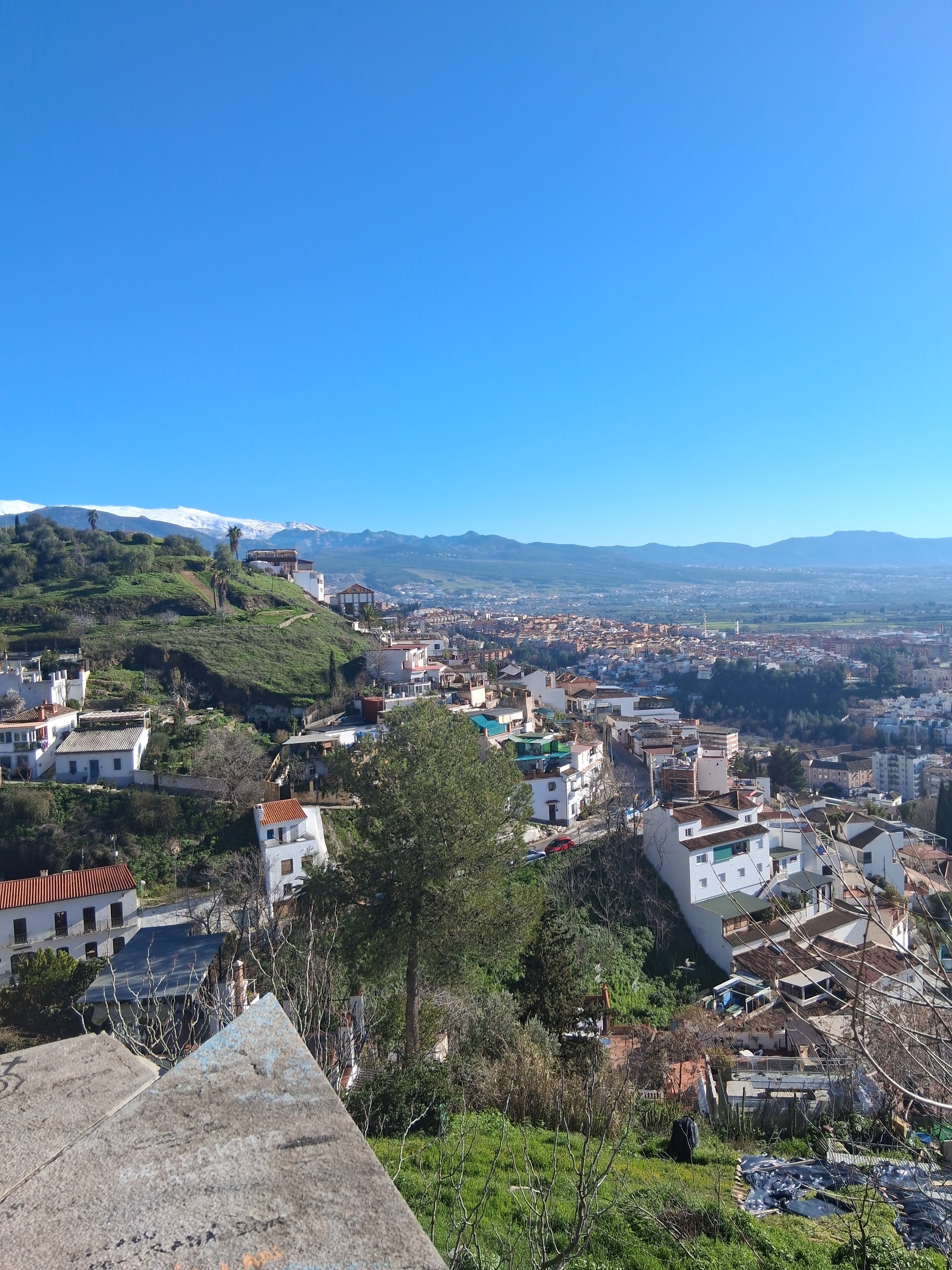
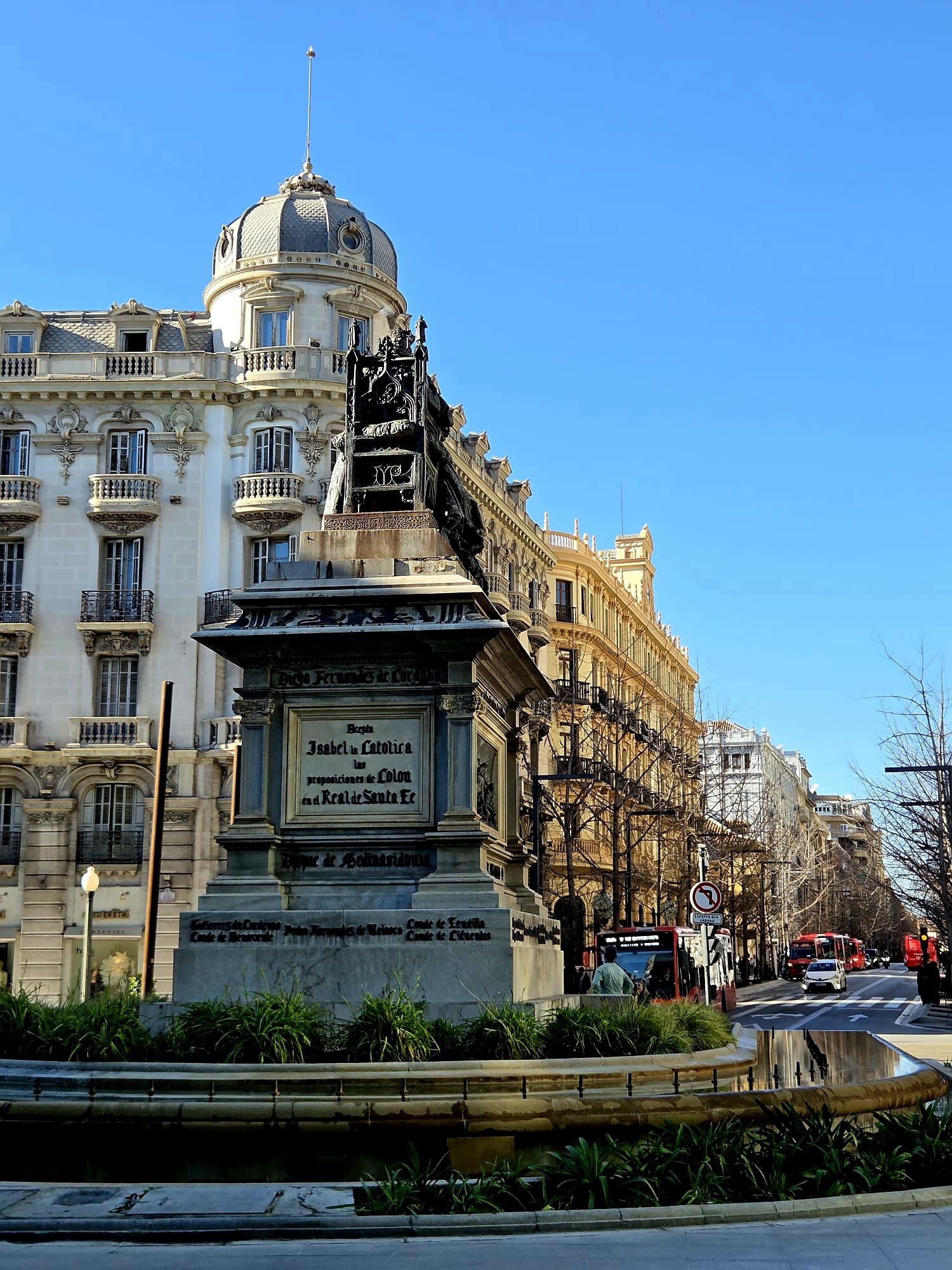
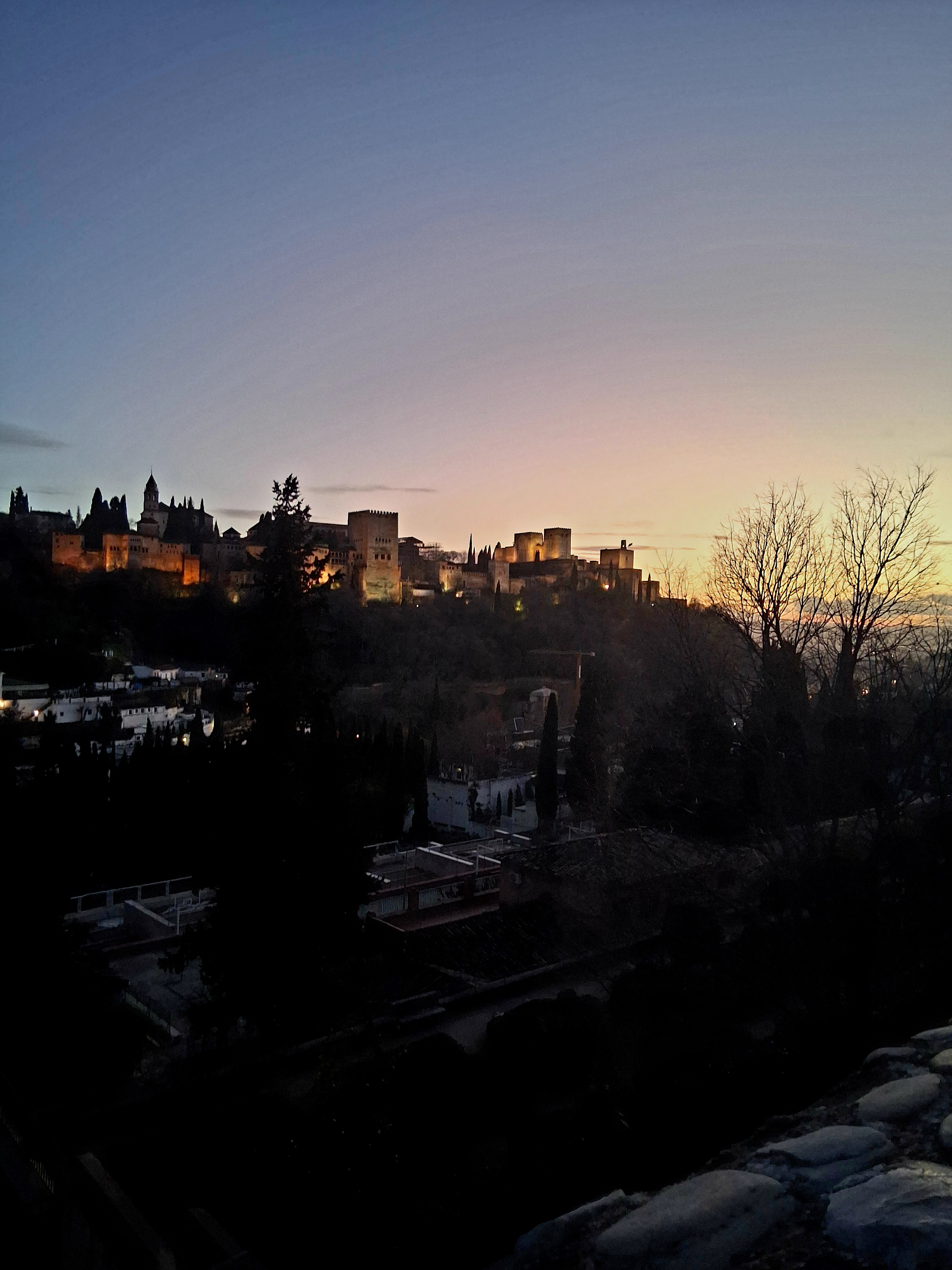
A few views I would see on my daily walk to class.
Sitting in those moments, looking around the room, seeing people from all over the world sharing my thoughts, feelings, dreams, and goals, truly convinced me that the world’s problems that are seemingly unsolvable could be solved with a deeper understanding and appreciation for each other. Though it is optimistic of me to believe I will experience the same empathy and understanding from everybody in the world, I think a little bit of optimism can go a long way.
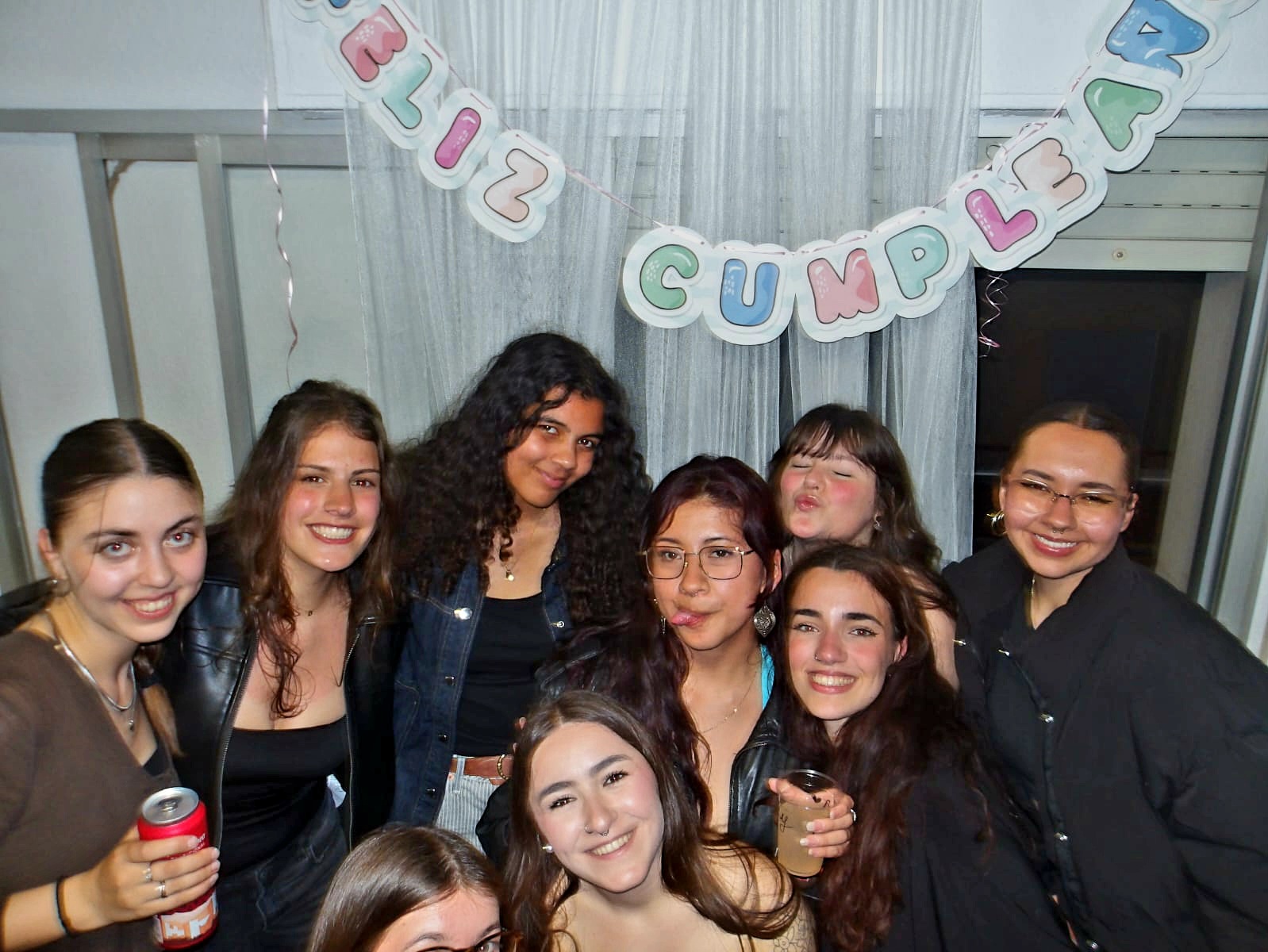
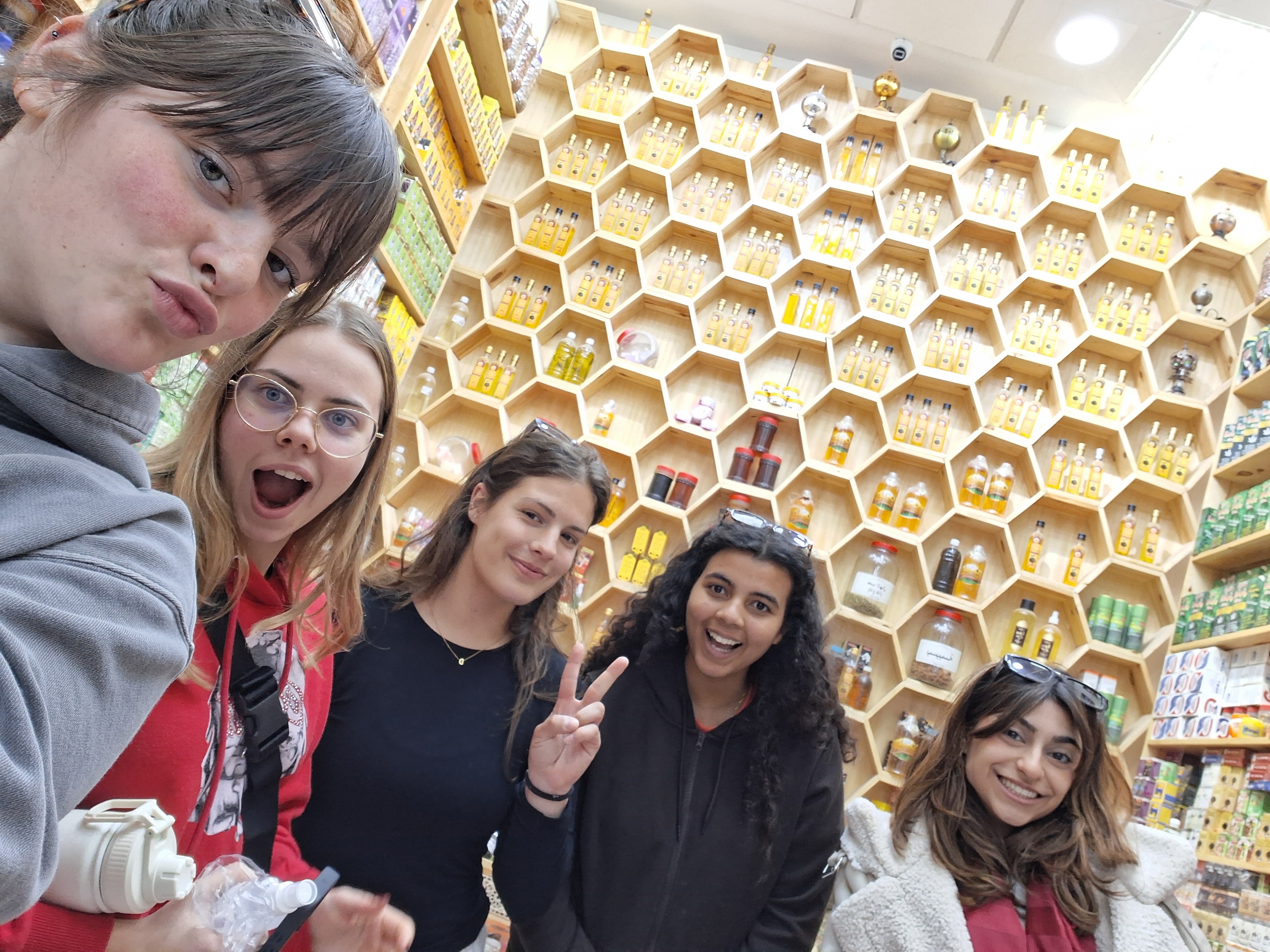
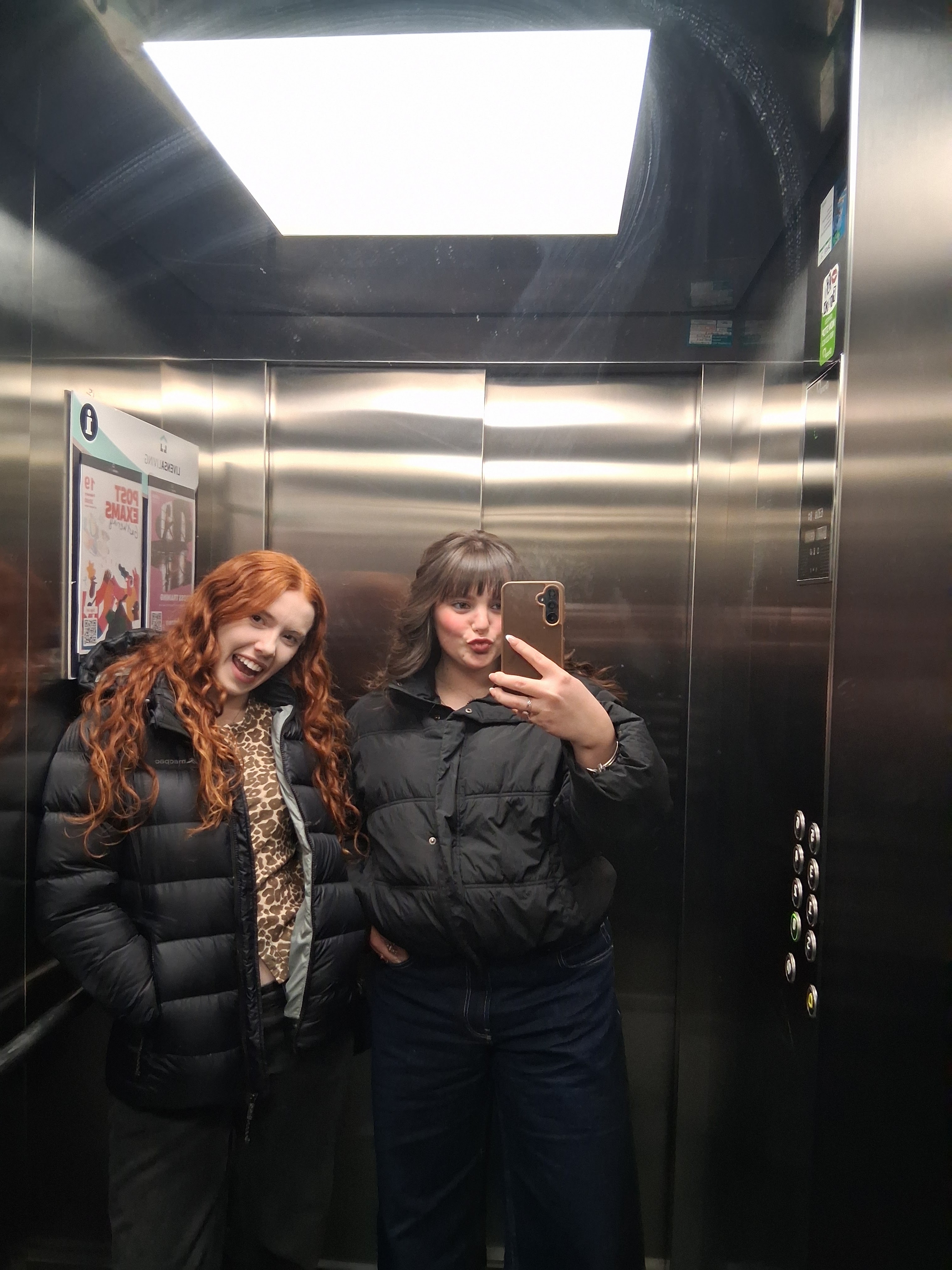
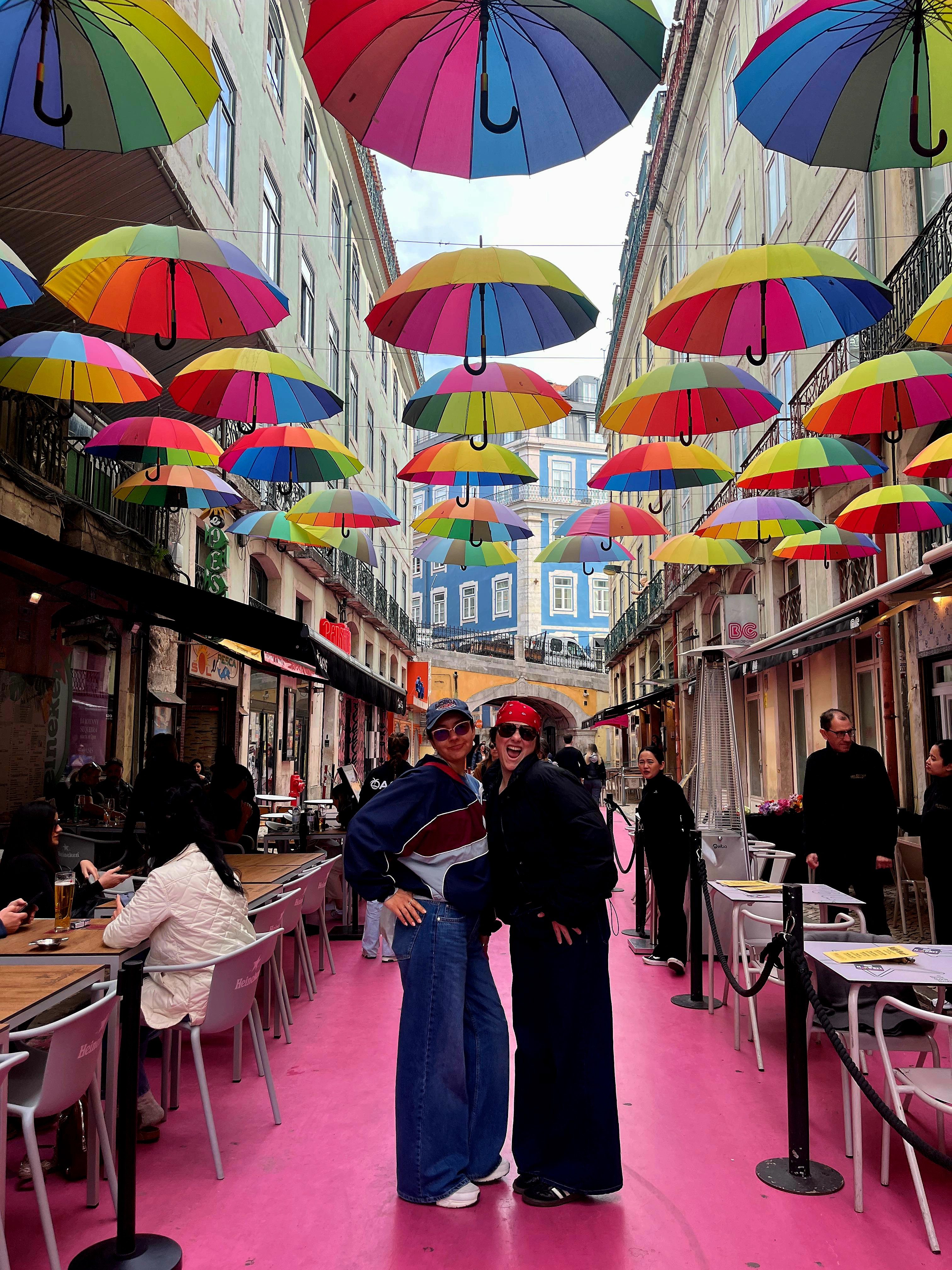
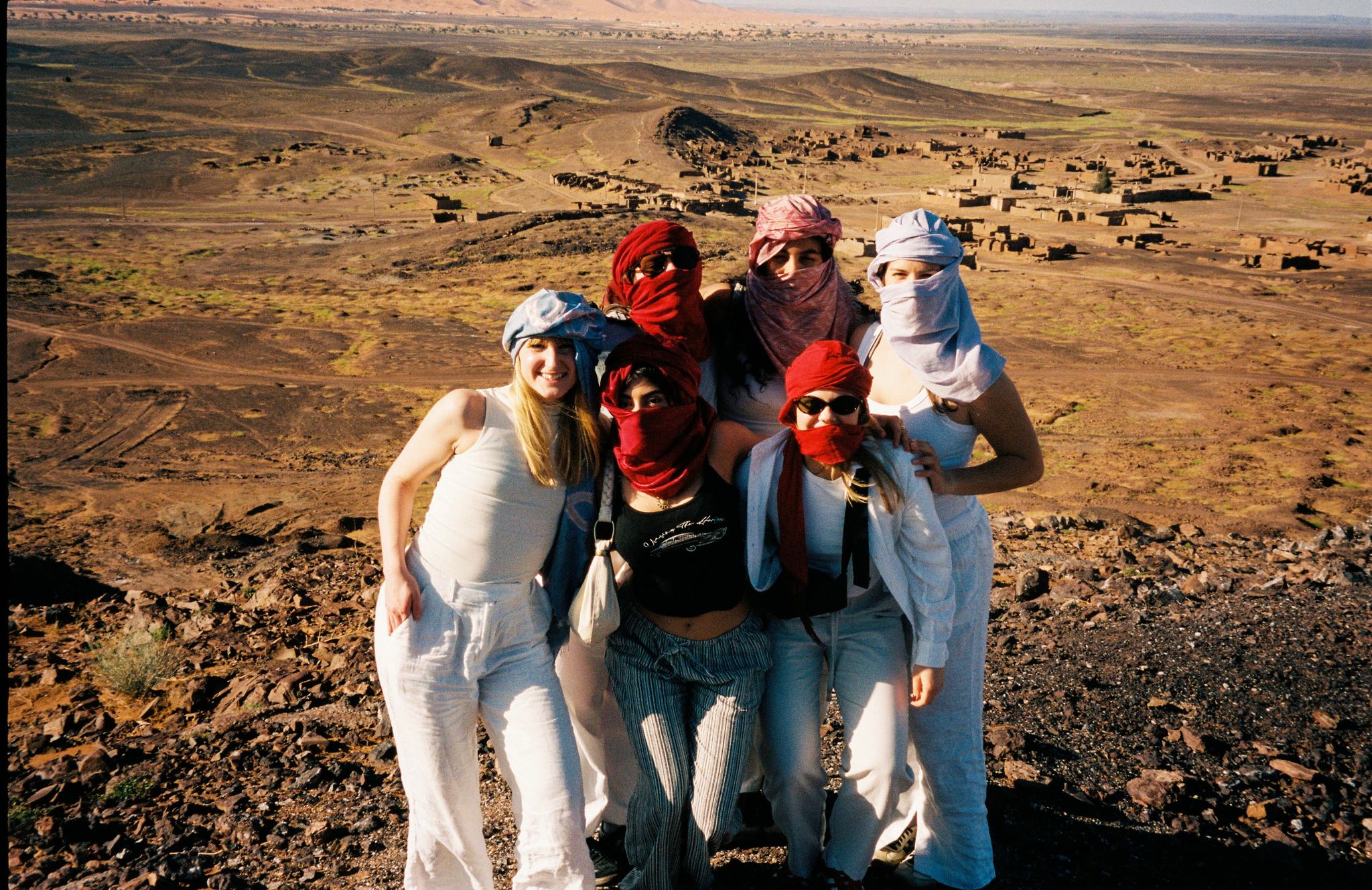
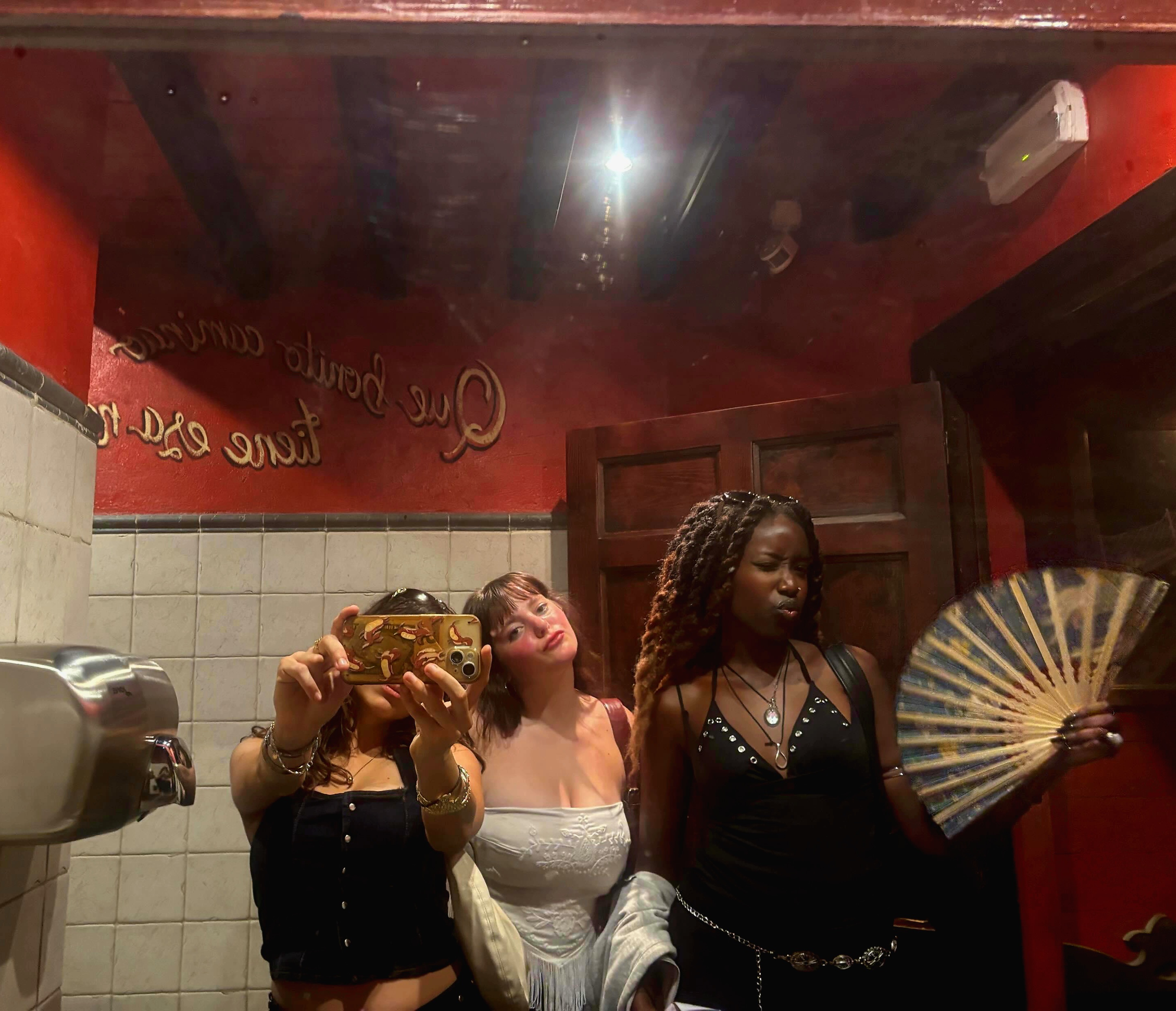
Some of my favorite pictures with my favorite people I met abroad.
The reality of living in a foreign country is this: we cannot run from the problems we face in everyday life; in fact, living abroad forces us to deal with them head-on. Living abroad was difficult, but I grew more in the six months I was gone than in the three years I lived on my own only two hours from my hometown. Learning the language, culture, lifestyle, traditions, and history of a country I didn’t grow up in, nor did I know much about it, has changed how I move through my daily life now. Spain’s transition from dictatorship to democracy offered a model for my own transition adjusting to my new life abroad. I deconstructed my preconceived notions of what living in another country would be like, learned to accept the different opinions, customs, and ways of living of all those around me, and found true connections and friendships that will last a lifetime.

