
Hey y’all, my name is Wyatt Bodenheimer, and my global theme is resources and sustainability. Two years ago, I wasn’t entirely sure what I wanted to do for my internship because there were just so many options in sustainability. However, I knew I wanted to be outside the whole time. I let some more time go by and attended plenty of events without ever coming to a final decision on an internship. That is, until I met Matti.
Matti is an Icelandic man with a sense of humour that rivals a stand-up comedian’s. He was sitting behind a booth at a fly fishing convention in Seattle, WA, when I walked up and asked if he offered internships for foreigners. He immediately stated that he didn’t, but I managed to convince him that I had the skills for the job. The next day, he offered me an internship where I would be restoring habitat for native fish in Icelandic rivers as well as working as a full-time fly-fishing guide.
I spent most of my summer learning about the different ways that stream restoration affects the economy and fish survival rates in Iceland. I also learned that in order to keep fishing pressure low, the prices have to be sky-high. If that’s not a prime example of resources and sustainability, I don’t know what is. Fly-fishing is actually a very hot topic in Iceland right now because most locals can’t afford to fish every weekend as we do in the United States. They argue that it is their right to fish the land they were born on and that they shouldn’t have to pay an outfitter to fish for a day. On the flip side, most clients I had were from other countries and spent absurd amounts of money to fish in Iceland, from one day to a week at a time. Truth be told, they brought a lot of money into the Icelandic economy.
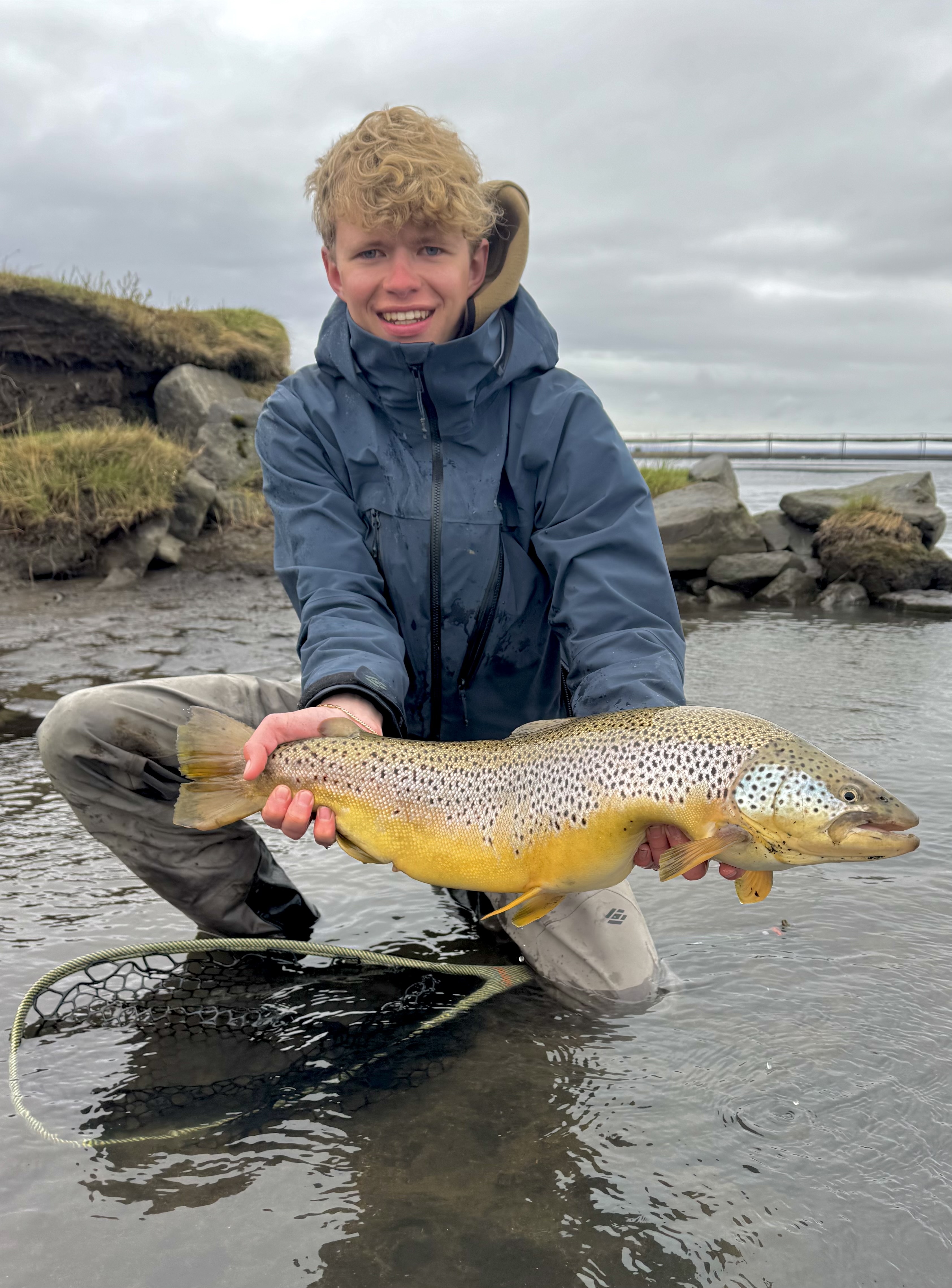
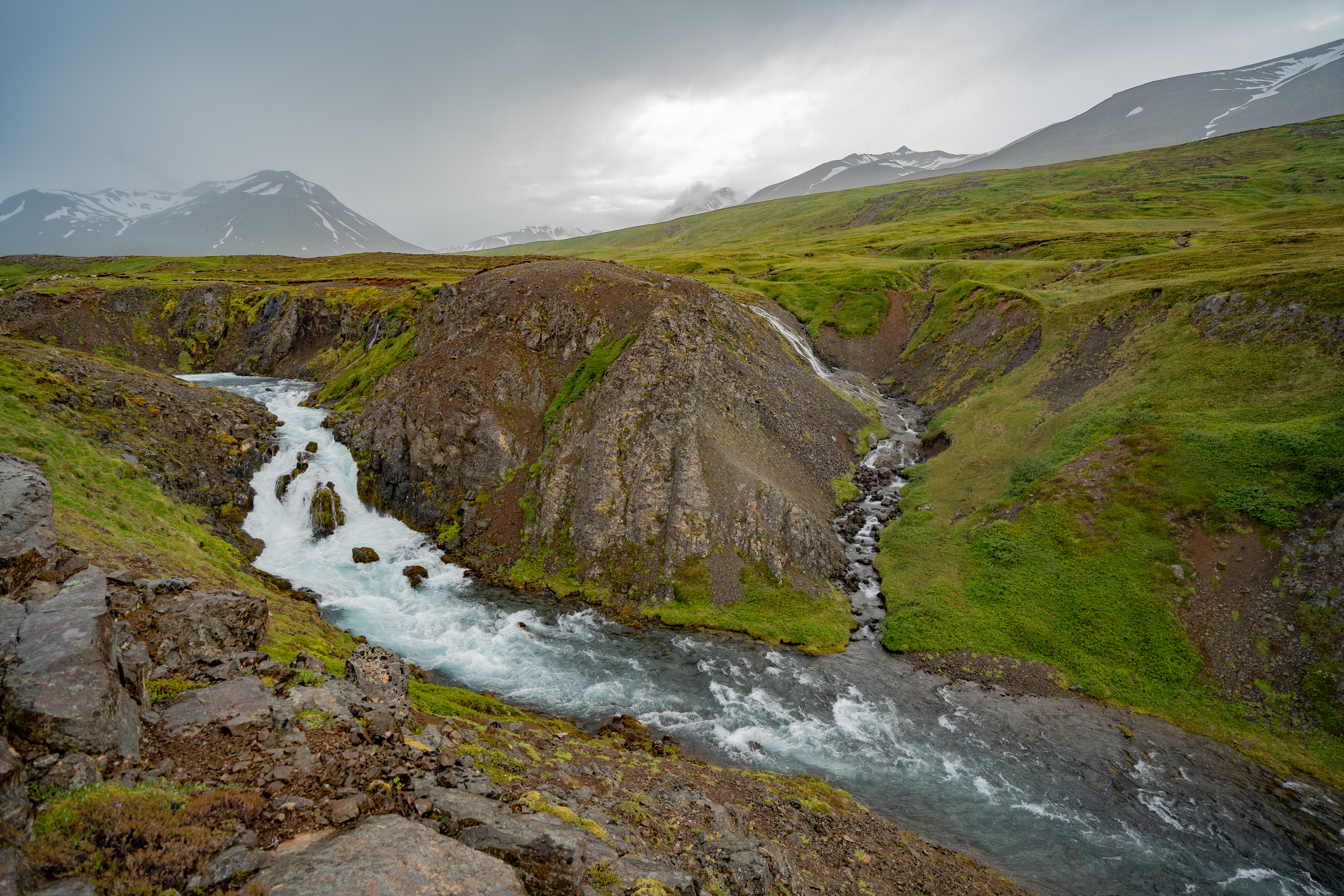
I’ll leave it up to you to decide what the right way to go about that problem is. I just know that I learned a ton about sustainable practices in Iceland, regardless of restrictions on access. I also participated in the release of forty thousand Atlantic salmon smolts into the Mýrarkvísl River in addition to other stream restoration efforts. All of this experience allowed me to gain a diverse perspective on resources and sustainability practices in other countries.
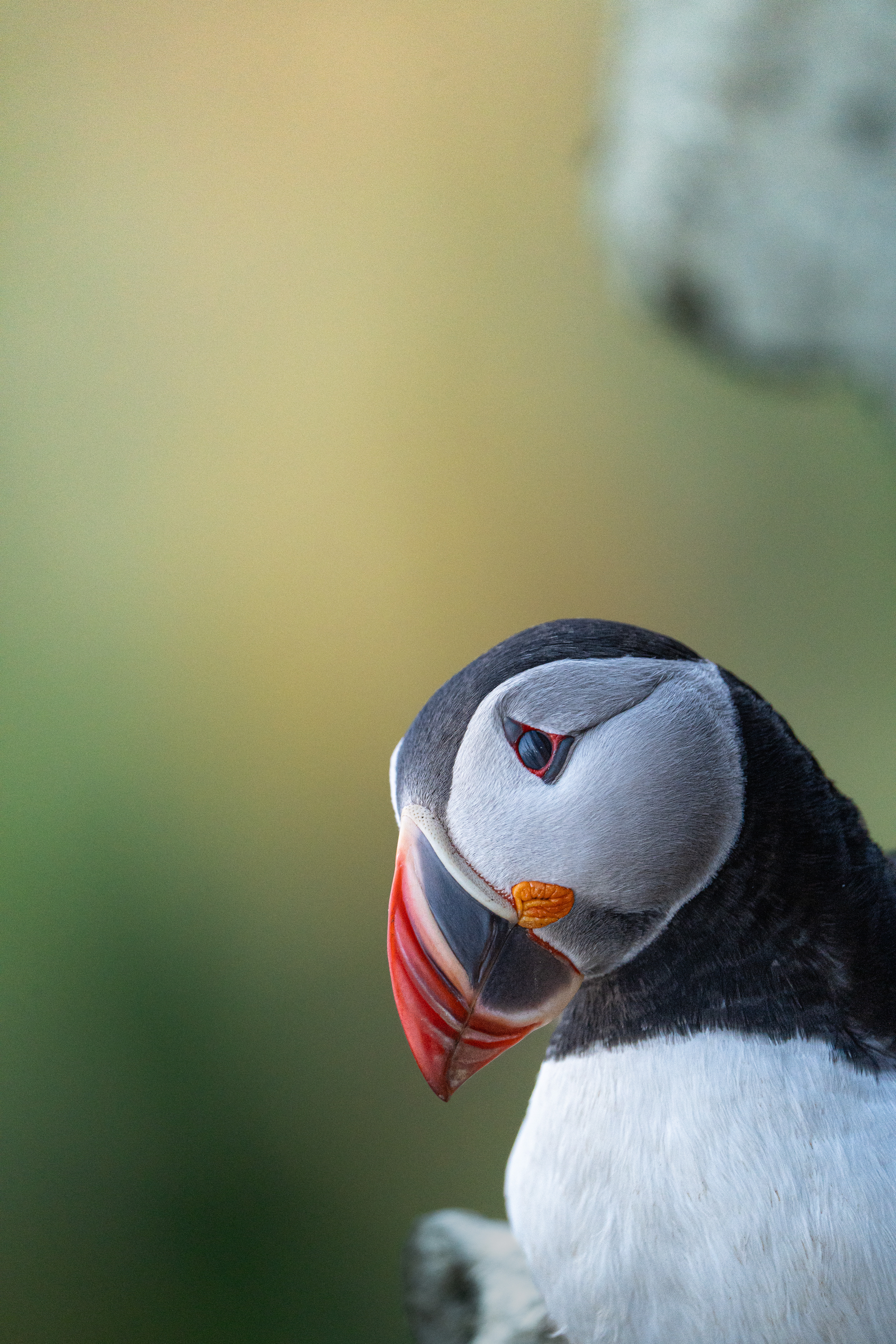
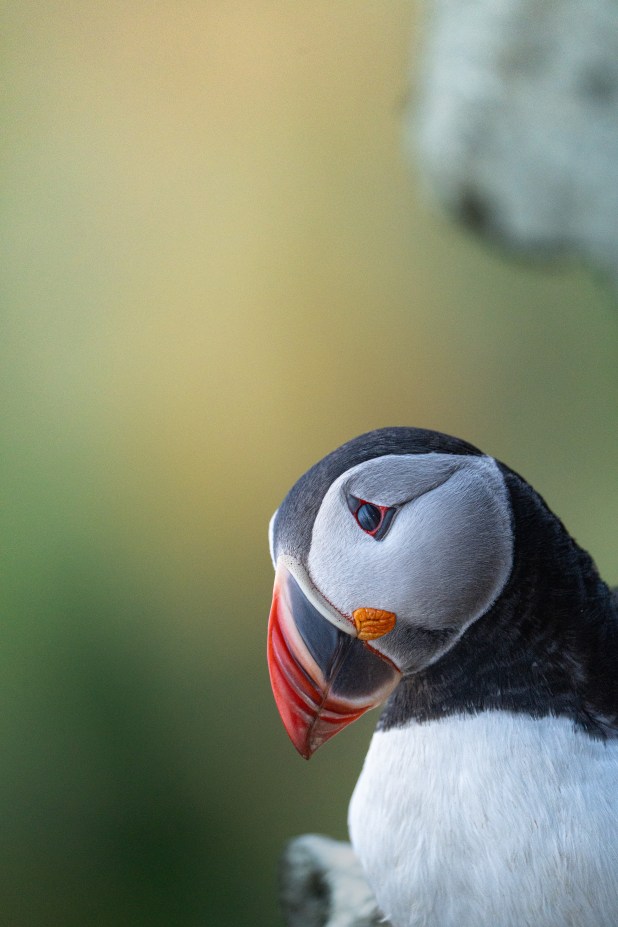
While guiding, I led groups of people from over 15 different countries to catch the biggest trout of their lives. I have never had a leadership experience like the one I had in Iceland. It provided me with actual global leadership experience in high-stress situations. I had to put people on big fish, and we had to land them after doing everything else right. It was extremely rewarding but extremely nerve-wracking at first. I also engaged in Icelandic culture by hanging out with native Icelanders while taking wildlife photos that would end up in a worldwide magazine (like the puffin photo above).
I can truly say that I have gained so much experience from the trip that I will be able to use every single day of my life. I was offered a paid position for the 2027 season and am now amongst a select few people who will ever get to guide in Iceland. The only question is, will Icelandic fly-fishing stay as lucrative as it is, or will the outfitters allow residents to fish at a lower price?

