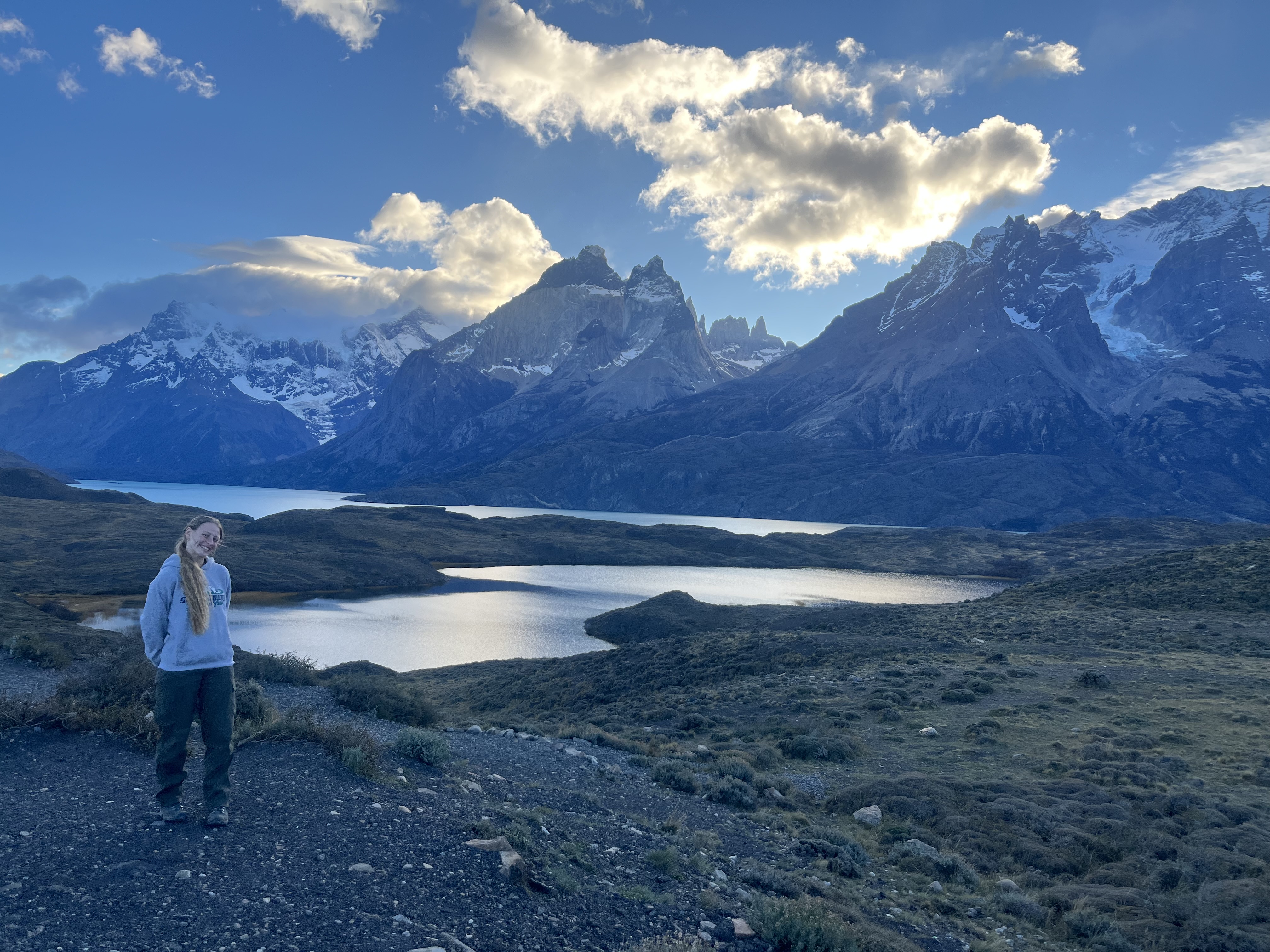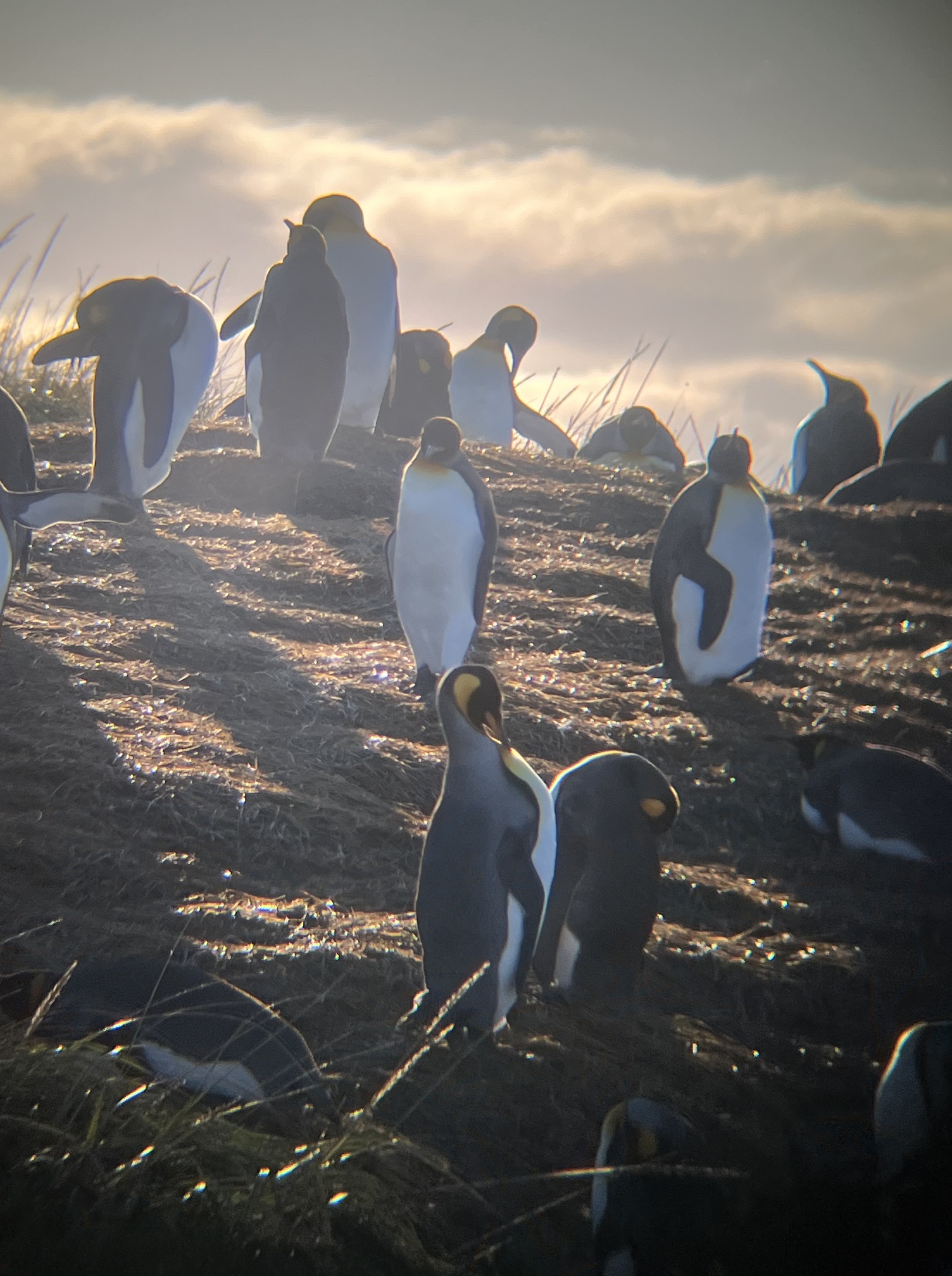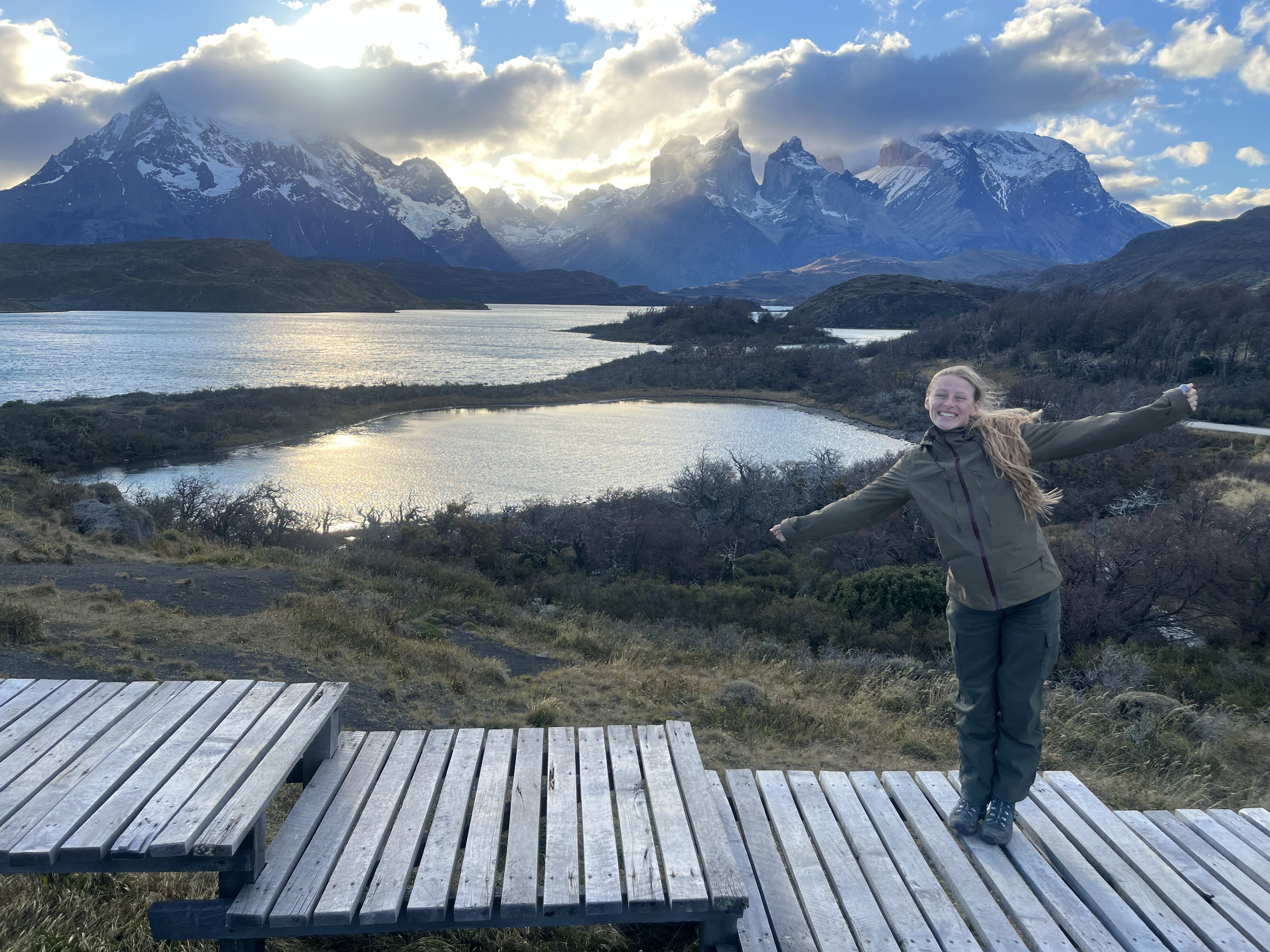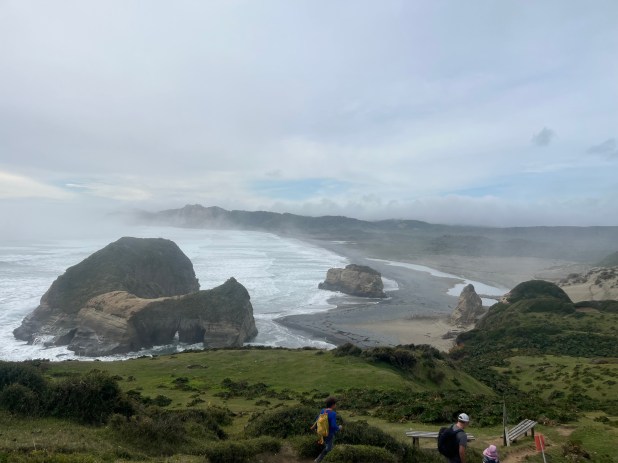
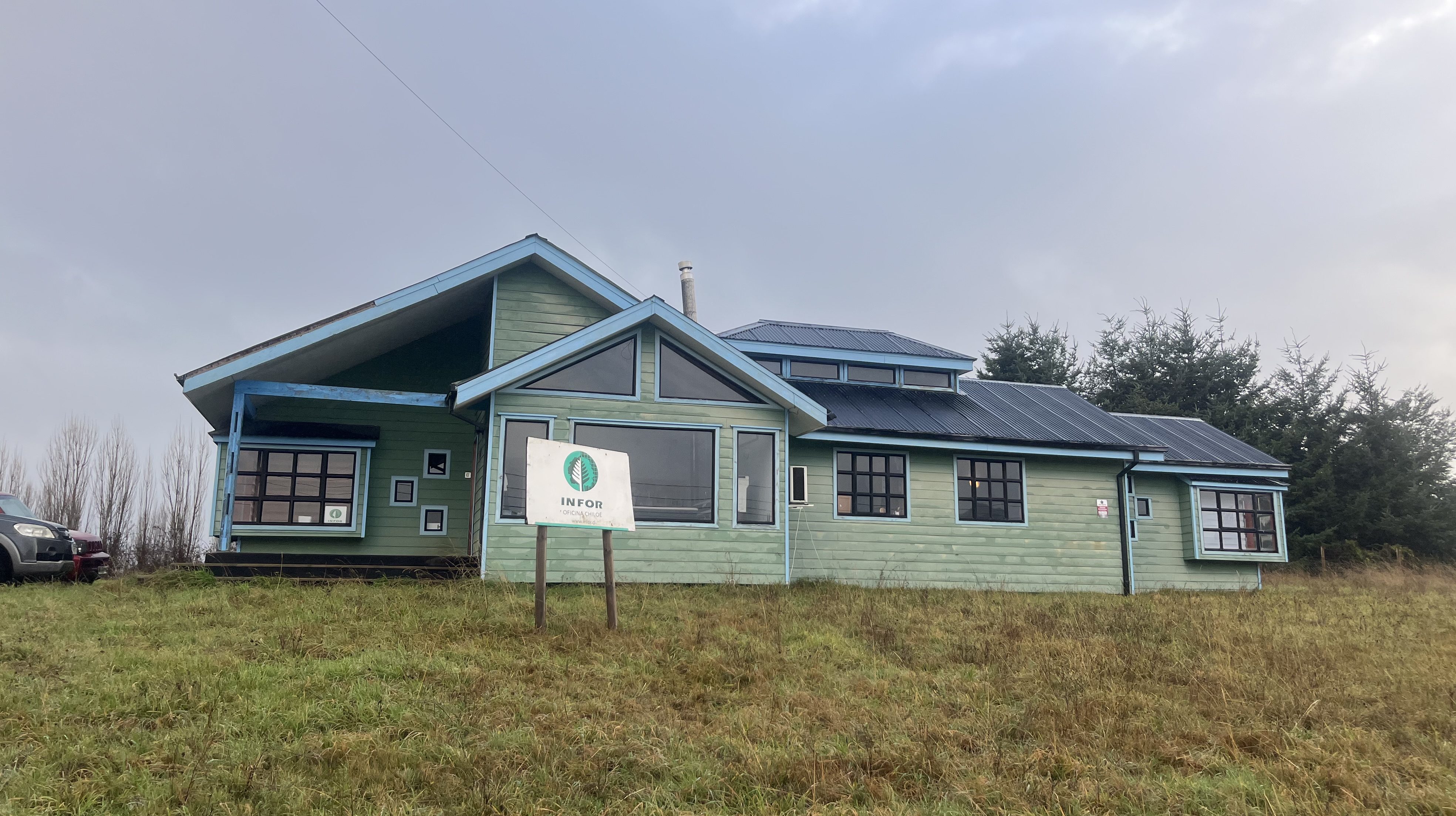
My name is Zariah Zosel and this past year I skipped my seasonal allergies by avoiding the spring altogether and going to the southern hemisphere. From the end of February to the beginning of June, I lived on the island of Chiloé doing an internship with a branch of the Chilean forest service, INFOR (Instituto Forestal).
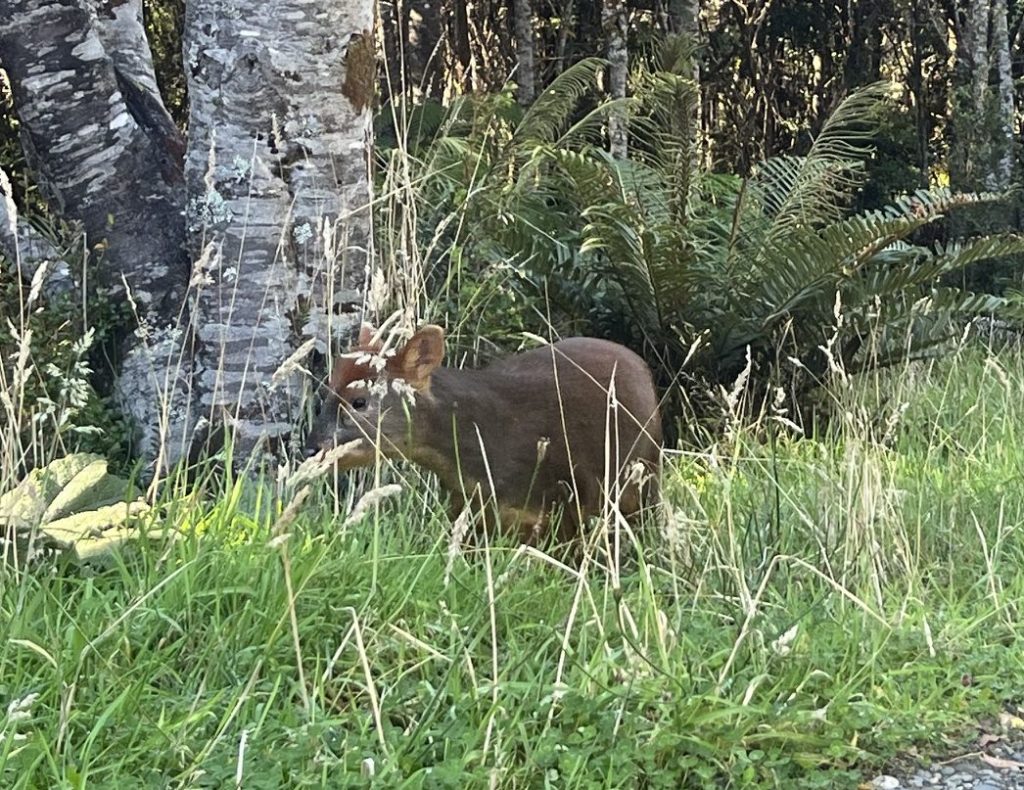
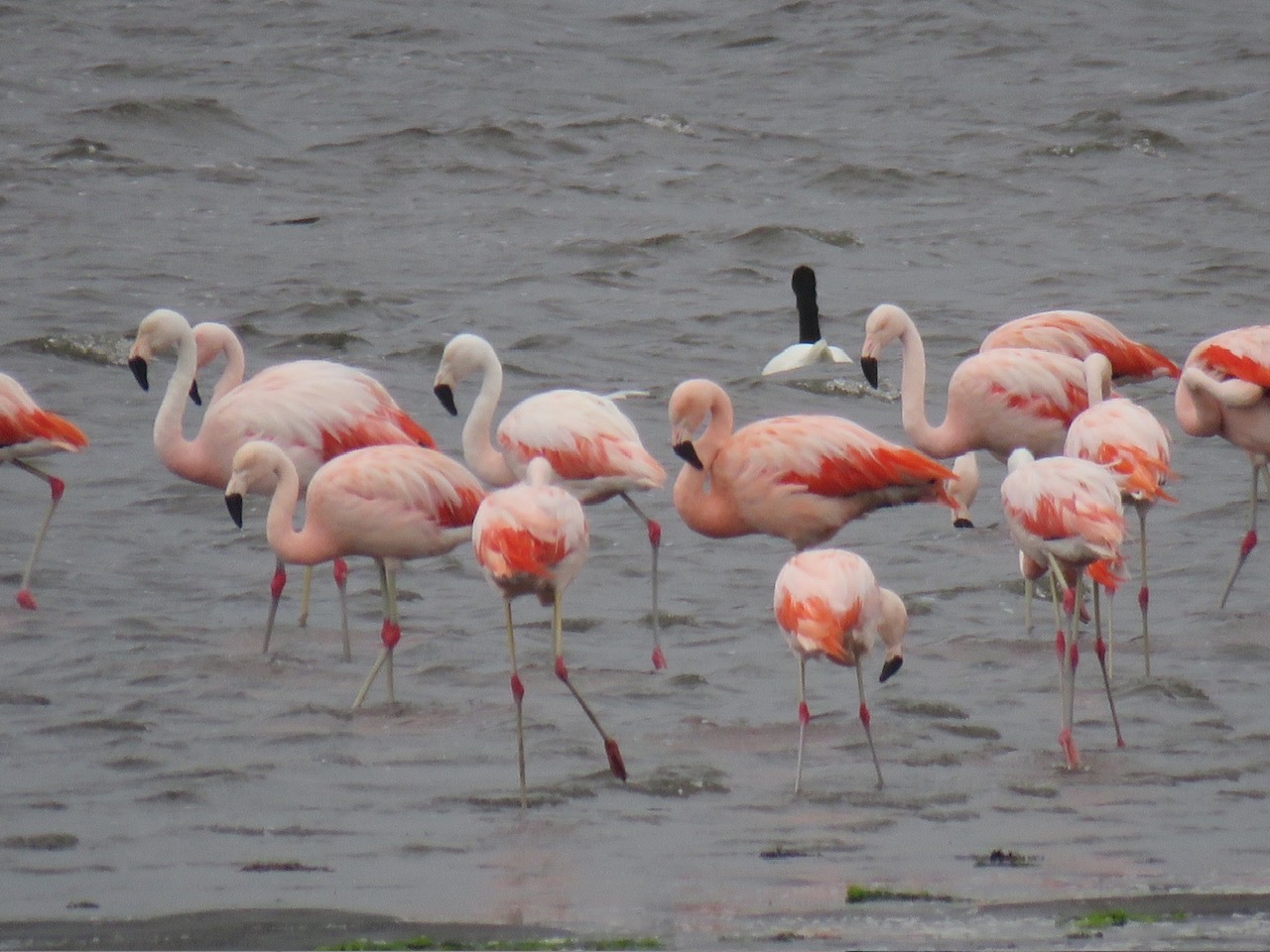
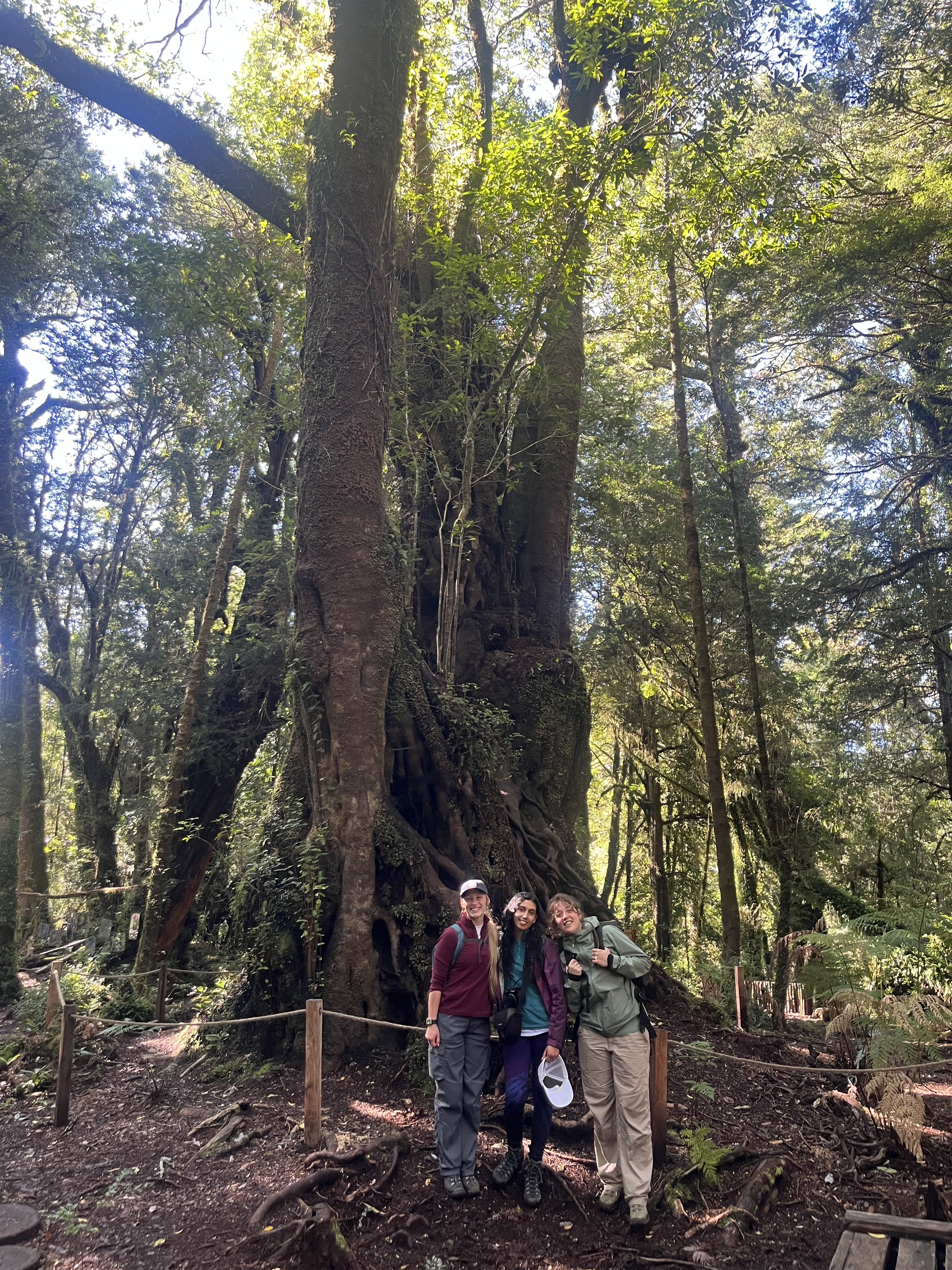
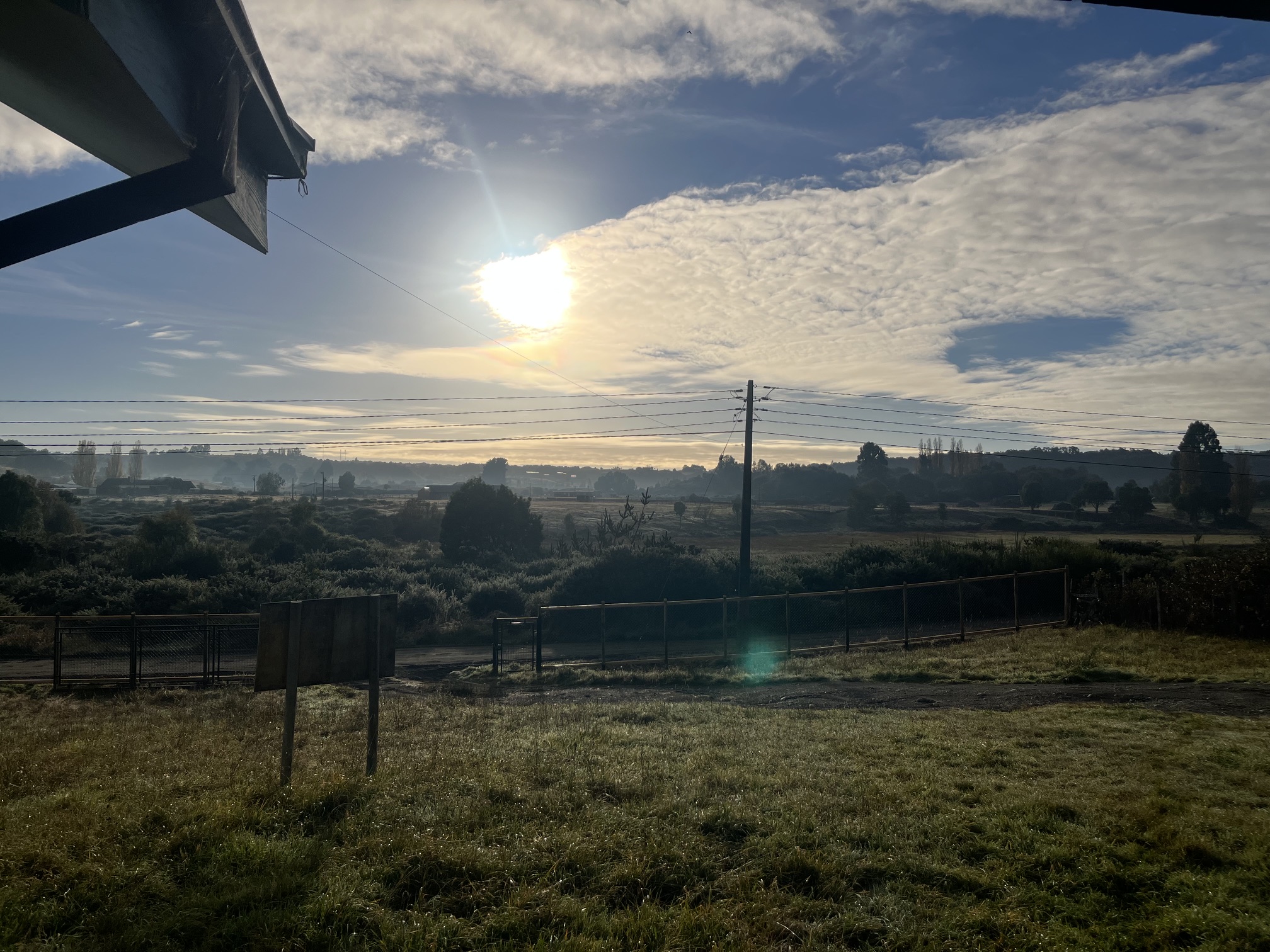
One may hear Southern Hemisphere and islands and expect a tropical climate, however, for Chiloé, this image is very inaccurate. The island of Chiloé is the largest island in the Chiloé archipelago just off the coast of Chile’s mainland Patagonian mountains. Due to its latitude, coastal breeze and inland mountains, the Chiloé archipelago is home to a temperate rainforest, a biome akin to that of Washington State’s Olympic National Park. As such, the ecology of the islands’ forest across the archipelago are unique and host a plethora of endemic and rare species of flora and fauna.
Despite initial anxieties about all the unknowns of living and interning in a different country and language, the experience exceeded any expectations by leaps and bounds. My time at INFOR was filled with learning, friendship, and an immersion in the culture that left me as though I had gained a new home in Chiloé.
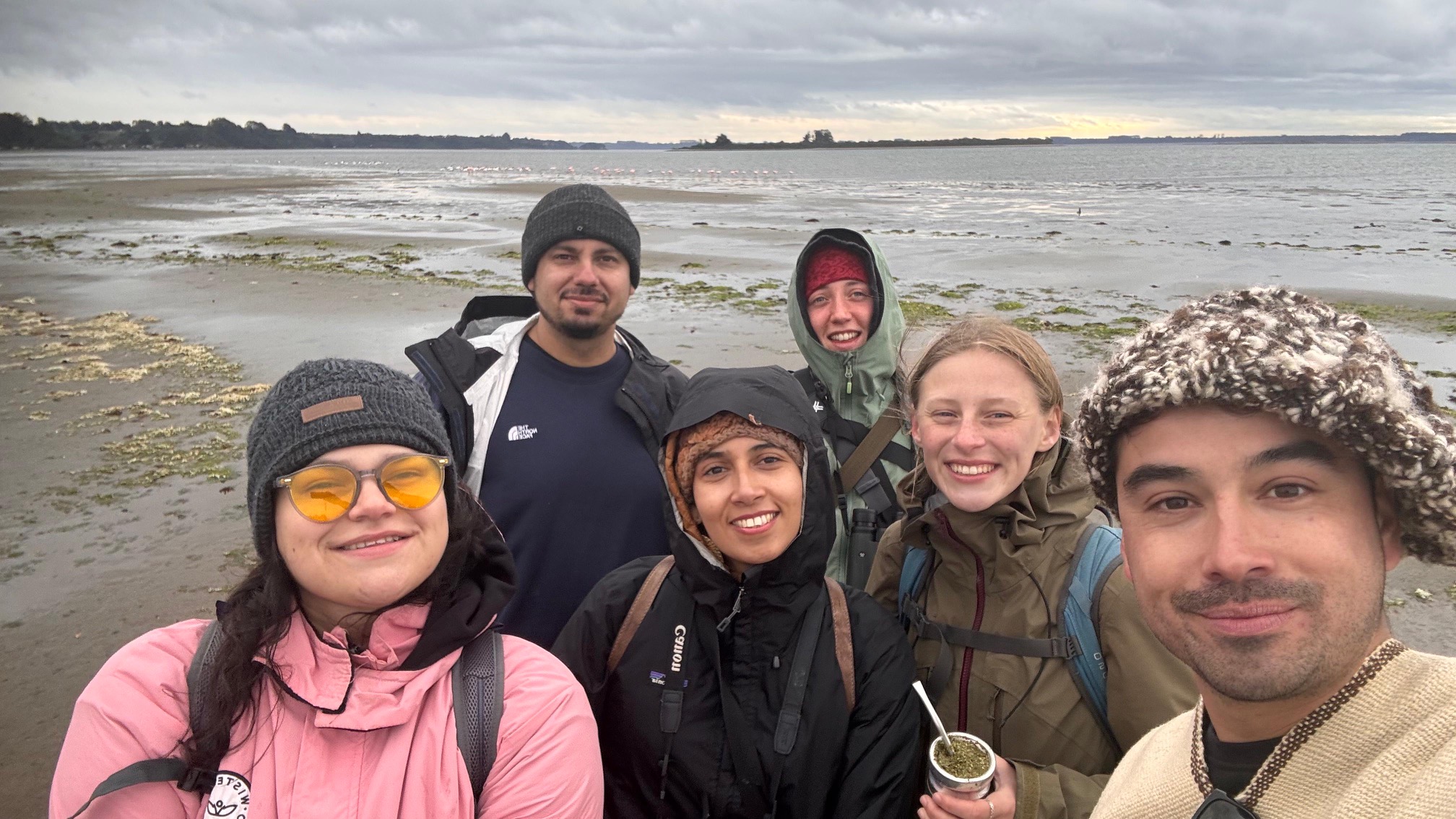
My global theme is resources and sustainability, and my global challenge is how different countries and cultures approach the science and practice of forest ecological restoration. My perspective on my global theme and challenge have shifted as during my internship I grew a greater appreciation for the importance of community knowledge and education when it comes to issues of sustainability and forest ecological restoration.
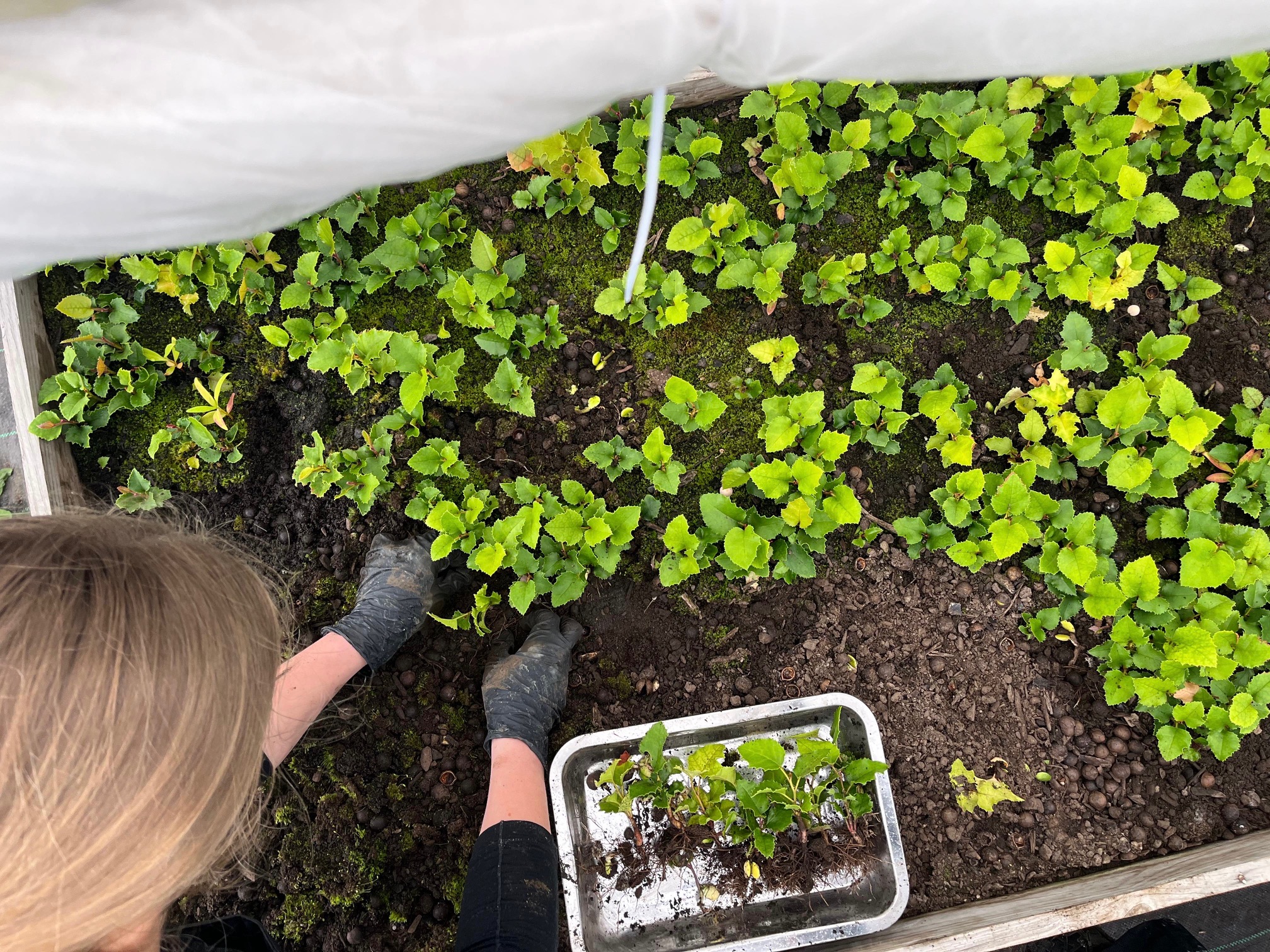
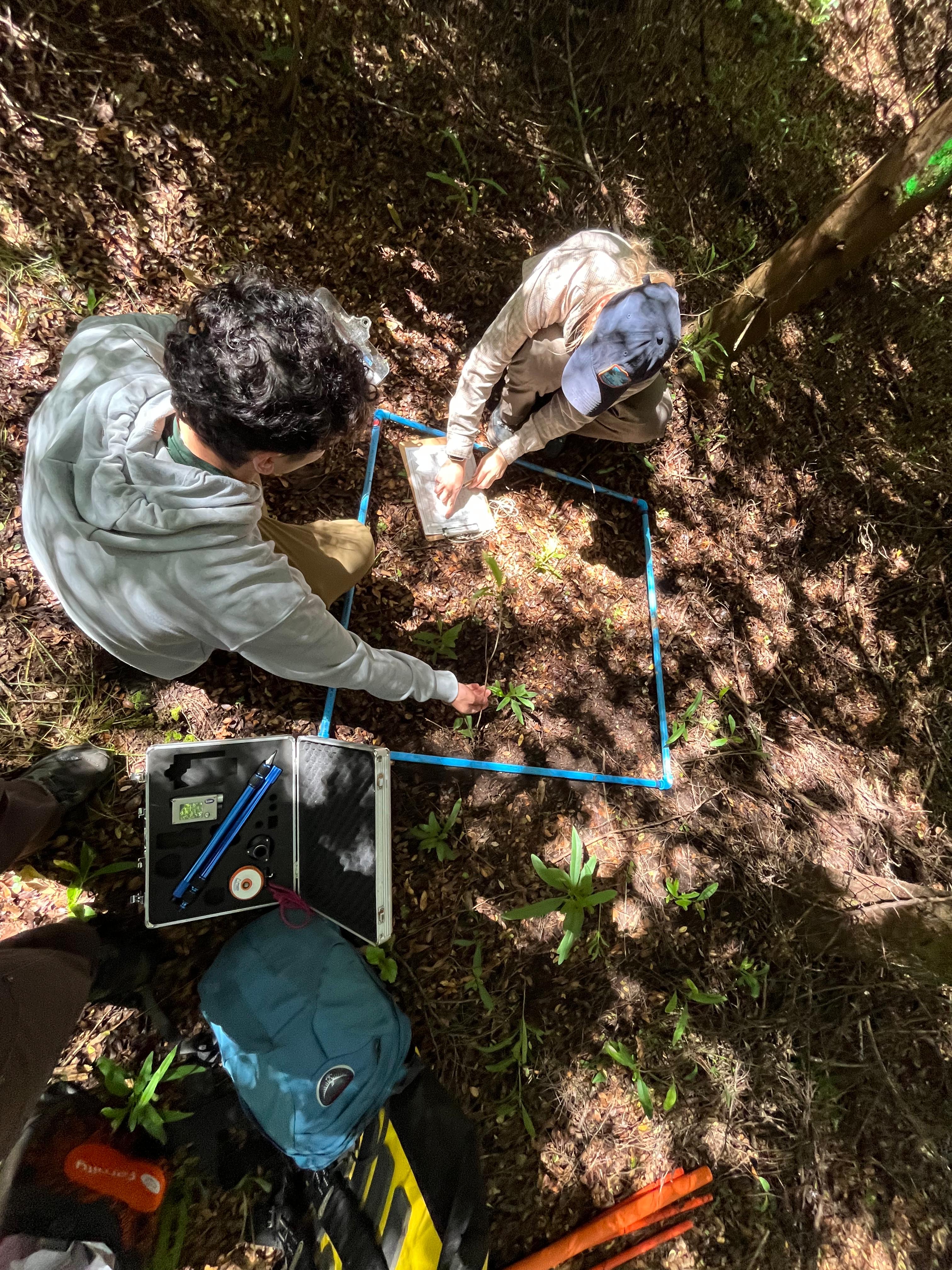
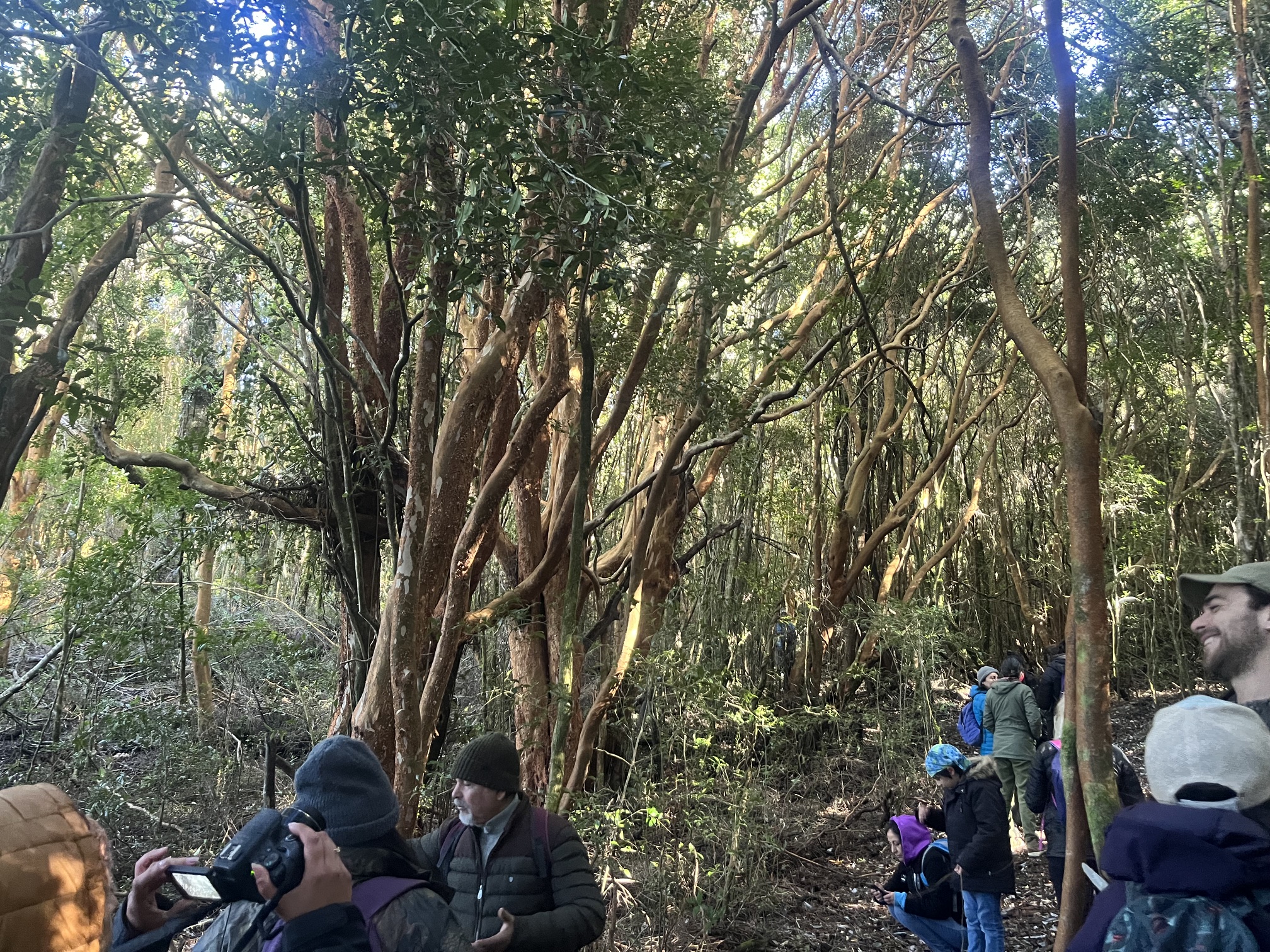
Throughout the internship, I had the opportunity to assist with several different projects and tasks. These included a project called the FONDECYT Regular (Evidence-Based Restoration of Fire-Disturbed Temperate Forest Ecosystems of Chile); an experiment of differing thinning treatments done on native and endemic species; and the production of and care for seedlings and saplings. The diversity in tasks and projects helped to provide a unique experience that introduced me to many aspects of forest restoration work.
Because of my experience in Chile, I better understand the ways that different places and cultures interact with ecological integrity and restoration. On the island of Chiloé the main industries are fishing, agriculture and forest timber harvesting. Due to the climate in the region the island of Chiloé offers perfect conditions for the cultivation of many invasive and non-native species, of fish, tree, and livestock (examples of these include salmon, eucalyptus, and sheep). These industries are greatly affected by and connected to these invasive species due to their ability to thrive on the island. As such, the education of the local communities on how they can incorporate native alternatives into their industries is vital for gaining support for restoration efforts. One such project I was able to be a part of led to my writing of a report for the island’s community. The report took a scientific government report on ecological restoration works on the island and created a community-level report that was more accessible to the average member of the community. This project specifically challenged both my Spanish skills, and my understanding of the ecological restoration work I had been assisting with during my internship.
After my internship, and the writing of the community report, I’ve learned a much greater appreciation for the importance of tone when it comes to restoration or any scientific work. To greater effect change in any place, across the globe, a focus on others’ individual experience and values is imperative.