When I left for Tarragona, Spain, in January 2026, I pictured myself fully immersed from day one, meeting people from all over the world and hitting the road with them every chance I got. I imagined a semester where every weekend meant a new city with a new group of friends I’d made along the way.
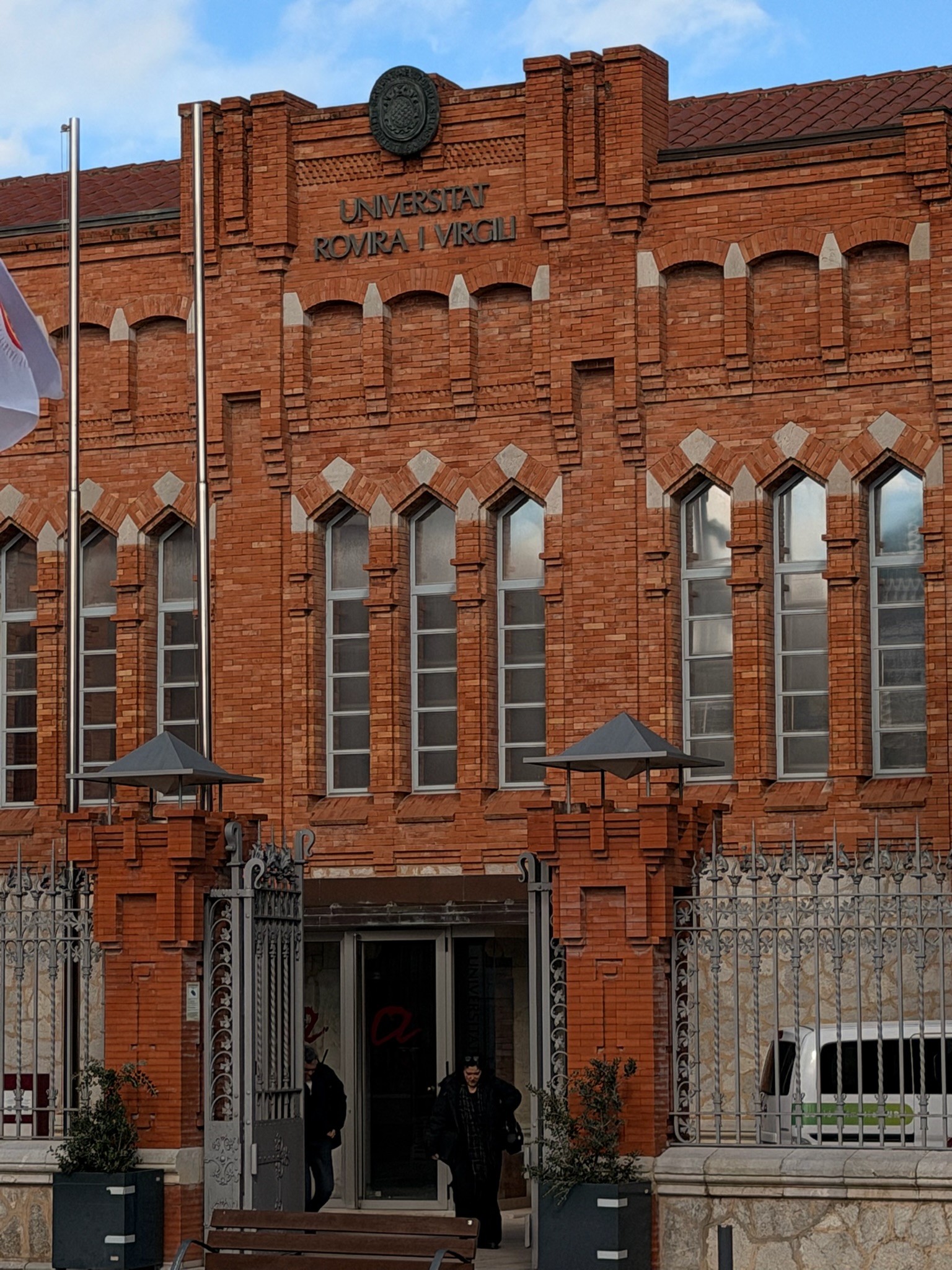
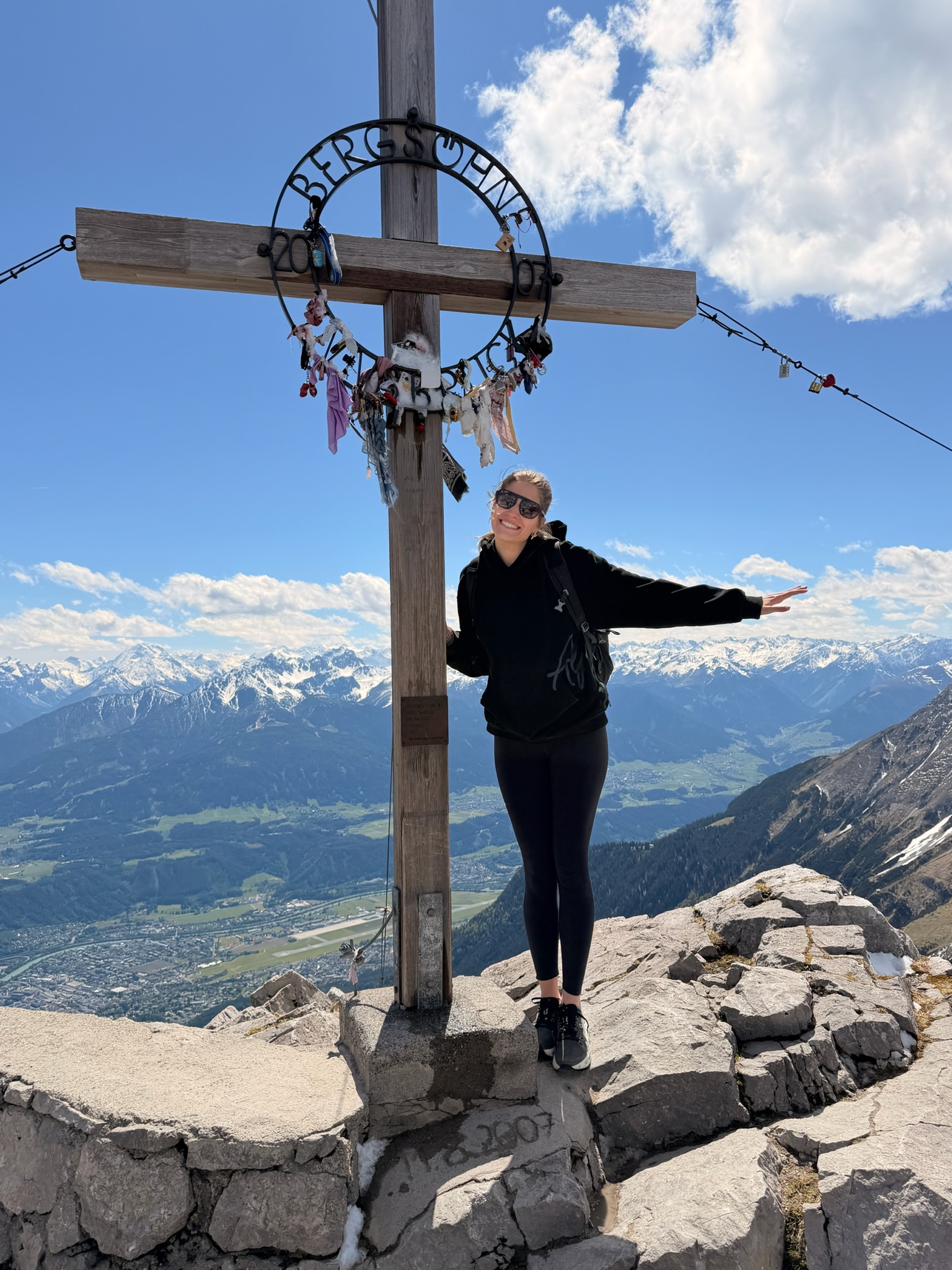
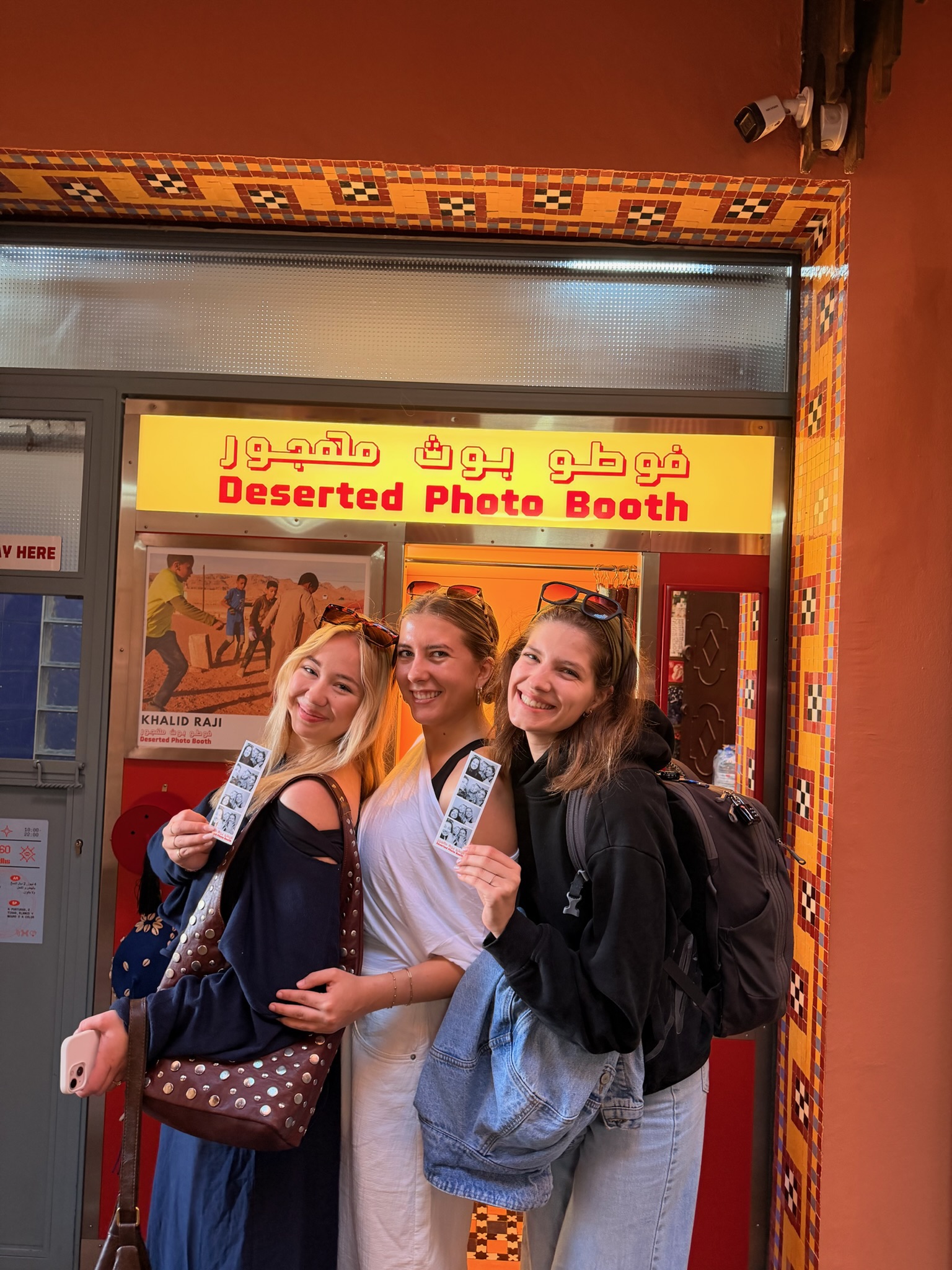
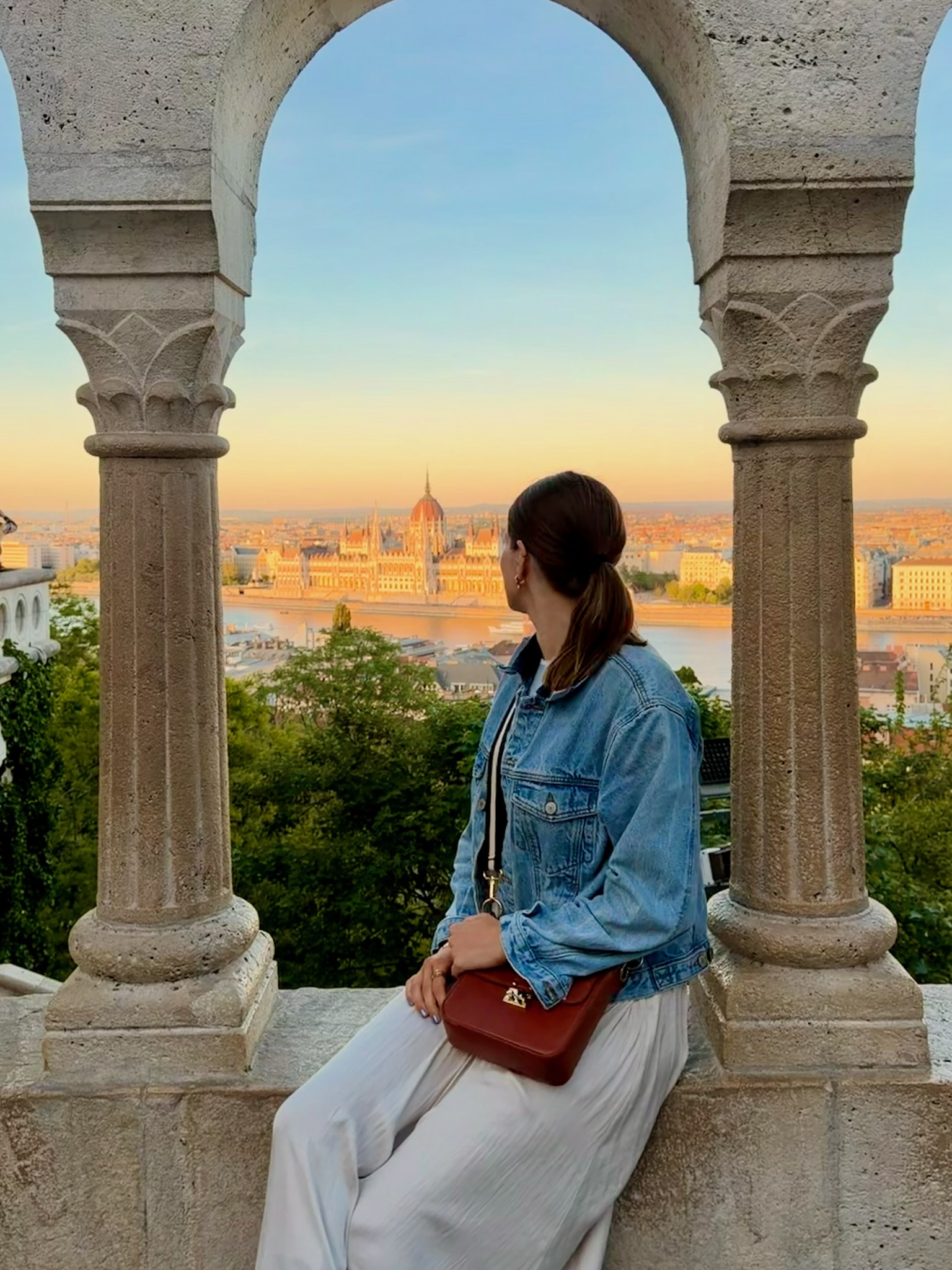
Some of that picture came true, just not exactly how I expected. I did meet people from every corner of the globe through my classes and the URV Mentor Programme. But instead of constantly traveling in a big international pack, I found myself exploring in smaller, more personal ways. Whether with friends also studying abroad, completely solo, or with people I met along the way in whatever city I landed in. It wasn’t the version I had planned, but it gave me something better: the confidence to navigate a new place entirely on my own terms.
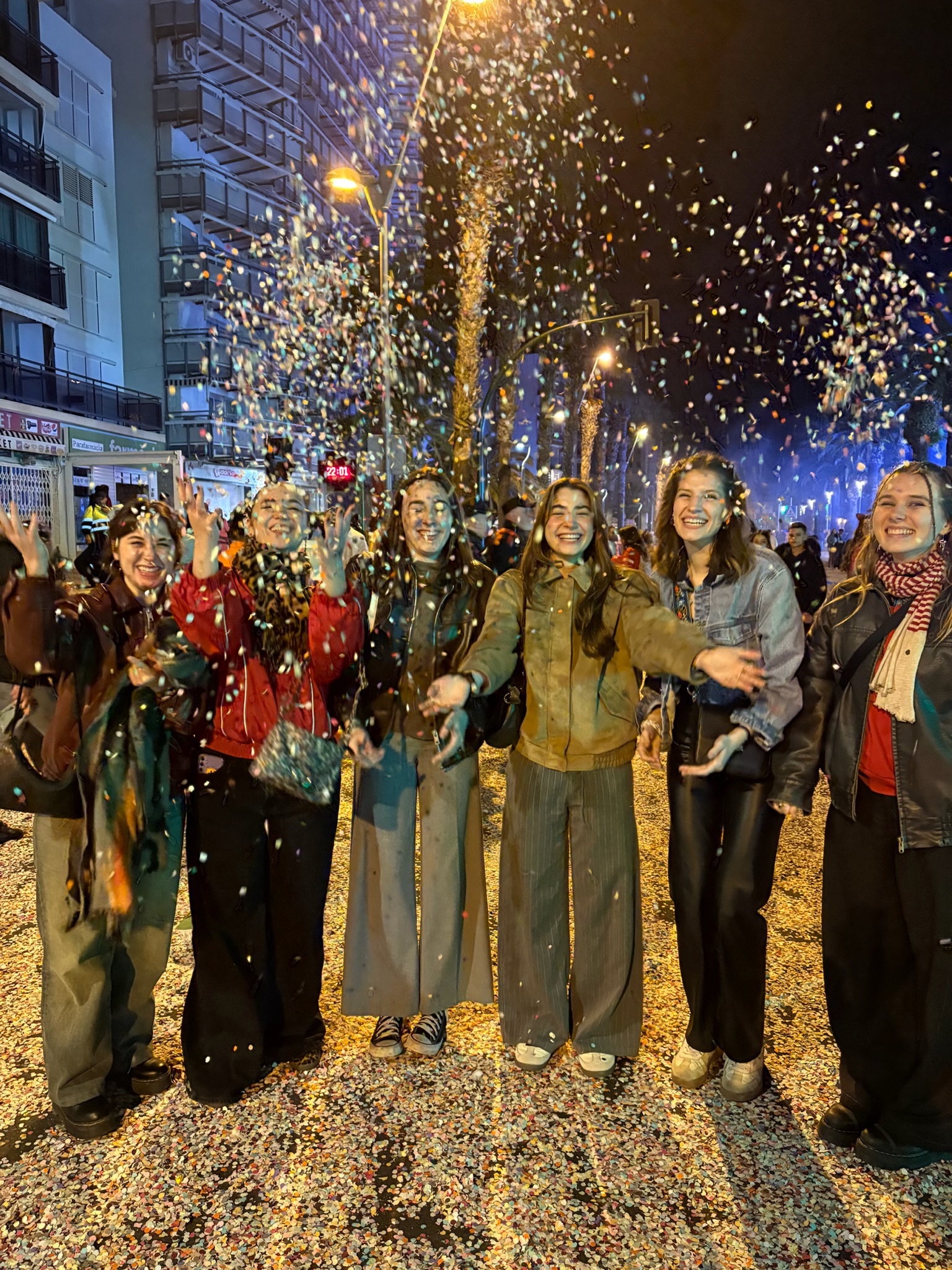
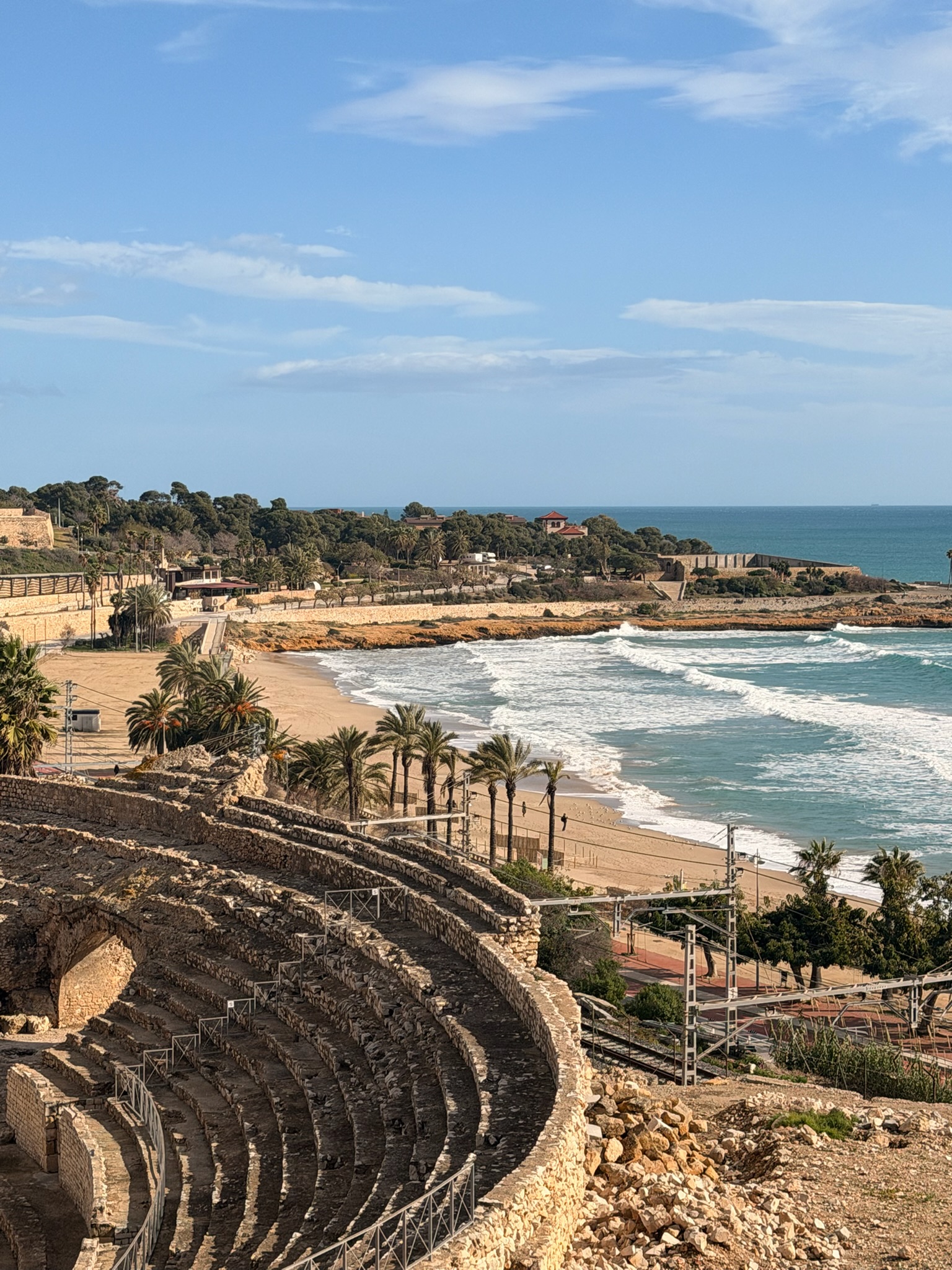
My Global Challenge was Balancing Culture and Control: Spain’s Struggle with Tourism Dependence. I wanted to understand how a country markets itself to the world while still protecting what makes it culturally unique. Living in Tarragona made this real in a way no classroom could. Tarragona’s Roman ruins sit steps from a beach packed with tourists every summer, and I watched firsthand how a city balances celebrating its history with sustaining an economy that depends on visitors.
Before this experience, I mostly thought of tourism as a way to explore and connect. Living there shifted that. I now see the weight that comes with it too, the way short-term rentals push up housing costs for locals, the strain tourism puts on natural resources. That shift in perspective is something I plan to carry directly into my career. I want to work in travel and destination marketing in a way that promotes tourism responsibly, not just profitably.
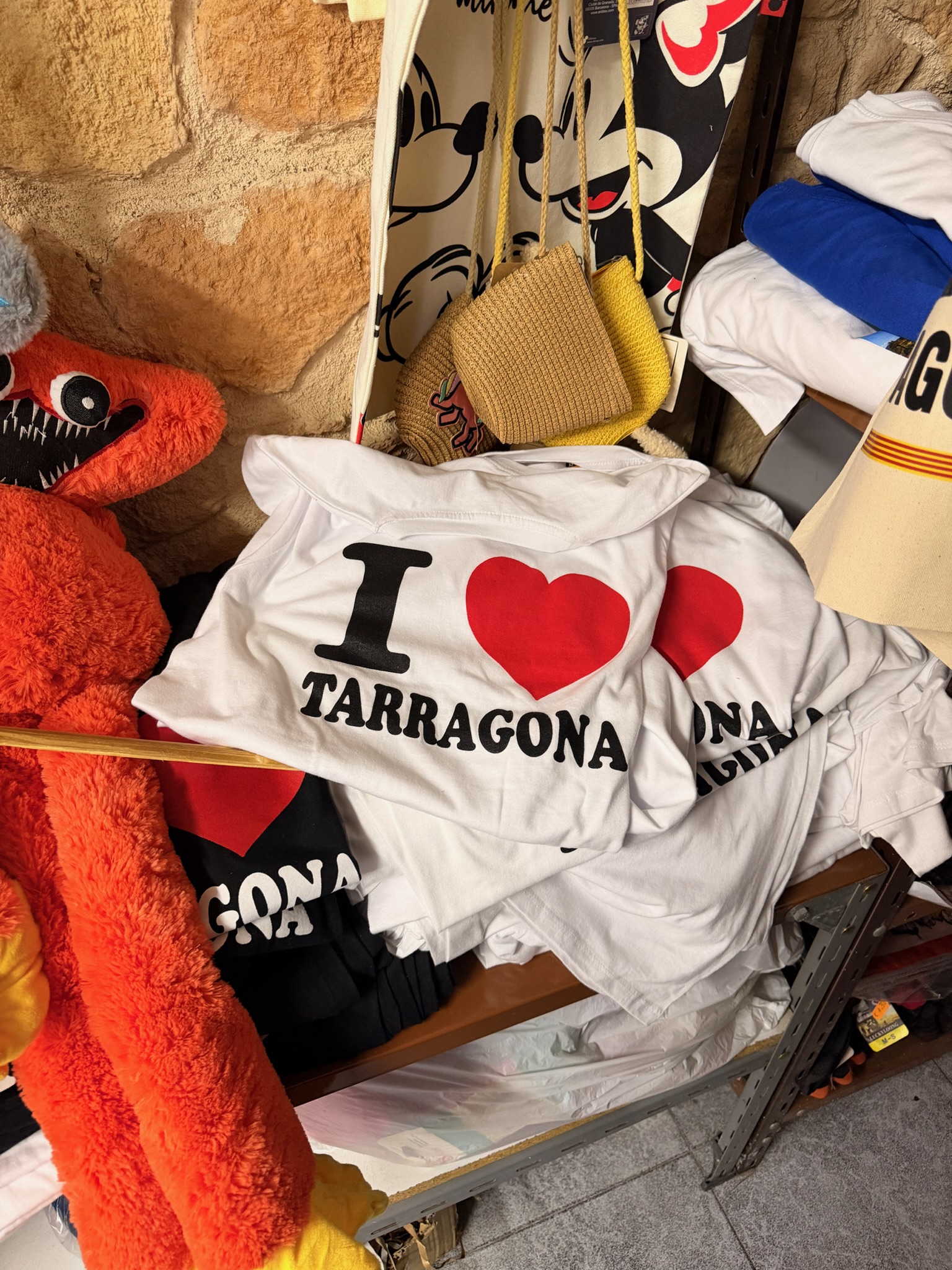
Most of my cross-cultural growth came from the people I met, especially other international students. Being surrounded by classmates from so many different countries meant constantly comparing notes on how we each saw the world, and realizing how much perspective shifts depending on where you’re from. It made me a better listener and a lot more curious about the “why” behind how people think and live differently than I do.
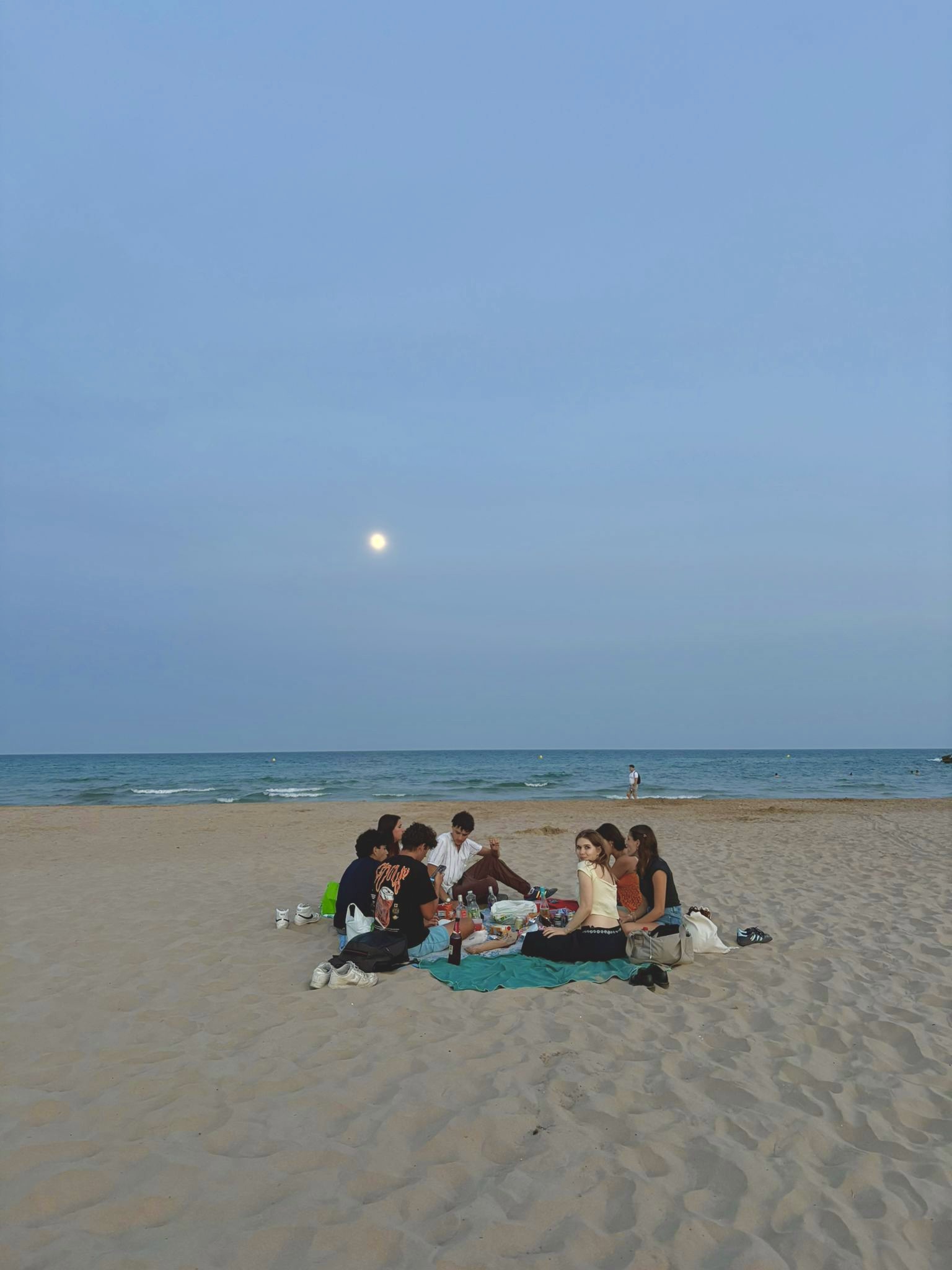
As an ISEP Digital Ambassador, I created content for ISEP’s social media channels, which meant regularly stepping outside my comfort zone. I had to approach classmates I didn’t know well and ask them to be in videos, then film in public spaces with people watching. It’s one thing to be confident behind a camera; it’s another to walk up to a stranger, or someone you’ve only met once, and ask them to be part of your content. That experience taught me how to lead with more directness and less hesitation, and I think it will change how I approach interpersonal interactions going forward. I’m quicker now to just ask, instead of waiting for the “right” moment.
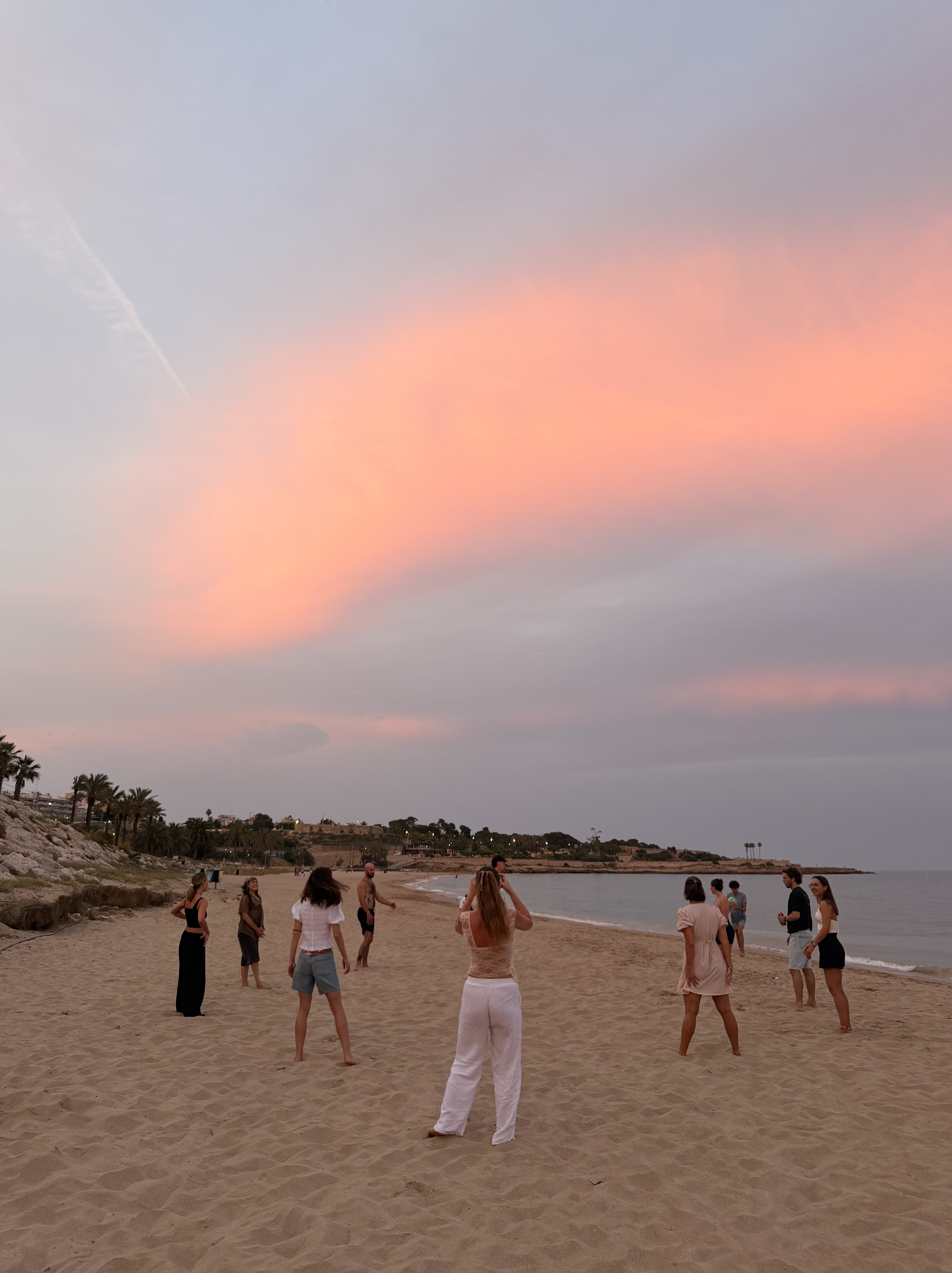
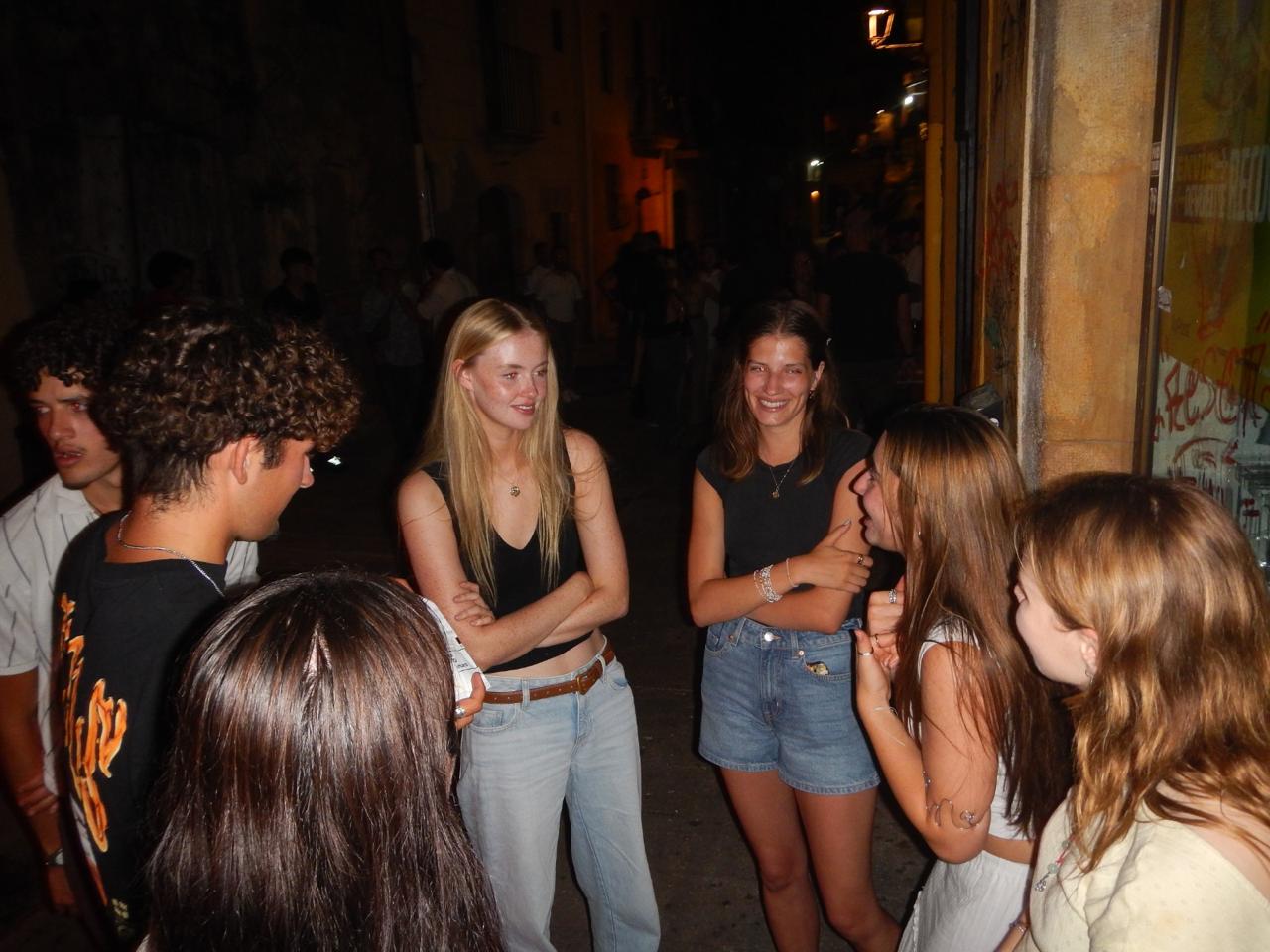
The most memorable part of my semester wasn’t a landmark or a trip. It was my very last night in Tarragona, when all my friends walked me back to my apartment and we said our goodbyes at the door. After months of building those relationships from scratch, in a language and a country that weren’t our own, that goodbye hit harder than I expected. It was proof of how much a semester abroad can build in such a short amount of time.
My time in Tarragona didn’t look exactly like I imagined, but it gave me more than I could have planned for: a sharper understanding of how culture and tourism collide, real friendships built across language barriers, and a leadership style built on just putting myself out there. I came home with a clearer sense of the kind of marketing work I want to do, and the confidence that I can land somewhere completely new and figure it out.