

Hello, my name is Audrey Gustafson. I had the fantastic opportunity to spend last spring semester studying in Athens, Greece at the American college of Greece.
Like most students preparing to study abroad, I had many expectations; some of which were filled in unexpected ways. While I was excited to explore the culture of Greece, I anticipated using Athens as a home base to explore more of Europe. I pictured myself jetting off to a new country every weekend. In reality, I did have the chance to visit a few other countries, however I quickly realized that most of my weekends would be spent at my apartment in Athens. I was disappointed at first, however it was a blessing in disguise because it allowed me to spend more time exploring Athens and made me cherish the trips I did take that much more. Some of my favorite trips include fulfilling a lifelong dream of experiencing the winter olympics in Milan, and visiting a childhood friend at her apartment in London. This expectation for grand adventures extended even down to the daily. I anticipated that my afternoons after class would be packed with sightseeing, museums, and exploring the city. In reality I spent many days just going to class and going home or staying within the neighborhood. While I felt guilty for this at first, like I was not taking advantage of my opportunity abroad, in hindsight, those days spent in my neighborhood were some of my favorites. I enjoyed becoming a regular at our local cafes, reading in the sun at the park, and going on lots and lots of long walks.
While in Athens, I took a course called “energy and climate” that changed my perspective on my global theme of resources and sustainability. Throughout my participation in the CCS minor at UM, I have taken many classes exploring this topic, however my biggest takeaway from my course abroad was a non-US- centered take on energy. Due to the fact that Greece is a smaller country that is rich in wind and solar energy, the way that the government approaches renewable energy is different than in the US. One discussion topic that shaped my perspective was the intersection of environmentalism and archaeology. One of my professors did research on the effect of acid rain on archeological artifacts/monuments. This is a topic that is particularly relevant in Greece due to their rich history and archeological wealth. This was such a great example of how environmental topics can be catered to very specific local contexts, a concept that will be applicable to my process in designing a capstone project.
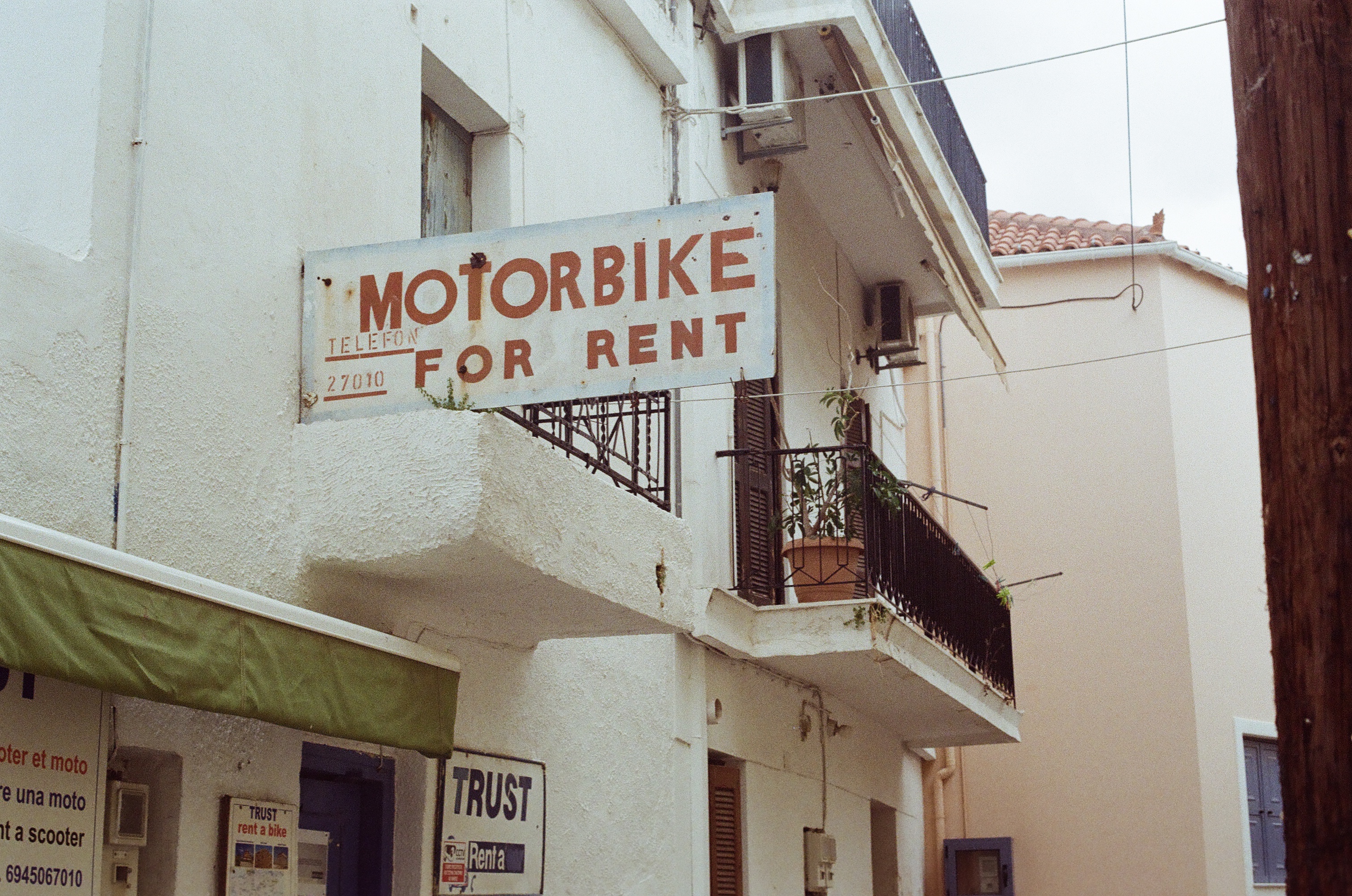
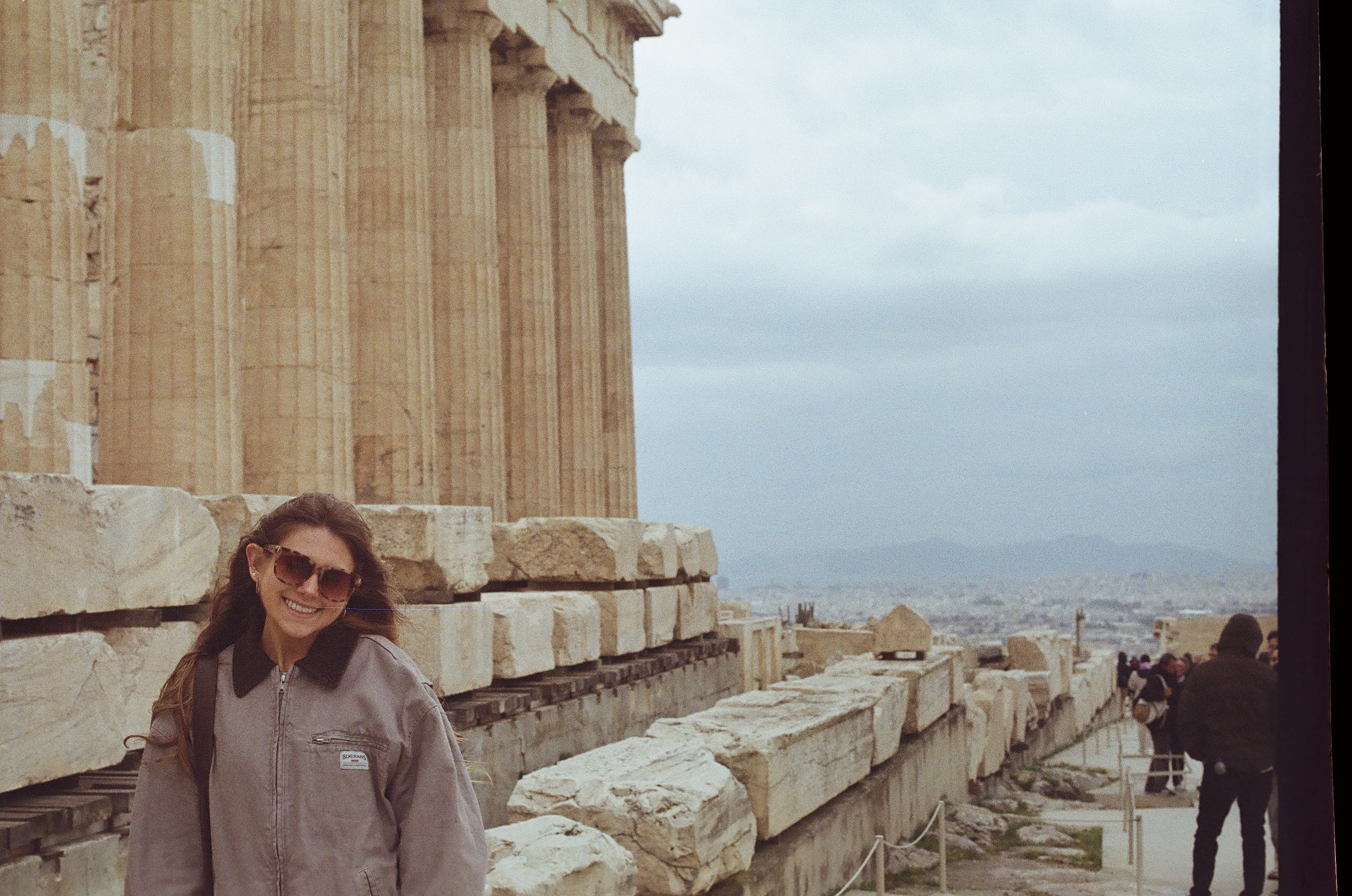
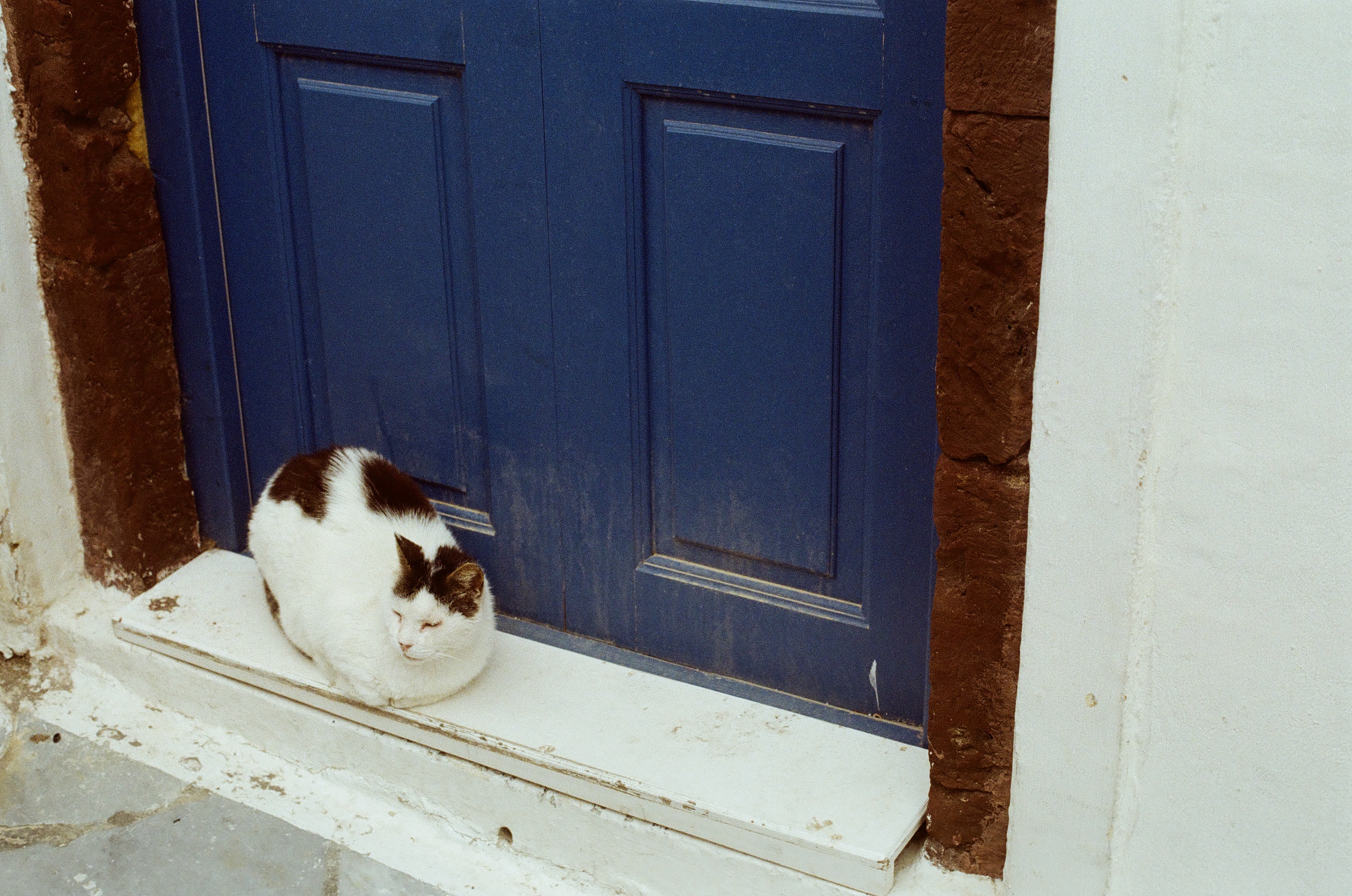
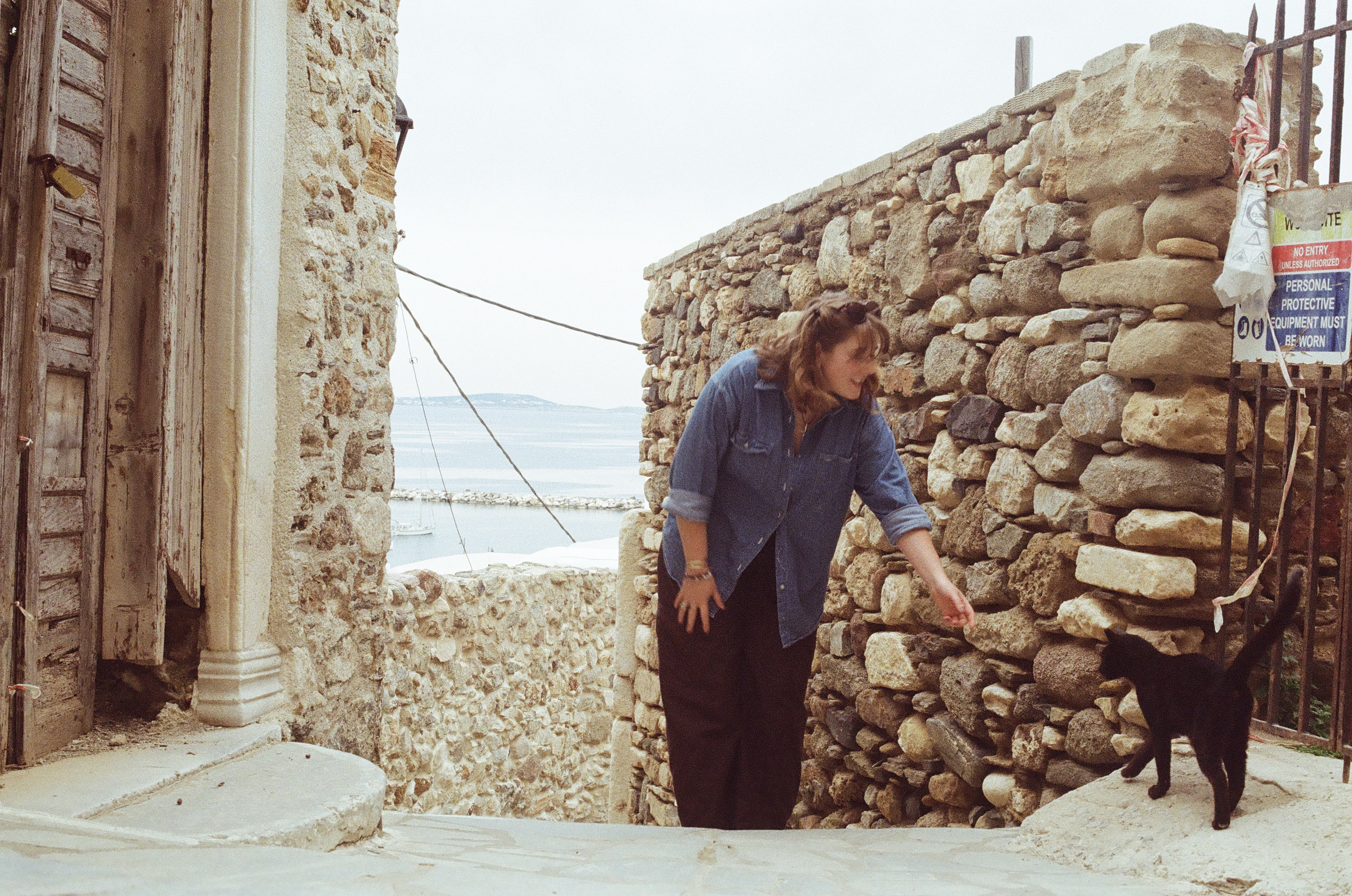
Top Left: signs in Athens, Top Right: My sister, Annika, at the Acropolis, Middle: a cat on the Island of Naxos, Bottom: making friends on Naxos
Studying climate change and energy in Greece gave me a perspective on my global theme of resources and sustainability outside of the United States that broadened my view on what environmental stewardship can look like. According to an article from the Pew Research Center, surveys show that over 80% to 90% of Greeks view climate change as a major, human-driven threat. Additionally, Greece operates under European Union mandates, providing both a governing framework as well as high public support for renewable energy subsidies. On the other hand, the United States faces deeper ideological divides when it comes to energy policy, as well as quickly shifting national leadership. Climate threats such as wildfires, hurricanes, and draughts effect the United States regionally, leading to localized responses in comparison to a more unified front in Greece. It was fascinating to compare a more localized approach to environmental stewardship in the United States, to a top-down approach in Greece where decisions are made to satisfy EU guidelines.
Studying in Athens changed my relationship with time and productivity. Living outside of the United States was a great opportunity to disconnect with “hustle culture” and enjoy living slowly. Instead of living under the expectation that time must be maximized in order to be as productive as possible, the Greeks approach long meals, coffee, socializing, and spending time outside much differently. It was refreshing to learn that not every moment needs to be productive or scheduled. This ties in perfectly to the realization that staying in my neighborhood wasn’t “wasting” my study abroad experience. I enjoyed long afternoons reading in the park while old men played chess, or lounging on the beach without feeling like I should also be studying flashcards. I learned that I did not need to “maximize” every free afternoon to have a meaningful experience. Overall my cross-cultural understanding came more from learning to exist comfortably in a culture that was previously unfamiliar to me, than from checking cultural experiences off of a to-do list.
My time abroad changed the way I approach interpersonal interactions. Building a new network of friends and acquaintances in the three months abroad required rapid vulnerability. During a typical semester or even college in general, there is ample time to build and deepen connections. On the other hand, the three months spent abroad left little time for gradual relationship building. I found it challenging to deepen friendships over the short amount of time that I was abroad. This concept is not unfamiliar to me because the same problem exists during short summer field seasons working guiding or field jobs. The skills that I built this semester will be applicable to my career sinceI will likely be working many seasonal positions.
Despite the challenges that come with any experience abroad, I am very grateful to have had the opportunity to study abroad in Athens!

