
This summer, I participated in a NASA Montana Space Grant Consortium (MSGC) internship with UM’s Zettlemoyer lab. The greater Missoula valley is home to several native cushion plants, including the endemic Missoula Phlox. The Zettlemoyer lab focuses on the ecology of these native cushion plant communities and how climate change may influence their populations. I assisted in their research this past summer and honed in on a specific species, looking at potential drivers for its presence and abundance.
Cushion plants
“Cushion plant” refers to a dense, often dome-shaped vegetative growth form. Cushion plants are typically found in alpine habitats, but several lower-elevation populations exist around Missoula. Because they are able to persist in very harsh conditions, they are considered “nurse plants” that provide microhabitat services for less robust species.
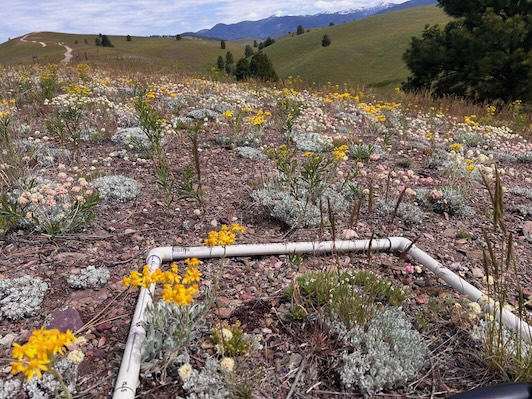
Before I started this experience, I was anticipating a summer full of rigorous field work and data interpretation. While I did get my fill of 16 hour field days and meticulous data organization, I was surprised by how rewarding the experience was in terms of global impact. During this experience, I completed a scientific paper in which potential drivers and risk factors for populations of a specific cushion plant species were discovered. Our results highlighted what aspects of shifting climate zones pose the greatest risk to alpine cushion plant communities (hint: its a lot more complicated than just warming temperatures!). Working with active researchers in the field also provided a lot of insight into the challenges scientists (and specifically conservation scientists) are facing in today’s political climate.
This experience furthered my understanding of my global theme (resources and sustainability) and challenge (how to measure and preserve ecosystem integrity in a changing climate) in several ways. The research I conducted over the course of my internship aimed to understand the key factors that influence Montana native plant survival and success (ranging from changes in UV exposure, soil chemistry, shifting pollinator populations, to physical human disturbance from recreation). The data I collected on the current populations and the analysis conducted to determine their risk factors will help build an essential network of data that can be used to better inform future management and conservation efforts in the Missoula valley. Cushion plants also exist (and are understudied) all around the world, so this work has global reach.
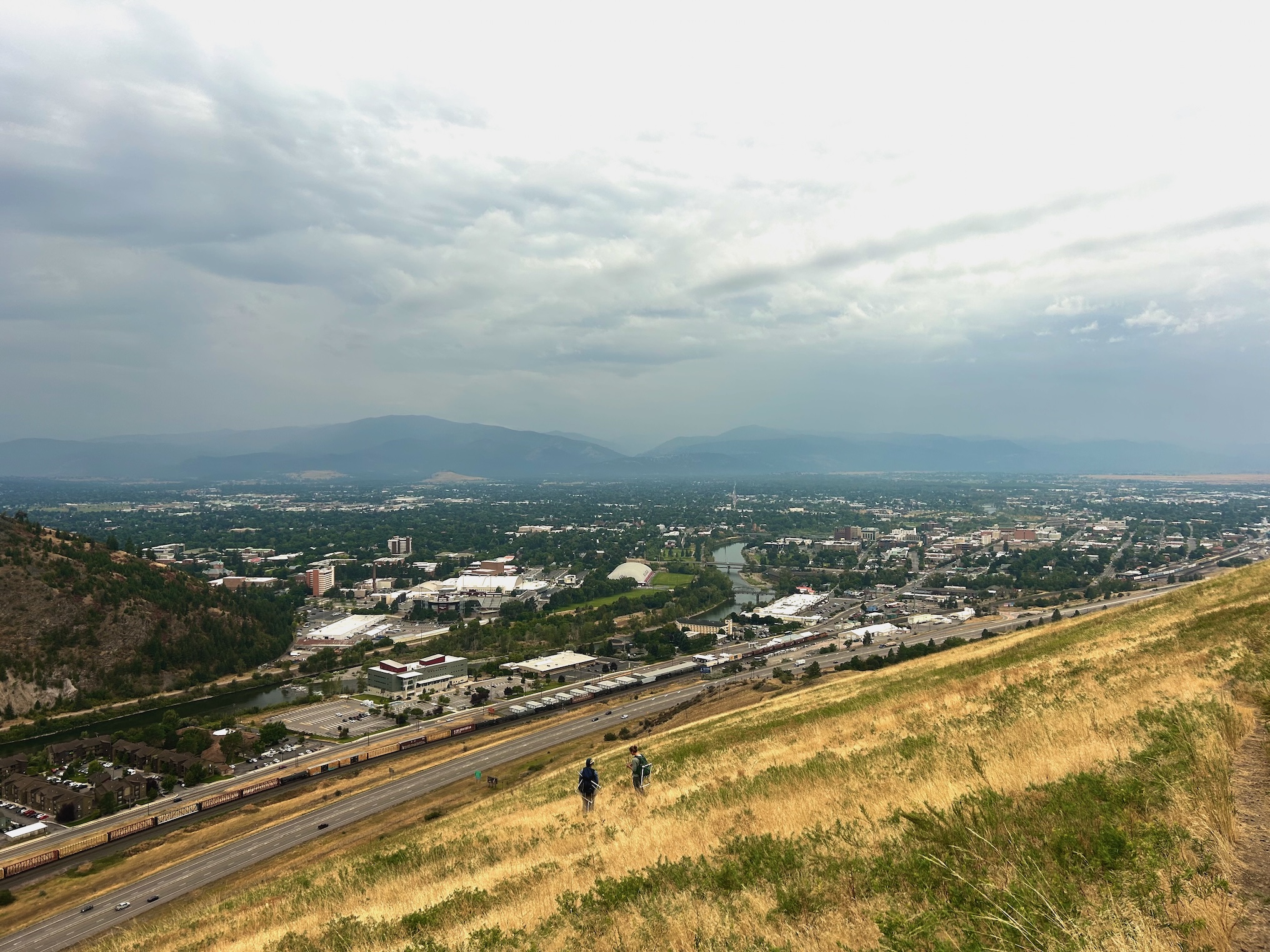
day of soils…
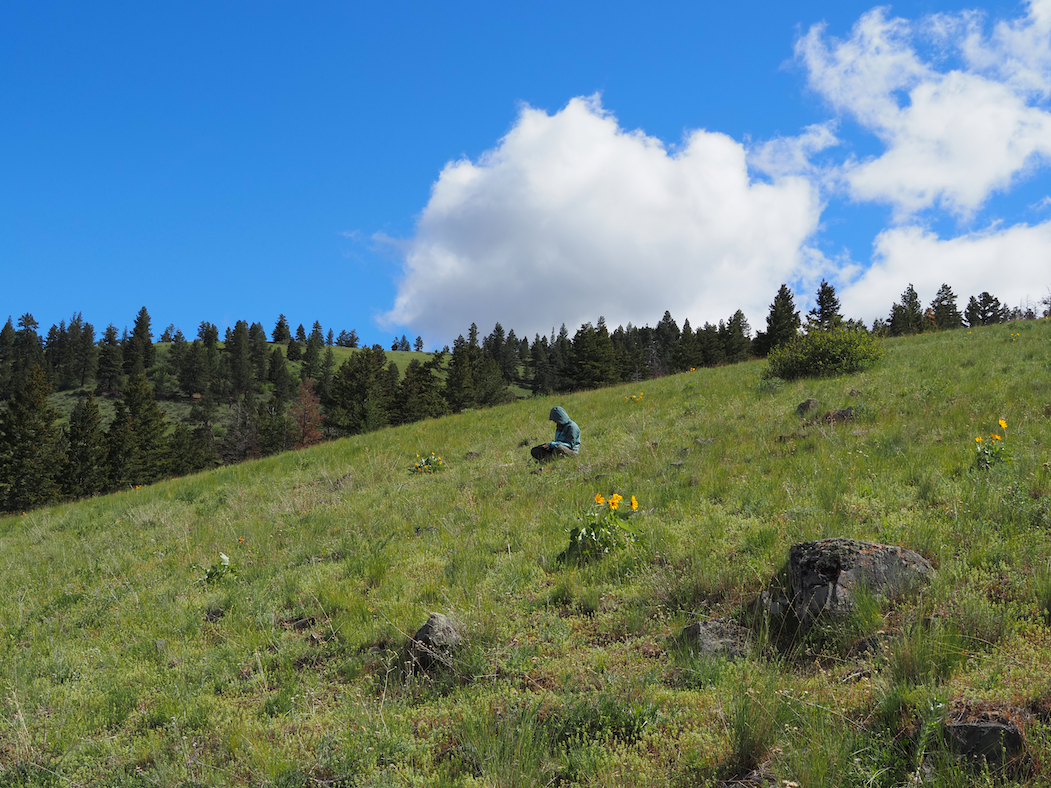
Working in the lab definitely furthered my leadership skills. I was in charge of the final scientific paper produced based on our key findings. I had to set expectations and dates for writing this paper, as well as heading the interpretation of results (and what areas need to be further looked into). The realm of academia was entirely new to me at the start of this experience. Because of this, I didn’t have a clear idea of the kinds of people I would be interacting with. As it turns out, academia is a lot less stuffy and uptight than I thought. Because we were working outdoors, often near public recreation areas, I also got to interact with a wide variety of people from the general public. It was interesting to hear about the different perspectives the average person has on conservation science. While I still don’t think academia is for me, this experience showed me that its not as scary as I thought and is entirely within the realm of my capabilities.
In the upcoming year, after graduation, I look forward to a career in land management. Monitoring and analysis of ecological data is a very important part of this occupation, and this experience provided me with the opportunity to learn and practice a lot of these hard skills. Additionally, I learned how to confidently communicate with peers in the research field. As I enter the work force, I will utilize these skills to continue to make important conservation decisions. I’m so incredibly grateful for this opportunity!

