
This Spring, I spent a few months in Costa Rica and Western Montana as part of the Semester in Wilderness Medicine program through Aerie Backcountry Medicine. Throughout many courses in a variety of unique locations, I wanted to answer the question “How can care be provided to those in rural areas, with a lack of access to medical resources?” During the semester, my experiences sparked another question of “How can medical care be adapted to be successful in all environments?”
Costa Rica: During our multi casualty scenario, the final large practical incident, of our EMT course, we were hit by a (rare during the dry season) thunderstorm. Instantly, all off our medical gear, clothes, and notebooks were soaking wet. It was hard to hear anything over the sound of the rain, adding to the difficulty of an already complex situation. We retreated with our patient actors to shelter and continued the scenario. We continued to triage, stabilize, and transport our patients, making do with the wet gear we had. I like this story because it was a good lesson on how adaptability and strong leadership become especially important in wilderness medicine.
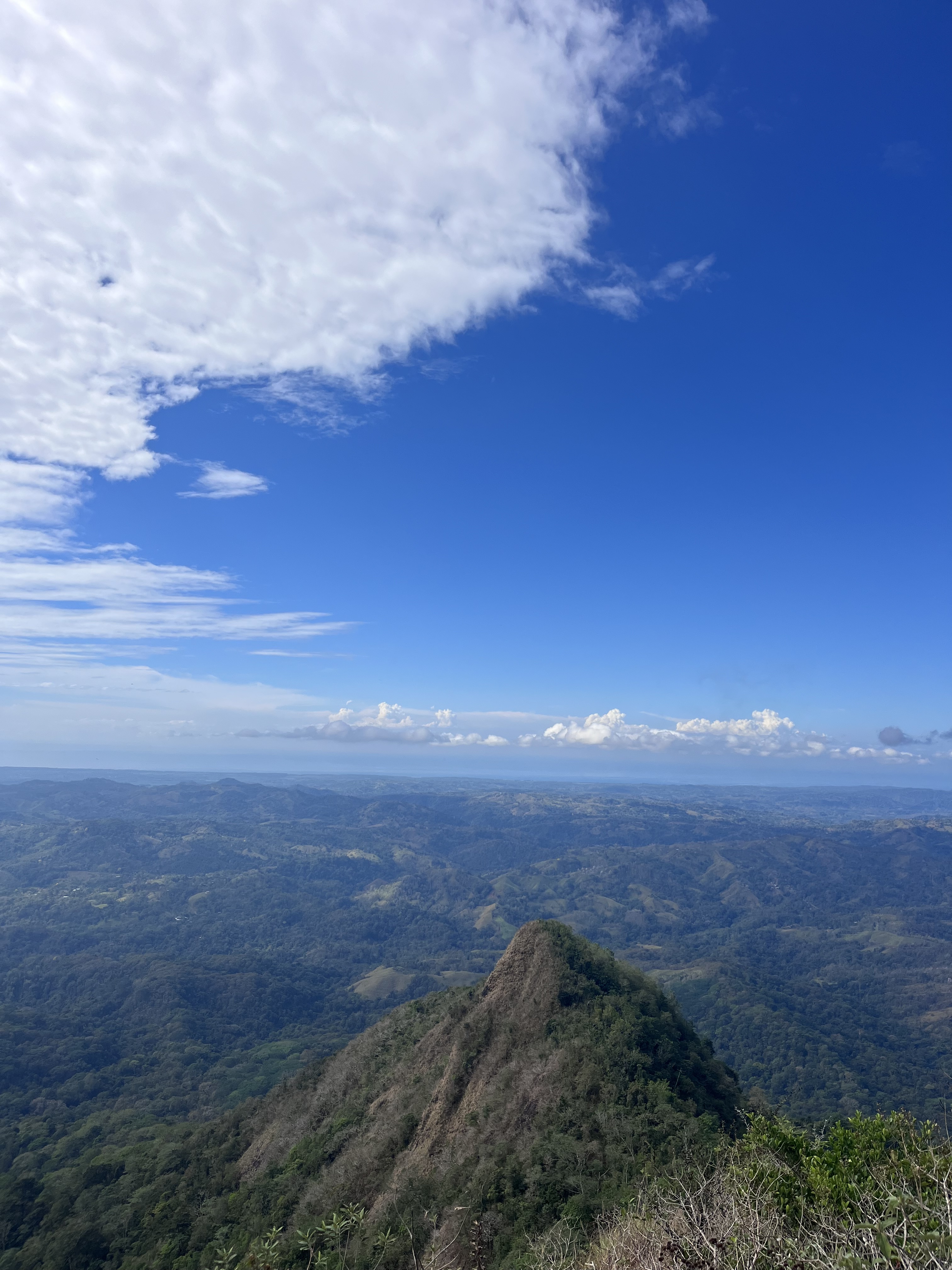
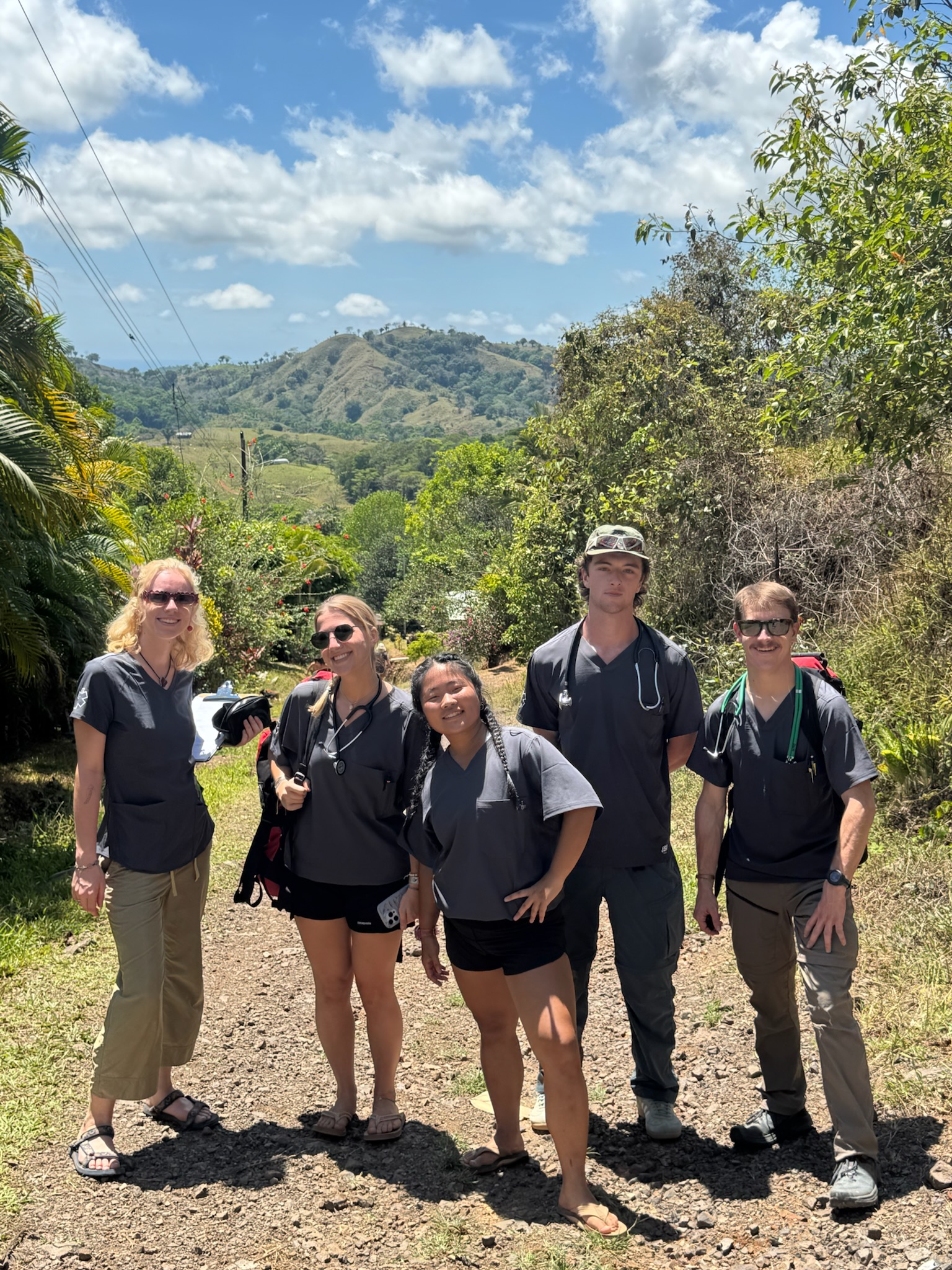
While in Costa Rica, we had the pleasure of putting on free health clinics and participating in house calls in a few of the local communities around Mastatal. We saw many patients with a wide range of illnesses and injuries. For some of our patients, this is one of the few times they see a doctor. While Costa Rica has a strong, rather inexpensive healthcare system, it is inaccessible to many people living in rural areas. For these communities, healthcare is too far away to make the trip. Additionally, the culture here is very family oriented. Many families of three or more generations live together in the same home. It’s common for a mother to take care of her children and her parents at the same time, a strenuous responsibility. This responsibility, combined with limited access to healthcare can create a difficult situation for some families. Despite this, people are cheerful. Costa Rican culture is very friendly, relaxed, and overall happy.
“Pura Vida” is a common saying which means pure life.
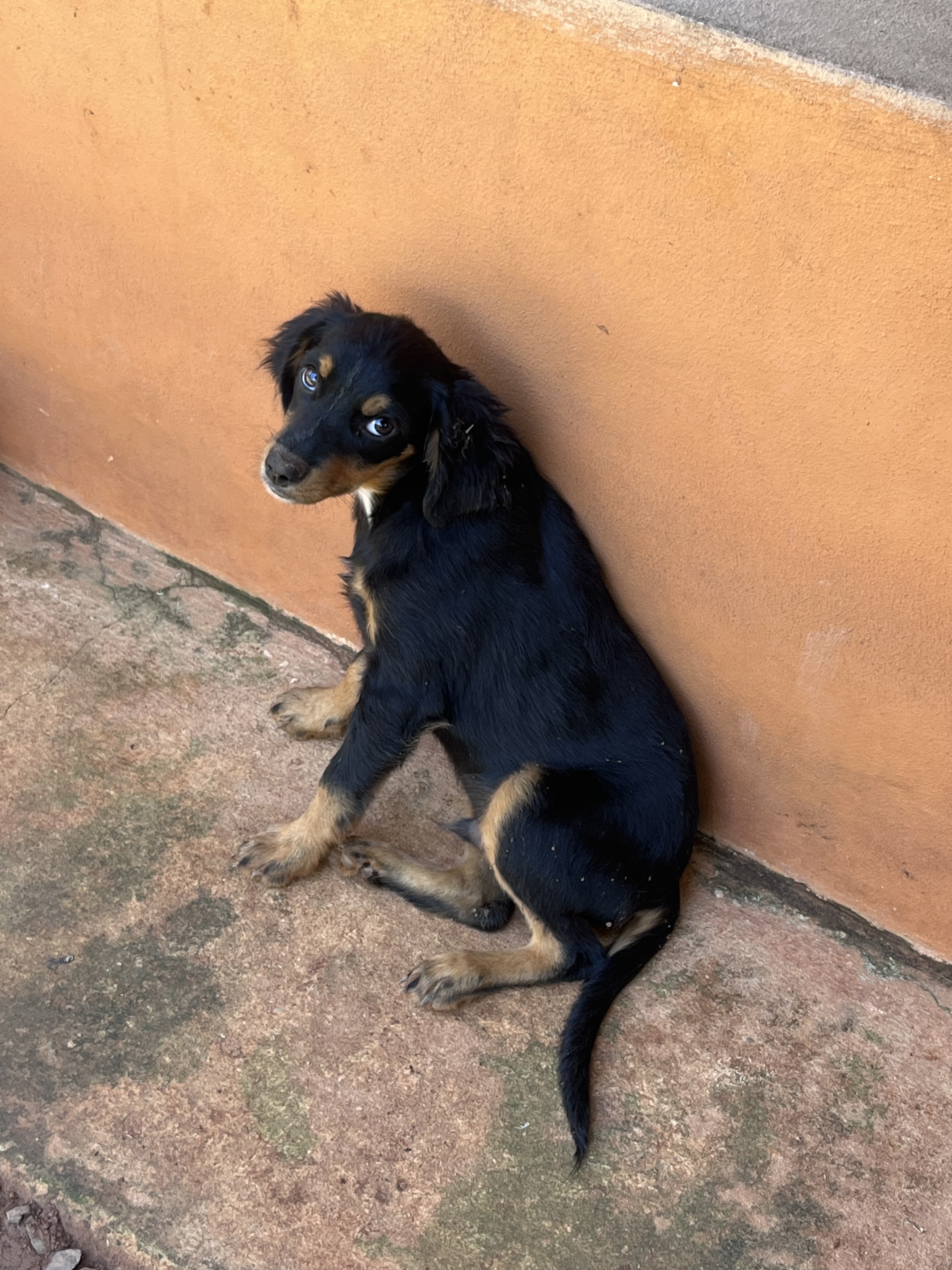
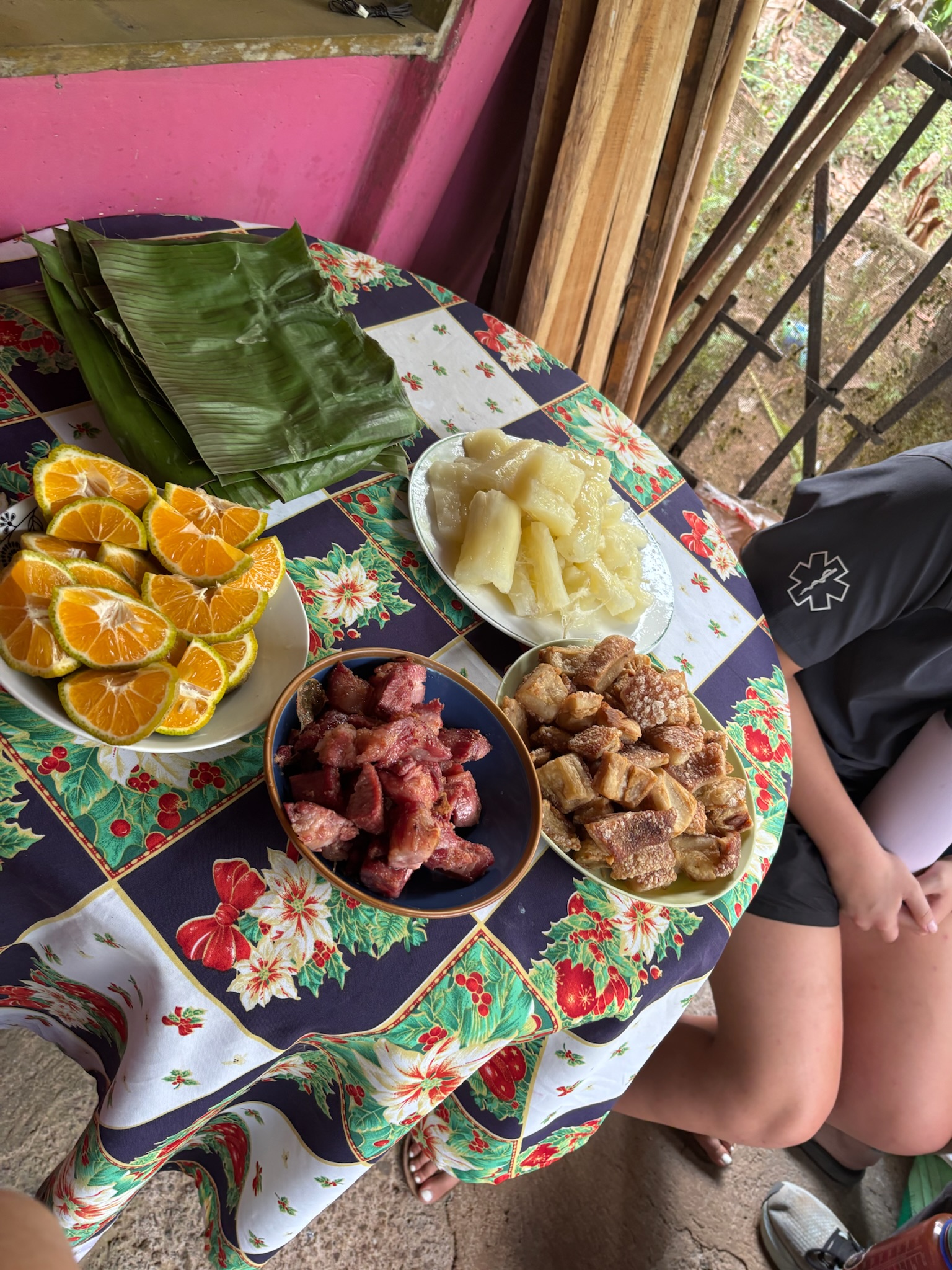
After seeing the patients at our clinics, I think a big part of healthcare is simply having your problem understood. For example: A mother, stressed-out from taking care of her family members’ health, while simultaneously having to worry about her own. When it’s not possible to fully cure the patient’s ailment (which is often the case), being able to provide reassurance and give solutions where they can be more comfortable is extremely valuable. Annual clinics like these can make a big difference in rural communities.
Montana: After traveling back to Montana, we spent some time in the Flathead valley getting our Avalanche Rescue certifications, Seeley lake where we took our Wilderness EMT course, and the Clark Fork River Gorge for Swiftwater and Ropes Rescue. These were all unique environments to each other and much colder than the previous month in Costa Rica. We dug snow pits to study the layers of snow and learn about avalanche danger, practiced putting patients in a “hypo wrap” to keep them warm, performed mapping and compass navigation, and used throw bags and rescue swimming techniques in whitewater scenarios etc.
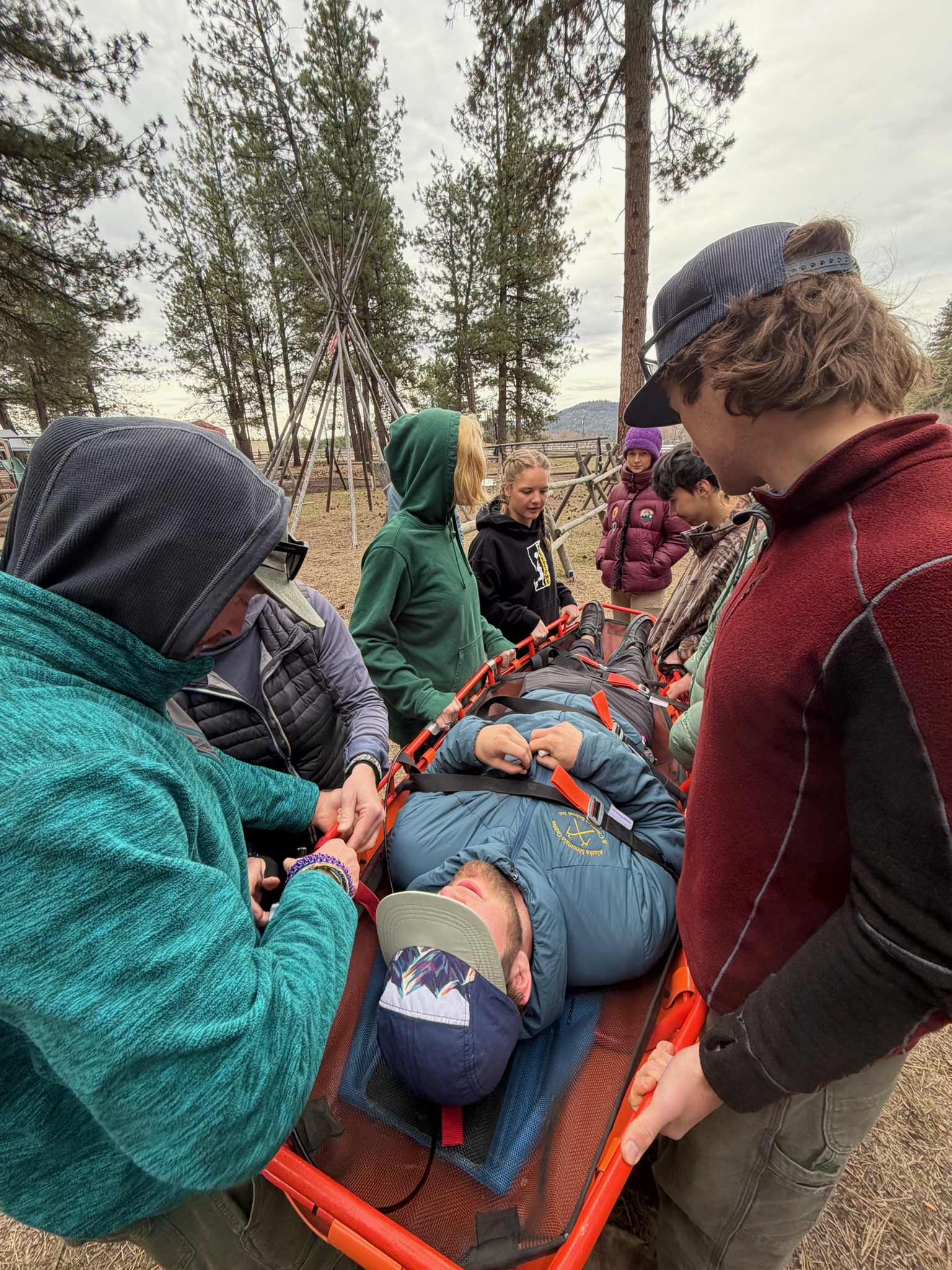
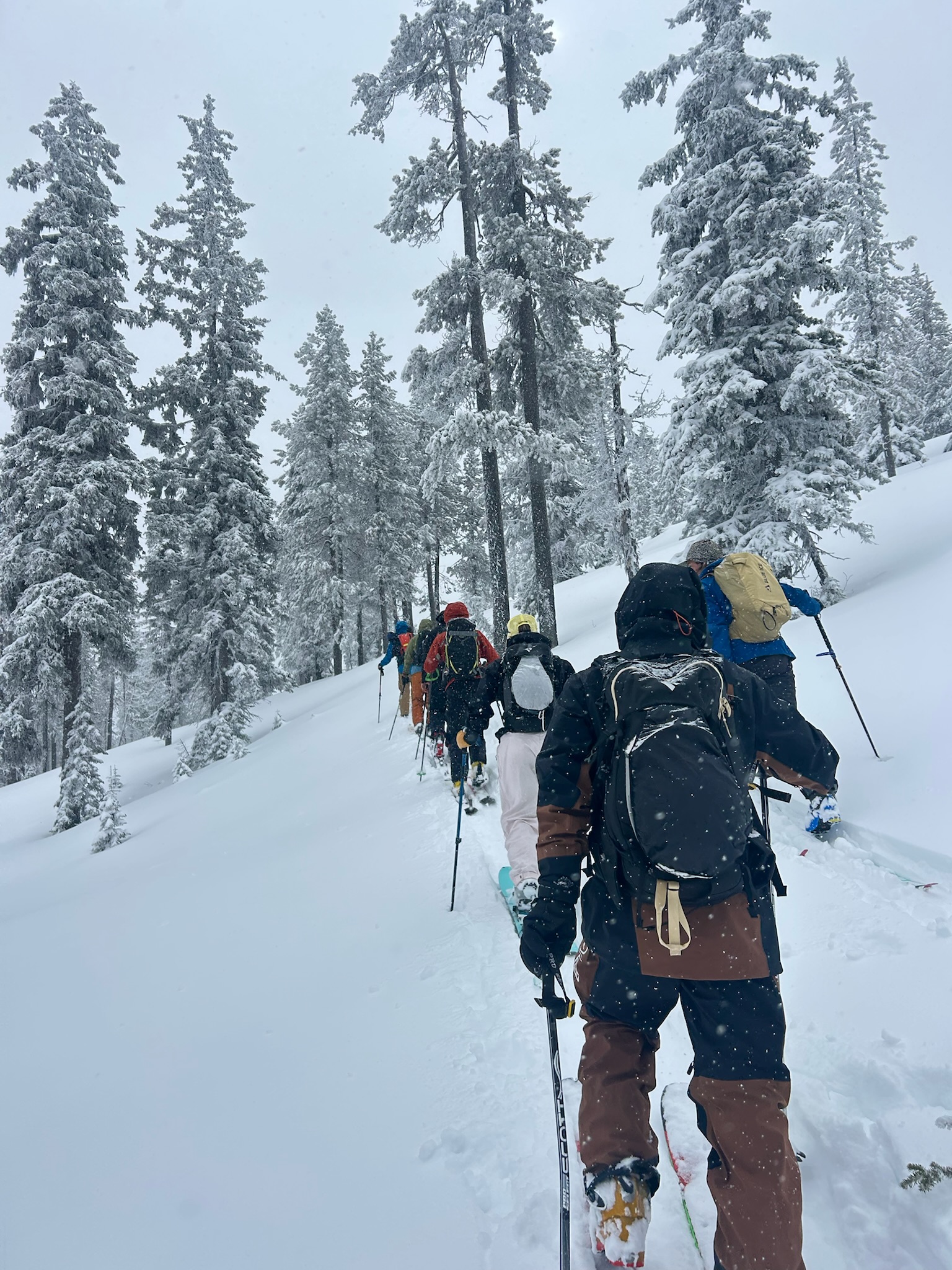
While learning different techniques, useful in these more specialized fields, the fundamentals of patient care we learned during the EMT course stayed the same. Being exposed to learning in different places taught me about the complexity of backcountry medicine, but also added to my understanding of the core components of medical care. One of these core components is leadership. In wilderness medicine you must be able to adapt to a changing environment. This changing environment often creates complicated situations where leadership is crucial. To provide the best possible care, group members must be able to work well together even when obstacles are constantly changing. As a leader, you must figure out a solution even when everything is going wrong.
Thank you to the Franke Global Leadership Initiative, as well as Aerie Backcountry Medicine for this amazing opportunity!
With my Wilderness EMT certification from this course, I was able to work as an EMT on my wildland fire crew this summer. In the future, I plan to continue my career in wilderness medicine with wildland fire EMS and ski patrol.

