Bride-kidnapping, dining on horse meat, bribes, corruption, a city-wide heating failure in January, stray dogs, the worst air quality in the world… all points of interest that were revealed to me as I researched my host country after enrolling in the Russian language and Central Asian studies program for my out-of-classroom experience.
I was first drawn to Kyrgyzstan for its mountainous terrain and beautiful scenery. After Russian influence and Soviet rule, Kyrgyzstan is a great place to practice Russian. With a population of 6.2 million, this small Central Asian country holds over 80 different ethnic groups, perfect for my global theme of Politics and Culture, and my challenge: exploring multiculturalism in Kyrgyzstan and how it influences the political and cultural activity of the region.
Identity in Kyrgyzstan is fascinating. In the capital city Bishkek, where I lived, demographics were flipped after the fall of the Soviet Union. Kyrgyz people comprised only 12% of the population; 80% were ethnic Russians. After Kyrgyzstan gained its independence in 1991, steady gains have made Kyrgyz 66% of the population and Russian less than 20%. Russian remains the lingua franca and dominant in the city.
I had several opportunities to visit rural Kyrgyzstan, significantly less affluent and more conservative than the city. Islam re-emerged as the dominant faith after the Soviet Union repressed religion for most of the 20th century. Kyrgyz people are also incredibly proud of their nomadic heritage. Some of these traditions are in direct conflict with Islamic practices, convoluting the religious aspect of Kyrgyz culture, already balancing Russian influences.
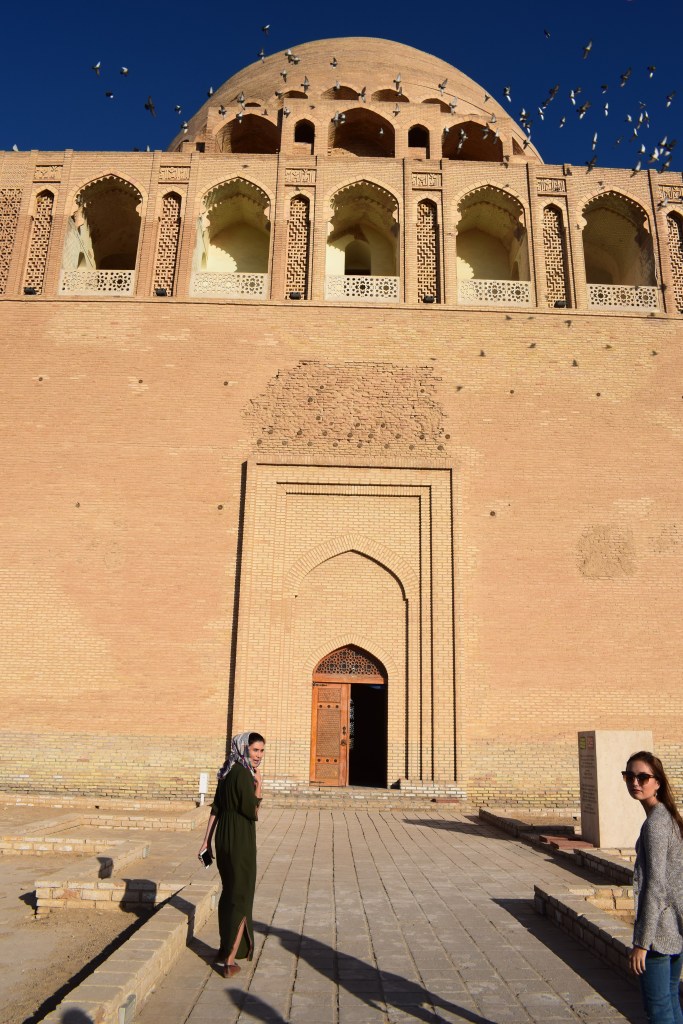
ancient Merv, Uzbekistan
mausoleum in Samarkand, Uzbekistan
As a new, democratic nation located between two global superpowers (Russia and China) vying for influence in the region, Kyrgyz politics offers a unique vantage point for international relations and foreign policy playing out on an international scale. Ethnic conflicts at borders and recent revolutions to promote democracy are important topics of national politics, revealing the role identity plays in Kyrgyz culture and politics. The SRAS program included a month-long stay with a host family and many opportunities to engage with locals in their language, which created opportunity to understand differences in culture and there were a lot.
Yes, I ate horse (once), and felt lucky to experience Kyrgyz hospitality. No, I was never in danger of being kidnapped to be a bride but several of my teachers shared personal stories of misfortune and dissatisfaction with arranged marriages, prompting discussion of women’s societal expectations. I pitied the “no-touch dogs” locals ignored. I often had to defiantly argue (in poor Russian) my way out of unfair “extra fees” made up by scheming taxi drivers but could appreciate that the fare was already so low.
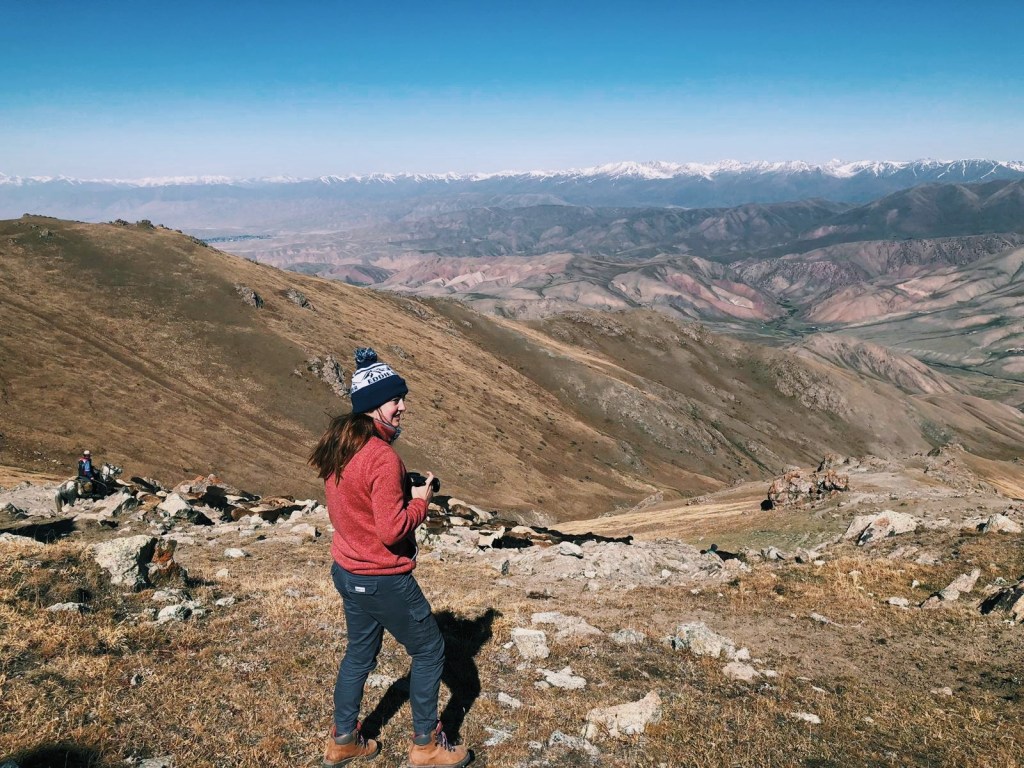
A weekend horse trek took us to through the mountains to the Tuz Ashuu pass at 11, 154 feet.
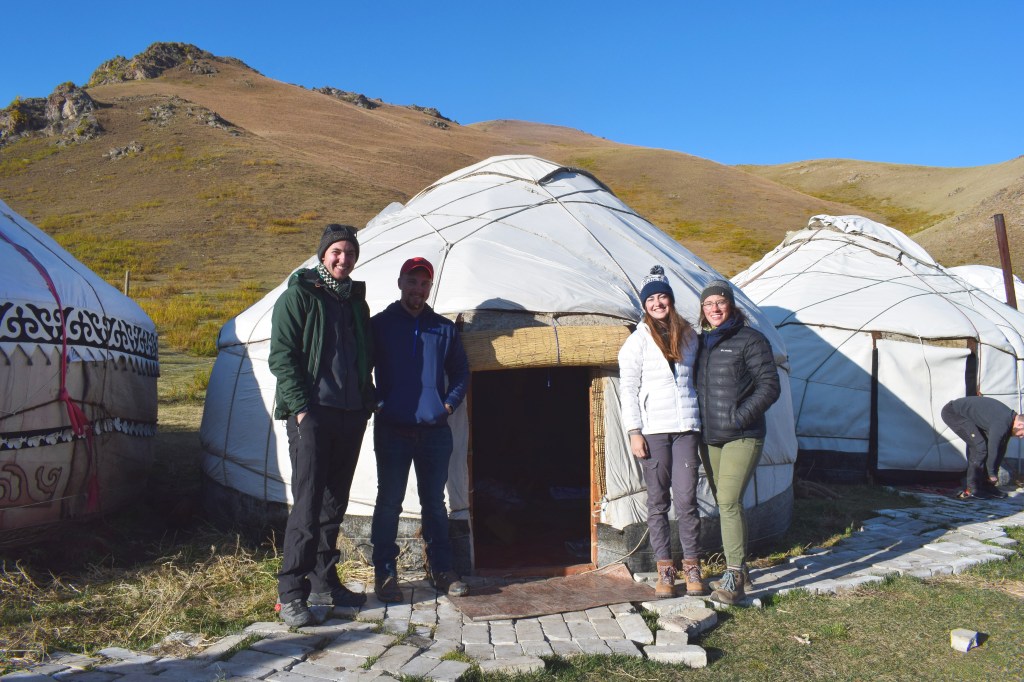
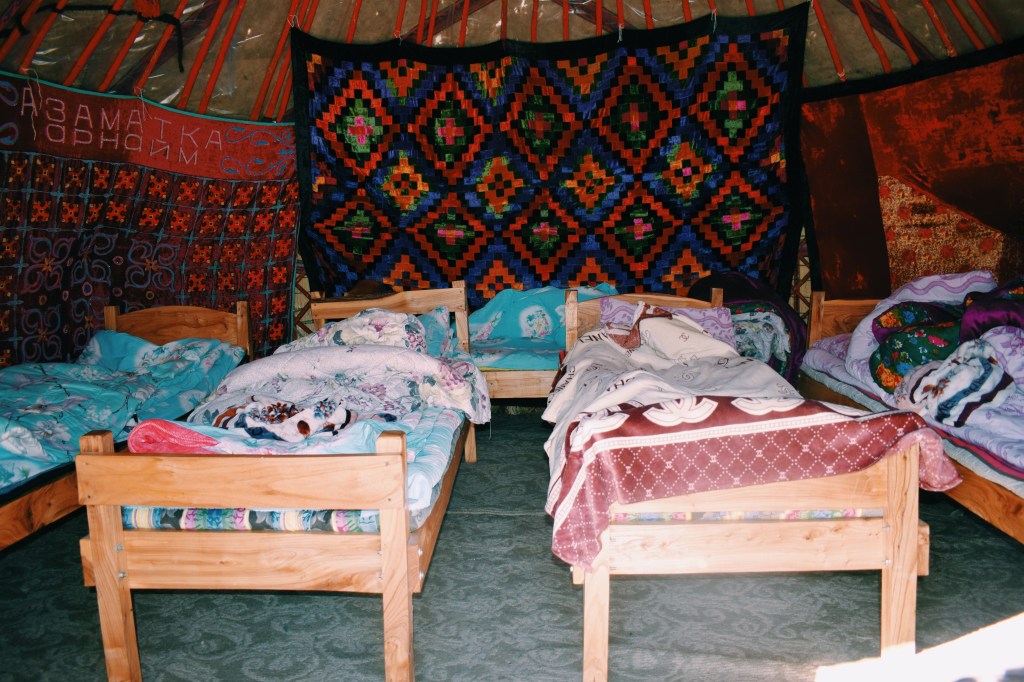
We slept in yurts and ate a lot of deliciously cooked Kyrgyz cuisine.
There was the one time I was memorably stranded visa-less with my fellow students for four hours on the border between Uzbekistan and Turkmenistan, the latter being an authoritarian dictatorship. An oversight between our school and tour company left us without visas, a guide, and a way to contact anyone. After pleading with border guards and friendly locals who were crossing that let us use their cell phones, we got a hold of the right people and were sent safely back to Bishkek.
These experiences had me practicing patience, flexibility, and receptiveness, all necessary for understanding Central Asian cultural dynamics and valuing my own. I’ve returned to the United States with a much broader perspective, very glad I put myself out a little bit further into the world and in a place so incredibly different from my comfort zone.
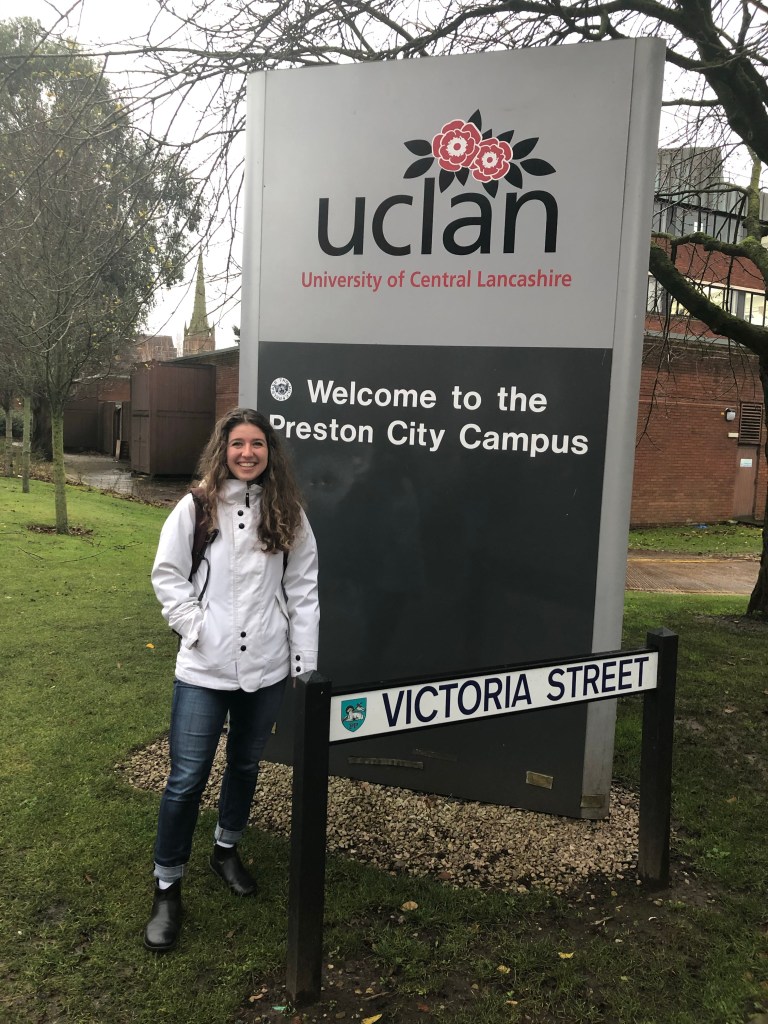
I spent last fall semester studying at the University of Central Lancashire in Preston, England. I study Health and Human Performance with a concentration in Exercise Science so for my global theme I chose to look at the obesity epidemic. In Preston, I was able to take classes to study this further through their school of Sport and Wellbeing. This was an incredible opportunity to see another culture’s approach to health and wellness firsthand. Following graduation, I plan on continuing my education to become a physical therapist. This is a career that involves constant interaction with people and building relationships with them. Study abroad was the perfect opportunity to learn how to effectively communicate with people from all over the world with vastly different backgrounds. Quality health care is important throughout the world and taking time to learn another culture’s approach to global problems will influence the rest of my career. My time abroad helped show me how important globalization and integration between people are, especially in today’s world.
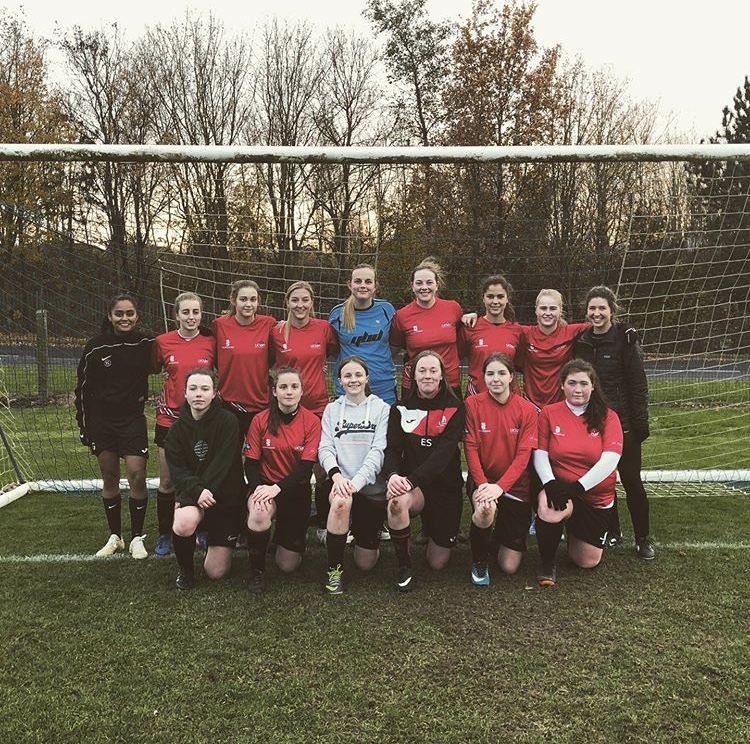
In addition to taking classes, I was also able to play soccer for the University. Being on the team allowed me to gain a different perspective on the culture’s approach to health and wellbeing. I was able to meet many people through this experience, many of whom were also pursuing careers in health care. I learned so much about the culture through the conversations with my teammates which will greatly shape my future career. I was able to travel throughout North England with the team for games which allowed me to see parts of the country which I never would were I there for vacation.
I am incredibly thankful to have had such an amazing opportunity to learn about the culture in England as well as travel throughout Europe. I learned more about myself and how to navigate new situations while gaining experiences that cannot be learned in a classroom. It wasn’t always easy but the people I met along the way and this unique experience will stay with me for the rest of my life.
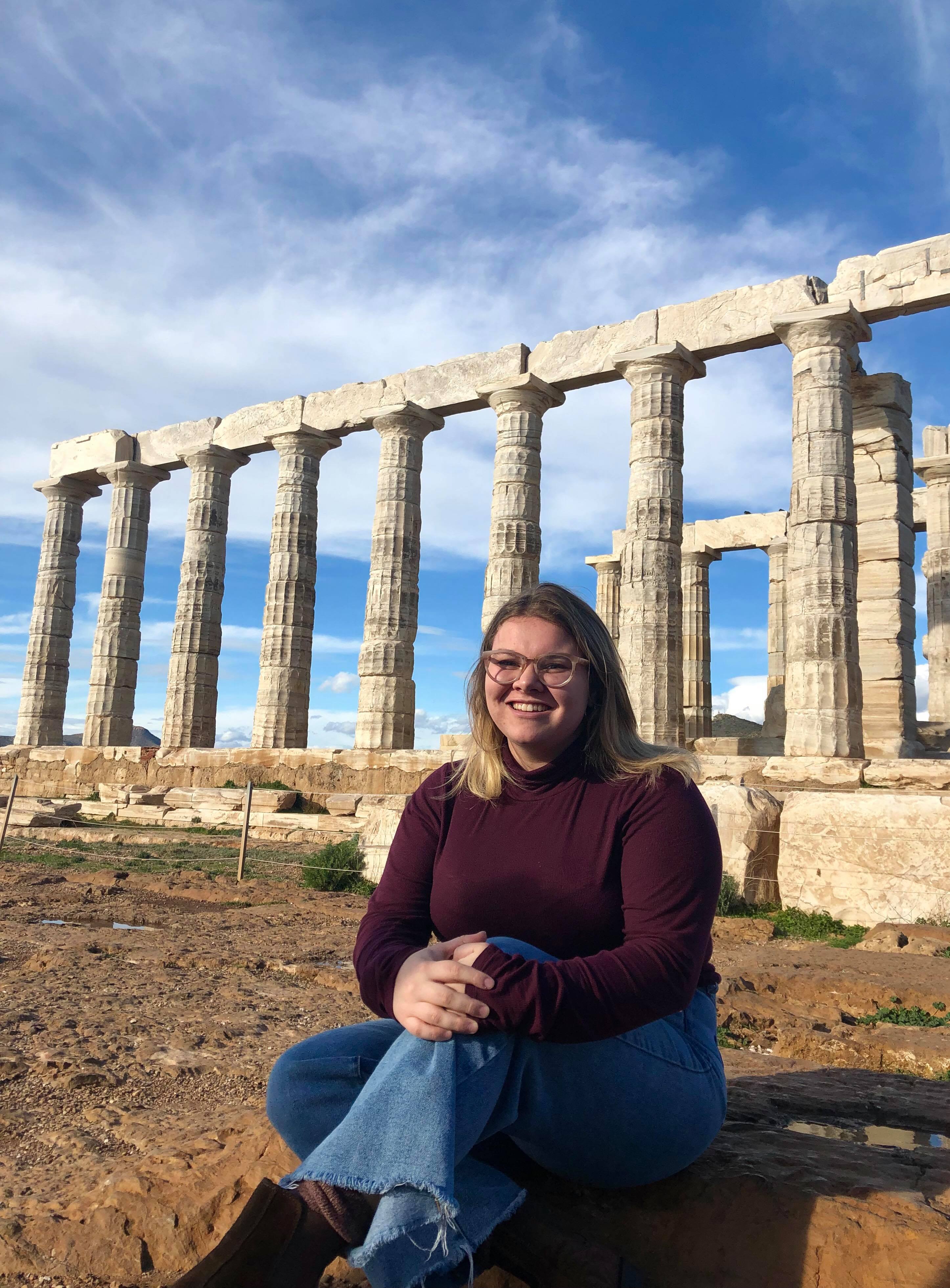
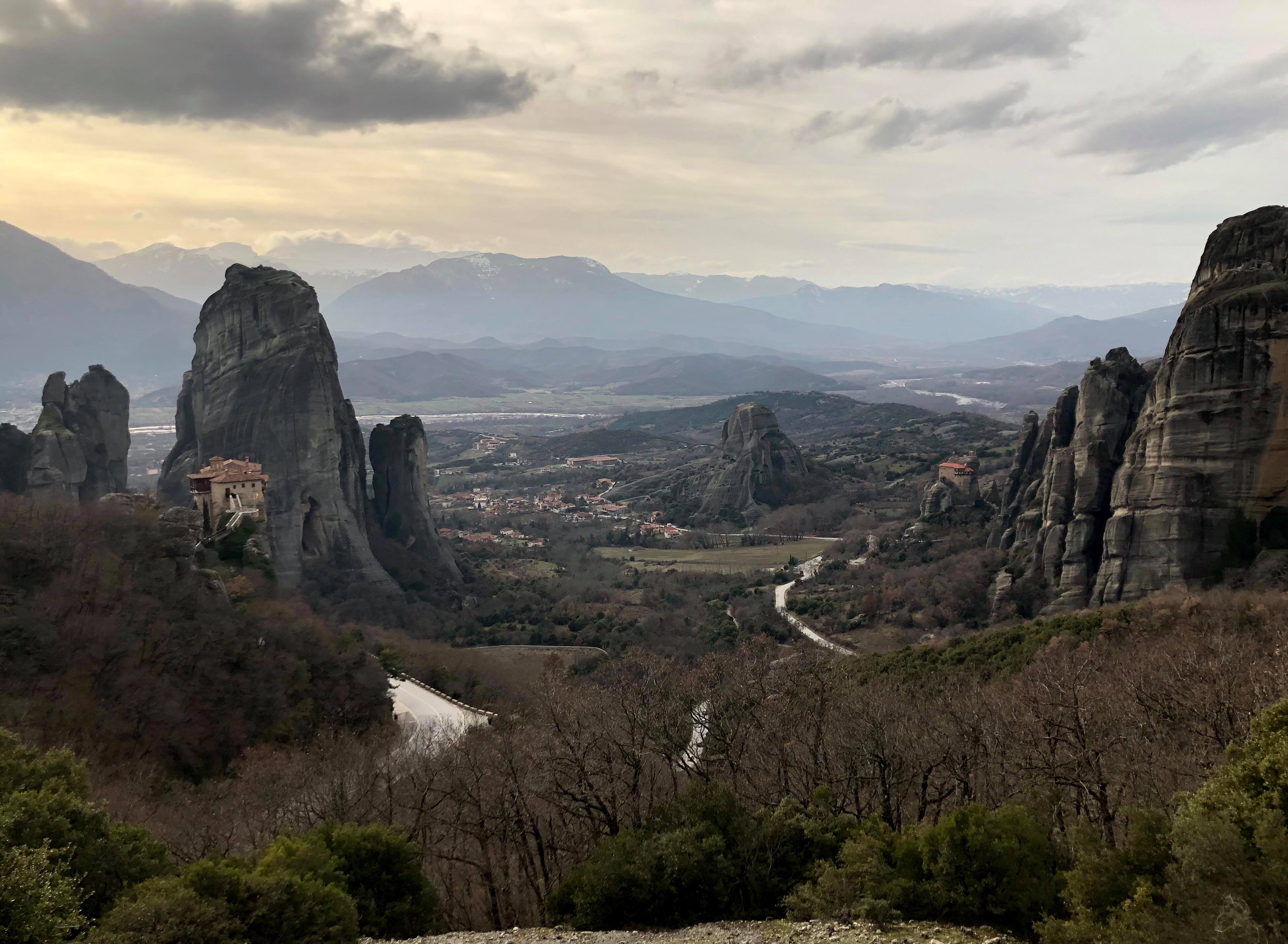
I spent last spring semester studying abroad in Athens, Greece. In GLI, my global theme is Culture and Politics. With this in mind, I took classes on Greek history, cultural communication and globalization. When I wasn’t in class, I explored downtown Athens, and various places within the Greek mainland and islands. During my stay, I found myself challenged by living in a foreign country and confronted with issues I had never experienced.
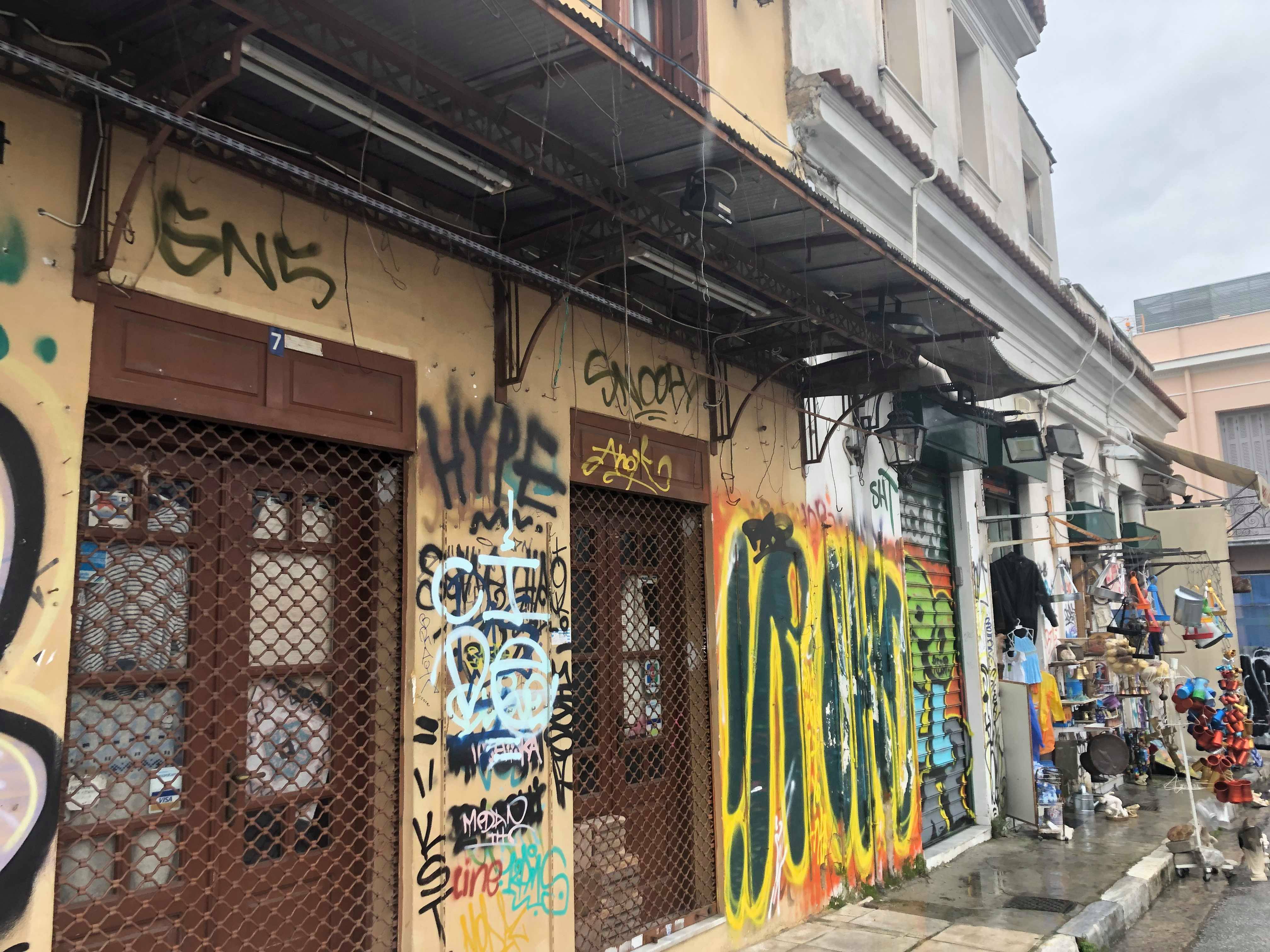
The first thing I noticed when I landed in Greece was the graffiti and the crumbling structures. There seemed to be a roughness, an almost worn and tired feeling in the air. It became clear rather quickly that there are two different sides to Greece, the Greece that is featured in Condé Nast Traveler and movies such as Sisterhood of the Traveling Pants and the Greece that is run-down, struggling with the long-term effects of the 2010 Debt Crisis, migrants and refugees and what the future of Greece holds.
As a history major, I was fascinated to study in Greece to experience the history of Greece and the Mediterranean and how that history is still into play today. I was overjoyed to be able to explore historical sites such as the Parthenon, Delphi, etc., however when I left for Greece, my knowledge of Greek history was limited to Ancient Greece. What I was unaware of was what followed the Golden Age of Greece, which was centuries of conquests, take-overs, military dictatorships and instability. While, this is the history, Greece actively tries to ignore and forget, I found that this historical trauma has shaped the character of Greece and continues to haunt the development of Greece. This history of being taken over by the Ottoman Empire and later in the 20th century being encircled by soviet states has created an identity crisis for Greece, who has tried to align itself with the west, but has continuously been influenced by Eastern forces. I saw this identity crisis play out in dispute and bitterness of the creation of the Macedonia state.
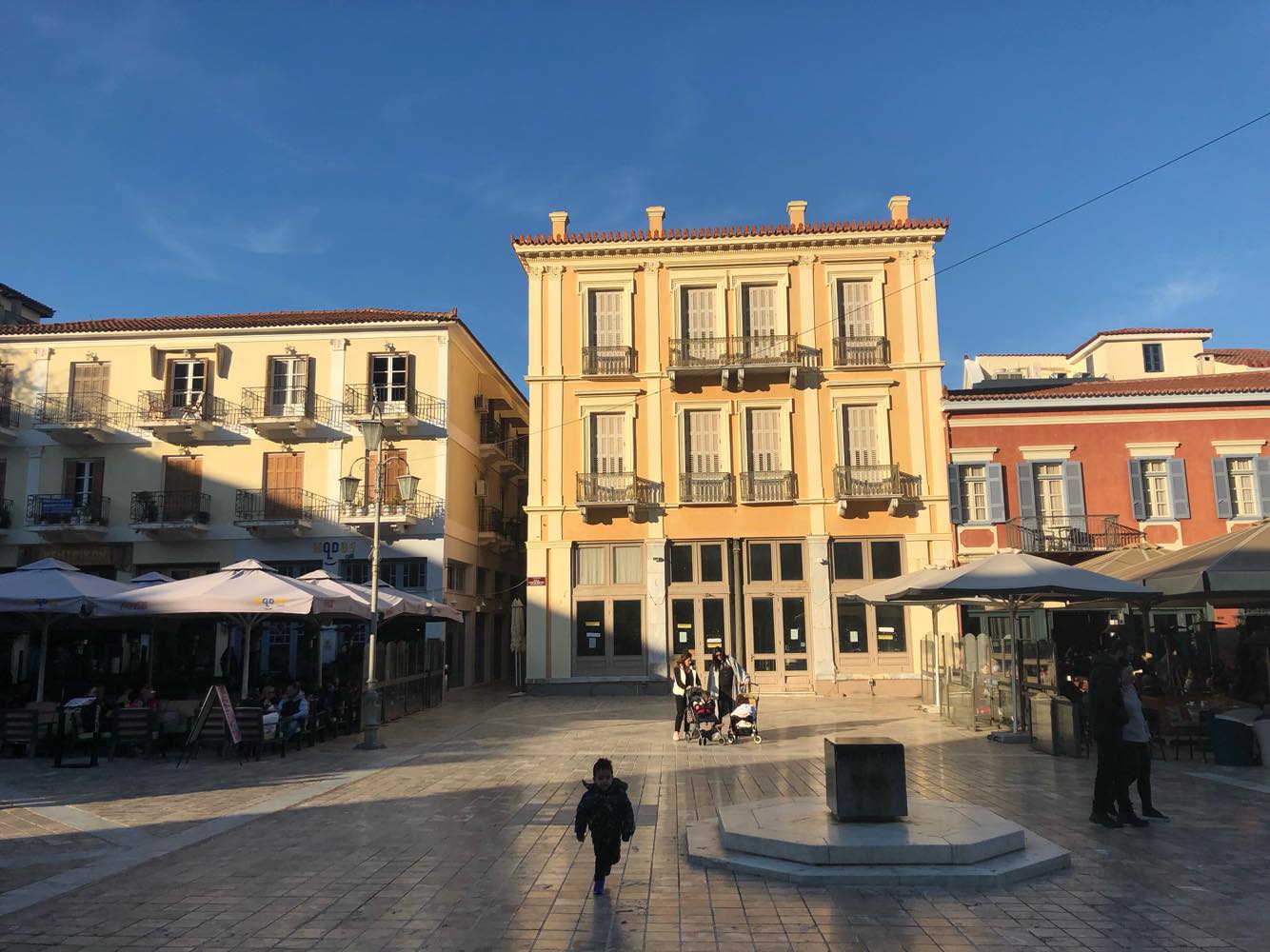
Greece has been ground zero for refugees and migrants from Africa and the Middle East. I was not prepared to experience this reality. I have been interested in and planned to research this issue, however I was not prepared to be confronted with it so aggressively. While, I never felt particularly unsafe in Greece, it became the norm to have beggar and migrants follow you, try to sell you trinkets, or simply beg. I had gotten used to it by the end of my study abroad, I remember a particular incident where my study abroad group had taken a day excursion to the coastal city of Nafpilo and while we were in the city square listening to the instructions of our trip, a child, who’s face was dirty and had no shoes on came to each and everyone of us and cupped his small hands to beg. In these incidents I did not know how to act, while I wanted to help, I found myself unsure how and worried about the potential consequences of such actions. Looking back, I wished I did more to educate myself on how to help.
While in Greece, I was unsure how I fit. I felt like an outsider, a person who was intruding in on other people’s way of life, customs and issues. However, despite the struggle for me to adapt and find my place, many Greeks went out of their way make me feel like home in their country. I traveled to many different places in Greece and everyone showed so much warmth and kindness that it truly humbled me.
Greece was an eye-opening experience for me. I learned more about global issues then I have from my entire time at the University of Montana. Greece taught me how to be independent and really recognize both the beauty and and the trauma and difficulties of a place. Moving forward I hope to become a better global citizen, and educate myself on global issues such as immigration, climate change and the harm of politically instability. In my GLI Capstone, I want to address this issues by open a dialogue about the importance of cross-cultural communication and addressing bias, prejudices and racial, gender, socioeconomic inequalities.
Berlin has long been an interesting city, but for vastly different reasons depending on the era. Its streets have seen a copious amount of bloodshed and sadness and even today the coldness of the soviet union hangs limply between grey buildings streets.
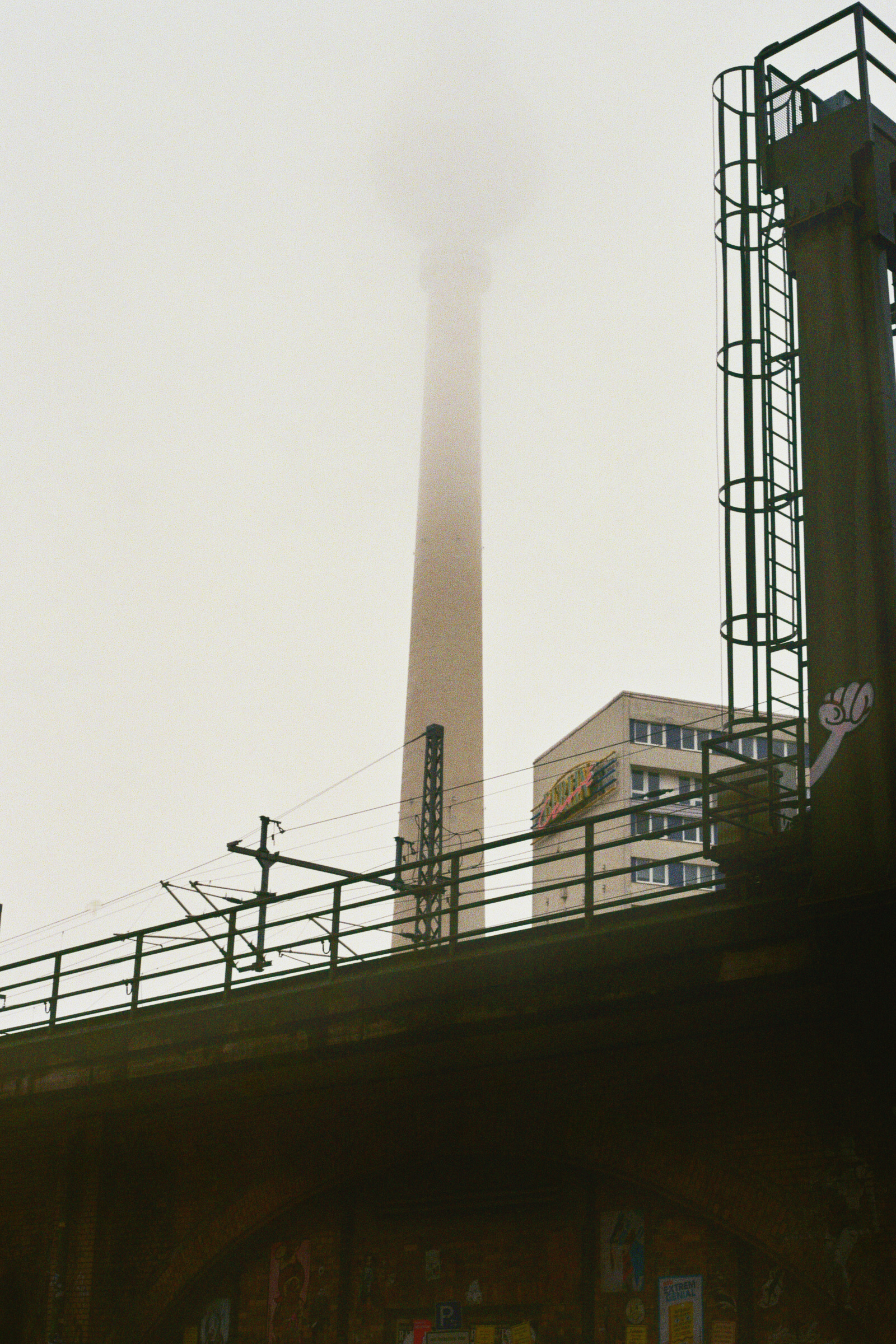
The “Fernsehturm” or TV tower in Mitte, Berlin. Shot on a Canon A1 film camera
However, when you look a little bit closer at this austere appearing city, you find a vibrant and pulsating atmosphere filled with art and artists, creativity and creatives. A new era of humanity has rebelled against the pain and reclaimed the hurt to create a beautiful and welcoming environment.
Berlin isn’t without its struggles and just like the rest of Europe is trying to figure out what type of player it wants to be in the world scene. As the seat of power in Germany, Berlin deals with its fair share of the new tide of populism and immigration is a top issue across the country.
I lived in Neukolln, which is a primarily arabic neighborhood home to refugees and immigrants from Lebanon, Turkey, Sudan, and Syria. During my stay in Berlin, I took language courses, interned at a radio station, and further developed my photography and storytelling.
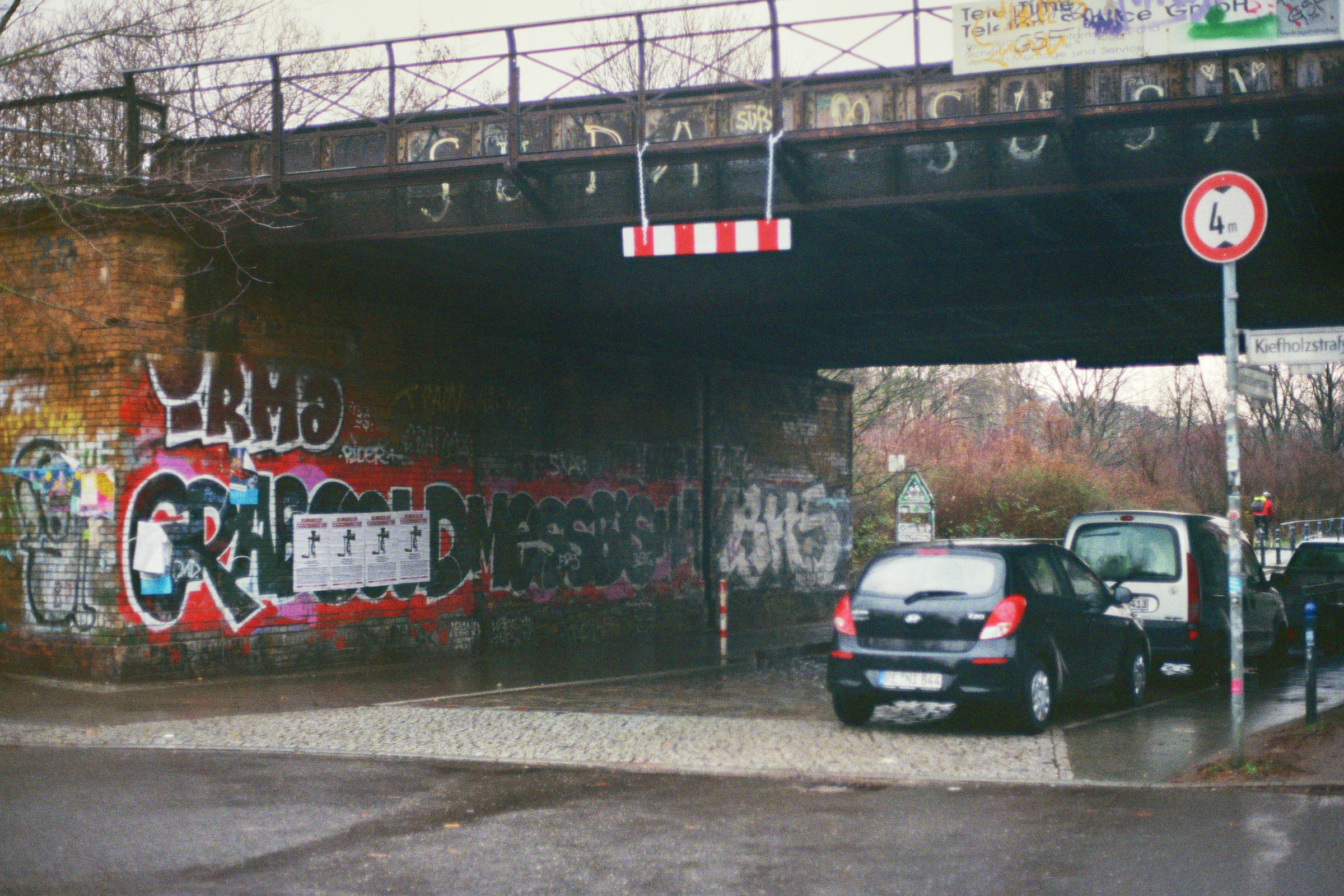
January in Berlin, around the area I lived in for the first few months. Shot on a Canon A1 film camera
I spent a lot of time alone during my stay in Berlin and the many challenges of German bureaucracy and life in a foreign country were extremely formative in how I am now. I had to confront bias I didn’t know I had, I had to learn how to rely on myself, how to self-motivate, how to deal with language barriers, and much more.
Berlin wasn’t always fun and it definitely wasn’t easy, but it was the sort of experience that gave depth and meaning and fulfillment.
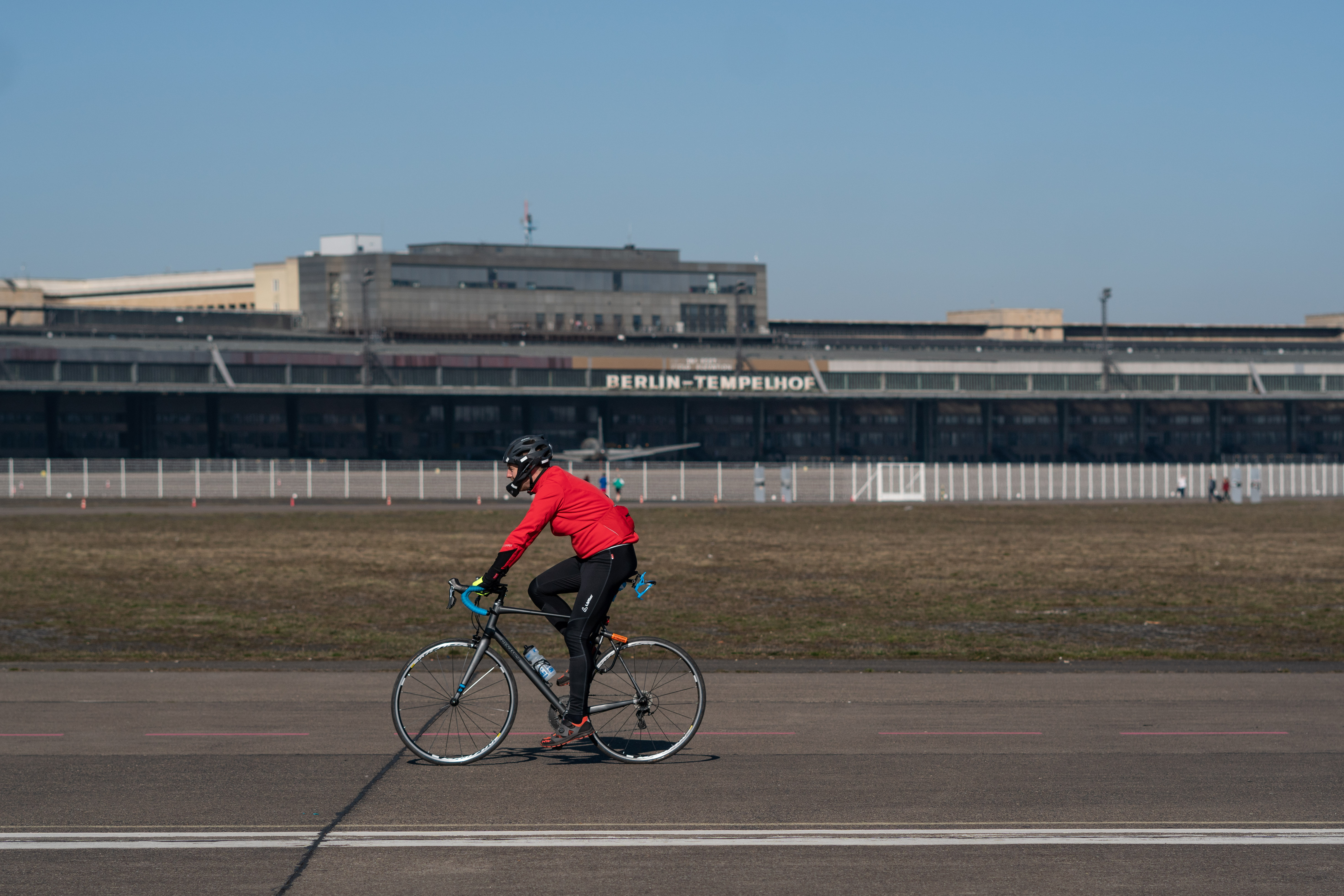
Tempelhofer Feld, a park that used to be an airport.
This summer, I spent two months in the autonomous community of Galicia, Spain, in its largest city A Coruna. I traveled there to take Spanish classes and work for a local nonprofit to improve my speaking ability, but I learned so much more than Spanish, specifically in the realm of Culture and Politics.
La vista de las Islas Cies
Learning how to speak Spanish comes with understanding a different way of painting a picture with your words of what you want to say. And learning about a new culture happens the same way; one must observe customs and interactions from an outside perspective, and then they can patch together the cultural foundations of a nation.
Observing and interacting with the customs and people in Galicia taught me the importance of living all aspects of life with intentionality. In short, love your friends and family, eat with gusto, and celebrate the joys and wonders in the world with reckless abandon.
I studied, worked, and what felt like vacationed, in A Coruna, a town in the autonomous community of Galicia. A Coruna has an approximate population of one million people but feels like a small town with a walkable isthmus, safe, family-filled neighborhoods, and large beaches along every centimeter of the city.
Playa Riazor at Sunset
Spaniards practice intentionality foremostly in the sector of fondness. Caring for the well being of one’s family, friends, and neighbors is of utmost concern. Contrary to the commonality of independence in the U.S., for example, the majority of young people aged 25-30 still live at home with their parents.
My fellow students and I had the pleasure of meeting and living with a variety of Colombian families who proved to be extremely welcoming, loving, and caring beyond belief. They cooked for us, hugged and kissed us, and gave us immensely wise advice. Not to mention that friends from work, neighbors, and seemingly Spanish strangers were more than willing to dole out an enormous amount of generosity and love at even a meek request. Learning from the loving Spanish lifestyle, our student group grew even closer as a result.
In Galicia, and in the majority of Spain, stores and restaurants close on Sunday to prioritize rest and family time. It was always a joy to be invited to Sunday lunch at the apartment downstairs and see people in the street traipsing to the homes of their parents and grandparents for lunch. Intentional care and quality time with loved ones was a marked cultural trait of Spain.
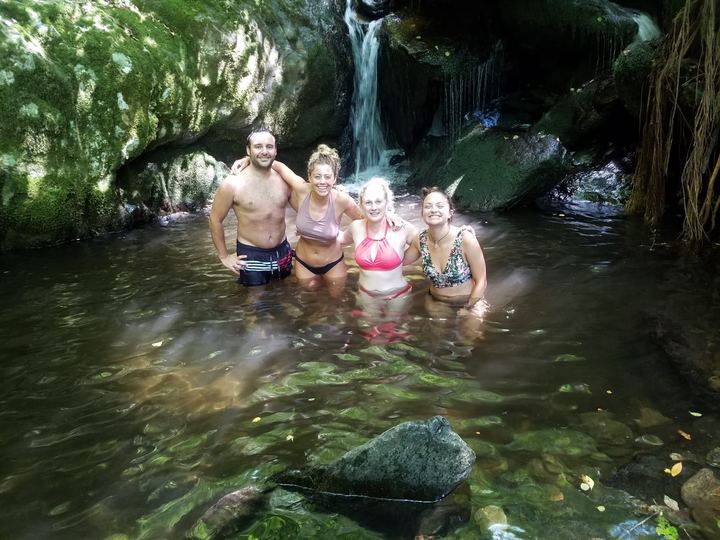
Gente de mi familia de casa, mi companeros de escuela, y otros amigos.
Just as Spaniards regard family, they regard food with a serious attitude. The Mediterranean gastronomy calls for quality produce and fresh seafood; food and drink should be fresh and flowing.
An illustration of “pulpo,” the frequently dined upon octopus in Galicia.
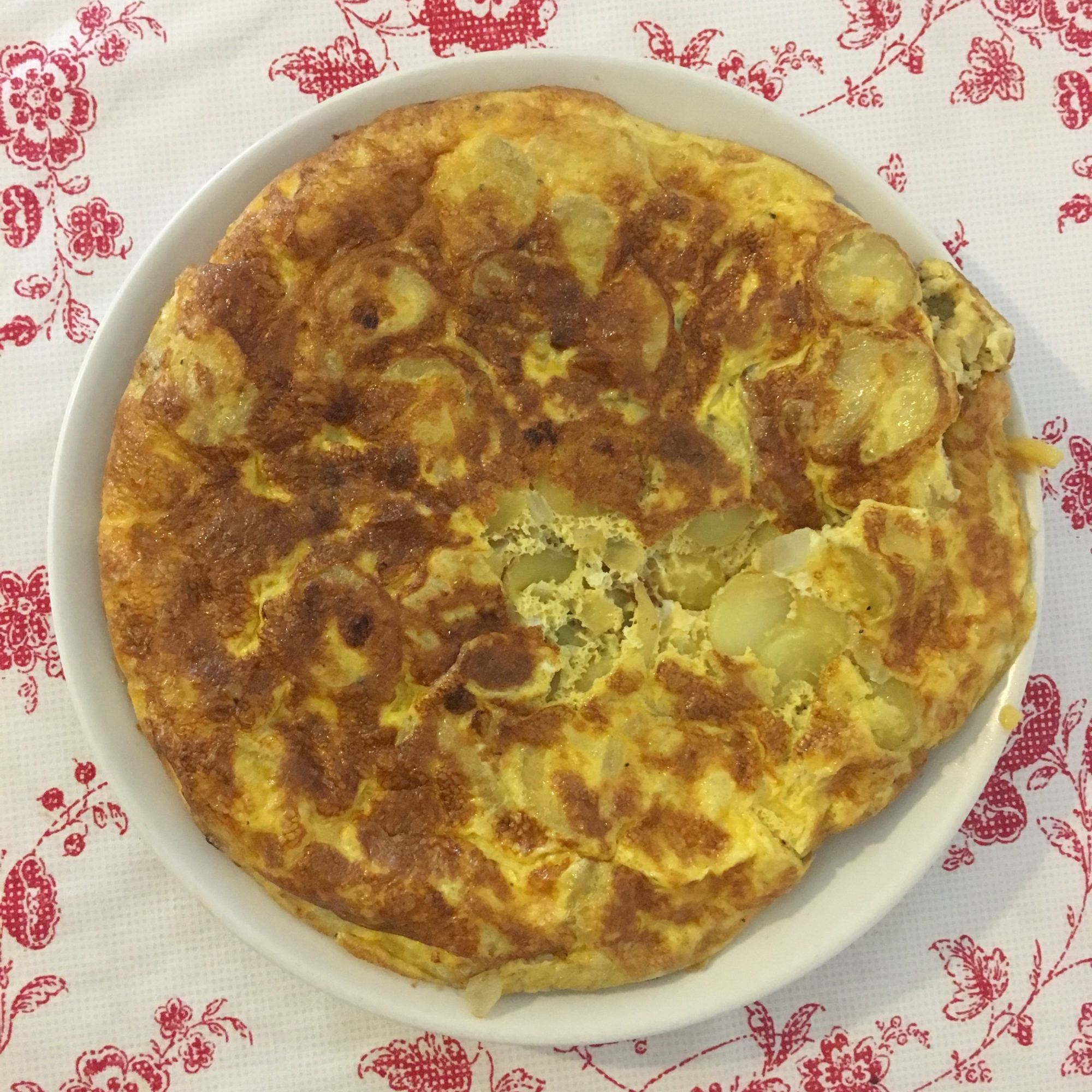
While “observing” the intentionality with which Spaniards regard their diet, and, by proxy, their health and well being, I happened to eat a lot of delicious fresh seafood, Spanish tortilla, and empanadas. The rich tradition of Mediterranean cuisine in Spain granted me the opportunity to learn how to make my own Spanish tortilla, which I completed on my own one time!
On another level, the meals are the gathering of family and friends, and restaurants in Spain cater towards this cultural tradition. In the middle of the day for “la comida” menus are designed for families to order shareable “raciones,” bread, and pitchers of beverages. It was refreshing to see a culture enraptured by food but conscious of the quality of the food that they were consuming and the context in which they did so; eating made for a delightful experience for the health, the social life, and the taste.
Spaniards, notoriously, also practice intentionality in the realm of festivities. It was breathtaking to live in Spain during summer, as there are a myriad of festivals and concerts all summer long. On June 23, we were privileged to witness the San Juan Beach Festival. On this night in A Coruna, where one of the largest celebrations of San Juan occurs, hundreds of bonfires light up the sky all night as people barbecue, dance, sing, and watch fireworks. Intended to honor the summer solstice and the magic in the air on this night, the festival also showcases the love that Spaniards have for enjoyment and partying when they have the opportunity.
Thousands of people, including families, friends, and neighbors, lined Playas Riazor and Orzan all day Sunday, playing music and waiting for the sun to set to begin preparing the celebratory meal. At our bonfire spot, we had over thirty people talking, dancing, and singing all day; members of our exchange student group, all the neighbors from our apartment building, the friends of our neighbors, and even strangers that barely knew us felt it was important to spend time on the beach and celebrate. The love for celebration and genuine enjoyment was enchanting as the sun set on the beach and the fireworks came out.
We enjoyed many more fiestas throughout the summer, including free concerts in the Plaza, la Feria Merival, and even a German festival! Coming from the U.S. where there are few days of rest from our busy lives, let alone national festivals, it was refreshing to view the way that Spaniards prioritize celebration and enjoyment in their lives in such an obvious manner. They party often and party hard, and seem better for it.
I observed the festivity habits of Spaniards but also the working conditions, as I interned with a non-profit that assists refugees and their children called Equus Zebra.
Observing the work environment in Equus Zebra provided another lens to understand the culture and politics in Spain. First of all, Spaniards work very hard. Despite having the ability to take a siesta from 2-4pm for lunch, my coworkers and I started work at 9am, worked until 2pm, and then returned at 4pm to work until 8pm.
Not only was the duration humbling to observe, but observing the immigrants, neighbors, and customers that entered and exited Equus Zebra was enlightening. Equus Zebra stretches their thin, non-profit budget to help refugees and their families from many countries in Africa and South America. They provide food, housing and job opportunities, schooling, and childcare to families in need. In addition, the non-profit is majorly supported by profits from the thrift store that operates in the front of the building!
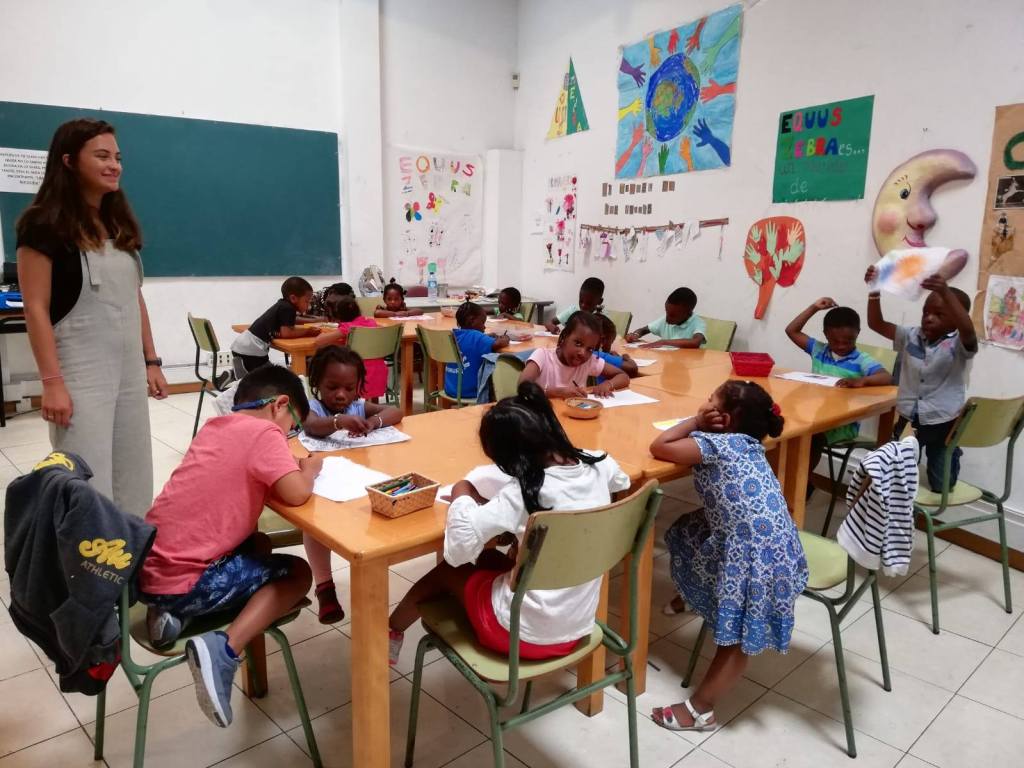
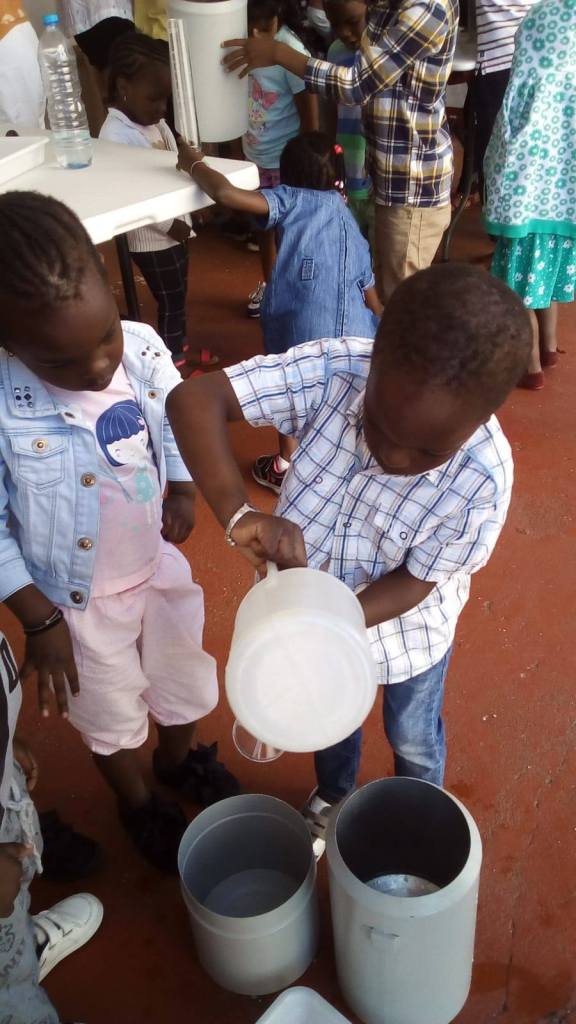
Equus Zebra’s mission and hardworking staff work extremely hard to provide love to all of the people that they assist. I was particularly enamored with the efforts of Mar, the children’s activities coordinator who worked with all of the kids all year round, 5-6 days a week, for 9 hours a day, completely volunteering. Compared to her, I felt like I was doing the absolute minimum feeding and teaching fifteen 3-6 year olds for five hours a day for three weeks!
The kids were so smart and engaging, the neighborhood community was so supportive of Equus Zebra, and it seemed like Equus Zebra garned a positive and happy environment for refugees that were not supported by the majority of the surrounding Spanish community. The Spanish government provides a variety of services to children of refugees, while their parents can barely apply for housing or work in the private sector. The director of Equus Zebra explained to us this dichotomy by pointing out that while working in Equus Zebra you see the children having fun, but when you leave the building and begin your walk back home, you see many adults of African or South American descent selling wares in the street to make ends meet.
A microcosm of Spain’s proclivity for intentionality in action and a prolific supporter of a political minority, I am thankful to have observed and worked with the hard working people and genius students at Equus Zebra.
Estuvimos mirando el puesto de sol en Monte San Pedro. Estoy en la derecha
I miss Spain, writing this from U.S. soil. I miss hugging and kissing the Colombian neighbors in my building every day, drinking 1 euro coffee with friends, and walking by the beach and through my neighborhood with all the kiddos from Equus Zebra. I miss the attitude, the language, and the lifestyle. And, for now, Spain is far from me. But its unique cultural components, which made it an inspirational place to live, study, and work, no longer sit misunderstood or far from my mind. Being surrounded by intentional Spaniards all summer, I was challenged and pushed out of my comfort zone but also garnered an immeasurable amount of love, for which I am immeasurably thankful. Te amo, y hasta pronto, ojala.
Hei, jeg heter Madeline og jeg bodde i Oslo, Norge i seks måneder. Hi, my name is Madeline and I lived in Oslo, Norway for the last six months.
Having only been back “state-side” it is difficult to look back on my time abroad with perspective. Norway has always meant a lot to me. Growing up, my family made a lot of traditional Norwegian food and even attended an annual “Norway Day” celebration in Minneapolis, Minnesota. When I return home for winter break one of the first things my mom and I do is make a large patch of fresh lefse for the holidays. Lefse is a thin potato tortilla that we like to eat with butter and cinnamon and sugar sprinkled on top.
In Norway, friends told me they no longer knew anyone who made fresh lefse. Everyone just bought it in from the store, premade. I had spent my whole life learning about Norway and hearing stories from family members who had visited.
It sounds obvious now, but I quickly learned that my family was practicing traditions that had been passed down from family members that had immigrated to the United States more than 100 years ago. But, I have also found that many Americans have an outdated view of Norway, if they’ve even heard of the Nordic country. While many Norwegians live on farms in beautiful fjords raising sheep and knitting, Norway is also a powerful oil country that leads Europe in multiple fields including environmental innovation.
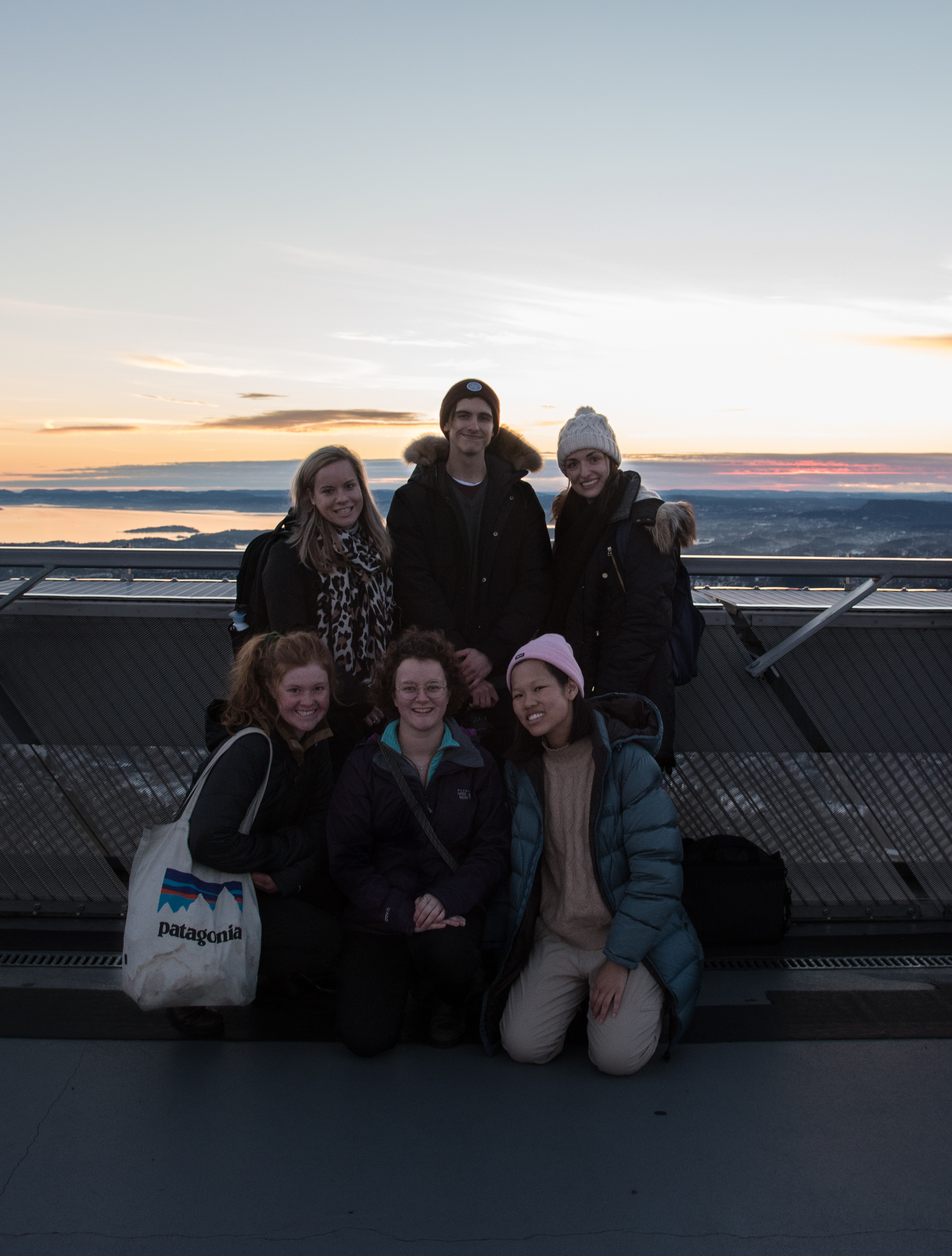
From left to right, Astrid (Dutch), Andre (Australian), Vanessa (Austrian), Izzy (Colorado), myself and Lauren (Australian) pose around 2 p.m. on top of Holmenkollen on one of my first days in Norway. Holmenkollen is a tall ski jump, used in the Olympics, that has a wonderful view of the city.
I was also amazed to learn that many students are heavily involved in one of the country’s eight political parties. Every one of my new Norwegians friends were involved and attended climate marches, held offices in the student union and helped organize large events for nonprofits. This is much different from my experience at home. In high school, very few were even knowledgeable about politics. Meanwhile, at my university, many of my friends are politically active in both political parties and local nonprofits, but I wouldn’t say that’s the norm for the student body.
Within Europe, Norway is frequently regarded as a country that other countries should aspire to be. Their progressive environmental and social policies have made them a leader. And even though many believe the country to be a leader, citizens continue to demand more from their governments. In March, I stood outside Stortinget, translated to “the big thing” aka Norway’s parliament building, with nearly 20,000 Norwegians chanting “Fjerne Erna!” or “remove Erna,” referring to Erna Solberg, the Norwegian prime minister. We were gathered outside the parliament building to demand action on climate change from the leader of the ruling conservative party. Norway, at the time, had been discussing beginning to drill for oil in Australia and the Arctic.
Izzy (left), from Colorado, and Ingeborg from western Norway hold signs at the Oslo Climastreik (Climate Strike) in Oslo. Ingeborg’s sign reads “We want systems change, not climate change.”
I was inspired by a country full of people that recognized the great life they got to live in Norway and how different that often made them from the rest of the world. But they didn’t allow that to make them complacent, they continued to push for equality and justice.
As someone who has been in climate change work for just over three years our slow progress, and sometimes regression, has been hard to watch. The time we have left to turn this climate crisis around is quickly shrinking. It’s traveling to places around the world whether it is Vietnam, like I did last January, or Norway I am reassured when I see the people who are doing the work around the world.
Youth hold signs at the March Klimastreik in Oslo, Norway. The signs, from left to right, say “Do something while there is still hope,” “crocodile tears don’t help us,” and “you said clean your room, we say clean the planet.”
Norwegians gave me more hope for our future and our ability to at least slow down the climate crisis that is quickly making the Earth uninhabitable for humans as we do now. There connectedness to the environment was inspiring and their kindness towards one another was moving.
As I go into my capstone experience I am filled with hope that we can shift the American consciousness towards being environmentally aware and politically active for the environment. That was important for me as I had been spending some time feeling dejected with the current regression in American environmental policy.
“Suicide isn’t a national problem. If someone is so weak that they kill themselves to avoid facing life, it’s not my issue.” The statement wasn’t terribly shocking to me (although I did ask Galya to repeat it, to make sure that I hadn’t translated incorrectly), as the woman I was interviewing regarding mental health was a fifty-six year old Russian, but when I relayed it to my friends a few nights later, they looked as though they had all been slapped in the face. I grinned slightly. Before living in Russia and Ukraine for a year, such a statement would have simply angered me. However, when you’re living in another country, it is not your job to pass judgement on their cultural attitudes, unless it directly affects your safety. Your primary job is to observe.
Any student planning to study abroad will be excited, eager, and energetic to experience a new culture and learn how to see the world in a different light. We all, for the most part, accept this as a wonderful thing. What is more difficult to accept is that seeing the world in a different light doesn’t always mean seeing the world in a positive light. Sure, there are aspects of Slavic culture that I wish we would incorporate into American cultural behaviors. Russians have such a loving respect for elders, and a diehard passion to remember, mourn, and memorialize those who suffered through unimaginable evils so their descendants could live better lives. I feel that is a quality that is too often lost on young Americans. When it came to mental health though, encountering such a stark contrast in fundamental understanding of a topic was challenging. It was arduous on both an academic level, as I accumulated research for my cultural project, but also on a personal level. Trying to talk about medical help for people suffering from depression is difficult when the person with whom you are speaking doesn’t agree that depression is a real illness. This doesn’t mean that either person is somehow less intelligent, but it does highlight how almost unbelievably varied cultures can be. It is simple to pick apart why different cultures have different languages, foods, clothing, and so forth. It is trickier when you try to explain why not everyone has the same moral standards, or how something like depression can be seen as a serious, life threatening illness in one culture, and a mildly irritating symptom of adulthood in another. Going to Ukraine and Russia didn’t change my opinion in any way. I still think that depression is a serious clinical illness, which requires medical treatment. Yet I don’t doubt that my Russian friends and acquaintances have incredibly valid reasons for thinking that depression isn’t as serious of an issue.
Culture is impossible to measure or categorize, yet we attempt to set boundaries in order to try and process it. For example, borshch is typically associated with Russia, and seen as a national cultural cuisine. Most Russians feel strongly that borshch belongs to Russia. Ask a Ukrainian, and they will tell you that Russia took borshch from them, and that it is their dish. Some Russians would counter that with we are all one Russian people, Ukrainians included. A Ukrainian might respond with physical violence, depending on which part of Ukraine we are in. Culture is complicated. It is a messy, living organism that evolves as humans do. I’ve learned lots while abroad, but it would be impossible to shortly and robustly summarize all of the wonderful, boring, terrifying, asinine experiences that I lived through while in Eastern Europe. If I had to pick a takeaway that has stuck with me the most, it’s that it is okay to disagree with another cultural practice. This sounds a bit stupid and obvious, but prior to my trip, I was conditioned to treat studying abroad as something that would be absolutely magical at every turn. I was told I would love everything about it, and that I would learn so many positive things about different cultures that I never could in the states. I did learn many positive things about Slavic culture while away. I also learned some horrific things that put my own upbringing into perspective. I came away with a newfound love for my own country, and a strong desire to want to change the imperfections I see here. G.L.I. is all about global problems. However, I didn’t understand how messy any cross cultural problem was until I lived in a nation vastly different from my own. If there is one lesson I learned from all this, it’s that a perfect culture does not exist.
Hi blog! My name is Erika Byrne and I spent the summer of 2019 interning in Washington, D.C. as a Baucus Institute Fellow. To be specific, I interned for Senator Chuck Grassley, but more on that later.
Some background about me: I am a Junior at the University of Montana currently majoring in Political Science with a concentration in International Relations and Comparative Politics. I am also pursuing a minor in Business Administration. My GLI Global Theme and Challenge, as you may have already guessed, is Culture and Politics.
The Internship
My internship came about through the Baucus Leaders Program. I applied to the program on a whim, thinking I had no chance at getting in. A few months passed and I was eventually notified that Senator Grassley’s office had chosen me to be one of their summer interns. When I first heard the news, I was shocked. Senator Grassley, a Republican farmer from Iowa, serves as the President Pro Tempore and is the Chairman of the Senate Finance Committee. In other words, he’s kind of a big deal.
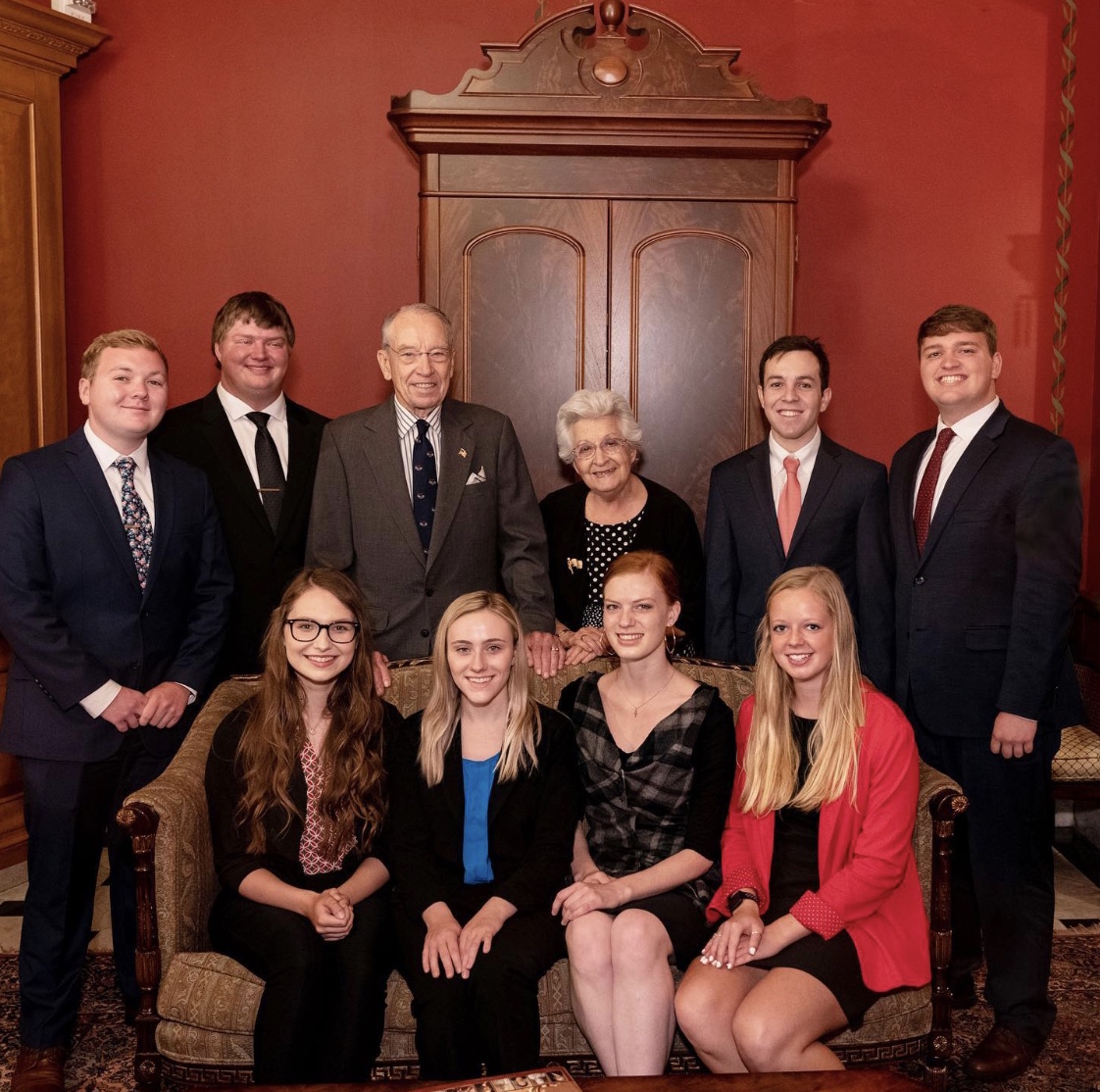
Senator Grassley, Mrs. Grassley, and the 2019 Summer Session II Interns (7/22/19)
While interning in Senator Grassley’s office, I got to experience things that I never would have been able to in any other position. I wrote speeches and op-eds, attended landmark committee hearings, and met some of the most influential people in American politics. At one point, I was even able to introduce myself to all three of Montana’s congressional members at their weekly Montana Coffee. (Here’s a tip for anyone interning on the Hill: Networking is heavily stressed. Attending events like these or asking people to coffee is expected.)
Me at Montana Coffee with Senator Tester, Representative Gianforte, and Senator Daines. (7/17/19)
As for my global theme, this experience aligned perfectly with Culture and Politics. Not only did I learn more about American politics, I also learned a lot about how the U.S. functions internationally. A lot of this education can be attributed to the office I was able to intern in. Senator Grassley, being the Finance Committee Chairman, is a very outspoken supporter of the United States-Mexico-Canada Agreement (USMCA). This trade deal is critical for American businesses, seeing as so much of our exports are to these two countries. Without this deal, we would miss out on billions of dollars worth of revenue. I was able to watch debates about the issue in real time and even got to draft an op-ed outline for Senator Grassley. It was an incredible experience to be up close to the action. I was also able to attend a Foreign Relations Committee Hearing where they talked about the Ebola threat. Listening to an expert panel brief the committee on actions that are being taken in the realm of disease control was eye opening to say the least. It puts into perspective how small the world really is and how important it is that we work together globally to secure a better future for us and those who come after.
The Experience
Working on the Hill was only part of the experience, however. Living in D.C. for six weeks comes with many opportunities and challenges. First and foremost: D.C. summers are absolutely brutal. You don’t know discomfort until you walk to work every day in professional clothes (think pants and a blazer) when it’s 80 degrees Fahrenheit outside with 90% humidity. Living in a big city was also an adjustment. For example, I am now comfortable navigating public transportation with a million other people. Speaking of people, dealing with so many personalities was it’s own challenge. Although these personalities can be overwhelming or even intimidating at first, I quickly realized that it’s really not that big of a deal. At the end of the day, everyone is trying. Trying for different reasons or with different intentions, but trying none the less. I think that’s the biggest lesson I learned while in D.C. and it can also be applied to other areas in life (especially when in a leadership position).
I can confidently say that being in the “room where it happens” taught me more than any classroom or book ever could. Not only did it give me the tools and knowledge to grow professionally, this experience aided in my personal growth as well. I’m so grateful to have had this opportunity and I look forward to my future adventures as a global leader.
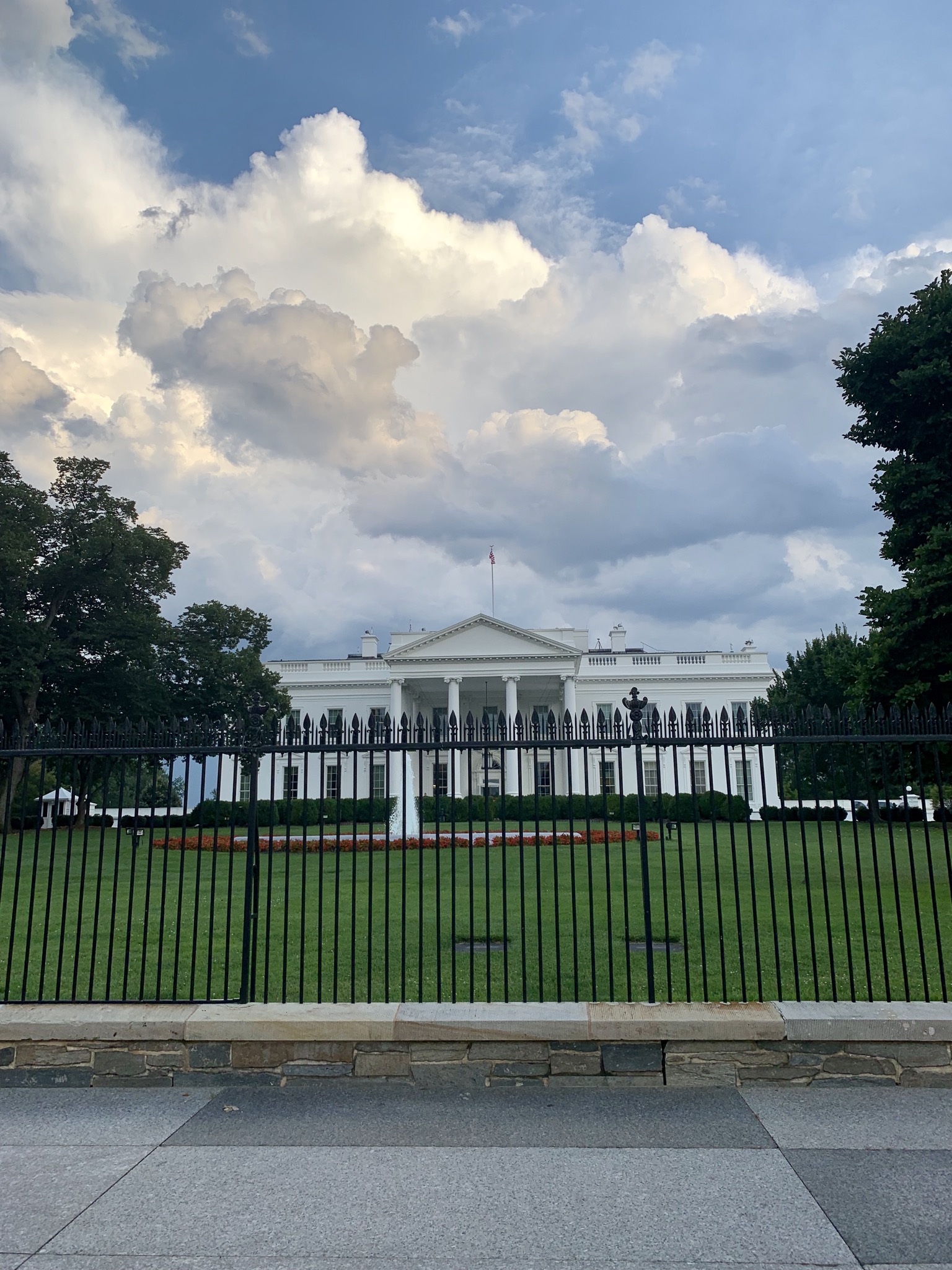
The White House (6/29/19)
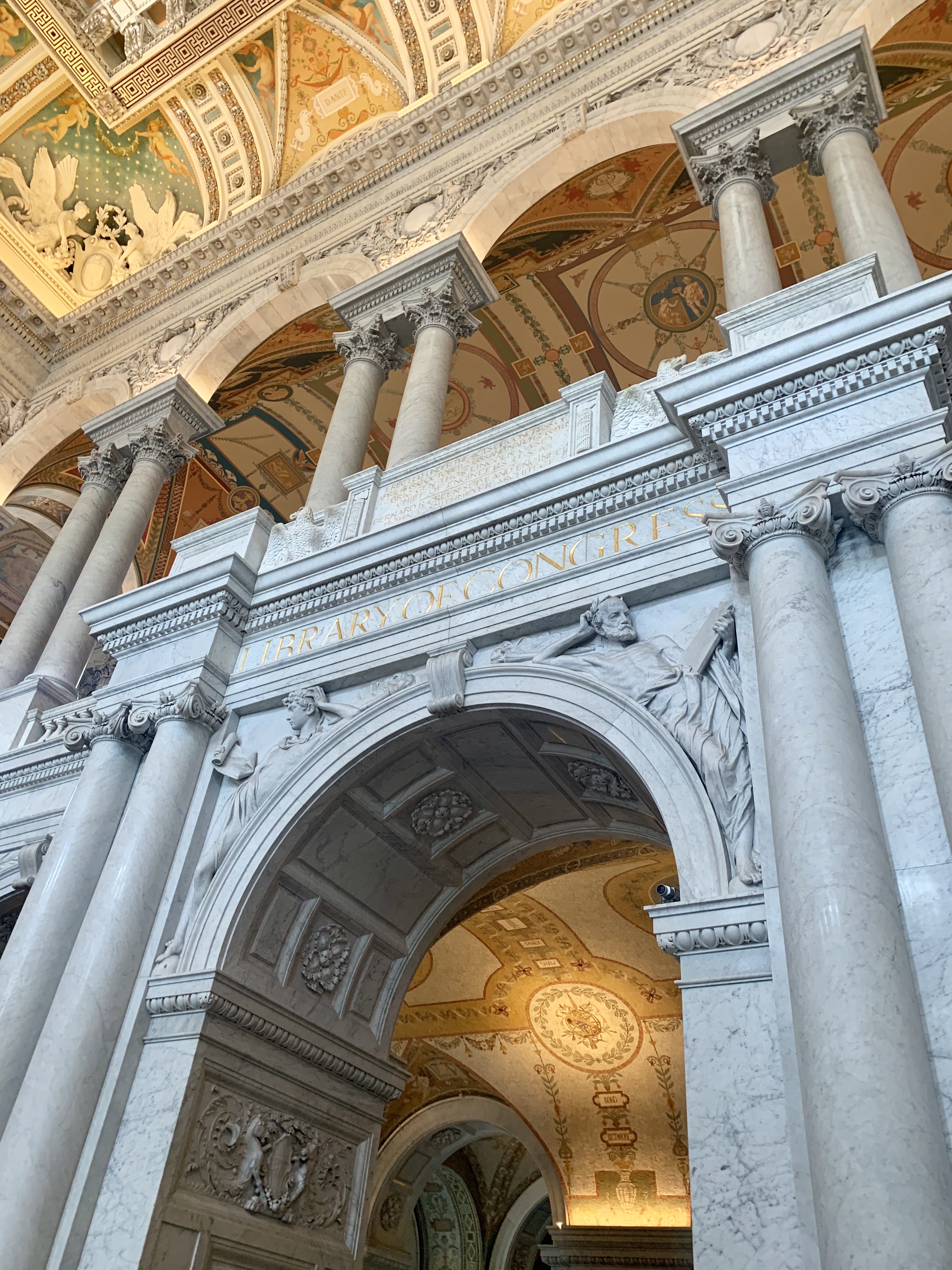
The Library of Congress (7/27/19)
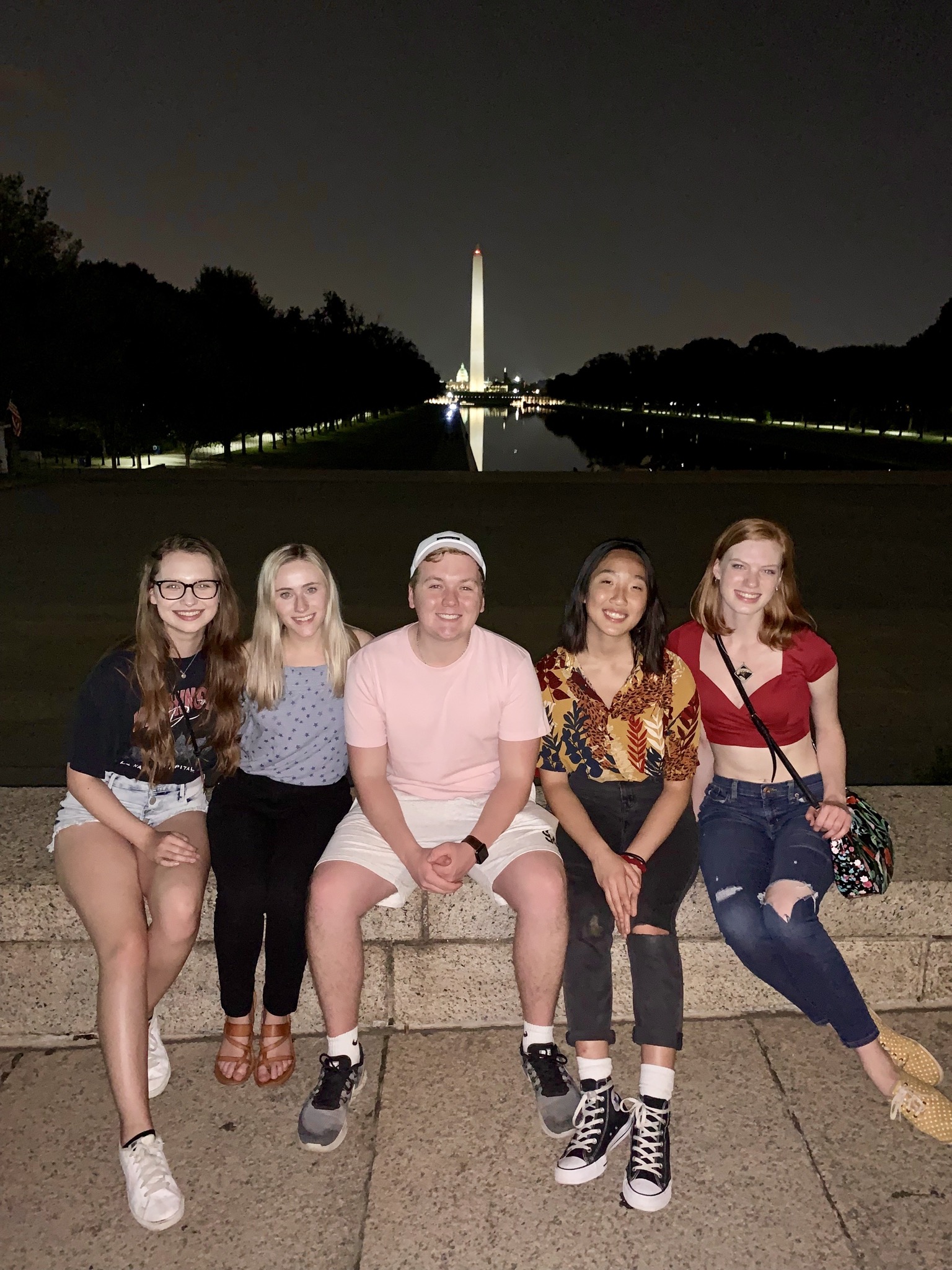
Me and some friends sightseeing on the mall (8/8/19)
The National Archives (7/4/19)
View from the President Pro Tempore office (7/11/19)
My name is Carmyn Wahl and this fall I am entering my senior year the University of Montana. I am earning my finance and international business degree along with a certificate in global leadership. I had the incredible opportunity to spend the spring of 2019 in the vibrant city of Barcelona, Spain. This was my first experience living outside of the United States and while I knew the culture and lifestyle would be different, I did not expect to have my eyes opened to a completely new way of living life. Moments after stepping off the airplane, I was overwhelmed with changes and new thoughts and ideas. I was standing at the baggage claim in my UM sweatshirt and leggings standing next to an older man in a three piece suit. And I was the odd one out. I knew immediately the next five months of my life would be the most influential part of my college experience.
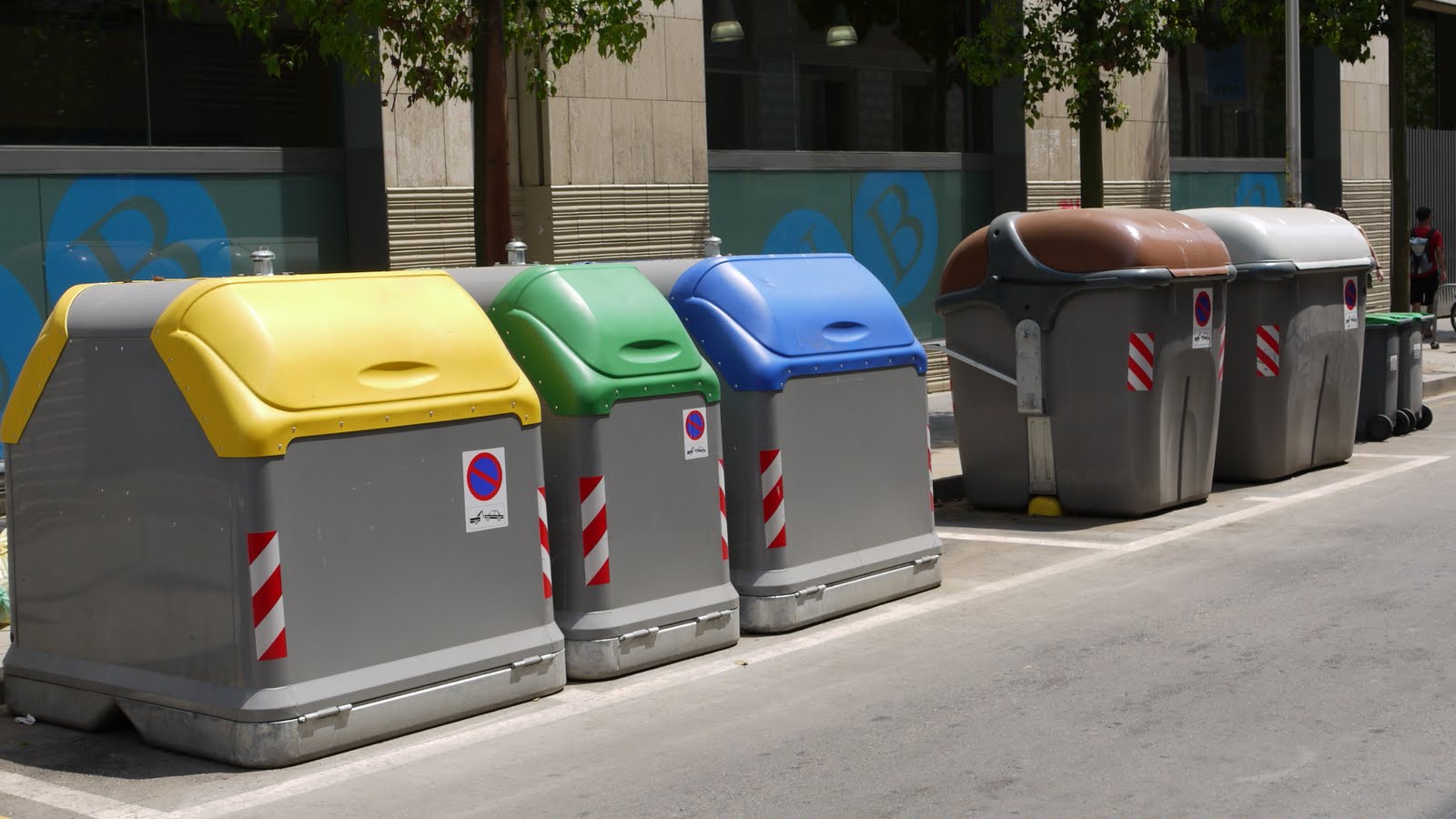
The global theme and challenge that I chose to focus on is natural resources and sustainability. Although I was unable to directly learn about sustainability from my university, I used every day as a new chance to learn from other students and the community. A few things stood out to me about Barcelona and other Spanish cities green initiatives. First was their waste collection system. Largely different from the United States, every street is lined with giant recycling bins that are color coordinated with what their specific purpose is. Yellow for cans and cartons, blue for paper and cardboard, green for glass, brown for organic waste, and gray for other (non garbage) waste. Garbage and recycling is a community effort rather than individual, which I believe is a considerable step in the right direction for fighting against climate change and conserving our fragile world. This system is also a great example of the rich community lifestyle that many cities in Europe possess.
While attending Universitat Autònoma de Barcelona, I was able to take an extensive marketing class which will help enhance my communication and pitching skills; something that is sometimes overlooked yet crucial to any job or project. I also took a Spanish taxation class, which, I know, sounds extremely boring, but it ended up becoming my favorite class to attend in Spain. The professor related every concept and idea back to the European Union and the United States. I now have an intermediate understanding of how the US relates trades and interacts with Europe. I have dreams to work in Spain (or anywhere in Europe, really) in business and environmental conservation and this framework of information will be more than beneficial in what I eventually pursue.
I feel much more prepared to fulfill a leadership role now and in the future because of the multitude of knowledge I absorbed in this foreign environment. I cannot thank the GLI and the Franke family, fellow students, and my professors both here and abroad enough for shaping me into the confident and dream driven person I feel I am today.
Mason Dow – University of Montana – Universidad Adolfo Ibanez
Vina del Mar – Primavera, 2019
Entrada Uno: el 22 de febrero a el 18 de abril
Soy Mason, de Estados Unidos. Nació en un pueblo en el sur de Oregon que se llama Ashland. Vivo y estudio en una puebla en el estado de Montana se llama Missoula, a la Universidad de Montana. Estudio negocios internacionales, marketing y cambia clima. Ahora, estoy estudiando a la Universidad Adolfo Ibáñez en Vina del Mar. Me encanta a hacer trekking, esquiar, escalar y viajar a lugares nuevos.
Llegue a Chile en el 22 de febrero. Pase dos semanas de explorar la ciudad de Viña, antes de la empieza del semestre. Visite Chile por vacaciones en el año pasado durante el mes de enero. Pase un poco tiempo en Valparaíso, pero nunca en Viña, entonces necesitaba aprender la ciudad que ha pasado los seis meses próximos. Fui a las playas diferentes y algunos restaurantes, bares y clubs. También, fui a las dunas y playas de Concón a surfear. Soy terrible a surfear.
No pude mandar en el departamento que ha planeado a mudarme cuando llegaba, entonces necesité mudarme en un hostal en el sur parte de Viña. Ese fue bien hasta los cinco o seis noches, porque tenia una habitación a mi mismo y también un baño y ducha que no necesitaría compartir. Por ahora, estoy viviendo con mis compañeros de cuarto; un amigo chileno se llama Ricardo y una amiga de alemana se llama Terri. Nuestro edificio Coraceros, muy acerca de la playa.
Las clases ha empezada, pero solo tengo clases en los días de martes, miércoles y jueves. Por esto, yo fui en muchos viajes de trekking y escalada en las semanas tempranas de mis estudias. Describiré esos con fotos y capciones abajo.”
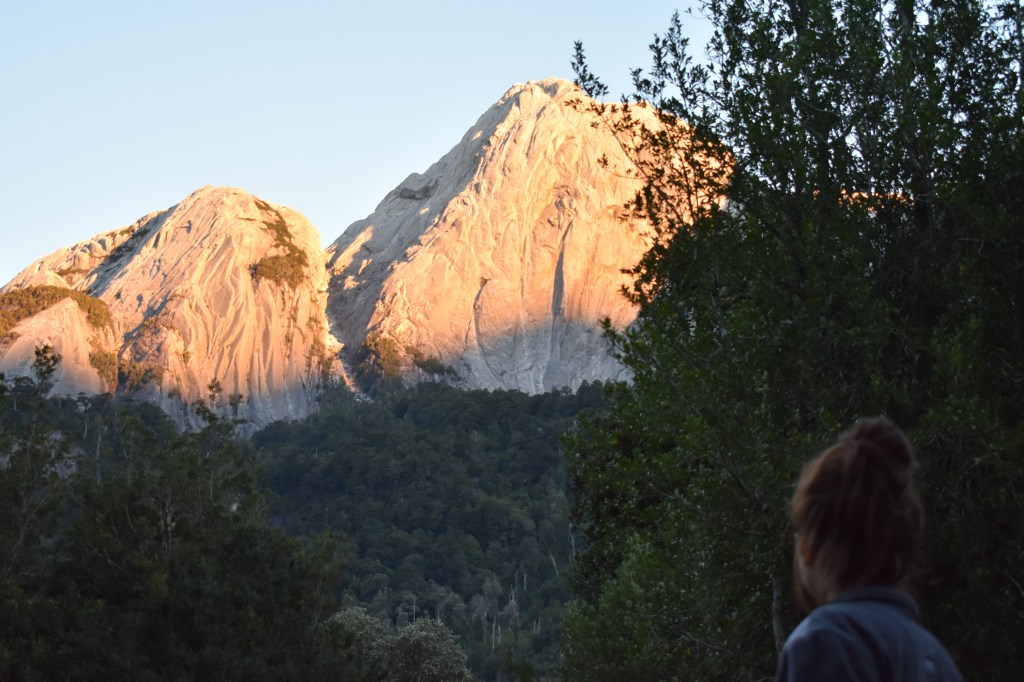
Alison y Cerro Elefante por el tardecer.
Fui en ese viaje con Alison, quien conocí en el primer día de clases. Este fue la primera vez de trekking por ella, y ella estaba legítimamente orgullosa para completar los caminos de senderos. Después de Cochamó, fuimos a Bariloche en Argentina a trek a Refugio Frey. Fuimos juntos con un amigo se llama Erik de los Estados Unidos, que le conocimos en Cochamó.
Conocí un hombre de Australia se llama Paul, que me convenció a juntarte en una ruta de escalar tradicional. Escalábamos mucho durante la noche, pero todo fue bien y después de lo completamos, celebramos con las cervezas
Despues de mis aventuras de trekking en Cochamó y Frey, me acomode en mi vida y rutina normal en Viña. Disfrutaba la vida noche de las ciudades de Viña y Valparaíso con las chicos y chicas extranjeros y nuestros amigos. Conocí un grupo de escaladores chilenos, y fuimos en algunas excursiones para escalar. Pasaba mucho tiempo de escalar en el lugar en campus, que estoy muy agradecido por. Iba a la playa con frecuencia, y disfrutaba las puestas del sol casi cada noche. También, tuve la oportunidad a ir a mi festival de música primera en Santiago-Lollapalooza Chile. Vi algunos de mis artistas favoritas, como Kenrdick Lamar y Portugal the Man.
Tengo las clases de Cultura Chilena, Marketing en Latín América, Negocios Sustentable en Sudamérica y una clase que compara los sistemas de gobierno de Socialismo, Capitalismo y Comunismo en Sudamérica. Mis estudias son diferentes de que estadio en la Universidad de Montana, y agradezco por las opiniones y maneras de pensar de los profesores acá en Chile.
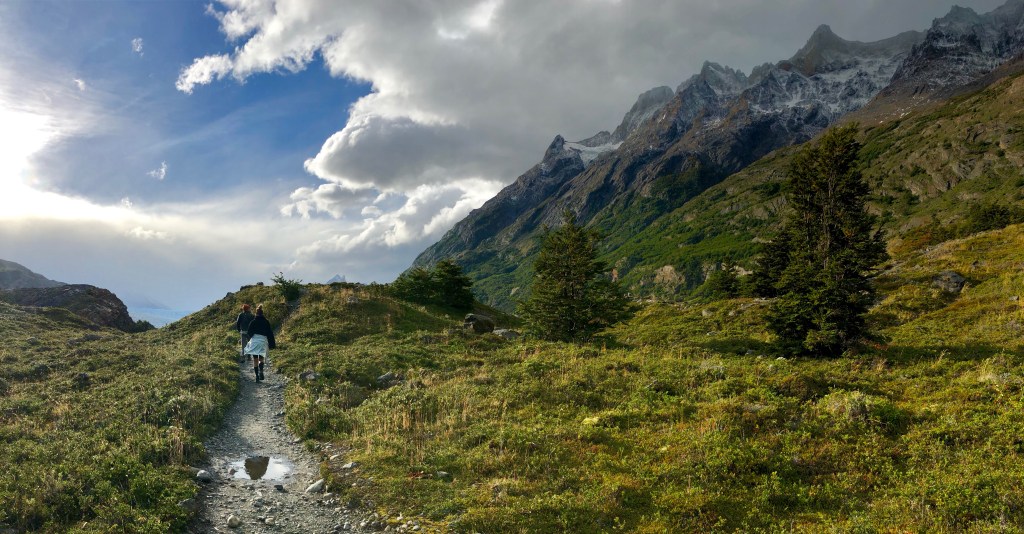
En la empieza de abril, fui a Patagonia con un grupo de estudiantes internacionales a hacer el trek “W” en Parque Nacional Torres del Paine. A hacer eso fue un sueño mío. Pasamos cinco noches en el sendero, y encontramos muchos tipos del clima. En el segundo día, había lluvia v viento mas fuerte que había experiencia. Pero en los días próximos, tuvimos sol y temperaturas buenas.
Las cosas que pudimos ver fueron increíbles, como la Glacier Grey y Los Torres. Despertamos a las cuatro en la mañana para ir a Los Torres durante el amanecer en el día final en el parque. He incluido fotos y videos de ese viaje abajo, y también mi vida en Viña del Mar.
Entrada Dos: el 19 de abril a el 23 de mayo
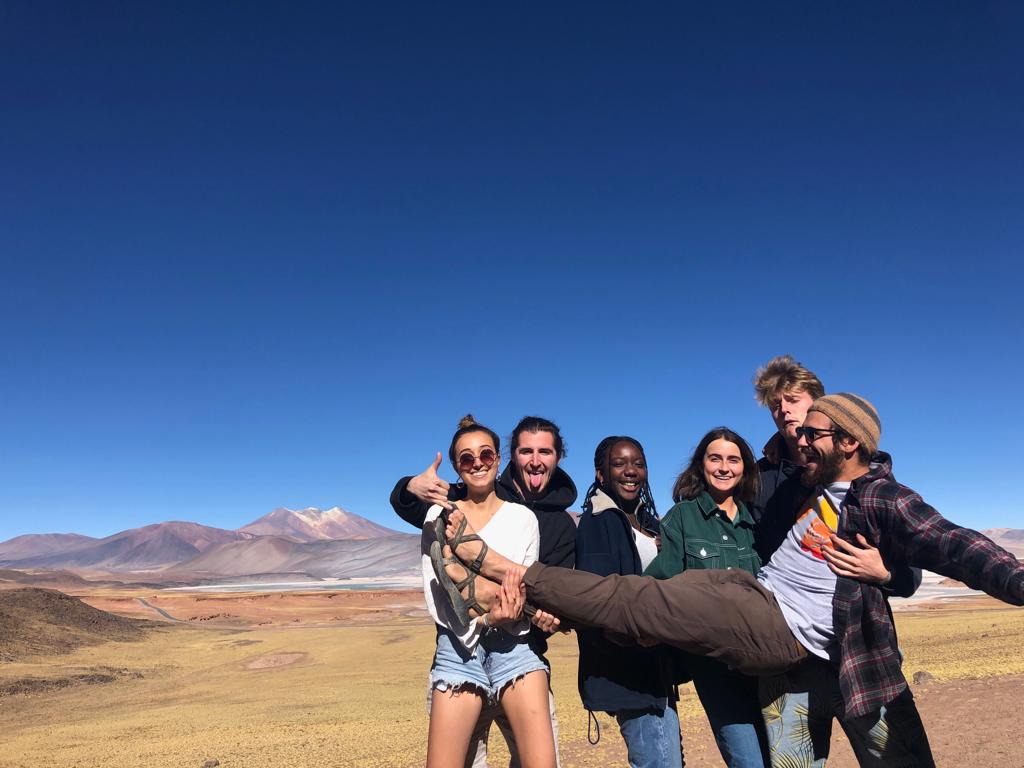
En esos meses de abril y mayo, fui en muchos viajes a partes diferentes de Chile. Mi amigo Dan y yo pasamos un día de trekking en Cerro la Campana en la cordillera central, a la este de Viña del Mar. El camino fue muy difícil y escarpado y caminamos por todo el día. Fuimos con otros chicos chilenos y conocimos amigos nuevos. También fui a el desierto de atacama con algunos amigos. Alquilamos coches y conducimos a muchos partes acerca de San Pedro de Atacama. Exploramos algunos géiseres, termas, salares y valles. Hicimos un “tur de las estrellas” donde encontramos mucho sobre las constelaciones del hemisferio del sur. Eso fue un viaje muy lindo para mi, porque el desierto siempre me da un sentido como estar en otro planeta. Todas las vistas, colores y las puestas del sol eran increíble.
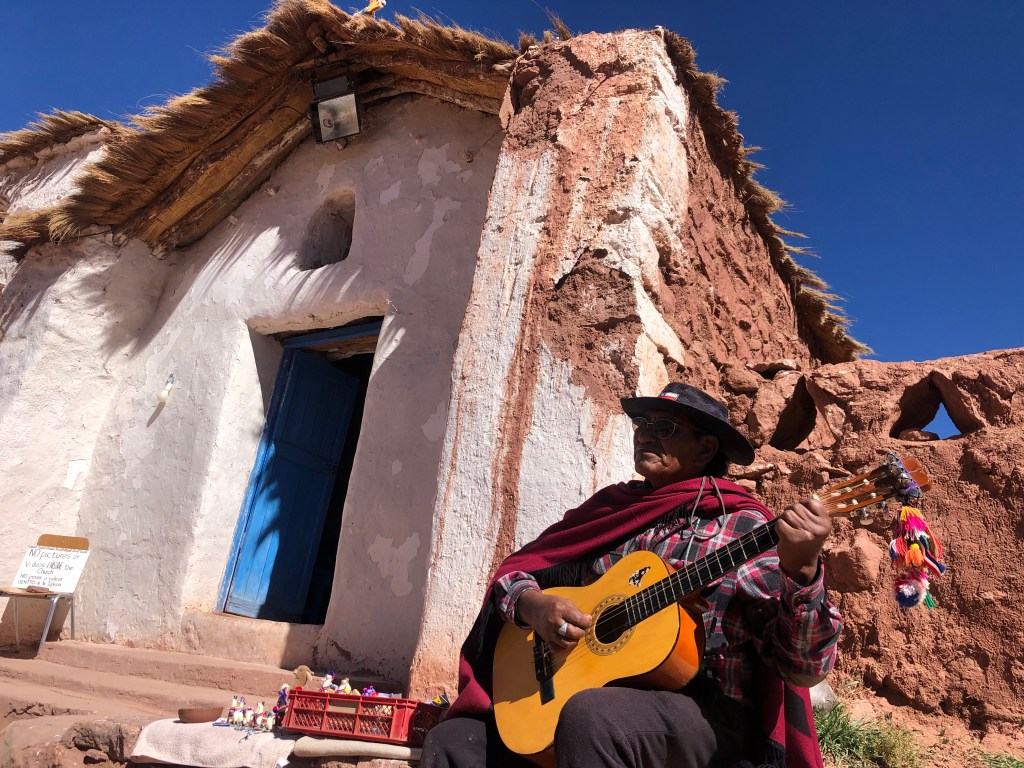
Tambien, pasamos un buen rato en una puebla pequeña, y hablamos con un hombre atacameño. Escribí ese lo mismo día describiendo mi experiencia con el y sus palabras:
Hernesto Álvarez Colque tocaba su guitarra por nosotros, y nos explicó sobre su esposa quien esta escribiendo un libro sobre su vida para preservar la historia. Hernesto esta analfabeta. Vive en la puebla de Machuca, donde el ayuda a mantener la iglesia y celebrar la cultura de su gente. Ellos dan gracias a Pachamama con las ofrendas de vino y hierbas. Esta seguro que la historia de los Atacameños continuará por sus hijos. Gracias a Hernesto por la música y palabras.
Entre los viajes a partes diferentes de Chile, hiciera tarea y otras cosas para mis clases, como escribir y leer. Encontraba muchas cosas sobre la historia de Chile. Encontré la historia de guerra naval en el Museo Marítimo en Valparaíso y escribí un papel sobre los eras de negocios internacionales en los siglos de los 1800’s y 1900’s. Tambien, aprendía mas sobre la era de Pinochet y todos los golpes de estado durante ese tiempo. Ahora conozco la plebecita y la campana de “Si”.
Mi compañero de sala, Ricardo, necesita estudiar mucho y no tiene mucho tiempo libre. Los dos de nosotros estamos pasando semestres muy diferentes. Estoy encontrando sobre Chile en mis clases y también con mis ojos y orejas cuando visito esos lugares.
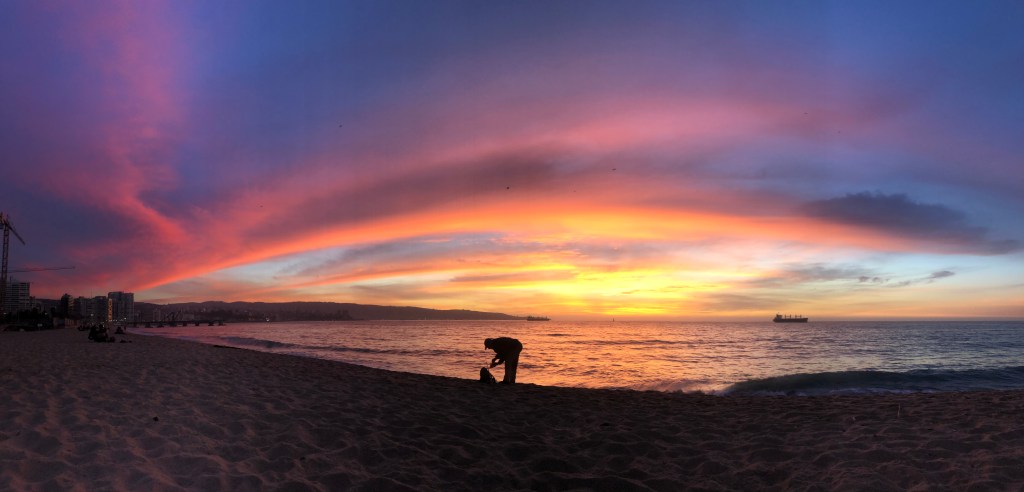
Cuando tenia tiempo libre, paso mucho tiempo en la playa enfrente de mi edificio. A ver los puestos del sol encima del mar. Me aparece cada tarde hay colores diferentes y fantásticos.
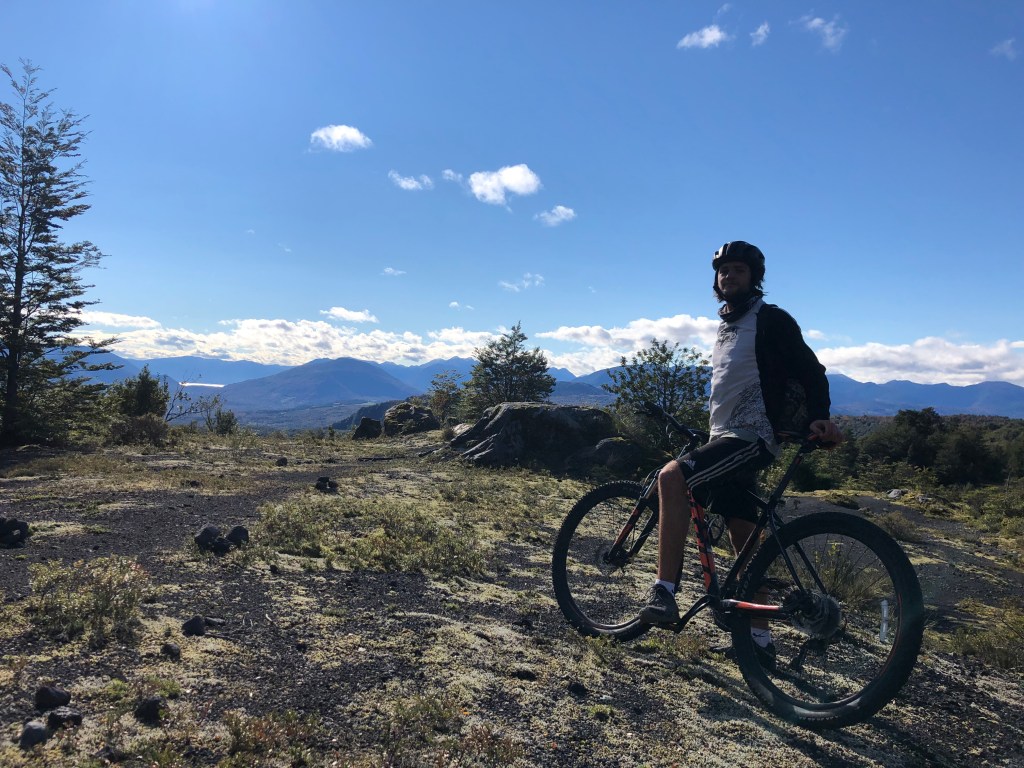
En la semana pasada, fui a Pucón con algunos amigos. Pasamos un fin de semana muy activo; mandamos bicicletas y hicimos rafting en el Rio Trancura. Por el día final, mis amigos Max, Gugi y yo mandamos bicicletas a un parque a la oeste de Pucón. Había senderos que los mandamos muy rápido, y empujé pasada mi limite. Me calle algunas veces y duele la mano-el sendero fue difícil porque era muchos pierdas y roca volcánica en polvo. En total mandamos mas de 60 kilometres y pasamos todo el día por nuestras bicicletas.
Entrega Tres: el 24 de mayo a el 19 de junio
Eso es mi ultimo entrega en mi blog acá en Chile. Decidí para no irme en mas viajes afuera de la región de Valparaíso. Quería explorar eso parte de Chile mas y entender mi hogar mas. También tenia mucho sueño por los viajes pasadas que hice. He sentido que mi vida era pasando por cien miles por hora, y quería reducir la velocidad. Entonces pase el tiempo por hacer cosas mas tranquilas. Mis amigos y yo cocinábamos muchos platos en casa; berenjena de parmesana, pad thai, burgers y tacos ricos, pizzas personales y un gran “brunch” con crepes, huevos revueltos, ensalada de fruta y mimosas.
En muchas noches, mis amigos y yo hemos vuelto a un departamento de alguien, y pasamos noches tranquilos con juegos de cartas, vino y te. Se enseñábamos nuestros juegos favoritos de nos países de origen. Alison y yo aprendimos un juego nuevo cuando estábamos haciendo trekking en Argentina a la empieza del semestre de dos hombres de Isreal. No lo tiene un nombre, entonces el grupo necesita hacer un nombre nuevo cada vez lo jugamos. Aprendí los juegos italianos clásicos de Scopa y Briscola de Gugi, y esos son divertidos también.
Pase algunos fines de semana por el surf en Playa la Boca de Concón. Por la empieza, no pude hacer nada en la tabla-no levantarme ni nada. ¡Pero, con practica y tiempo, me mejore y ahora puedo coger una ola y surfear a la izquierda o derecho! Eso es una habilidad que no creía obtener en mi vida y ahora tengo emocionado para ir a playas diferentes y intentar para surf allá.
Las semanas pasadas ha marcado por algunos altos y bajos. En lo mismo tiempo estoy intentando a disfrutar el presente, con mis amigos nuevos de acá y la experiencia de vivir en Chile; pero tengo mucho emocionado para reunir con mi familia. He faltado muchas cosas importantes en las vidas de las personas de mi familia. Mi hermano grado colegio y mi hermana grado Universidad en las semanas recientemente.
He buscado por una manera para decir adiós a esas personas. En realidad, es probamente que no voy a ver muchos de ellos otra vez en el futuro. Todos de nosotros vivimos en lugares diferentes en muchas partes del mundo. Y yo vivo en montana; casi la media de ninguna parte, y por eso es improbable que voy a recibir visitantes en el futuro.
Me encanta todos de esas personas que he conocido de los cinco meses. Ellos serian mis amigas mas cerca en si viven los estados unidos, y creo que la amistad ir mas allá de las fronteras y océanos. Voy a faltar mis amigos de escalar (los monos), mis compañeros de sala y todos de los extranjeros de intercambio.
Voy a necesitar para reflectar y entender todo mi tiempo acá y que me significa. Para vivir en un otro país, aun un otro lugar es para aprende mas sobre se.
A ellos digo; gracias por todo. A Chile digo; gracias por todo.




















 Beyond the Classroom