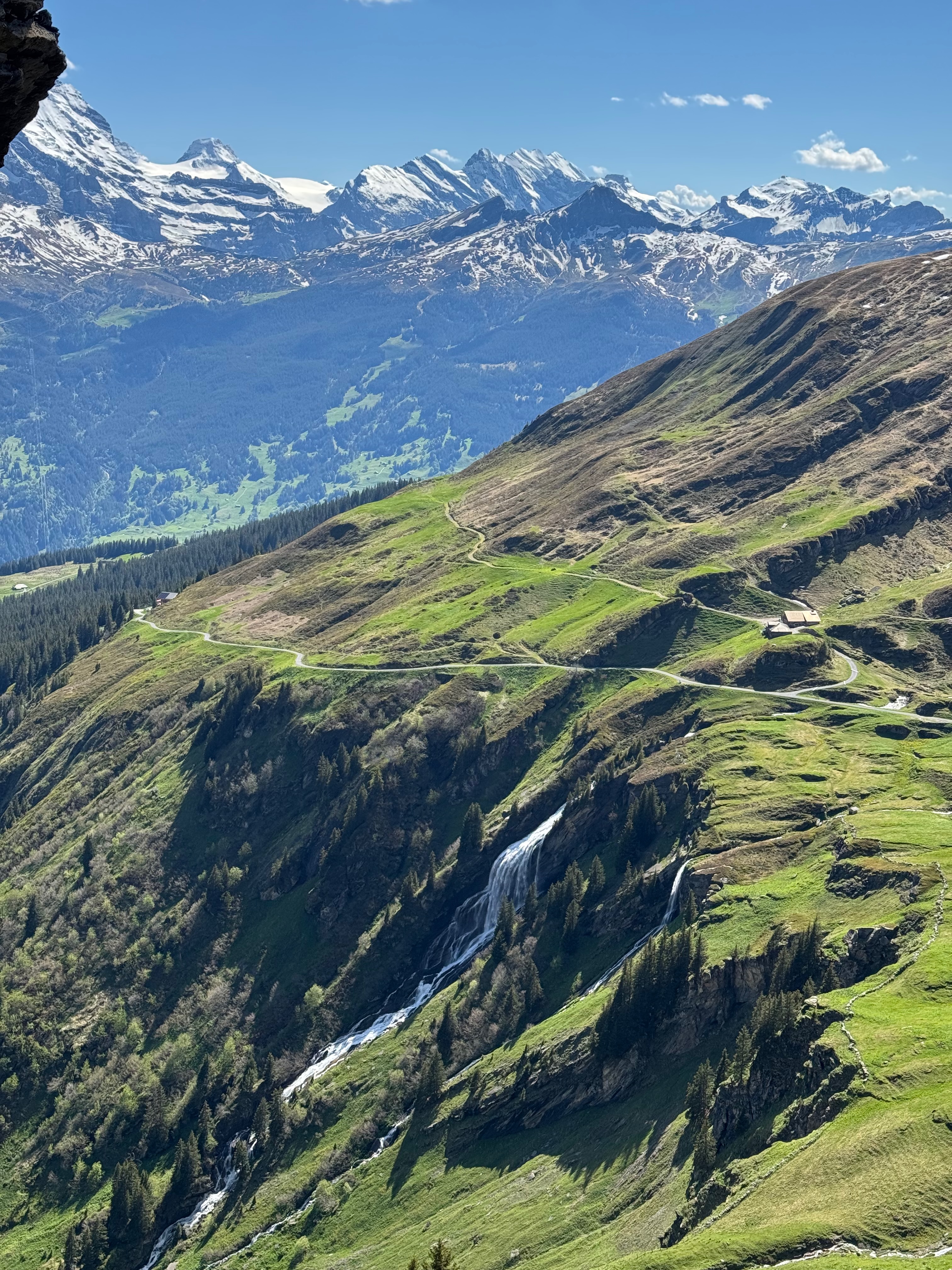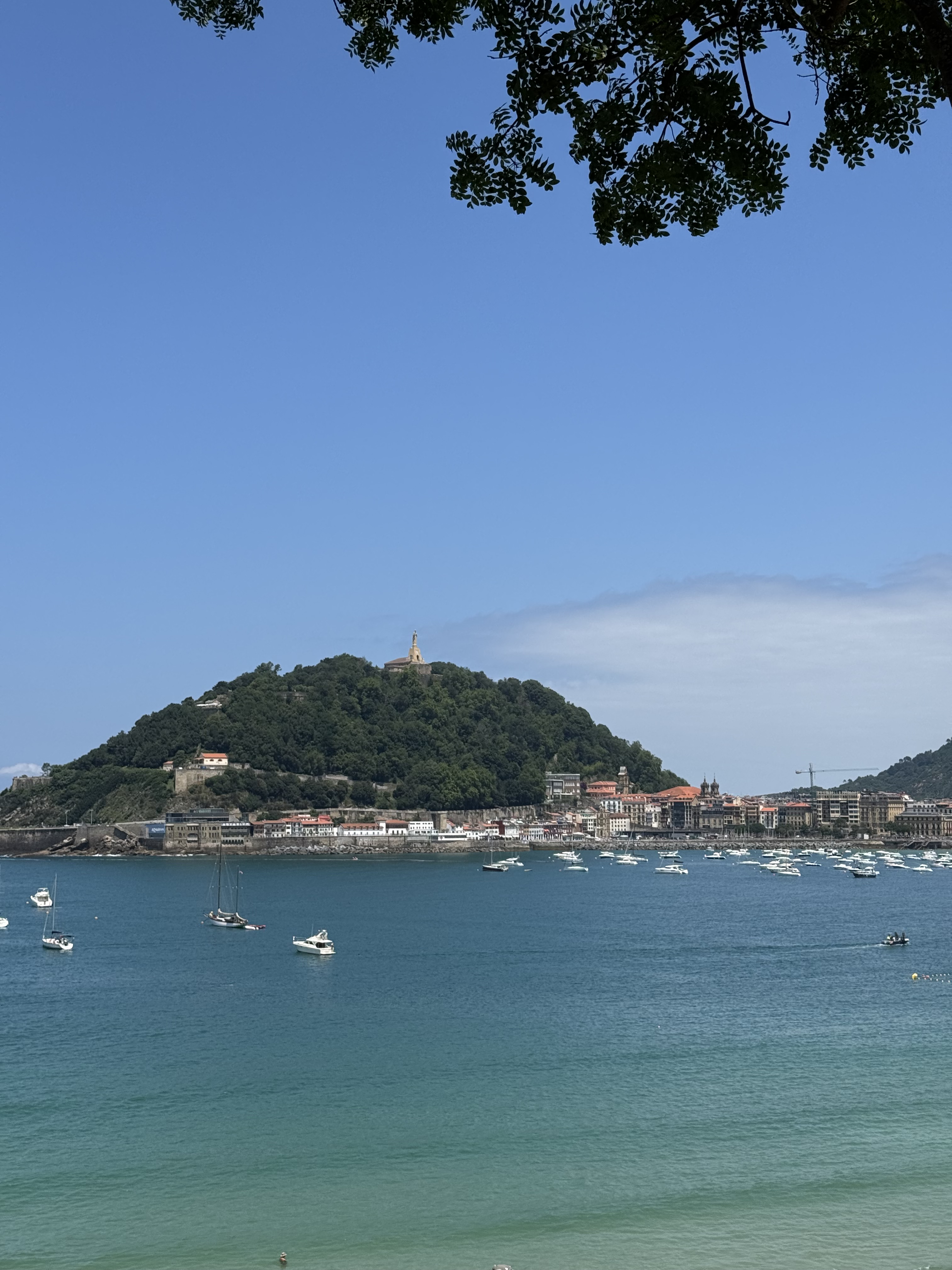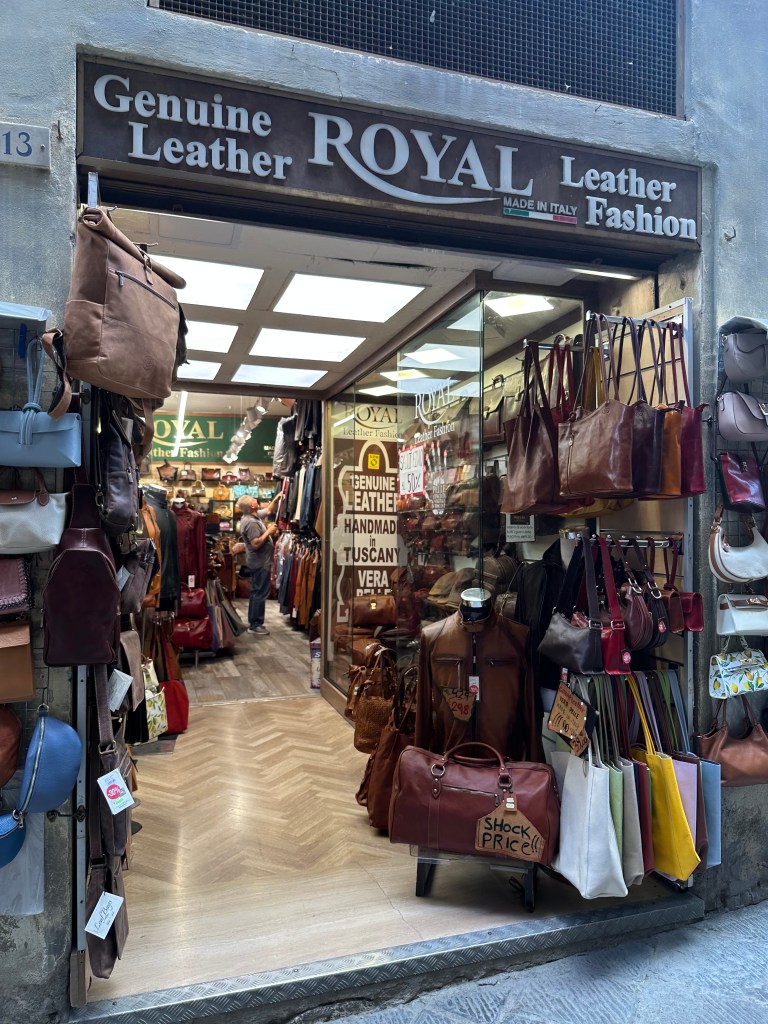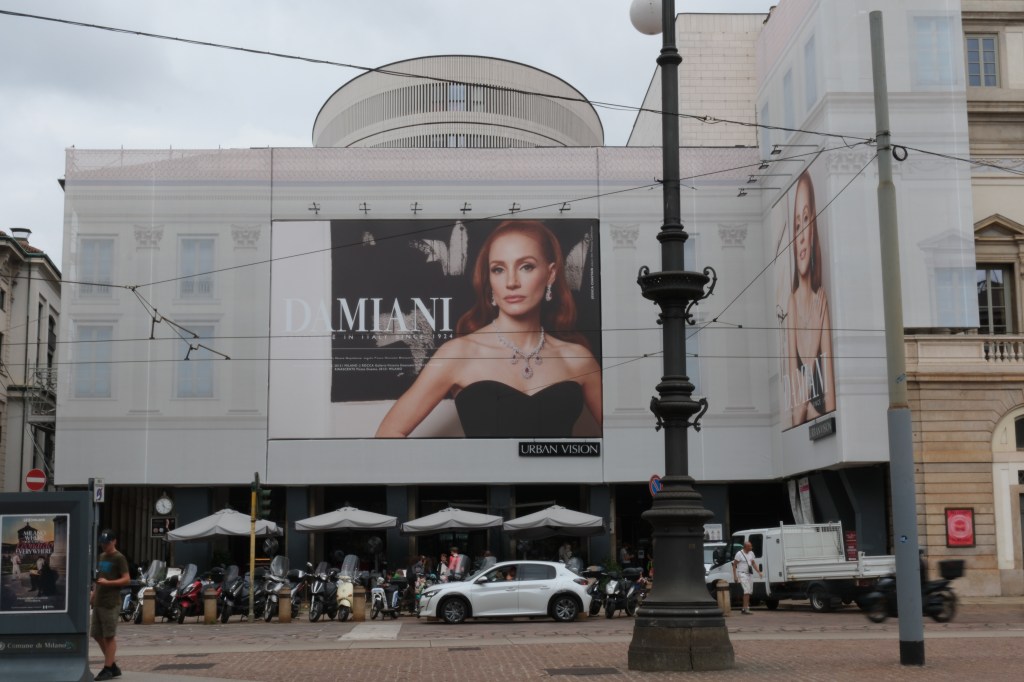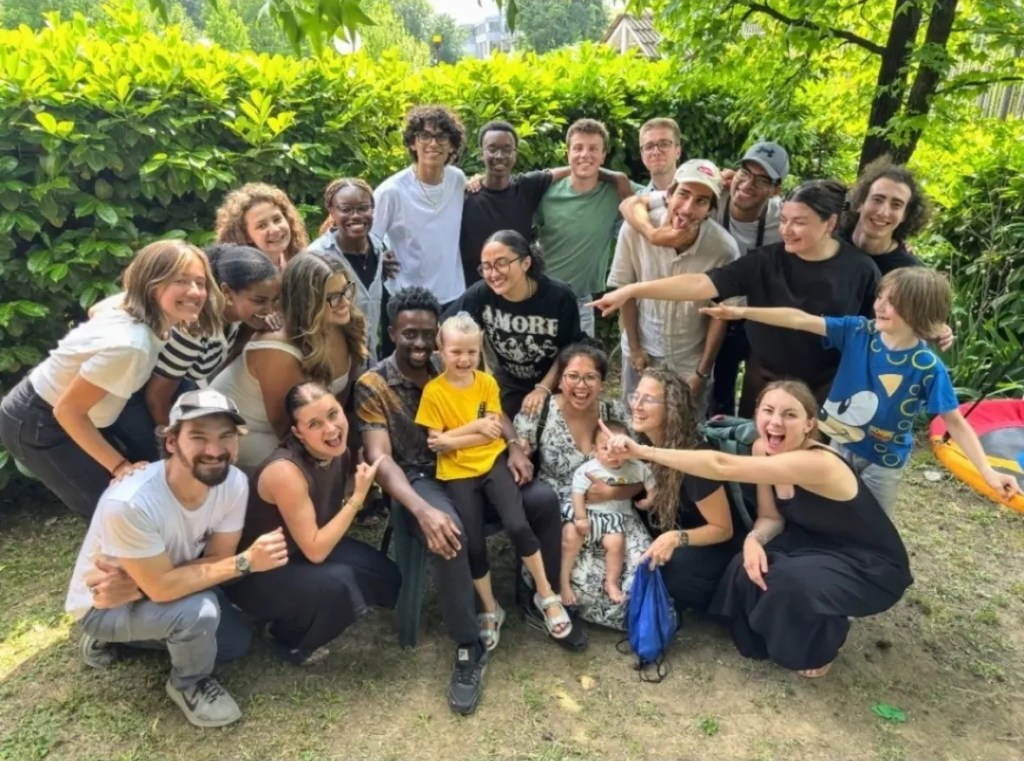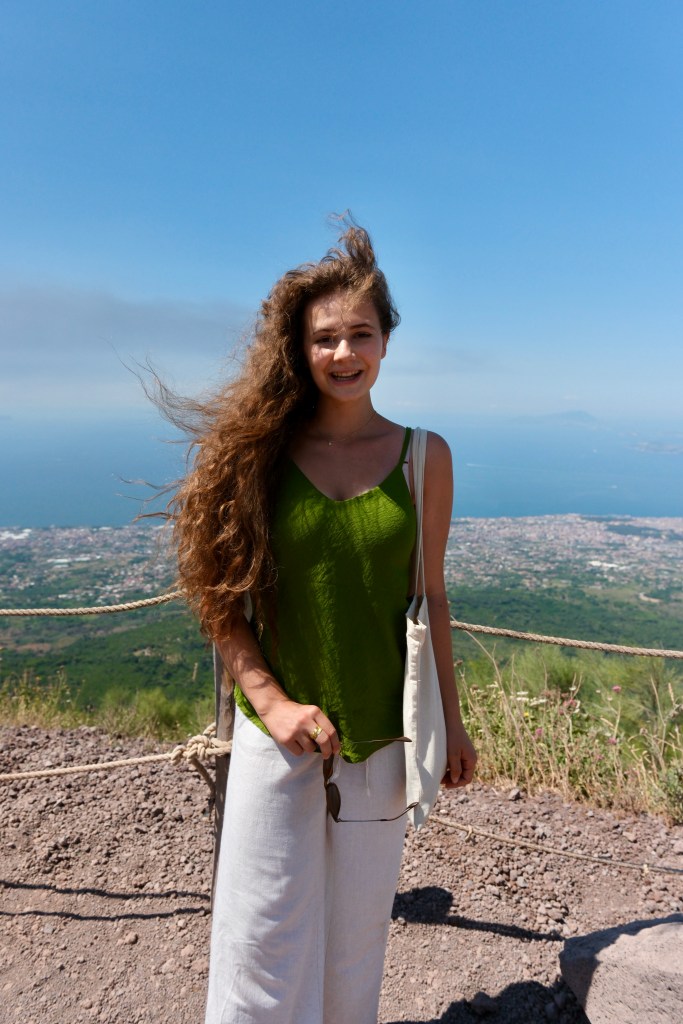
GRAZ GRAZ GRAZ!

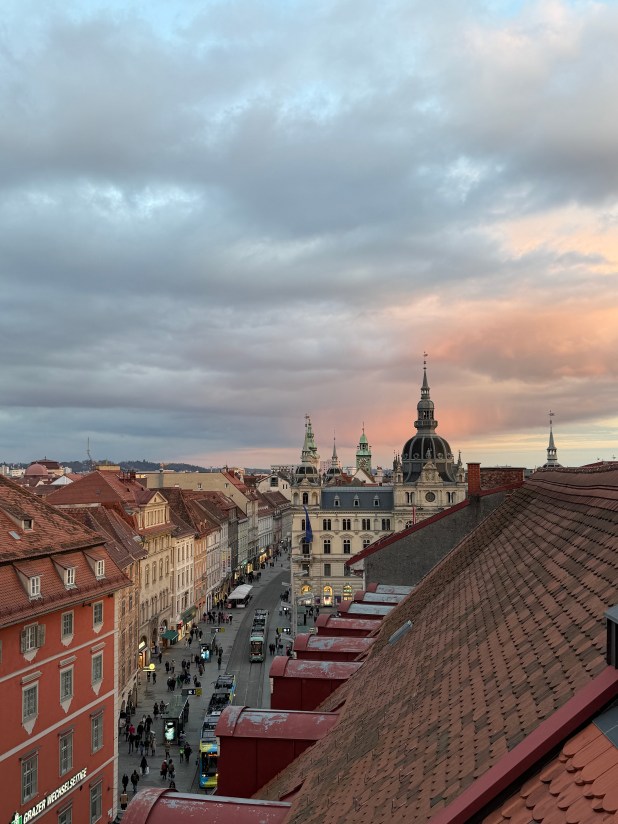
Hallo! My name is Cora and I just spent this last spring Graz, Austria for my Beyond the Classroom Experience. Graz is the second largest city in Austria and is home to four universities, including the one I was studying at, Universitaet Graz. Graz is designated the UNESCO City of Design because of the historic and well preserved architecture in its historic city center. Graz is situated southeast of the Austrian Alps and only two hours away from Austria’s capital city of Vienna.

During my time abroad I was able to travel throughout Western Europe, participate in a field course, and explore my global theme which was Resources and Sustainability. The European Union has a more extensive sustainability framework for its members when compared to the United States. Learning about the differences between the environmental policy in the United States and Austria was very insightful. I took a course that was named Geotechnologies for Monitoring Protected Areas, which explained the legal framework Europe uses to achieve conservation goals, including Agenda 2030. Being exposed to different perspectives and strategies to achieve sustainability will better prepare me to solve problems by implementing ideas I’ve learned from these different approaches. My global challenge was to explore alternative economic systems to capitalism. I took a course on the Circular Economy model, which allowed me to understand how businesses can look at different models and structures to promote sustainability. 

I was also able to take an Alpine Hydrogeology field course that was conducted in the Austrian Alps right outside of Gesaüse National Park. During the field course I learned how water moves through Karst landscapes, specifically in Eastern European landscapes. I learned how to conduct a variety of water discharge measurements, and a tracer test to determine the path of water through the karst system. I was working with graduate and PhD students, which pushed me to produce a higher level of work. This experience was incredibly interesting, and sparked my interest in hydrology.

Resources and sustainability were not the only things I took from my Beyond the Classroom Experience. While I was abroad I was able to travel to eight different countries, which was a very eye opening experience. I was able to learn about different cultures and connect with people from around the world. I hiked up the northern coast of Spain on the Camino de Santiago. On this trip I learned a lot about the history of the Catholic Church and importance of this pilgrimage.

My time abroad pushed me to grow in many ways, and I will see its impacts in my life indefinitely. I am so grateful that I was able to experience new cultures and learn outside of the United States. I am excited to continue to travel, learn, and explore. Bitte schön!
Comparing approaches to resources and sustainability in the US and Chile

When I began college, I had many different interests and wasn’t sure which path I would ultimately take. The one certainty was that I wanted to spend a semester abroad. That dream came true this past year. While my time abroad brought its fair share of challenges, it was also one of the most rewarding experiences of my life.

My original GLI Global Theme was Public and Global Health. However, once I arrived in Chile, I realized that the courses I had planned on taking either didn’t match my Spanish level or required prerequisites I hadn’t met. Because of this, I decided to pivot and change my global theme to Resources and Sustainability, which aligned much more seamlessly with the Biology classes available to me. This change opened up new perspectives that I hadn’t anticipated, and I became curious about the ways the U.S. and Chile approach sustainability topics, as well as the cultural or societal norms that inform those differences.


Living in Concepción was a huge adjustment. I was in a house with 11 other people from all over Europe and South America, and I quickly noticed how flexible things were compared to what I was used to. Punctuality wasn’t treated as rigidly as it is in the U.S., and classes often began 15–30 minutes past the hour. Scheduling conflicts weren’t resolved through an advisor, but rather directly with professors, which often meant classes could change from their original schedule. What first seemed disorganized eventually began to feel like part of the charm of life in Latin America—there was a kind of beauty and magic in the chaos.

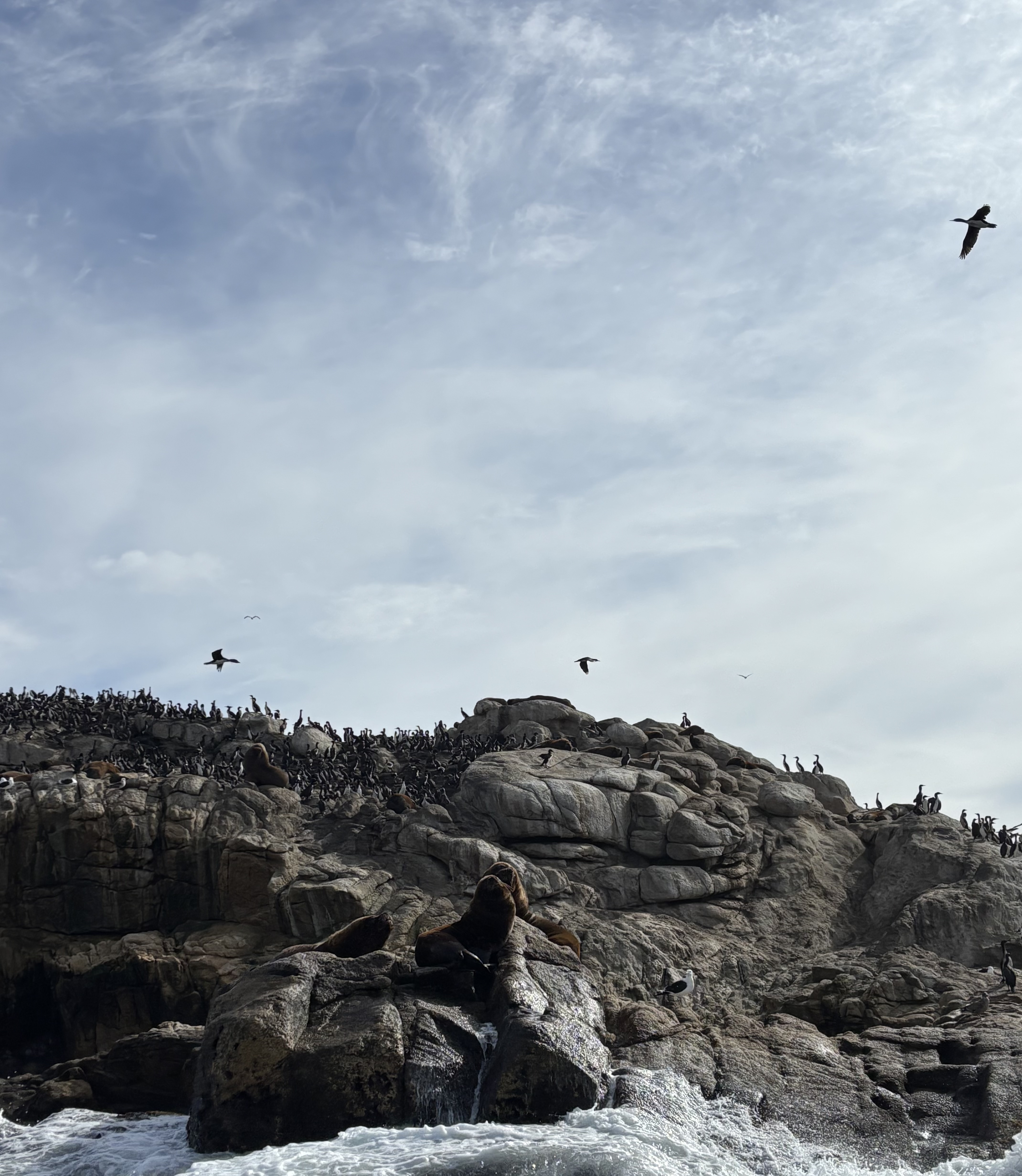
It was also a big change to live in a coastal port city. Having grown up in the desert of New Mexico and studied in Montana’s mountains, I had always been landlocked. Suddenly, I was in a place with ocean air, San Francisco–style weather, and the beach only a short drive away. On the surface, this might not sound life-changing, but it shaped both of the Biology classes I took: one on plant diversity (which focused heavily on algae) and another on the genetics of marine organisms. Aquaculture plays a huge role in how Chile thinks about natural resources, and it was fascinating to learn about research on algae or vaccine development for salmonids, which nearly always came back to the importance of marine organisms as both a source of revenue and a local food staple.

This perspective was striking when compared to most of my Biology education in the U.S., which has emphasized conservation and protecting species from habitat loss and climate change. While aquaculture is certainly present in the U.S., the focus often leans more toward land and wildlife conservation. Observing this difference made me grateful for the education I’ve received, even though I am no longer a Wildlife Biology major, because I still hope to work in that realm. Conversations with Chilean students also revealed that their opportunities for research in wildlife biology are much more limited, often requiring a veterinary track first or pushing students toward fisheries and aquaculture. Still, Concepción is becoming a hub for cutting-edge research on how the environment affects genomes, and I had the privilege of learning from one of the leading experts in that field.

My semester abroad was also one of the most challenging things I have ever done. Beyond language immersion and academic differences, I navigated setbacks that tested my independence and resilience, including a two-month student strike and even a dislocated elbow. These experiences forced me to adapt in ways I never expected and gave me a new sense of confidence in what I am capable of.

Looking back, my time in Chile taught me more than I ever anticipated. It gave me new perspectives on sustainability, pushed me to grow as a student and as a person, and helped me discover my passion for education, advocacy, and community engagement. While I am still shaping my career path, I know I want to be a lifelong learner, an educator, and a voice for the environment. My semester abroad was a dream come true—but more than that, it was a turning point in how I see the world and my place in it.

Research and Conservation in Samos, Greece

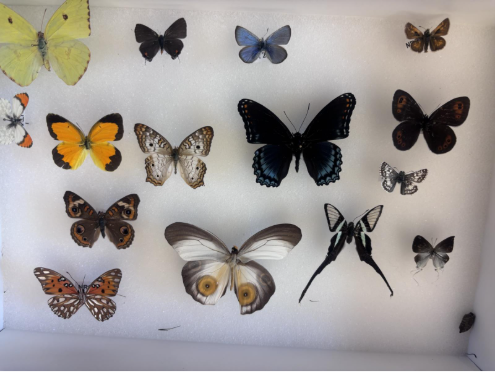
I spent my summer doing Research and Conservation in Samos, Greece for the Archipelagos Marine and Conservation Institute. I had been placed on the terrestrial team, focusing on pollinators and plants. While I was there I conducted research surveys on pollinator abundance and species diversity in urban areas as well as outside of urban areas. I also created an herbarium for the Institution, which entailed going out on surveys and collecting various plant species and preserving them. This project included adding onto a plant field guide for the Island of Samos. Before starting my research, I had to memorize all the pollinator species on the island and their roles in pollination for a test. There are over 10 different bee species and 15 species of butterflies and moths on the island.

My first day on the internship site was a lot to take in, there were about 90 interns to meet from all around the world. About 20 other interns had arrived with me so I did not have to feel alone and out of the loop. Most of the other interns were from the Netherlands, France, the UK, and America. My daily routine begins with waking up early and attending the morning meeting with all the interns and supervisors. These meetings cover updates about the institute, team projects, and any issues—such as those related to our living arrangements. After the meeting, if there are no scheduled surveys, I focus on research for my project.  I especially enjoy the days when I go out on surveys. We hike nearly six miles every other day, identifying pollinators and the flowers they’re attracted to. After surveys, we have lunch from 1:00 to 2:00 PM. The workday ends at 5:00 PM, and afterward, many interns head straight to the beach to cool off with a swim in the hot weather. My language skills are slowly developing—I have the basics down, like “please” and “thank you.” I’ve been using a small pocket dictionary religiously to keep up with practice. Since none of the food is labeled in English, it’s been a fun way to practice reading the alphabet and learning how words are pronounced.

My global theme is resources and sustainability, with the challenge of how we can protect understudied biodiversity and conserve ecosystems. This experience has deepened my understanding of both my GLI theme and challenge by highlighting the difficulties involved in researching understudied biodiversity, such as pollinators and jackals. Since this is primarily a marine institute, the terrestrial research team is still being developed, which means there has been limited research on the island’s terrestrial wildlife. I learned what it’s like to contribute to a small dataset and to collect plant species in order to support the growth and impact of the research institution.

My impression of Greece hasn’t changed much—I came in knowing it would be rich in history, and it has absolutely lived up to that expectation. I visited the Archaeological Museum of Pythagoreion, which showcases the cultural evolution of the ancient city of Samos. There, I saw ancient artifacts such as pottery, coins, and basic stone tools like cups and lamps. One exhibit that stood out included burial urns used for children and other ancient graves. That surprised me, as I’ve always understood burial sites to be places typically left undisturbed for historical reasons. What did surprise me, however, was the number of rundown buildings. I learned that many people purchase property and begin building homes but are unable to complete them due to financial limitations. One of the things I truly admired was the strong sense of collectivism. In Greece, people tend to have close-knit relationships—there’s a strong focus on community and togetherness, rather than individualism. It’s all about “us.” The steps I took to ensure that I became an asset to the organization included, but were not limited to, researching Archipelagos Marine Institute—its mission, values, and the types of projects currently underway. I also researched the island itself and its local wildlife, including pollinators, golden jackals, and seagrass ecosystems.

Le meilleur semestre en Suisse!

Bonjour, grüezi, ciao, hello! My name is Hannah Halvorson, and I spent 5 months this spring studying at the University of Fribourg in Fribourg, Switzerland. Fribourg (or, for the Swiss Germans, Freiburg) is located just 20 minutes from the Swiss capital of Bern by train. It is a medium-sized city with an old town dating back to the medieval era, on the border of French and German speaking Switzerland. Switzerland is an incredible country for many reasons, but its four national languages and small size contribute to its unique culture. My Global Theme is Culture and Politics, and I found Fribourg to be a perfect place to dive into that.

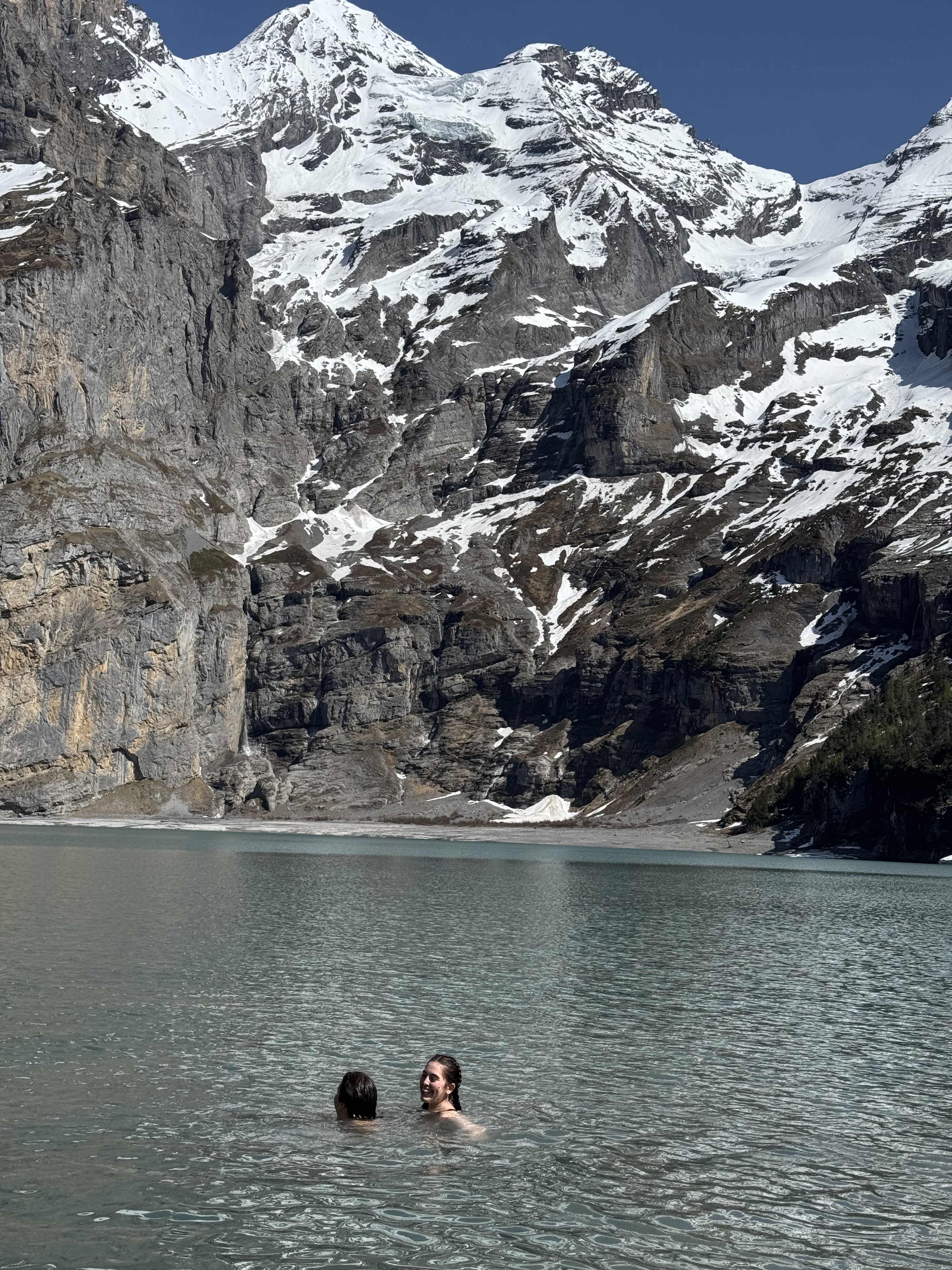
I explored my Global Theme in many ways. Most clearly, I focused on my Global Challenge. I wanted to find out what the global perception was of the USA, and specifically, of the American people, in this turbulent time. I took a class called “American Self-Deception and Self-Renewal,” and this was a fascinating starting point to answer my question. This was a literature class, so explored the ways Americans were presented in stories. Yet it also offered interesting commentary on the American lifestyle, and through conversations with my professor, I started to understand the impact that recent political events have had on the people of Switzerland. Another way I learned about global perception was through the friends I made, coming from countries all over Europe. I encountered several stereotypes about Americans through these relationships, some positive and others less so. The final way I explored my Global Challenge was by continuing my studies in French, both through classes at the university and immersion in the language in daily life. Learning about a different culture in their language deepened my experience in an unforgettable way, and I know already that I want to do it again. While studying abroad, I had the opportunity to experience other cultures as well, traveling to many surrounding countries throughout the semester. By visiting friends in their home countries, I got to see how families lived outside of the US, and hear their input on global events. Below are a few photos of these travels!

The cultural perspective I gained by exploring my Global Challenge will stay with me forever. Learning French and hearing about global events from my home country was valuable, but experiencing them in a new environment was something I think everyone should have the opportunity to do. Thank you, GLI, for helping make this experience happen!
Beyond the Classroom Experience in Milan, Italy

This summer, I had the opportunity to study abroad in Milan, Italy—the heart of the global fashion industry. As a Resources and Sustainability student in the Franke GLI and an Economics student at the University of Montana, I wanted to explore how Italy’s fashion markets balance style with sustainability. Milan provided the perfect backdrop for this research, offering a firsthand look at how practices like recycling, reusing, and maintaining high-quality clothing can reduce the environmental impact of fashion. I chose Italy for my Beyond the Classroom Experience not only because of its reputation for craftsmanship and excellence in the clothing sector, but also because it aligned with my Global Challenge of building a more sustainable planet. Along the way, I gained insights into sustainability, my own role as a consumer, and how to make more intentional investments in the pieces I choose to wear. This opportunity to spend the summer in Italy opened my mind to many different ways of life and perspectives that I will forever be grateful for.

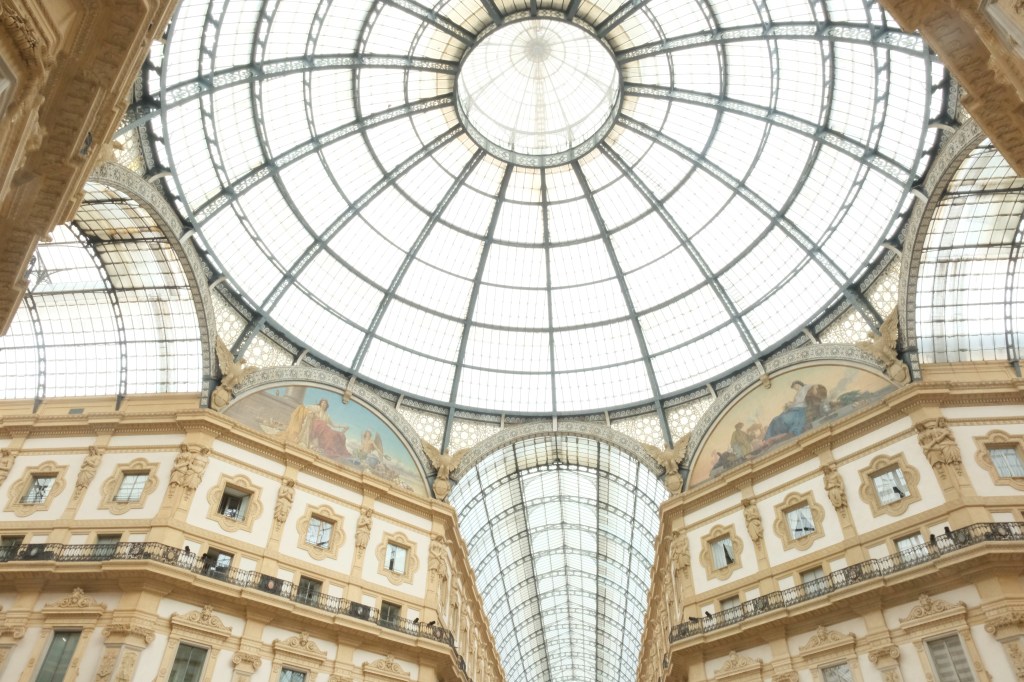
This is an image of the Galleria Vittorio Emanuele II. This historic and elegant shopping arcade connects the Duomo and the Teatro alla Scala and is known for its luxury shops, high-end boutiques, restaurants, and iconic glass-and-iron dome. I spent much time around this area in Milan to better understand shopping and quality trends of products. This is a hot tourist spot for those looking to invest in luxury goods.

While completing research about sustainability practices in Milan, I visited many shops, markets, and vintage stores. I found that the clothing in many of these stores was made much better than the average clothing you might find in the US at a much more affordable price. The clothing didn’t have to be from a high-end brand to be made to last. There were Zara and Mango stores in Milan that I went into, which appeared to be of higher quality than their stores I have visited in the US. The clothing in these stores was very reasonably priced for clothing that was well-designed and stylish. Which was of interest to me because, why is it that the European version of these brands provides a better quality of item to consumers? Could it be that the average American consumer is more consumed with the quantity of product rather than the quality of product? Through some investigation and internet research, I found that this has unfortunately become the case in the US in our relationship to fast fashion and overconsumption. While living in Italy, I decided I would only thrift and invest in quality pieces, avoiding fast fashion and cheaply made clothing.

The images above are the places I learned to explore, ask questions about the quality of the product, make responsible purchases, and help to curb my carbon footprint by investing in items that are meant to last.

I did many other things outside of the learning of my Research in Sustainability. I attended the University of Cattolica in Milan, where I took classes in Global Economics. At Cattolica, I collaborated with students from around the world to craft projects that explained global economic problems that all of our individual countries were facing. I really enjoyed working with all these differing people because of their diversity of ideas and cultures. I learned so much from them all, and now I have couches to crash on in Mexico, Saudi Arabia, England, Canada, France, India, and Italy. These friendships enriched my knowledge of the world outside the comfort of the USA.

On my second day in Italy in May, I met a friend group in Milan that I would spend the majority of my time with. They had no connection to my University, yet they truly made my life in Milan so enjoyable. They all taught me so much about friendship and enjoying the sweet, slow life of Italy.

The family of friends I got to be a member of all summer and hopefully will be a part of the rest of my life!
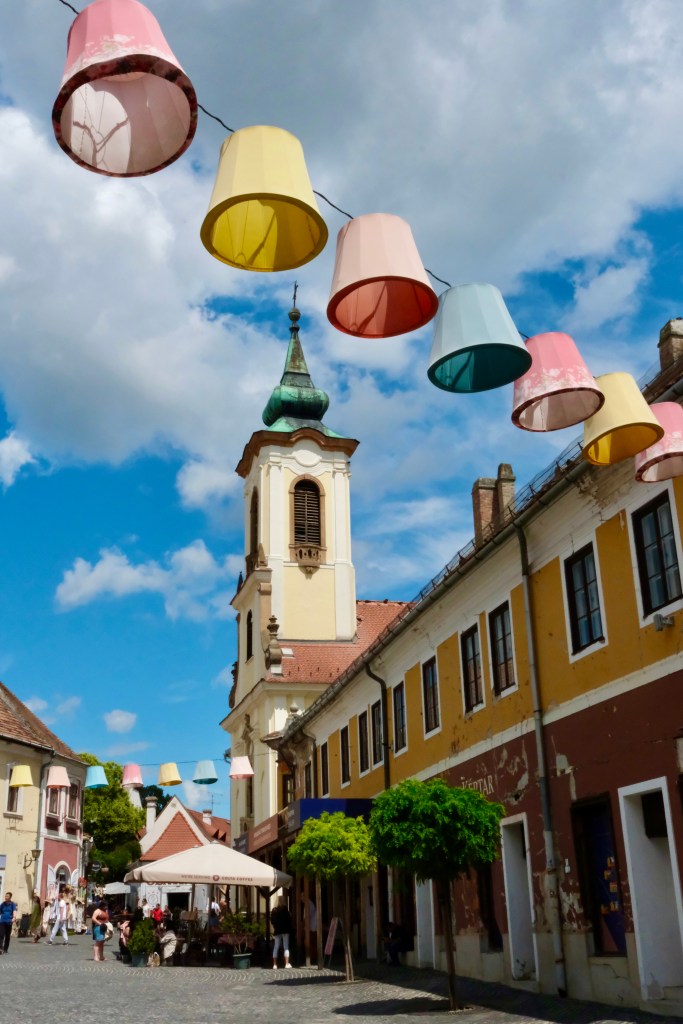
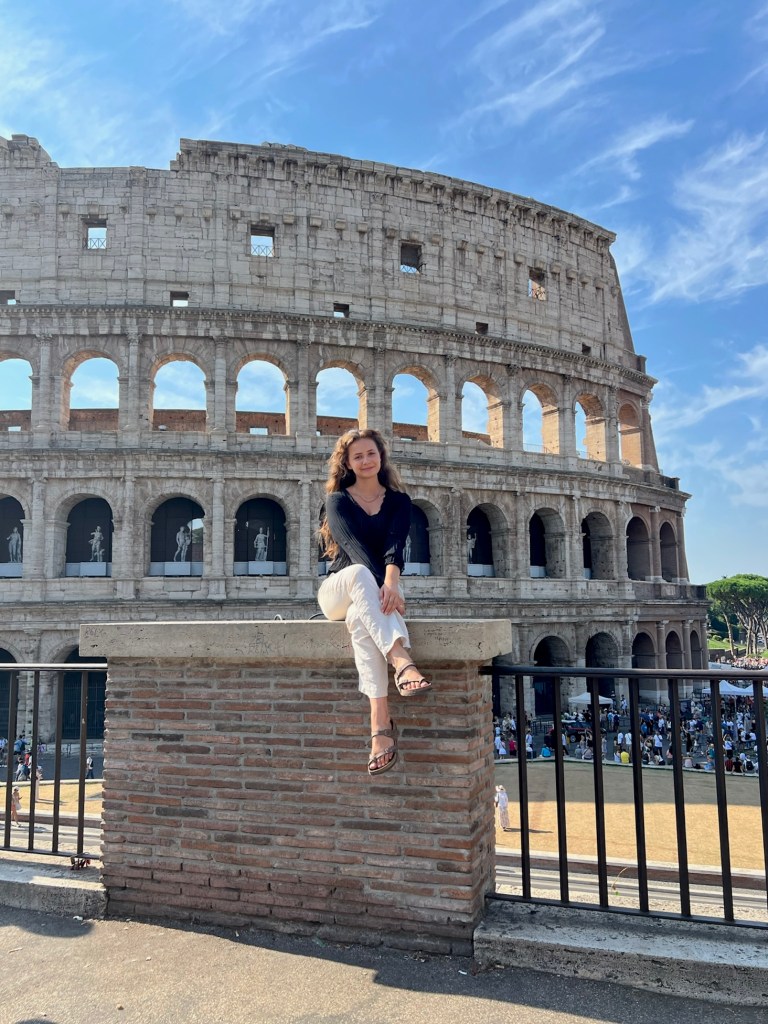
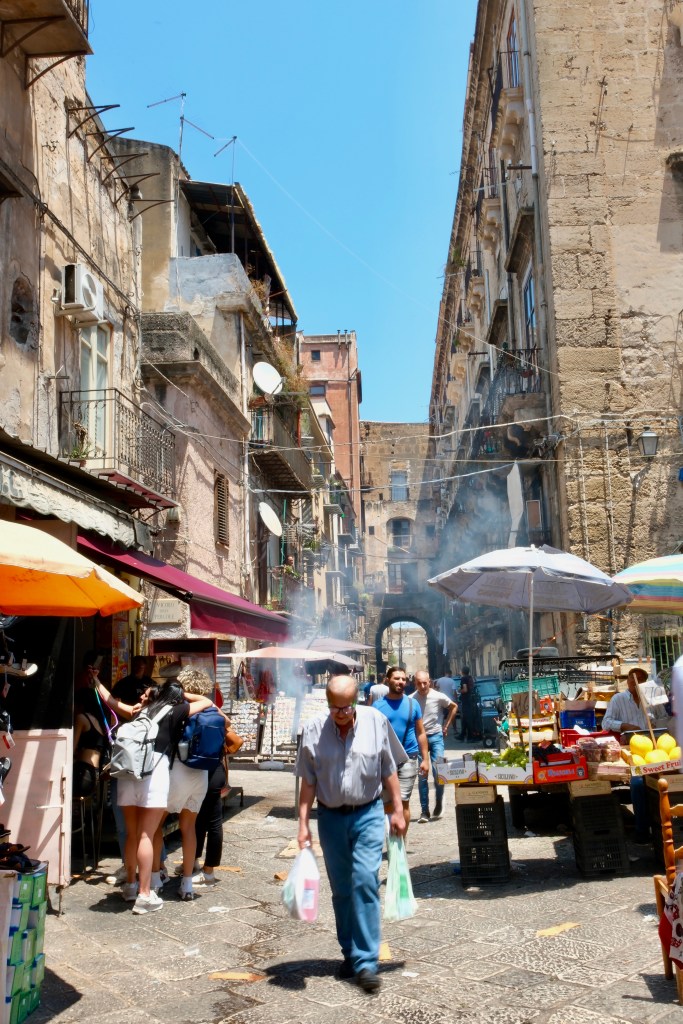
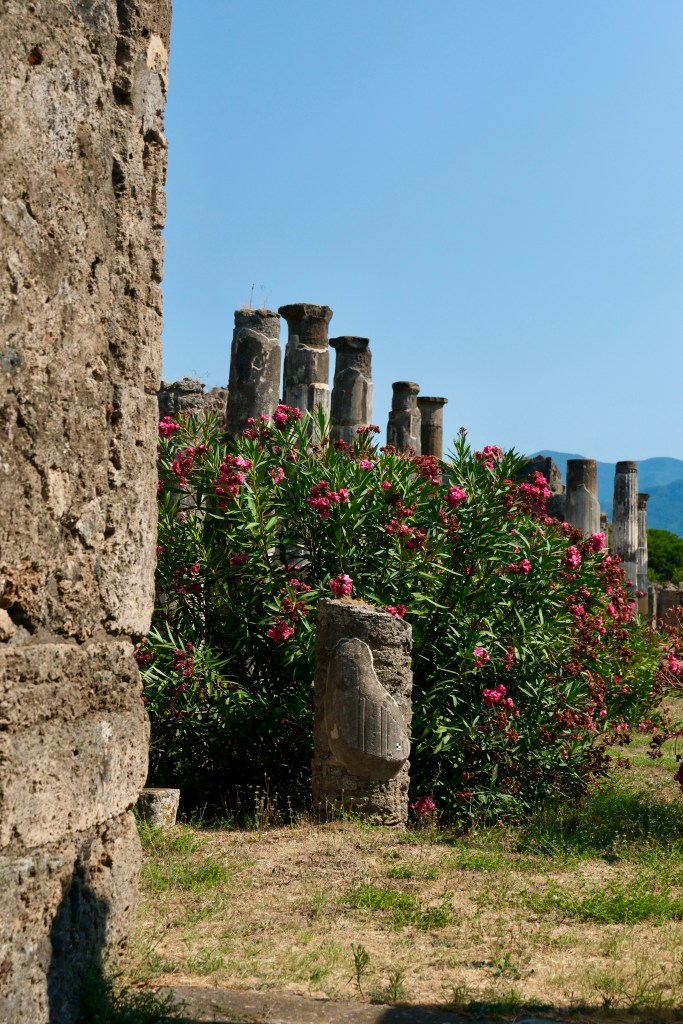
My opportunity to live in Milan, Italy, provided me with easy access to the airports, buses, and trains that could take me all around Italy and Europe. On my second day in Italy in May, I was rock climbing in the French Alps with my new friends. In June, I stayed for 2 weeks with friends I had made in Sicily and learned about the Italian subculture there. 2 weeks later, I backpacked to Hungary, Austria, and the Czech Republic. There, I learned so much about the World Wars, politics, and European history. 2 weeks after that, I went all over Southern Italy, visiting Florence, Rome, Naples, the Amalfi Coast, Siena, Mt. Vesuvius, Pompeii, Venice, etc.. I got to see so many amazing places and the cultures that cultivated their abstract beauty.

Here are a few images of Pompeii, Palermo, Pompeii, Hungary, and Rome from my adventures during the summer!

Living abroad in Italy this summer enriched my life and knowledge of the planet that I inhabit. I will forever be grateful to the Franke GLI program and those who worked so hard to give me this amazing opportunity. I feel rich now, though my pockets are empty, for I have seen the world with my own eyes.

“The world is a book, and those who do not travel read only a page” – Saint Augustine

Thank you, Franke GLI and the University of Montana, for allowing me to read a different page!

Beyond the Classroom at the Cooper Lab

Hey guys! My name is Kaelin Thompson and for my beyond the classroom experience I have been working at the Cooper Lab on camps. The Cooper lab is a super amazing research lab that studies a wide variety of issues, in particular the bacteria known as Wolbachia. In the lab I follow a post-doctoral student where I learn many different skills. Currently I am working with fruit flies and how Wolbachia is impacting their reproduction. I attached a typical day of my life to this blog as well as a few photos so that you are all able to see how absolutely amazing this experience has been! 

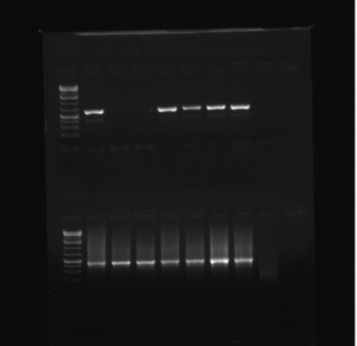
In the lab today, I was able to learn how to begin the PCR process. The first step of PCR is known as the genome extraction. This process includes collecting your DNA, which in this case includes live flies. The fly selection starts by putting them to sleep with a small amount of CO2, and then in our case separating 21 flies into 7 different tubes. The tubes are then placed on ice where 50ul of a squish buffer is added to each tube per fly resulting in 150ul per tube. The flies are then hand crushed with a small stick for 2-3 minutes, until they are almost completely mixed with the squish buffer. This step can be slightly challenging as the flies may fly out if they haven’t been properly placed to sleep. 

  After being squished, the tubes are placed in a heat bath for 45 minutes at 65 degrees Celsius before raising the temperature to 94 degrees for another four minutes. After the heating process the tubes are placed in a centrifuge where the fly debris sinks to the bottom forming a pellet. The top of the liquid in the tube holds extracted DNA, making it easy for removal while the pellet holds the remaining bodies of the flies. I thought this process was super cool, however I will not lie and say crushing the flies didn’t gross me out a bit. Next a mixture of primers, water, squish buffer and DNA was all mixed together in order to prepare for extraction. The amount of each group was dependent on the quantity of flies and whether or not they were positive for Wolbachia, which we knew from the beginning.  

After being separated and marked, the mixtures were then placed in a PCR machine which thankfully is able to perform a heating and cooling process that would take an eternity by hand. After hours the samples were amplified inside of the machine. The third step in a PCR sequence consisted of creating a gel and then loading it with DNA fragments which have been amplified in order to be visible. Once the DNA was loaded, you are able to hook up the gel inside of a gel box to a charger which allowed for electrical currents to flow through the gel so that we were able to see which DNA fragments amplified. In this case, we were testing DNA from 21 different flies. After running in the gel electrical box for 20 minutes, I took the gel out and went to an area where a light is able to shine on the gel. For the flies that had Wolbachia, a small white bar would shine back at us; those without would not shine. Results of a gel can be seen below.  

Overall, this experience has truely been the best and I am more than grateful I got to work in the Cooper Lab.  

A Semester Of Good Craic!

In Gaelic, ‘craic’ pronounced like the English word, ‘crack’ means ‘a good time’ and let me tell you, Ireland did not disappoint! I’m Brooklyn Grimm, a third year student at The University of Montana studying Elementary Education! I joined the Franke Global Leadership Initiative as an incoming freshman because I have always wanted to learn more about the world and explore other places besides The United States. My theme, Public Global Health, covers the different factors that play into the variety of approaches to Public Health and the varying challenges that may need to be overcome in order to promote Public Health in different parts of the world. For my Beyond The Classroom experience I chose to explore the Public Global Health theme further by spending my Spring 2025 semester in Cork, Ireland! There I had the privilege of taking several relative courses including ‘Intro to Public Health’ and ‘Public Health Issues’ which focused on Public Health problems specific to Ireland such as the over-consumption of alcohol and the way smoking tobacco has been normalized in most public spaces throughout the country.

University College Cork where I attended my classes!

Learning about the thoughtful ways in which Ireland has attempted to minimize alcohol consumption and unhealthy habits throughout the population was an eye-opening experience for me. One concept that really stuck with me throughout the semester was the importance of brainstorming ways to promote health without causing a larger social divide between differing demographics. For example, one approach to minimizing alcohol consumption was to raise the price of alcohol, however, some concern is shown now for those who may be experiencing an addiction to alcohol. Realistically, these individuals are going to find a way to drink it and raising the price of alcohol may only lead them to a darker financial place than before.

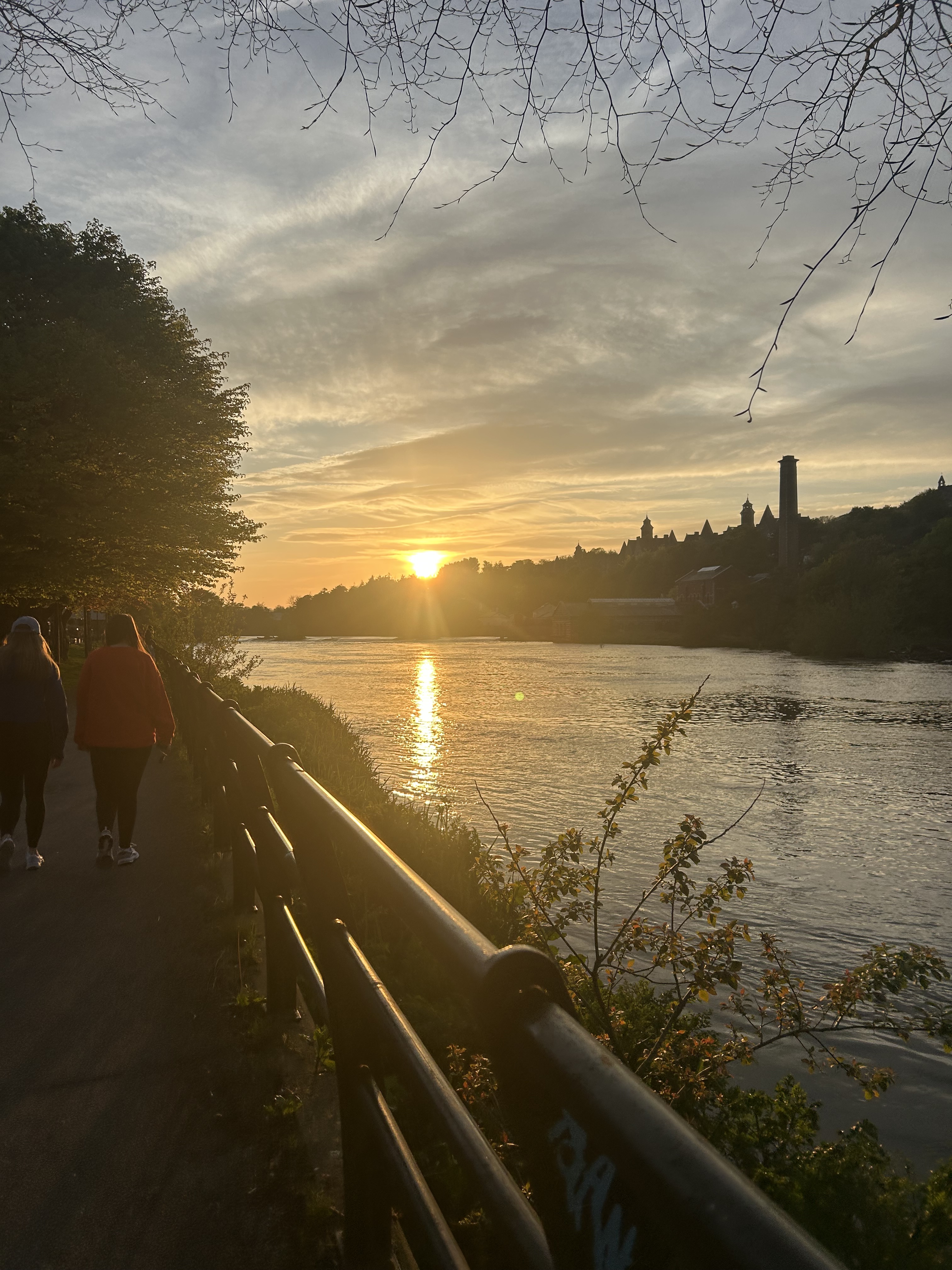
The River Lee I got to walk every morning with one of my closest abroad friends!

Aside from broadening my perspective on the Public Global Health theme, this study abroad experience altered my perspective on life as a whole. I had the opportunity to meet loads of people from diverse upbringings and cultural norms and learn more about how these things impacted them and their worldview. I made friends with other fellow Americans and in addition, I met people from Argentina, France, Germany, The Netherlands, Finland, Canada, and of course, Ireland! I would not trade the sunset picnics, coffee runs, beach days, craft and cooking nights, Irish roadtrips, and insightful conversations I had with these new friends for the world! Cork, Ireland is truly a sweet place with a mix of city and small town vibes and I loved getting to live there for those short four months of my life. I am simply overwhelmed with gratitude for this incredible opportunity and the fact that I have so many reasons to hopefully visit Cork and Europe as a whole again!

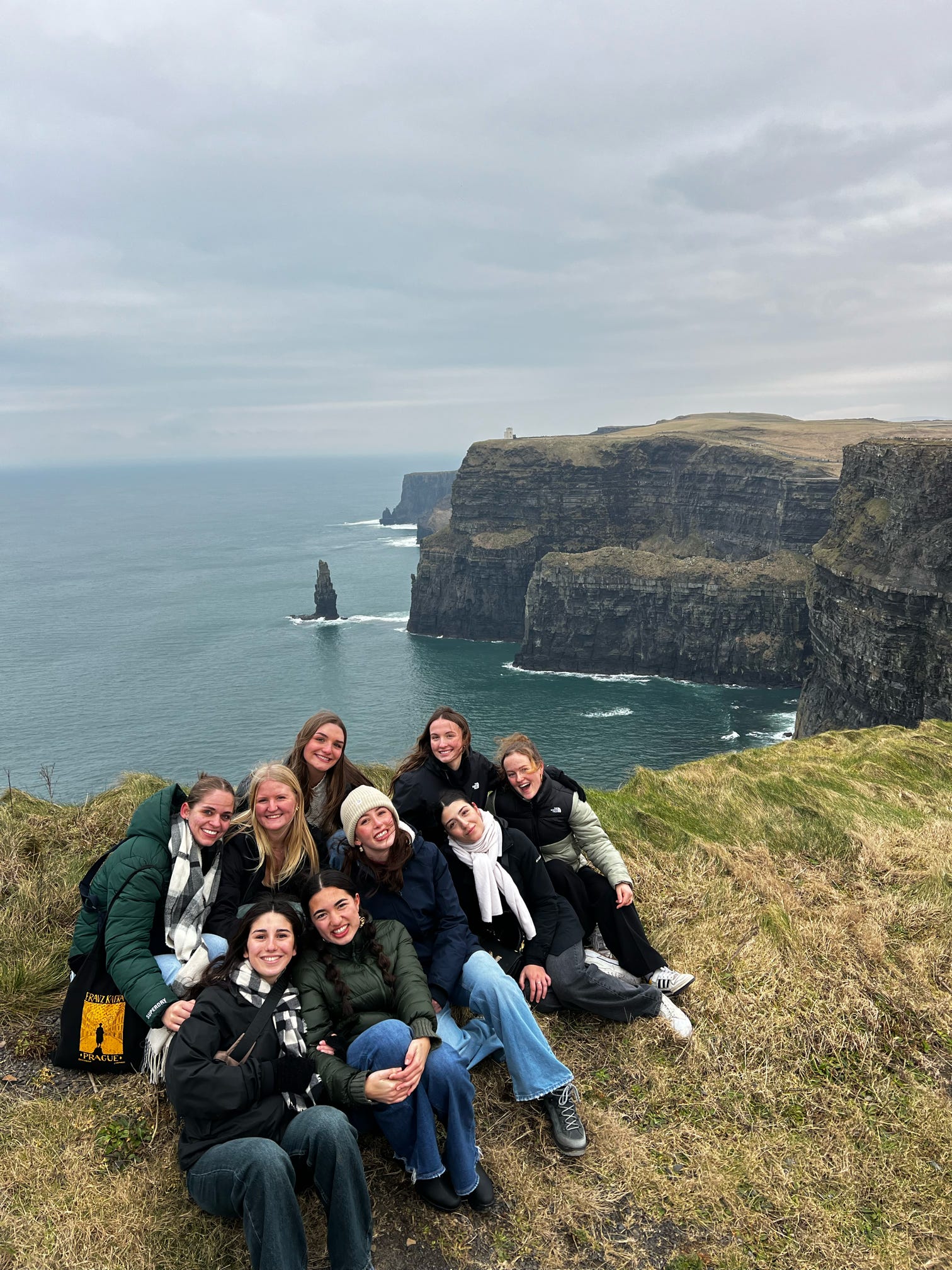
A portion of my new international friends at the Cliffs of Moher!

From Tāmaki Makaurau to Piopiotahi: Envisioning Sustainable Futures in Aotearoa New Zealand 

Kia ora, hello! My name is Maiya, and I am a senior at the University of Montana studying Wildlife Biology with a Climate Change Studies minor and certificates in Nonprofit Administration and Global Leadership. For my Beyond the Classroom experience, I studied abroad in Wellington, Aotearoa (New Zealand) at Te Herenga Waka (Victoria University of Wellington). My Global Theme is Resources and Sustainability, and during my time abroad, I immersed myself in learning about New Zealand’s sustainability and climate goals and the history and culture of the Māori people. My classes at Te Herenga Waka covered a vast range of climate change impacts in Aotearoa and I furthered my learning outside of the classroom by having conversations with local people, visiting a diversity of natural spaces around the country, and experiencing the critical nature of having a connection to place. 

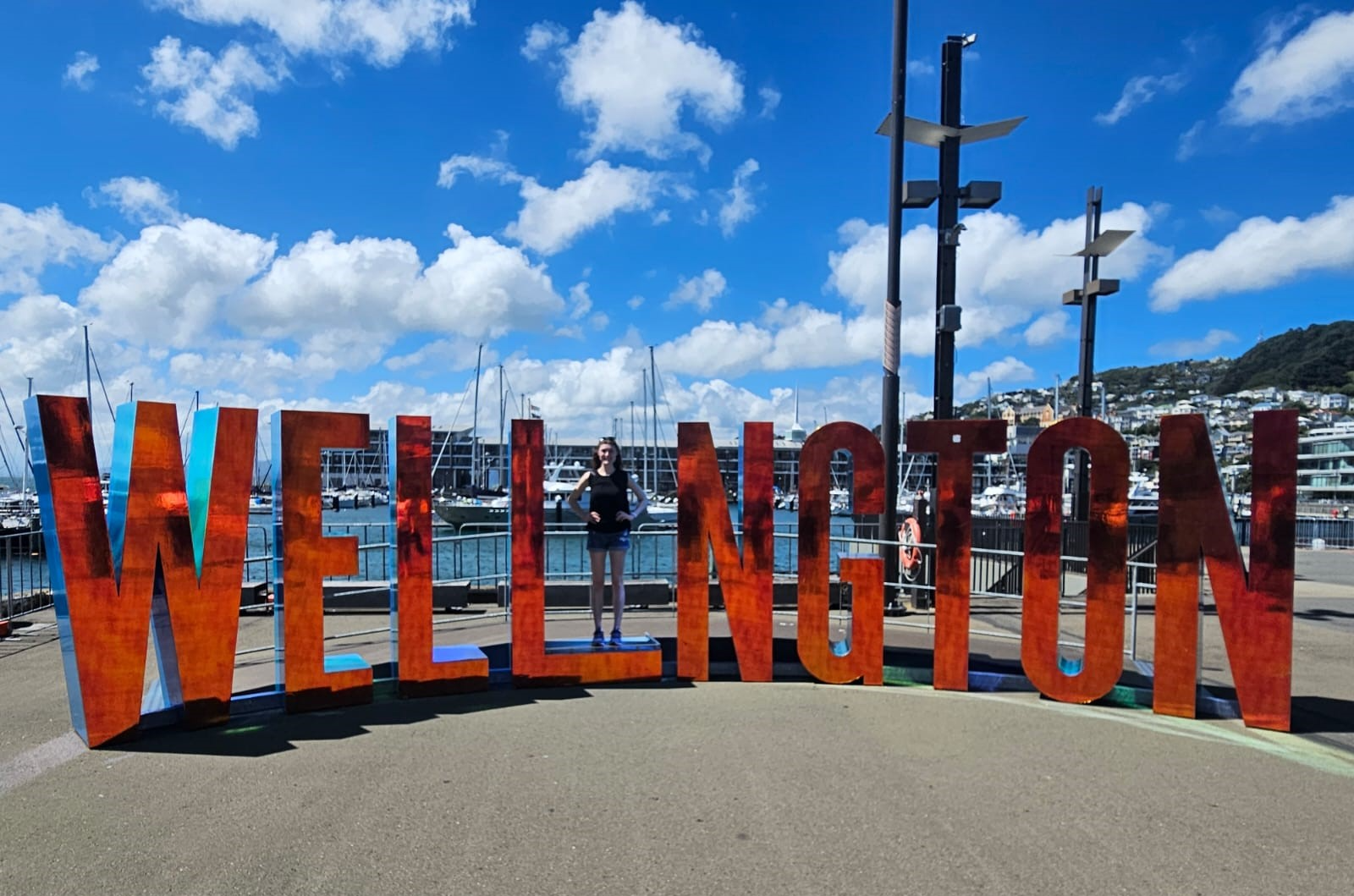
The famous Wellington sign in the country’s capital city.

New Zealand is home to tens of thousands of endemic species, meaning that certain plants, birds, reptiles, and other organisms are found nowhere else in the world. Being an island nation, Aotearoa also hosts a diversity of marine life, including dolphins, whales, seals, sting ray, fish, and marine invertebrates. Being from the United States which is not geographically isolated in the same manner as Aotearoa and not having had a lot of prior knowledge of endemic species, it was incredible to witness the plant life and wildlife that are Native to the country. Students and professors in the Ecology and Biodiversity Department at Te Herenga Waka nearly always refer to species with their names in Te Reo Māori (the Māori language). For me, this was a learning curve at first, as Indigenous language has never been a part of my education due to the systemic colonial thinking embedded in US academic culture. It was a beautiful and transformative experience to learn to speak about the land in Te Reo Māori. I will remain committed to decolonizing language and systems of thinking in my field of conservation, and I will challenge myself and others to continue to learn in this way, for it is so important to the knowledge of people, place, and our relationship to the natural world. I initially arrived in New Zealand thinking that policy would be my primary focus with regards to conservation and climate commitments, but came to be reminded of the importance of turning to Indigenous leaders for lessons in how we care for the Earth. From Pīwakawaka to Kererū, Ruru to Kārearea, and Kauri to Rimu, my time in Aotearoa expanded my understanding of the possibilities for the future of conservation and only made me love wildlife more. How can I continue to honor Indigenous tradition in my education, my career, and throughout my life? How does language shape the way we view the natural world and our vision for the possibilities of a future that exists in symbiosis with the planet?  

Hiking near Marlborough Sound outside of Waitohi Picton.

In addition to the unique wildlife and plant communities of the country, the geography of Aotearoa is absolutely stunning. Highlights of my time there include a weeklong bus trip across the scenic North Island with other students and solo travelers that took me from Tāmaki Makaurau (Auckland) to Te Whanganui-a-Tara (Wellington). Along the way, we stopped at the famous Cathedral Cove, Karangahake Gorge, Waitomo glowworm caves, Huka Falls, Tongariro National Park and Lake Taupō. I also greatly enjoyed my time on the South Island at the end of my trimester, as I travelled from Tāhuna (Queenstown) to Waitohi (Picton). Experiencing the splendor of Piopiotahi (also known as Milford Sound) on the South Island was one of the most magical moments of my time abroad because witnessing largely untouched and protected wilderness such as that is so extremely rare and precious. And of course, visiting a Kiwi bird rehabilitation sanctuary in Tāhuna is another special memory from the South Island. 

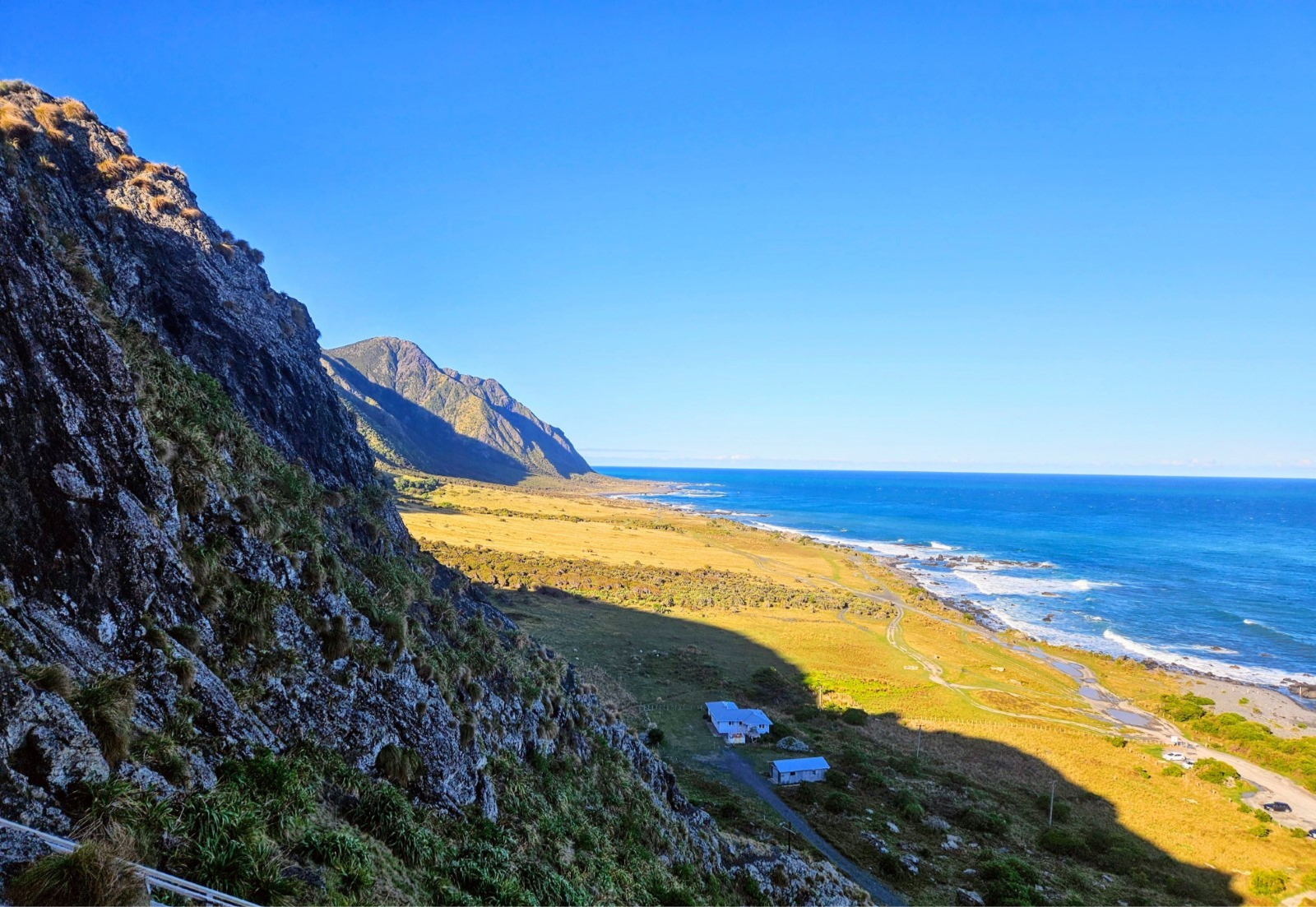
The southernmost point of the North Island at Cape Palliser, Aotearoa.

My time in Aotearoa challenged the way that I think and enhanced my ability to evaluate how language shapes our relationship to the world and each other. I met some incredible people who welcomed me to a new place with compassion, curiosity, and warmth, and for this welcome I will always be grateful. I found joy in learning about species I had never known, like the Tuatara, hiking to an eight-hundred-year-old Rimu tree and stumbling upon a huge Fur Seal community at the southernmost point of New Zealand’s North Island. I believe we should always learn from our local, national, and international neighbors with humility because there is a lot to know, and it is always worth taking the time to listen. I am tremendously grateful to the Franke GLI for helping to make this experience possible and for encouraging me to seek unique paths along my educational journey that open doors such as this. I look forward with great excitement to my next adventure.  

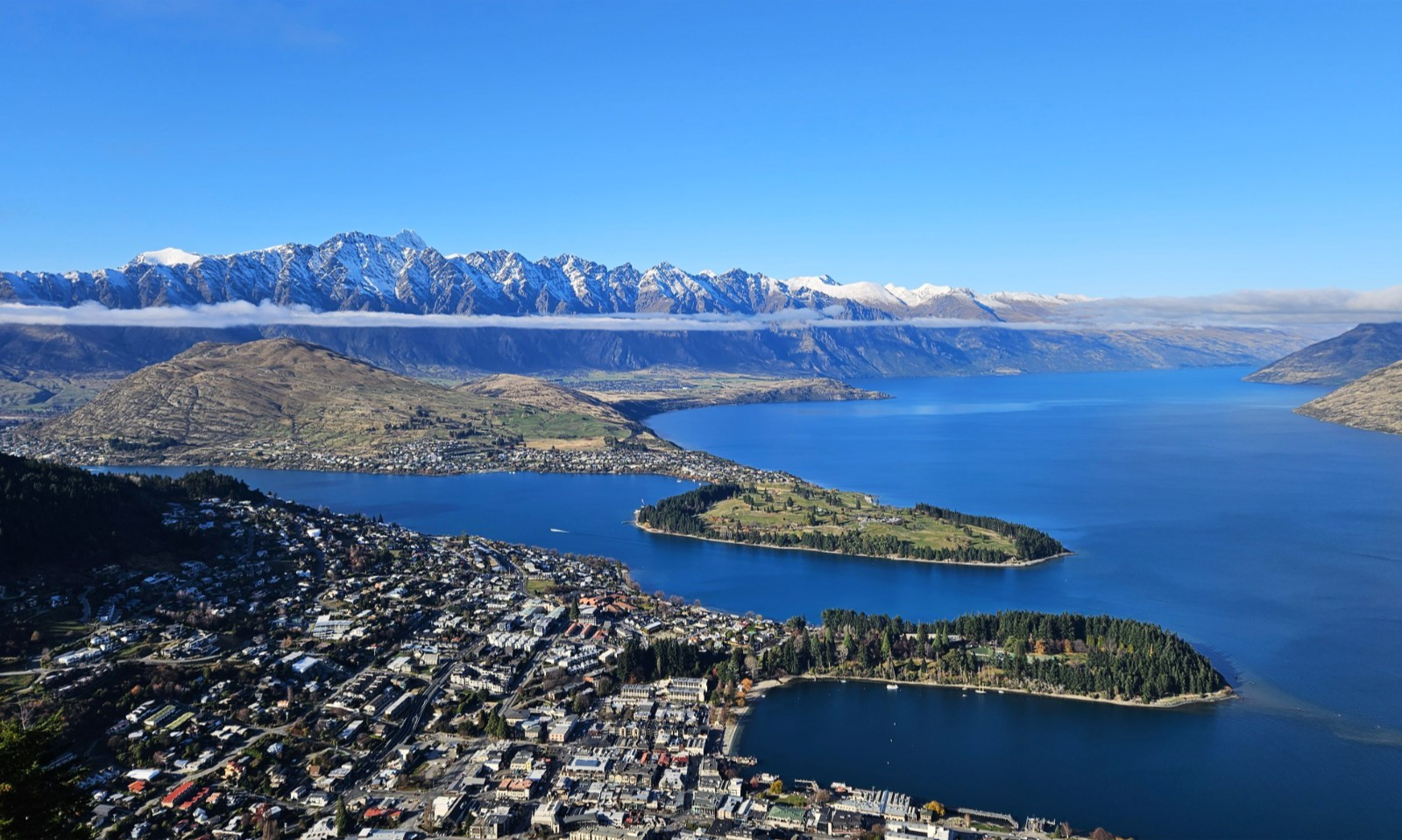
The Remarkables mountain range in Tāhuna Queenstown, Aotearoa.

A Semester in the High Arctic

Hello! My name is Brandon, a junior at the University of Montana where I’m majoring in Wildlife Biology with minors in Wilderness Studies and Climate Change Studies. My Beyond the Classroom Experience took place over the Autumn 2024 semester, where I had the incredible opportunity to study at The University Centre in Svalbard (UNIS) located in Longyearbyen, deep in the high Arctic north of Norway.

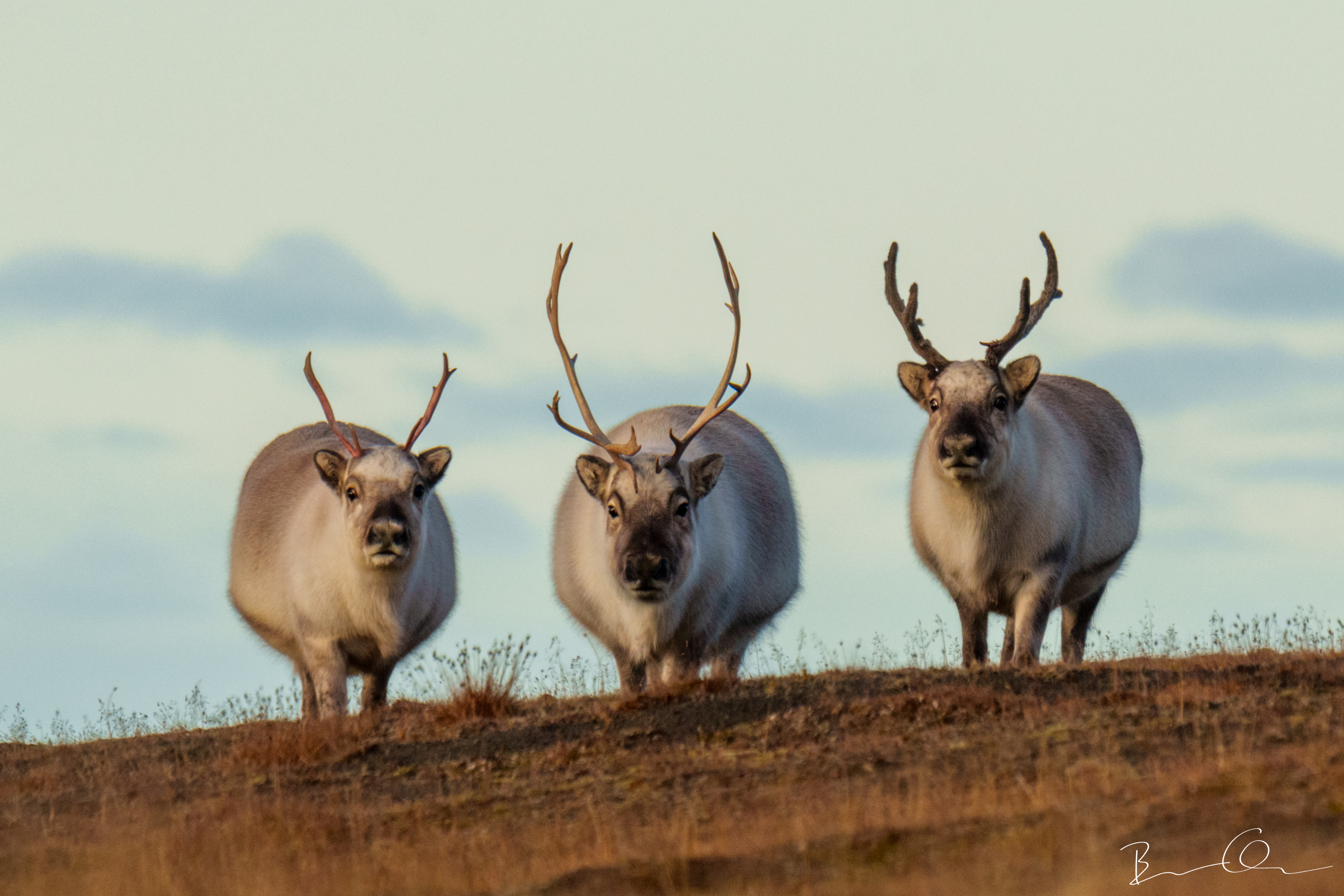
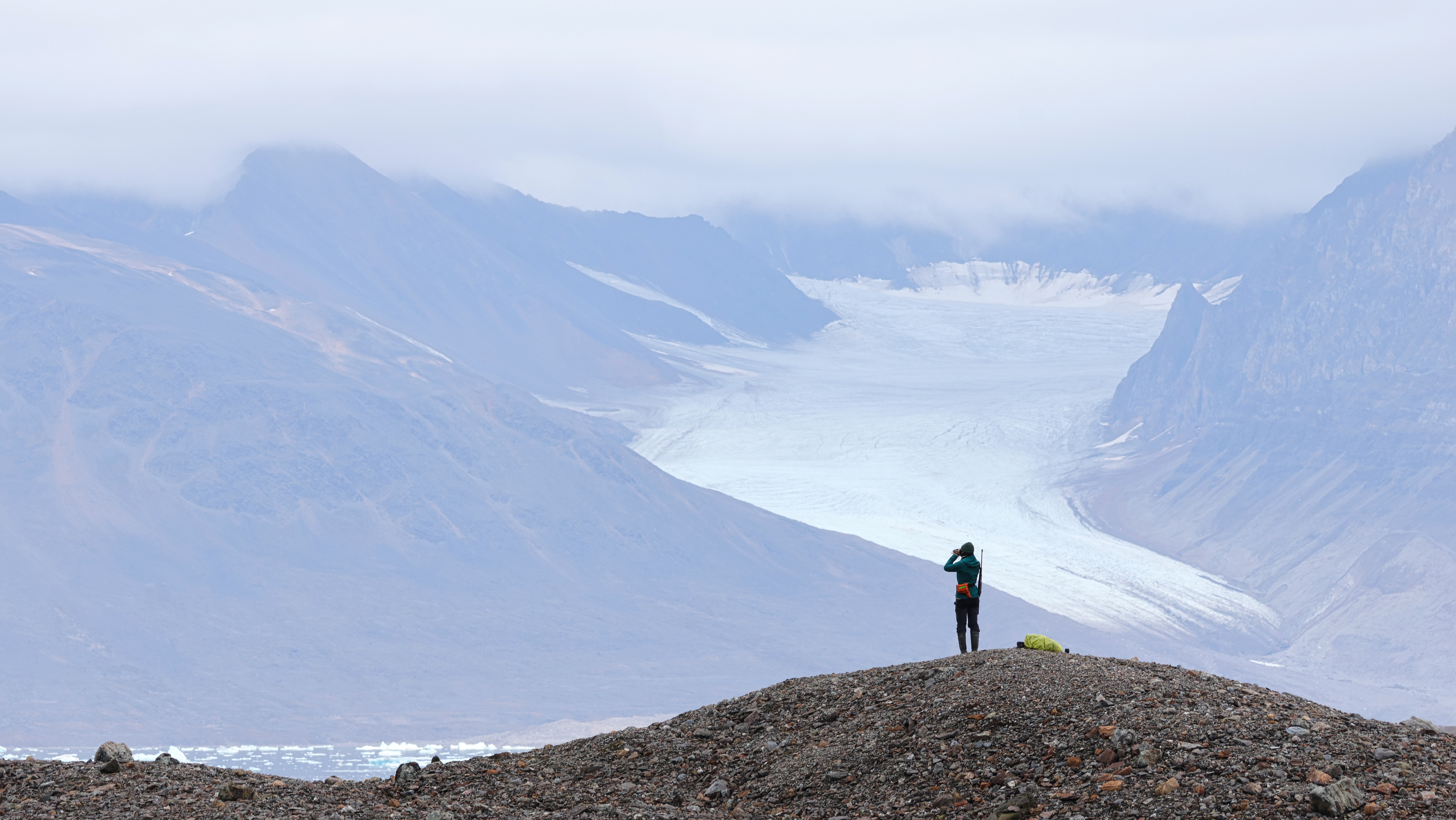
Svalbard is a remote archipelago that sits at a high latitude, providing unique opportunities for studying biology. My semester started in July and ran through December, allowing me to experience the midnight sun, where the sun remained above the horizon until late August. Following this, the polar night began in late October, when the sun ceased to rise, and by mid-November you could see constellations even in the middle of the day. These extreme seasonal shifts underscored the unique adaptations required by local wildlife to survive. One particular example of this is the Svalbard Reindeer, think of the pony version of a caribou and, well, you get the Svalbard reindeer, scientific name of Rangifer tarandus platyrhynchus, directly translating to “flat-nosed reindeer”, which is a good description of this peculiar critter who certainly has shortened extremities to help with heat retention through the cold, windy winters.

This photo was taken on October 24th, the last day that the sun rose above the horizon.
The stumpy and delightful Svalbard reindeer.


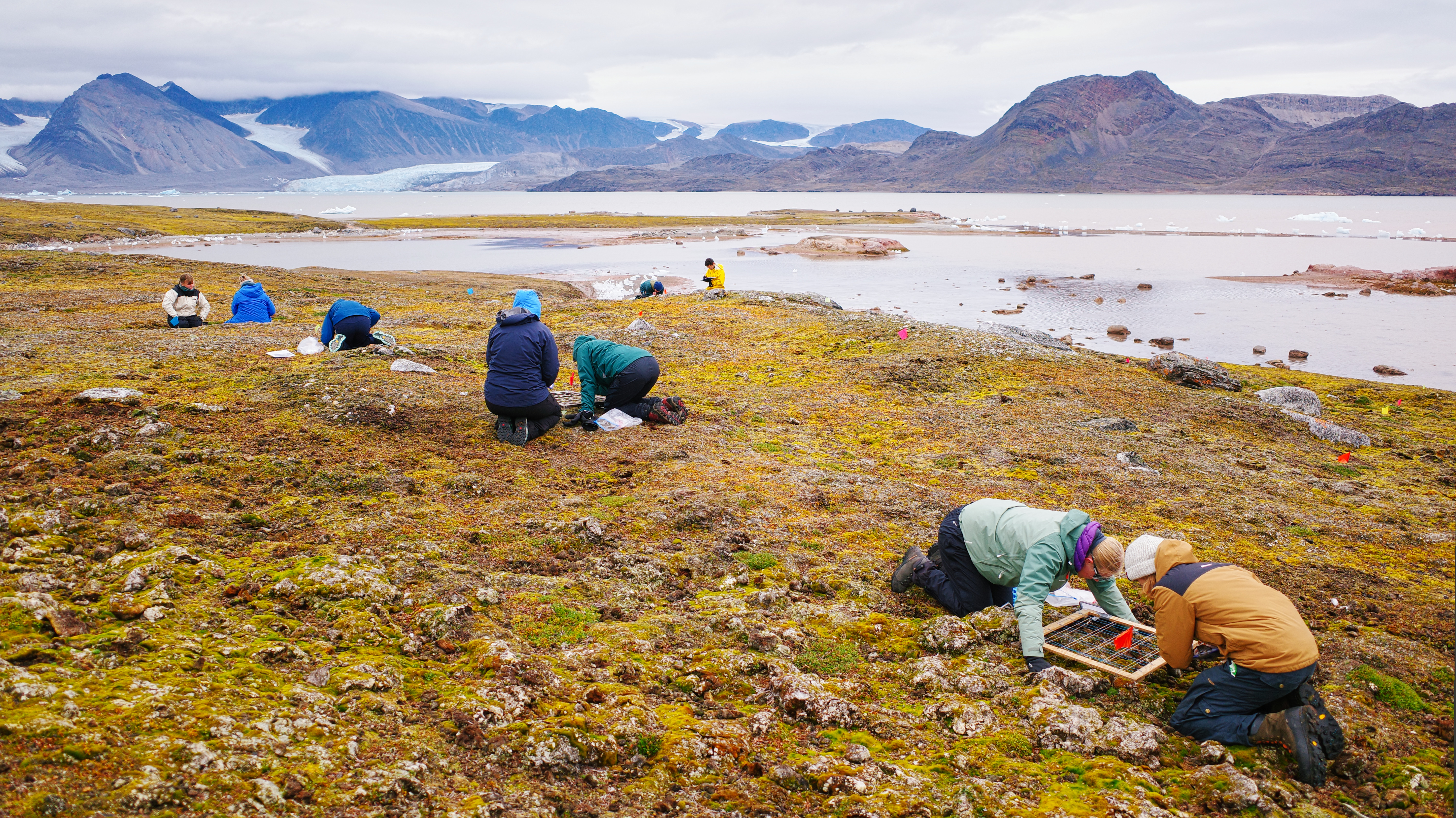
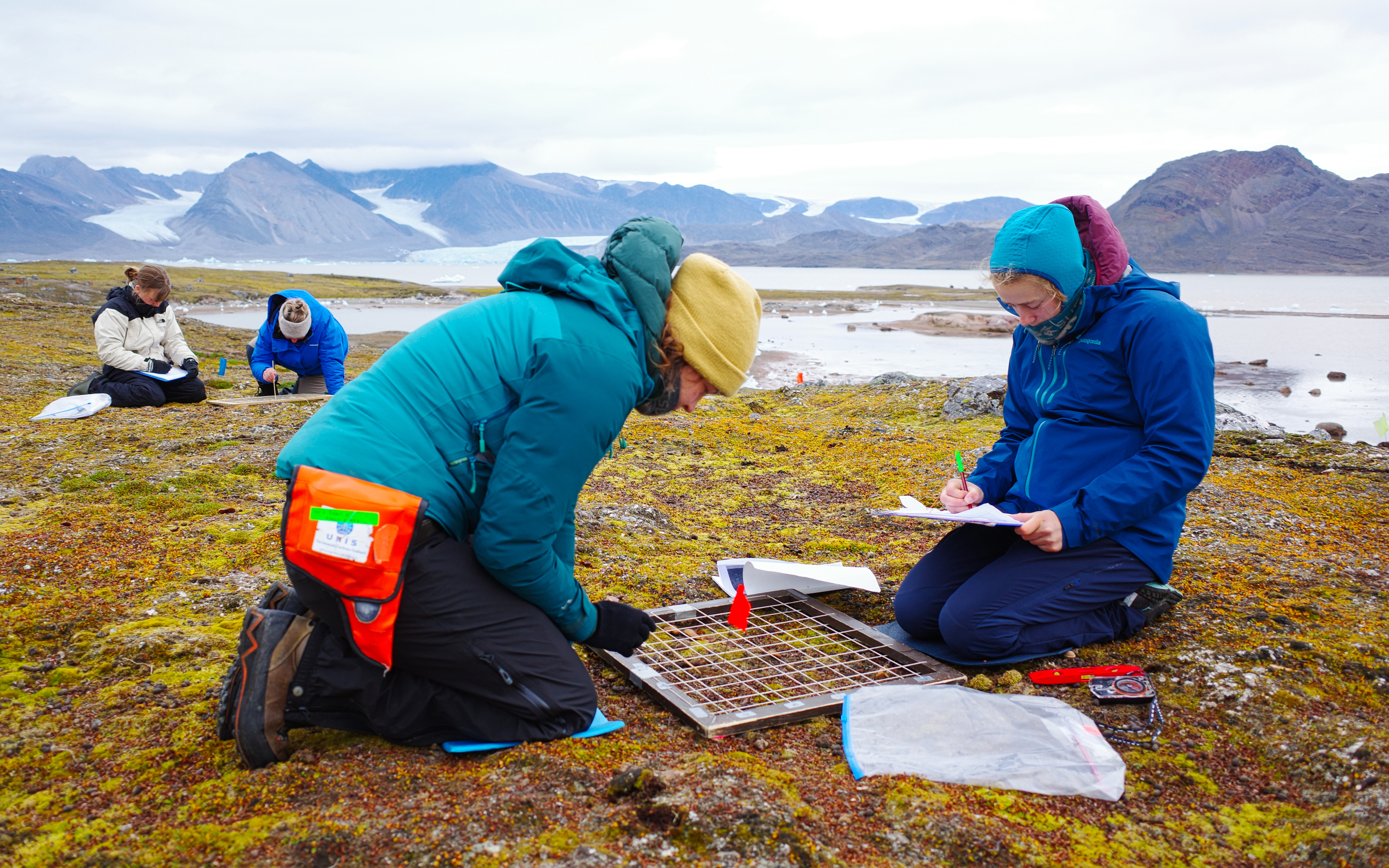
My courses in Arctic Biology and Arctic Population Ecology were had a large field component. We regularly ventured into the field to conduct surveys, implement sampling methods, and analyze our findings back in the laboratory. The impacts of climate change were a constant theme, particularly significant in Svalbard, which is warming faster than any other place on the planet due to the effects of Polar Amplification.

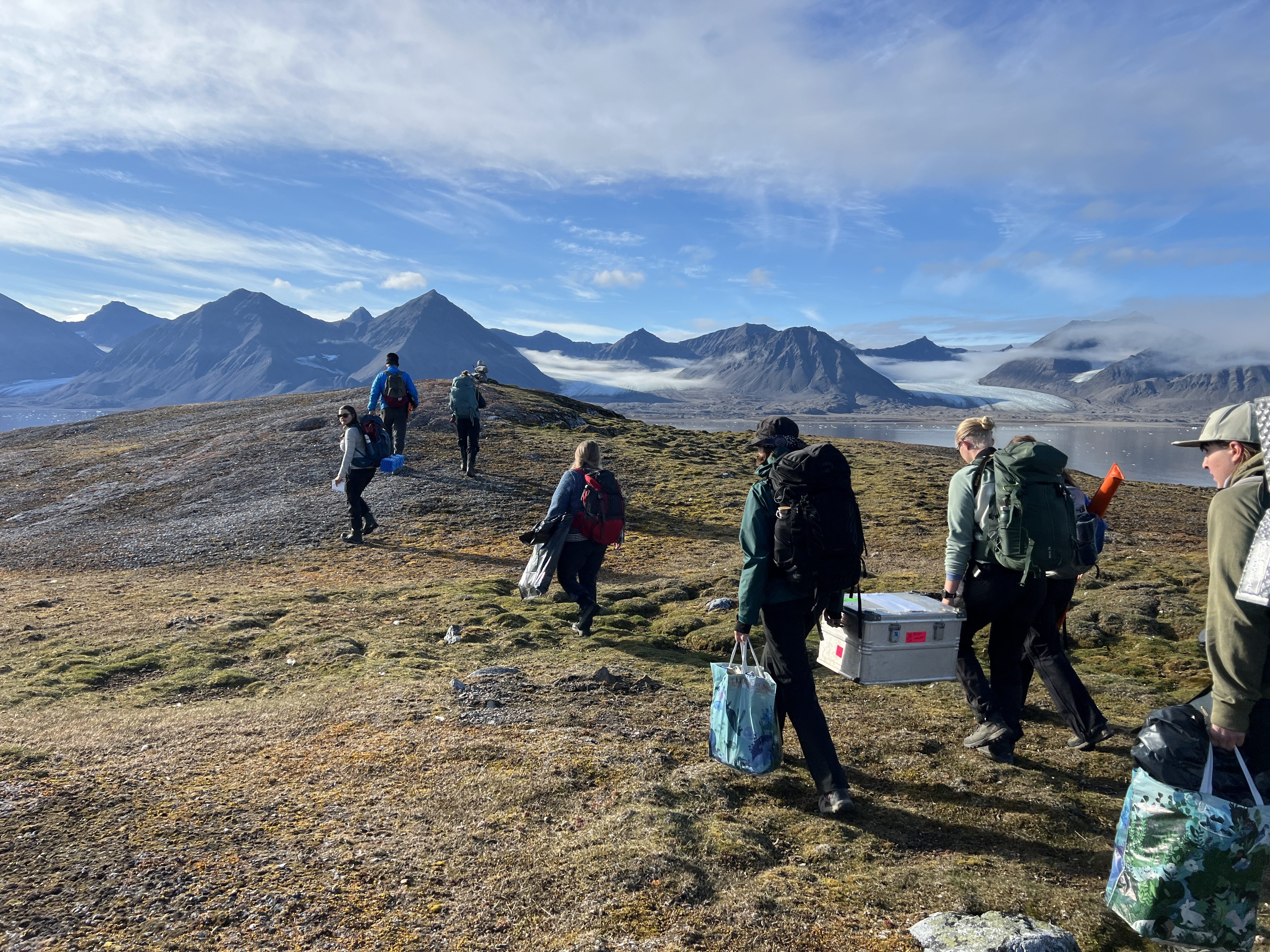
Packing gear to the site for a day of surveying and taking samples.
Conducting vegetation surveys.
Polar bear watch was an important part of fieldwork, a task which we did in shifts.

Pursuing a career in international conservation aligns closely with my GLI theme of Resources and Sustainability. This experience deepened my understanding of how different countries and cultures approach conservation. Lectures from experts from around Northern Europe offered insight into alternative approaches to resource management and conservation, emphasizing the importance of adaptability and international collaboration in our global fight against environmental degradation.

A significant component of our program involved breaking into groups to tackle specific scientific questions through field and laboratory research. This not only honed my technical and analytical skills but also developed my leadership abilities, as it required orchestrating complex logistics and promoting teamwork in a dynamic environment. One memorable moment was when our plans were abruptly changed due to a polar bear napping on the route to one of the sites we were surveying—a vivid reminder of the unpredictable nature of Arctic fieldwork.

A hot topic in the media that directly relates to my studies is the debate over deep sea mining (DSM), particularly around the thermal vents in the Arctic Ocean. These vents are critical to unique and fragile ecosystems and are now at risk due to increased resource exploration facilitated by the melting polar ice caps. The exploration itself, not just the mining, poses significant risks to these ecosystems, from physical disturbance of the seabed to potential chemical pollution.

My time in Svalbard has been nothing short of transformative, deepening my commitment to conservation and my understanding of global environmental challenges. As I continue my academic journey and move towards a career in international conservation, the lessons learned here will undoubtedly shape my approach to both leadership and collaborative international efforts.

A mom polar bear with her cub, feeding on a reindeer carcass in front of a glacier. Reindeer predation is a recent development in polar bear behaviour, likely linked to the retraction of sea ice.
A closer look at the mom and cub polar bears.
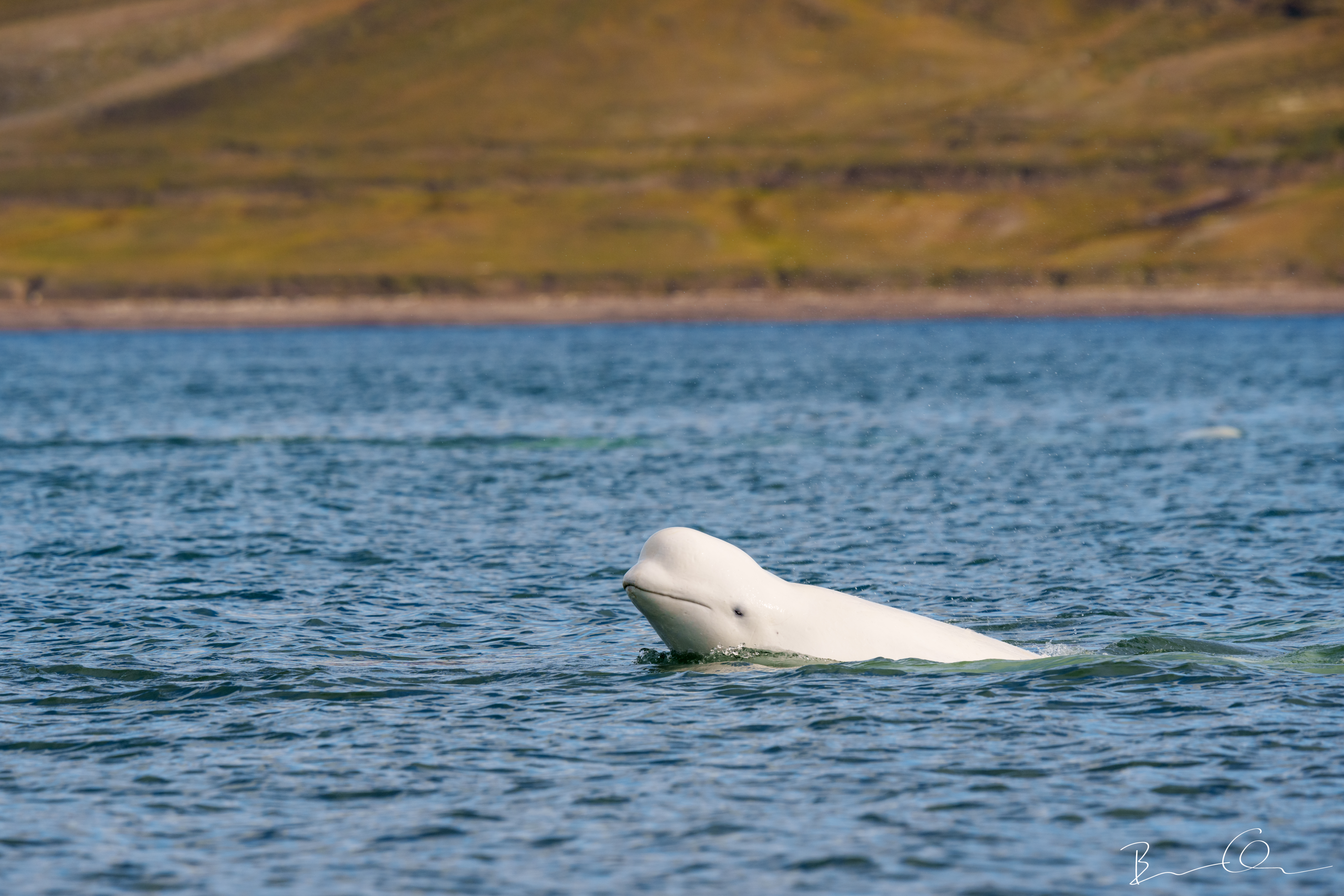
A pod of beluga whales in the Adventfjord, just outside UNIS

Studying Abroad in Cork, Ireland

Hello! My name is Daniel Martin, and from September to December 2024 I studied abroad in Cork, Ireland at University College Cork (UCC). My global theme is Resources and Sustainability, and my global challenge is how to use governmental policy to solve environmental problems such as climate change, especially in rural states like Montana. I used my experience to better understand and work towards the resolution of my challenge because Ireland is a vastly different place than Montana, and by understanding its environment, people, and issues, I could prepare for similar analysis back home in Montana. A key part of my experience was a class I took at UCC called People, Places, & Politics: Ireland 1660-1960. In this class, we took a deep dive into understanding Ireland’s past and present through the lens of the country’s relationship between environment and people. In one particular lesson we looked at how land was used by various groups throughout Ireland’s history to control populations and how those policies were able to enact, or failed to enact, lasting change in Irish history. 

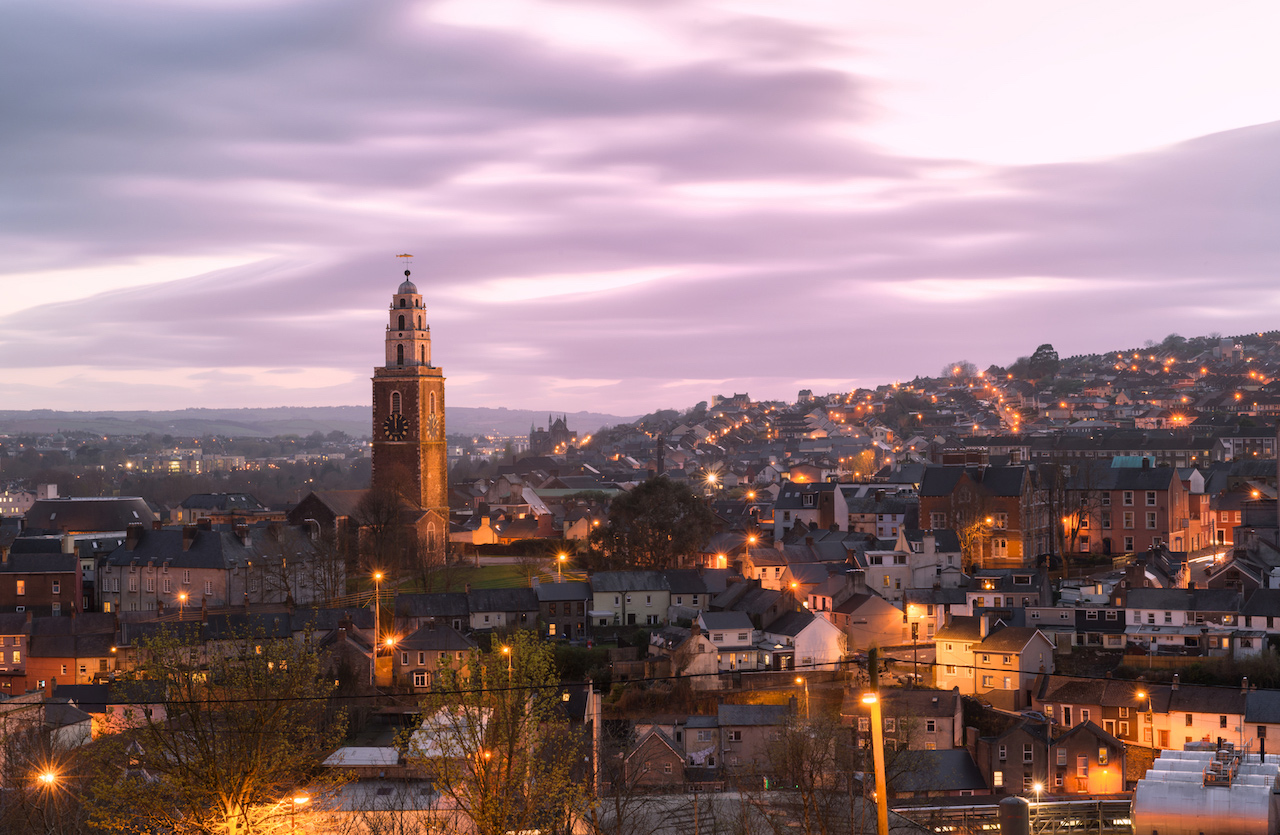
Cork City at Dusk

Alongside the courses I took at UCC, I also learned innumerable things from travelling throughout the country and experiencing the environments and communities that existed in Ireland. From the rocky coasts of County Sligo to the hilly farmland of County of Meath and from the distinctively British culture of Northern Ireland to the Irish-speaking areas such as the Dingle Peninsula, I was able to take my learning outside the classroom for an even more amazing experience. I was also fortunate enough to travel throughout Europe, where I expanded my cultural immersion. On one particular trip I visited Brussels and visited the headquarters of the EU, an organization whose climate and environmental policies, including their Net Zero plans, were key to understanding Europe and Ireland’s approach to climate change and sustainability.

One of the coolest things about Ireland I learned while on my semester abroad is that Ireland’s nickname, the Emerald Isle, is partially due to its prime environment for growing grasses. All this grass allows Ireland to be a world leader in wool production, which it uses for its famous sweaters, and butter production, thanks to the especially productive dairy cows on the island.

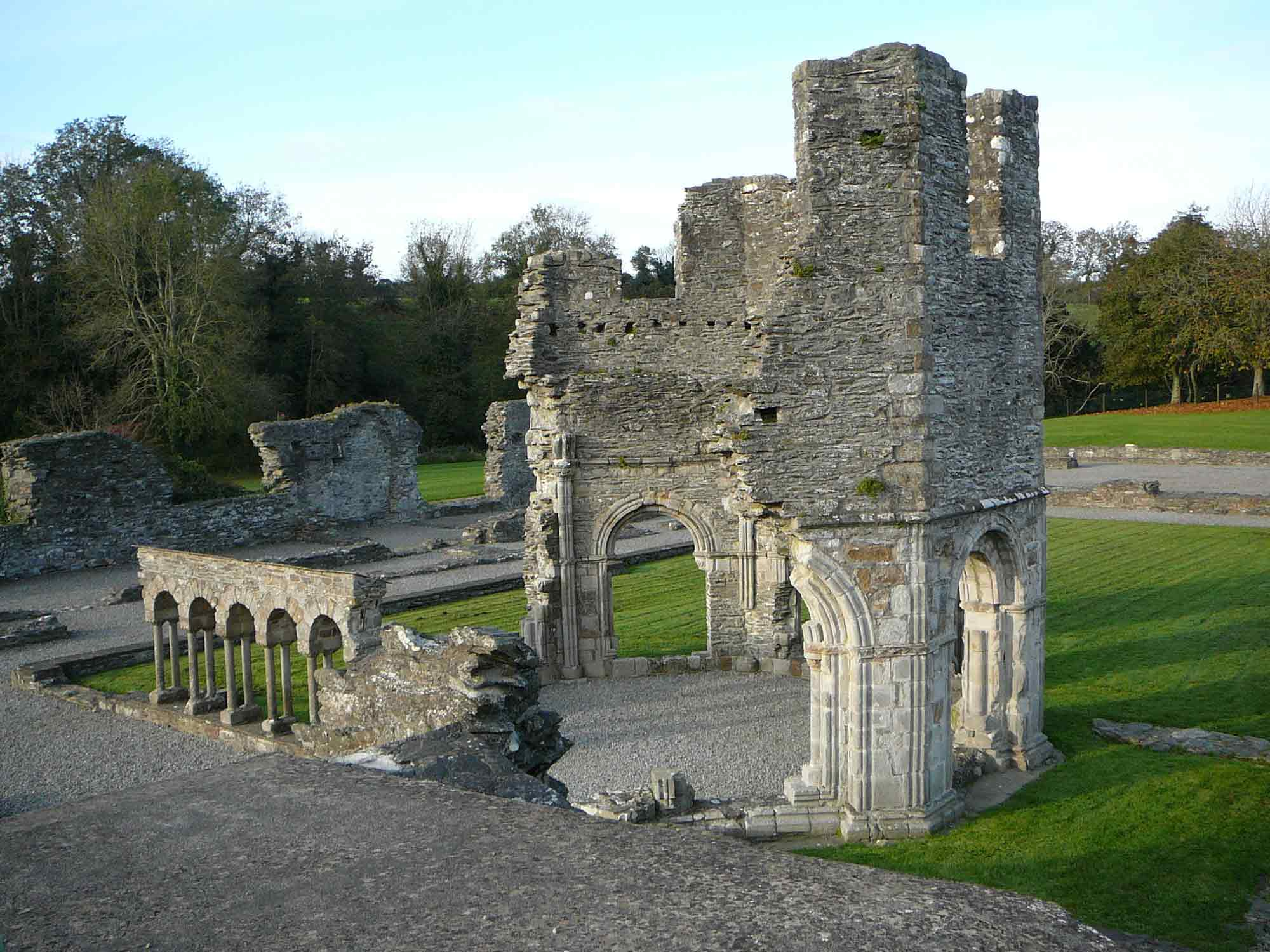
My favorite part of the semester in Ireland was exploring the incredible outdoor opportunities the country offered. In one of my favorite trips, I took the train from Cork to a city north of Dublin called Drogheda, not far from the border with Northern Ireland. Beginning in Drogheda is a long-distance hiking trail called the Boyne Valley Camino, which is part of the larger Camino de Santiago in northern Spain. I spent an entire day hiking this trail, which took me through lush farmlands, ancient battlefields, and finished at a Cistercian Abbey from 1142. This hike allowed me to truly experience the Irish outdoors while also exploring the rich history of Ireland.

The Ruins of Old Mellifont Abbey near Drogheda, Ireland

Me on a trip to the Aran Islands, off the coast of Galway

As I reflect on the 16 weeks I spent in Ireland, it is amazing to reminisce about everything I experienced, all the people I met, and the things I learned. I highly recommend a semester abroad for anyone who may be interested, it truly is a life changing experience. Of course, I could not have done it without the generous support of the Franke Global Leadership Initiative, of whom I am very grateful.