
Livingstone is known as the tourism capital of Zambia. This is due to its location near various national parks including the World Heritage Site, Victoria Falls. Victoria Falls is the country’s third largest industry only behind copper mining and agriculture. The city itself is completely reliant on this industry either directly or indirectly. Local villagers profit from the falls by selling merchandize to tourists. I don’t know if a better example of globalization exists than Zambia’s tourism industry. In a formerly isolated black country, it is now common to see white tourists on the streets. In the city, many locals work to attain desirable jobs in lodging and restaurants, while others try to sell any goods they may have to tourists on the streets. This has affected the village way of life visibly as locals exploit this new market. Though village life is common, they have also modernized due to western influence. For example, the Makuni village near Victoria Falls has a paved road leading to it, has walkway signs for its dirt trails and its chief owns his own vehicle. This success is largely due to the chief working with the tourism industry to arrange for foreigners to visit villages where the locals are more than happy to give tours and sell goods. The villagers benefit economically from this practice, but It is also changing the culture and identity of these people.
Most visitors come to Zambia to visit the grand Victoria Falls. This site is the major funder of the rest of the country’s 20 national parks due to the large amount of visitors is receives. One of the major faults in the industry is that the country’s other parks aren’t well advertized by the government either domestically or abroad. The government doesn’t provide enough funding for brochures to be printed for display at the visitor centers or lodges. For example, even though Victoria Falls receive a lot of visitors, the park which surrounds the falls is hardly recognized by visitors. These are places where the industry could expand.
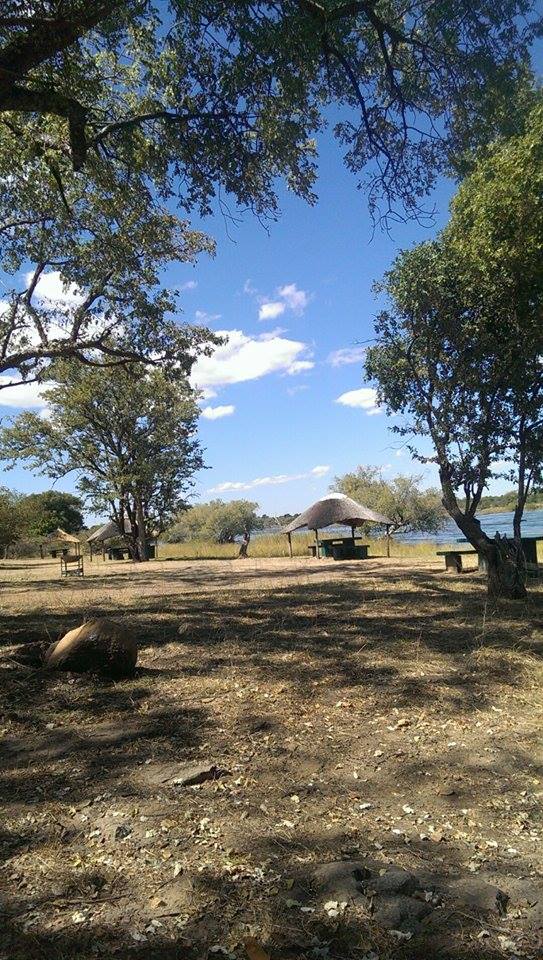
Empty picnic area, Mosi-oa-Tunya National Park
The other inhibitor to expansion is that most the money the tourism industry brings in goes to companies abroad. All lodges except one we visited were foreign owned. It’s one of the major hurdles a developing nation such as Zambia has to overcome. The lack of wealth in Zambia equates to a lack of domestic investment.


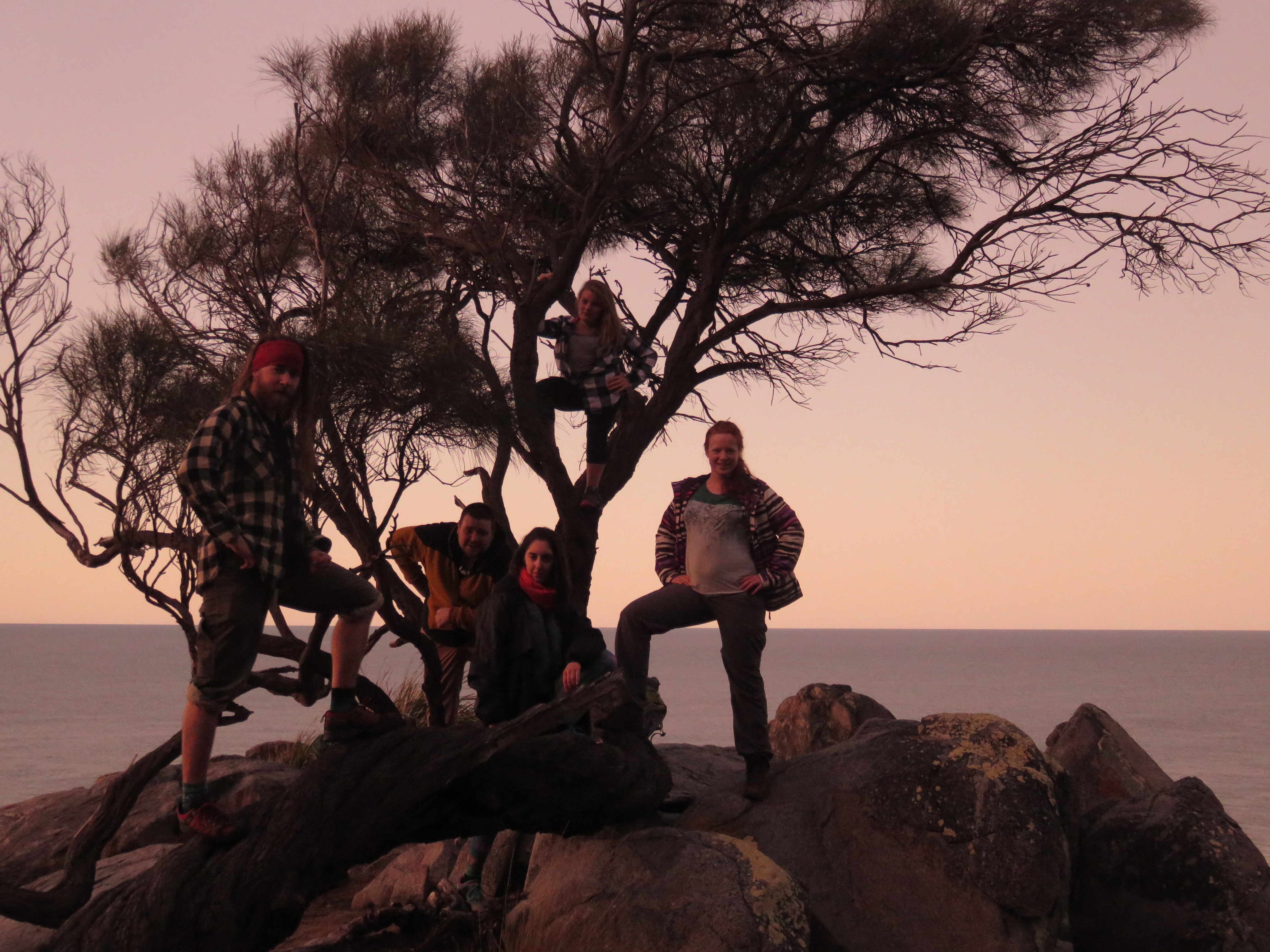


 the course of six days. The kids were kind of shy at first but by the end they were more comfortable with us and they seemed really excited to see us when we came. The lesson would be in two parts with a snack break in the middle when we could play games with them and take photos (they loved to have their picture taken). By the time of the last lesson they waited for us outside the classroom to give us hugs while we straightened up the classroom. It felt really good to have a direct impact on these kids, and even if they forget all of the details of the lessons at the very least most of them will have a positive memory associated with the themes. Norman (the leader of this part of the project) seemed really happy with how the lessons went and had a positive outlook that we made a difference in at least a few of their lives. This work was admittedly the work I looked forward to the least, but in a lot of ways it was the most rewarding and I enjoyed it a lot.
 close relationships with the people who had been mentoring us for the last two weeks to head on out adventure tour which was the second part of the month long trip with ISV. The adventure tour promised to be incredible, and it definitely lived up to that promise. We first went to a place called Glen Afric which was a great starting point. We got to meet some of their resident animals including leopards, lions, a hyena, zebra, ostrich, hippos, tigers and cheetahs. Then the next day we got to meet three of the elephants that live in the area; there was a mother named Three, and two teenagers named Hannah and Margie, one of which she adopted. We got to touch them and hug them. It was such a powerful experience I can’t really put it into words. That day we also got to visit a market and a cultural village where I tried ostrich and crocodile. Glen Afric was also a really neat place in part because at night you could hear their lions and hyena while you were in bed. Overall it was a pretty magical start to our tour.
 The next place we went to was just outside of Kruger National Park. Kruger is one of the biggest national parks in Africa with 7,500 square miles of area. We spent a whole day in Kruger and saw a ton of wildlife. I felt like we were pretty lucky too, we saw four of the big five (lions, water buffalo, elephant, rhinoceros, but not leopard), four individual cheetahs, one of the rarest birds a southern ground hornbill, a carcass frenzy and a ton more. This was one of the parts of the trip that I was looking forward to the most and it totally lived up to my expectations. It was a really incredible day.


 Beyond the Classroom