Working as a Wildland Firefighter in Central Montana

Hello! My name is Megan Vaughn, and I am a Resources and Sustainability fellow in the Franke GLI Program. For my Global Challenge, I decided to focus on how government agencies are addressing climate change and adapting to it. When planning my Beyond the Classroom Experience, I wanted to design an experience that would allow me to learn more about my Global Challenge and gain first-hand work experience. During the Spring of 2025, I applied to become a Wildland Firefighter in Central Montana to learn more about the U.S. Forest Service. While working during the Summer of 2025, I have been able to experience some of the natural disasters caused by climate change and learn how government agencies (such as the Forest Service and Bureau of Land Management) are managing natural resources. 

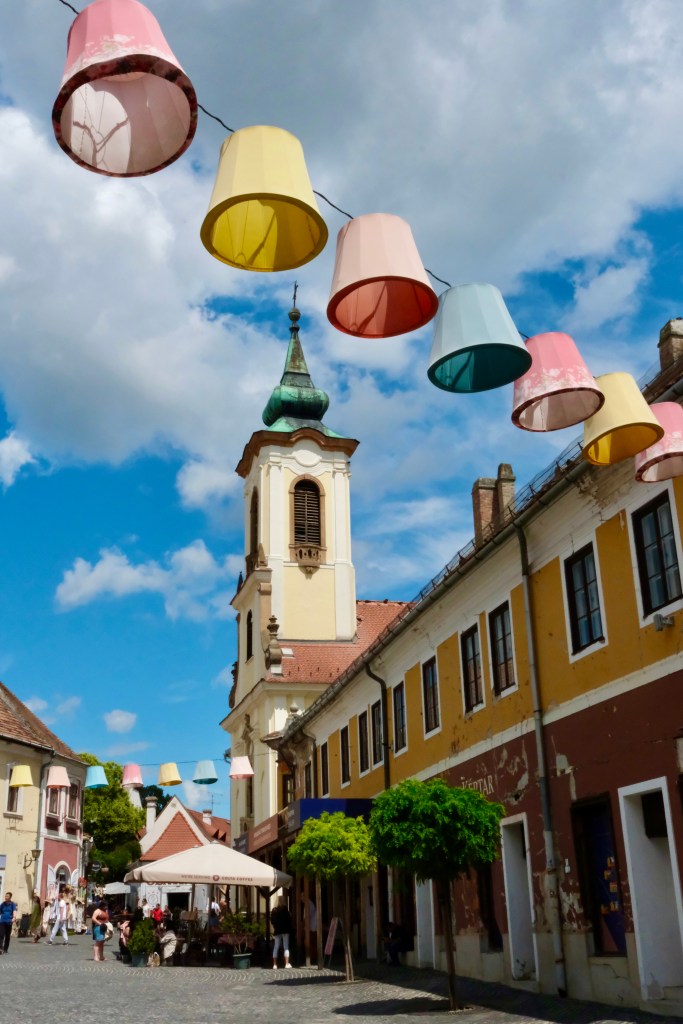
During the Summer of 2025, I worked as a Wildland Firefighter for the U.S. Forest Service in the Judith Musselshell Ranger District as part of the Helena-Lewis and Clark Forest. This is a picture of Stanford, Montana, where I was stationed for the summer. Although I had the opportunity to travel on assignments occasionally, this was my home district where I spent most of my time working. 

Despite being stationed in Stanford, MT, I have had the opportunity to also travel and work in other ranger districts across the country. During June, I was sent to Grants, NM, on a fire assignment with a couple of other members from my crew. This assignment was 14 days, not including the two days of travel to New Mexico and to Montana. The first seven days were spent on a severity assignment where we assisted the fire crew in Grants, NM, and served as a resource for any possible future fires. During this time, we were able to visit several areas of cultural importance that allowed us to learn more about the history and culture of New Mexico. 

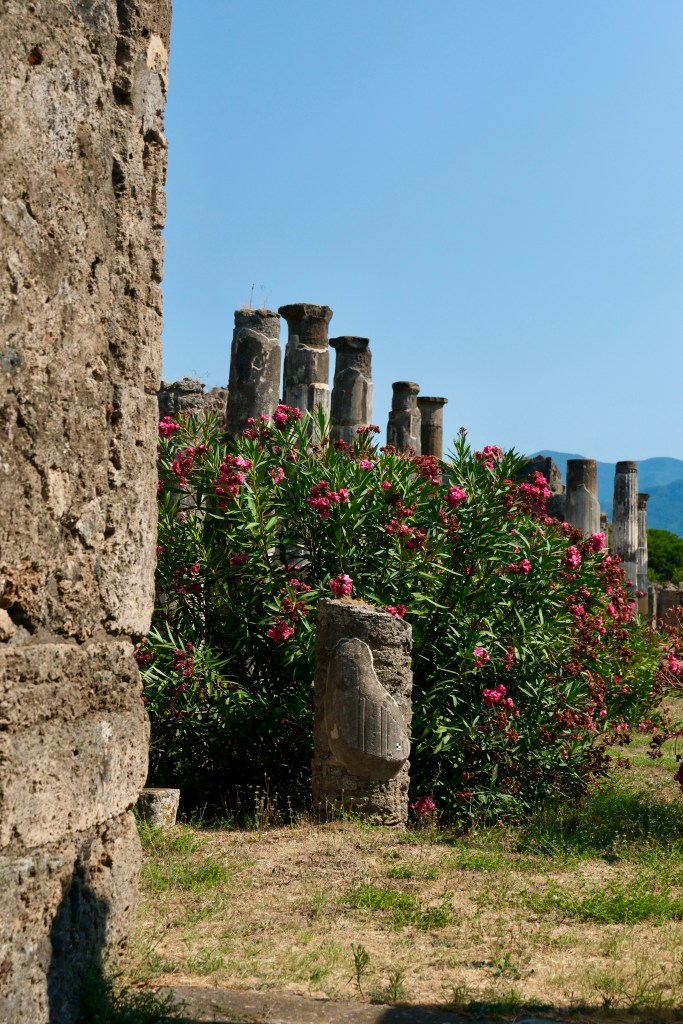
This is a picture of the ruins at Chaco Canyon National Park. During our time in New Mexico, my crew took one of our travel days to visit cultural sites and learn more about the history of the area we were working in. 

After seven days, though, my crew was requested to assist with a fire complex in Los Lunas, NM. Working on this fire complex was a valuable opportunity because it allowed me to learn more about the diverse natural resources in the Southwest United States and experience interagency cooperation firsthand. The Desert Willow Complex threatened several homes and natural resources around the Rio Grande and was extremely close to a heavily populated area. Many federal and state organizations came together to handle the situation and prevented it from escalating quickly and causing additional damage. Although state resources managed operations, resources from federal and county agencies also cooperated with one another to prevent further destruction and protect the remaining natural resources. 

Engaging with a different culture and environment on this assignment shifted my perspective on the culture I am accustomed to in Montana and allowed me to learn more about the environment in the New Mexico area. History and cultural identity, for example, play an important role in rural communities, such as Grants, NM. Natural resources are also managed differently in the Southwest United States compared to the Northern Rockies region, since there are several different fuel types in each respective area. 

This is a picture of the Cibola National Forest from the La Mosca lookout near Grants, NM. The fuel types in the region include timber, sage brush, and grass lands. 

This experience provided me with a large array of diverse perspectives surrounding climate change and managing natural resources. For example, a common argument is that climate change is causing wildfires to become more destructive and wildfire seasons to last longer. Although rising temperatures and shifting weather patterns are contributing to the change in fire behavior, they are not the only factors. Over time, efforts to protect forests have prevented large areas from experiencing wildfires for many years. This has caused large regions to become severe fire hazards and allowed smaller wildfires to begin expanding rapidly once they are started. Fuels that have not been burned or thinned for many years are contributing to the growth of wildfires and allowing them to expand beyond containment efforts. 

This experience has tremendously improved my leadership ability as I have been able to frequently incorporate my leadership skills into daily tasks. Working on the fire line has allowed me to learn how to take initiative when action is needed and rely on those around me to support the mission at hand. Engaging with diverse crews from across the nation on each new incident has allowed me to gain a new perspective on interagency cooperation and different leadership styles from across the United States. Staffing a small crew has also allowed me to improve my communication skills, as it has been necessary for me to communicate clearly and effectively with those around me to improve my situational awareness and ensure the safety of my coworkers. Taking action, engaging with different groups of people, and communicating effectively are all important aspects of leadership. This experience has shown me areas for improvement in my leadership style while also allowing me to continue developing as a leader and prepare to return to Missoula this upcoming Fall.  

I have gained an extended understanding of natural resources, agency management, and environmental values from my Beyond the Classroom Experience. However, my time working as a wildland firefighter has also made me more curious about the management of other natural resources. My experience required me to focus on different types of terrain and fuels, such as mountains, timber, desert, brush, grasslands, etc. But after working around these fuel types, I am interested to learn how different climates affect fuels found across the United States and how fire crews in other regions of the globe are responding to climate change. 

Overall, I am extremely grateful to have had the opportunity to participate in this incredible Beyond the Classroom Experience. My time spent working for the U.S. Forest Service has forever changed how I view my surroundings and completely reshaped who I am today.

Intersections Between Culture and Science in Chile

Hello! My name is Katia, and I am a senior double majoring in Wildlife Biology and Spanish with a certificate in Global Leadership. My Global Theme is Resources and Sustainability and my Global Challenge looks at what social justice or sustainability techniques can Latin America employ to combat climate change. For my Beyond the Classroom Experience, I studied abroad in Valparaíso, Chile. I had the incredible opportunity to stay with a Chilean host family which gave me a beautiful window into the culture. When I initially decided to study Wildlife Biology and Spanish, I went into college thinking there would be little to no overlap between the two areas of study. Later, I realized that studying abroad in a Spanish speaking country and taking science classes could be a great way to merge these two interests. Most of my classes will transfer back for my Spanish major, but I also had the opportunity to take a climate change class called “Medioambiente y justicia social: nuevos caminos contra el cambio climático en América Latina” where we learned about the major ways climate change is impacting Latin America and the ways in which we can begin to combat them. 

Much of what I have learned about climate change has come from a more science related perspective, and this class combined a little bit of science and philosophy which created some really eye-opening points of views for me. One of my favorite units of the class involved reading an article written about the relationship between the Mapuche, an indigenous group in Chile, and the Araucaria, a tree endemic to southern Chile and Argentina. The Mapuche have a reciprocal relationship with this beautiful tree; they sustainably harvest the seeds for food, and in exchange, they protect, care for, and honor the spaces that the trees occupy. Sadly though, a much more extractivist mindset dominates the world and the natural spaces we live in. The Mapuche can teach us an important lesson that in terms of combating climate change, perhaps one of the best places to start is a change in mindset. Instead of taking resources solely for consumption, maybe we express gratitude to the earth and its natural gifts. What ways can we express gratitude or give back to the earth?

A picture of my dad grinding wheat to make flour using Mapuche tools in a traditional home. 

Another part of that class involved a field trip to a community close to Concón, Chile, designated as a “zona de sacrificio” or “sacrifice zone.” Coal plants were built in this area, contaminating the ocean and killing ocean life, interfering with important local food sources and the economy of this town. We met with a few local women who meet several times a week to discuss ways to fight back against the government, demanding the right to a clean and safe environment. Seeing the love that these women have for their community was inspiring. After many defeats, they are still fighting for their families, their communities, and their way of life. Those women remind us of the importance of the collective voice. 

My favorite part of the study abroad experience were the moments I shared with my Chilean host family. I spoke only in Spanish with my host mom and created a relationship with her that will last well beyond my time in Chile. While abroad, I had the opportunity to reflect on the importance of cross-cultural, cross-country communication, skills that I strengthened particularly with my host mom. We went to the mercado to shop for fruits and vegetables, we went to local ferías to thrift clothes, we walked on the beach together, she taught me Chilean words like bacán, fome, cachai’, and chascona, we shared deep conversations at meals, and so much more. I know that I have a home in Chile when I want to go back and visit my new family. There are aspects of Chilean culture that are quite different. Public transportation is incredible and used by pretty much everyone. Chileans show affection and greet people using physical touch (a hug and kiss on the cheek). I think the important thing for me though was to try to not compare Chile to my life in the United States. We can appreciate the differences and try to learn about a new culture in a respectful way. 

My Chilean host mom goes by Paty, but I always call her mi querida Patita. 

My time in Chile was truly a life changing experience. I was constantly immersed in the culture, speaking Spanish and expanding my vocabulary, trying new foods, and making new friends. Chile is also unique in its geography; the Atacama desert in the north, Patagonia and huge glaciers in the south, la cordillera de los Andes to the east, and the Pacific ocean to the west. The environmental diversity is astounding, and is one of the reasons why I would love to visit Chile again. 

Parque Nacional Torres del Paine, Patagonia

Climbing the most active volcano in Chile with my fellow GLIer Rayne!

Endemic flamingo species that live in the Atacama desert feeding on crustaceans living in salt flats. Hasta pronto, Chile!

A Semester Of Good Craic!

In Gaelic, ‘craic’ pronounced like the English word, ‘crack’ means ‘a good time’ and let me tell you, Ireland did not disappoint! I’m Brooklyn Grimm, a third year student at The University of Montana studying Elementary Education! I joined the Franke Global Leadership Initiative as an incoming freshman because I have always wanted to learn more about the world and explore other places besides The United States. My theme, Public Global Health, covers the different factors that play into the variety of approaches to Public Health and the varying challenges that may need to be overcome in order to promote Public Health in different parts of the world. For my Beyond The Classroom experience I chose to explore the Public Global Health theme further by spending my Spring 2025 semester in Cork, Ireland! There I had the privilege of taking several relative courses including ‘Intro to Public Health’ and ‘Public Health Issues’ which focused on Public Health problems specific to Ireland such as the over-consumption of alcohol and the way smoking tobacco has been normalized in most public spaces throughout the country.

University College Cork where I attended my classes!

Learning about the thoughtful ways in which Ireland has attempted to minimize alcohol consumption and unhealthy habits throughout the population was an eye-opening experience for me. One concept that really stuck with me throughout the semester was the importance of brainstorming ways to promote health without causing a larger social divide between differing demographics. For example, one approach to minimizing alcohol consumption was to raise the price of alcohol, however, some concern is shown now for those who may be experiencing an addiction to alcohol. Realistically, these individuals are going to find a way to drink it and raising the price of alcohol may only lead them to a darker financial place than before.

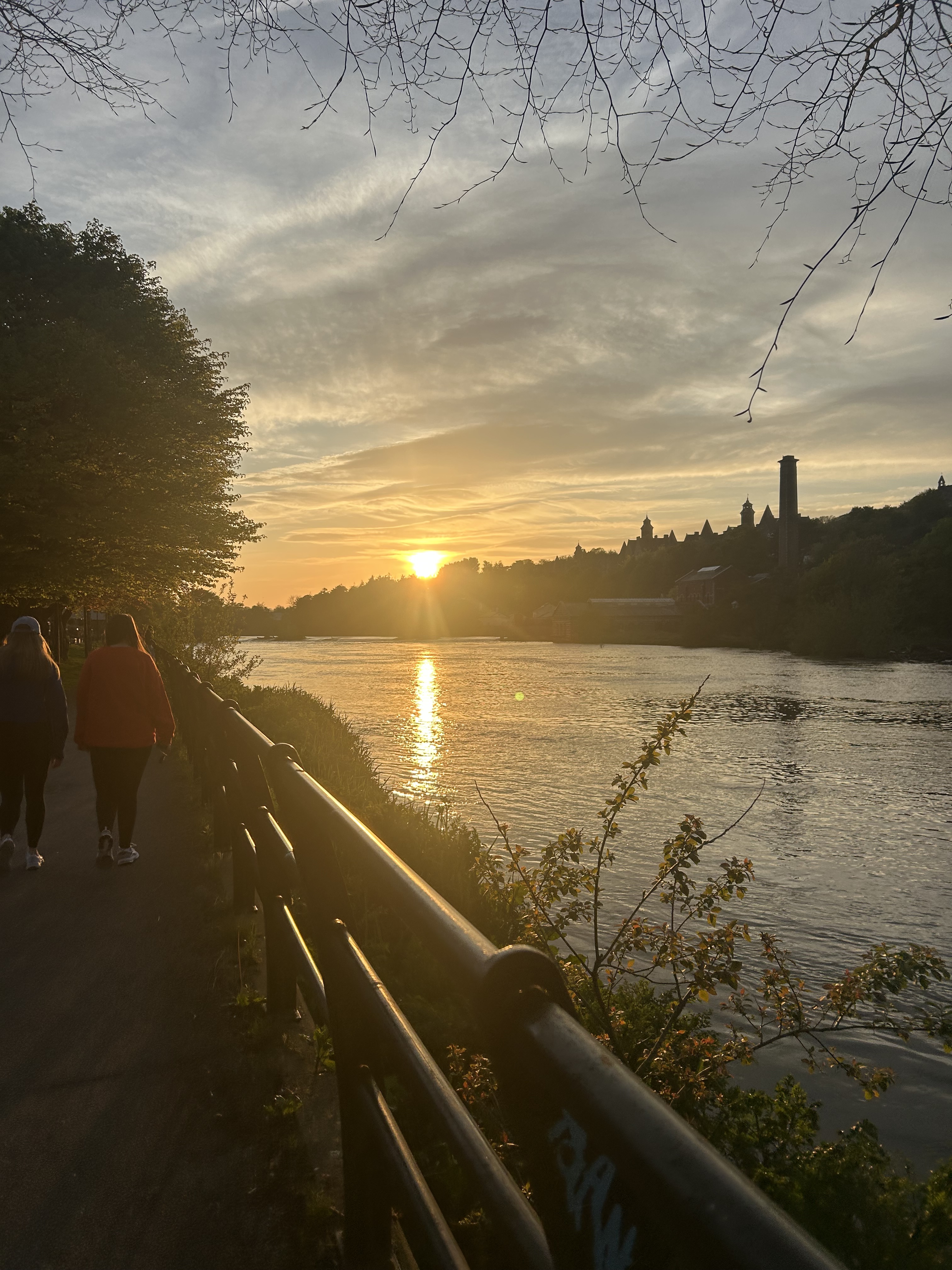
The River Lee I got to walk every morning with one of my closest abroad friends!

Aside from broadening my perspective on the Public Global Health theme, this study abroad experience altered my perspective on life as a whole. I had the opportunity to meet loads of people from diverse upbringings and cultural norms and learn more about how these things impacted them and their worldview. I made friends with other fellow Americans and in addition, I met people from Argentina, France, Germany, The Netherlands, Finland, Canada, and of course, Ireland! I would not trade the sunset picnics, coffee runs, beach days, craft and cooking nights, Irish roadtrips, and insightful conversations I had with these new friends for the world! Cork, Ireland is truly a sweet place with a mix of city and small town vibes and I loved getting to live there for those short four months of my life. I am simply overwhelmed with gratitude for this incredible opportunity and the fact that I have so many reasons to hopefully visit Cork and Europe as a whole again!

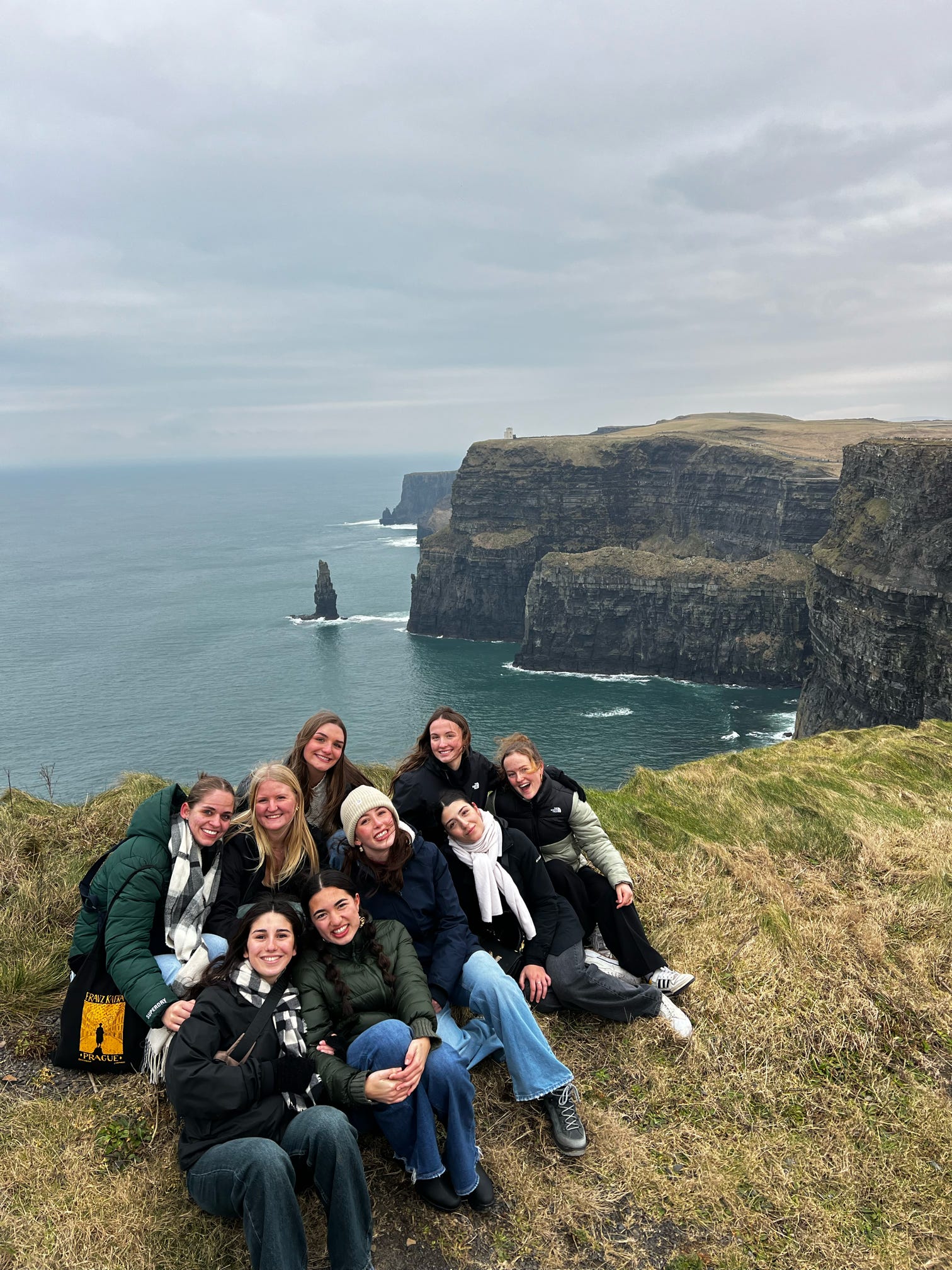
A portion of my new international friends at the Cliffs of Moher!

Summer in Sweden

Hi! My name is William Pankratz, and I’m a junior studying Management Information Systems at the University of Montana. My GLI global theme is Technology and Society, and my challenge focuses on how technology can drive more sustainable systems. This summer, I explored that theme in a big way during my internship with NORNORM, a sustainable office furniture company in Stockholm, Sweden.

NORNORM’s business model is built on the circular economy. They provide companies with Scandinavian office furniture on a subscription, then refurbish and reuse pieces to reduce waste. It’s a perfect blend of design, environmental responsibility, and technology. My role was to work with my supervisors, Ella Linden and Emil Steenhouwer, on a go-to-market strategy for NORNORM’s U.S. launch. We researched industry trends, regional differences, and customer needs, then created tailored strategies for different regions of the country.

Living in Sweden was just as eye-opening as the work itself. One moment that will always stick with me was walking through Stockholm’s city center and realizing how important sustainability is to their country, from the advanced recycling stations on every block to the bike-first street design. It made me reflect on how my own culture approaches environmental responsibility, and how much opportunity there is to improve.

This experience pushed me to think bigger about how technology, especially AI, can optimize circular economy models and make sustainable practices easier to adopt. It also strengthened my skills in cross-cultural collaboration, research, and strategic thinking.

I’m so grateful to the Franke Global Leadership Initiative Fellowship for making this opportunity possible. My summer in Sweden didn’t just teach me about business strategy, it reinforced my commitment to building a career at the intersection of technology and environmental preservation.

Barcelona!

Hello! My name is Gabbi Claxton (she/they), and my global theme focuses on inequality and human rights, complimenting my majors in Environmental Studies and Women’s, Gender, and Sexuality studies.

To be really transparent, my decision to study in Barcelona was disproportionately due to not wanting to endure another Montana-adjacent winter season, of course among other things, such as Spain and Catalunya’s rich history, social culture, governmental processes, and the opportunity for language immersion. This proved to be the right decision, as the education academically, culturally, and socially has been absolutely transformative for me, and I got to opt out of yet another winter. 

Spain is well known for their socially connected culture. This has been one of the most intriguing aspects of my time there. I believe that community and connection is a pillar of well-being often overlooked in the United States. In order to have a society of equity, sense of place, and overall mutual respect, it is crucial to understand the ways in which each individual is woven into the web of society. This is a way of being in the world that Spaniards embody. It has helped me to reject the ideas of hyperindividualism and further embrace and contribute to the creation of community in my life back in the United States. In a broader sense, I have a much more well-rounded, global perspective of functions of society and the ways in which citizens and government influence how people show up and feel supported (or lack of) in their communities. 

Barcelona’s location made it relatively accessible to travel around Europe, Catalunya, and Spain. My time spent travelling, which was as much as I was able, deepened my capacity to understand and appreciate diversity in lifestyle, culture, and perspective. Not only has that been so essential to a more nuanced viewpoint in regards to my academic pursuits, but also a more equitable and accepting way of showing up in my personal endeavors. Solo travelling opened me up to my own capacity for capability, autonomy, and independence. Travelling rejuvenated my creativity and fostered an expansive sense of adventure and self-relationship, and made me more confident in my ability to connect with others, regardless of background. 

As any abroad experience would, it did not come without adversity. Once my initial honeymoon phase had faded, I experienced a sense of loneliness and uncertainty. I had to take classes in a language I did not speak, the language barrier proved to be more socially difficult than I had thought, I felt isolated. I initially had an image in my head of how I should feel, and how I should be experiencing my time abroad, and I had felt like my little idealized bubble had popped. This isn’t being said to deter anyone from studying abroad, but it is a normal part of the experience. In hindsight, this hardship had been exactly what I needed. Overcoming these obstacles made me a more capable and resilient person. Navigating unpleasant situations skyrocketed my leadership skills, and, overall, these feelings were so short-lived in comparison to the amazing experiences and lessons learned in multiple aspects of my life. 

When I had initially gone abroad, my friends and I would always joke about the stereotypical “when I was abroad” student, and I was so convinced that it not only wouldn’t significantly change me but also I would be exempt from the stereotype (for whatever reason). Now, after being a few months returned, I can confidently say that I have changed, quite significantly. Truly, I could go on and on (and on and on and on) about the plethora of takeaways I have. I am more equipped to handle challenges, I have been able to show up more fully in many aspects of my life, and I feel just absolutely invigorated by the world around me. Beyond the Classroom provided me the space to grow in ways I didn’t even know I needed, and I could not recommend it more. 

Park Guell, Barcelona- One of the most famous works of Antonio Gaudi, a park and an art exhibit!
Interlaken, Switzerland- hiking with friends from my hostel (I am still in touch with most of them)

Costa Brava, Catalunya- Kayaking with my little sibling, they came to visit me at the end of my trip 🙂

What Has Come of Giving Kids Headphones, a Recorder, and a Blank Page

Hi! My name is Lotus Porte-Moyel. I’m a senior at UM studying audio journalism and musical theatre. My Global Theme is Culture and Politics, and my Challenge is “How audio storytelling gives youth the tools to understand themselves within their community’s cultural context.” Over the past five weeks, I’ve worked as a resident summer camp instructor at Cottonwood, a self-directed school and event space in Brooklyn, NYC. I’ve led 5-12-year-olds in creating an audio story each week, including a radio play, a reported audio story, and three episodes of a vox pop (voice of the people), where they’ve brainstormed questions, practiced interview and recording techniques, and interviewed strangers around city parks. I didn’t realize how proud I would feel watching kids do what I have learned to do over the past four years at UM! They fearlessly walk up to strangers and listen intently to each response, take notes, and reflect on the interviews to me as they walk to the next. Watching them report the vox pops has been particularly inspiring because the questions they narrowed down were, “What’s the meaning of life?” and “What do you want to do before you die?” Of course, many interviewees were surprised by the depth of these questions coming from kids. I think it made people more eager to answer.
Cottonwood is in a predominantly white, well-off neighborhood, so I think it was eye-opening for some of the campers to interview people from all over the world, from an array of backgrounds, especially hearing from people of all ages. It was probably more eye-opening for me, coming from Montana, to be honest! The campers were astute in noticing patterns in the interviewee’s responses and noticing when someone had an answer that stood out to them. The biggest lesson I’m taking away is that people of any age can be great reporters, as long as they can listen and are unafraid to be curious. The kids have taught me to be braver when I’m reporting my own stories! To report the intimidating story, to interview strangers on the street, and to embrace imperfection a little more.
Giving the campers the freedom to come up with and ask questions, operate high-quality equipment, and edit audio clips seems to make them more excited about creating stories when their “touch” is a part of it. The last and most in-depth story the campers are creating is about the park they visit every day to play. They are interviewing members of the neighborhood who volunteer to keep the space nice and strangers in the park. We’ve researched the history and are excited to interview the bird-watching tour guide tomorrow! On Friday, we will close with a listening exhibit of each story for the campers’ families to hear. I hope building these stories and practicing audio reporting has expanded the camper’s view of what they’re capable of and that they can learn so much from almost anyone they talk to. This experience has just been the best!

Campers interview a volunteer from the Friends of McGolrick Park organization for their final audio story.

5-year-old campers test out recording equipment during our first week of camp, preparing for their radio play.

Campers and I storyboard and brainstorm a script for their radio play, the first week of camp.

One camper records natural sound of a waterfall in Central Park.

Campers interview a stranger in Bryant Park (Times Square), asking “What is the meaning of life?” and “What do you want to do before you die?”

From Tāmaki Makaurau to Piopiotahi: Envisioning Sustainable Futures in Aotearoa New Zealand 

Kia ora, hello! My name is Maiya, and I am a senior at the University of Montana studying Wildlife Biology with a Climate Change Studies minor and certificates in Nonprofit Administration and Global Leadership. For my Beyond the Classroom experience, I studied abroad in Wellington, Aotearoa (New Zealand) at Te Herenga Waka (Victoria University of Wellington). My Global Theme is Resources and Sustainability, and during my time abroad, I immersed myself in learning about New Zealand’s sustainability and climate goals and the history and culture of the Māori people. My classes at Te Herenga Waka covered a vast range of climate change impacts in Aotearoa and I furthered my learning outside of the classroom by having conversations with local people, visiting a diversity of natural spaces around the country, and experiencing the critical nature of having a connection to place. 

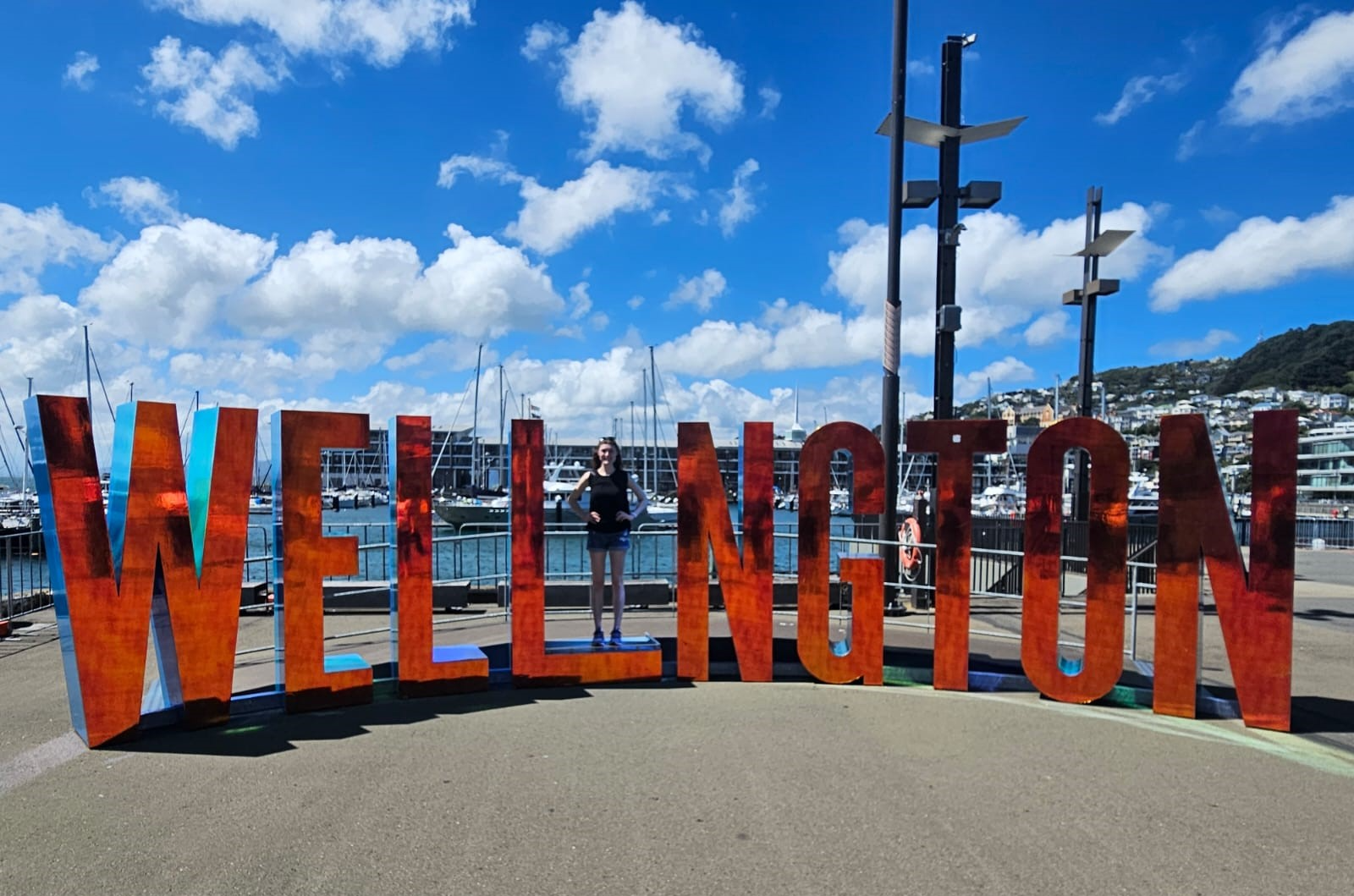
The famous Wellington sign in the country’s capital city.

New Zealand is home to tens of thousands of endemic species, meaning that certain plants, birds, reptiles, and other organisms are found nowhere else in the world. Being an island nation, Aotearoa also hosts a diversity of marine life, including dolphins, whales, seals, sting ray, fish, and marine invertebrates. Being from the United States which is not geographically isolated in the same manner as Aotearoa and not having had a lot of prior knowledge of endemic species, it was incredible to witness the plant life and wildlife that are Native to the country. Students and professors in the Ecology and Biodiversity Department at Te Herenga Waka nearly always refer to species with their names in Te Reo Māori (the Māori language). For me, this was a learning curve at first, as Indigenous language has never been a part of my education due to the systemic colonial thinking embedded in US academic culture. It was a beautiful and transformative experience to learn to speak about the land in Te Reo Māori. I will remain committed to decolonizing language and systems of thinking in my field of conservation, and I will challenge myself and others to continue to learn in this way, for it is so important to the knowledge of people, place, and our relationship to the natural world. I initially arrived in New Zealand thinking that policy would be my primary focus with regards to conservation and climate commitments, but came to be reminded of the importance of turning to Indigenous leaders for lessons in how we care for the Earth. From Pīwakawaka to Kererū, Ruru to Kārearea, and Kauri to Rimu, my time in Aotearoa expanded my understanding of the possibilities for the future of conservation and only made me love wildlife more. How can I continue to honor Indigenous tradition in my education, my career, and throughout my life? How does language shape the way we view the natural world and our vision for the possibilities of a future that exists in symbiosis with the planet?  

Hiking near Marlborough Sound outside of Waitohi Picton.

In addition to the unique wildlife and plant communities of the country, the geography of Aotearoa is absolutely stunning. Highlights of my time there include a weeklong bus trip across the scenic North Island with other students and solo travelers that took me from Tāmaki Makaurau (Auckland) to Te Whanganui-a-Tara (Wellington). Along the way, we stopped at the famous Cathedral Cove, Karangahake Gorge, Waitomo glowworm caves, Huka Falls, Tongariro National Park and Lake Taupō. I also greatly enjoyed my time on the South Island at the end of my trimester, as I travelled from Tāhuna (Queenstown) to Waitohi (Picton). Experiencing the splendor of Piopiotahi (also known as Milford Sound) on the South Island was one of the most magical moments of my time abroad because witnessing largely untouched and protected wilderness such as that is so extremely rare and precious. And of course, visiting a Kiwi bird rehabilitation sanctuary in Tāhuna is another special memory from the South Island. 

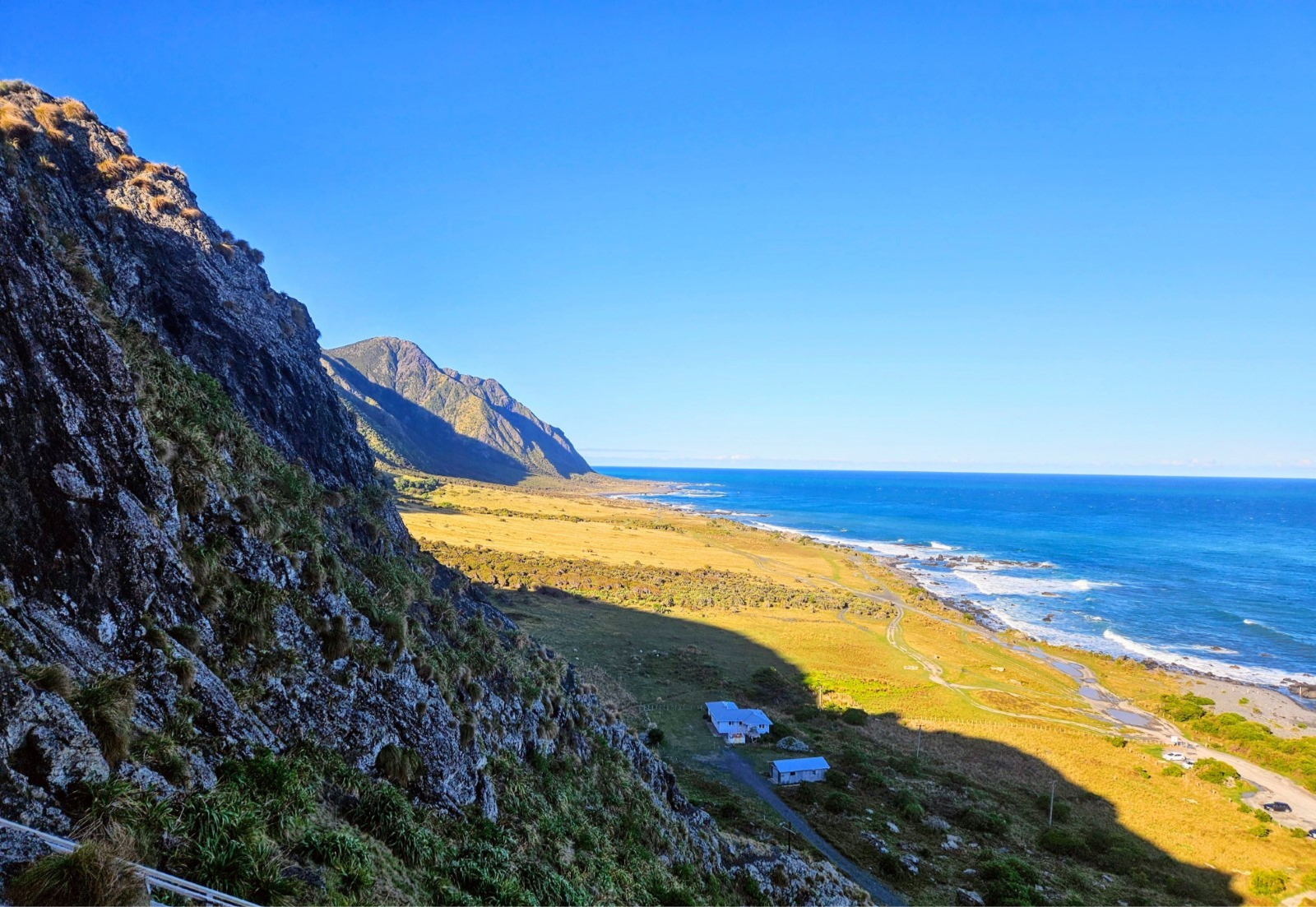
The southernmost point of the North Island at Cape Palliser, Aotearoa.

My time in Aotearoa challenged the way that I think and enhanced my ability to evaluate how language shapes our relationship to the world and each other. I met some incredible people who welcomed me to a new place with compassion, curiosity, and warmth, and for this welcome I will always be grateful. I found joy in learning about species I had never known, like the Tuatara, hiking to an eight-hundred-year-old Rimu tree and stumbling upon a huge Fur Seal community at the southernmost point of New Zealand’s North Island. I believe we should always learn from our local, national, and international neighbors with humility because there is a lot to know, and it is always worth taking the time to listen. I am tremendously grateful to the Franke GLI for helping to make this experience possible and for encouraging me to seek unique paths along my educational journey that open doors such as this. I look forward with great excitement to my next adventure.  

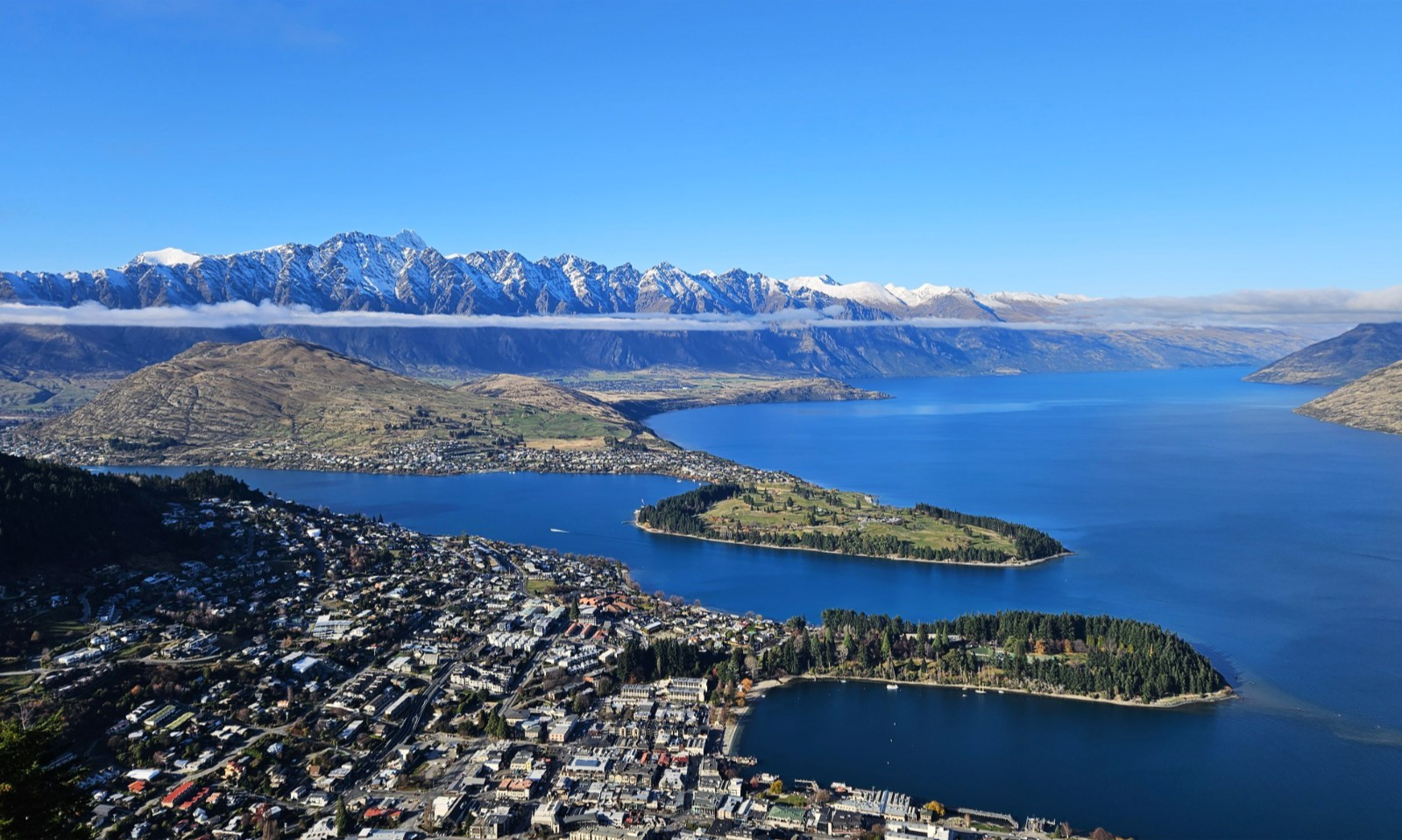
The Remarkables mountain range in Tāhuna Queenstown, Aotearoa.

From Alps to Academia: My Journey Studying Medical Humanities in Austria

When I first set off for Austria to study global public health through a medical humanities lens, I had no idea just how profoundly this experience would shape my understanding of the world and my role in it. As a student focused on maternal mortality on a global scale, I knew I would gain academic insights—but I hadn’t anticipated how much I would learn from simply living in a place so rich in history, culture, and good food!

Austria, nestled in the heart of Central Europe, offered an incredible vantage point to observe diverse approaches to healthcare and cultural diplomacy. Studying abroad during a U.S. presidential election was eye-opening, to say the least. I found myself in countless conversations about politics and health policies, both within and beyond the classroom. These discussions challenged me to practice diplomacy—listening to different perspectives and finding thoughtful ways to share my own. It was a crash course in global communication and mutual respect, which I will now be forever grateful for as I head into a professional career!

Engaging with Austrian culture also made me reflect on aspects of my own background that I had taken for granted. I was struck by the way Austrian society prioritizes public health and social well-being, from accessible healthcare systems to public spaces designed with wellness in mind. These observations fueled my curiosity about how these models might be adapted to address maternal health challenges worldwide.

One of the most valuable aspects of my time abroad was how it developed my leadership skills. I learned to navigate new academic and social environments with confidence, often acting as a bridge between my classmates and the United States! Some, like my friend Mats from Belgium, were very familiar with American culture and “norms”, yet some of my friends like Nelli and Mila from Finland were less familiar, as was I with their cultures, so being able to learn and share with each other about many different places in the world was incredible. Out of my friend group of 8 international students, we could speak 12 different languages and studying 7 different topics!

This experience raised as many questions as it answered. How can we create healthcare systems locally that prioritize maternal health, similar to initiatives found in Europe? What cultural factors influence healthcare outcomes in different regions? These questions now fuel my desire to continue exploring global public health through both academic research and a future profession.

If you’re considering studying abroad—do it! There’s something magical about stepping outside your comfort zone and seeing the world from a new perspective. You’ll come away with more than just academic knowledge; you’ll gain resilience, empathy, and a network of friendships that span continents. For me, the Alps were beautiful, but the lessons I learned beyond the classroom are what will stay with me forever.

Internship In Athens, Greece

Hello! My name is Therese Solomon and I am majoring in Psychology with a minor in Philosophy. The theme I chose to focus on during my internship was technology and society. For my Beyond the Classroom experience I had the privilege to intern at IASIS Day Center. IASIS is an NGO that is focused on providing therapeutic and counselling services as well as psychosocial support to people who are in need. The Day Center is just one part of this organization’s goal to act both at the level of psychosocial rehabilitation and therapeutic programs as well as at the level of prevention and information on mental health. Before my internship I knew I wanted to pay attention to the use of data analysis tools and online mental health resources, to see whether these technological practices benefit the community of Athens. When arriving at my center, I learned more about my daily role and the opportunities I will have to grow in my studies.

IASIS gratitude lesson at retirement homes around Athens.

There were many different interns from all around the world including Australia, England, Italy and even many folks from the US, as well Greek volunteers. From this diverse group of people I got to learn so many different aspects of psychology. As a group of interns we would spend our time not only working on projects but talking about the different complexities about mental health and mental illness in our different countries and how it affects their society. It was fascinating to talk to all the different Greek volunteers about their experience in their education and how their society treats mental health.

Me and the other interns!

When looking into technology and society within the aspect of psychology and mental health especially in a cultural setting it was important to me to find ways that the community is benefiting from these technological advances. I had many conversations with the staff at the day center about outreach and how the community is learning about these services they’re providing to community members. I asked questions about how these people even have access to internet or online communication within the mental health realm. I did not get all the answers I was hoping to get. I did get a better understanding of how technology is different within their society. When it came to outreach, IASIS had many forms. I talked to a specific Greek volunteer who worked closely within the social media department, she worked on projects such as TikToks about mental health education. I was able to work with her and my other interns to create videos in English about stress relief and how to manage it better. Alongside social media the organization had many opportunities within the community to have their organization be seen by the public. They worked with different events to educate the community on mental health resources, one specifically I was involved in was alongside a blood drive and we were honoring people who had given the most blood. My role within that was to create activities to get people to come and learn more about the day center.

Art project

While this internship had many parts of learning and understanding mental health in a cultural setting. One aspect that has really grown my leadership skills was creating and hosting my own public group therapy sessions. These activities would start with questions focused around the connection of themselves to the art. As an example one activity I planned was making art out of foliage found outside. Before we started the activity I asked the service users questions about their experience in nature and how it made them feel and the benefits of being outside. These questions were to spark and form connections with mental health and the benefits of being in nature. While the language barrier was sometimes tricky we were always able to make it work and have meaningful conversations with each other. Coming into the day center every day and seeing the same people show up for group therapy sessions and seeing their faces light up and saying my name when I walked through the door always made me feel like I was accepted to be there.

Walk around National Garden.

The day center and all the connections I had made along this internship has been a huge learning opportunity for my growth and career. It was a gift to learn hands-on in another country about mental health and the practice around psychology in Athens. I am very grateful for everyone I have met on this journey and the learning that has come along with it.

A Semester in the High Arctic

Hello! My name is Brandon, a junior at the University of Montana where I’m majoring in Wildlife Biology with minors in Wilderness Studies and Climate Change Studies. My Beyond the Classroom Experience took place over the Autumn 2024 semester, where I had the incredible opportunity to study at The University Centre in Svalbard (UNIS) located in Longyearbyen, deep in the high Arctic north of Norway.

Svalbard is a remote archipelago that sits at a high latitude, providing unique opportunities for studying biology. My semester started in July and ran through December, allowing me to experience the midnight sun, where the sun remained above the horizon until late August. Following this, the polar night began in late October, when the sun ceased to rise, and by mid-November you could see constellations even in the middle of the day. These extreme seasonal shifts underscored the unique adaptations required by local wildlife to survive. One particular example of this is the Svalbard Reindeer, think of the pony version of a caribou and, well, you get the Svalbard reindeer, scientific name of Rangifer tarandus platyrhynchus, directly translating to “flat-nosed reindeer”, which is a good description of this peculiar critter who certainly has shortened extremities to help with heat retention through the cold, windy winters.

This photo was taken on October 24th, the last day that the sun rose above the horizon.
The stumpy and delightful Svalbard reindeer.


My courses in Arctic Biology and Arctic Population Ecology were had a large field component. We regularly ventured into the field to conduct surveys, implement sampling methods, and analyze our findings back in the laboratory. The impacts of climate change were a constant theme, particularly significant in Svalbard, which is warming faster than any other place on the planet due to the effects of Polar Amplification.

Packing gear to the site for a day of surveying and taking samples.
Conducting vegetation surveys.
Polar bear watch was an important part of fieldwork, a task which we did in shifts.

Pursuing a career in international conservation aligns closely with my GLI theme of Resources and Sustainability. This experience deepened my understanding of how different countries and cultures approach conservation. Lectures from experts from around Northern Europe offered insight into alternative approaches to resource management and conservation, emphasizing the importance of adaptability and international collaboration in our global fight against environmental degradation.

A significant component of our program involved breaking into groups to tackle specific scientific questions through field and laboratory research. This not only honed my technical and analytical skills but also developed my leadership abilities, as it required orchestrating complex logistics and promoting teamwork in a dynamic environment. One memorable moment was when our plans were abruptly changed due to a polar bear napping on the route to one of the sites we were surveying—a vivid reminder of the unpredictable nature of Arctic fieldwork.

A hot topic in the media that directly relates to my studies is the debate over deep sea mining (DSM), particularly around the thermal vents in the Arctic Ocean. These vents are critical to unique and fragile ecosystems and are now at risk due to increased resource exploration facilitated by the melting polar ice caps. The exploration itself, not just the mining, poses significant risks to these ecosystems, from physical disturbance of the seabed to potential chemical pollution.

My time in Svalbard has been nothing short of transformative, deepening my commitment to conservation and my understanding of global environmental challenges. As I continue my academic journey and move towards a career in international conservation, the lessons learned here will undoubtedly shape my approach to both leadership and collaborative international efforts.

A mom polar bear with her cub, feeding on a reindeer carcass in front of a glacier. Reindeer predation is a recent development in polar bear behaviour, likely linked to the retraction of sea ice.
A closer look at the mom and cub polar bears.
A pod of beluga whales in the Adventfjord, just outside UNIS