Patagonia, Argentina

IMG_1837

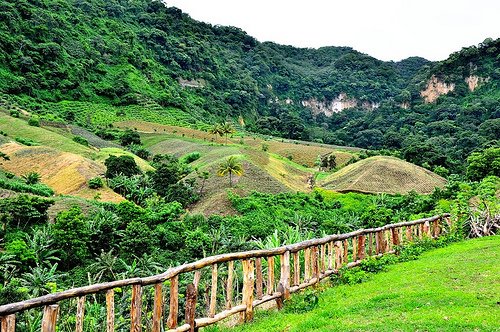
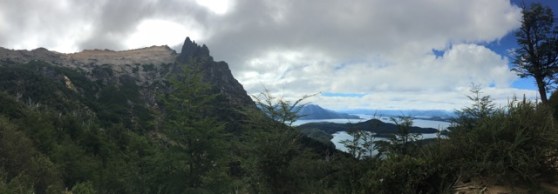
After a ten hour flight and twenty-three hour bus ride, we arrived in Bariloche, Patagonia. Bariloche is a town of about 100,000 people in the foothills of the Andes Mountains that sits on the shore of Lake Nahuel Huapi. I, along with thirteen other University of Montana students (whom I had only met previously in passing) hopped in cabs from the bus station and headed to our hostel, La Justina, which was to become our home for the following month. I felt rather uneasy realizing that I was to share a room full of bunk beds with five other girls who I had never spent any time with. A few weeks later, I knew I could not have found a better group of women to share such awesome adventures and such a tiny room with.

While the town of Bariloche itself is beautiful with the massive, turquoise lake and surrounding mountains, we found that its popularity derives from not just majesty and beauty of the town itself but the Patagonian mountains and national parks that surround it. While we were in Patagonia, my bunk mate, Cree, and I were able to embark on four separate backpacking trips in three different parks. I thought that getting on the trail would provide some familiarity for me in such a foreign place, but for the majority of it, it felt quite the opposite. We had to use our Spanish language skills that had only been practiced in the comfort of UM’s classrooms in order to buy bus passes, comprehend the counterintuitive bus schedules, and yell at the driver to drop us off near a dirt road we had only read about in online blogs to find the trailheads. On our first backpacking trip to a mountain lake called El Frey, we ran into several others on the trail, but no Americans. When we reached the top of the mountain after 8 grueling miles, Cree and I sat together on a boulder that rested a few dozen yards past our tent to soak in the view. Several minutes later, a man approached us to ask for matches to light his stove. After sharing our lighter and conversing for a bit, we asked where he was from, only to learn that he works and lives in Victor, Montana. And even after entering a different hemisphere after a half day flight, a full day of a bus ride, and 8 miles into one of the national park trails, we felt a little closer to home and enjoyed the sunset with our new friend.

Goodbye Berlin!

The final part of my project was interviewing someone who actually received a bike from Rückenwind. Strangely, this was the hardest part of reporting. All of the people that mechanics suggested we talk to wouldn’t respond. So, we went in one last time, and were lucky enough to meet a Syrian woman and her husband. They had just started working on repairing their bikes, so we stuck around and documented the entire process. The woman spoke perfect English, and was very outgoing and willing to talk with us. After she fixed her brand new bike, we found a quiet hallway and sat across from each other, knees touching, to talk about why she thought having a bike in Berlin was so important. I purposely avoided the normal questions you hear asked of refugees: Why did you leave? How did you get here? What will you do next?

I find these questions to be pitying. I wanted to know how this woman was doing in her knew home, why she liked bicycles, and let her decide what she wanted to tell me about her past. She eventually did tell me about her reasons for leaving and how she traveled to Germany, information I won’t disclose on the internet per her request. What I can say, is that I never thought I would have the opportunity to sit across from a woman, my age,  who had fled from terrible living conditions and talk to her about her brand new blue bike…. (go to the website to hear more!).


The last week of the program I edited my stories. It was a long, long week. We were all tired, getting only a few hours of sleep a night, as we worked up to the deadline. It was a relief to mixdown my project and turn it over to the website crew. But, it also meant that it was time to say goodbye to Berlin. That farewell was difficult. It was such a blessing to spend three weeks exploring a complete new part of the world, not as a tourist, but as a student and a journalist. The trip helped me improve my language skills, my confidence in recording and producing audio-stories, and my ability to jump outside of my comfort zone. I’m back in Germany now for the next year and am planning on visiting Berlin, our translators, and the woman I got to interview about her bike.


Check out our stories here:


https://missoulatoberlin.atavist.com/missoula-to-berlin


Thanks for reading! Tschüss! (Ba-bye!)

International Reporting in Berlin

The last part of the Missoula to Berlin project was focused on reporting and producing stories. Alicia Legget and I reported together on an organization called Rückenwind. Meaning “Tailwind” in English, Rückenwind is a non-profit bike shop that started up in 2015. Refugees can contact the organization and request a bicycle. Once it is their turn, refugees come into the shop and pick out a bike, repair it with a volunteer, and then get to ride away at the end of the day with their very own bicycle.


Alicia found the organization before we arrived in Berlin, but we hadn’t been in much contact with the students who run the shop… They are all engineering students and were a bit too busy to return emails. Showing up at the shop was a bit nerve wracking, this was my very first international reporting trip. I hadn’t ever had to reach out to sources in a different language, let alone show up on their doorstep and ask if I could follow them around with a recorder for the next two weeks. But, my nerves quickly dwindled. Walking into the shop for the first time, it was clear that the atmosphere was casual and friendly. All of the mechanics were happy to speak with us in English. This was somewhat of a relief because I wanted to do all of my radio stories in English, without too many voice-overs. We spent a few days in the shop getting to know the different mechanics, watching how they interacted with the refugees, and hearing an interesting mix of languages.


Eventually we sat down with a few of the founders and had one-on-one interviews with them about how the shop started and why they donate so much time to the cause.


https://missoulatoberlin.atavist.com/missoula-to-berlin


Hallo Berlin!

Berlin welcomed us with a rainy, summer embrace. After stuffing our suitcases under our beds, Shane, a graduate of UM and our tour guide/fixer/professor/fairy god father of the trip gave us a tour of our new neighborhood of Neuköln. Berlin is split up into different “neighborhoods,” each having it’s own feeling. Neuköln’s streets are lined with kebab shops, Späti’s (convenience stores that stay open late), hipster burger joints, and a bars.

We spent the first two weeks of the program touring refugee camps and different governmental/nonprofit organizations that play a role in aiding refugees seeking asylum in Germany. We were lectured by different experts of every field, doctors, economists, journalists. Each gave us their perspective of the refugee crisis, allowing us to understand it in a new context.

In return for their help as translators, three men from Afghanistan and one from Syria joined us on these visits and lectures. Talking with them and hearing their feedback about the information that we were hearing from the previous mentioned experts was enlightening, and sometimes uncomfortable. It is one thing to hear about the suffering of others from a lawyer specializing in asylum law, and a completely different thing to hear it from the lips of a man who fled his home in fear of his life.

Tragedy, however, was not the only topic of conversation with these men. I had many long conversations with Anmar, the 35 year old from Syria.  Anmar has bright-red long hair and a white scruffy beard. He loves hard metal, beer, sweets, and is one of the most insightful, gentle, straightforward people I have ever met. His English is near perfect, and is working hard on improving his German as quickly as he can. During our breaks we would sit together with a few other students from the program. As he rolled one cigarette after another, we would discuss religion, love, justice, sex, morality, and of course, American pop culture. Anmar is a refugee, a victim of religious persecution. But, Anmar is also a human being… a guy who likes painting houses, watching movies, discussing philosophical concepts over a beer or two. Talking with him helped me realize just how important this reporting trip was. The Missoula to Berlin project’s main aim is to give a human face to the refugee crisis. Read more in the next blog entry to find out what other amazing people I met who did just that.

IMG_5920.jpg

Above: Visiting a refugee shelter.

IMG_5898.jpg

Above: Visiting a school where many young refugees take German courses.

Missoula to Berlin

Week One

I started learning the second I stepped off the plane in Berlin. After what felt like days of flying, from Spokane to London then from London to Berlin, I immediately understood what jet lag was, that you have to pay to use most restrooms in Europe, and that water was most definitely not free (and never came with ice). Once I got over these feats, our first task was to make our way to the hostel from the airport using public transportation which was cheap, usually late, but not as hard to manage as I had expected. I met the full group at our hostel and, with no time to unpack or freshen up from the overnight journey, hit the streets of Berlin for a tour. We quickly learned that Berlin wasn’t just a big city in Germany. It’s a city with a long history of immigration, culture and art.

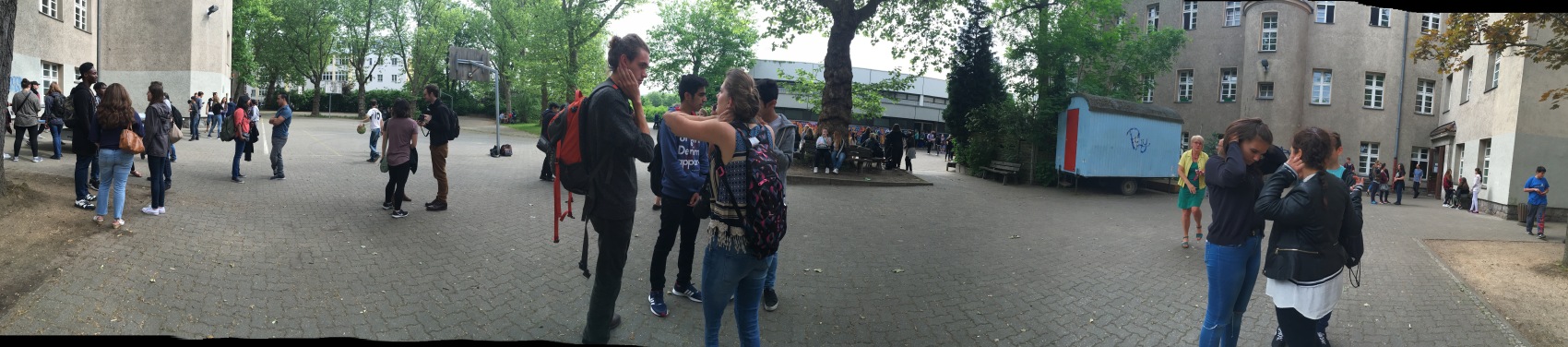
Street art in Berlin seen on a walking tour of the city

Street art in Berlin seen on a walking tour of the city

From the Turkish neighborhood next to our hostel to the many Syrians refugees already integrated, I was overwhelmed (in the best way) with different languages, food, cultures and customs. The first week was a whirlwind of struggling to order items off of menus, navigating the U-bahn and bus systems, and diving headfirst into the rich history of Berlin, complete with seeing the Berlin wall to learning about the history of world-famous clubs along the Spree.

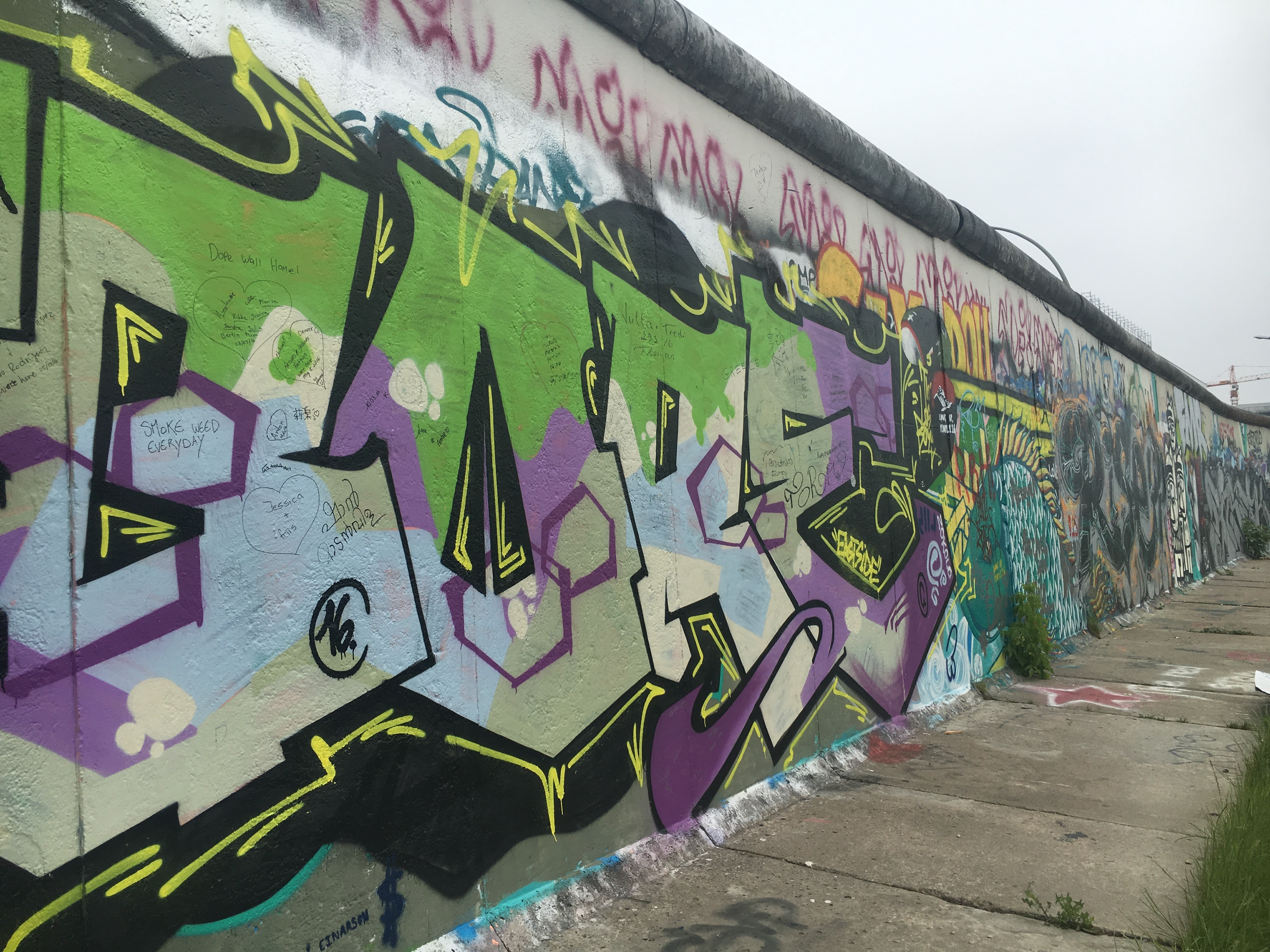
Part of the Berlin Wall

Part of the Berlin Wall

In this first week, I learned more than I ever could have imagined traveling abroad, cultures different than mine, and we began to examine the refugee crisis, except this time close up and not from across the Atlantic safe in our classrooms.


Up-close: The refugee camps

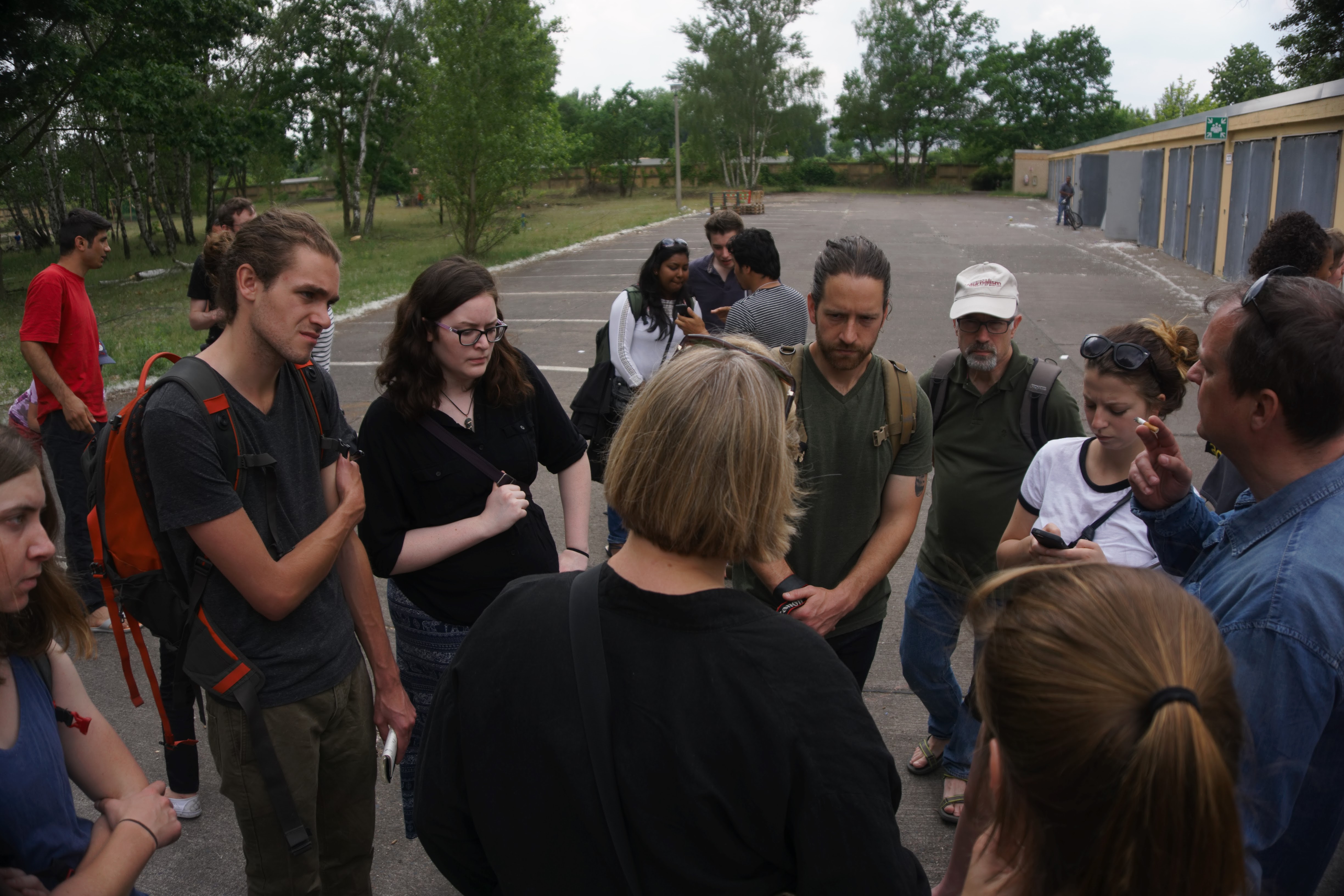
Some of the most prominent days during the trip to Berlin were those when our group visited refugee camps. We’ve spent a year learning about refugees, trying to understand their struggles and the complicated asylum process, and when it came time to listing off the facts of the refugee crisis, many of us felt proficient and well-educated about the crisis. However, when it came to experiencing what it was really like to be one of these individuals with unique scenarios, we were clueless. After an hour bus ride and a mile walk out of Berlin, we arrived at a refugee camp.

Interviewing workers at a refugee camp

Interviewing workers at a refugee camp

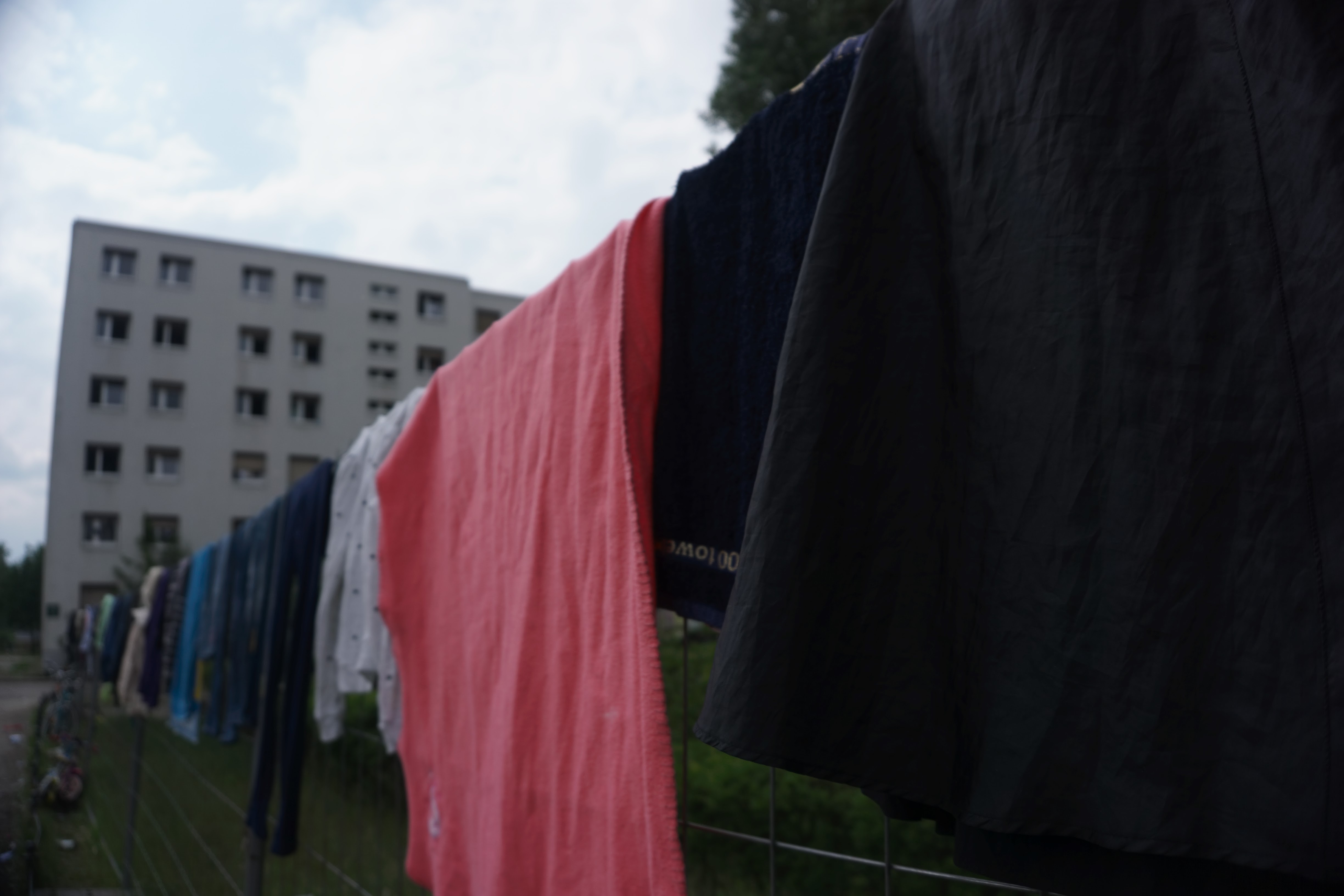
Clothes hung up to dry on a fence at the often over-crowded refugee camp

Clothes hung up to dry on a fence at the often over-crowded refugee camp

We immediately met men, women and children who are often shown as victims simply demanding German resources in the media. Either they’re depicted as evil Muslims coming to take jobs and spread Islam, or they’re shown as victims leeching off the system of a wealthy country. While we knew it was much more complicated than that, even just speaking with a few people changed our perspective. We met people who loved the camp and others who hated the plumbing. Some were wondering why a group of American students with cameras were allowed to come in (which we sometimes wondered too) and others were thrilled to have their picture taken, posing with peace signs and posting selfies with us to Facebook. Suddenly they weren’t just “the refugees” as we’ve discussed in class so much as one collective group. “The refugees” suddenly became individuals. They became Amir, one of our translators, who was ecstatic because he’d just been granted the opportunity to move out of his refugee camp that he’s called home for years into a real home in Berlin. They became children not older than 10 who quickly overshadowed us as they showed off the four languages they spoke — embarrassing compared to our English. As we walked through the refugee camps, expecting crying and despair, we were surprised to find children playing soccer in the yard, taking selfies with their iPhones, and wearing designer clothes they brought with them on their trip from Syria. These were people. People who one day had to leave their homes and come to Germany, while we were coming to Germany because we wanted to broaden our education, not because we had to.


Wrapping things up

The second and third weeks in Berlin were busy with real, on the ground, international journalism. With half of our phones not working on our German SIM card plans and more than half of us knowing how to speak German (not to mention Arabic or Farsi), we quickly learned to adapt. After a few stress-induced breakdowns and loads of help from our advisors, we were on to producing our final project on a deadline, with not-so-great WiFi, in a foreign country, on a subject we knew nothing about a few months ago.
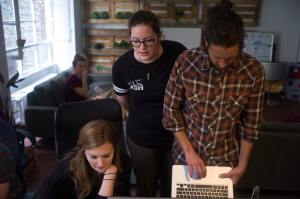
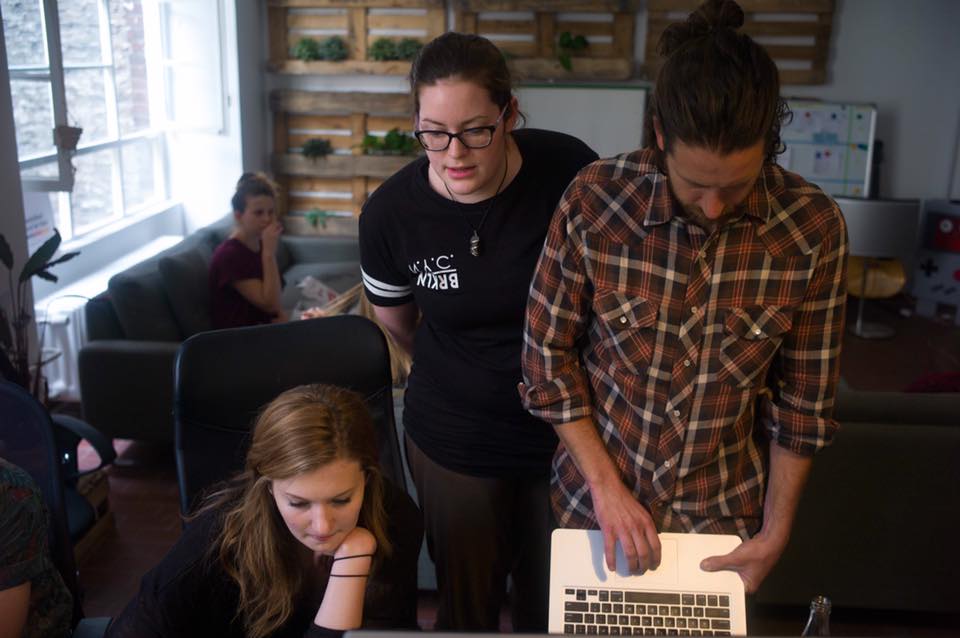
Going over the final edits. Photo by Shane McMillian

Going over the final edits. Photo by Shane McMillian

With the quotes from the doctors, politicians, refugees and others in Berlin, advice from Shane, Henriette and Larry, insight and help from our translators who were also refugees, and support from newfound friends in the group (which was bound to happen when after living in close quarters for nearly a month) we produced a final portfolio-worthy project we all can be proud of. Not only did we get to study and research a migration event that will be historically significant for years, we also got a chance to practice real journalism outside of the classroom, both of which will affect my life for the better in years to come as a journalist and traveler.

Something Worth Protecting, Something Worth Sharing

My previous post lauded the revitalization efforts of my university and the government of New Zealand when it came to Māori culture and language. The topics were made accessible to tourists and foreigners, as well as the Kiwis. It got me thinking about the way New Zealand protects many pillars of their culture—not under lock and key, but by sharing and educating.

I joined the tramping (hiking/backpacking in Kiwi-speak) club at Victoria University. It was a fun group that blasted smooth jazz during its PowerPoint presentations, welcomed new members with bearded exuberance to Taco Tuesdays, and had a mountain goat as a glorious mascot. This group of students (and alumni, and random outdoor enthusiasts met at the Welsh Dragon pub) coordinated carpool trips and gear rentals for people in need of adventure. They had an expert on everything from avalanche safety to rock climbing to caving—and they’d direct a newbie down the right path for any information. The goal was to have a great time and to share the outdoors, safely. It wasn’t about hoarding secret hideaways, it was about making New Zealand accessible.

New Zealand is known for gorgeous landscapes (Sweeping shots from the Lord of the Rings and all) alongside a robust Department of Conservation. The trails are well kept, hut passes are at most $5 for a night on the trail, and there are no animals that’ll kill you out in the New Zealand wilds (although some flightless Weka will try to steal your food)  so it’s easy for anyone to jump onto the trails for the weekend. Even the Tongariro National Park Alpine Crossing, home to Mount Doom, was only a day trip and completely complete-abale for a jog-but-never-run-unless-being-chased girl like me. I even kayaked through Abel Tasman National Park despite having only a quick rental out in Wellington Harbor a few weeks prior.


I say this not to humble-brag, but to share. I jumped at the chance for these adventures because I was told about them by friends in New Zealand. They’d done it, and I figured I could, too. New Zealand made the outdoors accessible to me, someone who’d previously been too nervous to backpack without a hired guide on class trips, and that access made me value it more.

The same goes for Māori culture and language. I wouldn’t have thought twice about it without having access to sate my curiosity and without the channels to dig in deeper and recognize the value of something as simple as bilingual signage.

In times of fear, where people are tempted to stow away language or the wilderness in order to protect them, I think it’s something to realize that value comes from sharing and educating what makes such things important. So hopefully sharing some of these pictures will spark some curiosity in others to see what all the hubbub is about in New Zealand!


Nicaragua Week 3: Relationship

As my time in Nicaragua comes to a close I have begun to reflect on what I have seen and done here. By no means does three weeks make me even close to an expert on this culture and what makes it tick. However, I do like to think that I have gained some insight through personal relationships that I could never have received through any amount of research or statistics. The friendship that I have built in just three weeks feel strong enough to last a life time – and that makes my heart happy. You see, I am a “people-person” as some would say. As a people-person I have been observing the ways in which people around me interact with one another and in-turn how they interact with their community.
More specifically, I was curious as to how women felt, acted and interacted. The most startling and obvious difference from American culture was the age in which most girls were having kids. It was far from uncommon to see a 15 year old girl lugging around her three and one year old children. I was curious if this was seen as problematic in this culture or if the “American” lens in which I see the world told me it was a problem that needed to be changed.

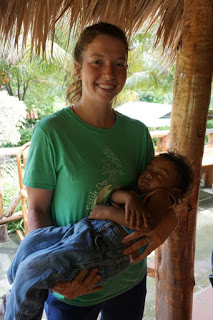
I sat and talked with one young mom at a local baby blue church down the winding, dirt road from the farm. I am drawn to babies and conversation can be easily stated (in any language) through simple questions about a baby. I soon came to learn more about the sweet young girl holding an infant. I learned how drastically her dreams of college and a career translating Spanish to English (or even any job potentially) went out the window. This young woman was not a statistic to be analyzed, but a woman to be loved and cared for. She is a woman to seek clarity from and learn from. I cannot tell you how to change the inequality that forces young women to take on the full burden of a child instead of both the man and the women. But I can tell you there is at positively one women who desires change. (And many more with whom I spoke to on this topic after this encounter). This experience has reignited my desire to see inequality of men and women disappear. It was different than what I had anticipated seeing the inequality as, but nevertheless just as important to address.

Megan

Nicaragua Week 2: Who Needs a Schedule Anyways?

Who needs a schedule anyways? ME. That is who most certainly needs one. I thrive with routine, punctuality and above all; A SCHEDULE. While living in the United States my desire (i.e. need) for plans and specific time frames that correspond with those plans is rarely ever questioned. In fact, the overwhelming majority of my peers support me and see it as an expected part of life. It became all too apparent that what I had believed to be “common sense” was far from that for my new Nicaraguan friends. I was challenged to see that people can feel successful, productive and worry-free with or with-out a concrete schedule/plan for  the day. I saw that people could also feel lazy, stressed or disorganized without a schedule. This forced me to see American “productivity” in a new light. Our success through out each day is often measured by the number of things we checked off of our list in the shortest amount of time (I know you college students out there understand that one all too well). However, there is no correlation to success and punctuality/scheduling here. This has stretched me greatly. Mainly because it forced me to see that I had somehow allowed personal success to mean something that I could not achieve in this culture. Coming to Nicaragua to intern on a pineapple farm in Nicaragua had meant in my mind that I would be able to serve the locals and the farm well, learn, and gain new insights – all while being actively “productive”. I am still in the midst of this “slow paced” life driving me a bit stir crazy. But, at the end of each day I feel myself one step closer to seeing the value in this style of living, respecting the culture, the people and their decisions (even if they are far from what I am accustomed to).

Megan

Nicaragua Week 1: Culture Shock?

Culture shock is supposed to hit hard upon arriving to a new country and seeing the vast differences in people, business, food and lifestyle. Yet, stepping onto the pineapple farm in Ticuantepe, Nicaragua felt nothing short of home. I did not feel overwhelmed with the unfamiliar stares of locals as I rode up and down the dirt road filled with pot holes so big I could swim in. Rather I felt the genuineness of curious eyes that for one reason or another in the U.S. we try to hide. (I admit it can be rather strange to have all eyes on you- but a friendly kind of strange). I did not feel overwhelmed by the lack of electricity or the lack of hot showers. Rather, it was humbling and eye opening to experience firsthand the reality of millions of people’s lives. Sadly, I did not feel “shocked” by the inequality in our world that allows a whole community to survive off of one small “waterfall” and another community to use that same amount of water for just one family. One week in Nicaragua did not shock me; it confirmed on a deeper level that this world is full of inequality and injustice paired side-by-side to beauty, hope and joy.

Megan

Post Arusha

DSC_0128

My time in Arusha has made me appreciate my background and my home a lot more. It has given me a new understanding of the world and its vastness. The differentiation from one country to another is significant. To witness a society that differs so much from our own is an amazing experience and an incredibly knowledgeable one. I learned a lot more about myself during this trip but I also learned a lot about the community of Arusha and their struggles, lacks and needs.

I have come to realize that their medical process is flawed but I have also realized that there are things within our own system that could improve. A lot of problems that I witnessed I could also relate to the U.S. Sure these issues might not be at as great of severity in the United States but I believe many occur within our own medical system. It makes me wonder how much better we can be and how  we can help other communities. How can these communities, our communities, help each other?

The quality of life in both societies are lacking. Our pressured and quick paced system allows for more successful results but also for stress and mistreatment. In Arusha the professionals take their time and are very relaxed. This can lead to disappointing to outcomes in some situations. It also leads to a calmer lifestyle and people that are all trying to do the best that they can to keep themselves and each other healthy. Of course there are exceptions to these groups of people. Neither group is perfect.

I am grateful for the experiences I was fortunate enough to have, the people I was able to meet and the lessons I learned. I hope to look into other healthcare systems and continue to compare and contrast them to our own. I believe that it could be extremely helpful to discover the balances of beneficial and proper medical care. Throughout my education and future career, I would like to discover these balances and find a way for the medicinal globe to communicate and share amongst itself.