An Internship in Chilean Patagonia

My name is Zariah Zosel and this past year I skipped my seasonal allergies by avoiding the spring altogether and going to the southern hemisphere. From the end of February to the beginning of June, I lived on the island of Chiloé doing an internship with a branch of the Chilean forest service, INFOR (Instituto Forestal).

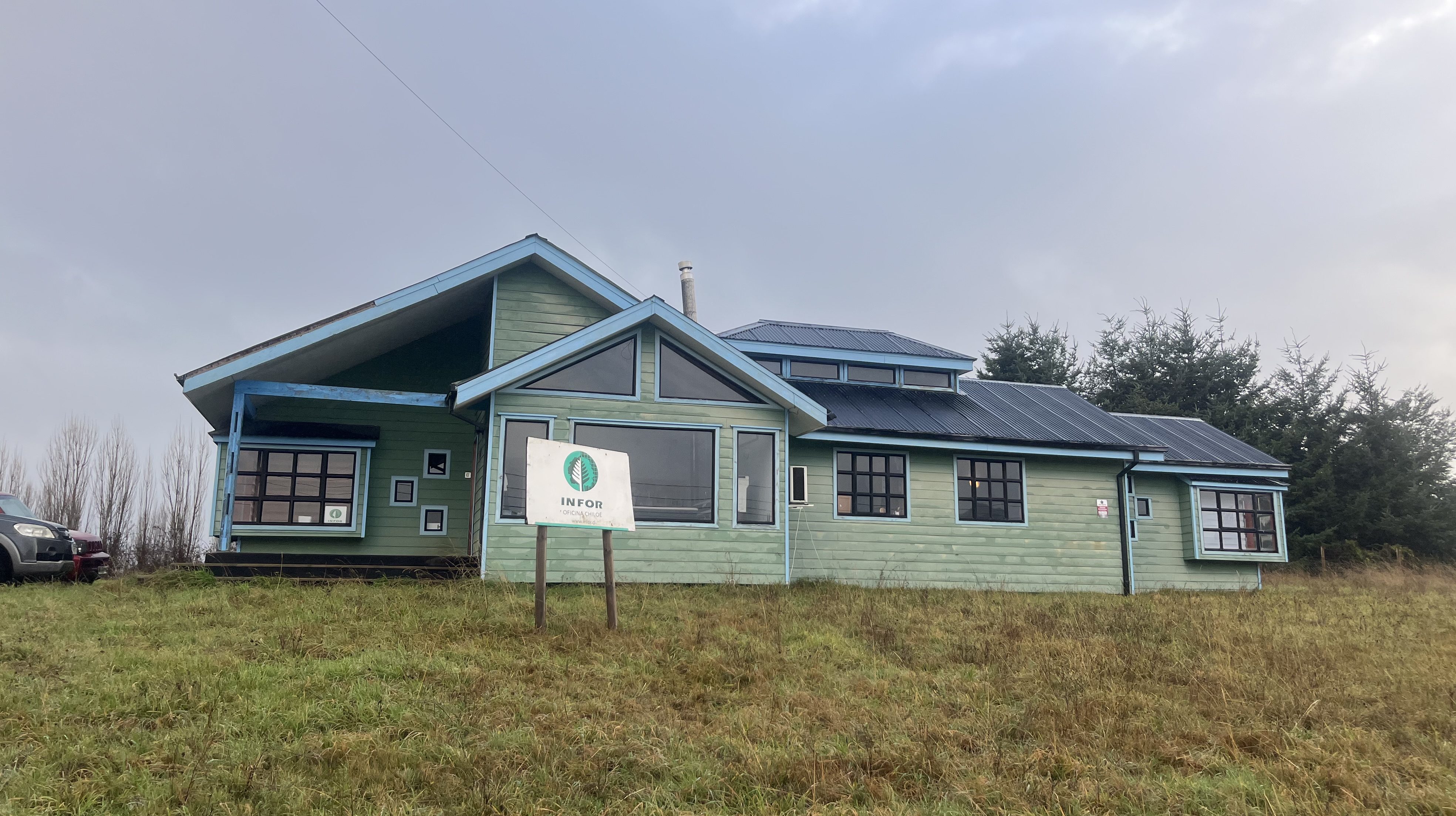
INFOR Office on the island of Chiloé: “The laboratory of island forests”

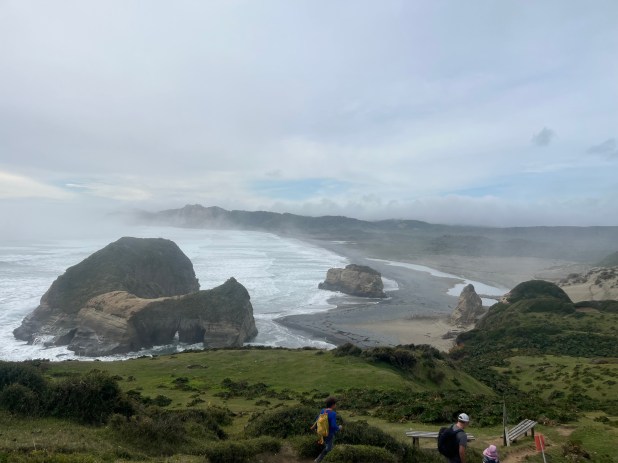
One may hear Southern Hemisphere and islands and expect a tropical climate, however, for Chiloé, this image is very inaccurate. The island of Chiloé is the largest island in the Chiloé archipelago just off the coast of Chile’s mainland Patagonian mountains. Due to its latitude, coastal breeze and inland mountains, the Chiloé archipelago is home to a temperate rainforest, a biome akin to that of Washington State’s Olympic National Park. As such, the ecology of the islands’ forest across the archipelago are unique and host a plethora of endemic and rare species of flora and fauna.

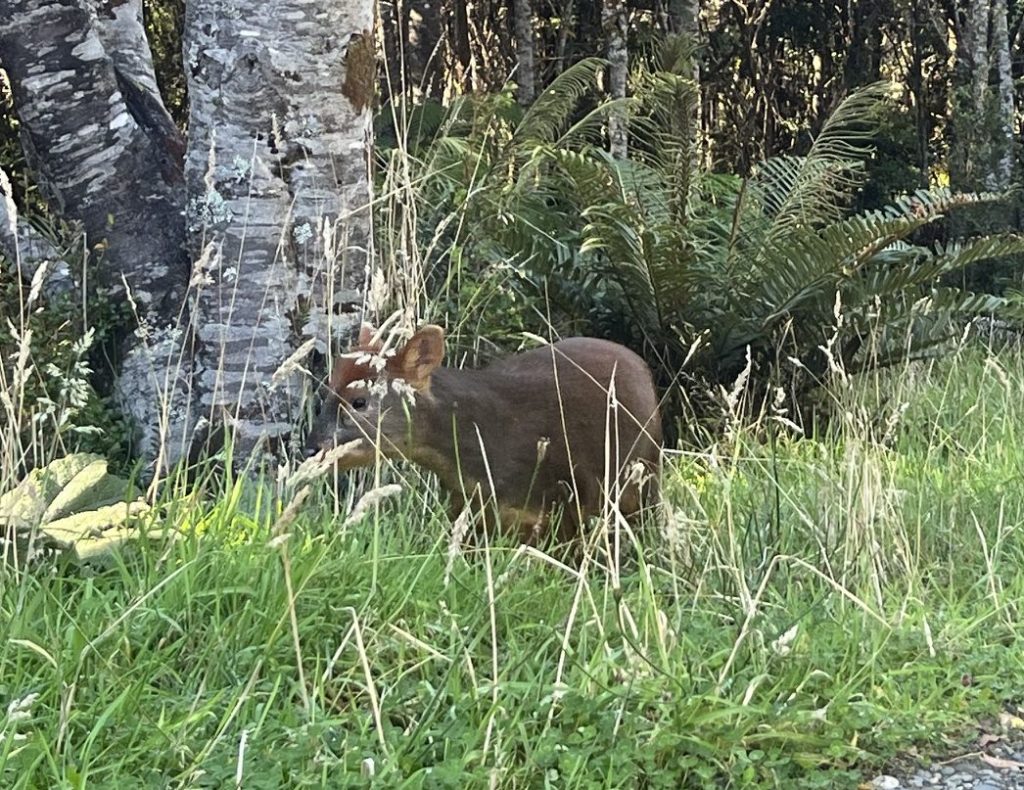
Picture of a Pudu (one of the world’s smallest deer species)
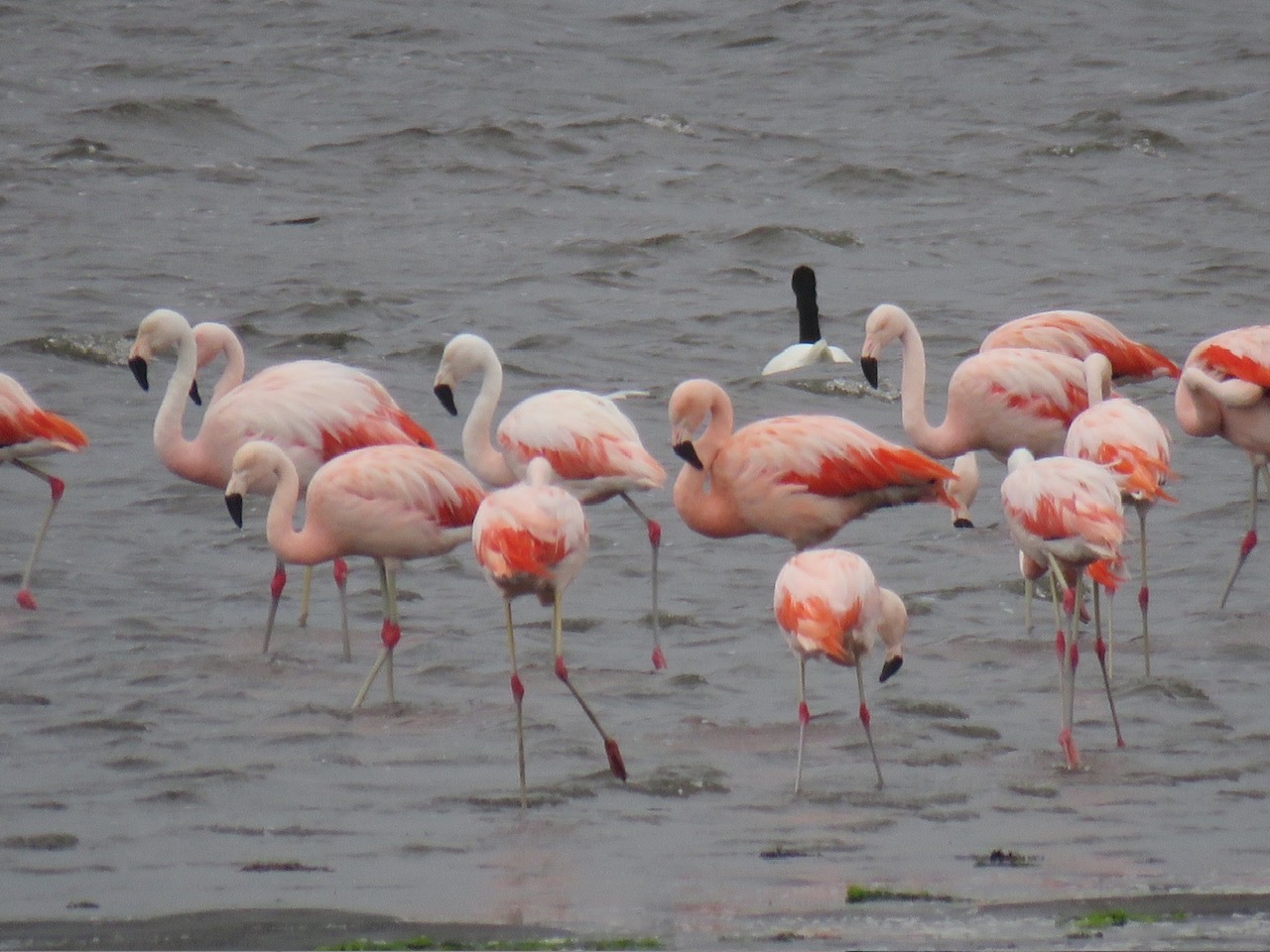
Picture of Chilean Flamingos
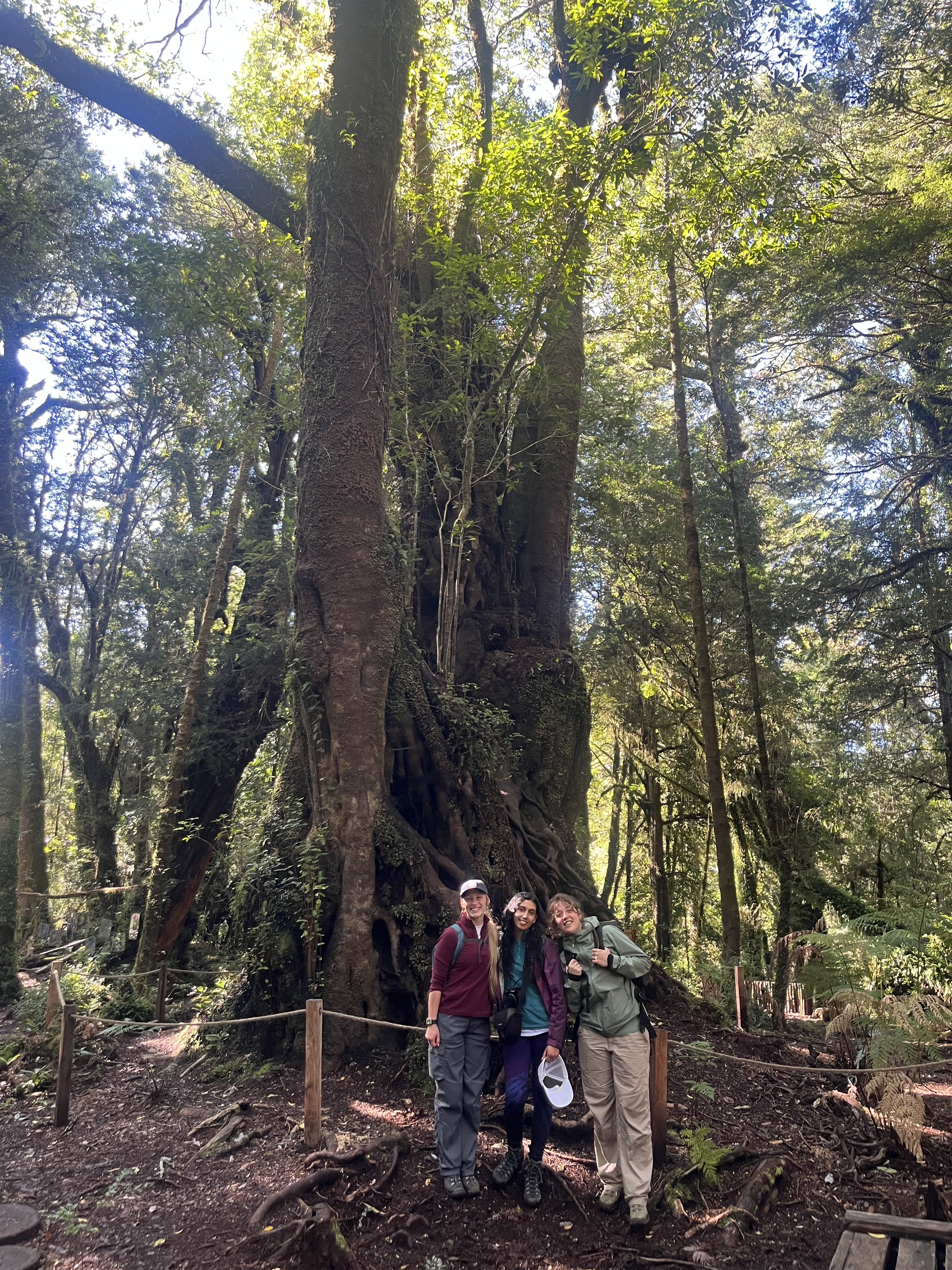
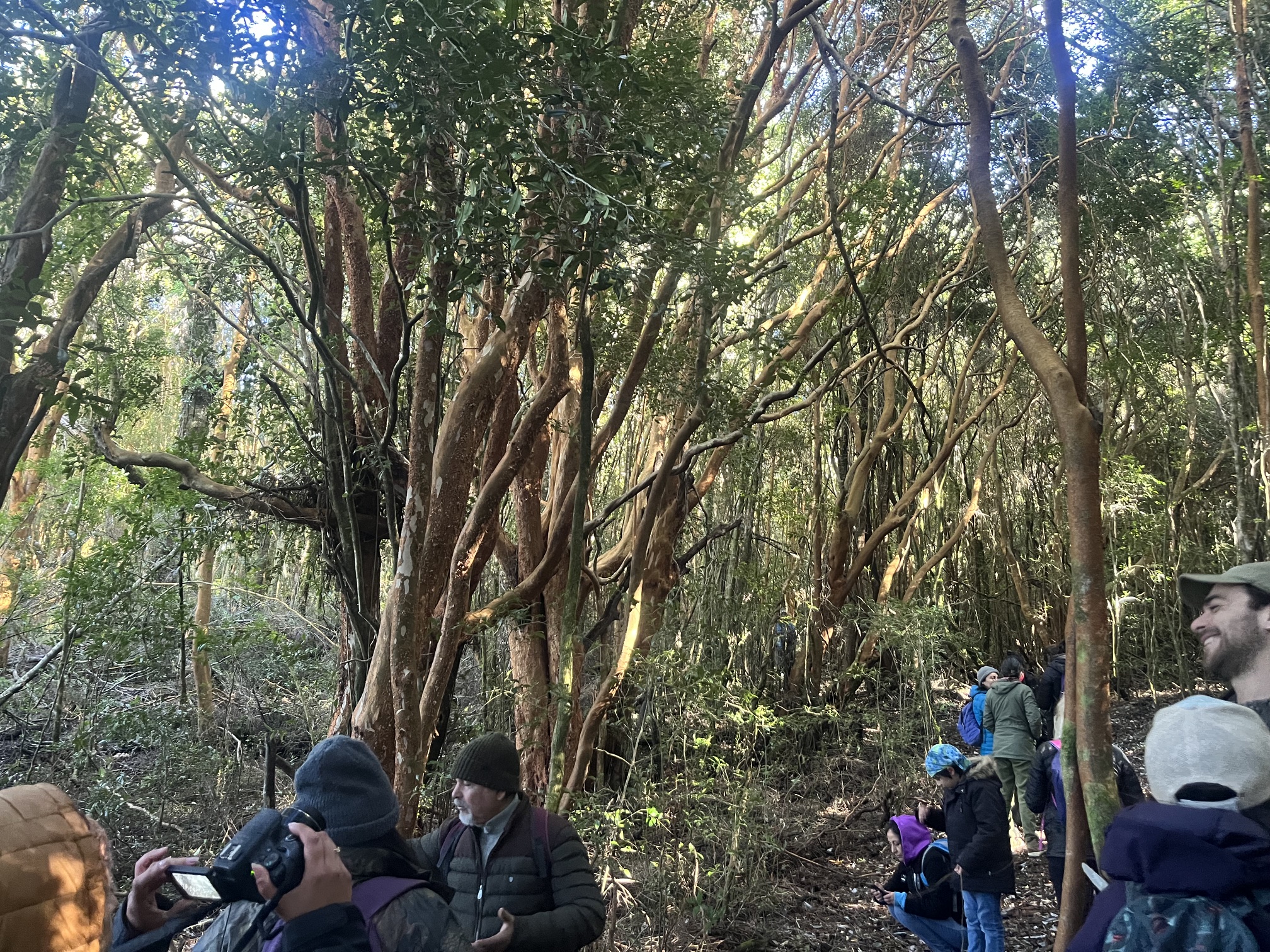
Picture of an old-growth Coigue Tree

Despite initial anxieties about all the unknowns of living and interning in a different country and language, the experience exceeded any expectations by leaps and bounds. My time at INFOR was filled with learning, friendship, and an immersion in the culture that left me as though I had gained a new home in Chiloé.

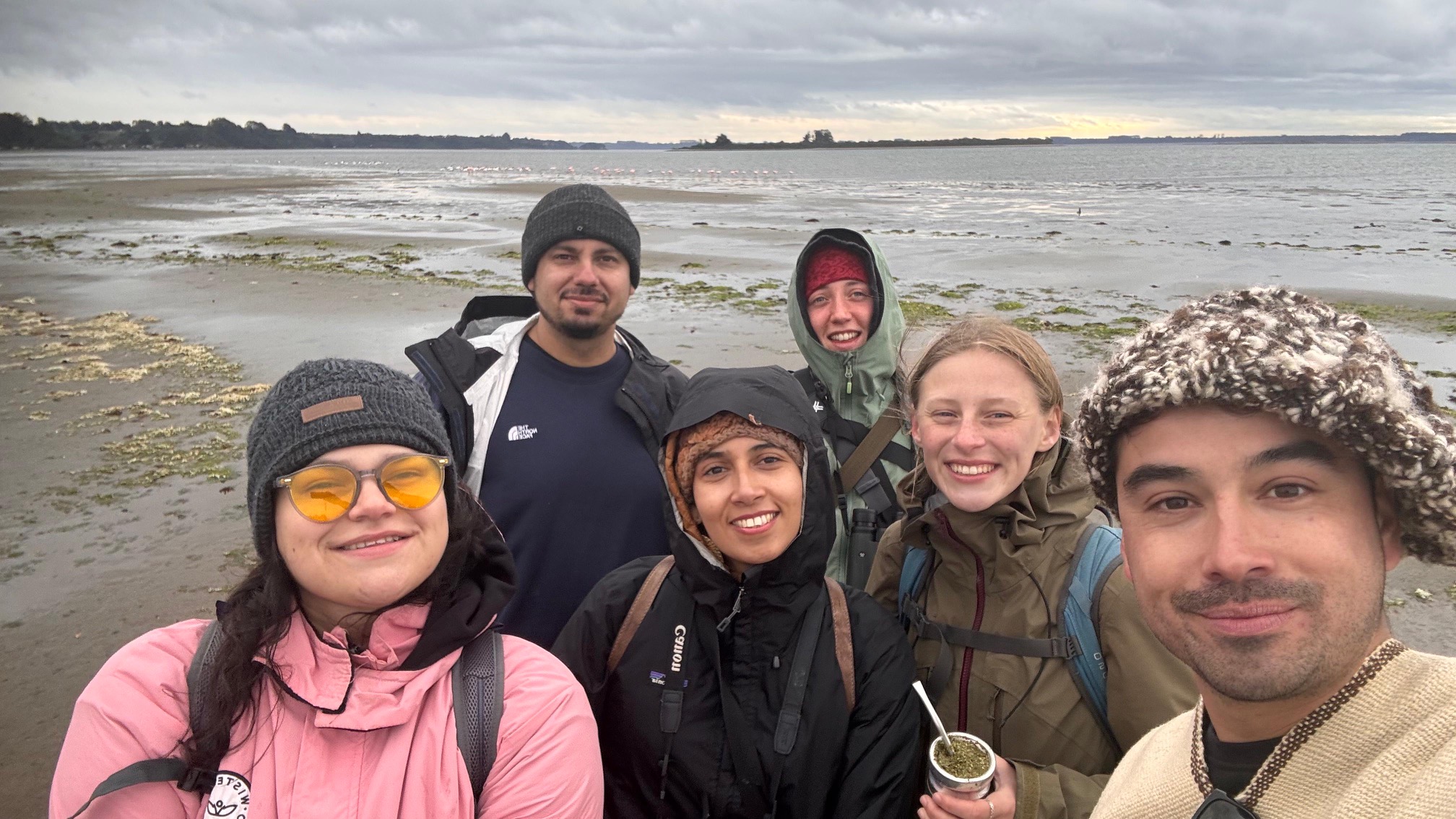
Lab interns and friends see flamingos

My global theme is resources and sustainability, and my global challenge is how different countries and cultures approach the science and practice of forest ecological restoration. My perspective on my global theme and challenge have shifted as during my internship I grew a greater appreciation for the importance of community knowledge and education when it comes to issues of sustainability and forest ecological restoration.

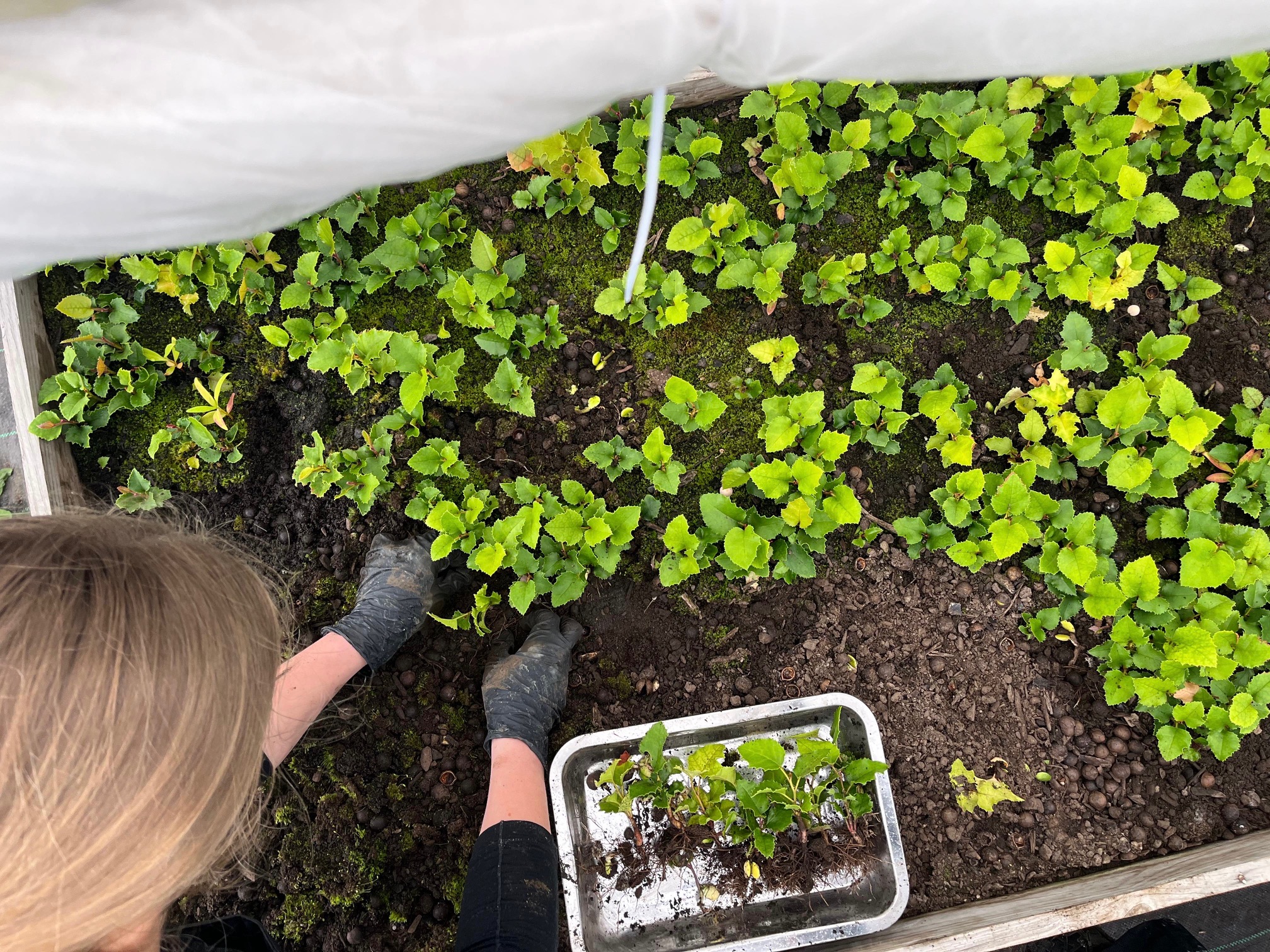
Sapling collection from the nursery
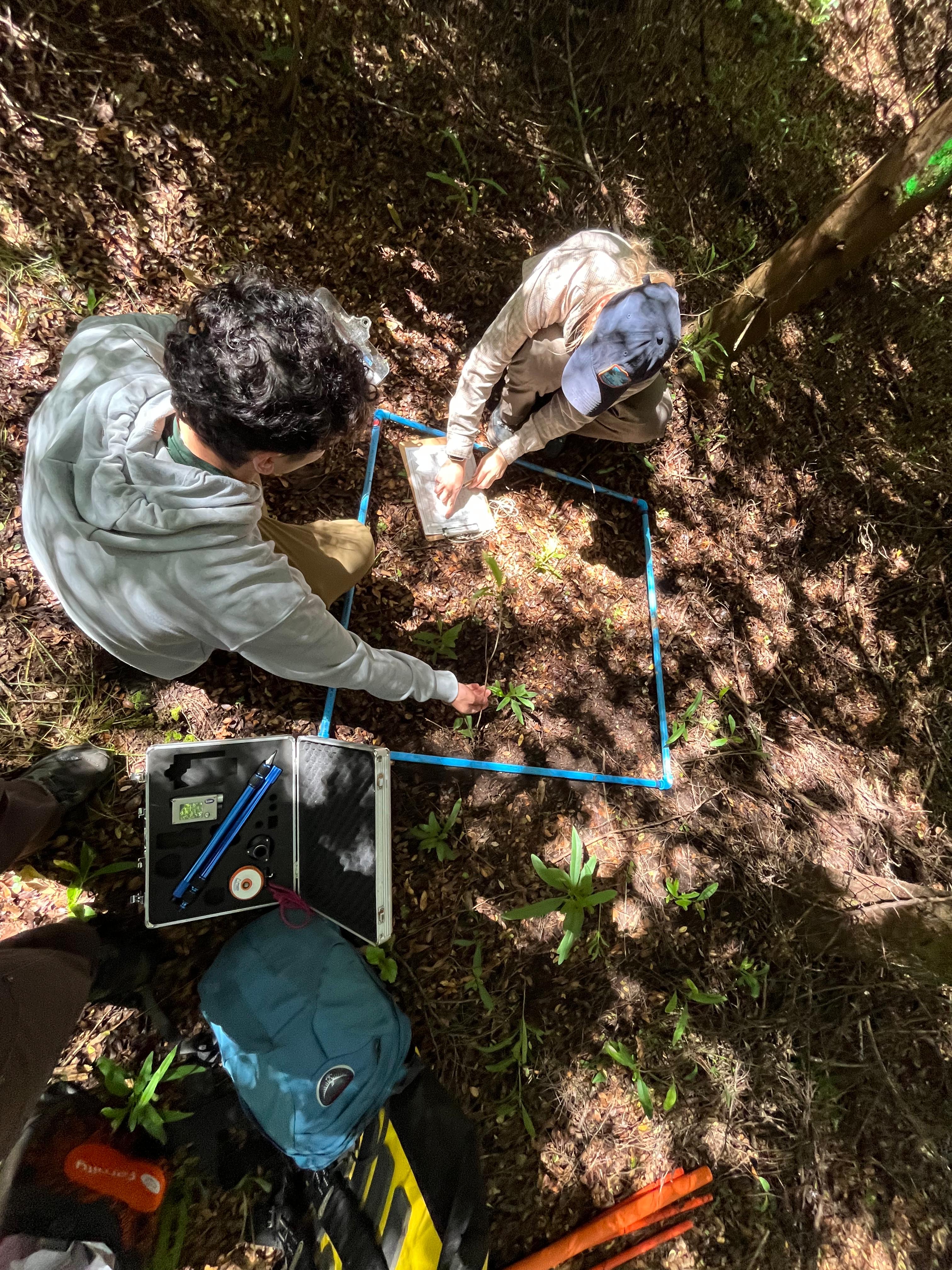
Regeneration plot sampling in the field
Community tour of the restoration work done in the local forests

Throughout the internship, I had the opportunity to assist with several different projects and tasks. These included a project called the FONDECYT Regular (Evidence-Based Restoration of Fire-Disturbed Temperate Forest Ecosystems of Chile); an experiment of differing thinning treatments done on native and endemic species; and the production of and care for seedlings and saplings. The diversity in tasks and projects helped to provide a unique experience that introduced me to many aspects of forest restoration work.

Because of my experience in Chile, I better understand the ways that different places and cultures interact with ecological integrity and restoration. On the island of Chiloé the main industries are fishing, agriculture and forest timber harvesting. Due to the climate in the region the island of Chiloé offers perfect conditions for the cultivation of many invasive and non-native species, of fish, tree, and livestock (examples of these include salmon, eucalyptus, and sheep). These industries are greatly affected by and connected to these invasive species due to their ability to thrive on the island. As such, the education of the local communities on how they can incorporate native alternatives into their industries is vital for gaining support for restoration efforts. One such project I was able to be a part of led to my writing of a report for the island’s community. The report took a scientific government report on ecological restoration works on the island and created a community-level report that was more accessible to the average member of the community. This project specifically challenged both my Spanish skills, and my understanding of the ecological restoration work I had been assisting with during my internship.

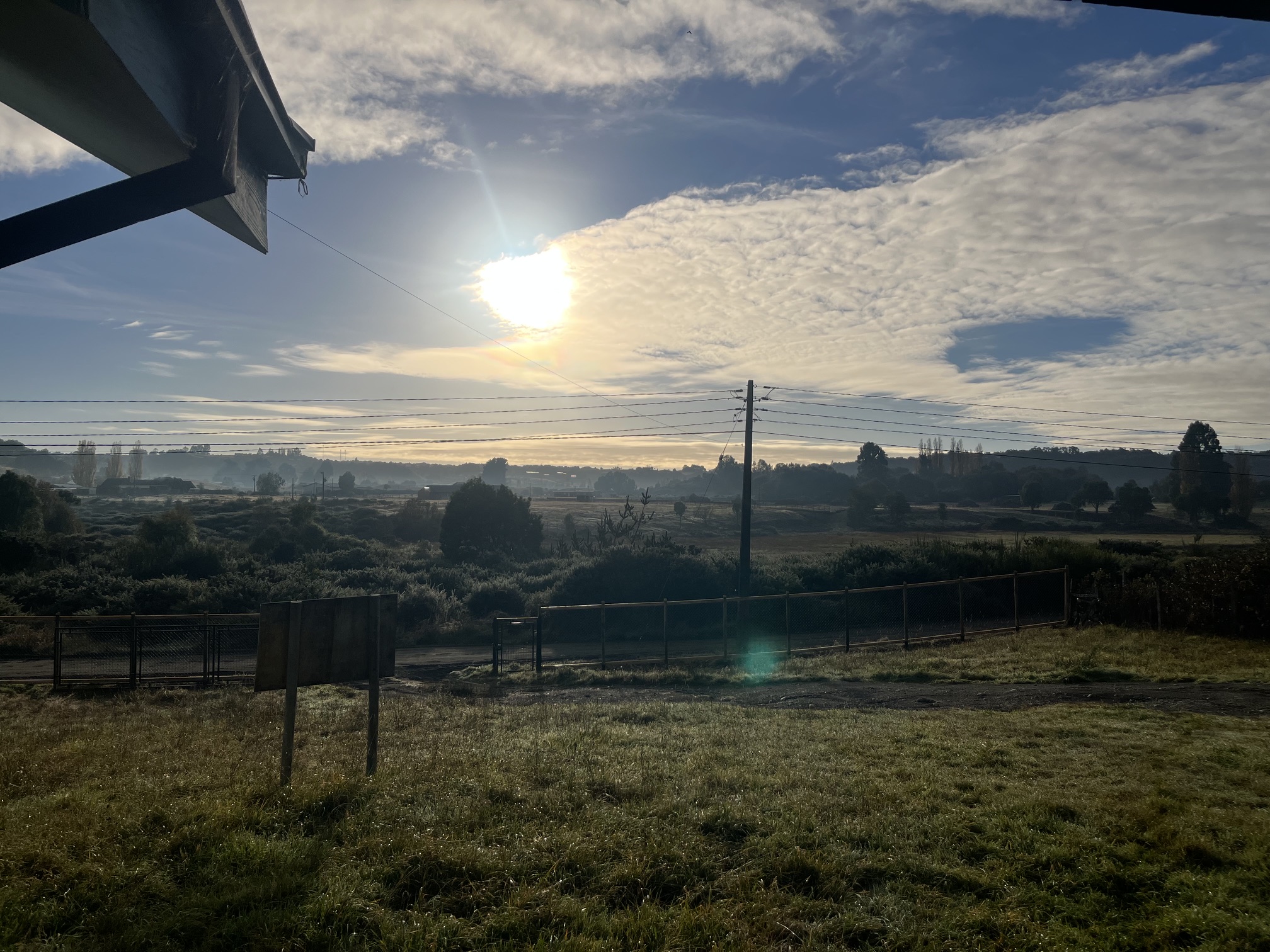
View from outside the INFOR lab

After my internship, and the writing of the community report, I’ve learned a much greater appreciation for the importance of tone when it comes to restoration or any scientific work. To greater effect change in any place, across the globe, a focus on others’ individual experience and values is imperative.

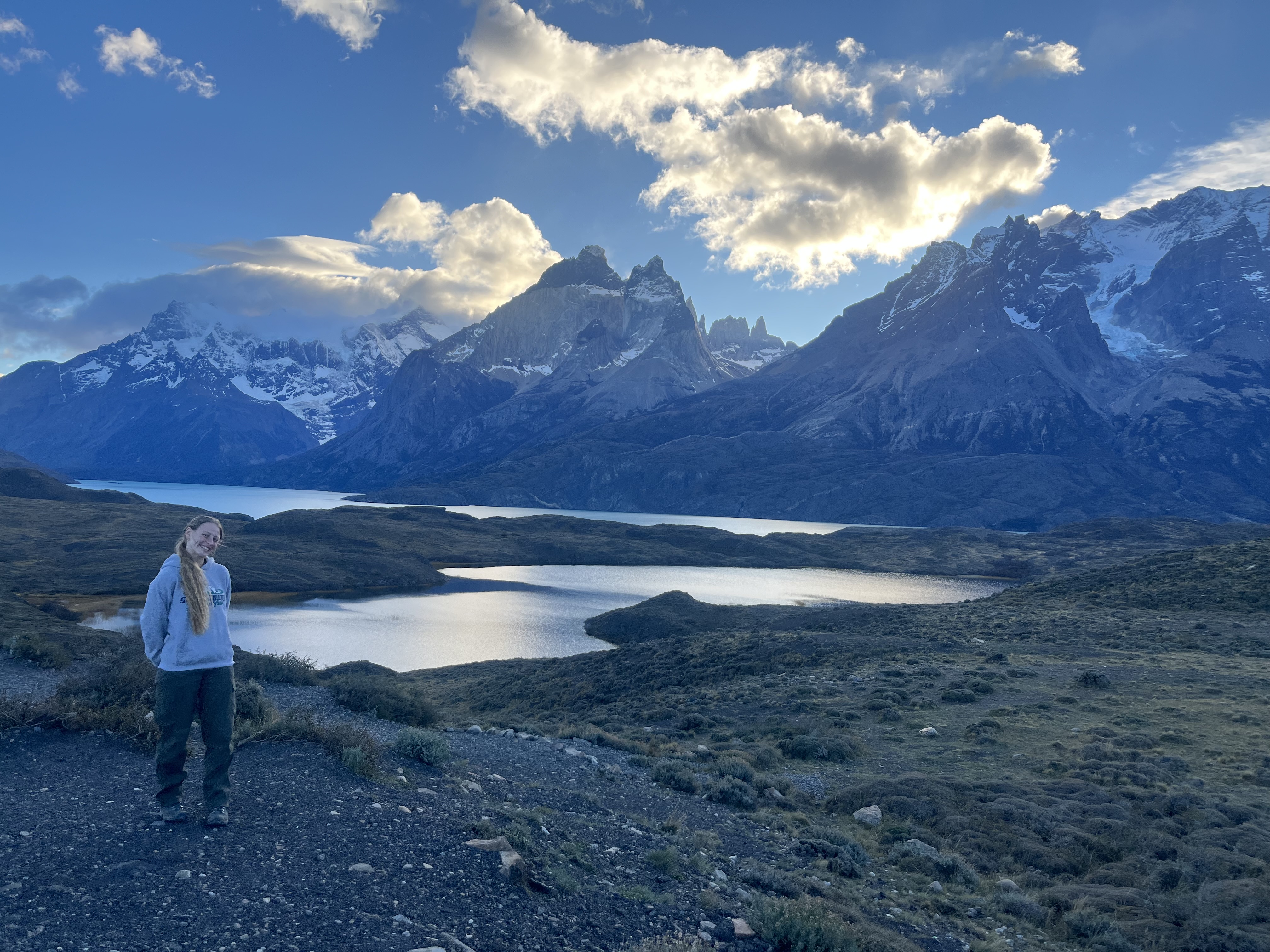
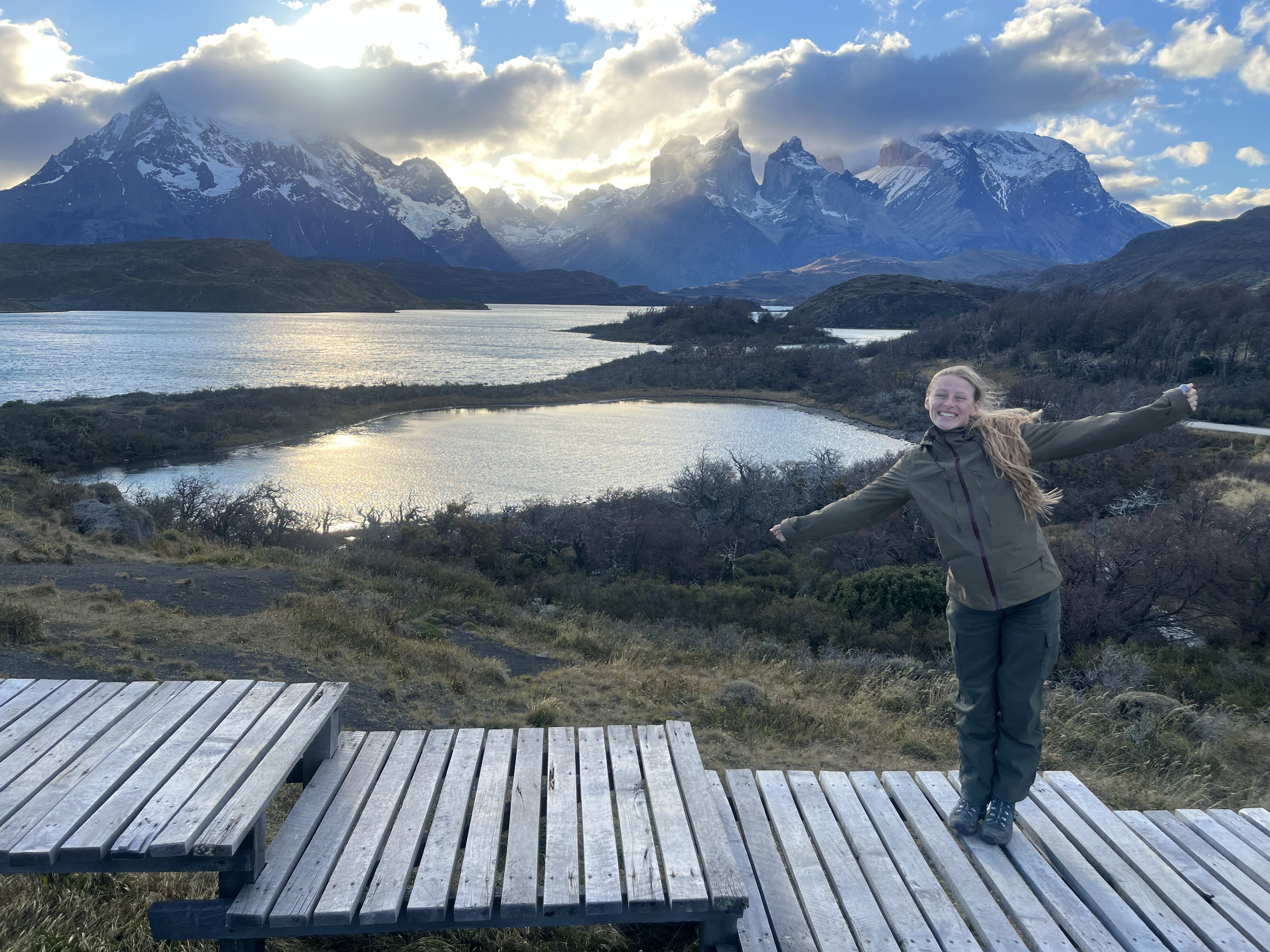
Torres del Paine National Park
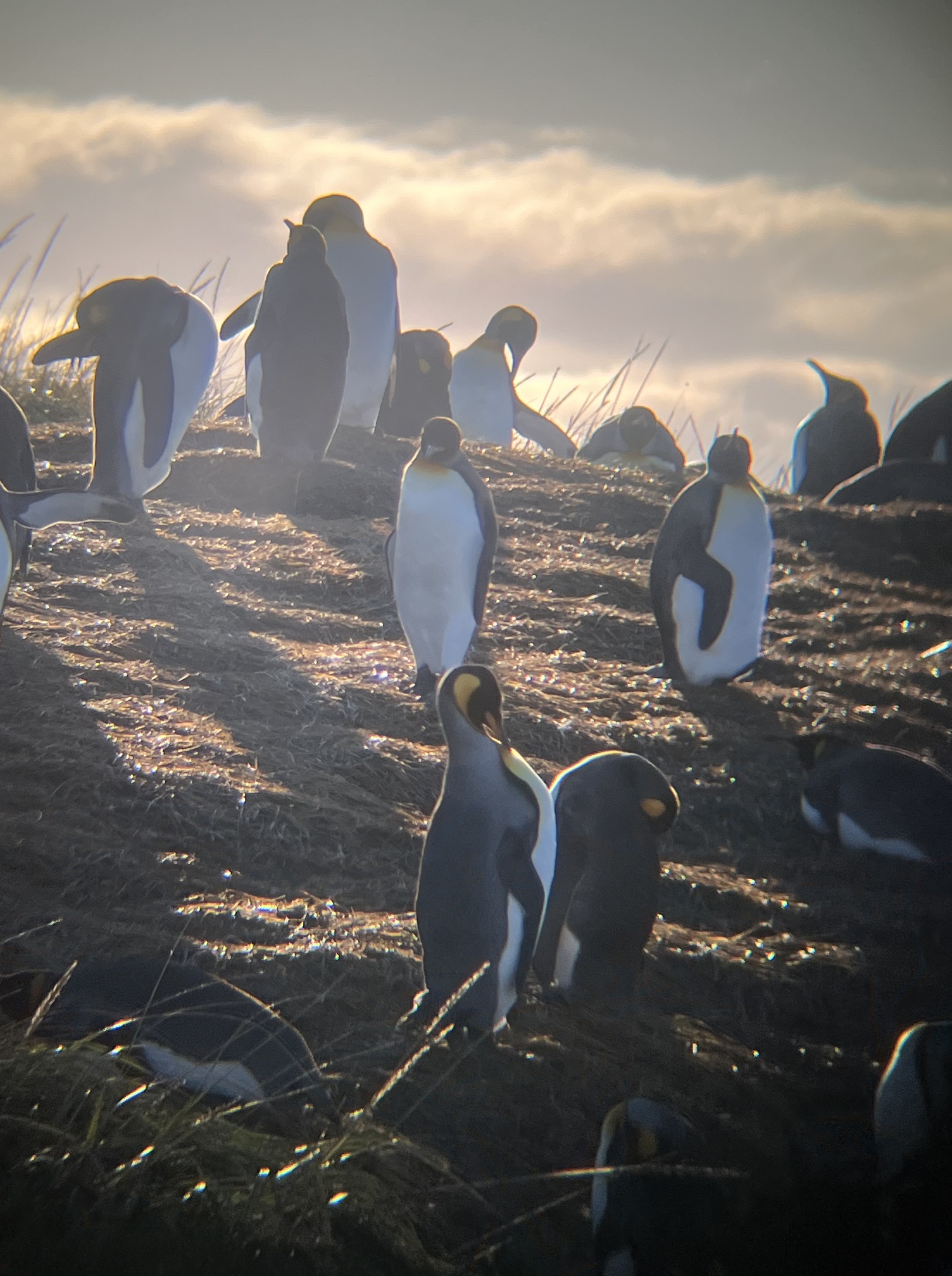
King penguins seen on the island of Tierra del Fuego
Torres del Paine National Park

Creating Change in a Changing Climate

This summer, I participated in a NASA Montana Space Grant Consortium (MSGC) internship with UM’s Zettlemoyer lab. The greater Missoula valley is home to several native cushion plants, including the endemic Missoula Phlox. The Zettlemoyer lab focuses on the ecology of these native cushion plant communities and how climate change may influence their populations. I assisted in their research this past summer and honed in on a specific species, looking at potential drivers for its presence and abundance.

Cushion plants

“Cushion plant” refers to a dense, often dome-shaped vegetative growth form. Cushion plants are typically found in alpine habitats, but several lower-elevation populations exist around Missoula. Because they are able to persist in very harsh conditions, they are considered “nurse plants” that provide microhabitat services for less robust species.

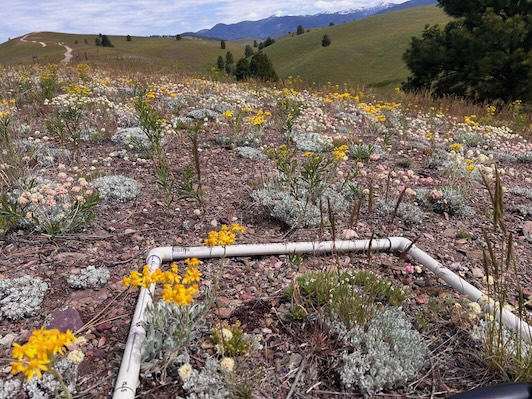
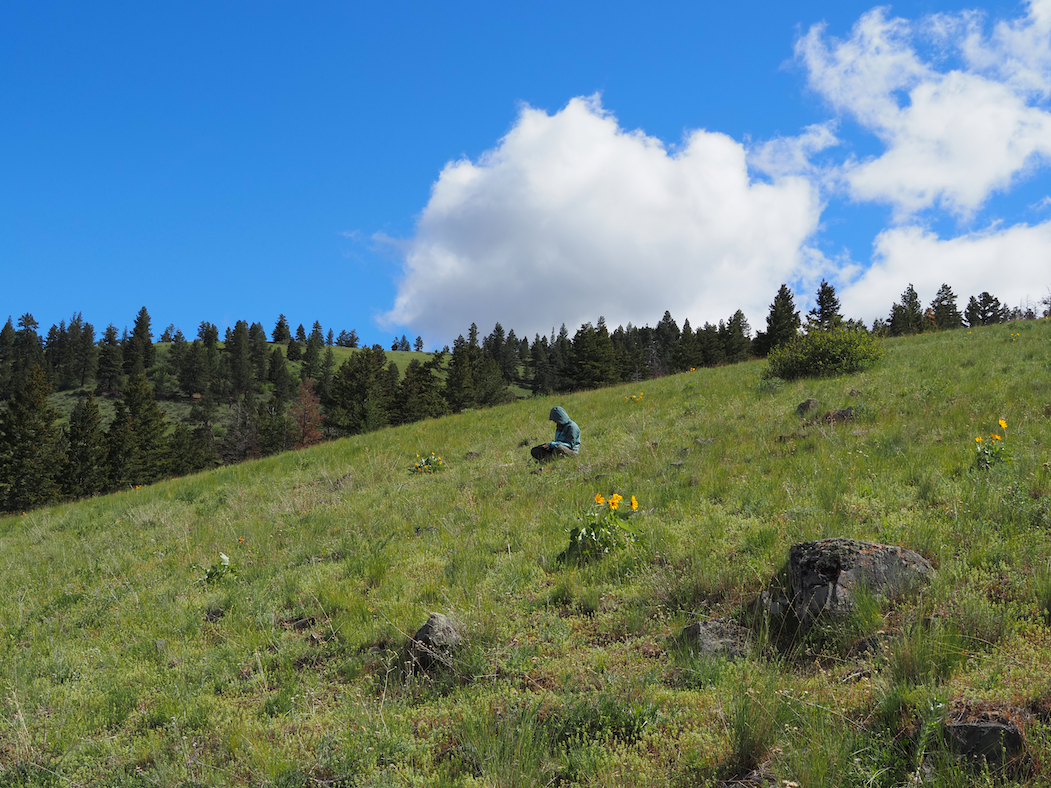
One of my field sites at Waterworks Hill. This quadrat had almost every one of our species of concerns, including my species of interest (Eriogonum ovalifolum)!

Before I started this experience, I was anticipating a summer full of rigorous field work and data interpretation. While I did get my fill of 16 hour field days and meticulous data organization, I was surprised by how rewarding the experience was in terms of global impact. During this experience, I completed a scientific paper in which potential drivers and risk factors for populations of a specific cushion plant species were discovered. Our results highlighted what aspects of shifting climate zones pose the greatest risk to alpine cushion plant communities (hint: its a lot more complicated than just warming temperatures!). Working with active researchers in the field also provided a lot of insight into the challenges scientists (and specifically conservation scientists) are facing in today’s political climate.

This experience furthered my understanding of my global theme (resources and sustainability) and challenge (how to measure and preserve ecosystem integrity in a changing climate) in several ways. The research I conducted over the course of my internship aimed to understand the key factors that influence Montana native plant survival and success (ranging from changes in UV exposure, soil chemistry, shifting pollinator populations, to physical human disturbance from recreation). The data I collected on the current populations and the analysis conducted to determine their risk factors will help build an essential network of data that can be used to better inform future management and conservation efforts in the Missoula valley. Cushion plants also exist (and are understudied) all around the world, so this work has global reach.

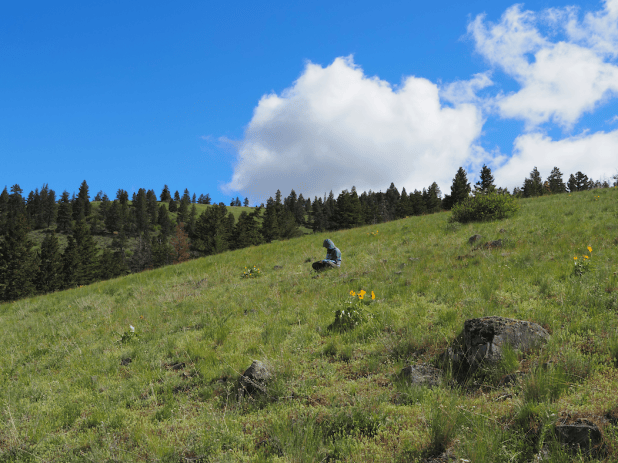
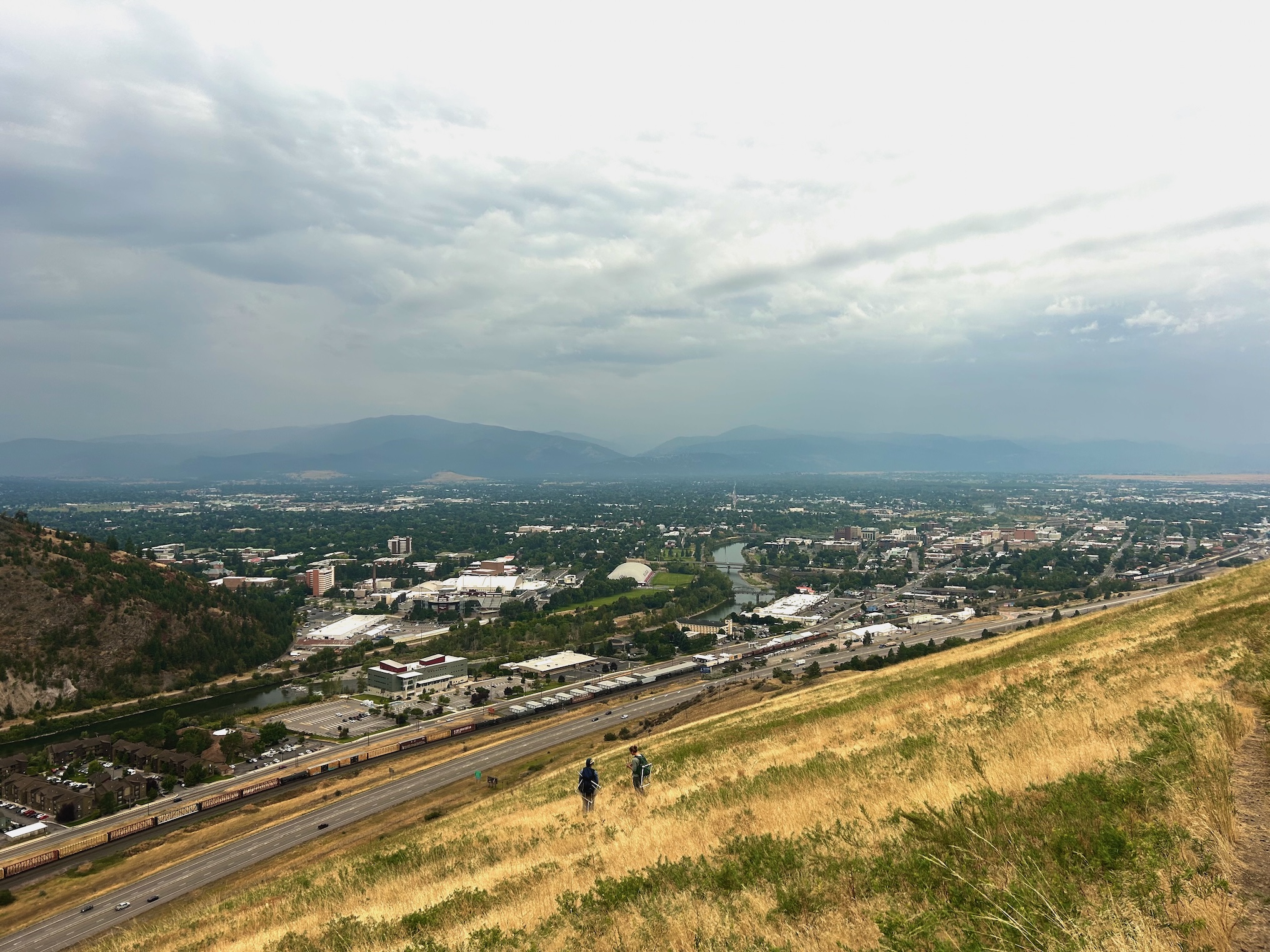
Trudging down Mt Jumbo after a long and arduous
day of soils…

Collecting data at MPG Ranch near Stevensville, MT.

Working in the lab definitely furthered my leadership skills. I was in charge of the final scientific paper produced based on our key findings. I had to set expectations and dates for writing this paper, as well as heading the interpretation of results (and what areas need to be further looked into). The realm of academia was entirely new to me at the start of this experience. Because of this, I didn’t have a clear idea of the kinds of people I would be interacting with. As it turns out, academia is a lot less stuffy and uptight than I thought. Because we were working outdoors, often near public recreation areas, I also got to interact with a wide variety of people from the general public. It was interesting to hear about the different perspectives the average person has on conservation science. While I still don’t think academia is for me, this experience showed me that its not as scary as I thought and is entirely within the realm of my capabilities.

In the upcoming year, after graduation, I look forward to a career in land management. Monitoring and analysis of ecological data is a very important part of this occupation, and this experience provided me with the opportunity to learn and practice a lot of these hard skills. Additionally, I learned how to confidently communicate with peers in the research field. As I enter the work force, I will utilize these skills to continue to make important conservation decisions. I’m so incredibly grateful for this opportunity!

Learning the Cheyenne Language through Virtual Reality

My name is Neveah Killsnight and I participated in a Cheyenne Language class taught through Virtual Reality this summer. The Cheyenne Virtual Reality Project was created by Northern Cheyenne Community members through the American Institute for Research (AIR). The purpose of the class is to learn how Virtual Reality (VR) can support language learning. There were 13 total students and 2 instructors from locations all over the United States. All of the participants are Northern Cheyenne tribal members. The program provides the participants with Meta Headsets. All of the participants were at different levels, so I wasn’t sure how much we were going to learn. I had no experience using virtual reality headsets either, so I really did not know what to expect. 

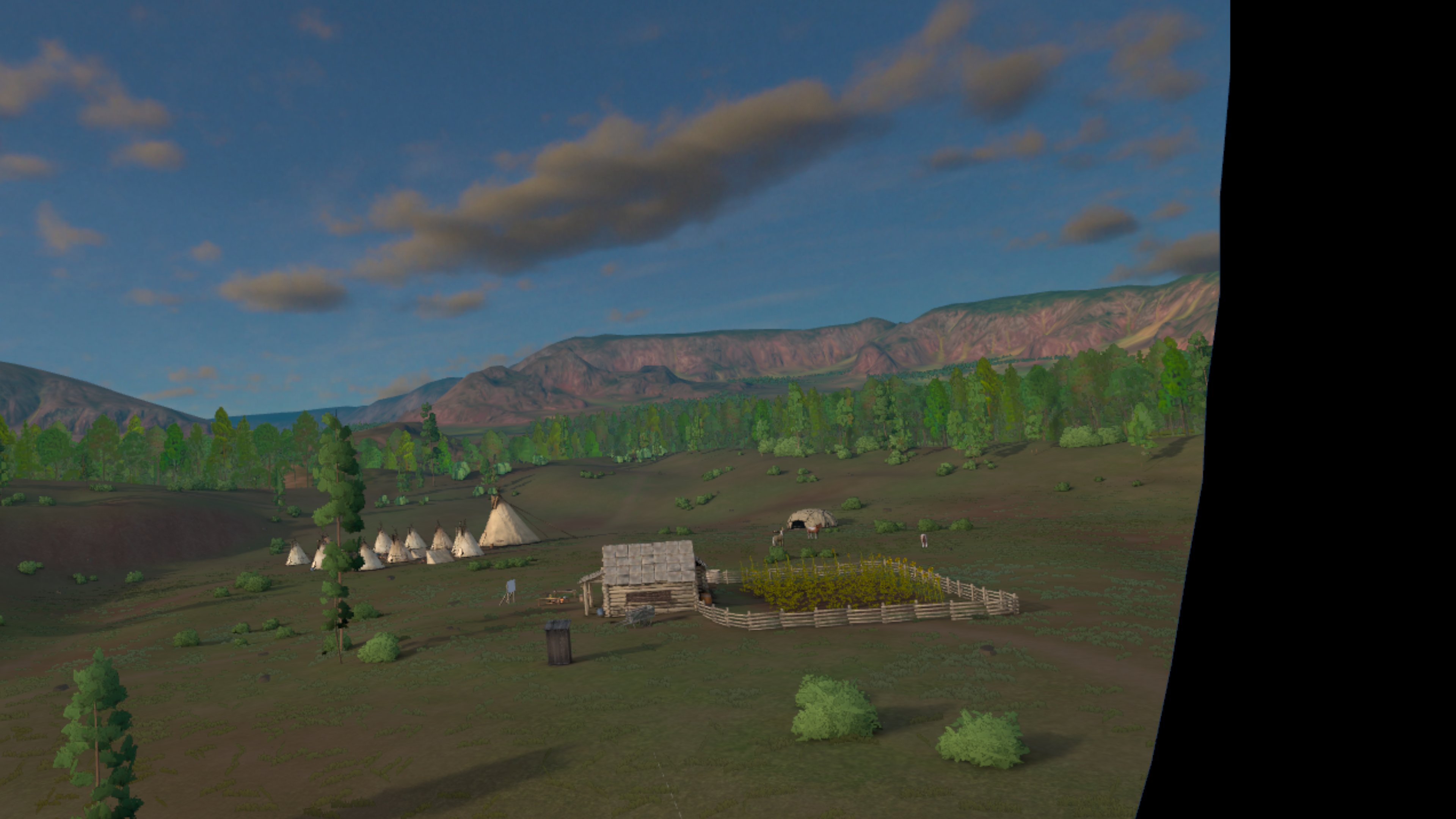
The class met weekly on Monday, Tuesday, and Thursday for 1.5 hours at a time. The class started in March and ended in August. In addition to these meetings, there was homework assigned outside of class as well. The goal was to get 10 hours of language learning a week. These 10 hours were a mix of individual and group practice. All of the students were starting from a different level; some had never taken a class before, some were being taught at home but never taken a class, and some were more advanced. In other words, there was no requirement for the participants’ Cheyenne language level. As far as the virtual reality space, it was created to look like the Northern Cheyenne Reservation. There was a small teepee village, a fire, a sweat lodge, a wood cabin, river and spring, and animals.  

I came into this program only having taken one Cheyenne class at Chief Dull Knife College the summer prior. I lived with Cheyenne speakers who taught me a few words, and I would hear them speak the language to each other. I knew basic words and how to say my name and introduce myself. During this class, we learned how to introduce ourselves and others, animals, how to introduce our family (mother, father, grandparents), how to say what you were doing or where you came from, and other basic phrases. As class progressed and we became more comfortable with VR, we stopped being able to see the spelling of the words and only learned by ear. Learning this way brought us closer as a class because we had to interact more and learn from each other. Even though we are at different locations we have become closer as a group. Additionally, working with people who were at different levels was actually beneficial for our class. The ones who were at a higher level were able to assist others, and we all learned from one another.

Learning in the virtual reality setting that was created to look like the Northern Cheyenne Reservation, reminded me of stories that my grandparents would tell about how he grew up. My grandpa and grandma were both Cheyenne speakers, it was their first language and English was their second. My grandpa would always tell us about the wood cabin he grew up in. I remember once we were driving on the highway, and he knew the land so well. As we drove and he would tell us the history, he pointed at a small creek and told us that was where he used to play, he pointed at the abandoned buildings and told us who lived there, and other stories. Learning in this setting that looked like home made me feel more connected to my culture and family, even when I was across the state in Missoula.

Through this experience, I learned the importance of making language learning more accessible to tribal members throughout the United States. Our tribal college offers language in-person classes, but it might be hard to access them unless you live on our reservation. Almost half of the total enrolled Northern Cheyenne tribal members live off the reservation. The Cheyenne language is also considered an endangered language, due to assimilation, colonialism, boarding schools, and other government policies that discouraged speaking of native languages. Our language is crucial to our identity and holds so much cultural and spiritual significance. It is important that we continue to learn our language so it does not disappear. I know that this struggle is shared with many indigenous people throughout the world. The Cheyenne Language VR Project taught me so much about language revitalization.

Before this class, I never even thought that learning a language through virtual reality was possible, even the online classes I took were challenging. The language classes I have taken were very structured, and we were always able to see the language spelled out. This class was very immersive. Through this experience, I was able to learn Cheyenne the way our ancestors did; through interacting with each other and hands-on practice. This expanded my knowledge on how we learn a language, and I hope that this can be used to make language learning more accessible in the future.

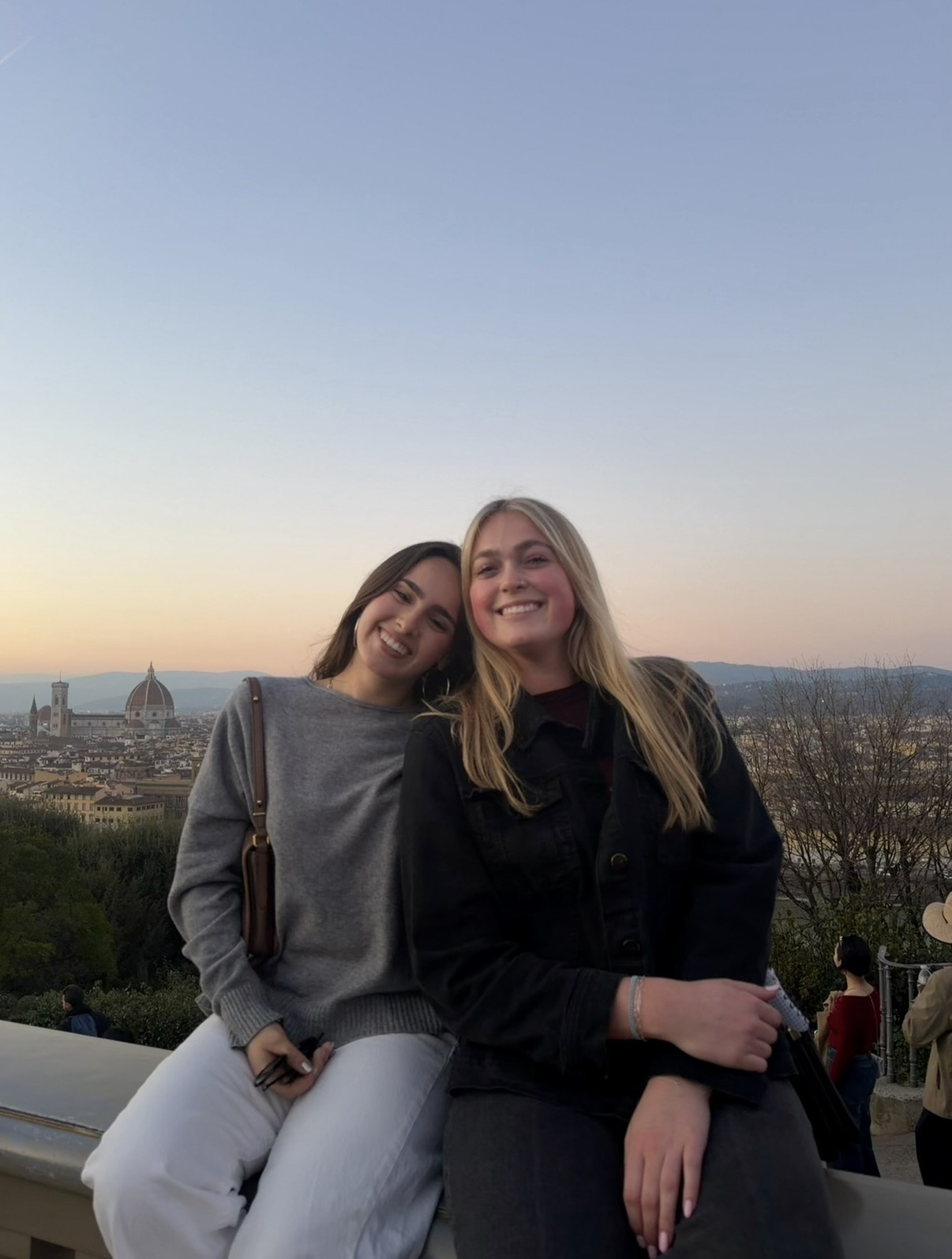
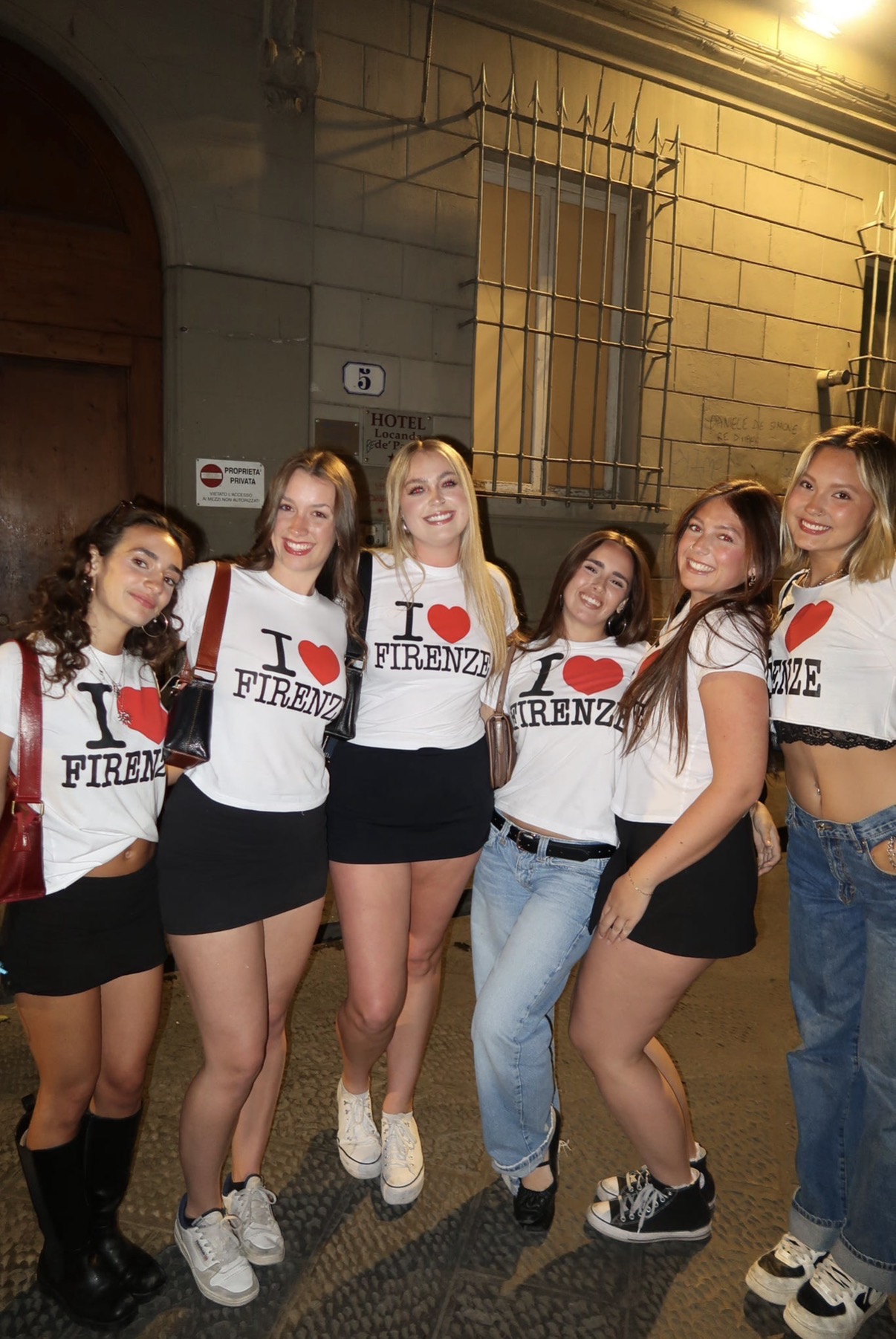
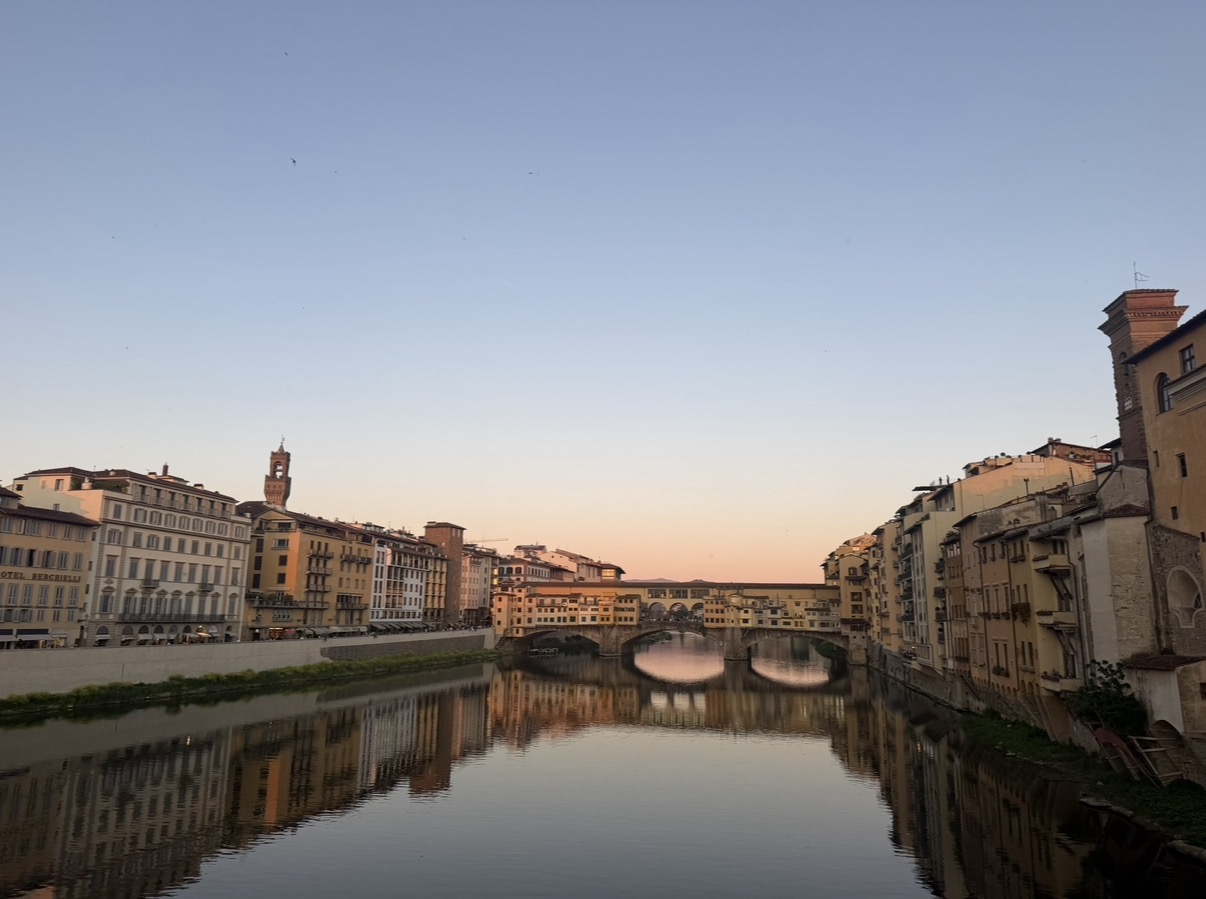
My Semester Abroad in Florence, Italy

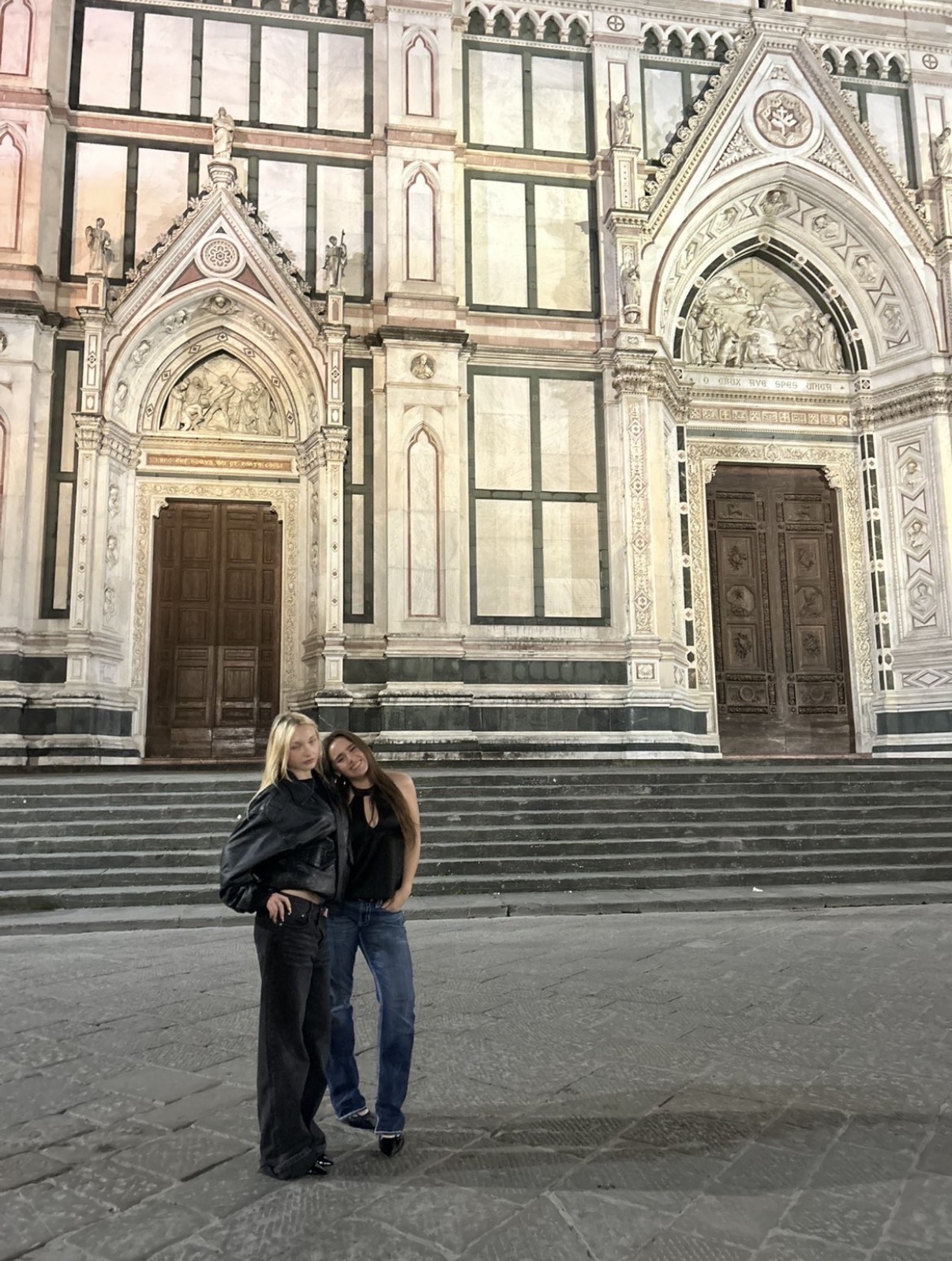
I spent a semester studying abroad in Florence, Italy. I was very excited for this experience, but I didn’t really know what to expect. Before leaving, I had done a lot of reading and research on Italy and Italian culture. Although this helped my understanding of the culture, nothing can compare to living there and experiencing it first-hand. Many things were exactly as I expected, but many things also took me by surprise. Adjusting to a new culture is difficult, but I found that to be one of the most fulfilling things about studying abroad. There certainly things that were frustrating, but I learned that cultures tend to be very quick to judge another culture. Learning to keep an open mind was not always easy, but studying abroad helped with that and taught me that cultural differences are not always bad, but different. Doing things differently does not make it wrong. I’ve even adopted some Italian ways of doing things into my daily life since moving back home.

My global theme is resources and sustainability and the challenge for my beyond the classroom experience was how to make food production, consumption, and disposal more sustainable and ethical. I took a class called ethics and justice in food systems. The class focused on ethics and sustainability in food systems in Italy, as well as around the world. We discussed a range of topics, including food waste, the economy around food, social movements regarding food, and even learned about organized crime around food and agromafia. Learning about food while living in Italy was fascinating, since Italians have a proud culture surrounding their food. It was interesting to learn about food systems in a country where it tends to be more sustainable and then compare it to the food systems in the United States. A very memorable moment from my experience and this class specifically was learning about and trying lampredotto. This is a traditional Florentine street food. It is made from the final stomach of the cow, cooked in a vegetable broth and served inside a bread roll. Italians have a tradition of “cucina povera,” which translates to “poor kitchen,” but is a style of cuisine in which no food is wasted. Because that part of the cow would usually be thrown away, lampredotto is a great example of this. My professor taught us about this but wanted us to try it and truly experience it. Although it wasn’t my favorite food, I am very glad I tried it. After our meal, a few of us sat with our professor and discussed our eating habits back in the United States, compared to Italy. We talked about grocery shopping, cooking, and how we dispose of food. It was interesting to discuss the differences on such a personal level. Because of this class, I’ve changed many of my eating habits to be more sustainable. For example, I try to use everything I buy to reduce food waste, and I try to buy from more local and sustainable producers. They are small changes, but even that can make a small difference.
Studying abroad was instrumental in my personal growth, especially my leadership skills. I have become more confident and outgoing. Because I met so many new people, my ability to connect with new people has improved. For example, I noticed and improvement while at work over the summer. I worked at a state park and was easily able to connect and converse with guests and was more confident enforcing park rules. I was able to confidently train new employees and take the lead on multiple projects. Overall, I had a great time studying abroad; I learned a ton, I gained new perspectives on peoples and cultures, and I grew as a person.

https://photos.app.goo.gl/uxfXkUzDvcgpnP3C6

https://photos.app.goo.gl/JVYLtJL6NoGqcMbS9

Ellie and the Elephants; My Summer in Thailand

I spent my Beyond the Classroom Experience in Thailand for three months. I had little expectation for what my journey was going to entail. I had my preconceived ideas about Thailand and the culture there. Now, having returned home deeply reflected my time there, my expectations were beyond anything I could have ever imagined.  I spent time in remote villages, elephant sanctuaries, 30 meters/100 feet under water, and many street markets.

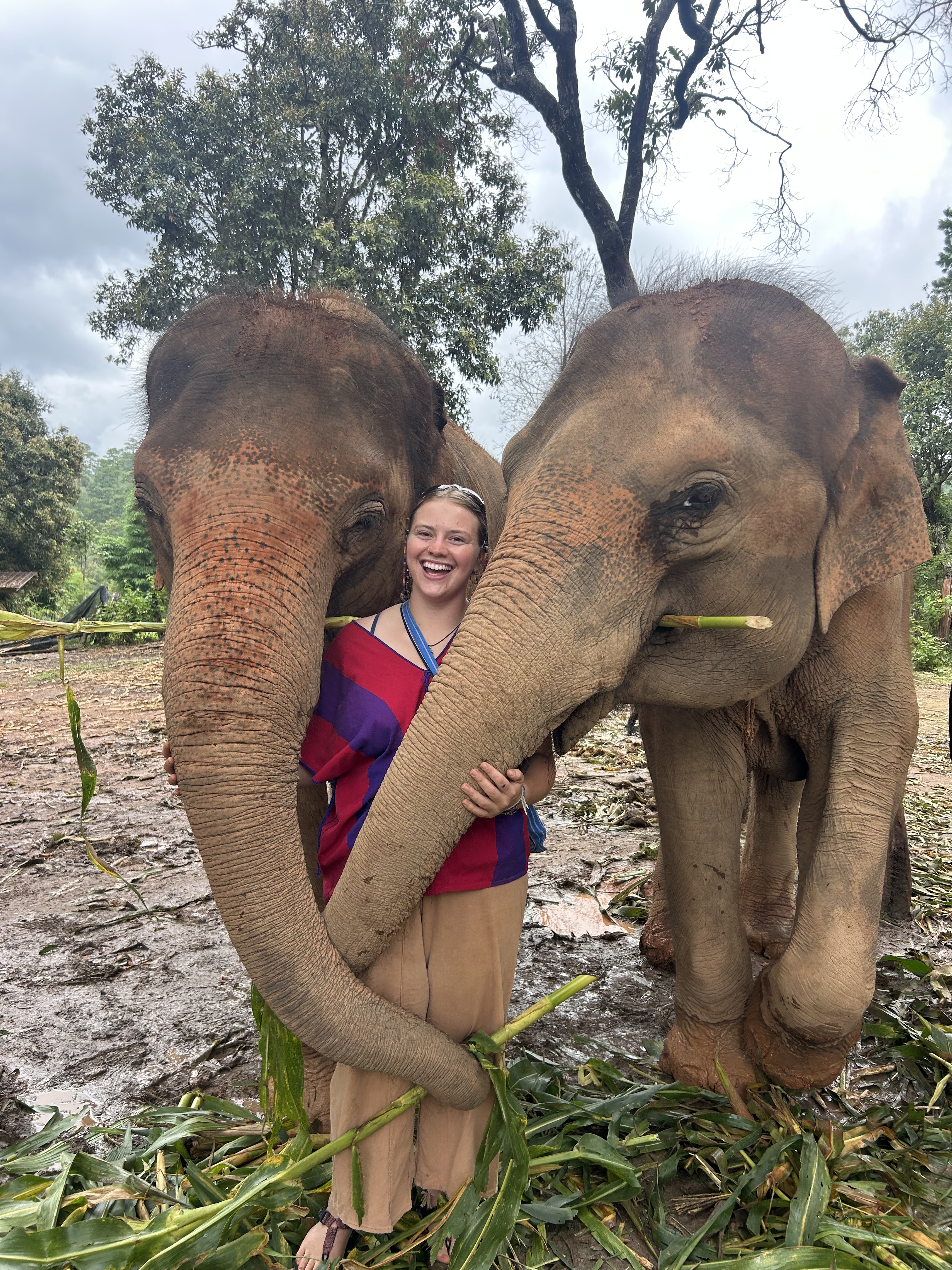
For the first month or so, I spent my time with Growth International Volunteer Excursions, otherwise known as GIVE Volunteers. Upon arrival, I was truly blown away by the attention to detail and consideration they had. From the start, we were given a short Thai lesson and were told about culturally appropriate attire. GIVE did a phenomenal job making sure the volunteers were emerged in the cultures surrounding our work and learning as much as we could. If not for GIVE, I do not think I would have experienced Thai culture in the same way. While volunteering, we worked in schools to teach english based on the curriculum the teachers were following. At one of the schools we built a garden for the children to grow their own produce. Another part of volunteering was learning about ethical elephant tourism and how sanctuaries do their best to keep the elephants healthy and have safe interactions with tourists. The final part of volunteering included getting scuba certified and exploring the importance of ocean conservation. In Krabi, we took coral reef and Black Tip Reef Shark surveys.

My Global Challenge during this experience was exploring the overlap between culture, sustainability, and conservation in indigenous communities, and how has western colonialism interrupted this connection. I had the opportunity to learn from local guides about the Indigenous Peoples of Thailand. While volunteering with GIVE Volunteers, my fellow volunteers and I spent time learning about local culture and traditions. Many of these practices took more than one person. Because these tasks require more than one person, their culture is very community focused and centered around helping each one another out. This idea made me think about how my actions would affect these communities we spent time in. Spending baht, the Thai currency, in a 7-Eleven does not go as far as it did at the local shop in the hill tribes. My perspective on the community and my own actions in the community have changed. I have a greater appreciation for the small day-to-day things. I also find myself being more mindful about the small things I do in my life that could have lasting change.

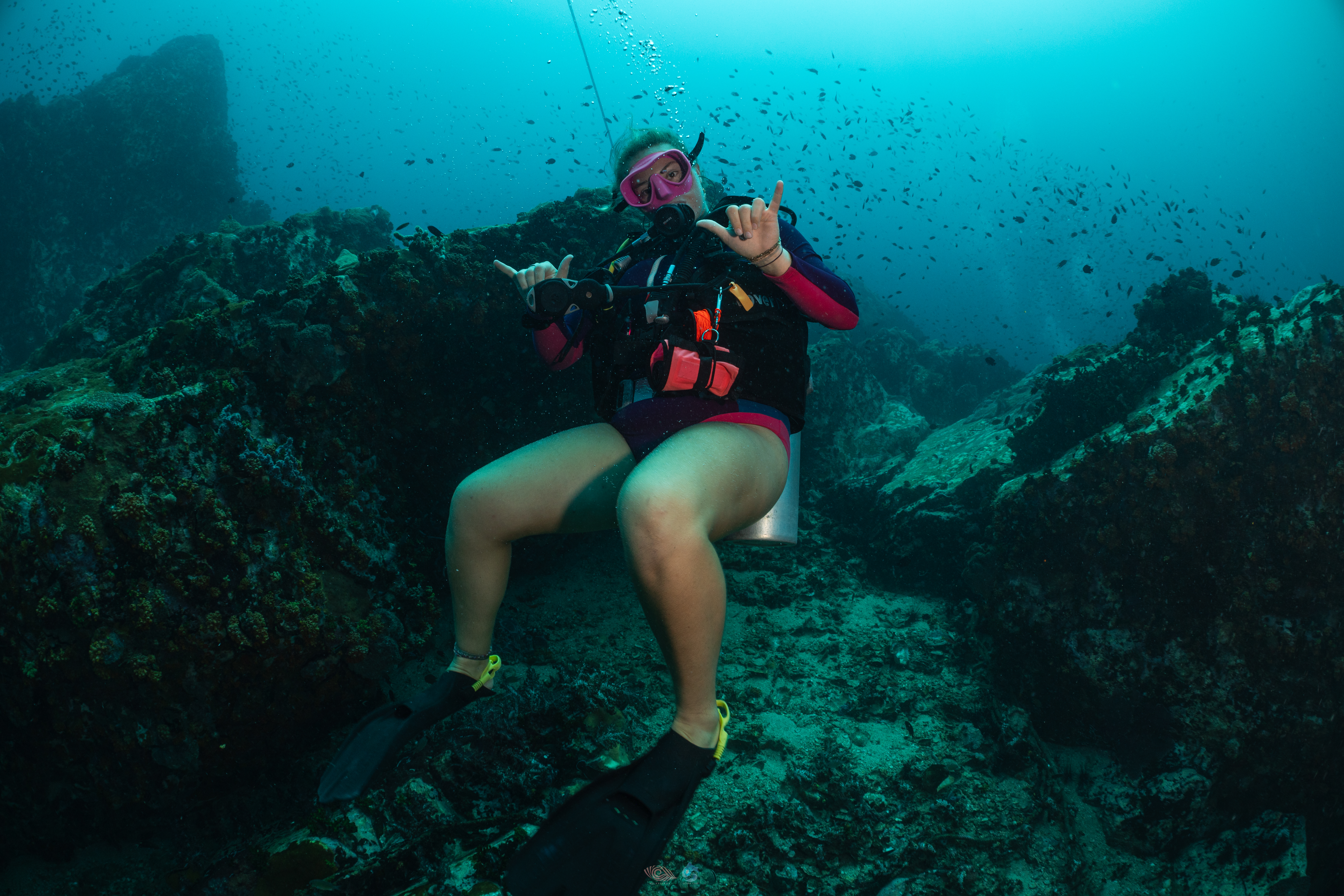
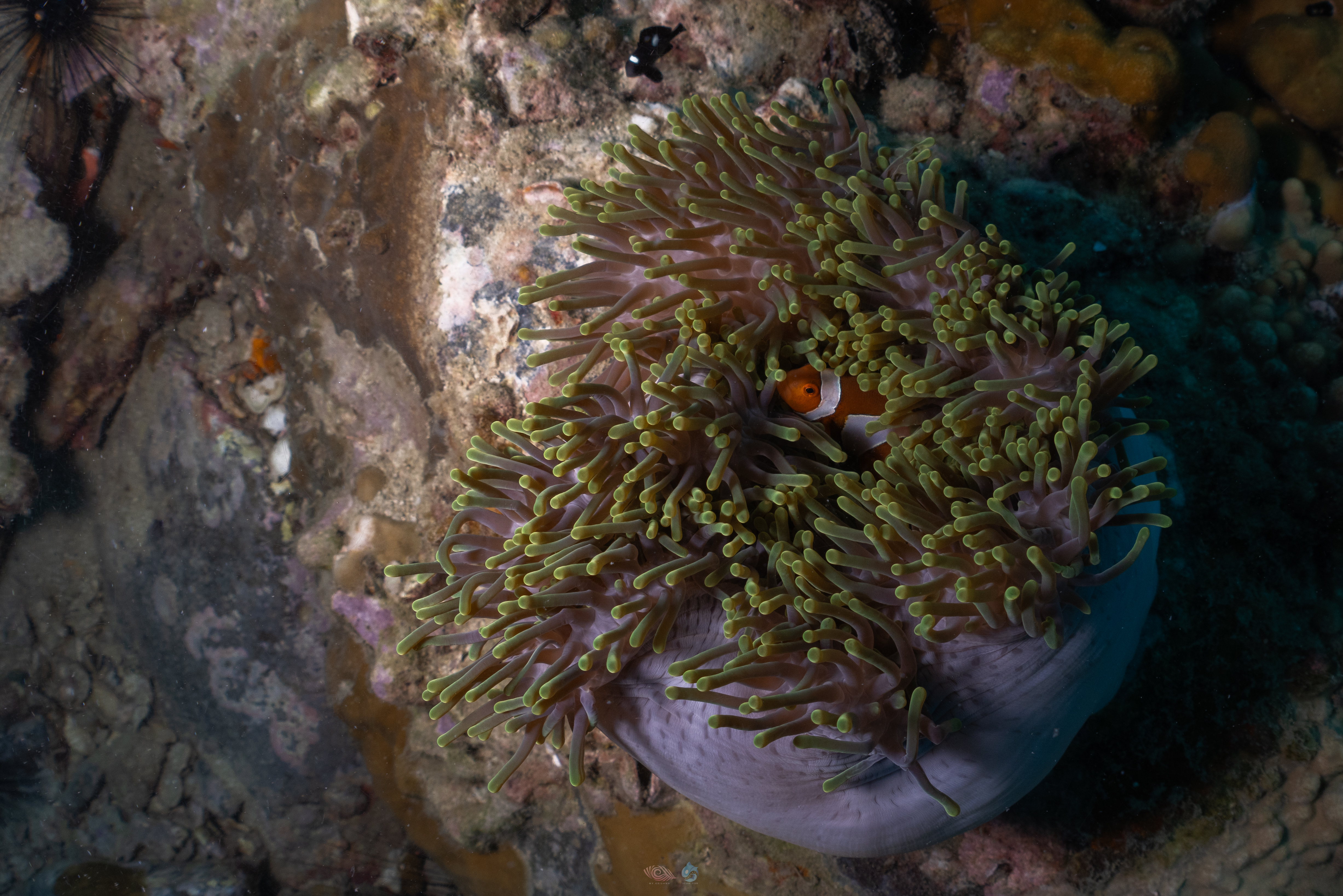
After I departed from the give, I made my way down to Koh Tao. Koh Tao means “Turtle Island.” Koh Tao is considered a remote island in the Gulf of Thailand. I spent several weeks here scuba diving and completing different specialties that work towards becoming a Master Scuba Diver. I had the great privilege and opportunity to see some of the most beautiful reefs and deep dive sites. The dive company I dived with, Black Turtle Dive, is a conservation dive center. They work with organizations around Koh Tao to establish a healthier relationship between tourists and the coral reefs. I had the opportunity to learn about artificial reefs and divers perceptions of them from one of the dive students I was certified with. I spent time diving with people from all over the world. I had dive instructors who were Scottish, French, Thai, and English. It was awesome to be a part of an activity that does not exclude anyone based on race, religion, or gender. That is one of my favorite things about scuba diving. Anyone can do it no matter who you are, with limitations to physical health factors.  

Thailand is a melting pot of cultures, religions, travelers, and expats. One thing I learned to practice was to remain curious rather than being judgmental. Spending time around people from all over the world meant I was going to see or hear things that were outside of my cultural norms. However, taking a step back and remembering that whatever is abnormal to me, may be normal to someone else. I found this was an easier topic to think about rather than doing it. It is easy to sit in a classroom or at home and believe you are to be open-minded and welcoming to all ideas. Experiencing cultures far from your own is destined to make one feel awkward. Two things can be true at once. I was fascinated with the cultures I was surrounded by, and sometimes I was unfamiliar with the cultural standards of others. With that said, I tried to remain curious and not judge other peoples’ experiences. I can use what I have learned about curiosity instead of judgement in leadership settings. I can ask people about their approach to a conflict or any situation that requires someone to step in.

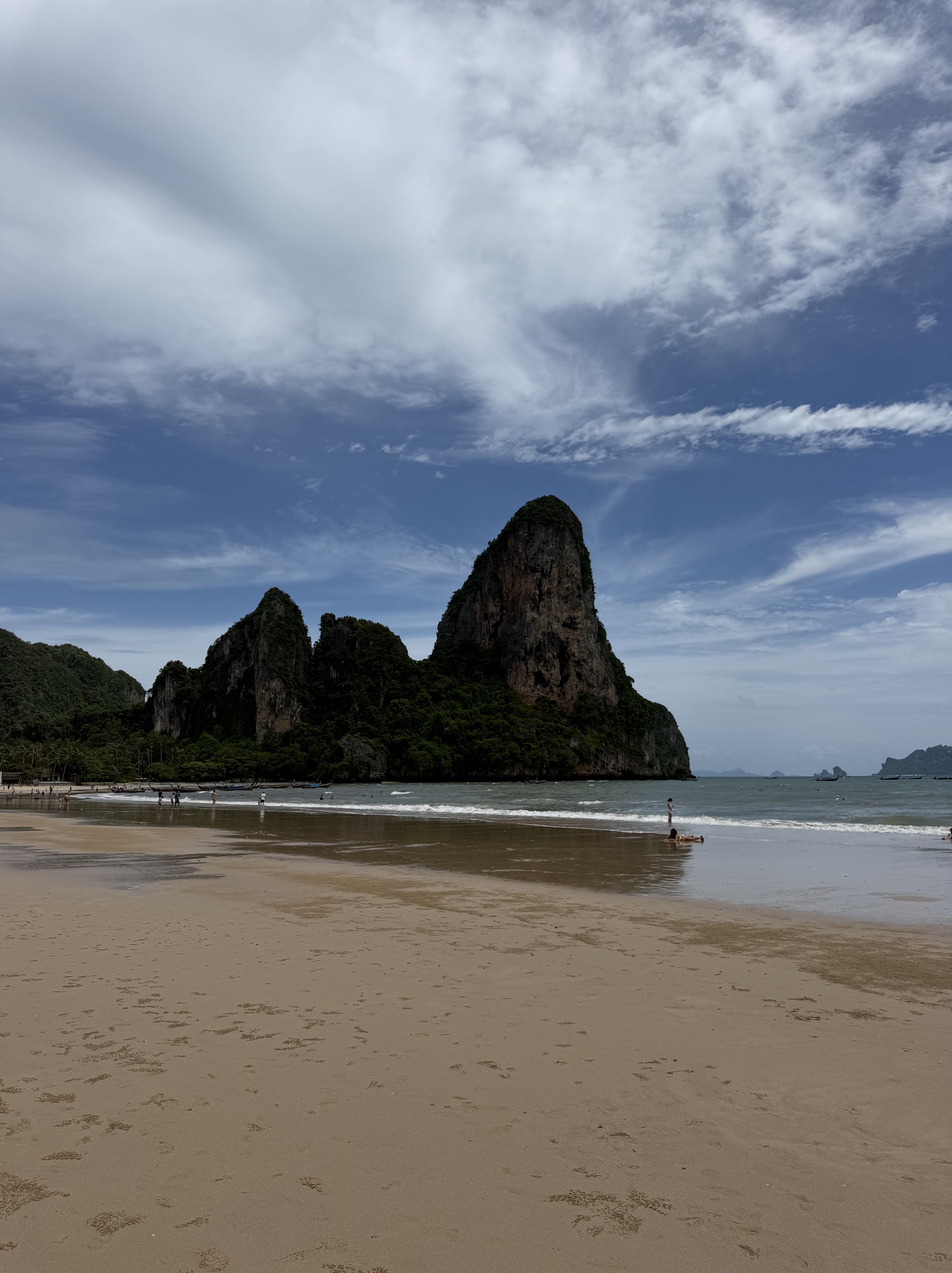
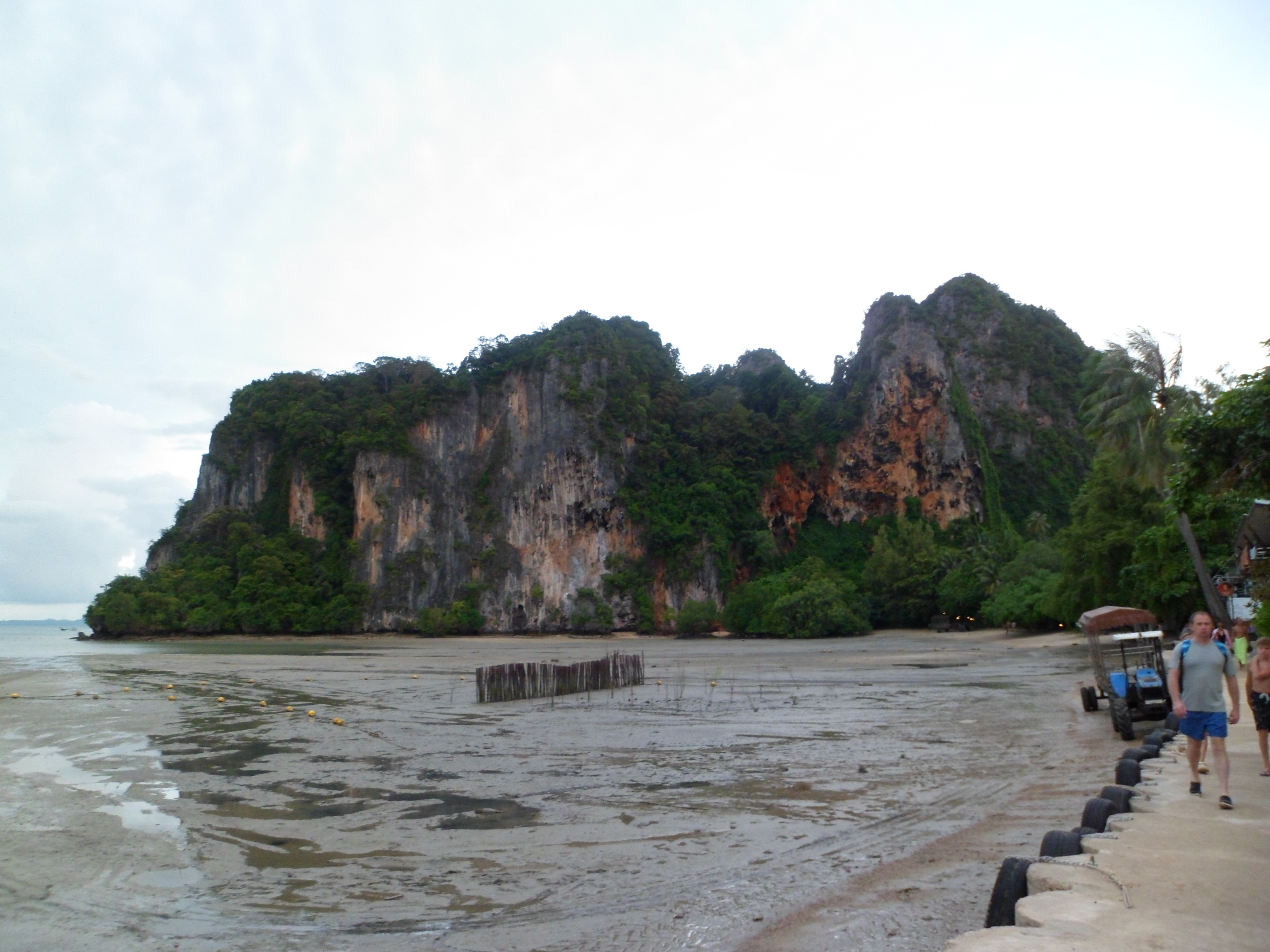
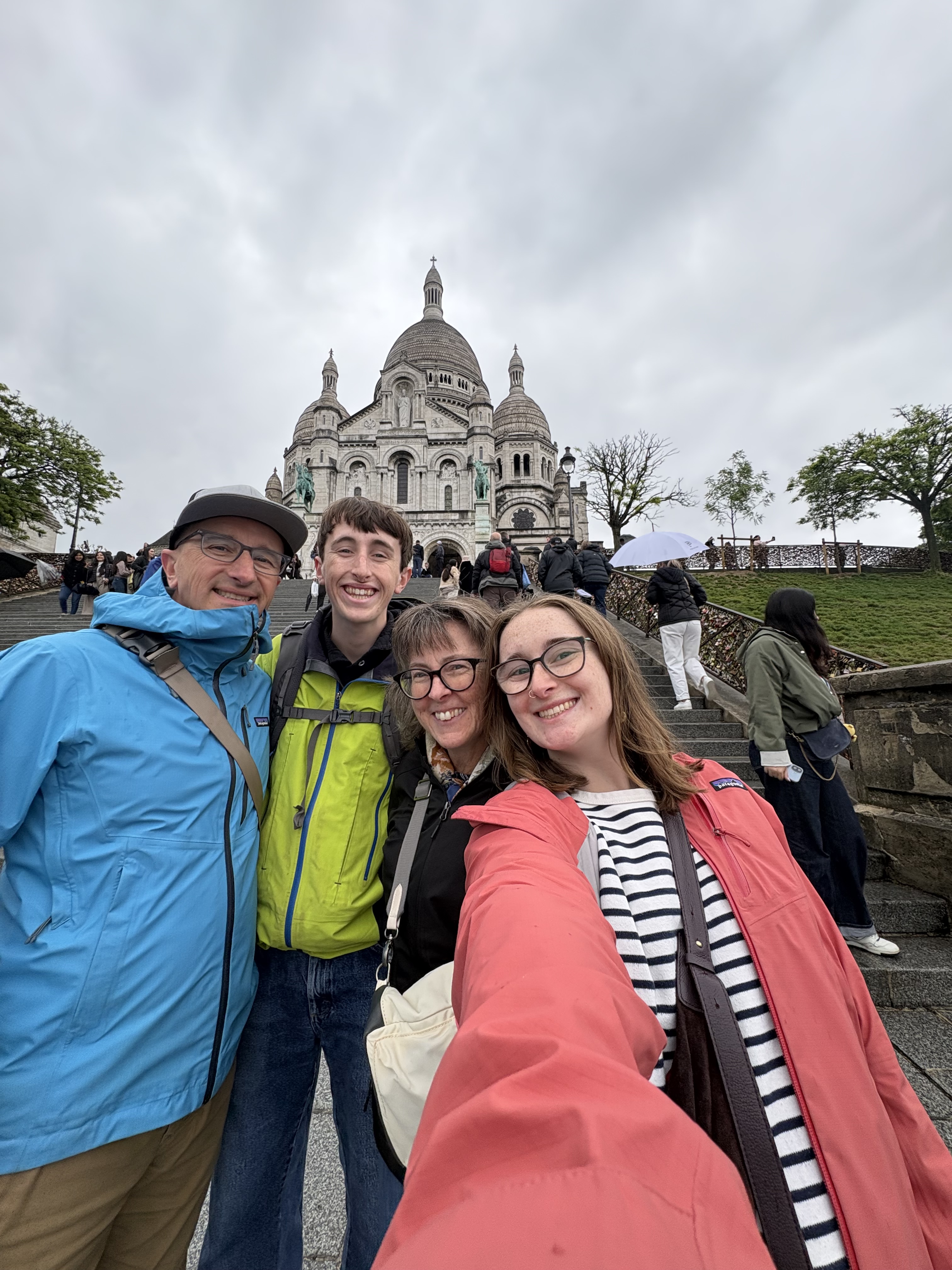
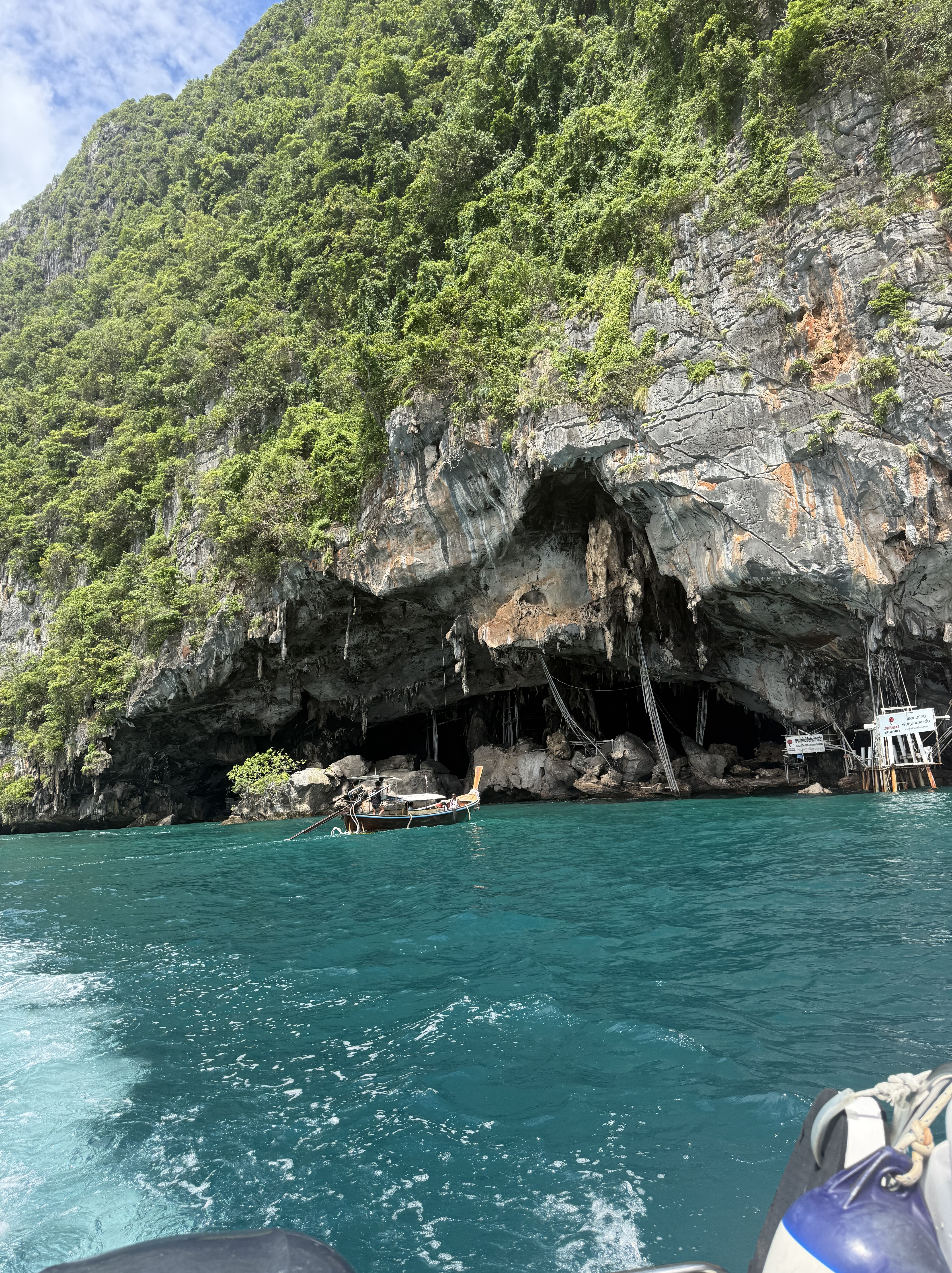
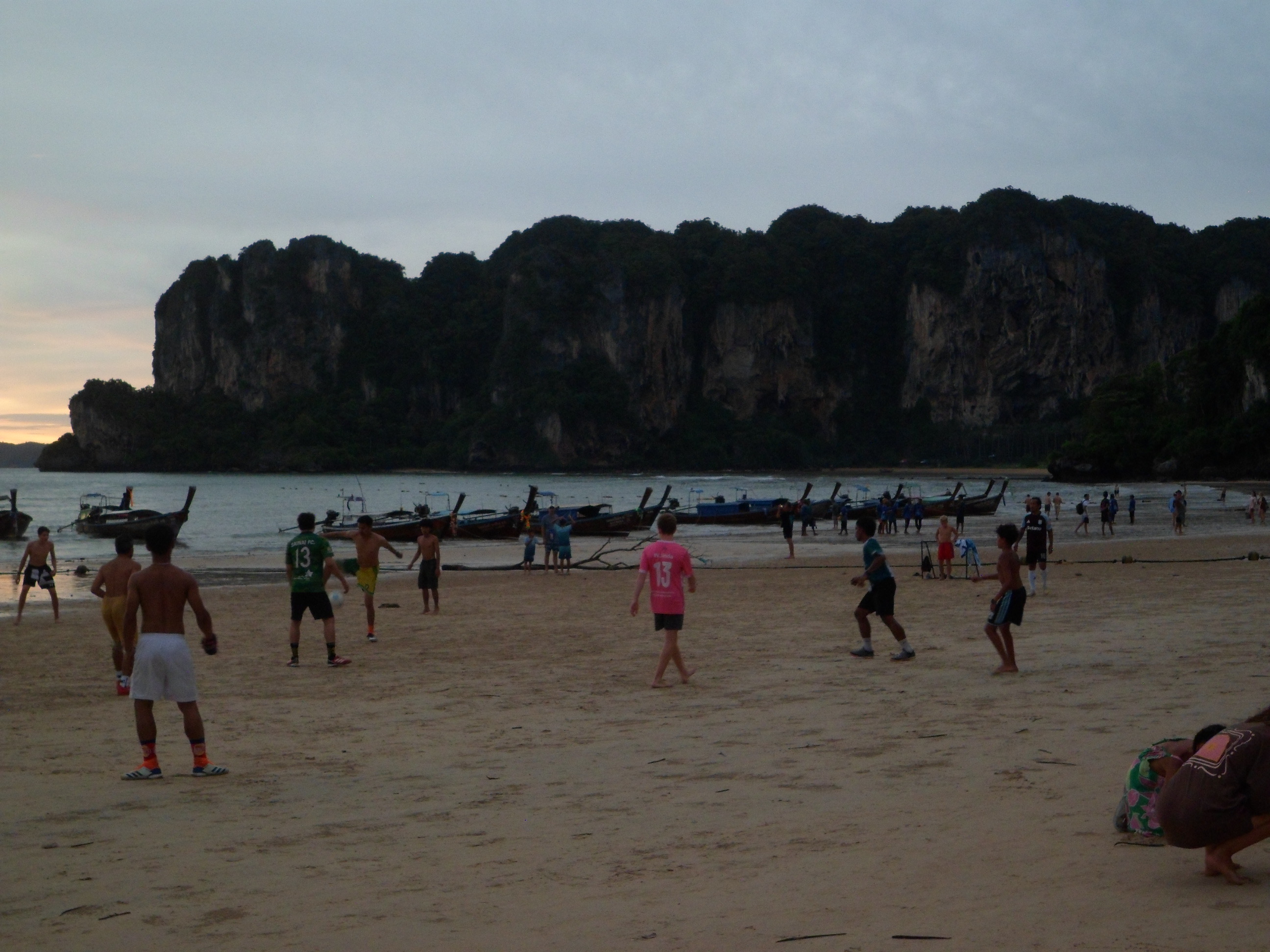
I feel lucky that my family was able to spend the last few weeks with me. We spent time on the islands Koh Tao and Koh Samui. Afterwards we did a liveaboard in the Andaman Sea, around Koh Lipe. Then we traveled to Railay Beach and took a boat tour through the Phi Phi Islands where we saw the world famous limestone cliffs.

When I reflect on my time in Thailand, I feel a wave of bittersweetness. I could go back and spend a few years there learning about the culture even more and learning more about myself. At the same time, I love my home and community in Missoula. It is a great privilege to travel to another country and spend so much time with yourself. I now walk through life with more gratitude and appreciation for my life.

A Scottish spring in Dundee

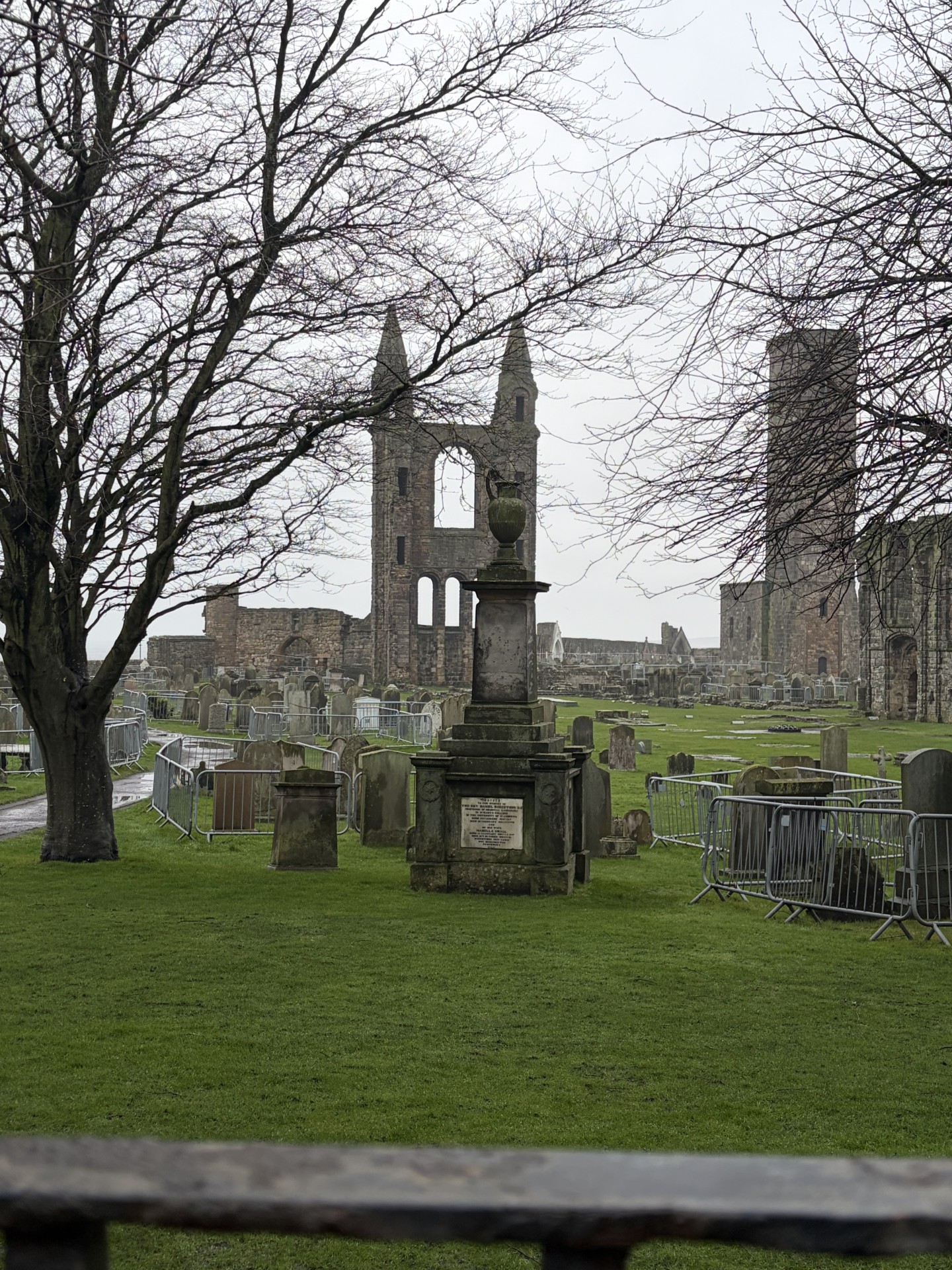
Starting in January of 26 till May I was lucky enough to study abroad at the university of Dundee in Scotland. to be honest it wasn’t my first choice I was planning on going to Granada Spain but I was misinformed about certain guidelines for entry so at the last second I put down Dundee, Scotland as a last choice. I chose as they spoke English and had a rich historical tradition.

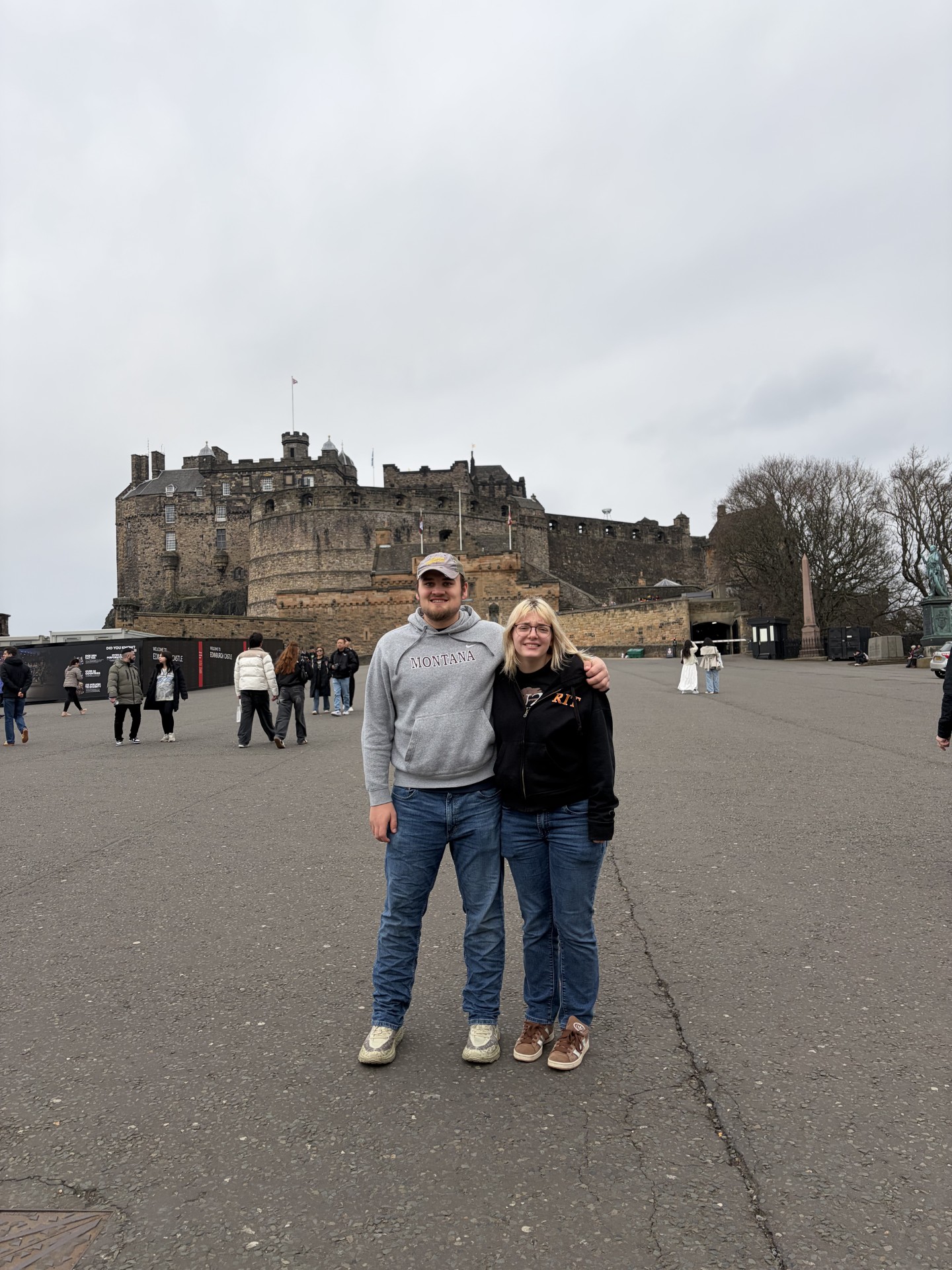
Dundee sits to the north of Edinburgh, a city of 200,000+ in her heyday she was one of the busiest ports/ drydocks in the UK. Dundee was renewed for her shipbuilding particularly when it came to Antarctic exploration; Ernest Shackleton himself travelled on of few of these ships. Dundee nowadays is most known for its two universities Abertay & Dundee, as well as its oil rig stations that come in for repairs. studying at Dundee I met many great people, Dr. Graham; he taught my class that I chose for my GLI theme. Funnily enough when I wore my Missoula Paddleheads hat, he said “Go Paddleheads!” I turned as white as a ghost when he said that. Turns out his wife is from of all places, Missoula! That was a very unexpected surprise but a welcome one at that. He taught a class on Africa during the cold war, and it was a very eye opening and well taught class. He became one of my biggest advocates there, and when he visited Missoula this summer with his wife we all met and got lunch at the Iron Horse! I cannot write about my time in Dundee without referencing the Dundee History Society, without them my stay would have been wildly different.  Every Thursday we would all get together and go have a time on the town, they accepted me for who I was and I cherished the time I got to spend with them. Amy and Sophie should also get credit for making my time abroad as pleasant as it was.

My GLI theme was originally on the environment and sustainability; however the class I was supposed to take at UOD was scrapped the semester before, and I did not receive notice on that. I was able to change my theme to culture and politics which really helped. The culture of Scotland is beautiful as is their country. Scottish culture is quite communal, a brimming full of Anglo-Saxon, Gaelic, Norse, English. and Irish influence. When you live in a place that can get as dreary as Scotland can get, they often find that their joy is within other people. They often get loud, banter with one another and have a way with the English language that is quite unique. Alcohol is a big part of their society and as stereotypical as it sounds it is the truth, but its not quite the same as how we Americans treat drinking. Course they might get absolutely slammed at the pub every now and then, our bars over here would be akin to a dive over there. I appreciated it a lot more because most bars (at least in Missoula) blast music all night and I can’t hear myself think nor can I hear my compatriot speak.
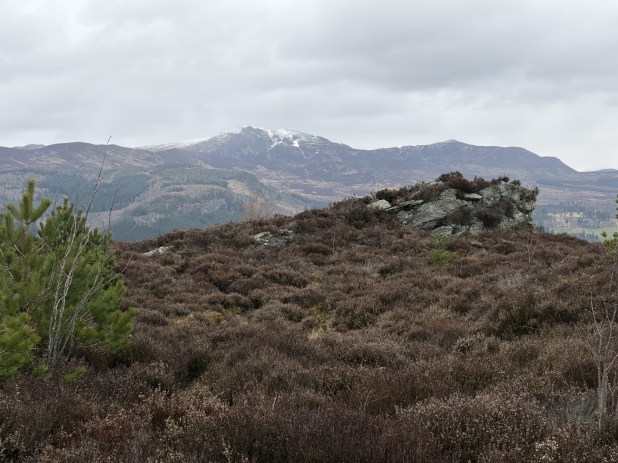
Aside from Dundee i also went north to the small rural town of Pitlochry, west to Glasgow, south to Edinburgh, and even more south to York. so my time wasn’t just contained to Scotland. I never faced a challenge with the people or the country. I DID face a problem with two of my professors, who were teaching one class, utterly ridiculous. they weren’t fond of me for being an American which was something fun for dealing with.

I would never trade my experience in Scotland for anything, it was utterly awesome. and i loved every moment of it. there are many things i miss there, the people being chief among them as I’m sure you all can relate. there is nothing quite like meeting folk abroad. I am forever grateful for what i got to do and who I got to be there. Alba gu bràth!

Leaning Into Discomfort In Prague

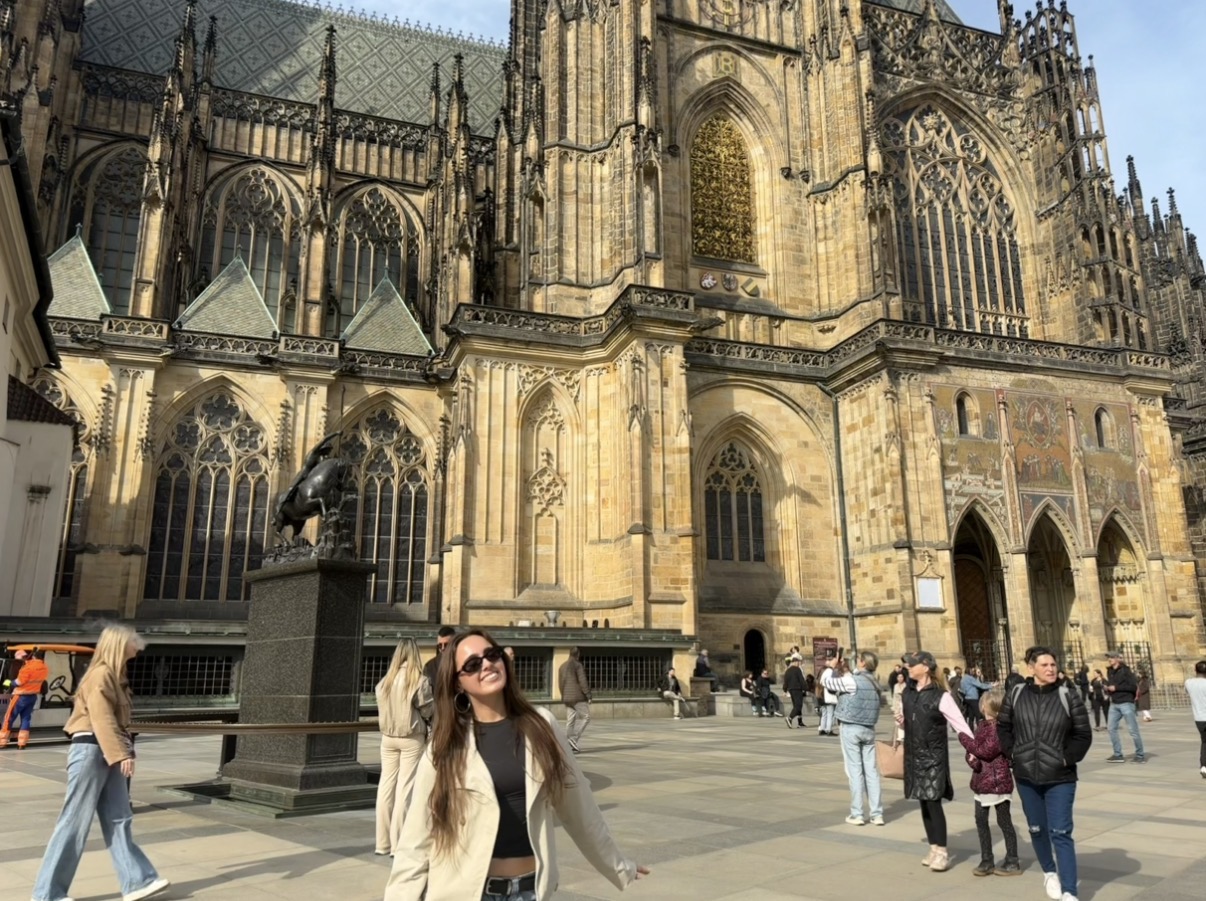
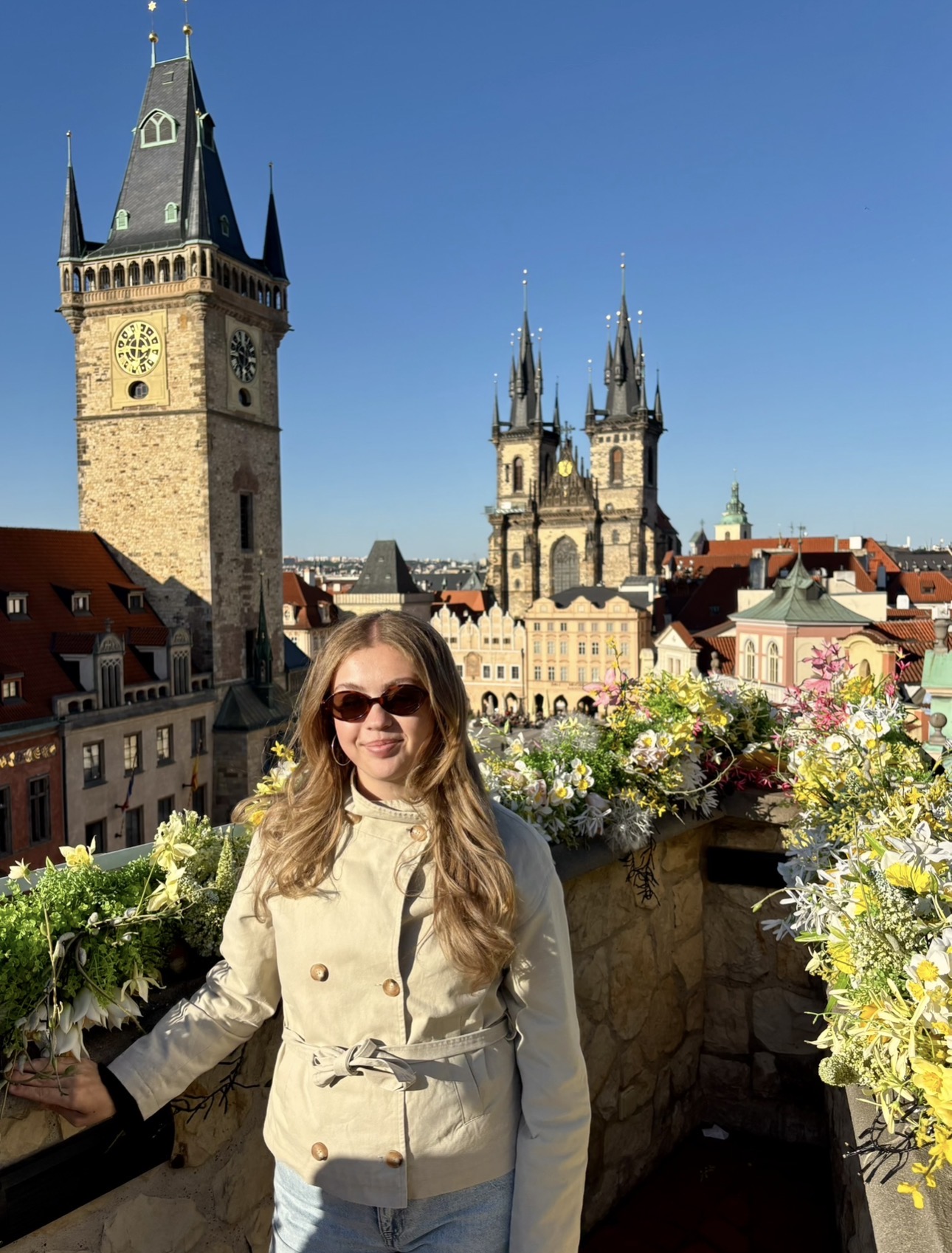
My name is Lauren Welsh, and I recently returned from studying abroad in Prague, Czech Republic! Before coming to college at the University of Montana, I knew I wanted to study abroad in hopes of having the chance to travel and meet new people. Over three years ago, I moved from Wisconsin to attend the University of Montana, and I loved experiencing a change in environment by meeting new people and living in an unfamiliar place. It pushed me out of my comfort zone and taught me so much about myself, and I knew that studying abroad would provide a similar experience. My time in Prague taught me how to be comfortable with uncomfortable situations, even if I hated it at the moment. Dealing with the culture adjustment, language barrier, and knowing no one in my program was not an easy start to my time abroad. But as it progressed, I met friends in Prague going through similar experiences as me, allowing me to finally lean into the experience rather than fear it.
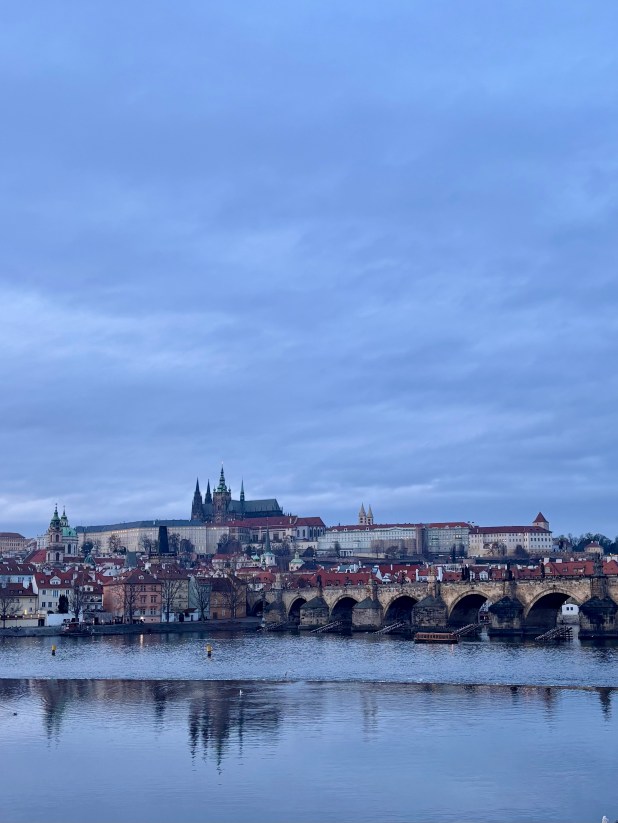
The Charles Bridge and Prague Castle!


As an English Education major, I chose Inequality and Human Rights as my Global Theme because I saw connections to my future career. Because I am a prospective educator, I will need to understand my students of all different cultures and who have had different experiences than I have. For my Global Challenge, I chose to take a course titled Mediation and Conflict Management to discover how to mediate my future classroom and promote healthy discussion where students with different beliefs, cultures, and backgrounds will be interacting. I believed that studying this in Prague would provide me with a unique, global perspective, as I would be interacting with students from all over the world in a manner I had never had the opportunity to participate in here at home. By focusing on this Global Challenge, I developed a deeper understanding of how to navigate potential debates and conflicts in the classroom from a place of care and curiosity. One of my goals as a teacher is to make every student feel welcome and comfortable in my classroom as well as to encourage them to share their perspectives and backgrounds with their peers, and I am grateful to have had time to develop my own skills through my conversations with my own peers in Prague.

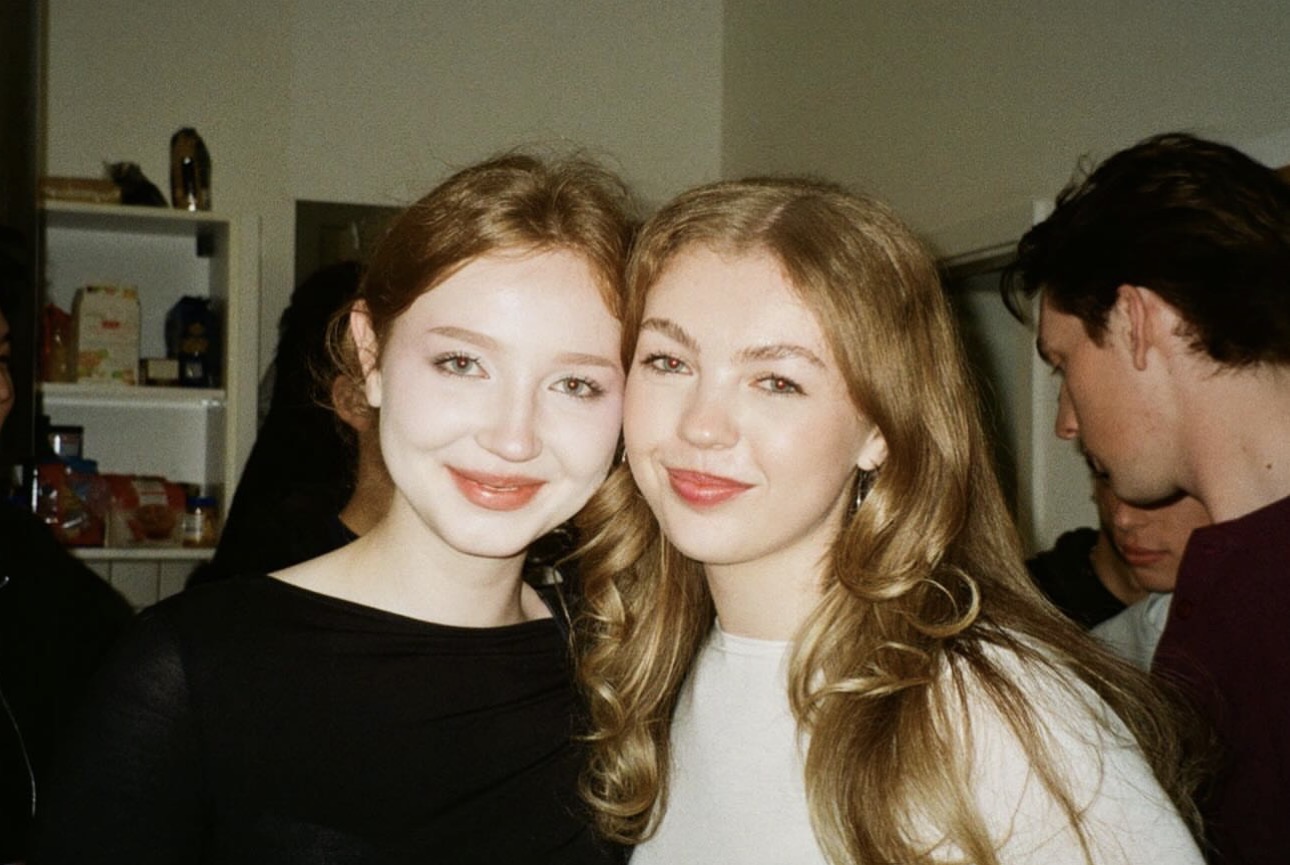
I thoroughly enjoyed having the chance to meet so many people from all around the world during my time in the Czech Republic. Prague is very centrally located in Europe, and Americans were outnumbered in all of my courses at my University. This allowed me to meet and befriend students from across Europe and beyond, giving me a glimpse into the world outside my own. During a school ski trip at the beginning of my semester, I met one of my close friends during my semester abroad, Jana, who is from the Czech Republic. Throughout the semester, I got to spend time with her and get to know more about the country I was studying in through firsthand experience. Jana’s dream is to visit the United States, and she even taught herself English through American television shows and movies! I found her perspective on my own country very interesting because I had always dreamed of leaving the United States to visit Europe, while she was experiencing the opposite feelings. I hope one day we can meet here in the United States!
Jana and I


When I look back at my first few weeks, I remember the culture shock and discomfort of how little I knew about my new city. I like to look back at the small wins I had, like figuring out the trams for the first time or ordering my coffee fully in Czech. Although I did not know everything, I figured it out day by day and enjoyed the experience. Even though I experienced those small anxieties and fears, I wish I could go back and endure them again because now I know I can. During my time in Prague, I gained confidence in myself and learned that putting myself out there is the best thing I can do for myself. Without feelings of discomfort, I would not have met my amazing friends, traveled to 12 countries during my semester in Prague, or created memories that I will appreciate forever.
In Old Town Square

La Vie in Amiens, France

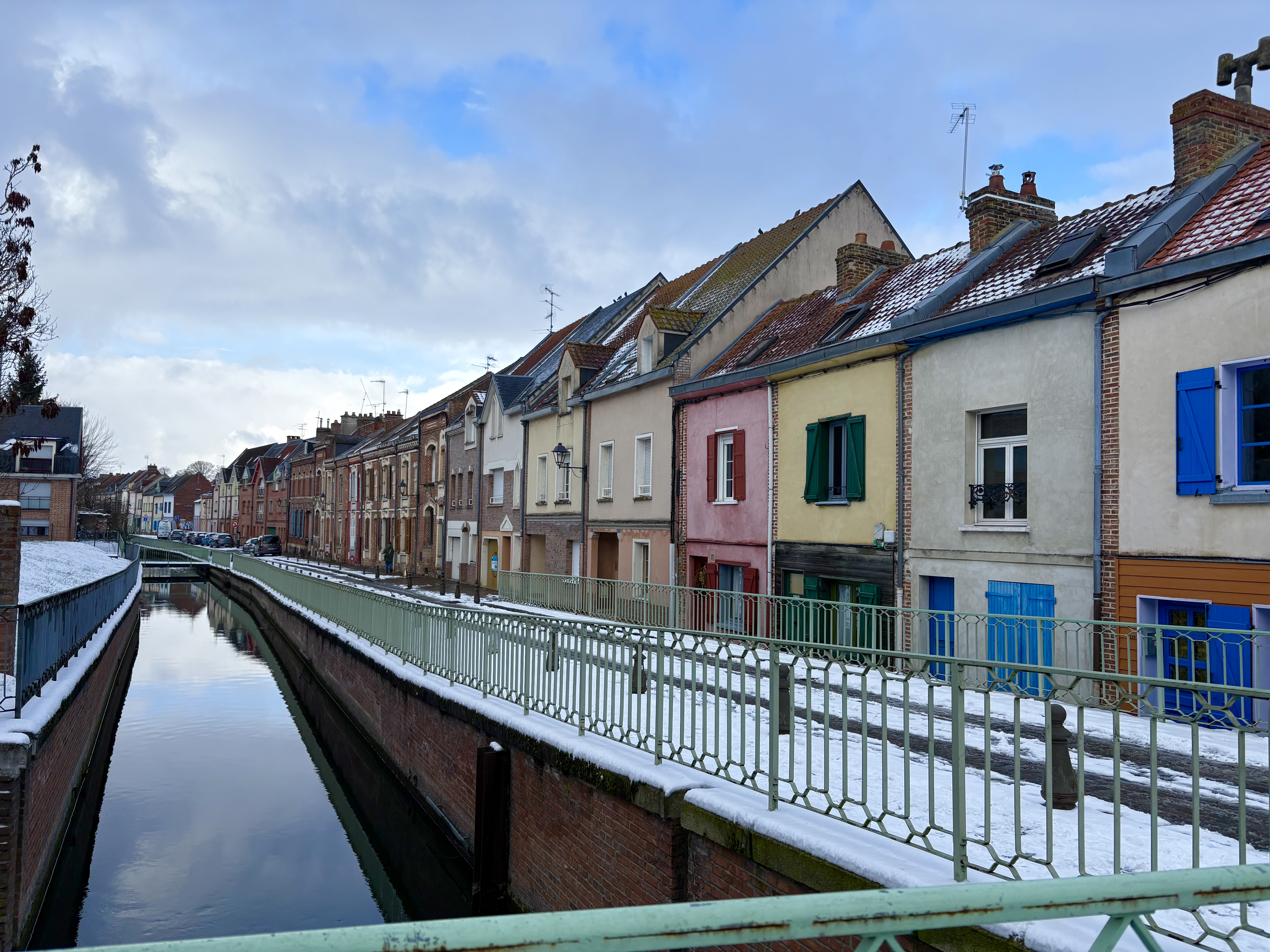
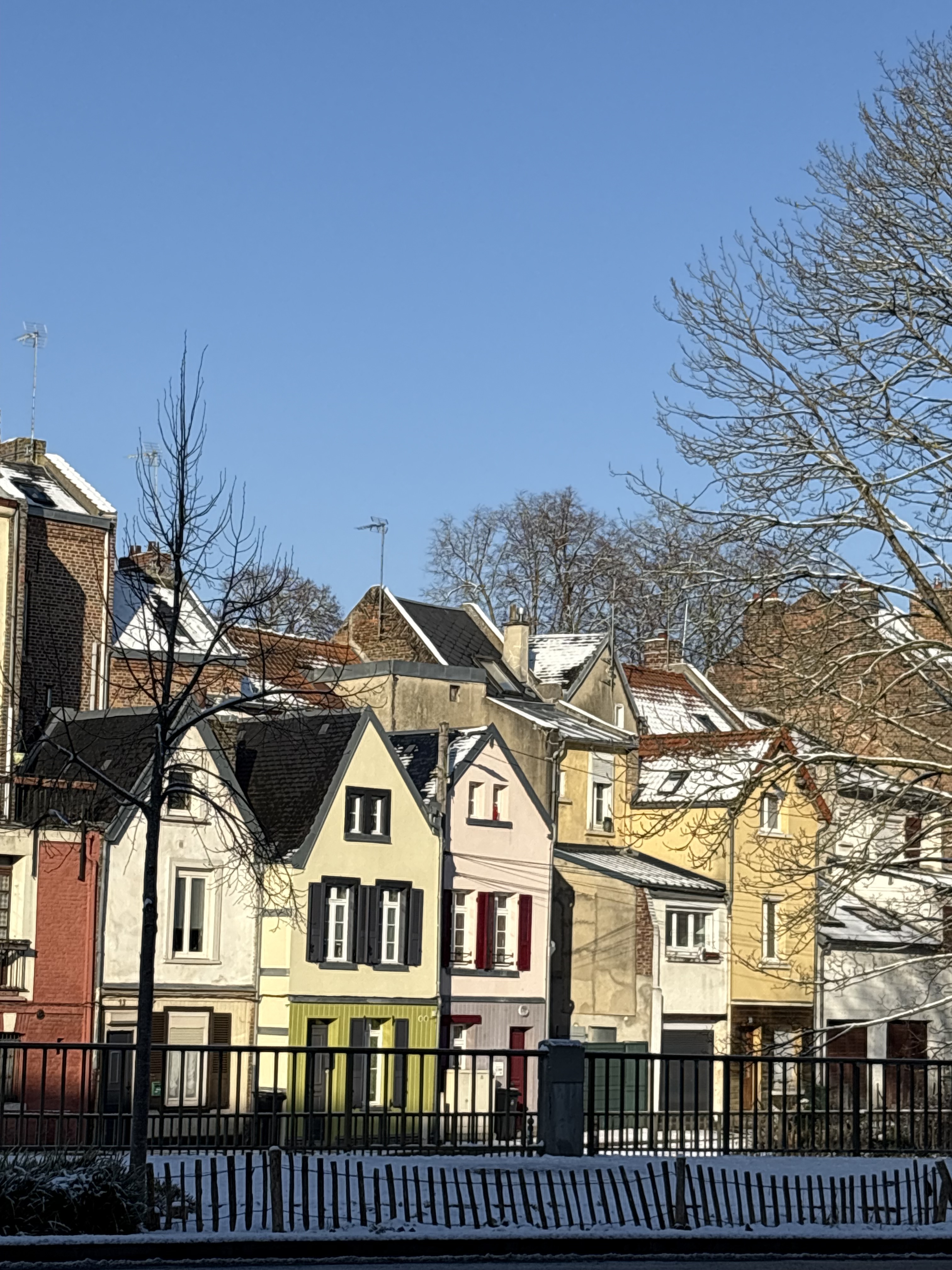
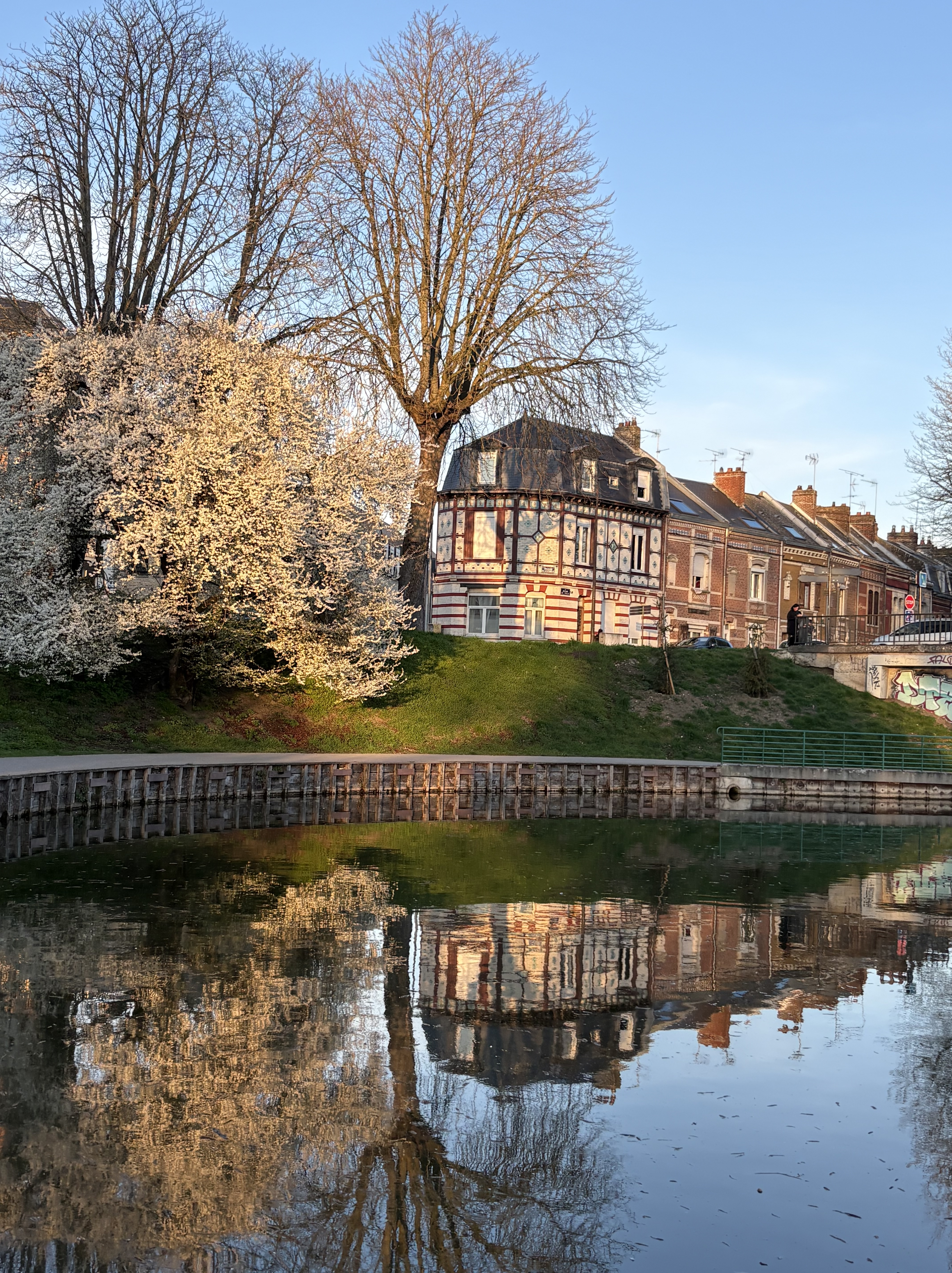
Amiens is known for its canals, which are lined with the cutest colorful homes.

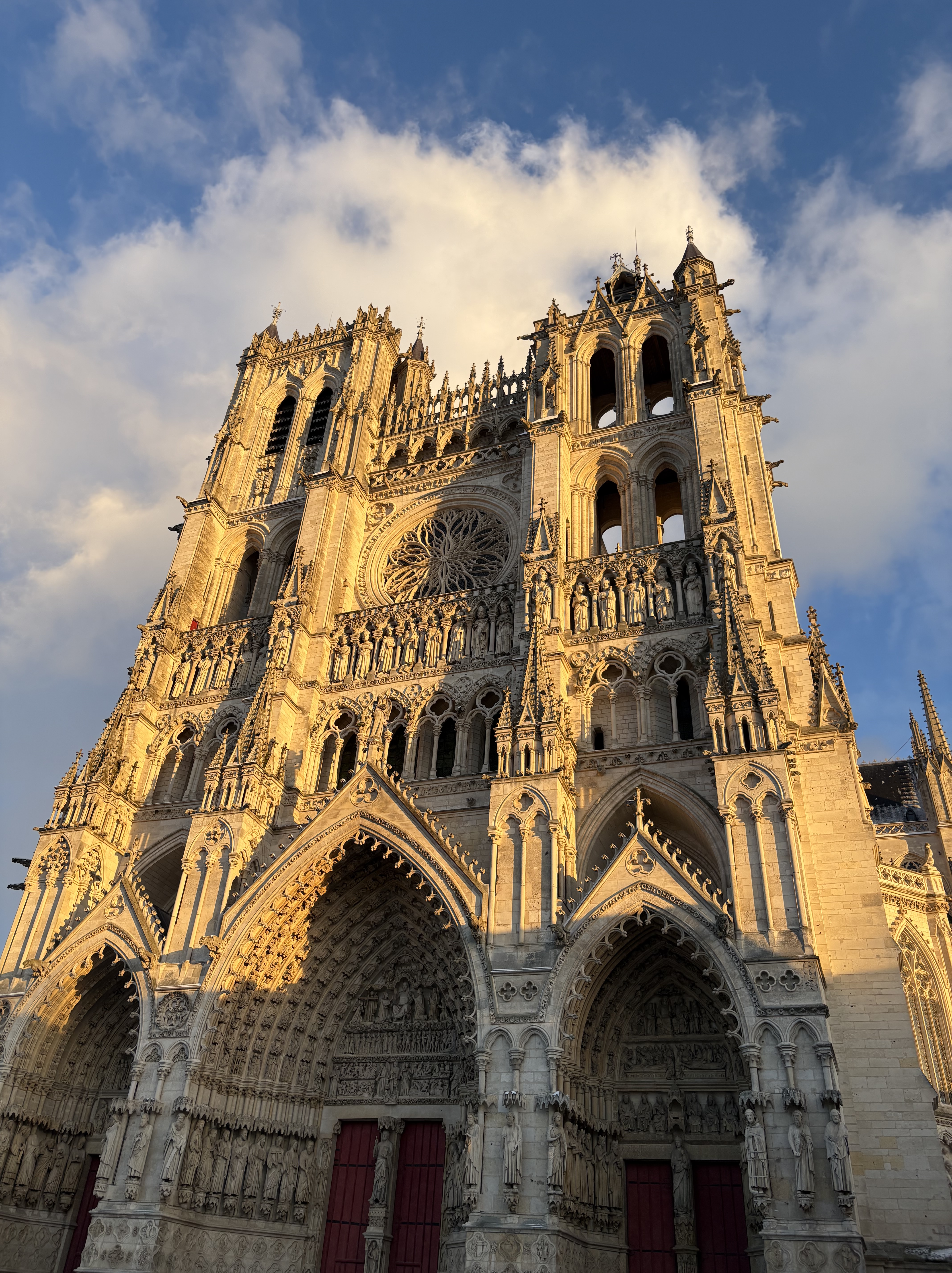
Studying abroad has always been a dream of mine. Last spring, I lived in Amiens, France. An hour and a half from Paris, canals wind through the city, and a beautiful Gothic cathedral towers over downtown. I took classes at the university that included a mix of studio art, art history, and French. I loved wandering around the streets, visiting local boulangeries and magasins. I traveled to several countries during my time abroad and loved the opportunity to visit so many unique places (and specifically their art museums).

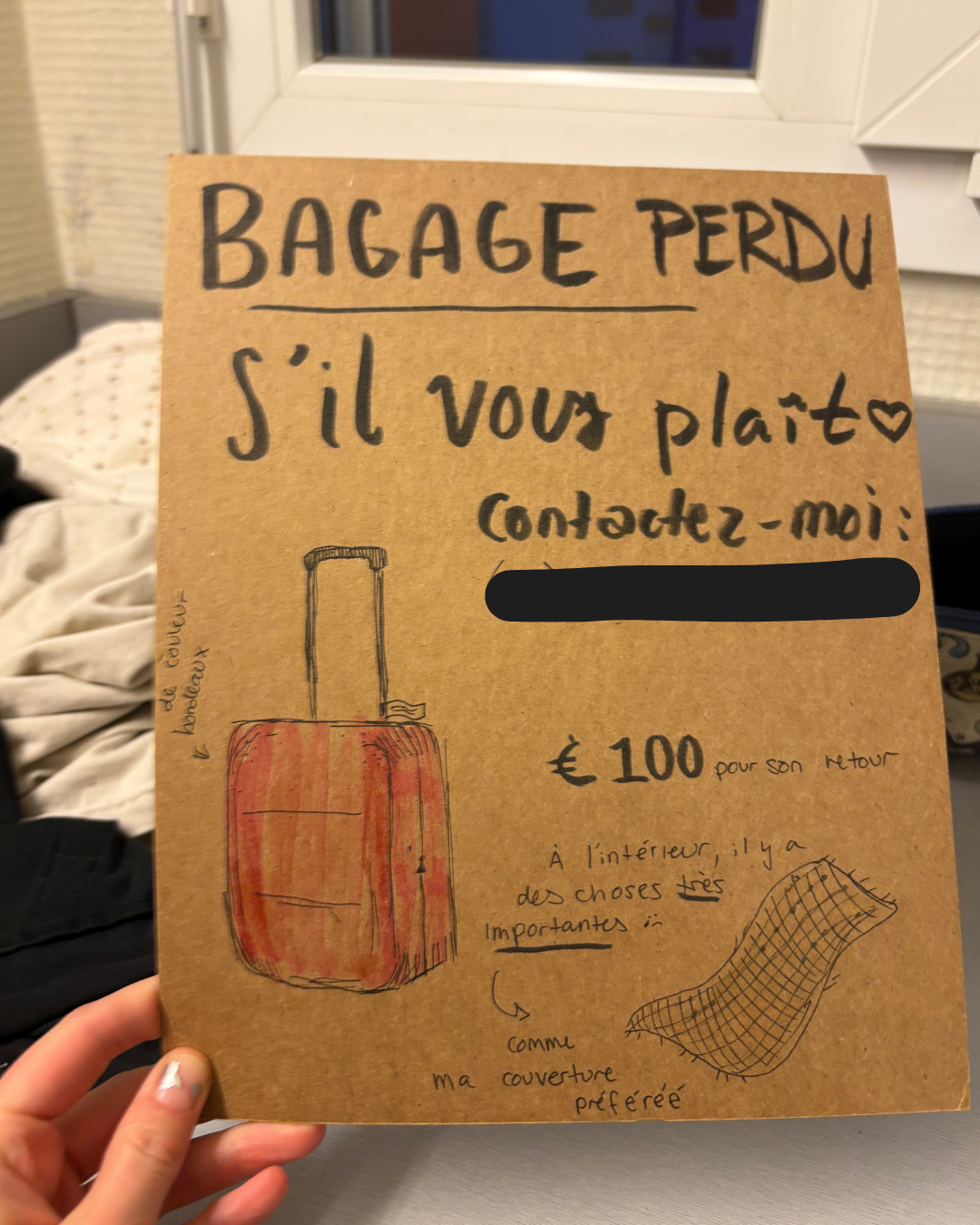
Leading up to my trip abroad, I was a mix of anxiety and excitement. I prepared as best I could, but you can never quite expect every challenge you will encounter. My first night in Amiens, my small suitcase was stolen from the dorm lobby. I was incredibly disappointed and immediately started spiraling. However, I did my best to move forward and keep my chin up. It was situations like this that I couldn’t have planned for, but that taught me I can get through rough patches.

My expectations heading abroad were that I would befriend people from all over the world, travel, and advance my French language skills. While I do feel that I succeeded in these areas, they weren’t without their complications. Meeting other international students took longer than I had hoped. But as the semester progressed, I met my international peers and made friends organically in my classes. I was able to travel over long weekends and school breaks and saw many different countries as well as nearby French cities. Communicating in French wasn’t perfect, but I was determined. Many people appreciated my enthusiastic, albeit flawed, French. Ultimately, even though the semester looked a bit different than I had imagined, I made great friends, went to incroyable new places, and got out of my comfort zone.  

My global theme is Public and Global Health, and I hope to become a medical illustrator. I took a comic drawing class at my university, and I had so much fun learning about how to convey a story using art. I hope to use what I learned in this class in my work to make scientific information accessible across demographics. Healthcare was an interesting topic of discussion. France offers its residents free healthcare and inexpensive treatments. Thankfully, I didn’t have to visit a doctor during my time abroad, but I visited the local pharmacies. In France, many medications are more natural and herb-based, and the volume of medications is more regulated. You can’t find medicines at the grocery store or anywhere other than the pharmacy. The international office gave us all French–English healthcare guides which offered advice, vocabulary, and useful phrases for health-related issues you may encounter. I found this illustrated pocket guide to be a great resource and an example of how art and healthcare, and even travel, can be combined.  

Amiens is a very culturally diverse town. Growing up in Montana, I was not surrounded by as many different cultures as in France, so I enjoyed being immersed in the diversity of food, religion, and discourse. One thing that surprised me was how prominent the English language was. All the international students spoke English, and that was how we communicated. It was convenient for me, but I felt a sort of strange privilege having English as my first language. Many people questioned why I bother to study another language when I know English. Ultimately, it is important to keep other languages alive to preserve cultures, and learning another language has challenged me intellectually. Having a strong grasp of French allowed me to travel smoothly throughout the country and make friends with locals.

This experience forced me to navigate many tricky situations and advocate for myself often. It reminded me that I can do hard things, but that it’s ok to lean on those around me for help when I need it. I believe my leadership skills have greatly benefited from the personal growth I experienced on this trip. I made myself available for my friends who were experiencing homesickness or other issues while abroad. To foster community, I organized a Galentine’s party for all the international gals. I wanted to gather everyone and include them in a tradition I have back home. Many girls later told me how nice the event was, and I was so pleased to have created this moment.  

I will cherish the memories from this trip and always appreciate how my time abroad contributed to where I am today. The challenges paired with the highlights made this experience entirely worth it. À la prochaine fois, Amiens!

A Summer of Sustainable Agriculture at the PEAS Farm

 I initially went into my Beyond the Classroom Experience looking for opportunities to understand and find solutions to the problems within our food systems by taking in as much information from Montanan farmers as possible. While I’ve developed a more nuanced perspective on sustainable agriculture and the problems farmers face, both locally and globally, I am uncertain about the best solutions to the negative impacts of pollution, climate change, soil degradation, etc. This has motivated me to seek out more agricultural experiences in the future, to allow my perspective to continue to be shaped by both the physical nature of daily labor and the educational wisdom of the many leaders in sustainable agriculture.

My theme of resources and sustainability has allowed me to focus on how the PEAS farm participates in Missoula’s local food system, as well as how Montana’s regional food system challenges the dominant industrialized global food system. This experience within agriculture has also given me the opportunity to understand how my specific global challenge connects to the GLI’s other themes, from the variety of technologies used alongside traditional cultural agriculture practices, to the relationships between ecological and human health that the many farmers I met are developing.

My experience on the PEAS farm has confirmed and reinforced my desire to engage with sustainable agriculture as a leader. Working on the PEAS farm has taught me that education and community are essential aspects to my passion for fostering positive relationships and change in people and our environment. In disposition, I intend for the confidence and willingness to grow and take on new responsibilities that I built over this summer to continue changing throughout the rest of my time in the GLI. I also have a more tangible appreciation for examining the context of a culture of people and the land they interact with in a direct, often physical manner, especially because my challenge is rooted in aspects of culture that represent one of our most intimate relationships with the landscape.  

During this summer experience, I also learned what it means to be in a team in a socially encompassing context spending hours a day together, as well as the skills to motivate each other during our highs and lows. The trust between my peers and instructors over time developed a desire to impress and improve for the sake of everyone’s enjoyment. With hard work, I couldn’t only show my best, surface level self, I had to be vulnerable and recognize when I needed to take care of myself so that I could be more effective and empathetic.

Boats in the Seattle sound

A Very Scientific Summer: Working as an Undergraduate Researcher at the University of Washington

When I joined the Franke Global Leadership Initiative my freshman year, I honestly had no idea what to expect. I knew that the completion of a Beyond the Classroom experience would serve as an integral part of the program, but I never gave it too much thought, as it felt like I had plenty of time to ponder what I would want to do. To my dismay, time passed quickly, and the time came for me to start planning for my experience. I was overwhelmed and had no clue where to even begin. I saw others joining student exchange programs, traveling abroad and working with international organizations on impressive projects. Though exciting, none of it felt quite right for me. I was worried about falling behind in my classes and the logistics of leaving the country for an extended period of time. After spending several months talking with my advisors, I landed on the plan of pursuing research for my Beyond the Classroom experience. I began researching several domestic programs offering summer research roles to out-of-state undergraduates and eventually landed on the perfect one. The University of Washington’s Institute for Stem Cell and Regenerative Medicine— a network of labs dedicated to furthering the understanding of stem cells and their use within human medicine. After a grueling application process, I was finally admitted to their fellowship program.

Once spring semester ended, it was time for me to move from Missoula to Seattle. Once there, I was greeted by my program directors, alongside the other two students in the program with me. I was then assigned to the lab I would be working in, located in their department of orthopedics and sports medicine. My PI greeted me upon my arrival, briefly showing me around my new workplace and introducing me to the others I would be working with. In all honesty, I was terrified—  I knew absolutely no one and felt as if I was completely and utterly underqualified to be there. However, I didn’t have much time to dwell on my feelings, as I was immediately pulled into the lab’s office to be briefed on my project for the summer. Dr. Ronald Kwon, my PI, began to explain to me that what they wanted me to work on was something that the lab had never done before—  entering the field of evolutionary biology to investigate the osteoblast lineage in bone across vertebrates. He expressed that this would be far outside what they would normally assign to a summer undergraduate and I could decline if it felt like it would be too much. Despite my fears of inadequacy, I accepted graciously with a smile. Before I fully understood what I had committed to, I was ushered out of the office and into the lab to begin my work.

Displaying IMG_2130.jpeg

The first obstacle that stood in the way of me and any “real” research was the daunting task of learning a new programming language, R. I had some prior experience in Python and C+, but never to the degree to which was necessary for this job. I knew the world of programming to be relatively unpleasant and difficult, but I pushed forward nonetheless. A week later, after countless hours spent awake in front of a screen, I had learned enough to formally begin my project. I thought that everything would be much easier from there, as my studies are within the field of biology. However, I was quickly proven wrong, as every new task came with a set of new problems. I spent every day combing through research papers, searching gene databases, and debugging my code. At first, the entire experience felt like a Sisyphean task. Everything I pursued led to nowhere and every analysis yielded no results. But, after several weeks of what seemed like nothing, I began to obtain meaningful results from my work. Data I found corroborated my hypotheses, trends were being observed, and I was able to draw real, incontestable conclusions.

Once I gained my momentum, my progress began to increase dramatically. Days turned into weeks, and weeks into months. Before I knew it, the summer had passed, and it was time for me to compile my findings into one, cumulative presentation. This was then presented to the greater scientific community within Seattle and across ISCRM’s network. I was able to stand in front of a giant poster—  all of my hard work put into one glossy 3×4 piece of paper.

Displaying IMG_2640.jpeg

I was able to explain my work to a vast number of people, all from different departments, disciplines, and levels of education. This experience was absolutely incredible, as I was able to gain greater insight into my own work through the inquiries of others.

Displaying IMG_2679.JPG
Displaying IMG_2675.JPG

After hours of exchanges between scientists and students, the symposium ended, and it was time for me to prepare to leave for Missoula. Weeks spent away from home had passed in an instant, and I had to bid farewell to all those I met while working there.

This story ended a week ago for me, as I arrived back in Montana the Sunday before semester began. The memories and experience I gained from my summer in Seattle have remained in my mind since, and will likely remain there forever. I had originally left to do nothing more than pursue a question. But since returning home, I concluded that I was able to gain much more than just experience in a lab. The relationships I was able to create, the lessons I learned, and the ideas exchanged— all of those will be what made my summer truly valuable.

Displaying IMG_2396.jpeg

From this, I would like nothing more than to urge others to pursue an experience that they think is right for them and to challenge themselves with what they choose to do. My experience, though different from my peers, proved just as valuable to me as their experiences did to them and the difficulties I faced allowed me to push myself far beyond what I believed myself to be capable of. My Beyond the Classroom experience has taught me that, even if you feel like you aren’t “good enough”, you can become great— a lesson that I will forever carry with me going forward.

Thank you to anyone reading this post, and a special thanks to everyone— the GLI, my mentors, and my companions— who have allowed me to pursue such an experience.

Best,

Tia Schlosser