Comparing approaches to resources and sustainability in the US and Chile

When I began college, I had many different interests and wasn’t sure which path I would ultimately take. The one certainty was that I wanted to spend a semester abroad. That dream came true this past year. While my time abroad brought its fair share of challenges, it was also one of the most rewarding experiences of my life.

My original GLI Global Theme was Public and Global Health. However, once I arrived in Chile, I realized that the courses I had planned on taking either didn’t match my Spanish level or required prerequisites I hadn’t met. Because of this, I decided to pivot and change my global theme to Resources and Sustainability, which aligned much more seamlessly with the Biology classes available to me. This change opened up new perspectives that I hadn’t anticipated, and I became curious about the ways the U.S. and Chile approach sustainability topics, as well as the cultural or societal norms that inform those differences.
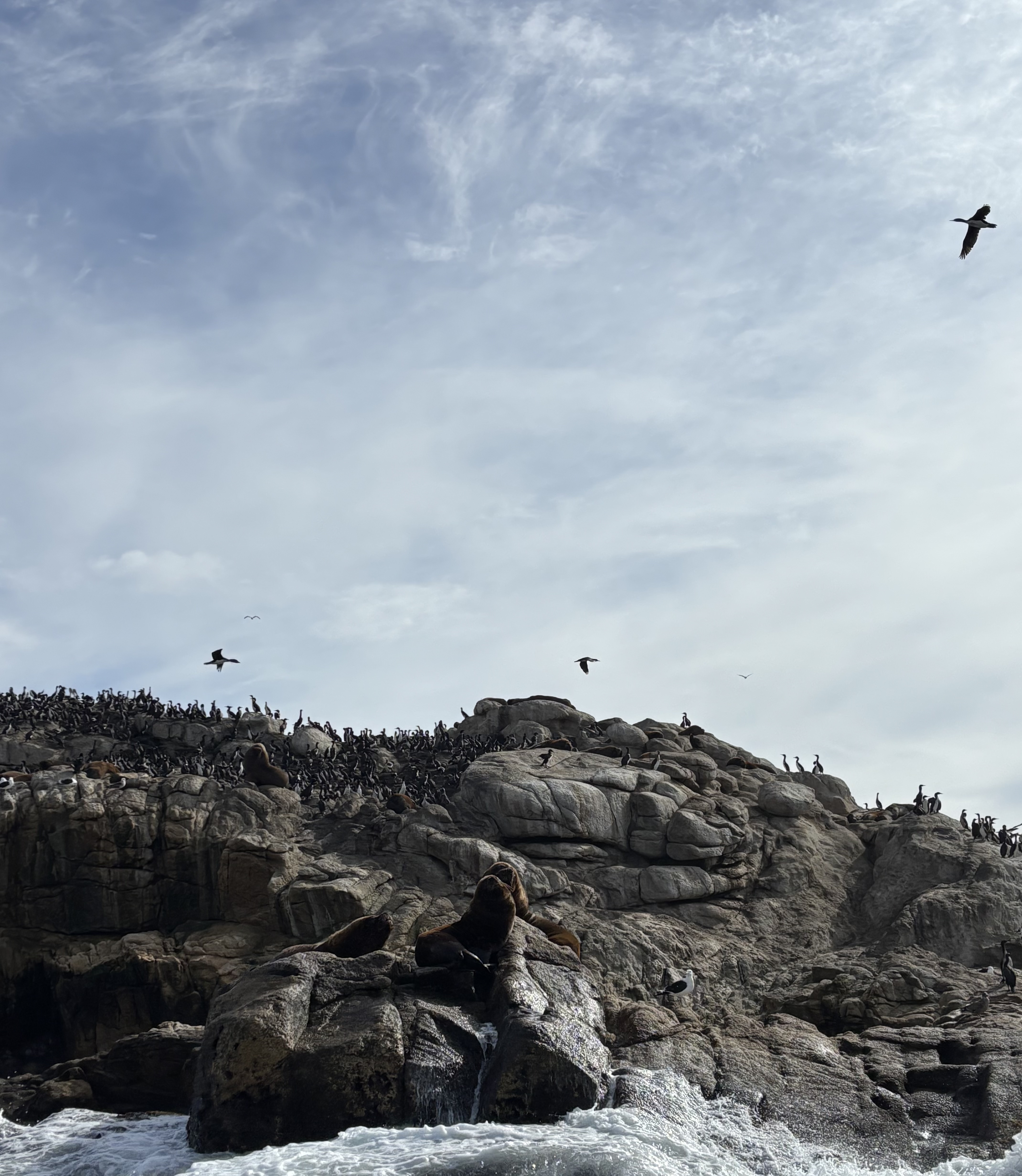

Living in Concepción was a huge adjustment. I was in a house with 11 other people from all over Europe and South America, and I quickly noticed how flexible things were compared to what I was used to. Punctuality wasn’t treated as rigidly as it is in the U.S., and classes often began 15–30 minutes past the hour. Scheduling conflicts weren’t resolved through an advisor, but rather directly with professors, which often meant classes could change from their original schedule. What first seemed disorganized eventually began to feel like part of the charm of life in Latin America—there was a kind of beauty and magic in the chaos.

It was also a big change to live in a coastal port city. Having grown up in the desert of New Mexico and studied in Montana’s mountains, I had always been landlocked. Suddenly, I was in a place with ocean air, San Francisco–style weather, and the beach only a short drive away. On the surface, this might not sound life-changing, but it shaped both of the Biology classes I took: one on plant diversity (which focused heavily on algae) and another on the genetics of marine organisms. Aquaculture plays a huge role in how Chile thinks about natural resources, and it was fascinating to learn about research on algae or vaccine development for salmonids, which nearly always came back to the importance of marine organisms as both a source of revenue and a local food staple.

This perspective was striking when compared to most of my Biology education in the U.S., which has emphasized conservation and protecting species from habitat loss and climate change. While aquaculture is certainly present in the U.S., the focus often leans more toward land and wildlife conservation. Observing this difference made me grateful for the education I’ve received, even though I am no longer a Wildlife Biology major, because I still hope to work in that realm. Conversations with Chilean students also revealed that their opportunities for research in wildlife biology are much more limited, often requiring a veterinary track first or pushing students toward fisheries and aquaculture. Still, Concepción is becoming a hub for cutting-edge research on how the environment affects genomes, and I had the privilege of learning from one of the leading experts in that field.

My semester abroad was also one of the most challenging things I have ever done. Beyond language immersion and academic differences, I navigated setbacks that tested my independence and resilience, including a two-month student strike and even a dislocated elbow. These experiences forced me to adapt in ways I never expected and gave me a new sense of confidence in what I am capable of.

Looking back, my time in Chile taught me more than I ever anticipated. It gave me new perspectives on sustainability, pushed me to grow as a student and as a person, and helped me discover my passion for education, advocacy, and community engagement. While I am still shaping my career path, I know I want to be a lifelong learner, an educator, and a voice for the environment. My semester abroad was a dream come true—but more than that, it was a turning point in how I see the world and my place in it.

Beyond the Classroom Experience in Milan, Italy

This summer, I had the opportunity to study abroad in Milan, Italy—the heart of the global fashion industry. As a Resources and Sustainability student in the Franke GLI and an Economics student at the University of Montana, I wanted to explore how Italy’s fashion markets balance style with sustainability. Milan provided the perfect backdrop for this research, offering a firsthand look at how practices like recycling, reusing, and maintaining high-quality clothing can reduce the environmental impact of fashion. I chose Italy for my Beyond the Classroom Experience not only because of its reputation for craftsmanship and excellence in the clothing sector, but also because it aligned with my Global Challenge of building a more sustainable planet. Along the way, I gained insights into sustainability, my own role as a consumer, and how to make more intentional investments in the pieces I choose to wear. This opportunity to spend the summer in Italy opened my mind to many different ways of life and perspectives that I will forever be grateful for.

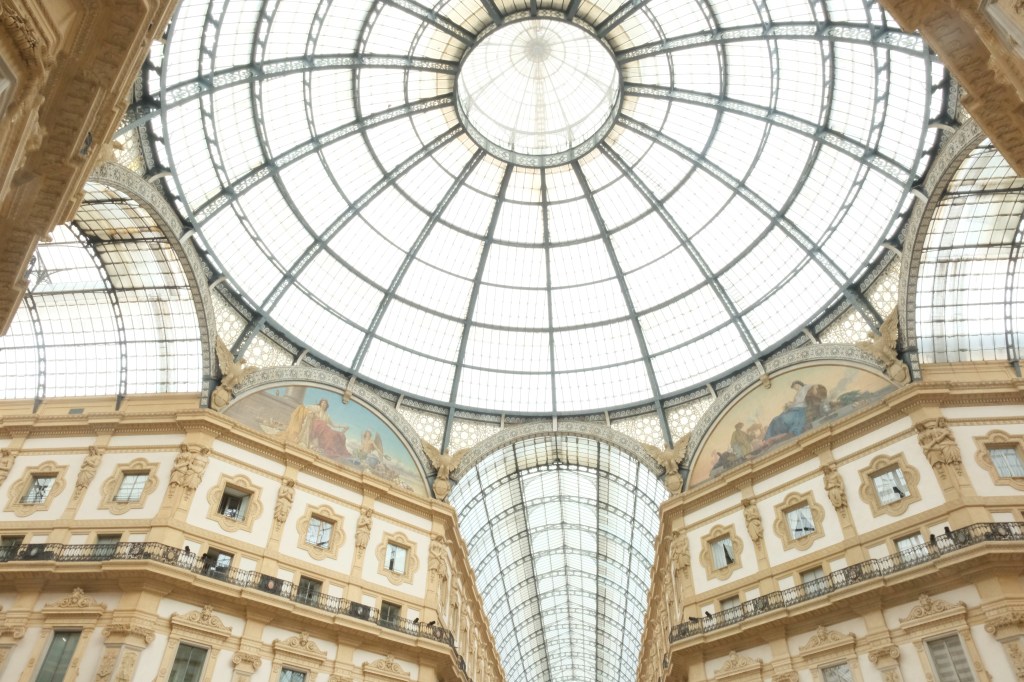
This is an image of the Galleria Vittorio Emanuele II. This historic and elegant shopping arcade connects the Duomo and the Teatro alla Scala and is known for its luxury shops, high-end boutiques, restaurants, and iconic glass-and-iron dome. I spent much time around this area in Milan to better understand shopping and quality trends of products. This is a hot tourist spot for those looking to invest in luxury goods.

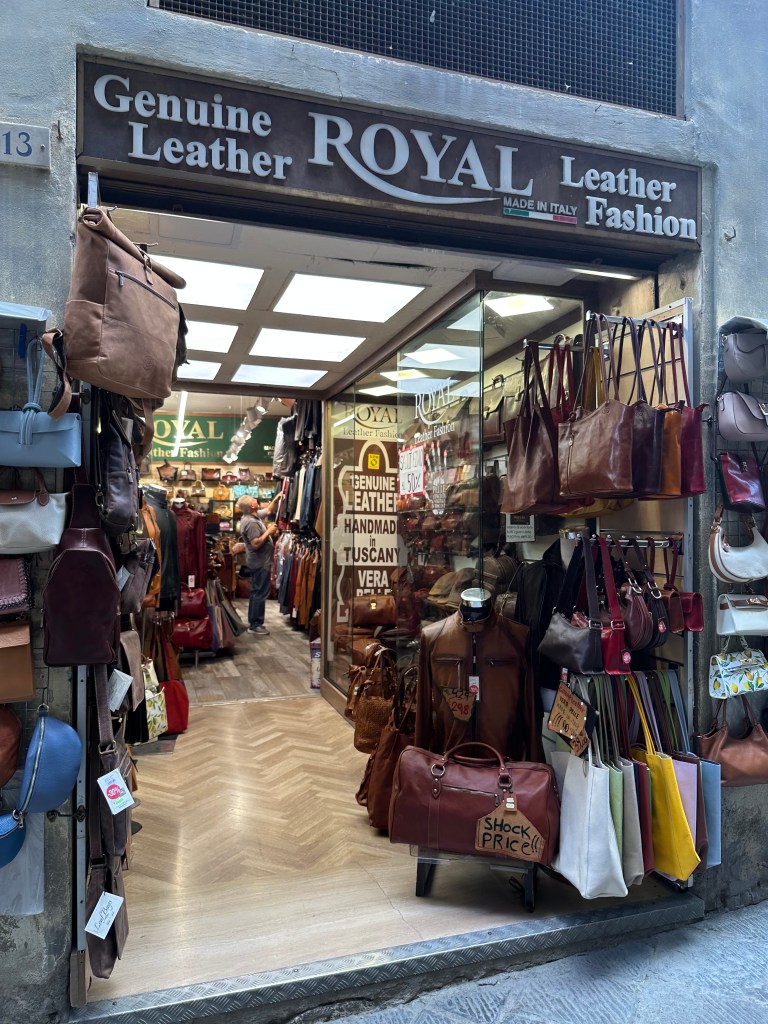
While completing research about sustainability practices in Milan, I visited many shops, markets, and vintage stores. I found that the clothing in many of these stores was made much better than the average clothing you might find in the US at a much more affordable price. The clothing didn’t have to be from a high-end brand to be made to last. There were Zara and Mango stores in Milan that I went into, which appeared to be of higher quality than their stores I have visited in the US. The clothing in these stores was very reasonably priced for clothing that was well-designed and stylish. Which was of interest to me because, why is it that the European version of these brands provides a better quality of item to consumers? Could it be that the average American consumer is more consumed with the quantity of product rather than the quality of product? Through some investigation and internet research, I found that this has unfortunately become the case in the US in our relationship to fast fashion and overconsumption. While living in Italy, I decided I would only thrift and invest in quality pieces, avoiding fast fashion and cheaply made clothing.

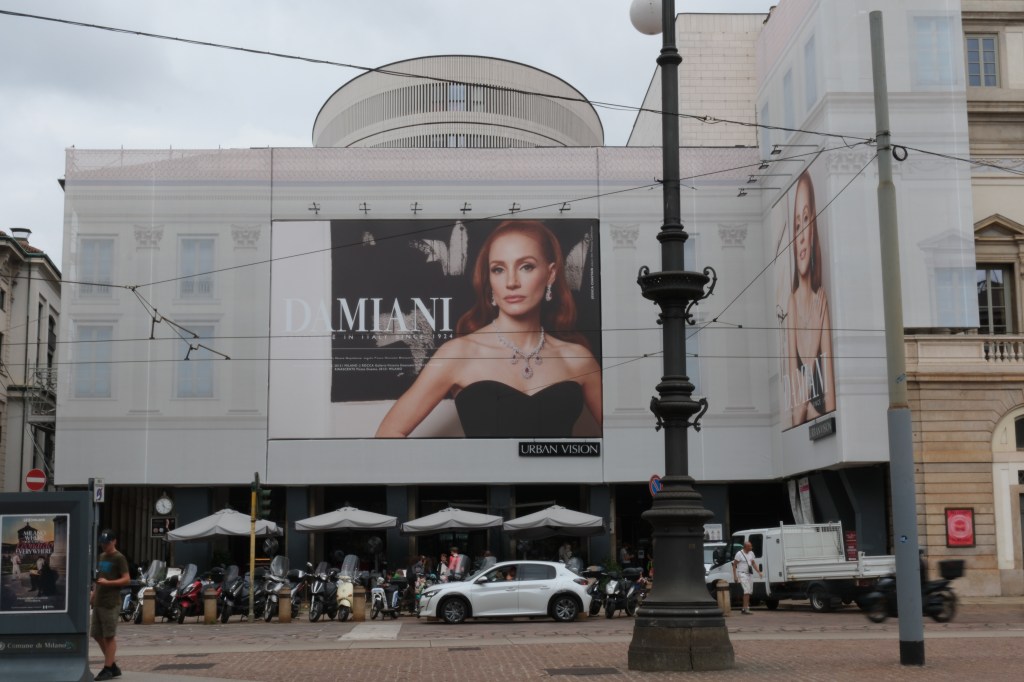
The images above are the places I learned to explore, ask questions about the quality of the product, make responsible purchases, and help to curb my carbon footprint by investing in items that are meant to last.

I did many other things outside of the learning of my Research in Sustainability. I attended the University of Cattolica in Milan, where I took classes in Global Economics. At Cattolica, I collaborated with students from around the world to craft projects that explained global economic problems that all of our individual countries were facing. I really enjoyed working with all these differing people because of their diversity of ideas and cultures. I learned so much from them all, and now I have couches to crash on in Mexico, Saudi Arabia, England, Canada, France, India, and Italy. These friendships enriched my knowledge of the world outside the comfort of the USA.

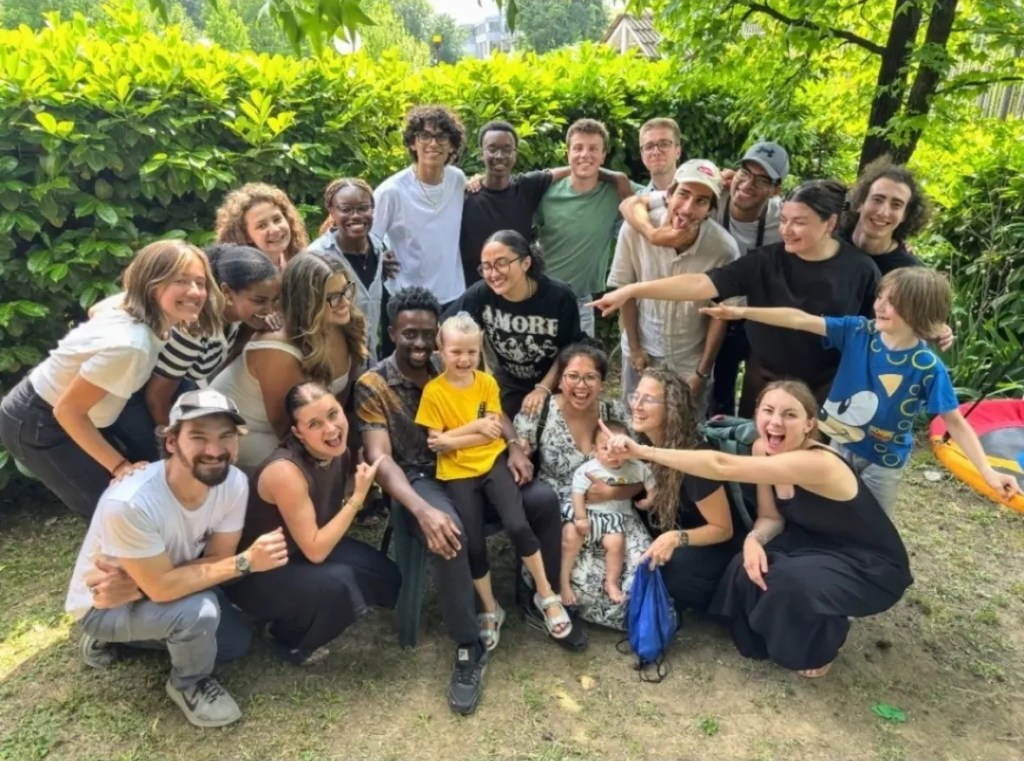
On my second day in Italy in May, I met a friend group in Milan that I would spend the majority of my time with. They had no connection to my University, yet they truly made my life in Milan so enjoyable. They all taught me so much about friendship and enjoying the sweet, slow life of Italy.

The family of friends I got to be a member of all summer and hopefully will be a part of the rest of my life!

My opportunity to live in Milan, Italy, provided me with easy access to the airports, buses, and trains that could take me all around Italy and Europe. On my second day in Italy in May, I was rock climbing in the French Alps with my new friends. In June, I stayed for 2 weeks with friends I had made in Sicily and learned about the Italian subculture there. 2 weeks later, I backpacked to Hungary, Austria, and the Czech Republic. There, I learned so much about the World Wars, politics, and European history. 2 weeks after that, I went all over Southern Italy, visiting Florence, Rome, Naples, the Amalfi Coast, Siena, Mt. Vesuvius, Pompeii, Venice, etc.. I got to see so many amazing places and the cultures that cultivated their abstract beauty.

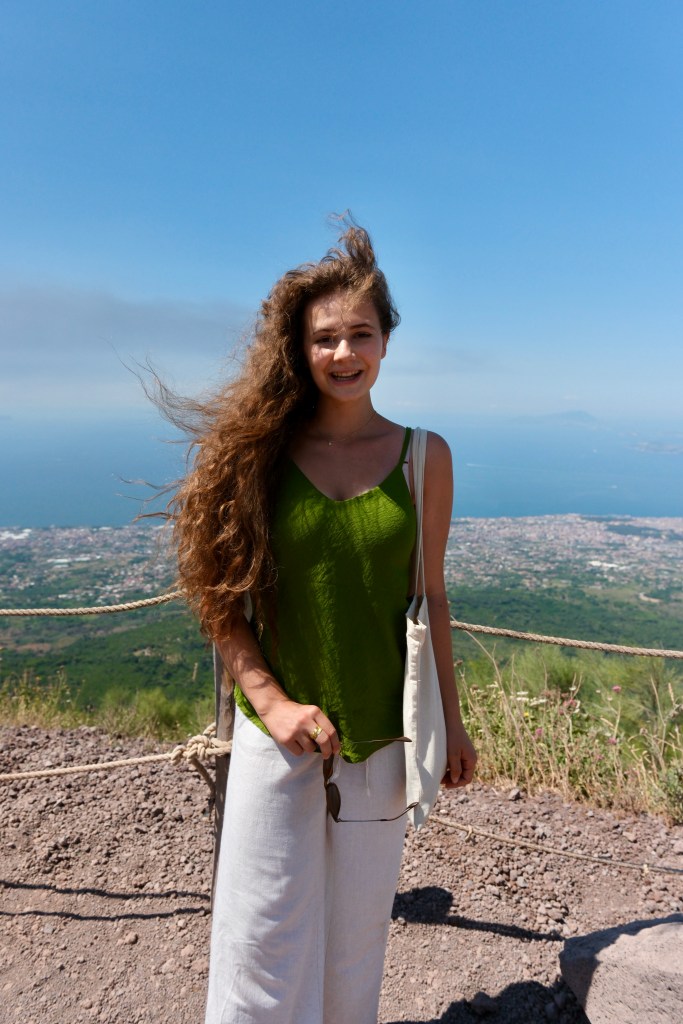
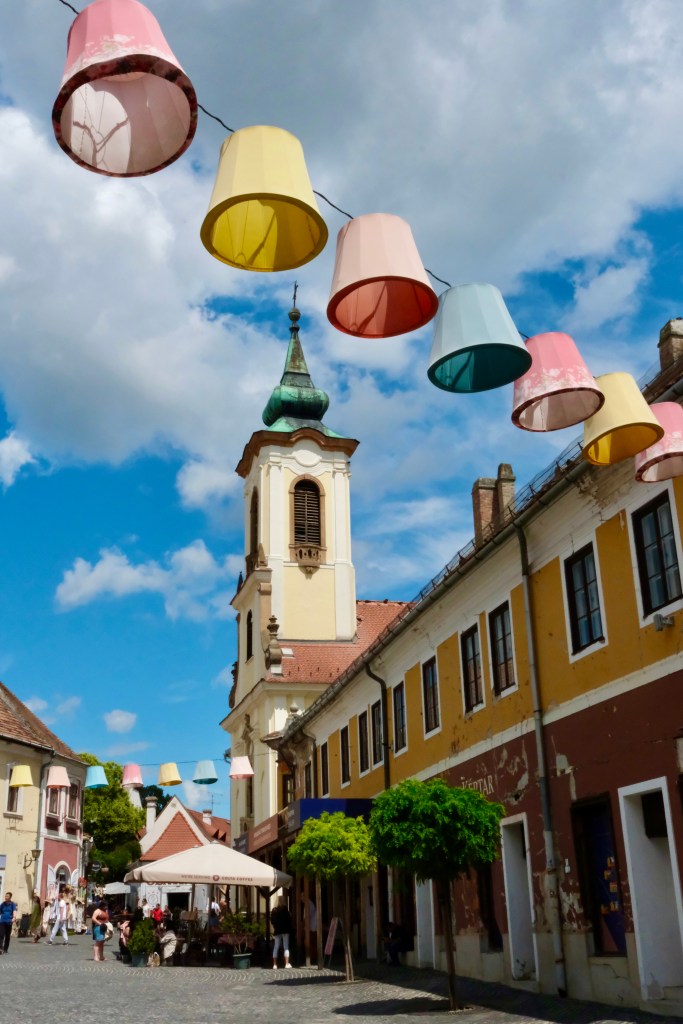
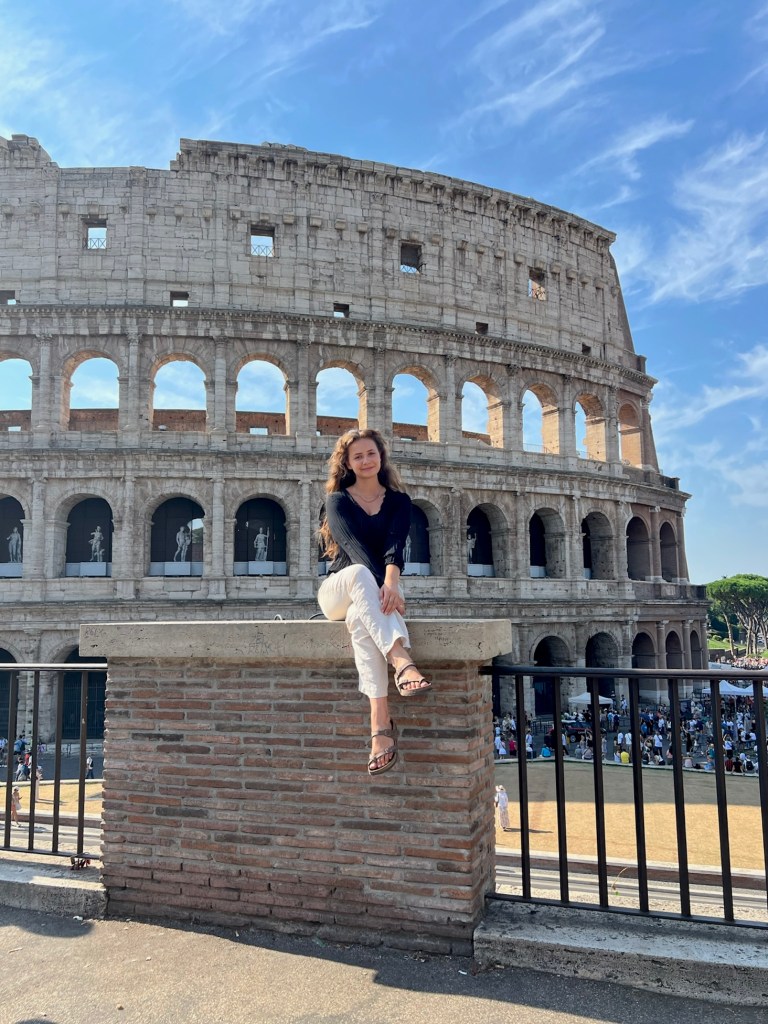
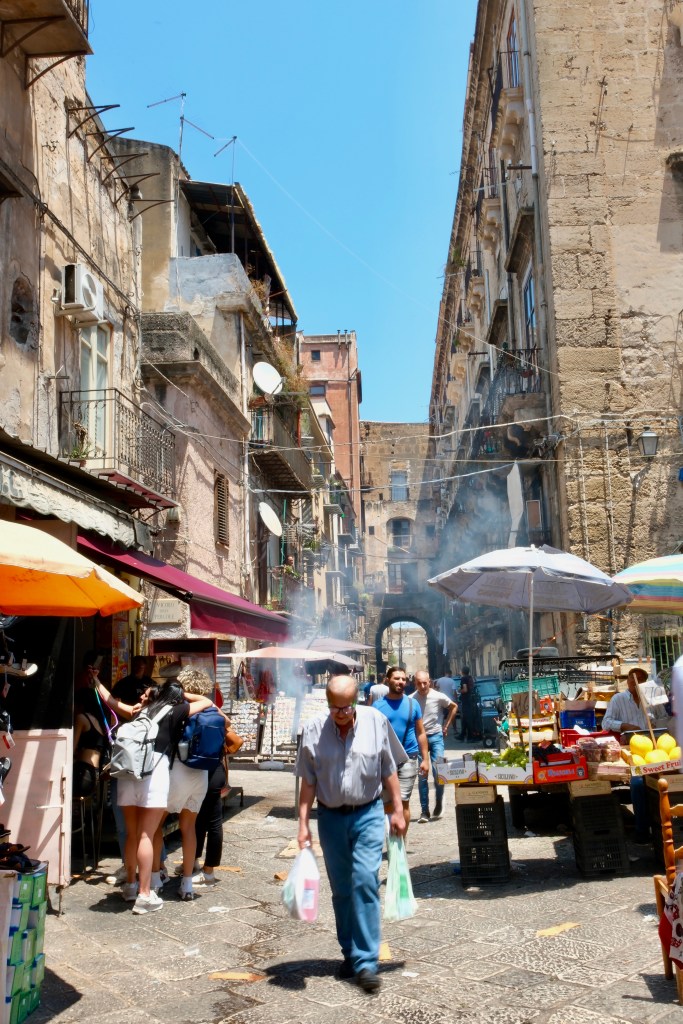
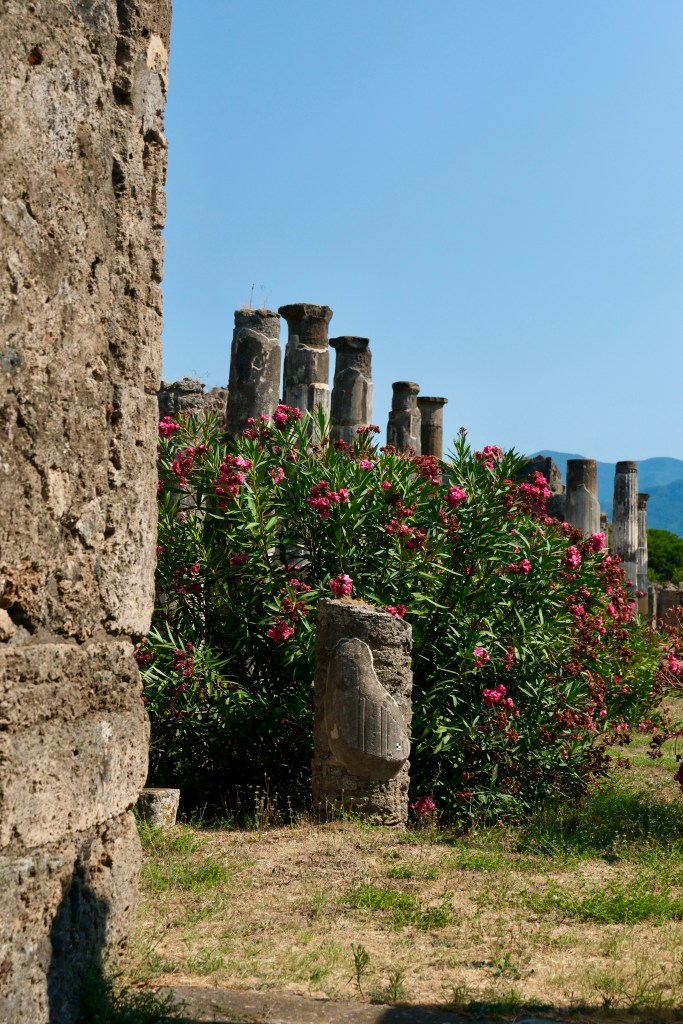
Here are a few images of Pompeii, Palermo, Pompeii, Hungary, and Rome from my adventures during the summer!

Living abroad in Italy this summer enriched my life and knowledge of the planet that I inhabit. I will forever be grateful to the Franke GLI program and those who worked so hard to give me this amazing opportunity. I feel rich now, though my pockets are empty, for I have seen the world with my own eyes.

“The world is a book, and those who do not travel read only a page” – Saint Augustine

Thank you, Franke GLI and the University of Montana, for allowing me to read a different page!