
Hello! My name is Haley Yarborough. I am a senior double-majoring in Journalism and Biology with a concentration in Field Ecology at the University of Montana. My GLI Out of the Classroom Experience was eight weeks of summer classes at Flathead Lake Biological Station in Flathead Lake, Montana. During my time at the station, I took four two-week classes with a focus on aquatic ecology. These included Aquatic Microbial Ecology, Landscape Ecology, Stream Ecology, and Lake Ecology. This experience was not only important in furthering my career in field ecology but also to learn about the Impact of a warming climate on aquatic ecosystems.

My time at Flathead Lake Biological Station forever changed my perspective on how the smallest changes make the biggest differences in an ecosystem. I have learned so much about the role of nutrients in rivers and lakes, and how excessive amount of nitrogen and phosphorus determine the productivity of bodies of water. I learned how runoff from agriculture can impact these nutrients and how Flathead Lake has managed to stay relatively healthy because of the absence of cattle upstream. For my stream ecology class, I participated in a four-day rafting trip, where we collected data on stream metabolism, chlorophyll, and insect abundance. At the end of class, we wrote a paper about our findings, including how groundwater affects insect species and productivity. Unfortunately, we did not find much correlation in our stream metabolism data, but it was a valuable experience in learning how to conduct experiments and learn more about the productivity of stream ecosystems.
I also learned about the impact of fires on aquatic and terrestrial ecosystems. For my landscape ecology class, we visited areas of forest post-burn to learn how fire severity and size affect the type of trees that are present afterward and how fire impression has impacted fire ecology within the Montana Landscape. This was not limited to terrestrial ecosystems. For my lake ecology class, we conducted an experiment using several different types of ash to explore how it affects the presence of Dissolved Organic Carbon (DOC) and phosphorus in lake and rain-water.
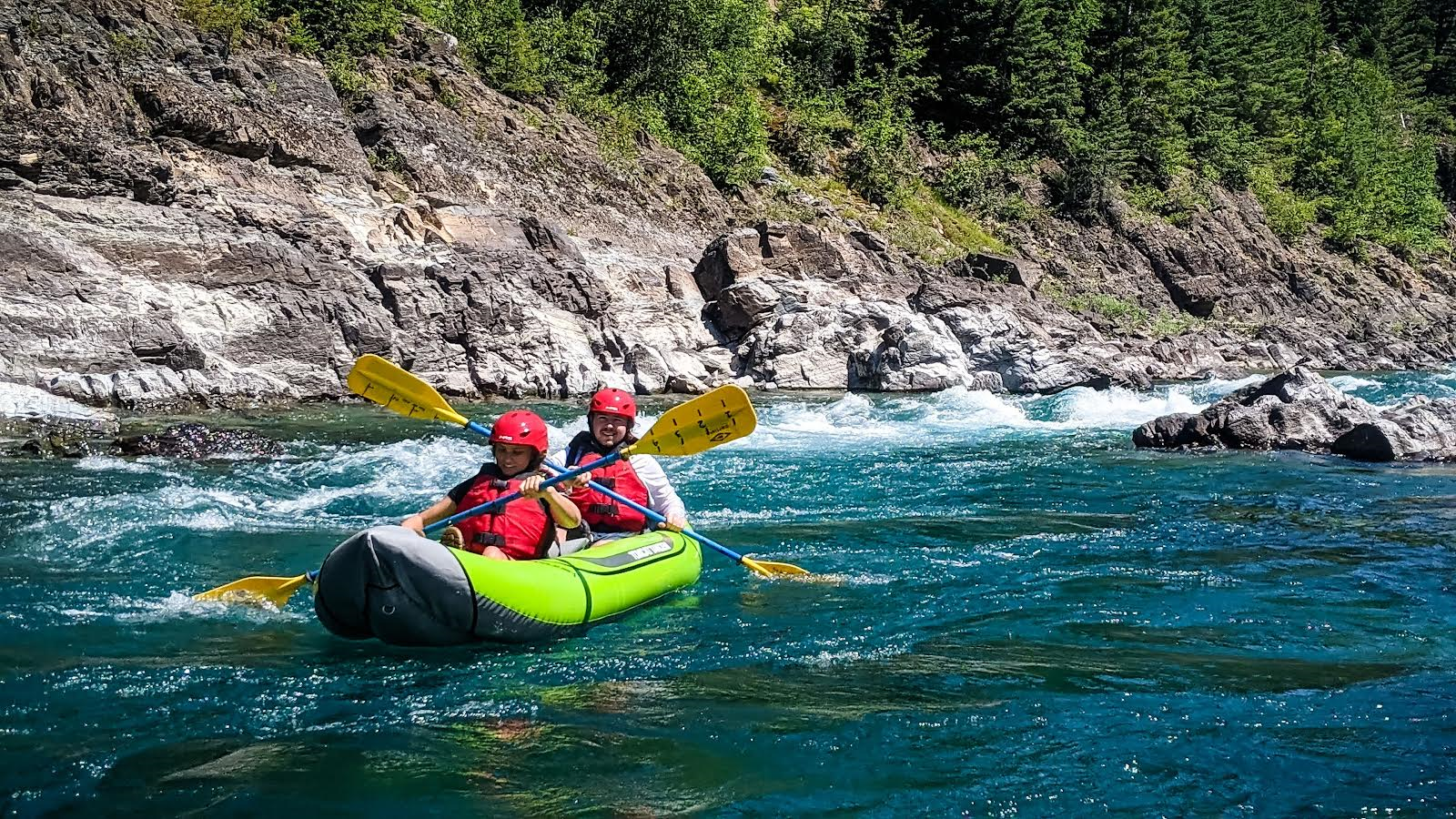
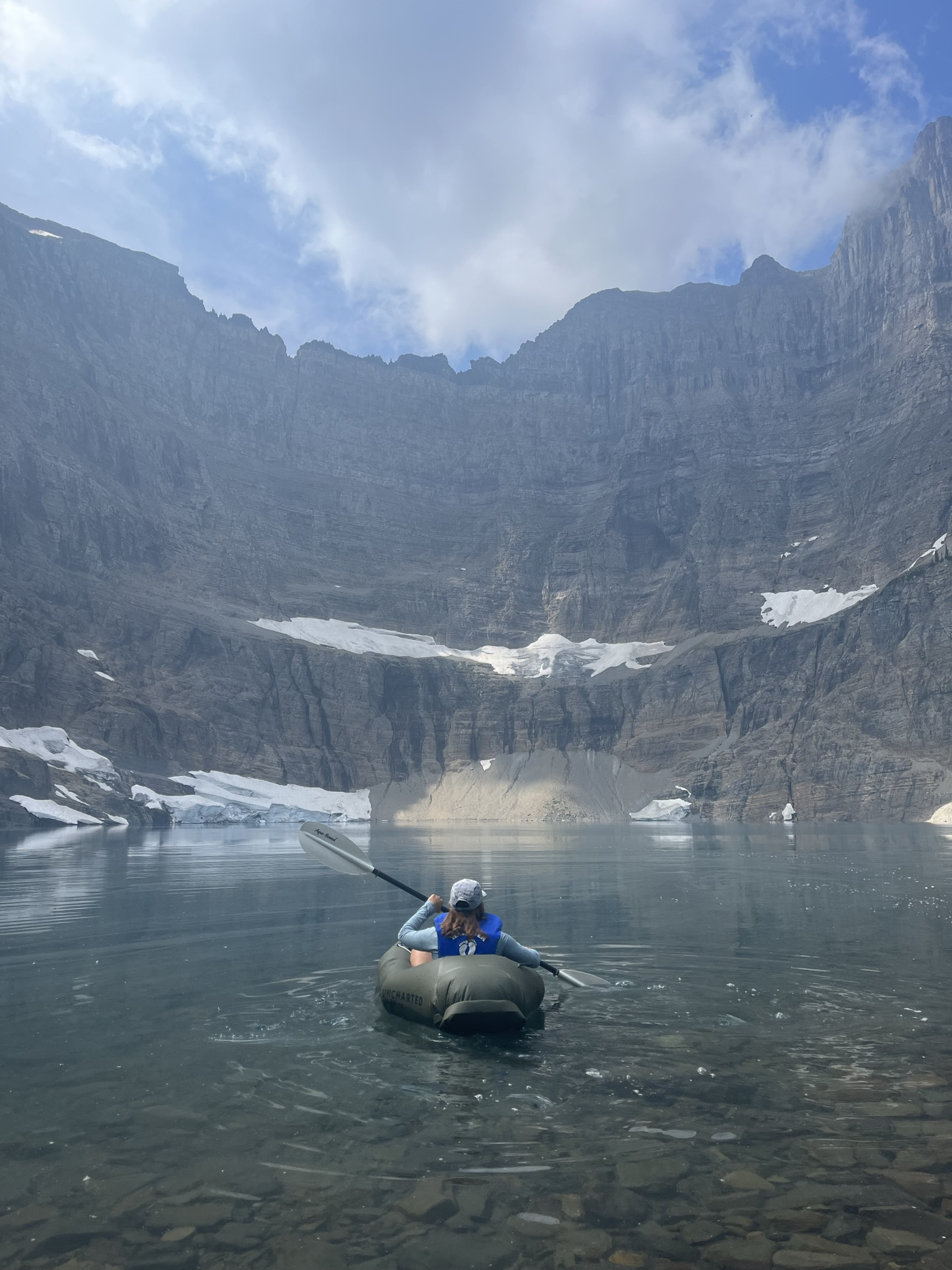
All these experiences made me consider how climate change will further exacerbate climate conditions and how further research should be done on how fires impact aquatic ecosystems, because some of the research, especially in Montana, is minimal. Lake Ecology also made me consider how a warming climate will affect high-alpine lakes. For my last class, we visited Iceberg Lake in Glacier National Park. This was a glacial lake, but because of a warming climate, the glacier and ice that created the lake have decreased in size notably. There is research currently being done on this and I would like to learn more as time passes.
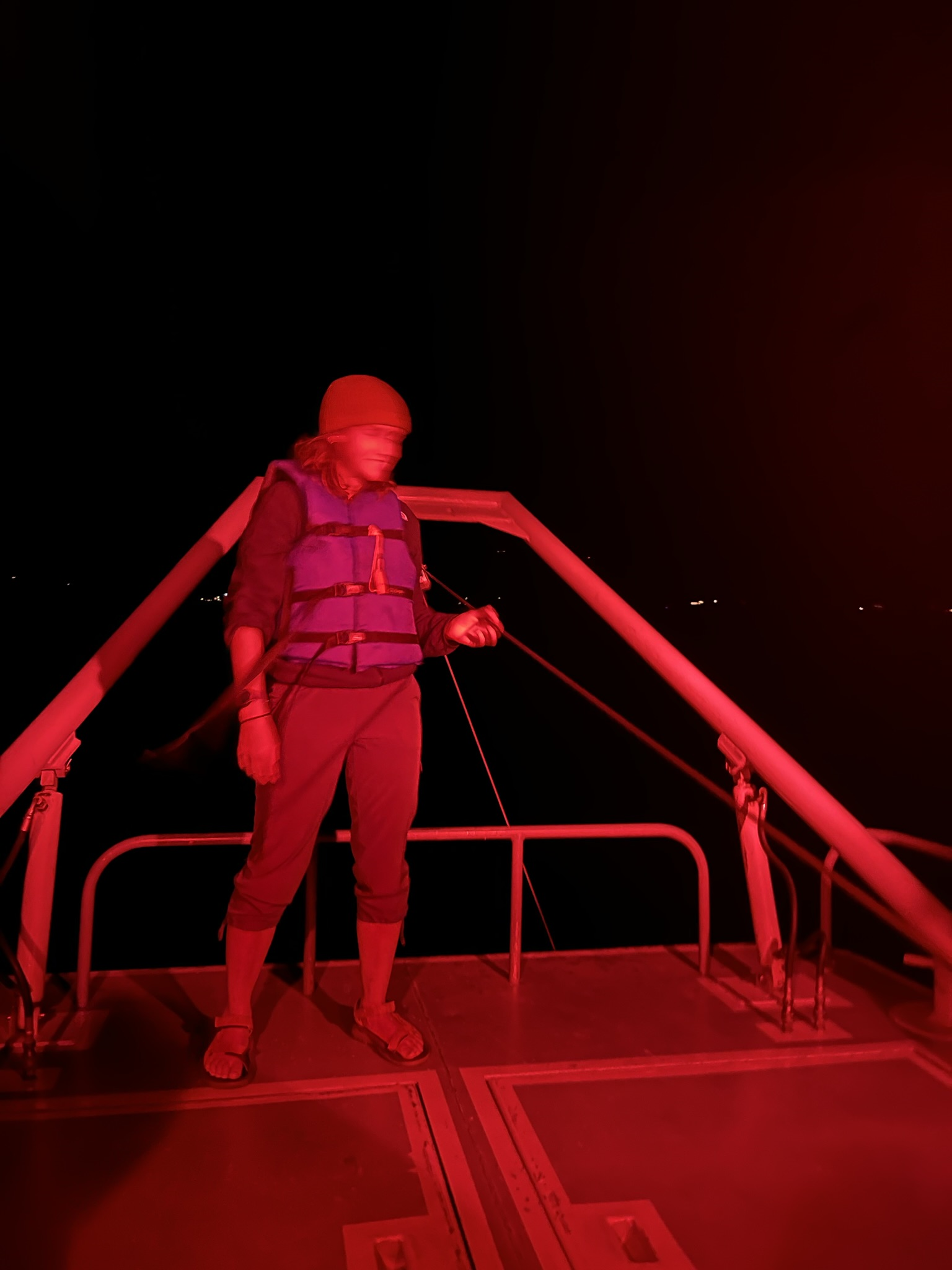
By the time these classes finished, I felt like I learned so much. I feel like I have learned not only so much about ecology but ecology related to the Montana landscape. I think this is particularly valuable to my global theme of Resources and Sustainability because it gave me the experience necessary to learn more about certain facets of ecology if I want to. It also opened up opportunities for me to do further work with the biological station. If I could do it again, I would.
 Beyond the Classroom