Bonjour, grüezi, ciao, hello! My name is Hannah Halvorson, and I spent 5 months this spring studying at the University of Fribourg in Fribourg, Switzerland. Fribourg (or, for the Swiss Germans, Freiburg) is located just 20 minutes from the Swiss capital of Bern by train. It is a medium-sized city with an old town dating back to the medieval era, on the border of French and German speaking Switzerland. Switzerland is an incredible country for many reasons, but its four national languages and small size contribute to its unique culture. My Global Theme is Culture and Politics, and I found Fribourg to be a perfect place to dive into that.
I explored my Global Theme in many ways. Most clearly, I focused on my Global Challenge. I wanted to find out what the global perception was of the USA, and specifically, of the American people, in this turbulent time. I took a class called “American Self-Deception and Self-Renewal,” and this was a fascinating starting point to answer my question. This was a literature class, so explored the ways Americans were presented in stories. Yet it also offered interesting commentary on the American lifestyle, and through conversations with my professor, I started to understand the impact that recent political events have had on the people of Switzerland. Another way I learned about global perception was through the friends I made, coming from countries all over Europe. I encountered several stereotypes about Americans through these relationships, some positive and others less so. The final way I explored my Global Challenge was by continuing my studies in French, both through classes at the university and immersion in the language in daily life. Learning about a different culture in their language deepened my experience in an unforgettable way, and I know already that I want to do it again. While studying abroad, I had the opportunity to experience other cultures as well, traveling to many surrounding countries throughout the semester. By visiting friends in their home countries, I got to see how families lived outside of the US, and hear their input on global events. Below are a few photos of these travels!
The cultural perspective I gained by exploring my Global Challenge will stay with me forever. Learning French and hearing about global events from my home country was valuable, but experiencing them in a new environment was something I think everyone should have the opportunity to do. Thank you, GLI, for helping make this experience happen!
Bonġu, jiena jisimni Fiona! Let me tell you about my experience studying in Malta!
A semester of studying and living in Malta turned out to be different from how I had expected. After doing my research on the country, my expectations consisted of Italian cultural influence, a large Catholic population, lots of old architecture, and after that, just the beach. But it turns out Malta, though it’s just a small island south of Sicily in the heart of the Mediterranean, has stayed rich in its culture, practices, and language, which lent well to my theme of Culture and Politics. Starting with the language, the culture in Malta is alive and well protected/practiced. The Maltese language is a fascinating, partially Semitic language born from a lot of influence from different countries and empires across history. First Arabic, then Italian, and later English, all left their impressions on Maltese. The language is used quite frequently and hasn’t changed much in the past century.
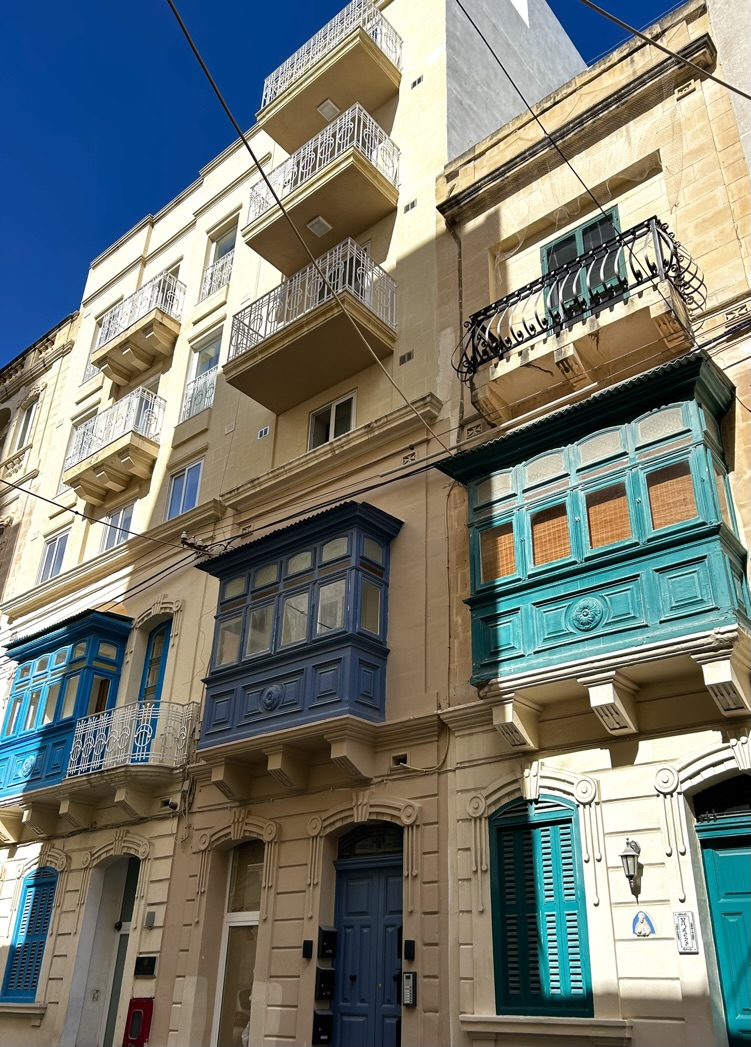
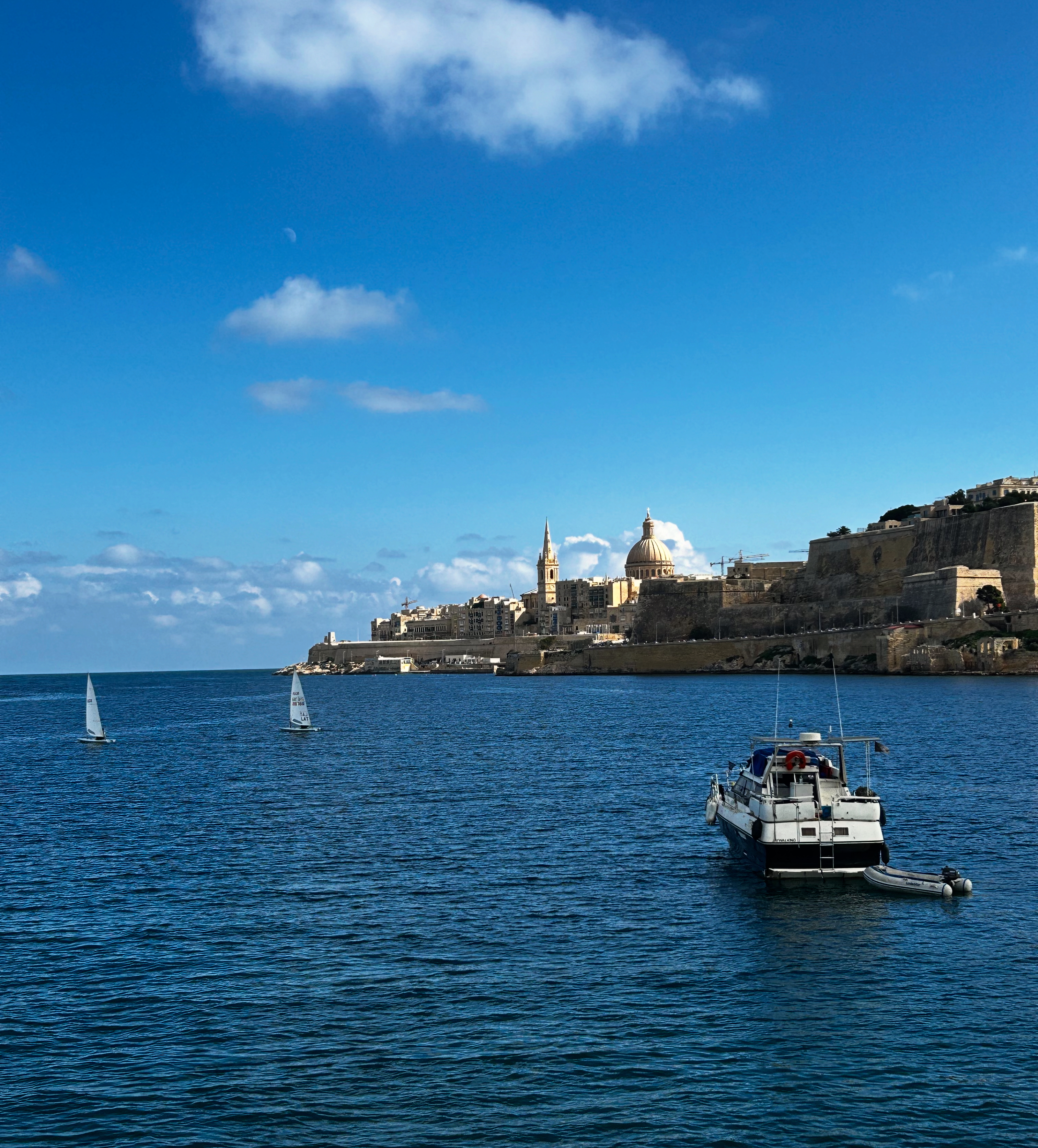
These are a few pictures of Malta. The architecture was so unique, and a lot of buildings had these lights that were used for any special occasion. A good example is in the second photo. Malta loves a party. About every other week, there would be a national holiday where no school in the country was in session, and everyone would meet in a town or a few to have a festival. Bands like in the picture would walk the streets playing music, confetti was thrown from the top stories of buildings, and there were lots of tents with food or small shops. This was one of my favorite unexpected parts of Malta, and it became a frequent tradition for my friends and me.
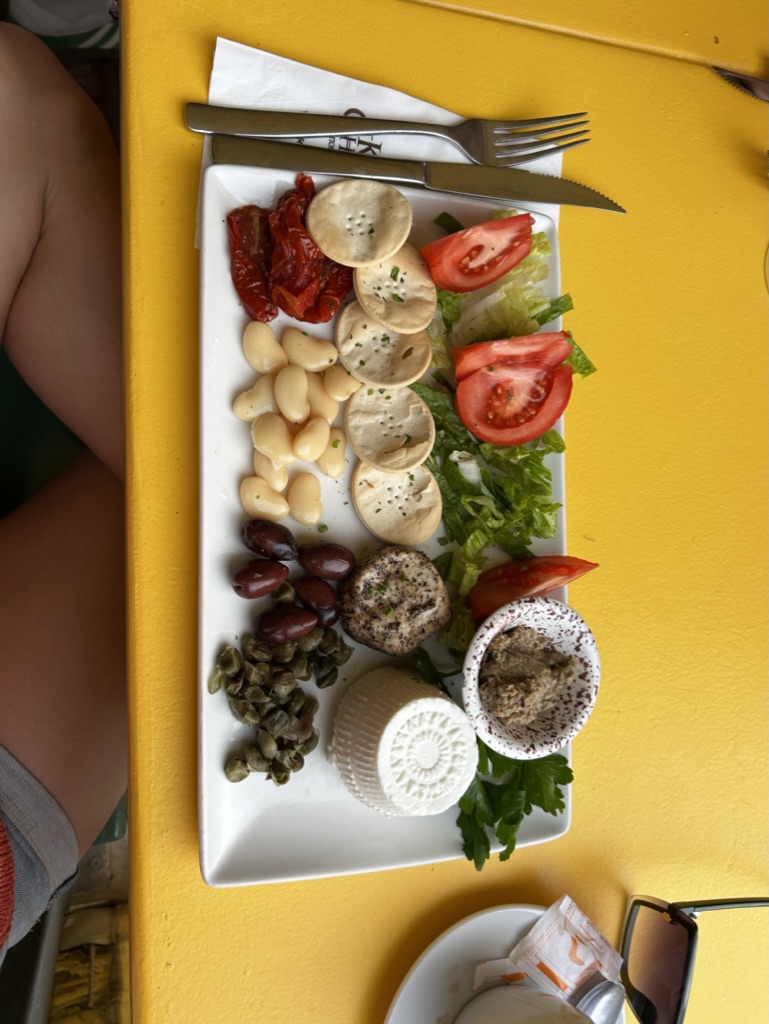
This is a Maltese dinner, kind of like charcuterie. There are butter beans, capers, kidney beans, water crackers, sundried and fresh tomatoes, goat cheese, a cheese made on the Maltese island Gozo, and a Maltese blended bean dip. The dip was one of my favorite Maltese foods. It tastes almost like refried beans, but thinner and with more salt and fresh garlic. Sometimes it would be served with vegetables or crackers, and it was good every time.
Malta is so colorful in both a physical sense and a cultural sense. Live music and dancing can be found anywhere on the island, on any given evening. The beaches were serene, and the towns were filled with welcoming communities and hidden gems of restaurants. The university was tricky to work with sometimes, but my professors were all masters of their subjects and such incredible people to talk to. I met so many great people in the international student housing, and I wouldn’t trade those memories or connections for anything.
I will see you soon, Malta! Because I will surely be back!
This summer, I had the opportunity to study abroad in Milan, Italy—the heart of the global fashion industry. As a Resources and Sustainability student in the Franke GLI and an Economics student at the University of Montana, I wanted to explore how Italy’s fashion markets balance style with sustainability. Milan provided the perfect backdrop for this research, offering a firsthand look at how practices like recycling, reusing, and maintaining high-quality clothing can reduce the environmental impact of fashion. I chose Italy for my Beyond the Classroom Experience not only because of its reputation for craftsmanship and excellence in the clothing sector, but also because it aligned with my Global Challenge of building a more sustainable planet. Along the way, I gained insights into sustainability, my own role as a consumer, and how to make more intentional investments in the pieces I choose to wear. This opportunity to spend the summer in Italy opened my mind to many different ways of life and perspectives that I will forever be grateful for.
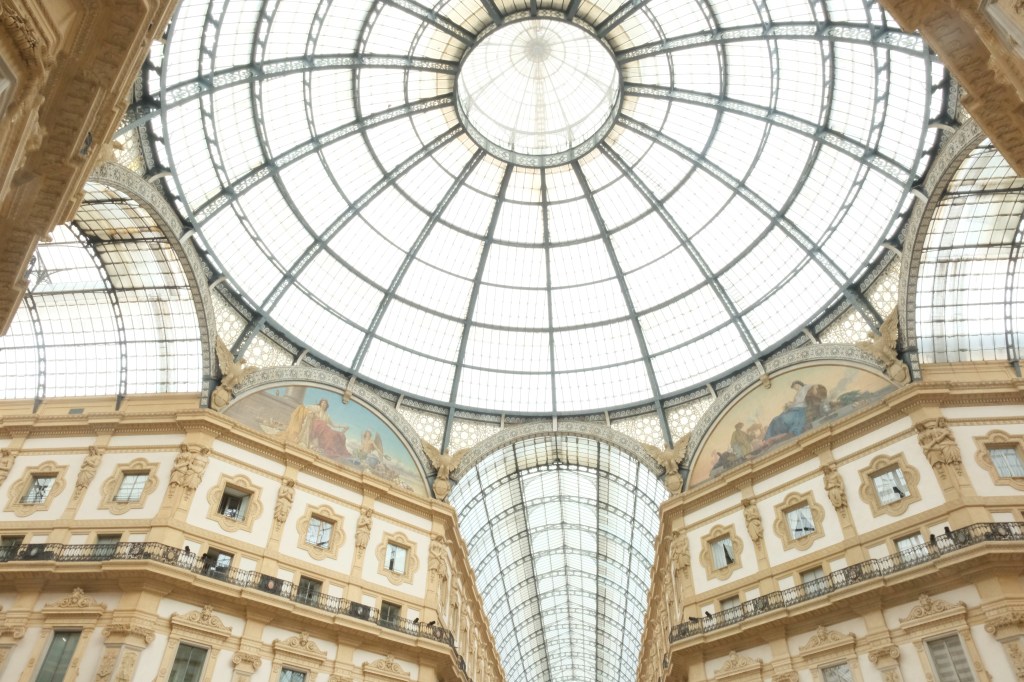
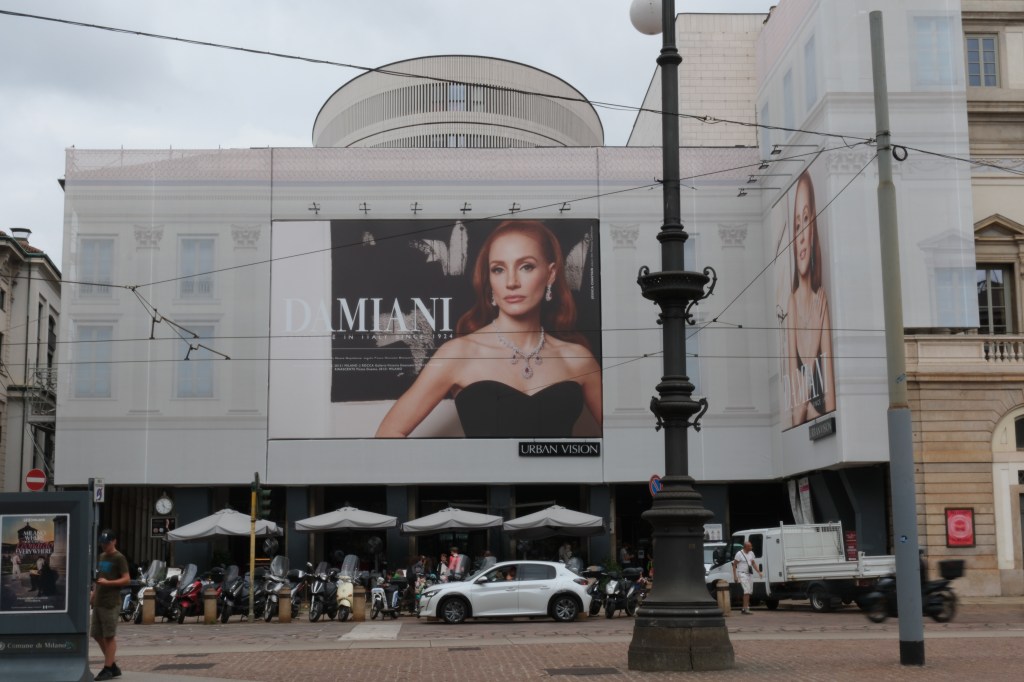
This is an image of the Galleria Vittorio Emanuele II. This historic and elegant shopping arcade connects the Duomo and the Teatro alla Scala and is known for its luxury shops, high-end boutiques, restaurants, and iconic glass-and-iron dome. I spent much time around this area in Milan to better understand shopping and quality trends of products. This is a hot tourist spot for those looking to invest in luxury goods.
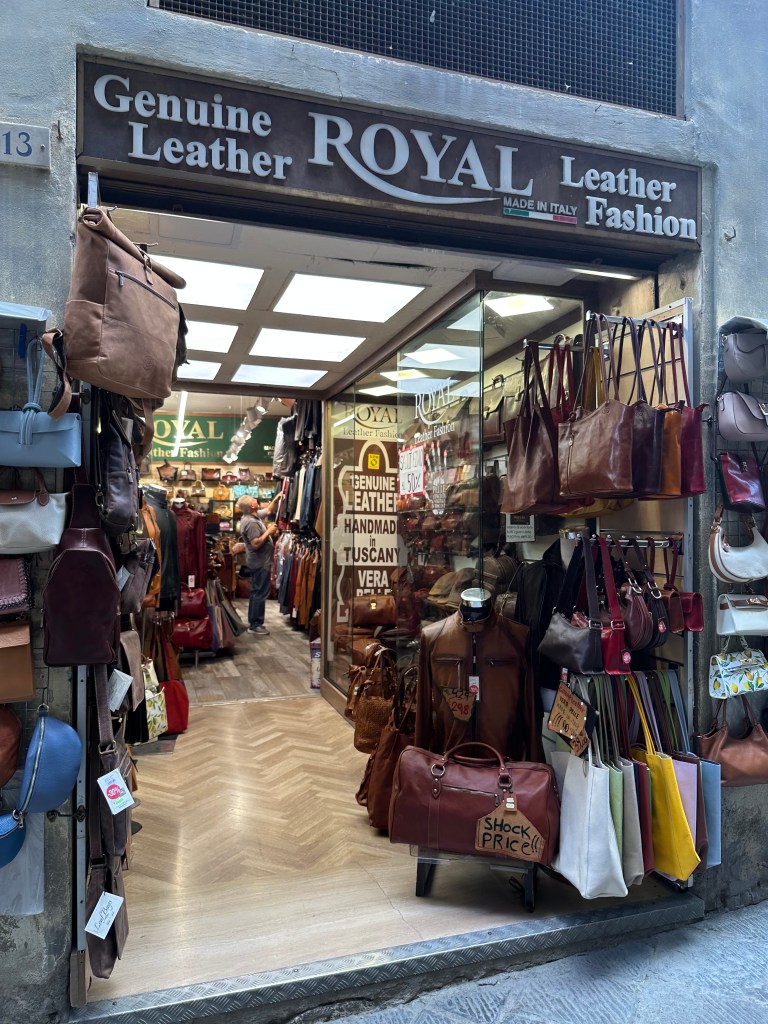
While completing research about sustainability practices in Milan, I visited many shops, markets, and vintage stores. I found that the clothing in many of these stores was made much better than the average clothing you might find in the US at a much more affordable price. The clothing didn’t have to be from a high-end brand to be made to last. There were Zara and Mango stores in Milan that I went into, which appeared to be of higher quality than their stores I have visited in the US. The clothing in these stores was very reasonably priced for clothing that was well-designed and stylish. Which was of interest to me because, why is it that the European version of these brands provides a better quality of item to consumers? Could it be that the average American consumer is more consumed with the quantity of product rather than the quality of product? Through some investigation and internet research, I found that this has unfortunately become the case in the US in our relationship to fast fashion and overconsumption. While living in Italy, I decided I would only thrift and invest in quality pieces, avoiding fast fashion and cheaply made clothing.
The images above are the places I learned to explore, ask questions about the quality of the product, make responsible purchases, and help to curb my carbon footprint by investing in items that are meant to last.
I did many other things outside of the learning of my Research in Sustainability. I attended the University of Cattolica in Milan, where I took classes in Global Economics. At Cattolica, I collaborated with students from around the world to craft projects that explained global economic problems that all of our individual countries were facing. I really enjoyed working with all these differing people because of their diversity of ideas and cultures. I learned so much from them all, and now I have couches to crash on in Mexico, Saudi Arabia, England, Canada, France, India, and Italy. These friendships enriched my knowledge of the world outside the comfort of the USA.
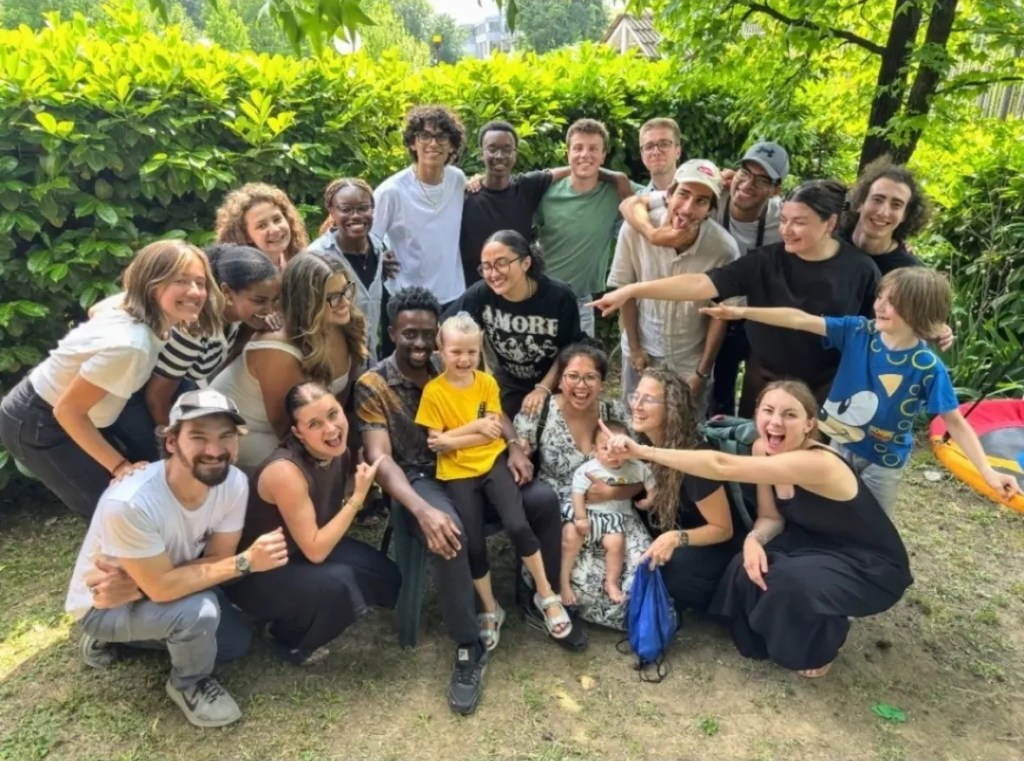
On my second day in Italy in May, I met a friend group in Milan that I would spend the majority of my time with. They had no connection to my University, yet they truly made my life in Milan so enjoyable. They all taught me so much about friendship and enjoying the sweet, slow life of Italy.
The family of friends I got to be a member of all summer and hopefully will be a part of the rest of my life!
My opportunity to live in Milan, Italy, provided me with easy access to the airports, buses, and trains that could take me all around Italy and Europe. On my second day in Italy in May, I was rock climbing in the French Alps with my new friends. In June, I stayed for 2 weeks with friends I had made in Sicily and learned about the Italian subculture there. 2 weeks later, I backpacked to Hungary, Austria, and the Czech Republic. There, I learned so much about the World Wars, politics, and European history. 2 weeks after that, I went all over Southern Italy, visiting Florence, Rome, Naples, the Amalfi Coast, Siena, Mt. Vesuvius, Pompeii, Venice, etc.. I got to see so many amazing places and the cultures that cultivated their abstract beauty.
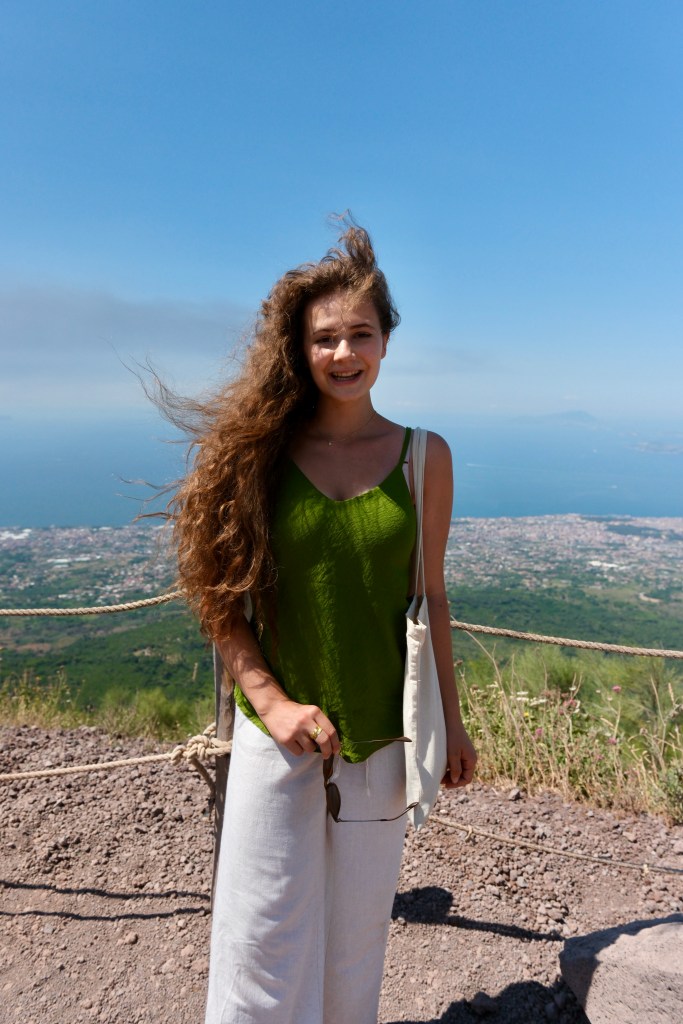
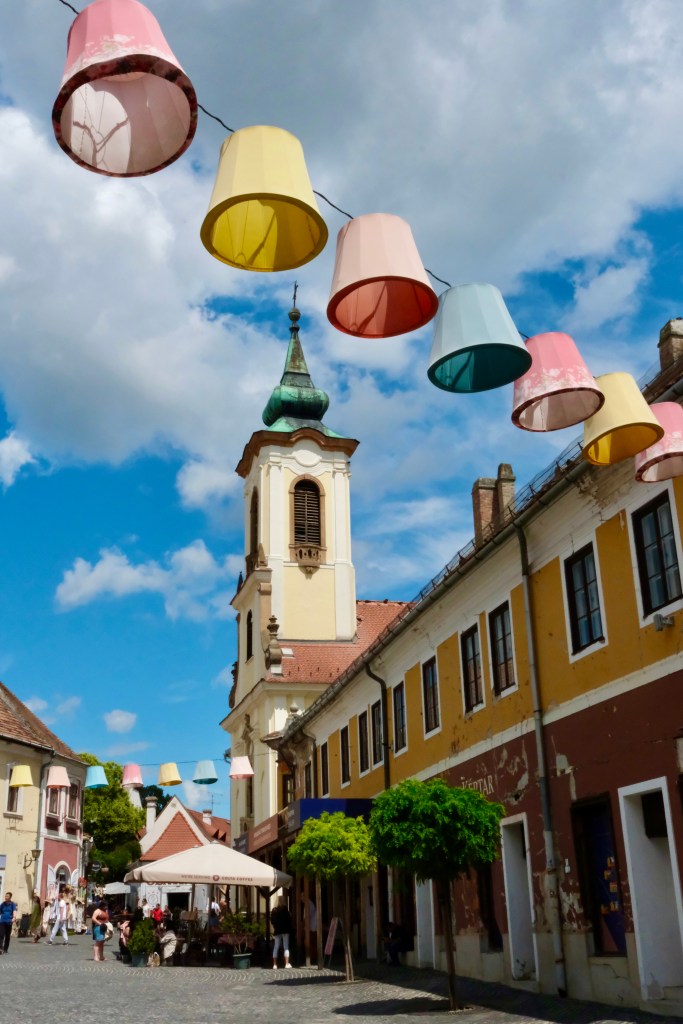
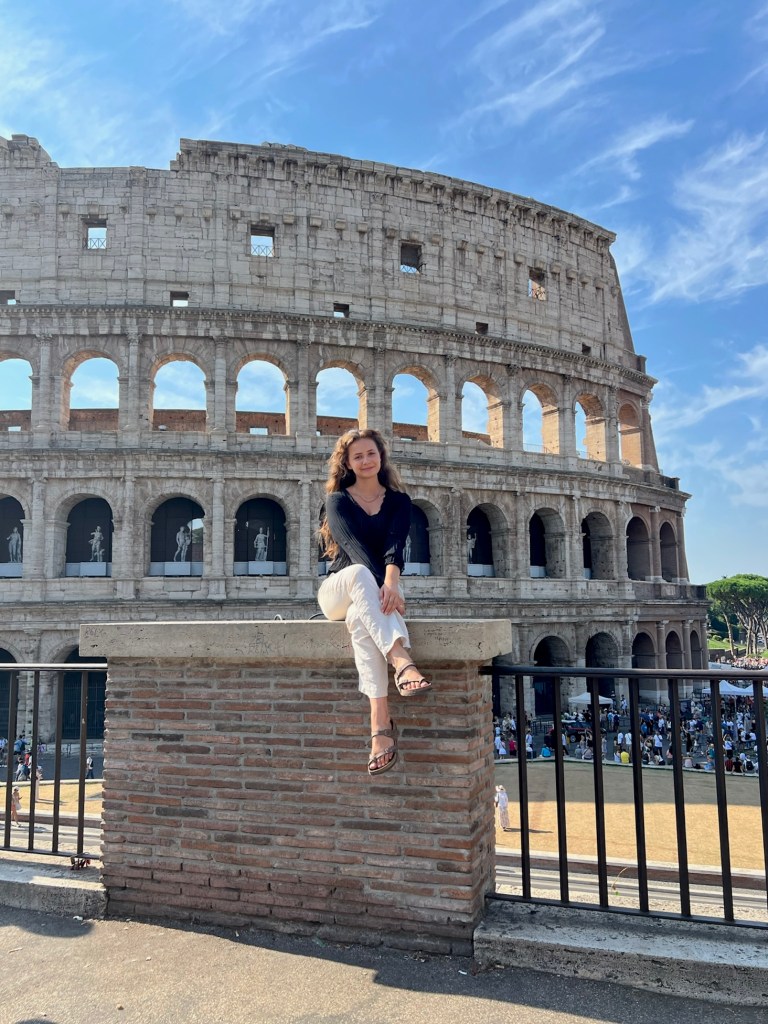
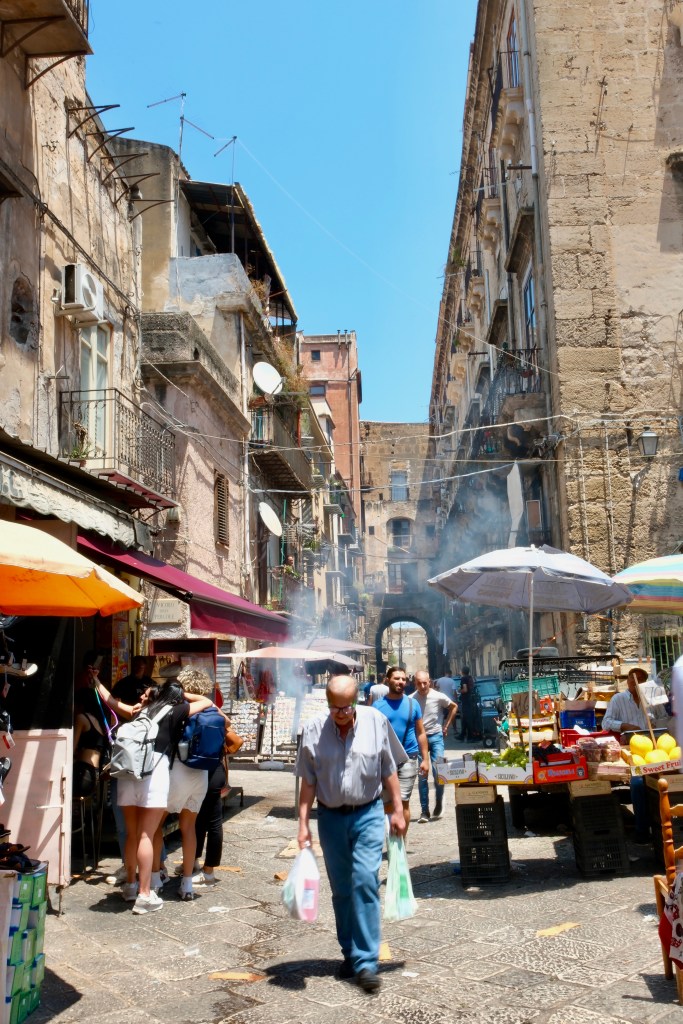
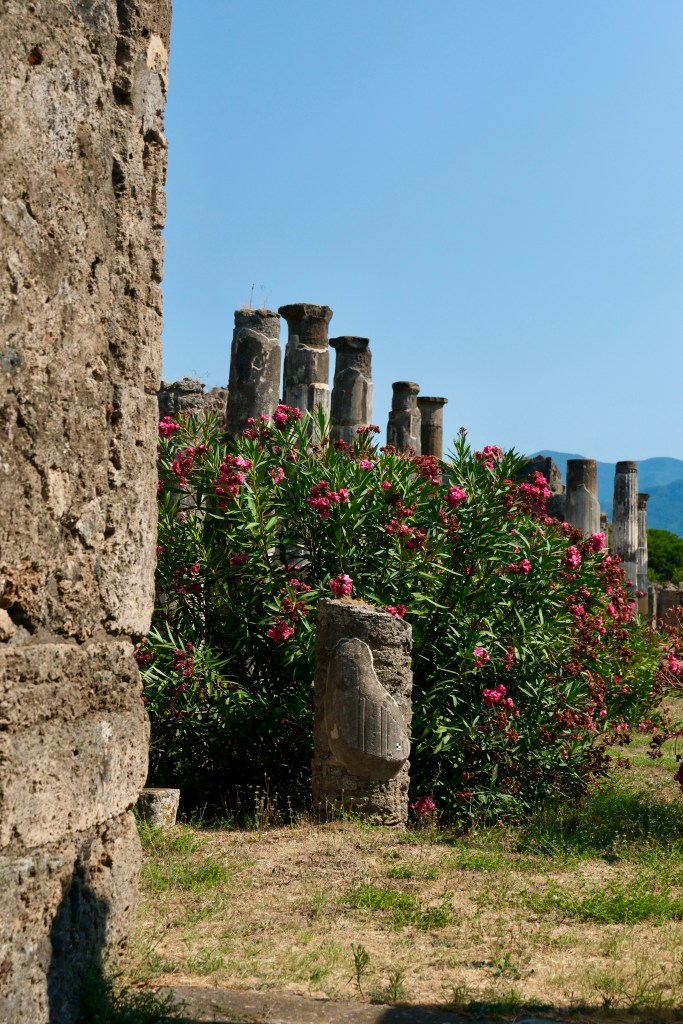
Here are a few images of Pompeii, Palermo, Pompeii, Hungary, and Rome from my adventures during the summer!
Living abroad in Italy this summer enriched my life and knowledge of the planet that I inhabit. I will forever be grateful to the Franke GLI program and those who worked so hard to give me this amazing opportunity. I feel rich now, though my pockets are empty, for I have seen the world with my own eyes.
“The world is a book, and those who do not travel read only a page” – Saint Augustine
Thank you, Franke GLI and the University of Montana, for allowing me to read a different page!
Hey guys! My name is Kaelin Thompson and for my beyond the classroom experience I have been working at the Cooper Lab on camps. The Cooper lab is a super amazing research lab that studies a wide variety of issues, in particular the bacteria known as Wolbachia. In the lab I follow a post-doctoral student where I learn many different skills. Currently I am working with fruit flies and how Wolbachia is impacting their reproduction. I attached a typical day of my life to this blog as well as a few photos so that you are all able to see how absolutely amazing this experience has been!
In the lab today, I was able to learn how to begin the PCR process. The first step of PCR is known as the genome extraction. This process includes collecting your DNA, which in this case includes live flies. The fly selection starts by putting them to sleep with a small amount of CO2, and then in our case separating 21 flies into 7 different tubes. The tubes are then placed on ice where 50ul of a squish buffer is added to each tube per fly resulting in 150ul per tube. The flies are then hand crushed with a small stick for 2-3 minutes, until they are almost completely mixed with the squish buffer. This step can be slightly challenging as the flies may fly out if they haven’t been properly placed to sleep.
After being squished, the tubes are placed in a heat bath for 45 minutes at 65 degrees Celsius before raising the temperature to 94 degrees for another four minutes. After the heating process the tubes are placed in a centrifuge where the fly debris sinks to the bottom forming a pellet. The top of the liquid in the tube holds extracted DNA, making it easy for removal while the pellet holds the remaining bodies of the flies. I thought this process was super cool, however I will not lie and say crushing the flies didn’t gross me out a bit. Next a mixture of primers, water, squish buffer and DNA was all mixed together in order to prepare for extraction. The amount of each group was dependent on the quantity of flies and whether or not they were positive for Wolbachia, which we knew from the beginning.
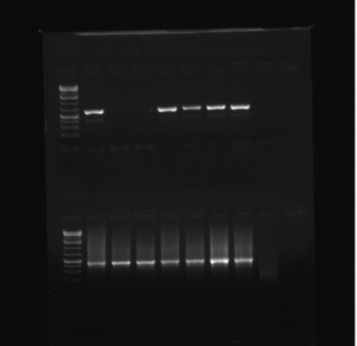
After being separated and marked, the mixtures were then placed in a PCR machine which thankfully is able to perform a heating and cooling process that would take an eternity by hand. After hours the samples were amplified inside of the machine. The third step in a PCR sequence consisted of creating a gel and then loading it with DNA fragments which have been amplified in order to be visible. Once the DNA was loaded, you are able to hook up the gel inside of a gel box to a charger which allowed for electrical currents to flow through the gel so that we were able to see which DNA fragments amplified. In this case, we were testing DNA from 21 different flies. After running in the gel electrical box for 20 minutes, I took the gel out and went to an area where a light is able to shine on the gel. For the flies that had Wolbachia, a small white bar would shine back at us; those without would not shine. Results of a gel can be seen below.
Overall, this experience has truely been the best and I am more than grateful I got to work in the Cooper Lab.
Hello! My name is Megan Vaughn, and I am a Resources and Sustainability fellow in the Franke GLI Program. For my Global Challenge, I decided to focus on how government agencies are addressing climate change and adapting to it. When planning my Beyond the Classroom Experience, I wanted to design an experience that would allow me to learn more about my Global Challenge and gain first-hand work experience. During the Spring of 2025, I applied to become a Wildland Firefighter in Central Montana to learn more about the U.S. Forest Service. While working during the Summer of 2025, I have been able to experience some of the natural disasters caused by climate change and learn how government agencies (such as the Forest Service and Bureau of Land Management) are managing natural resources.
During the Summer of 2025, I worked as a Wildland Firefighter for the U.S. Forest Service in the Judith Musselshell Ranger District as part of the Helena-Lewis and Clark Forest. This is a picture of Stanford, Montana, where I was stationed for the summer. Although I had the opportunity to travel on assignments occasionally, this was my home district where I spent most of my time working.
Despite being stationed in Stanford, MT, I have had the opportunity to also travel and work in other ranger districts across the country. During June, I was sent to Grants, NM, on a fire assignment with a couple of other members from my crew. This assignment was 14 days, not including the two days of travel to New Mexico and to Montana. The first seven days were spent on a severity assignment where we assisted the fire crew in Grants, NM, and served as a resource for any possible future fires. During this time, we were able to visit several areas of cultural importance that allowed us to learn more about the history and culture of New Mexico.
This is a picture of the ruins at Chaco Canyon National Park. During our time in New Mexico, my crew took one of our travel days to visit cultural sites and learn more about the history of the area we were working in.
After seven days, though, my crew was requested to assist with a fire complex in Los Lunas, NM. Working on this fire complex was a valuable opportunity because it allowed me to learn more about the diverse natural resources in the Southwest United States and experience interagency cooperation firsthand. The Desert Willow Complex threatened several homes and natural resources around the Rio Grande and was extremely close to a heavily populated area. Many federal and state organizations came together to handle the situation and prevented it from escalating quickly and causing additional damage. Although state resources managed operations, resources from federal and county agencies also cooperated with one another to prevent further destruction and protect the remaining natural resources.
Engaging with a different culture and environment on this assignment shifted my perspective on the culture I am accustomed to in Montana and allowed me to learn more about the environment in the New Mexico area. History and cultural identity, for example, play an important role in rural communities, such as Grants, NM. Natural resources are also managed differently in the Southwest United States compared to the Northern Rockies region, since there are several different fuel types in each respective area.
This is a picture of the Cibola National Forest from the La Mosca lookout near Grants, NM. The fuel types in the region include timber, sage brush, and grass lands.
This experience provided me with a large array of diverse perspectives surrounding climate change and managing natural resources. For example, a common argument is that climate change is causing wildfires to become more destructive and wildfire seasons to last longer. Although rising temperatures and shifting weather patterns are contributing to the change in fire behavior, they are not the only factors. Over time, efforts to protect forests have prevented large areas from experiencing wildfires for many years. This has caused large regions to become severe fire hazards and allowed smaller wildfires to begin expanding rapidly once they are started. Fuels that have not been burned or thinned for many years are contributing to the growth of wildfires and allowing them to expand beyond containment efforts.
This experience has tremendously improved my leadership ability as I have been able to frequently incorporate my leadership skills into daily tasks. Working on the fire line has allowed me to learn how to take initiative when action is needed and rely on those around me to support the mission at hand. Engaging with diverse crews from across the nation on each new incident has allowed me to gain a new perspective on interagency cooperation and different leadership styles from across the United States. Staffing a small crew has also allowed me to improve my communication skills, as it has been necessary for me to communicate clearly and effectively with those around me to improve my situational awareness and ensure the safety of my coworkers. Taking action, engaging with different groups of people, and communicating effectively are all important aspects of leadership. This experience has shown me areas for improvement in my leadership style while also allowing me to continue developing as a leader and prepare to return to Missoula this upcoming Fall.
I have gained an extended understanding of natural resources, agency management, and environmental values from my Beyond the Classroom Experience. However, my time working as a wildland firefighter has also made me more curious about the management of other natural resources. My experience required me to focus on different types of terrain and fuels, such as mountains, timber, desert, brush, grasslands, etc. But after working around these fuel types, I am interested to learn how different climates affect fuels found across the United States and how fire crews in other regions of the globe are responding to climate change.
Overall, I am extremely grateful to have had the opportunity to participate in this incredible Beyond the Classroom Experience. My time spent working for the U.S. Forest Service has forever changed how I view my surroundings and completely reshaped who I am today.
Hello! My name is Katia, and I am a senior double majoring in Wildlife Biology and Spanish with a certificate in Global Leadership. My Global Theme is Resources and Sustainability and my Global Challenge looks at what social justice or sustainability techniques can Latin America employ to combat climate change. For my Beyond the Classroom Experience, I studied abroad in Valparaíso, Chile. I had the incredible opportunity to stay with a Chilean host family which gave me a beautiful window into the culture. When I initially decided to study Wildlife Biology and Spanish, I went into college thinking there would be little to no overlap between the two areas of study. Later, I realized that studying abroad in a Spanish speaking country and taking science classes could be a great way to merge these two interests. Most of my classes will transfer back for my Spanish major, but I also had the opportunity to take a climate change class called “Medioambiente y justicia social: nuevos caminos contra el cambio climático en América Latina” where we learned about the major ways climate change is impacting Latin America and the ways in which we can begin to combat them.
Much of what I have learned about climate change has come from a more science related perspective, and this class combined a little bit of science and philosophy which created some really eye-opening points of views for me. One of my favorite units of the class involved reading an article written about the relationship between the Mapuche, an indigenous group in Chile, and the Araucaria, a tree endemic to southern Chile and Argentina. The Mapuche have a reciprocal relationship with this beautiful tree; they sustainably harvest the seeds for food, and in exchange, they protect, care for, and honor the spaces that the trees occupy. Sadly though, a much more extractivist mindset dominates the world and the natural spaces we live in. The Mapuche can teach us an important lesson that in terms of combating climate change, perhaps one of the best places to start is a change in mindset. Instead of taking resources solely for consumption, maybe we express gratitude to the earth and its natural gifts. What ways can we express gratitude or give back to the earth?
A picture of my dad grinding wheat to make flour using Mapuche tools in a traditional home.
Another part of that class involved a field trip to a community close to Concón, Chile, designated as a “zona de sacrificio” or “sacrifice zone.” Coal plants were built in this area, contaminating the ocean and killing ocean life, interfering with important local food sources and the economy of this town. We met with a few local women who meet several times a week to discuss ways to fight back against the government, demanding the right to a clean and safe environment. Seeing the love that these women have for their community was inspiring. After many defeats, they are still fighting for their families, their communities, and their way of life. Those women remind us of the importance of the collective voice.
My favorite part of the study abroad experience were the moments I shared with my Chilean host family. I spoke only in Spanish with my host mom and created a relationship with her that will last well beyond my time in Chile. While abroad, I had the opportunity to reflect on the importance of cross-cultural, cross-country communication, skills that I strengthened particularly with my host mom. We went to the mercado to shop for fruits and vegetables, we went to local ferías to thrift clothes, we walked on the beach together, she taught me Chilean words like bacán, fome, cachai’, and chascona, we shared deep conversations at meals, and so much more. I know that I have a home in Chile when I want to go back and visit my new family. There are aspects of Chilean culture that are quite different. Public transportation is incredible and used by pretty much everyone. Chileans show affection and greet people using physical touch (a hug and kiss on the cheek). I think the important thing for me though was to try to not compare Chile to my life in the United States. We can appreciate the differences and try to learn about a new culture in a respectful way.
My Chilean host mom goes by Paty, but I always call her mi querida Patita.
My time in Chile was truly a life changing experience. I was constantly immersed in the culture, speaking Spanish and expanding my vocabulary, trying new foods, and making new friends. Chile is also unique in its geography; the Atacama desert in the north, Patagonia and huge glaciers in the south, la cordillera de los Andes to the east, and the Pacific ocean to the west. The environmental diversity is astounding, and is one of the reasons why I would love to visit Chile again.
Parque Nacional Torres del Paine, Patagonia
Climbing the most active volcano in Chile with my fellow GLIer Rayne!
Endemic flamingo species that live in the Atacama desert feeding on crustaceans living in salt flats. Hasta pronto, Chile!
In Gaelic, ‘craic’ pronounced like the English word, ‘crack’ means ‘a good time’ and let me tell you, Ireland did not disappoint! I’m Brooklyn Grimm, a third year student at The University of Montana studying Elementary Education! I joined the Franke Global Leadership Initiative as an incoming freshman because I have always wanted to learn more about the world and explore other places besides The United States. My theme, Public Global Health, covers the different factors that play into the variety of approaches to Public Health and the varying challenges that may need to be overcome in order to promote Public Health in different parts of the world. For my Beyond The Classroom experience I chose to explore the Public Global Health theme further by spending my Spring 2025 semester in Cork, Ireland! There I had the privilege of taking several relative courses including ‘Intro to Public Health’ and ‘Public Health Issues’ which focused on Public Health problems specific to Ireland such as the over-consumption of alcohol and the way smoking tobacco has been normalized in most public spaces throughout the country.
University College Cork where I attended my classes!
Learning about the thoughtful ways in which Ireland has attempted to minimize alcohol consumption and unhealthy habits throughout the population was an eye-opening experience for me. One concept that really stuck with me throughout the semester was the importance of brainstorming ways to promote health without causing a larger social divide between differing demographics. For example, one approach to minimizing alcohol consumption was to raise the price of alcohol, however, some concern is shown now for those who may be experiencing an addiction to alcohol. Realistically, these individuals are going to find a way to drink it and raising the price of alcohol may only lead them to a darker financial place than before.
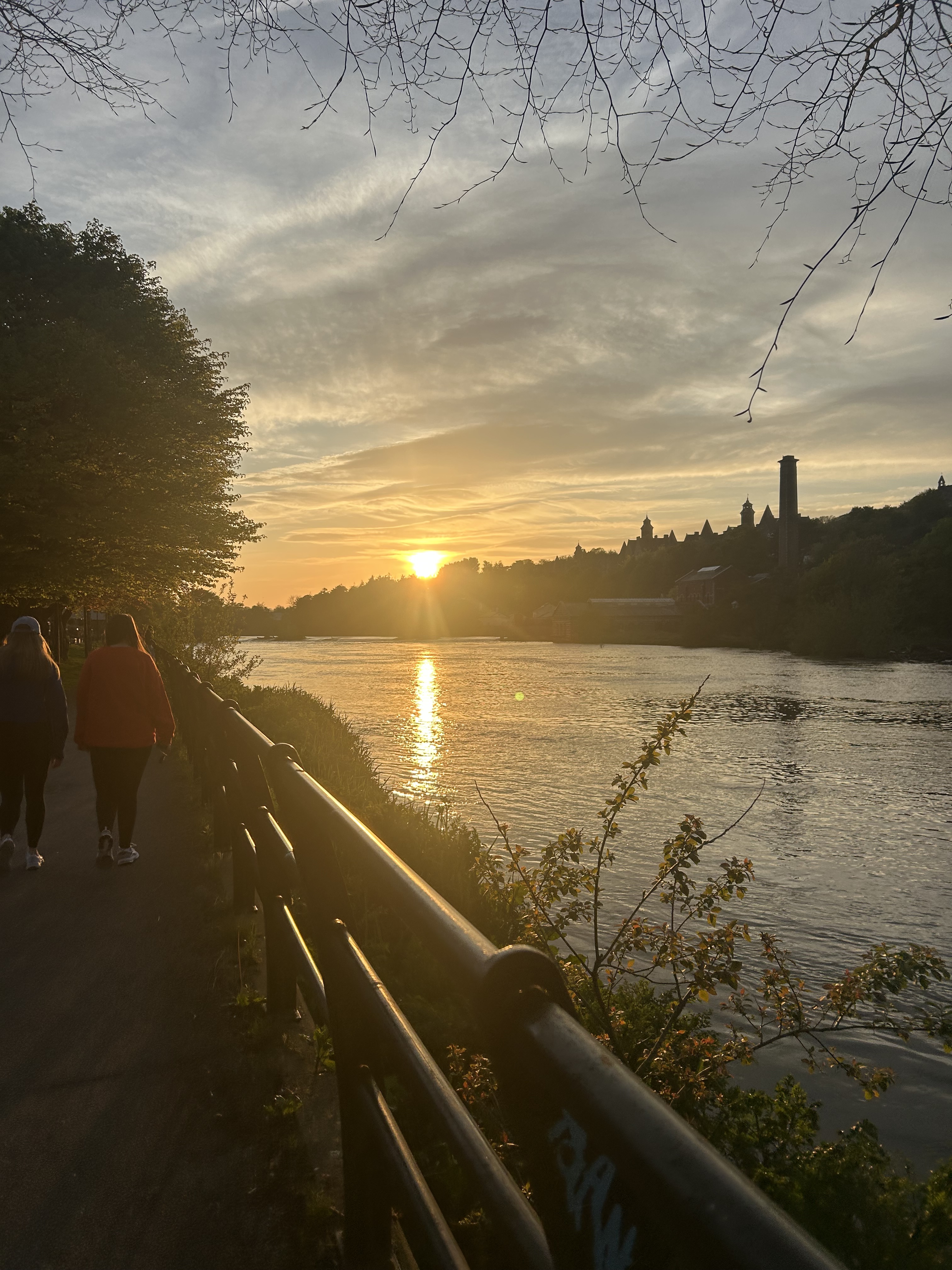
The River Lee I got to walk every morning with one of my closest abroad friends!
Aside from broadening my perspective on the Public Global Health theme, this study abroad experience altered my perspective on life as a whole. I had the opportunity to meet loads of people from diverse upbringings and cultural norms and learn more about how these things impacted them and their worldview. I made friends with other fellow Americans and in addition, I met people from Argentina, France, Germany, The Netherlands, Finland, Canada, and of course, Ireland! I would not trade the sunset picnics, coffee runs, beach days, craft and cooking nights, Irish roadtrips, and insightful conversations I had with these new friends for the world! Cork, Ireland is truly a sweet place with a mix of city and small town vibes and I loved getting to live there for those short four months of my life. I am simply overwhelmed with gratitude for this incredible opportunity and the fact that I have so many reasons to hopefully visit Cork and Europe as a whole again!
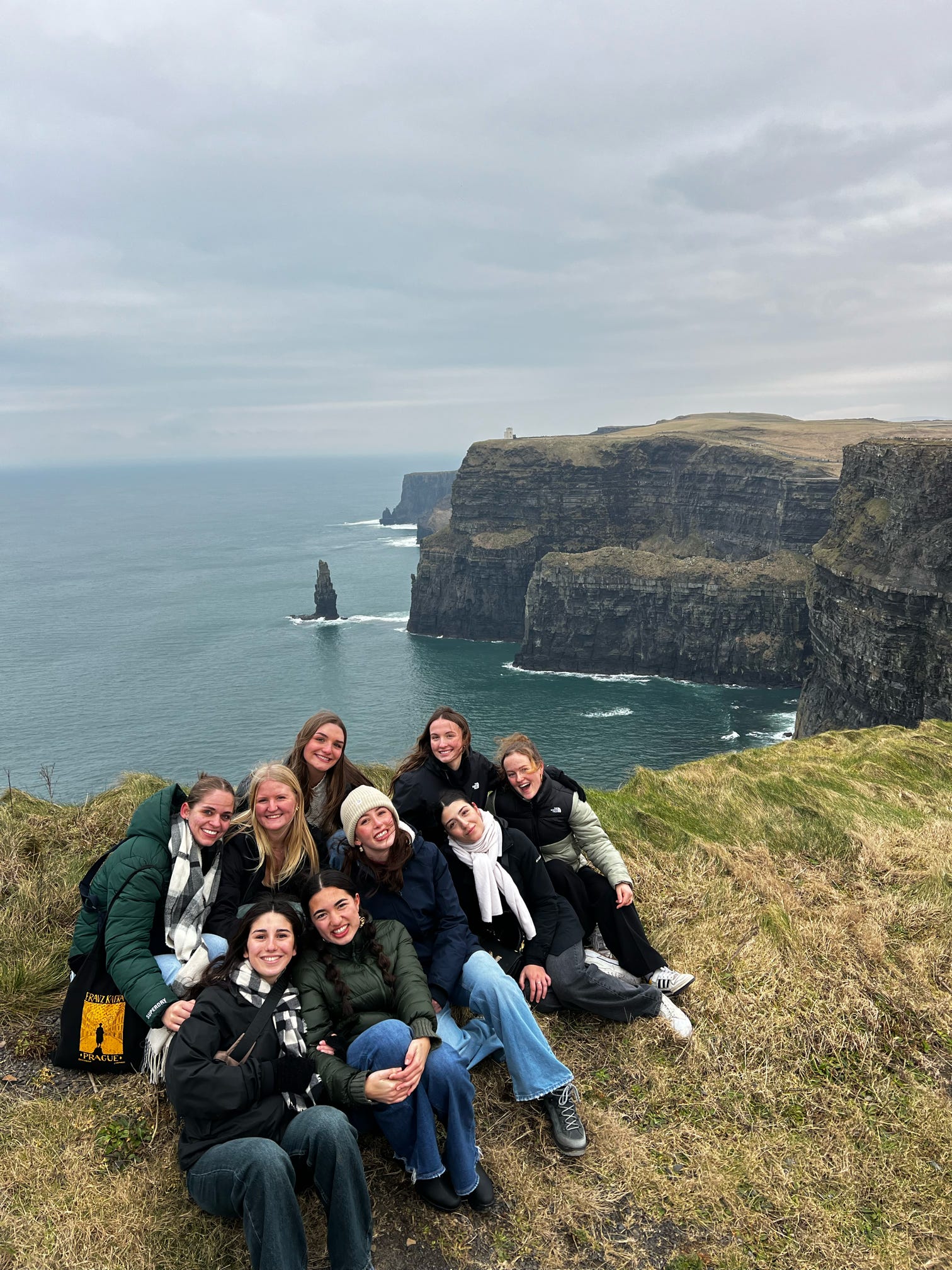
A portion of my new international friends at the Cliffs of Moher!
Hi! My name is William Pankratz, and I’m a junior studying Management Information Systems at the University of Montana. My GLI global theme is Technology and Society, and my challenge focuses on how technology can drive more sustainable systems. This summer, I explored that theme in a big way during my internship with NORNORM, a sustainable office furniture company in Stockholm, Sweden.
NORNORM’s business model is built on the circular economy. They provide companies with Scandinavian office furniture on a subscription, then refurbish and reuse pieces to reduce waste. It’s a perfect blend of design, environmental responsibility, and technology. My role was to work with my supervisors, Ella Linden and Emil Steenhouwer, on a go-to-market strategy for NORNORM’s U.S. launch. We researched industry trends, regional differences, and customer needs, then created tailored strategies for different regions of the country.
Living in Sweden was just as eye-opening as the work itself. One moment that will always stick with me was walking through Stockholm’s city center and realizing how important sustainability is to their country, from the advanced recycling stations on every block to the bike-first street design. It made me reflect on how my own culture approaches environmental responsibility, and how much opportunity there is to improve.
This experience pushed me to think bigger about how technology, especially AI, can optimize circular economy models and make sustainable practices easier to adopt. It also strengthened my skills in cross-cultural collaboration, research, and strategic thinking.
I’m so grateful to the Franke Global Leadership Initiative Fellowship for making this opportunity possible. My summer in Sweden didn’t just teach me about business strategy, it reinforced my commitment to building a career at the intersection of technology and environmental preservation.
Hello! My name is Gabbi Claxton (she/they), and my global theme focuses on inequality and human rights, complimenting my majors in Environmental Studies and Women’s, Gender, and Sexuality studies.
To be really transparent, my decision to study in Barcelona was disproportionately due to not wanting to endure another Montana-adjacent winter season, of course among other things, such as Spain and Catalunya’s rich history, social culture, governmental processes, and the opportunity for language immersion. This proved to be the right decision, as the education academically, culturally, and socially has been absolutely transformative for me, and I got to opt out of yet another winter.
Spain is well known for their socially connected culture. This has been one of the most intriguing aspects of my time there. I believe that community and connection is a pillar of well-being often overlooked in the United States. In order to have a society of equity, sense of place, and overall mutual respect, it is crucial to understand the ways in which each individual is woven into the web of society. This is a way of being in the world that Spaniards embody. It has helped me to reject the ideas of hyperindividualism and further embrace and contribute to the creation of community in my life back in the United States. In a broader sense, I have a much more well-rounded, global perspective of functions of society and the ways in which citizens and government influence how people show up and feel supported (or lack of) in their communities.
Barcelona’s location made it relatively accessible to travel around Europe, Catalunya, and Spain. My time spent travelling, which was as much as I was able, deepened my capacity to understand and appreciate diversity in lifestyle, culture, and perspective. Not only has that been so essential to a more nuanced viewpoint in regards to my academic pursuits, but also a more equitable and accepting way of showing up in my personal endeavors. Solo travelling opened me up to my own capacity for capability, autonomy, and independence. Travelling rejuvenated my creativity and fostered an expansive sense of adventure and self-relationship, and made me more confident in my ability to connect with others, regardless of background.
As any abroad experience would, it did not come without adversity. Once my initial honeymoon phase had faded, I experienced a sense of loneliness and uncertainty. I had to take classes in a language I did not speak, the language barrier proved to be more socially difficult than I had thought, I felt isolated. I initially had an image in my head of how I should feel, and how I should be experiencing my time abroad, and I had felt like my little idealized bubble had popped. This isn’t being said to deter anyone from studying abroad, but it is a normal part of the experience. In hindsight, this hardship had been exactly what I needed. Overcoming these obstacles made me a more capable and resilient person. Navigating unpleasant situations skyrocketed my leadership skills, and, overall, these feelings were so short-lived in comparison to the amazing experiences and lessons learned in multiple aspects of my life.
When I had initially gone abroad, my friends and I would always joke about the stereotypical “when I was abroad” student, and I was so convinced that it not only wouldn’t significantly change me but also I would be exempt from the stereotype (for whatever reason). Now, after being a few months returned, I can confidently say that I have changed, quite significantly. Truly, I could go on and on (and on and on and on) about the plethora of takeaways I have. I am more equipped to handle challenges, I have been able to show up more fully in many aspects of my life, and I feel just absolutely invigorated by the world around me. Beyond the Classroom provided me the space to grow in ways I didn’t even know I needed, and I could not recommend it more.
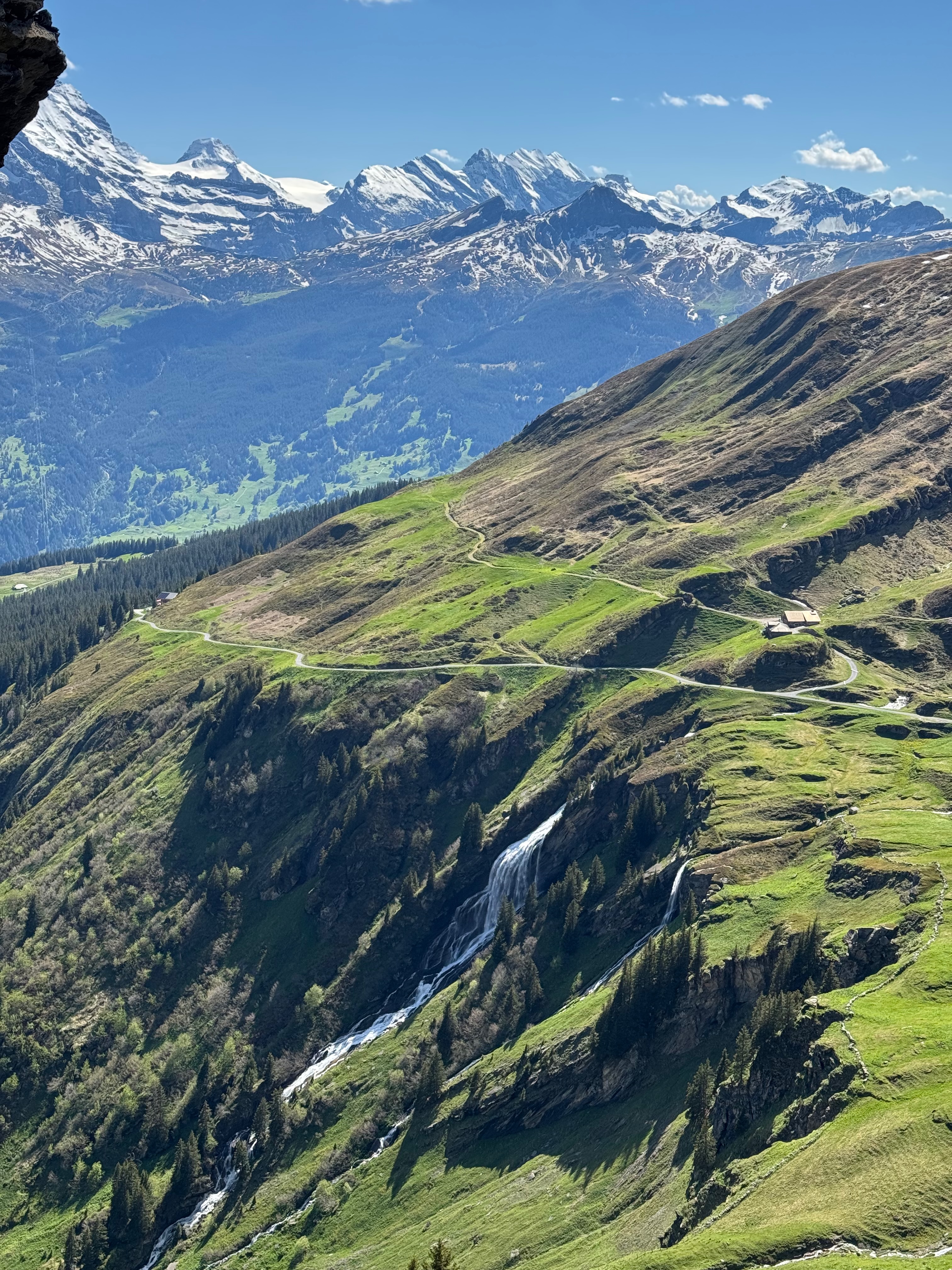
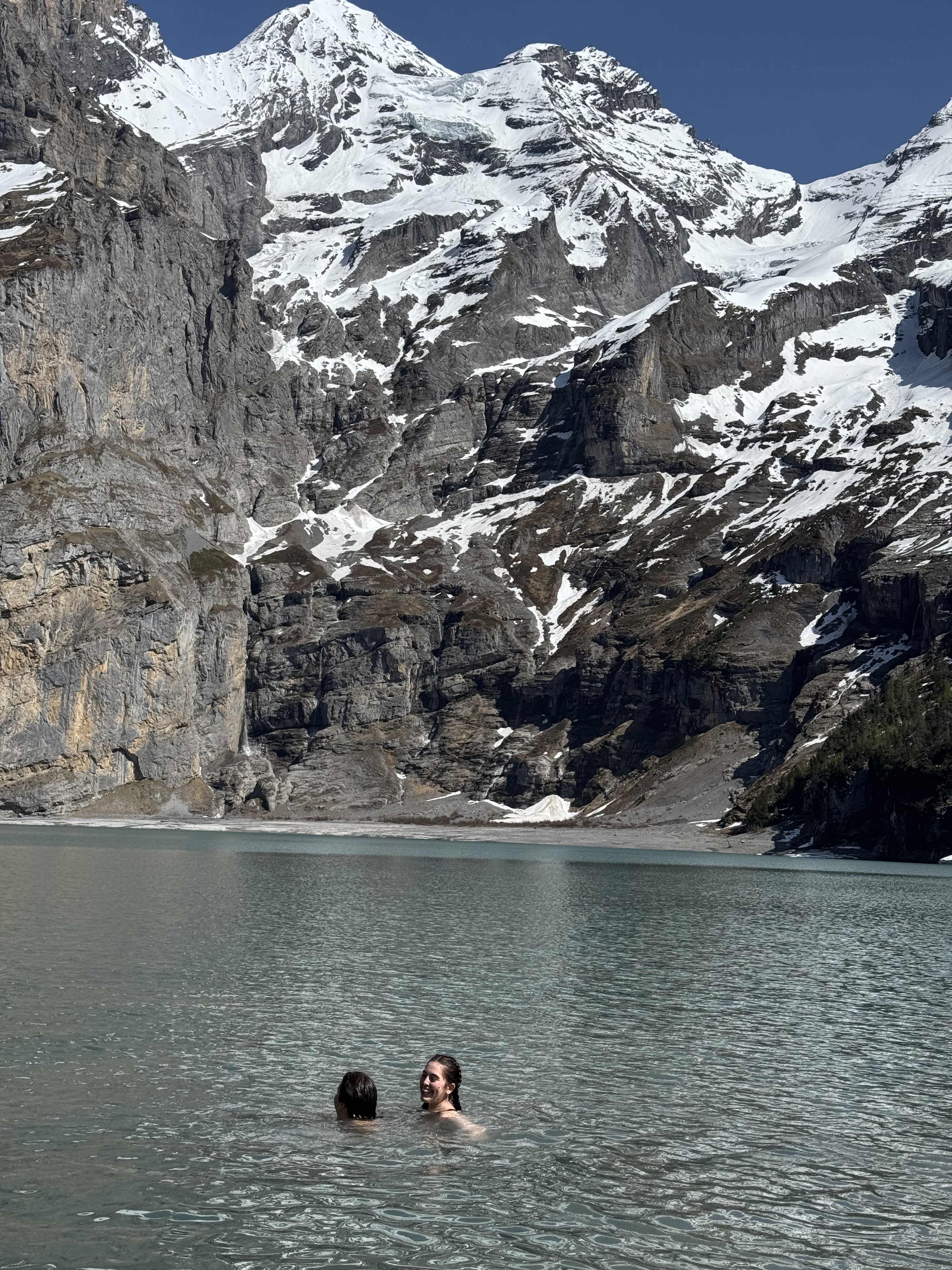
Park Guell, Barcelona- One of the most famous works of Antonio Gaudi, a park and an art exhibit!Interlaken, Switzerland- hiking with friends from my hostel (I am still in touch with most of them)
Costa Brava, Catalunya- Kayaking with my little sibling, they came to visit me at the end of my trip 🙂
Hi! My name is Lotus Porte-Moyel. I’m a senior at UM studying audio journalism and musical theatre. My Global Theme is Culture and Politics, and my Challenge is “How audio storytelling gives youth the tools to understand themselves within their community’s cultural context.” Over the past five weeks, I’ve worked as a resident summer camp instructor at Cottonwood, a self-directed school and event space in Brooklyn, NYC. I’ve led 5-12-year-olds in creating an audio story each week, including a radio play, a reported audio story, and three episodes of a vox pop (voice of the people), where they’ve brainstormed questions, practiced interview and recording techniques, and interviewed strangers around city parks. I didn’t realize how proud I would feel watching kids do what I have learned to do over the past four years at UM! They fearlessly walk up to strangers and listen intently to each response, take notes, and reflect on the interviews to me as they walk to the next. Watching them report the vox pops has been particularly inspiring because the questions they narrowed down were, “What’s the meaning of life?” and “What do you want to do before you die?” Of course, many interviewees were surprised by the depth of these questions coming from kids. I think it made people more eager to answer. Cottonwood is in a predominantly white, well-off neighborhood, so I think it was eye-opening for some of the campers to interview people from all over the world, from an array of backgrounds, especially hearing from people of all ages. It was probably more eye-opening for me, coming from Montana, to be honest! The campers were astute in noticing patterns in the interviewee’s responses and noticing when someone had an answer that stood out to them. The biggest lesson I’m taking away is that people of any age can be great reporters, as long as they can listen and are unafraid to be curious. The kids have taught me to be braver when I’m reporting my own stories! To report the intimidating story, to interview strangers on the street, and to embrace imperfection a little more. Giving the campers the freedom to come up with and ask questions, operate high-quality equipment, and edit audio clips seems to make them more excited about creating stories when their “touch” is a part of it. The last and most in-depth story the campers are creating is about the park they visit every day to play. They are interviewing members of the neighborhood who volunteer to keep the space nice and strangers in the park. We’ve researched the history and are excited to interview the bird-watching tour guide tomorrow! On Friday, we will close with a listening exhibit of each story for the campers’ families to hear. I hope building these stories and practicing audio reporting has expanded the camper’s view of what they’re capable of and that they can learn so much from almost anyone they talk to. This experience has just been the best!
Campers interview a volunteer from the Friends of McGolrick Park organization for their final audio story.
5-year-old campers test out recording equipment during our first week of camp, preparing for their radio play.
Campers and I storyboard and brainstorm a script for their radio play, the first week of camp.
One camper records natural sound of a waterfall in Central Park.
Campers interview a stranger in Bryant Park (Times Square), asking “What is the meaning of life?” and “What do you want to do before you die?”














 Beyond the Classroom