Internship In Athens, Greece

Hello! My name is Therese Solomon and I am majoring in Psychology with a minor in Philosophy. The theme I chose to focus on during my internship was technology and society. For my Beyond the Classroom experience I had the privilege to intern at IASIS Day Center. IASIS is an NGO that is focused on providing therapeutic and counselling services as well as psychosocial support to people who are in need. The Day Center is just one part of this organization’s goal to act both at the level of psychosocial rehabilitation and therapeutic programs as well as at the level of prevention and information on mental health. Before my internship I knew I wanted to pay attention to the use of data analysis tools and online mental health resources, to see whether these technological practices benefit the community of Athens. When arriving at my center, I learned more about my daily role and the opportunities I will have to grow in my studies.

IASIS gratitude lesson at retirement homes around Athens.

There were many different interns from all around the world including Australia, England, Italy and even many folks from the US, as well Greek volunteers. From this diverse group of people I got to learn so many different aspects of psychology. As a group of interns we would spend our time not only working on projects but talking about the different complexities about mental health and mental illness in our different countries and how it affects their society. It was fascinating to talk to all the different Greek volunteers about their experience in their education and how their society treats mental health.
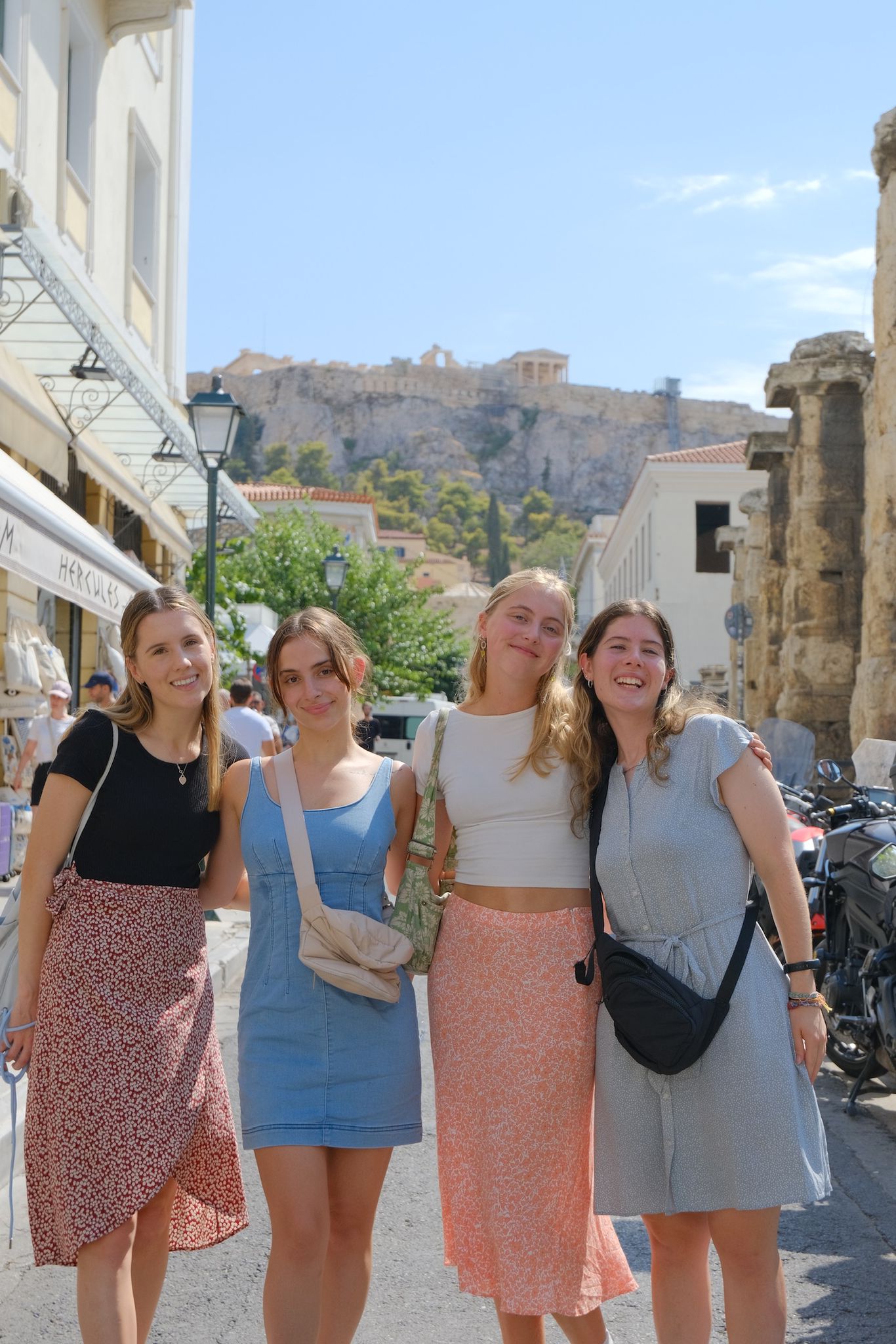
Me and the other interns!

When looking into technology and society within the aspect of psychology and mental health especially in a cultural setting it was important to me to find ways that the community is benefiting from these technological advances. I had many conversations with the staff at the day center about outreach and how the community is learning about these services they’re providing to community members. I asked questions about how these people even have access to internet or online communication within the mental health realm. I did not get all the answers I was hoping to get. I did get a better understanding of how technology is different within their society. When it came to outreach, IASIS had many forms. I talked to a specific Greek volunteer who worked closely within the social media department, she worked on projects such as TikToks about mental health education. I was able to work with her and my other interns to create videos in English about stress relief and how to manage it better. Alongside social media the organization had many opportunities within the community to have their organization be seen by the public. They worked with different events to educate the community on mental health resources, one specifically I was involved in was alongside a blood drive and we were honoring people who had given the most blood. My role within that was to create activities to get people to come and learn more about the day center.
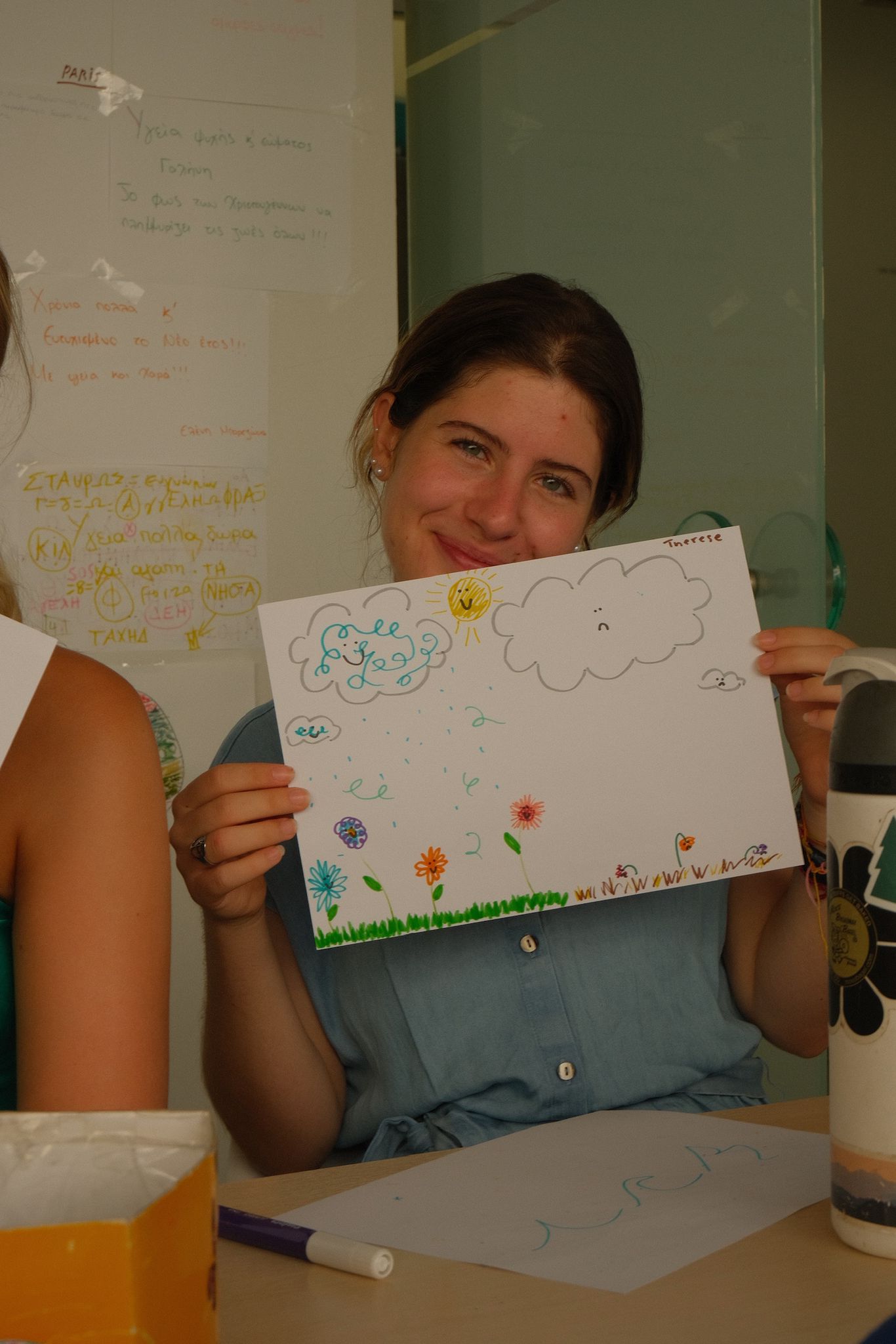
Art project

While this internship had many parts of learning and understanding mental health in a cultural setting. One aspect that has really grown my leadership skills was creating and hosting my own public group therapy sessions. These activities would start with questions focused around the connection of themselves to the art. As an example one activity I planned was making art out of foliage found outside. Before we started the activity I asked the service users questions about their experience in nature and how it made them feel and the benefits of being outside. These questions were to spark and form connections with mental health and the benefits of being in nature. While the language barrier was sometimes tricky we were always able to make it work and have meaningful conversations with each other. Coming into the day center every day and seeing the same people show up for group therapy sessions and seeing their faces light up and saying my name when I walked through the door always made me feel like I was accepted to be there.

Walk around National Garden.

The day center and all the connections I had made along this internship has been a huge learning opportunity for my growth and career. It was a gift to learn hands-on in another country about mental health and the practice around psychology in Athens. I am very grateful for everyone I have met on this journey and the learning that has come along with it.

A Semester in the High Arctic

Hello! My name is Brandon, a junior at the University of Montana where I’m majoring in Wildlife Biology with minors in Wilderness Studies and Climate Change Studies. My Beyond the Classroom Experience took place over the Autumn 2024 semester, where I had the incredible opportunity to study at The University Centre in Svalbard (UNIS) located in Longyearbyen, deep in the high Arctic north of Norway.

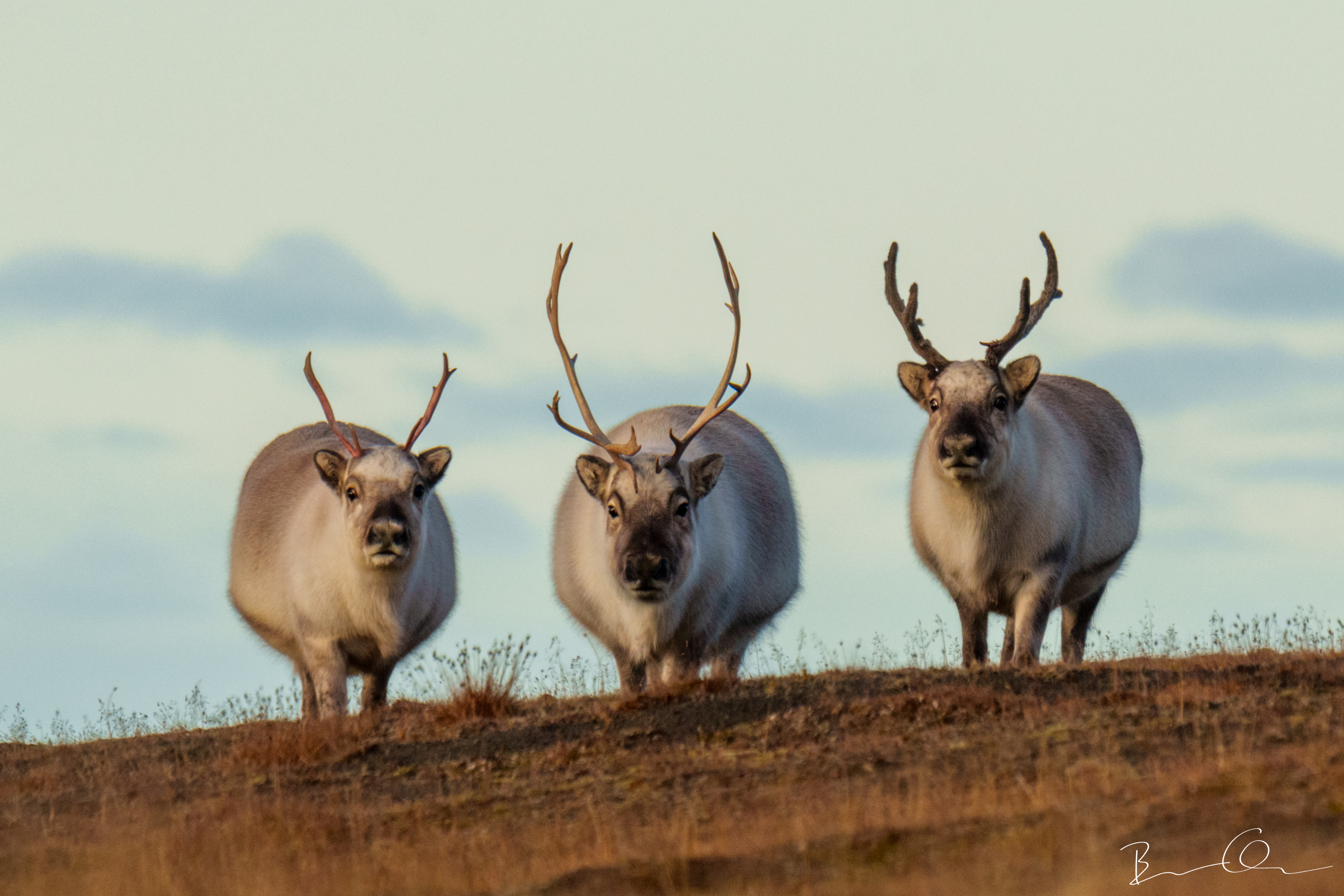
Svalbard is a remote archipelago that sits at a high latitude, providing unique opportunities for studying biology. My semester started in July and ran through December, allowing me to experience the midnight sun, where the sun remained above the horizon until late August. Following this, the polar night began in late October, when the sun ceased to rise, and by mid-November you could see constellations even in the middle of the day. These extreme seasonal shifts underscored the unique adaptations required by local wildlife to survive. One particular example of this is the Svalbard Reindeer, think of the pony version of a caribou and, well, you get the Svalbard reindeer, scientific name of Rangifer tarandus platyrhynchus, directly translating to “flat-nosed reindeer”, which is a good description of this peculiar critter who certainly has shortened extremities to help with heat retention through the cold, windy winters.

This photo was taken on October 24th, the last day that the sun rose above the horizon.
The stumpy and delightful Svalbard reindeer.


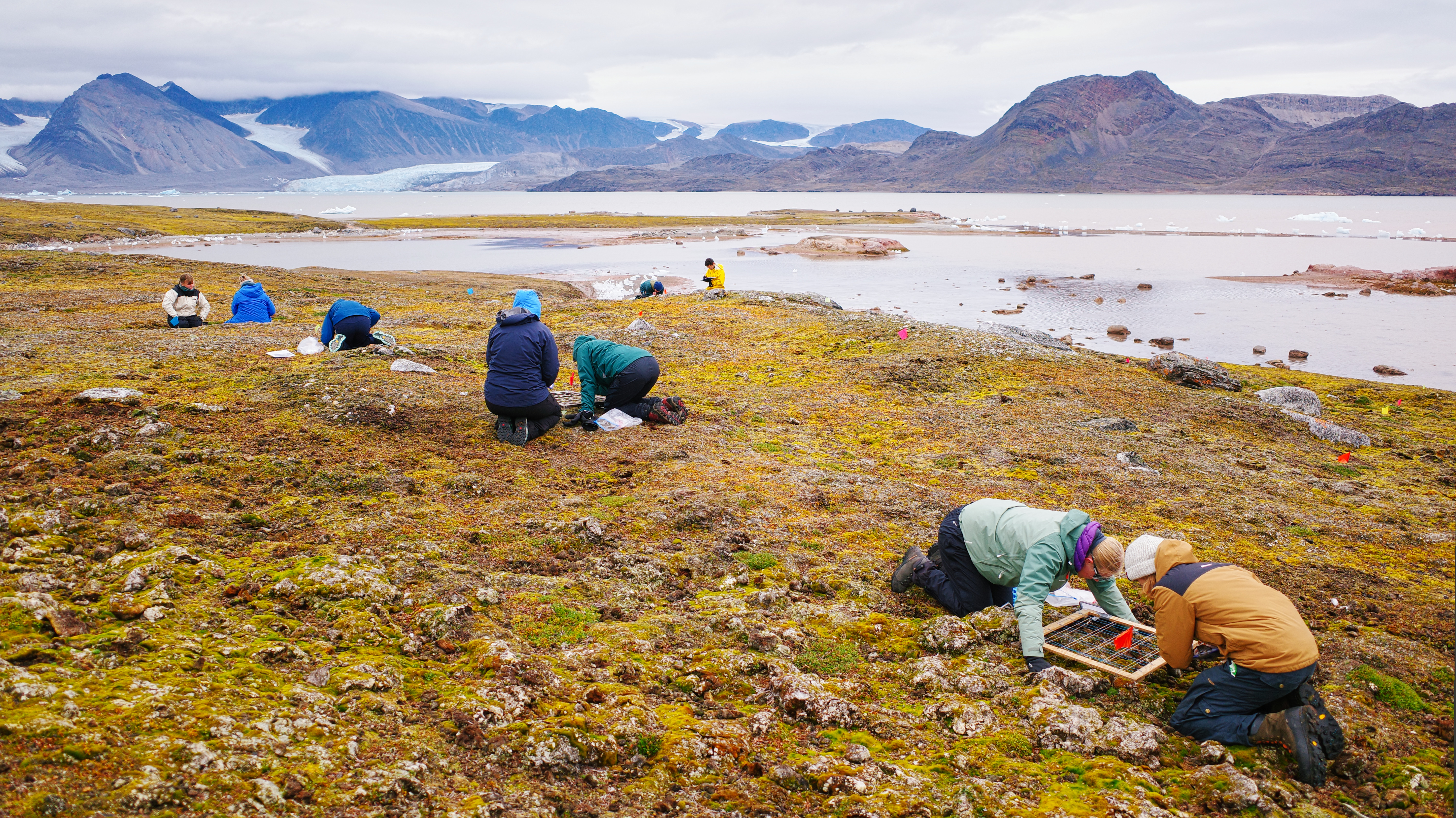
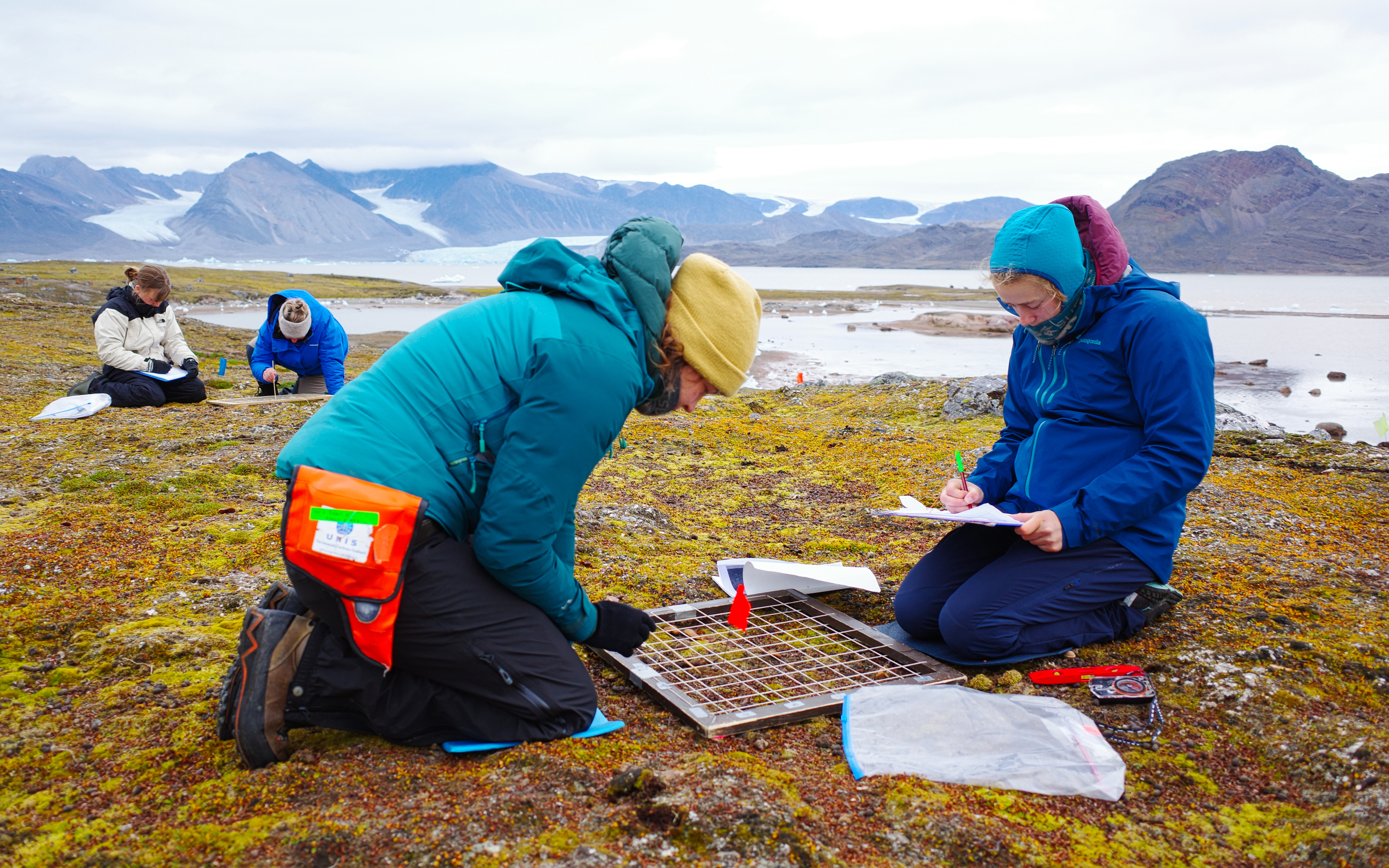
My courses in Arctic Biology and Arctic Population Ecology were had a large field component. We regularly ventured into the field to conduct surveys, implement sampling methods, and analyze our findings back in the laboratory. The impacts of climate change were a constant theme, particularly significant in Svalbard, which is warming faster than any other place on the planet due to the effects of Polar Amplification.

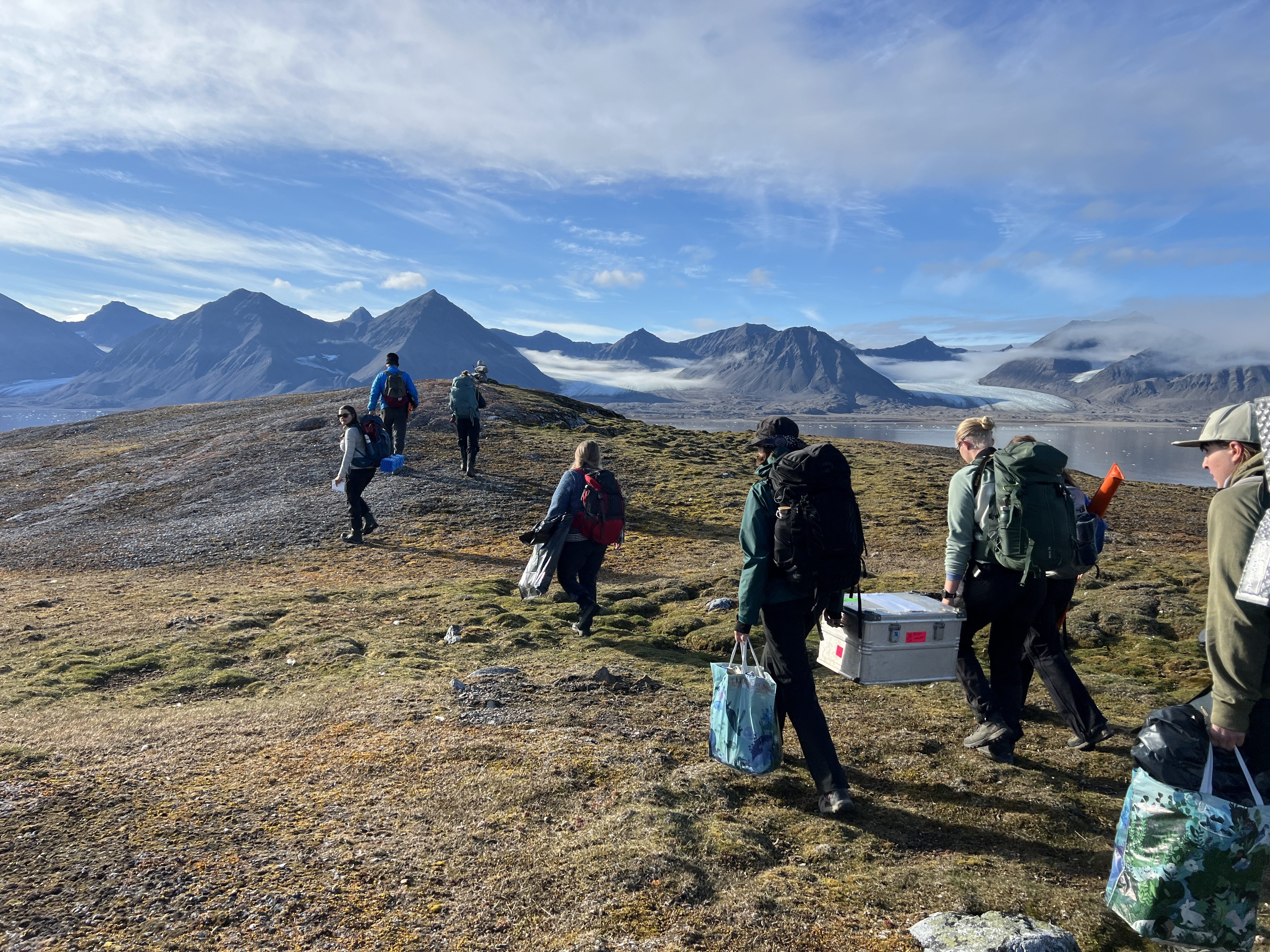
Packing gear to the site for a day of surveying and taking samples.
Conducting vegetation surveys.
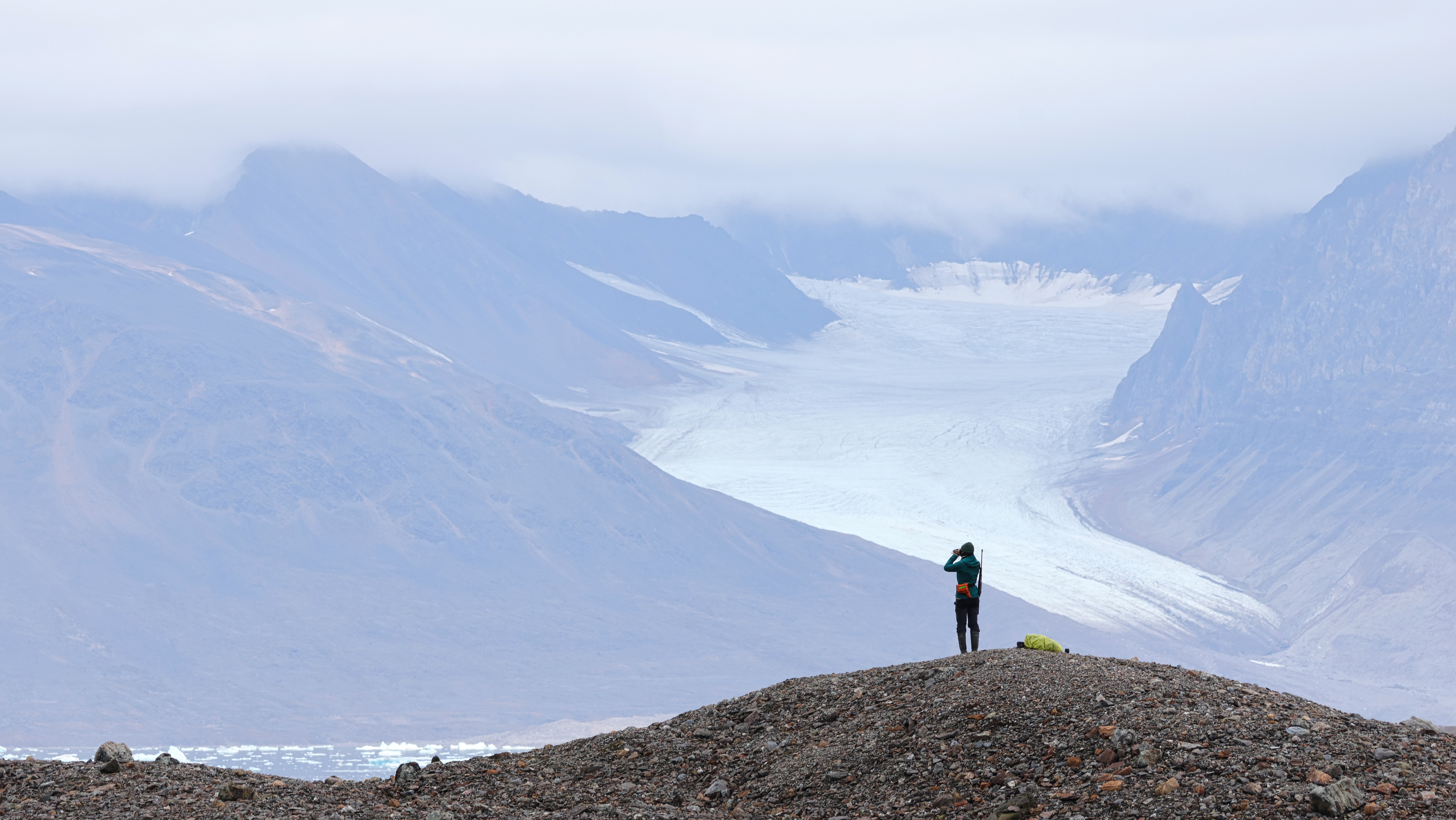
Polar bear watch was an important part of fieldwork, a task which we did in shifts.

Pursuing a career in international conservation aligns closely with my GLI theme of Resources and Sustainability. This experience deepened my understanding of how different countries and cultures approach conservation. Lectures from experts from around Northern Europe offered insight into alternative approaches to resource management and conservation, emphasizing the importance of adaptability and international collaboration in our global fight against environmental degradation.

A significant component of our program involved breaking into groups to tackle specific scientific questions through field and laboratory research. This not only honed my technical and analytical skills but also developed my leadership abilities, as it required orchestrating complex logistics and promoting teamwork in a dynamic environment. One memorable moment was when our plans were abruptly changed due to a polar bear napping on the route to one of the sites we were surveying—a vivid reminder of the unpredictable nature of Arctic fieldwork.

A hot topic in the media that directly relates to my studies is the debate over deep sea mining (DSM), particularly around the thermal vents in the Arctic Ocean. These vents are critical to unique and fragile ecosystems and are now at risk due to increased resource exploration facilitated by the melting polar ice caps. The exploration itself, not just the mining, poses significant risks to these ecosystems, from physical disturbance of the seabed to potential chemical pollution.

My time in Svalbard has been nothing short of transformative, deepening my commitment to conservation and my understanding of global environmental challenges. As I continue my academic journey and move towards a career in international conservation, the lessons learned here will undoubtedly shape my approach to both leadership and collaborative international efforts.

A mom polar bear with her cub, feeding on a reindeer carcass in front of a glacier. Reindeer predation is a recent development in polar bear behaviour, likely linked to the retraction of sea ice.
A closer look at the mom and cub polar bears.
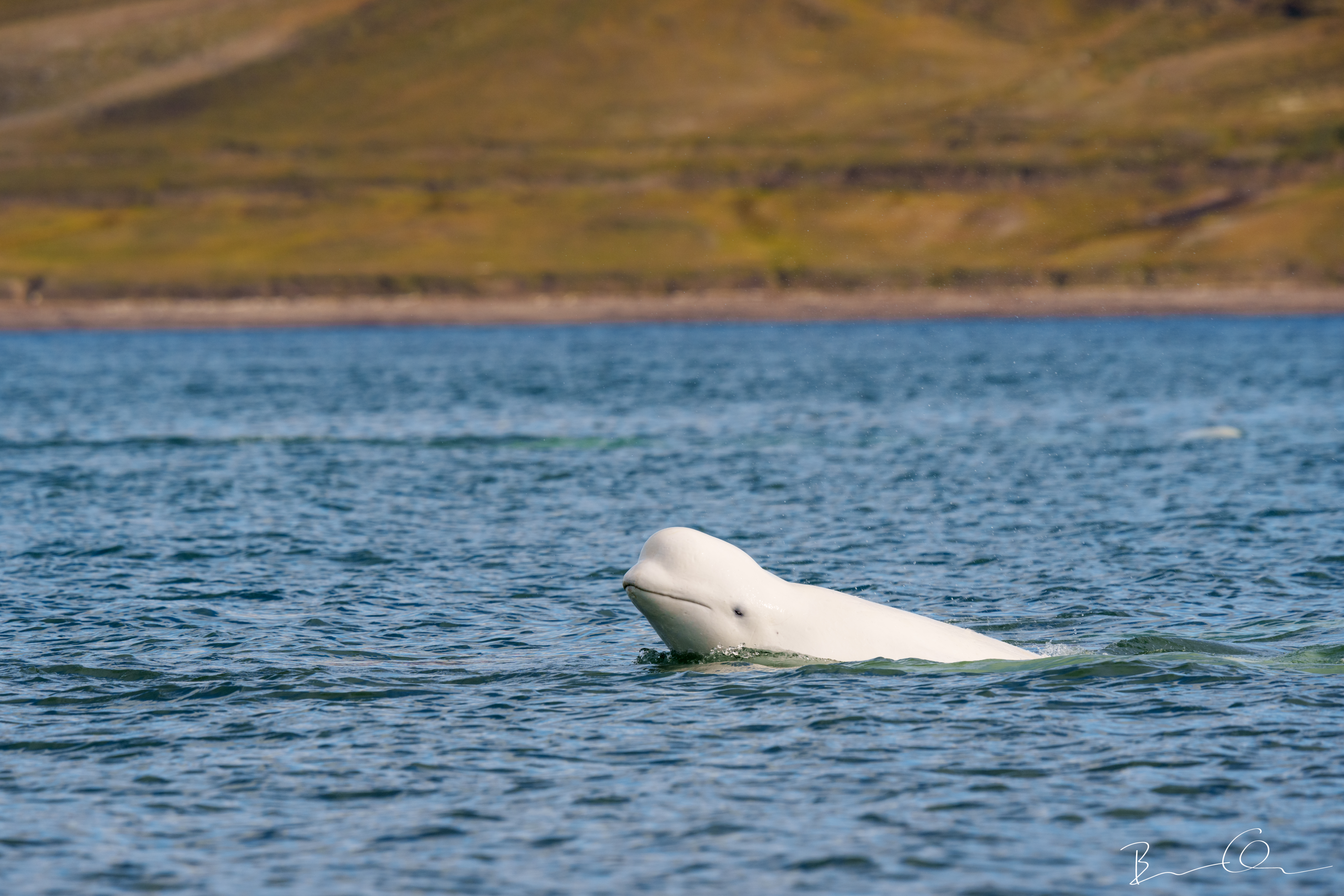
A pod of beluga whales in the Adventfjord, just outside UNIS

A Semester in Agia Paraskevi

Hello! My name is Penny and I am currently a Junior studying Anthropology and Archaeology. For the Fall 2024 Semester I studied at the American College of Greece located in Agia Paraskevi, a suburb of Athens. My innate interests in material culture pushed me towards the Culture and Politics global theme, with my global challenge concerning cultural competency and communication. I took a variety of class at ACG from Figure Drawing to Archaeology, with my main course focusing on my global challenge entitled “Europe and Islam”, a historical class detailing the interactions between Byzantine, Islamic, and Western European forces during the Middle Ages. This class was incredibly interesting and challenging, directly confronting misconceptions of cultures throughout European history!

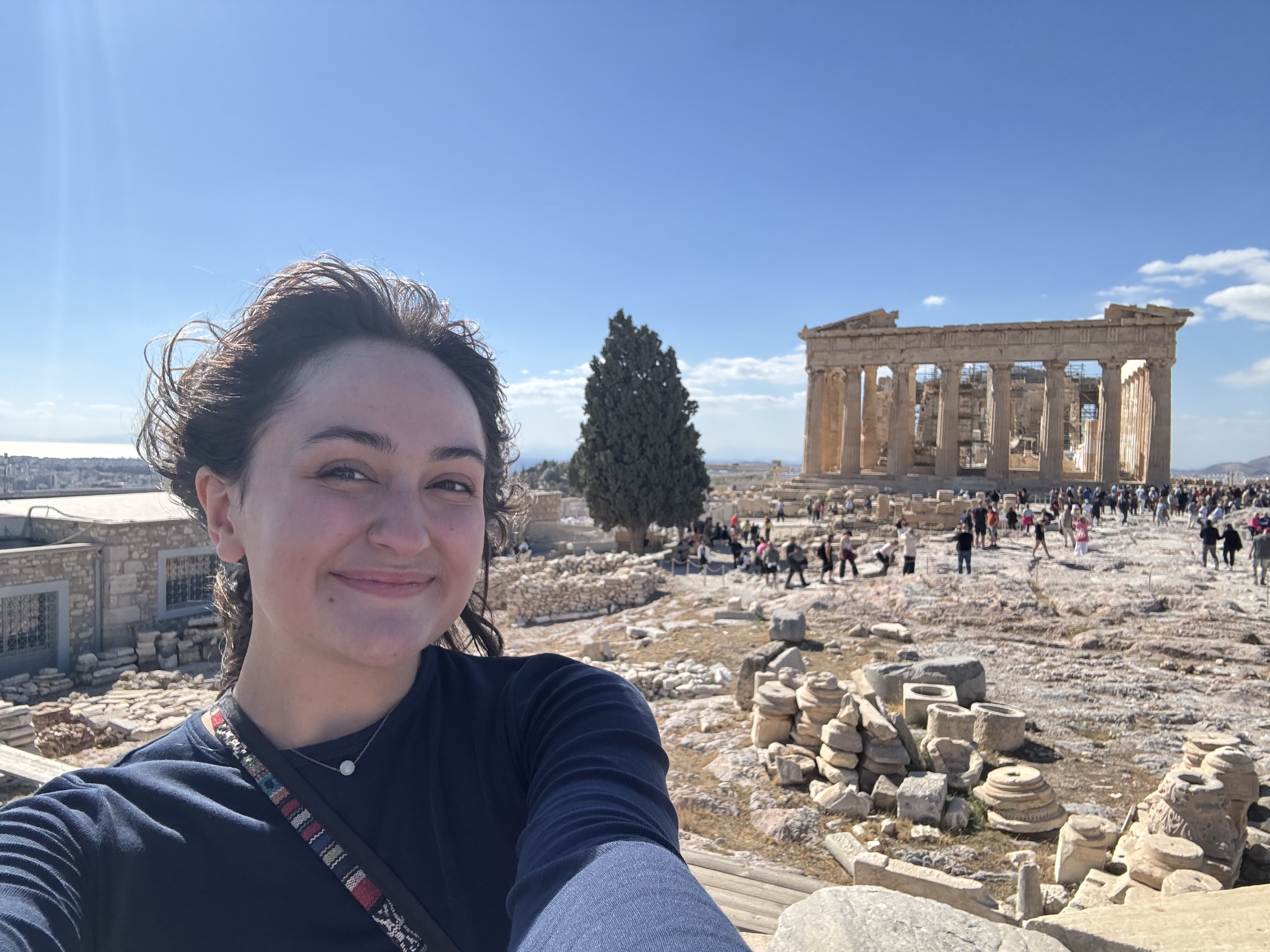
A selfie with the Parthenon on the Acropolis!

While I learned an immeasurable amount from the classes I took at ACG, my experience living abroad alone changed me in ways I could have never expected. I met and developed relationships with multitudes of people from different background, ranging from local Greek students, other American exchange students, and international students from every corner of the world. My two best friends I met at the airport are from Paris and Tokyo and the friendships we held together formed through new cultural conversations have bonded us together for life! They taught me that, no matter the independence and responsibility I hold, I still need people to lean on and laugh with.

Being able to interact with people from so many different places in the classroom, grocery store, and metro station has changed the way I view many aspects of life and conversations I have. This all-encompassing perspective takes in to account everyone’s worldviews and different experiences. I was able to learn different archaeological and artistic techniques through productive conversations with my classmates.

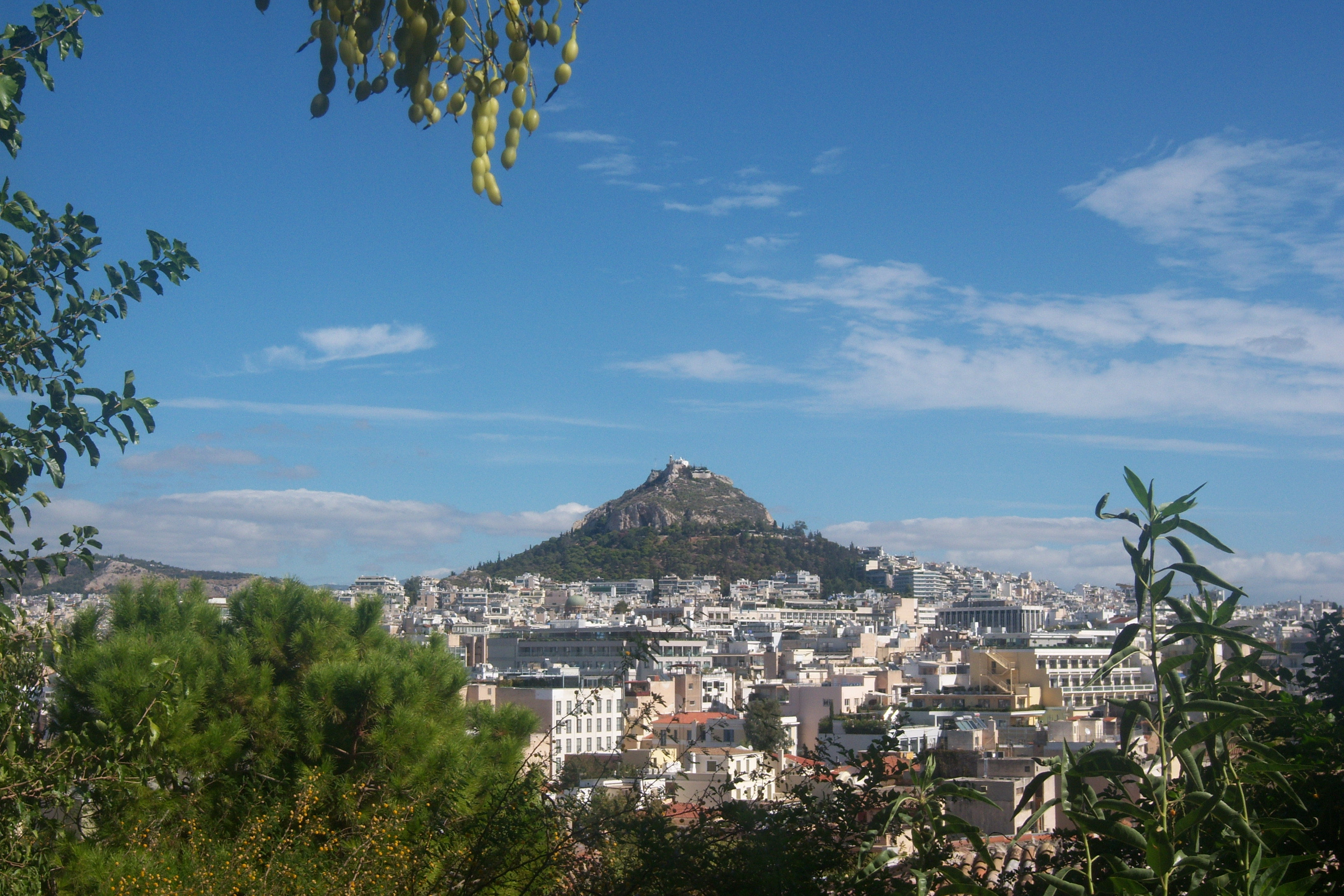
Lycabettus Hill, Athens, Greece

Studying abroad also provided me the opportunity to travel like I have never travelled before! In my short four months in Greece I was able to explore fourteen other European countries from Portugal to Bulgaria. I was able to go on these trips with friends I had made in Greece, meet up with other UM students, and also do some solo traveling. Each place fronted me with new challenges that I had to think quickly and trust myself to solve. I gained a strong new confidence to navigate transportation cities, different languages, and new people. This confidence built in me translates to my academic life as well as my social life. I understand my abilities and strengths and feel strong enough to apply them in helpful situations. Any mistake or misstep was just a part of the journey!

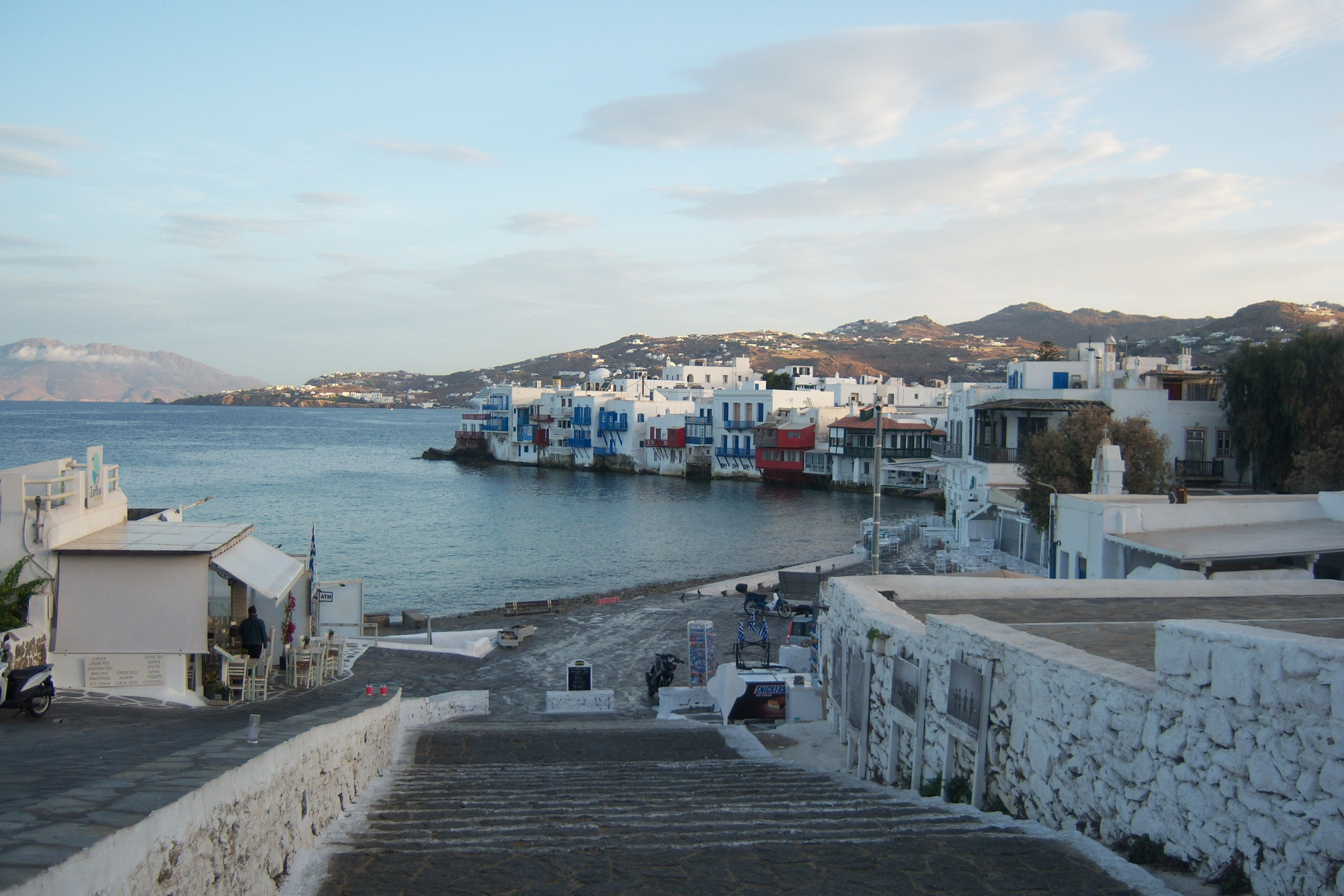
Little Venice, Mykonos, Greece

I owe so much to my study abroad experience! Incredible friends, unforgettable experiences, and a brand new perspective that could not have been gained through any other program. I will always look back on my time in Greece fondly, and sometimes enviously. I know that I will be able to utilize the new skills I gained abroad back at UM and in the GLI.

Aotearoa Academic Adventures

Kia Ora! Hello! My name is Cosley Bruno. I am currently studying Communications at the University of Montana. During the fall semester of 2024, I had the opportunity to attend Massey University in Aotearoa, New Zealand. Kia Ora is a Māori greeting and is used widely throughout the country. My theme for the GLI is Culture and Politics and my focus abroad was bi-cultural societies and Indigenous policy. Spending six months in the Island Country, I was enhanced by the connections I made, in awe of societal norms created around the whenua (land), and it left me with a deeper appreciation for Pacific Nations.

My academic pursuits were immersive and complemented my efforts to learn outside the classroom. I took a Bi-cultural Psychology class highlighting Māori thinking paths, identity creation, and Hauora (interconnected well-being). I enjoyed this class because the teacher made it a point not to pit Western and Indigenous knowledge against each other but rather to see where they connect and where each of them could be uplifted by the other. This class helped me gain confidence in navigating multicultural societies with recognition, and respect while fostering a variety of interpersonal relationships I was able to make in New Zealand.

Māori carvings at the Pukeiti Gardens.

My Politics and Public Policy course was small enough that we decided to meet in the on-campus coffee shop for the latter half of our classes. I appreciated learning about New Zealand’s multi-party government, and it made me realize how removed I am from my political systems back at home. In this class we had the opportunity to take the train down to the capital of Wellington, to meet with members of parliament. One of the members we got to briefly see was Hana Rawhiti Maipi-Clarke who is a certified girl boss! She is a twenty-one-year-old member of the Māori political party and one of the youngest women in parliament. Our trip occurred at a pivotal time for the NZ government. The coalition government had just introduced the Treaty Principals Bill, which was set to alter the Treaty of Waitangi, an agreement between Māori and Pakeha (foreign settlers), and the country’s founding document. Upon taking a vote for the bill to go through for a first reading, Hana Rawhiti Maipi-Clarke, who disagreed with the bill, took a stand, tearing the bill in half and performing the Haka. The Haka is an act that is done in groups to demonstrate a community’s power, pride, and solidarity, such as before rugby games or to celebrate weddings. She was penalized for her disruption but went viral as an inspiration to Indigenous communities around the world. Look it up! You won’t regret it! Her action incited a Hīkoi (a march) from the trip of the North Island to the bottom that ended in the capital. I got to see bits and parts of this Hīkoi, which showed me the Māori people hold a deep-rooted strength and are a force to be reckoned with. Both of these classes enhanced my theme greatly. Muli-cultural societies are healthy when they reflect their diversity within their governing bodies. Aotearoa, New Zealand does a beautiful job of making room for a spectrum of opinions and debates with their multi-party government. 
 

My government Class in Wellington meeting with members of the NZ parliament.

Maunga (Mountain) Taranaki. 

My experience abroad was a fusion of small-town immersion and road trips around the islands. One of my favorite experiences was my time in the Taranaki region. Many of the friends I made at school called this area home, so it was nice to connect their stories to places. On a hike up to the base of Mt. Taranaki, I was in awe of the Mountain. Its volcanic peak looks over the Western Coast of the North Island and on a sunny day, it takes up most of the sky. Sitting with this view was a sublime moment of feeling small in the presence of nature’s immensity. And it was a moment of recognition of all the historical triumphs and trauma, I learned in my classes, and which this mountain has stood to witness. This perspective encouraged me to further my commitment to sustainable tourism by choosing Māori owned businesses while traveling the country. This was a small but conscious act to support their economic well-being and their narrative while on their whenua (land).

Sailing in the Bay of Islands, where the Treaty of Waitangi was signed.

Aotearoa, New Zealand is a small country but they a leading example to the world of how Indigenous policy uplifts relationships to land and fosters connections within multicultural societies. My perspective has changed through conversations with peers, teachers, community members, and members of the NZ parliament. I am still working to unpack it all, but I am eager to walk forward with a broadened view of the life forces I encountered at the Southern end of the Pacific. 

Studying in Lille, France

Hi! My name is Madelyn Bouchard, and I am a senior majoring in political science with a focus in international relations. I spent my junior year studying with the Faculty of Social and Political Sciences at the University of Lille, in northern France. My global theme is Inequality and Human Rights, which I was able to further explore in a meaningful way while in Lille. During this time, I formed amazing friendships and made connections that I’m sure will last a lifetime. I am grateful for the opportunity to have been able to experience the Flemish culture of northern France, and have grown in more ways than I previously thought possible.

Touring a Flemish castle!

While there are so many positive things I could discuss about my Beyond the Classroom Experience, there are a couple moments that come to mind when I look back on the experience. For instance, with my faculty I was able to tour and participate in a seminar at the European Parliament, which included sitting in on a session and witnessing debate on the parliament floor. This was an amazing experience that allowed me to experience international diplomacy within the European Union, and gain a better understanding of EU operations. 

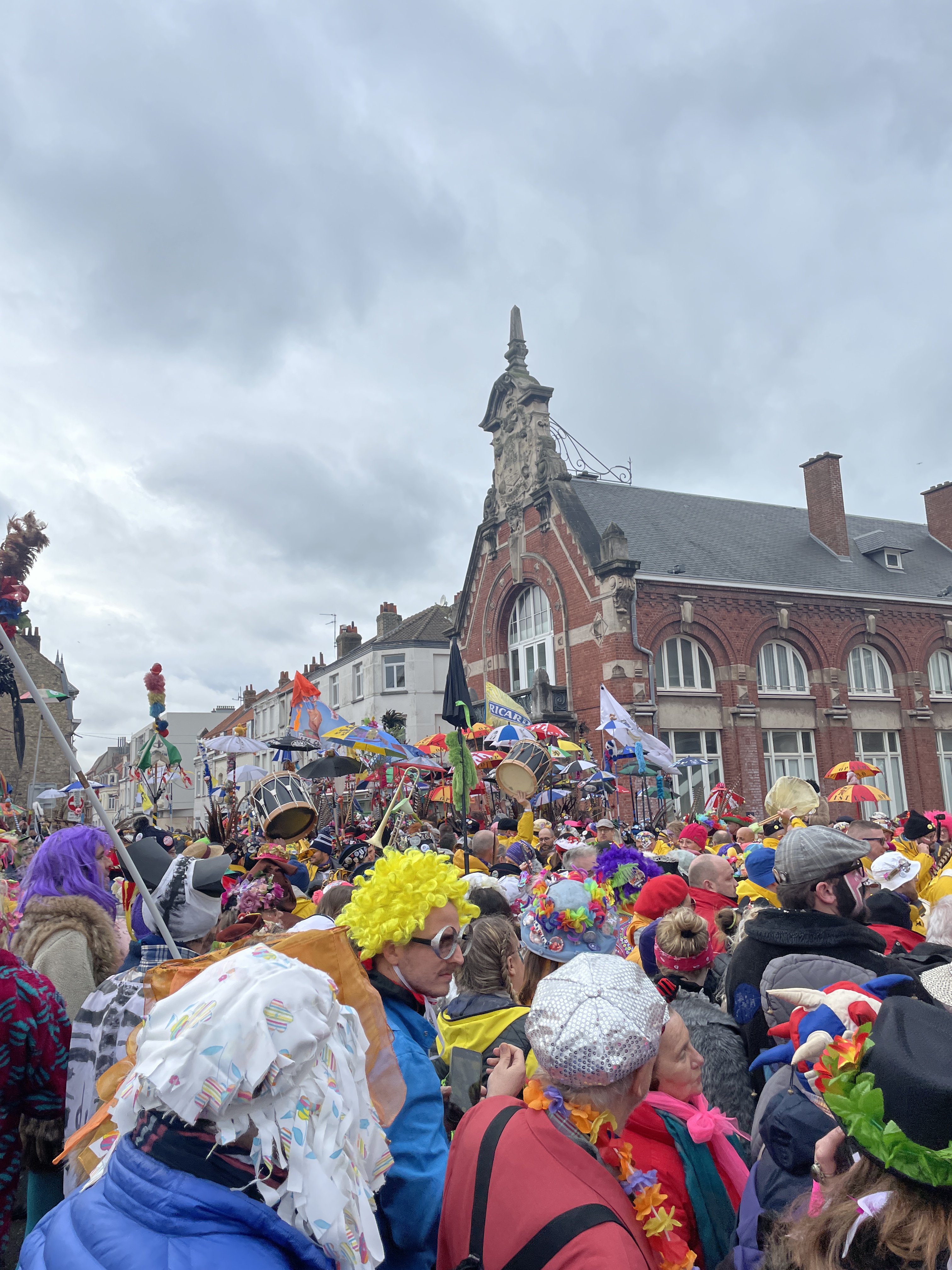
Additionally, I was able to visit the Carnival of Dunkirk for a day during the month-long celebration, which was an amazing insight into flemish-franco culture. The festival included lots of eccentric costumes and dancing in the street, but I was shocked to see that part of Carnival traditions included tossing herring from balconies into the crowds below! Going into this experience, I wasn’t sure what to expect, but I was pleasantly surprised by the rich culture of northern France. 

The Carnival of Dunkirk

Finally, as part of a trip with other international students, I was able to visit the gardens of Claude Monet in Giverny, France! This was truly a magical time, being able to witness the same gardens that inspired so many of Monet’s great works.

The gardens of Claude Monet

My Beyond the Classroom Experience was incredible, and something that I will remember for the rest of my life. I look forward to maintaining the connections I made there, and I will forever consider Lille my second home. I am immensely grateful for this opportunity as it was truly a life changing experience.

Studying Abroad in Cork, Ireland

Hello! My name is Daniel Martin, and from September to December 2024 I studied abroad in Cork, Ireland at University College Cork (UCC). My global theme is Resources and Sustainability, and my global challenge is how to use governmental policy to solve environmental problems such as climate change, especially in rural states like Montana. I used my experience to better understand and work towards the resolution of my challenge because Ireland is a vastly different place than Montana, and by understanding its environment, people, and issues, I could prepare for similar analysis back home in Montana. A key part of my experience was a class I took at UCC called People, Places, & Politics: Ireland 1660-1960. In this class, we took a deep dive into understanding Ireland’s past and present through the lens of the country’s relationship between environment and people. In one particular lesson we looked at how land was used by various groups throughout Ireland’s history to control populations and how those policies were able to enact, or failed to enact, lasting change in Irish history. 

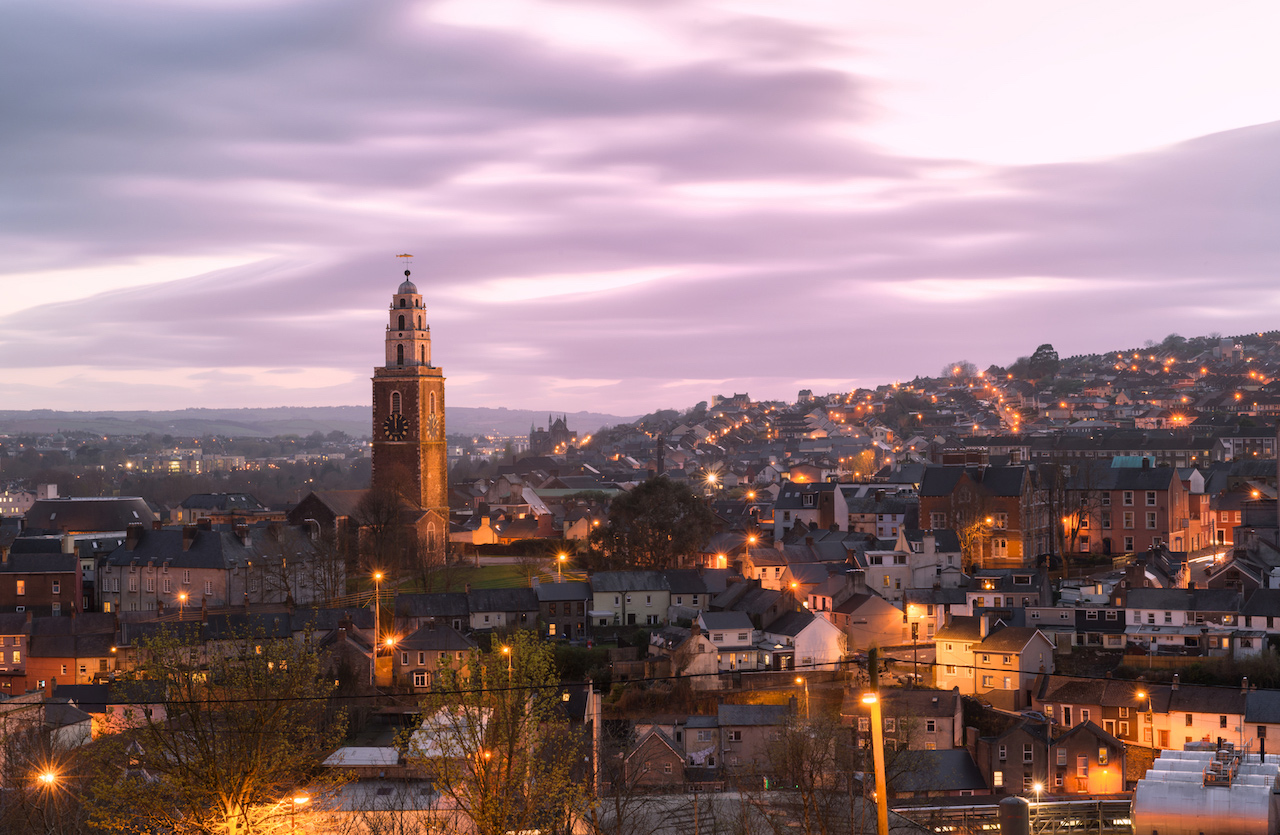
Cork City at Dusk

Alongside the courses I took at UCC, I also learned innumerable things from travelling throughout the country and experiencing the environments and communities that existed in Ireland. From the rocky coasts of County Sligo to the hilly farmland of County of Meath and from the distinctively British culture of Northern Ireland to the Irish-speaking areas such as the Dingle Peninsula, I was able to take my learning outside the classroom for an even more amazing experience. I was also fortunate enough to travel throughout Europe, where I expanded my cultural immersion. On one particular trip I visited Brussels and visited the headquarters of the EU, an organization whose climate and environmental policies, including their Net Zero plans, were key to understanding Europe and Ireland’s approach to climate change and sustainability.

One of the coolest things about Ireland I learned while on my semester abroad is that Ireland’s nickname, the Emerald Isle, is partially due to its prime environment for growing grasses. All this grass allows Ireland to be a world leader in wool production, which it uses for its famous sweaters, and butter production, thanks to the especially productive dairy cows on the island.

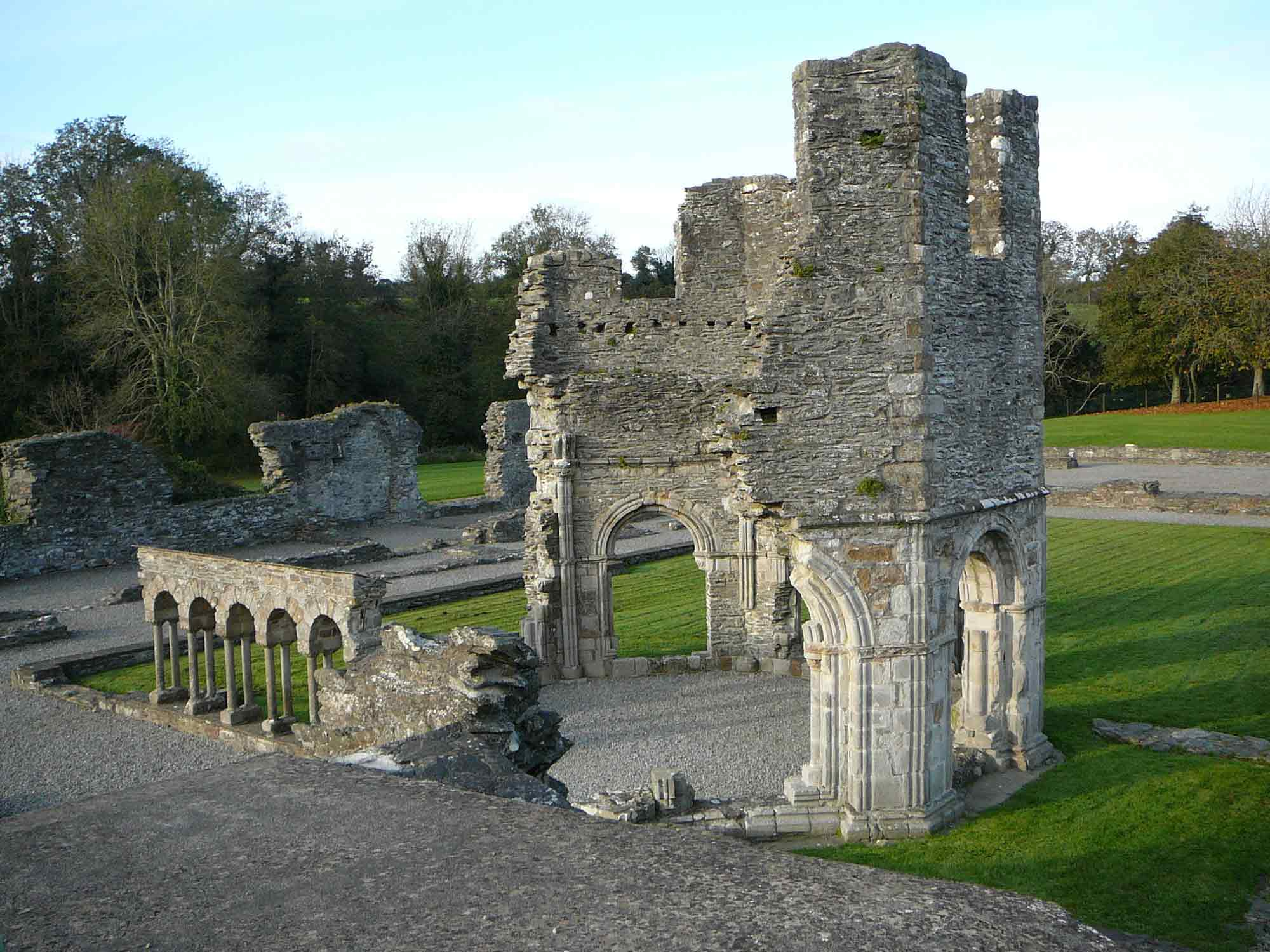
My favorite part of the semester in Ireland was exploring the incredible outdoor opportunities the country offered. In one of my favorite trips, I took the train from Cork to a city north of Dublin called Drogheda, not far from the border with Northern Ireland. Beginning in Drogheda is a long-distance hiking trail called the Boyne Valley Camino, which is part of the larger Camino de Santiago in northern Spain. I spent an entire day hiking this trail, which took me through lush farmlands, ancient battlefields, and finished at a Cistercian Abbey from 1142. This hike allowed me to truly experience the Irish outdoors while also exploring the rich history of Ireland.

The Ruins of Old Mellifont Abbey near Drogheda, Ireland

Me on a trip to the Aran Islands, off the coast of Galway

As I reflect on the 16 weeks I spent in Ireland, it is amazing to reminisce about everything I experienced, all the people I met, and the things I learned. I highly recommend a semester abroad for anyone who may be interested, it truly is a life changing experience. Of course, I could not have done it without the generous support of the Franke Global Leadership Initiative, of whom I am very grateful.

Studying in Oestrich-Winkel, Germany.

Hi! My name is Sydney Mace, and I am a junior majoring in business management. I did a semester abroad at the European Business School in Oestrich-Winkel, Germany. My global theme is inequality and human rights. I have been thinking about this blog for over a month now, and trying to put my experience into words without writing a 30 page paper is proving to be difficult! Throughout my experience, I made many amazing friendships, memories that are going to last a lifetime, and have overall grown as a person in more ways than I thought possible. I had many ups and downs throughout my experience, but overall loved it! My biggest takeaways from the experience is that everything will work out one way or the other, as well as the importance of resilience. 

I had the opportunity to tour two different concentration camps while I was abroad, Dachau and Auschwitz-Birkenau. Dachau is located in Munich, Germany, and Auschwitz is located in Oświęcim, Poland. These two experiences were extremely eye opening, and relate to my theme of inequality and human rights. As many people know, the prisoners of concentration camps were stripped of many of their basic human rights. They were treated horribly, and millions of people died. The saying “Arbeit Macht Frei” is on the entrance gate to both of the concentration camps. This translates to “work sets you free.” I overheard a tour guide at Dachau say that the saying was extremely misleading because in reality, prisoners were going to either be immediately murdered, or worked until death. No matter how hard the prisoners worked, there was no intention of setting them free. Seeing the concentration camps in person is extremely difficult, but I would recommend it to anyone who has the opportunity. Although it is a sad part of history, it is important for people to learn about and be aware of so we can assure nothing like it ever occurs again. I am extremely thankful I got the opportunity to tour both camps because I have a new and deeper understanding of horrors that occurred. 

Auschwitz

A fun fact about Germany is that they have the most castles out of any country in the world. I got the opportunity to visit many of them, and it was magical. Each and every one is unique, and extremely interesting to learn about. They all have a different story behind them. My favorite castle that I got to tour was Neuschwanstein. This castle is located in Schwangau, Germany and is incredibly beautiful! It was built in the late 1800’s, but it was never fully finished because the king passed away and the construction was never continued. 

Neuschwanstein Castle

One of my favorite things I did while I was in Germany was Oktoberfest in Munich. I went on the first day of the opening weekend, and it was incredible. I did not know much about the festival before going, so it was a shock to me when I realized the size of the event. There were thousands of people, and finding a table in a tent to sit at was nearly impossible. Luckily my friends and I were all able to find tables in the same tent, and we made a lot of friends in the process! I will never forget the first beer that I was given, it was the size of my head! I felt very immersed in the German culture throughout this event. I wore a dirndl (a traditional German dress) and got to eat and drink authentic German food and beer.

Me and my friend Emma at Oktoberfest!

Overall my experience was incredible. This is an experience that I am going to remember for the rest of my life, and I look forward to sharing it with anyone that is willing to listen. It has helped shape me as a person, and taught me many different life lessons. I am overall more resilient and independent, and realize that I can do whatever I put my mind to. I am grateful that I got this experience, and appreciate my friends, family, and the UM staff for supporting me along the way!

Studying in Waikato, NZ

My name is Ada Scott and I am majoring in Philosophy with a minor in climate change.  For my global experience, I studied abroad in Hamilton, New Zealand. My global theme is public health and my challenge was “How to balance quality of life and climate change action.” 

The relation I see as most prominent between my experience and this challenge is the difference in day to day living between the US and New Zealand. NZ is more secluded than the states. Deliveries take longer, and the grocery stores are smaller and organized more sporadically than in the states. Attendance is never mandatory (everything was available online) and I had no classes before eleven. In Intro to Climate Change (at UM) we talked about the idea of taking a multi hour lunch break that would allow large sections of power to be turned off in populated areas. I think this idea exemplifies how a simplification of our lives can reduce emissions. Kiwis focus on a balanced approach to work with more laid back time than US citizens. I see that New Zealand culture exceeds us in this capacity. I found my education, nutrition and ability to get anything I needed was just as well in a slightly less at-your-fingertips culture. It actually made me enjoy the process of going about my day more. To quote Thich Nat hahn, “if you don’t enjoy every moment of washing the dishes, you should seriously reevaluate your practice.” Of course, he is getting at the bigger picture– if we don’t enjoy day to day tasks like cooking, cleaning, hanging our clothes to dry, or even our commute, maybe we need to change something (maybe we need to slow down).

 Orange bushes between student housing on University of Waikato campus

A question we often face when considering climate is whether our lack of action is a problem of worldview or of material availability. It has factors of both, but I think worldview has a big role to play. Finding happiness with less can play a part in shaping our future communities towards sustainability. Changing our culture to have a little more down time to be present might go strides to impact our day to day lives, and our ability to practice sustainability. It might not be in the drastic dose we need, but it’s obvious to me that a little climate action won’t diminish our quality of life. Our lives will just look a little different. 

Balloons taking off as part of the “Balloons over Waikato” event

Even as I consider the ways that New Zealand life may be more sustainable (compost bin pickup everywhere, no one uses a clothes dryer), the country still falls short on their climate action timeline. It may be obvious that a small amount of climate consciousness won’t diminish quality of life–  but where do we need to be to meet reasonable goals for our future? It’s not probable individual actions make a difference at all so is changing our practices even a place to start? And, how can we take knowledge from a variety of countries and different cultures to approach the issue together? 

Climate change is a multifaceted issue that can be approached from so many angles. I think I have a slightly better perspective on my theme and challenge, but comparing New Zealand and US culture goes little ways to comprehend the issue in its entirety. However, this experience has made me more confident in my ability to travel by myself and handle issues as I come to them. I think that these acquired skills will go a long way to exploring more and gaining further perspective.

Climbing near Kawakawa Bay

My Journey in Building Connections and Developing the Website with the Global Leadership Career Accelerator:

Hello! My name is Destiny Santiago, and I am currently pursuing a major in Business Management and Entrepreneurship with certifications in Entertainment and Leadership. Throughout my academic journey, I have developed a deep passion for understanding the lines of business while sharpening my skills in leadership and innovation. This has led me to the exciting opportunity of contributing to the “Global Leadership Career Accelerator” program. In this blog, I will share my experiences as designing a website/ working on social media marking for this initiative. Along with how collaborating with companies worldwide has been both challenging and incredibly rewarding. From the creative design process to the partnerships formed, each step of this project has shaped me as a future leader and ready to impact the global stage.

Missoula Fair grounds

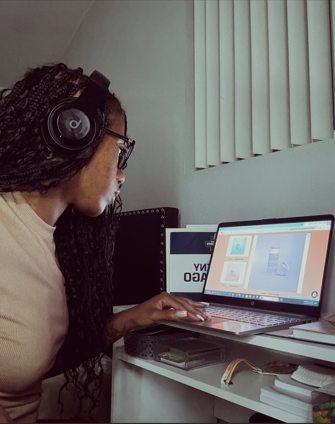
Designing the website for the company “Nozscreen” was an adventure. From the very beginning, we envisioned a platform that could break down barriers and connect those from all over to come together and bond over a simple product such as sunscreen from around the world. It was exhilarating to work on a project that would empower not only myself but my other mentors from diverse backgrounds, that were offering the same tools and knowledge that was needed for all of us to thrive in the global business landscape platform. The adventurous part came with pushing the boundaries of our own as to not get to overly overwhelmed with creating an image that we wanted to please from both areas. We wanted users to feel like they were being taken on a journey through navigating the site. Dynamic pictures , and seamless transitions were taught to us and added to the website to keep the experience lively and engaging. We learned how to draw inspiration from cultures across the globe to our websites, in specific leadership challenges and in different regions.

Learning about the visuals of how a product looks

Working with other global companies such as Fenty, Nike, and Clear Water Credit Union. Part of this initiative was to challenge both website outlines and social media outlines. Each partnership was a result of research and communication, aimed at our leadership program with the strategic goals these organizations had. Which was a tremendous learning experience for me that I greatly enjoyed over time of this internship.

Social Media Perspective

The “Global Leadership Career Accelerator” isn’t just about professional growth to me it’s about how we can all come together to create a powerful movement in the business world. The social media aspect was designed with a theme in mind, ensuring that it is an inclusive space for learning, networking, and marketing across all platforms. Working on this project, I was deeply inspired by the impact we can have on shaping the future of leadership around the world just through technology.

As I reflect on my work that I have done in the “Global Leadership Career Accelerator Program,” I feel that the opportunity to help my understanding of business and leadership on a different scale. This project has not only been a powerful stepping stone of learning about collaborations and innovations. Every challenge, from designing a user-friendly website to forging meaningful partnerships with companies worldwide through social media, it has helped my knowledge and sharpened my skills. Moving forward, I am excited to continue building on these experiences, embracing new opportunities to grow and shape the future of global leadership. The journey has only just begun, and I am eager to further my knowledge and impact the world of business.

Learning Spanish in Salamanca, Spain

Hi, my name is Bree and I am a Communicative Sciences and Disorders major and my challenge is Inequality and Human rights. Summer 2024 I went to Salamanca, Spain. I am in love with the idea of interdisciplinary concepts, especially those bridging between the science and social worlds. One of my part time jobs is working at the hospital, where I occasionally encounter people whose primary language is not english and therefore communication issues arise. With many of these people being recent immigrants and refugees, it can be tough to be in a place where communication is limited. Being in America and especially Montana, I am primarily surrounded by one language which is english. only 20% of Americans are bilingual, a striking comparison given that  Over 56% of Europeans are bilingual. This statistic is enforced by people who claim that a person should only speak English, arguing against the benefits of learning a foreign language. This is why I decided that learning a foreign language can help bridge this gap, choosing Spanish as there are many people in the US that speak it!

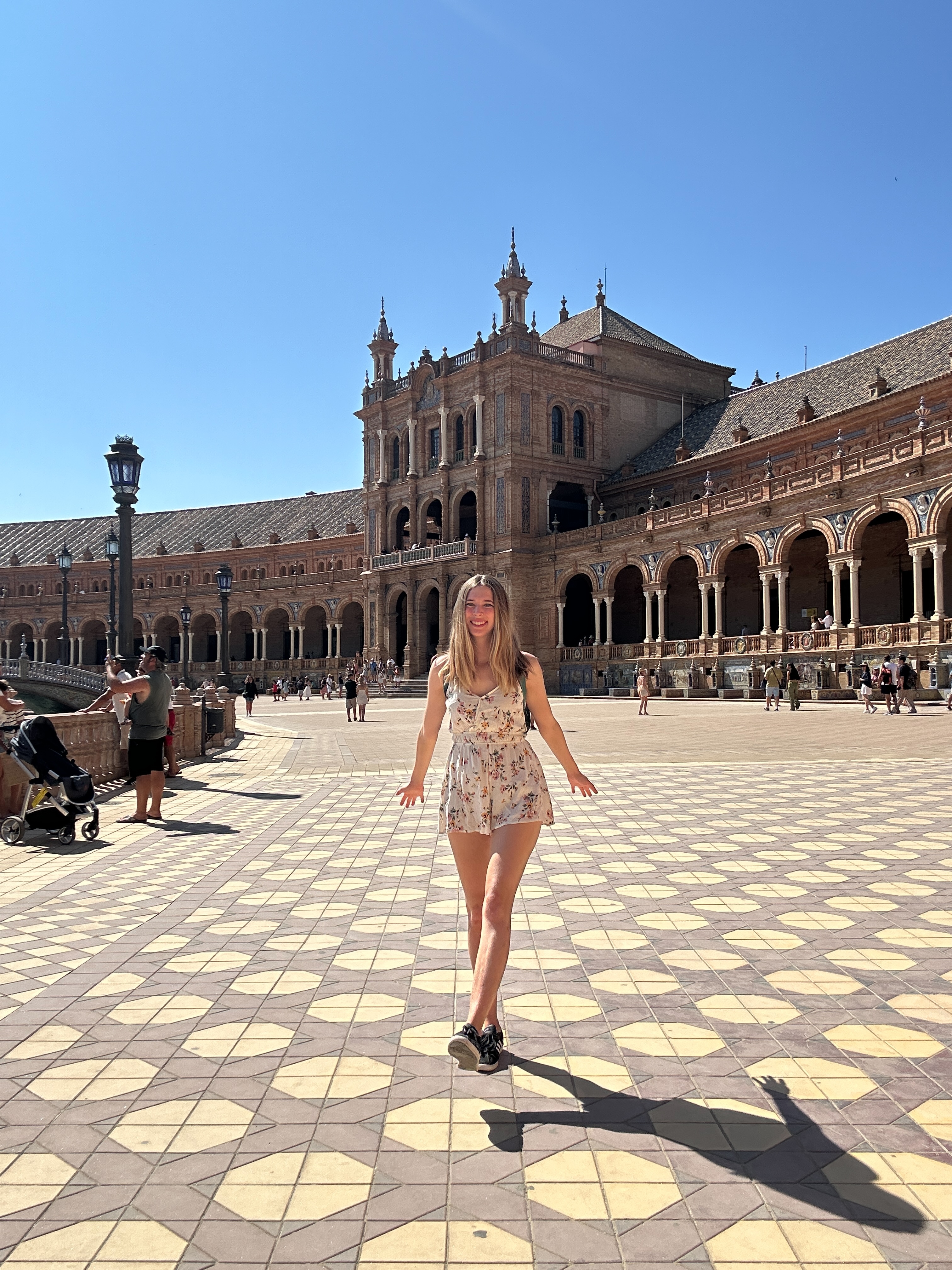
Exploring Architecture!

In one of my Spanish classes here at UM, I was recommended studying Spanish in Salamanca, Spain at Colegio Hispano Continental. So I arrived in Salamanca and the entire time I took formal Spanish language classes 5 days a week, 4 hours a day. The school provided tours, event meet ups, and traveling experiences. I went to Segovia, Lastres, Aveiro Portugal and During my off time I explored the city of Salamanca, which is designated as a world heritage site. It was filled with architecture and had one of the oldest universities in Europe. During my entire stay I was hosted by a Spanish woman called Rosa, who only spoke Spanish, which was great because I was even more motivated to learn.

Myself, Host mother Rosa, and Host Brother John at the beach!

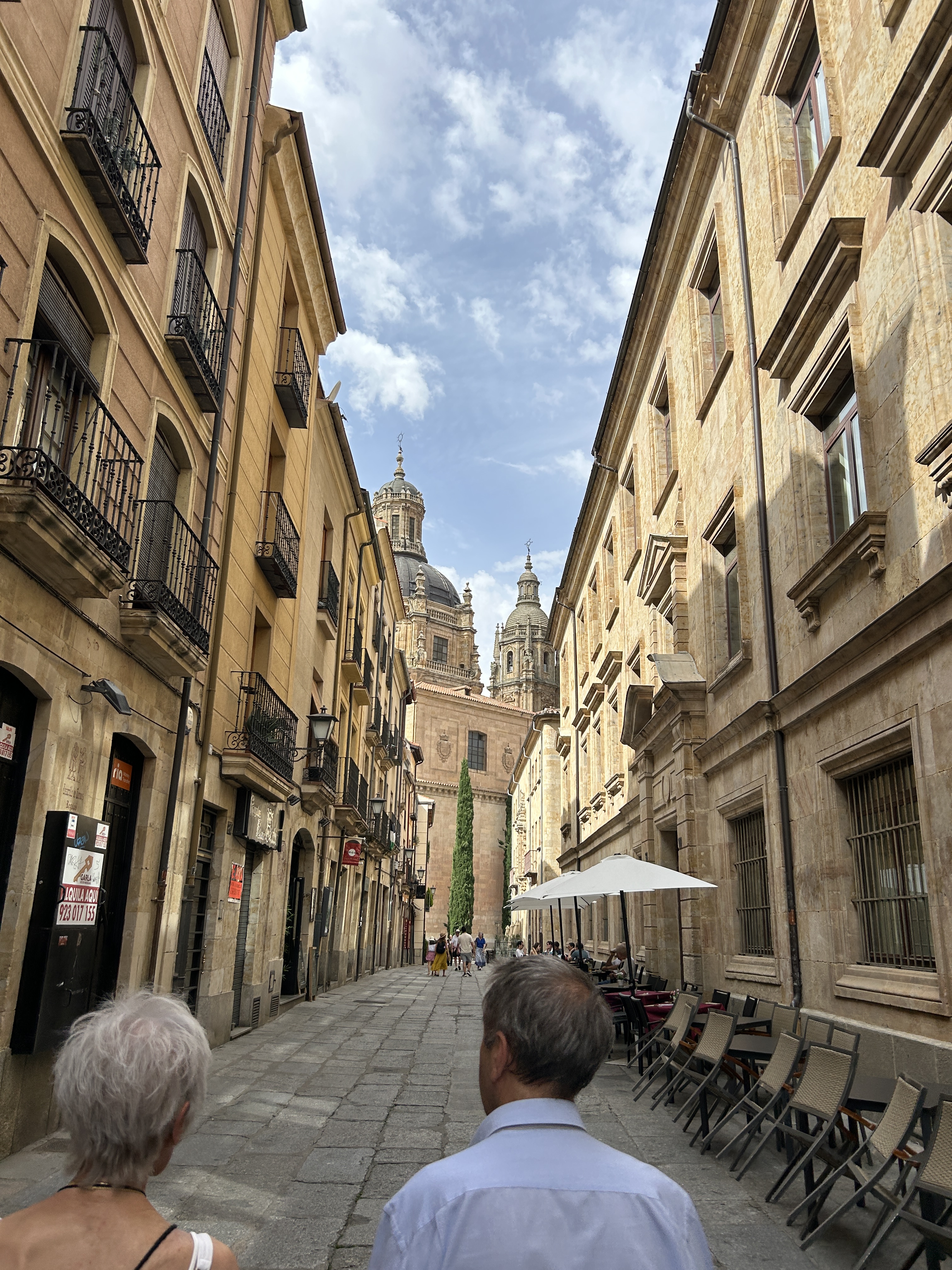
Exploring the culture and life of the average Spanish civilian was amazing and incredible to experience. The city is very space efficient in space, and you could walk anywhere you needed to go in less than 15 minutes. The culture of walking is so normalized, that J-walking is super normal and less dangerous than America. While most pharmacies in the US seem to be cold and disgruntled, in this country they were on every other block and the attendants even came up to me to ask me what I needed! What a shock! The city really came to life at night, which is hard for me because I like to sleep, ha! My favorite culture moment was when famous soccer games were playing, and everyone was out on the street, cheering, eating and eating tapas.

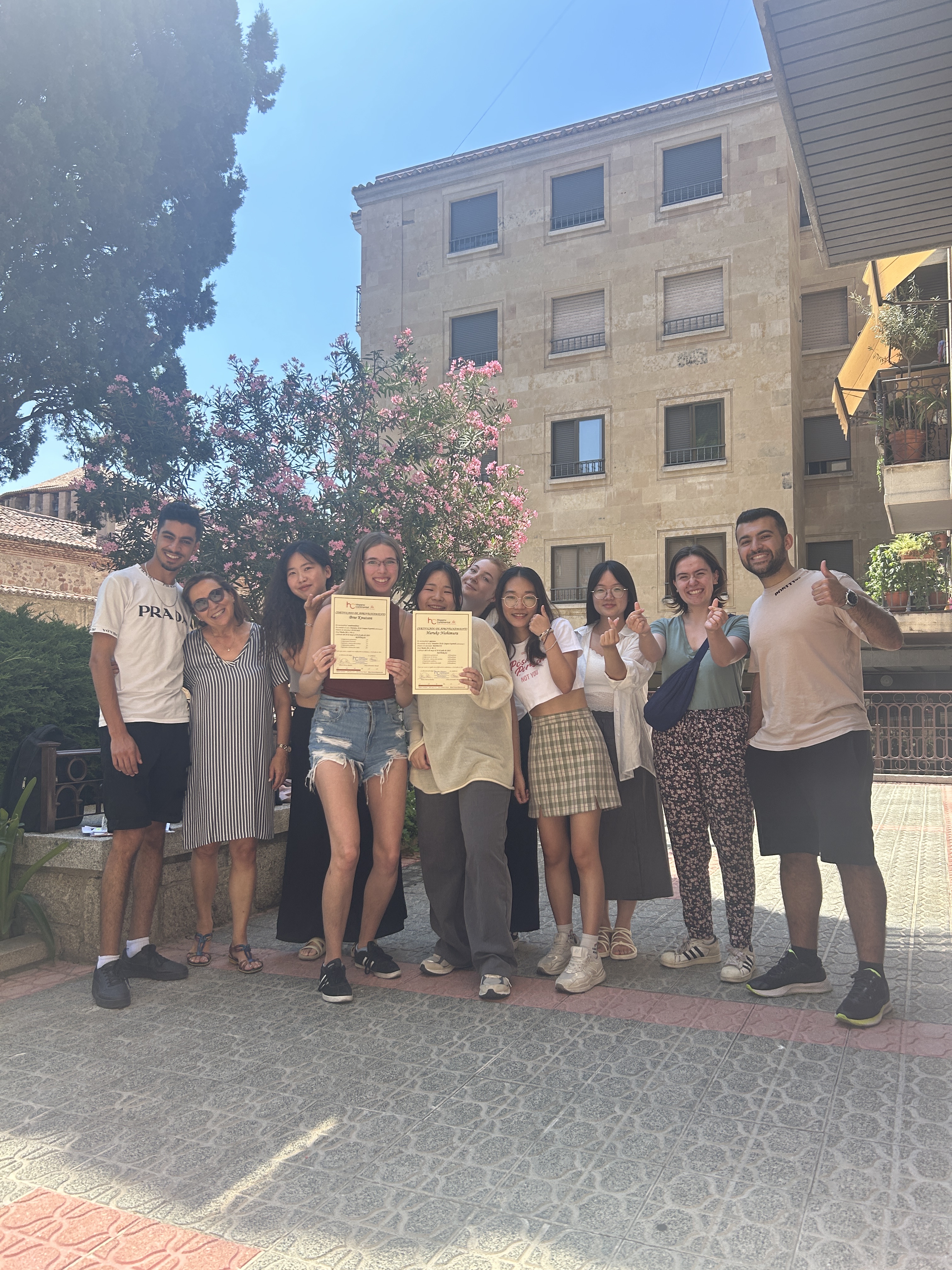
Last day of school earning my certificate

My favorite moments were the ones I spent with the friends I made. All of the other students were from different countries and learnt the language alongside me. Lots of people in the US don’t take Spanish classes too seriously, so it was fun to be surrounded by people who were just as passionate as me learning spanish. We traveled, ate, laughed, struggled and explored this new country we were in, bonding over our experiences. A question that came up for me was why study another language, when English is already kind of a lingua franca? The short answer: to make more connections! The long answer: currently working on a project on that, stayed tuned for Winter 2025! The most valuable experience of my trip was being in a foreign country where speaking and understanding was difficult, and it really put into perspective what immigrants go through in the US.

My everyday walk!