What Does “Pura Vida” Actually Mean?

This summer, I had the wonderful opportunity to complete a three month physical therapy internship in Costa Rica. I volunteered in two locations, the first being a day center for elderly adults and the second being a more traditional physical therapy clinic. The mornings is when I would volunteer at the day center helping the seniors with whatever they needed, giving an informational talk about a certain health topics that seniors face, leading group exercises, and shadowing the physical therapist that would come once a week. At the second clinic, I would shadow the same therapist every day, helping to set up and take down the treatment room, running therapy machines, and just generally doing anything the therapist needed. This internship matched very well with my global theme and challenge. The theme I chose was public and global health and the challenge was to witness the impact of physical therapy and whole body wellness on kids with disabilities in areas other than the United States. Unfortunately, because of the recent pandemic, the project I originally signed on to did not happen, but I was able to work in a therapy clinic instead. In this way, I was able to both see how physical therapy impacted people of all ages in Costa Rica and compared it to the US. The thing is, this internship was way past global themes and challenges. It was a time of personal growth, specifically in the realm of the phrase “pura vida”.

View from my host house in Naranjo, Costa Rica

The first thing you learn about Costa Rica and the people who live there is that going with the flow is their way of life. There is no strict schedule, and stress appears to be very low. This was completely different from what I came from in the US. My anxiety was at an all time high, as I was stepping into a completely new country alone, but after staying three months, my view on life has completely shifted. I realize now it is because Costa Ricans recognize humanity and they place it above most other things. Everything from bus schedules to doctors appointments are almost never on time because peoples experiences are placed above. This actually played a big role in how the clinic conducted their business. Although the therapist was often late to his appointments (the patients never cared), he would always ensure the full time was spent with them. Also, if the patient complained of another injury during the appointment, he would treat that injury. I saw the balance between humanity and professionalism, something that I hope to incorporate in my life as a future physical therapist.

Me running a therapy machine in my afternoon clinic

I think that “pura vida” can be applied to both my global them and challenge along with my day-to-day life. To me, “pura vida” reminds me to look for the humanity in situations. Arguably, humanity is what has formed the theme public and global health. As a member of this theme, we are trying to find answers to health problems around the globe, hence helping humanity. My challenge was already humanity based, just specifically in physical therapy. It does raise questions about how different physical therapy is across the globe, and if it is humanity based as it seems to be in Costa Rica. I know I will consistently use “pura vida” in my day to day life because it means so much more than go with the flow.

Me on beach at Cahuita National Park

A Community of Kindness: Volunteering in Barcelona

After two years of a global pandemic, countless applications, and plans being reschedules, I am so pleased that I have had the opportunity to spend the summer of 2022 in Barcelona, Spain as my Beyond the Classroom Experience for the Franke Global Leadership Initiative. I currently have three weeks left of my experience, but I have learned more, experienced more, and met more people that I ever thought possible in just two months.

While in Barcelona, I have been working/volunteering for a non-profit called Fundació Enllaç, a foundation that works to help, advocate for, and create a community for the older population of adults who identify as members of the LGBTQIA+ community. This foundation holds events for those members who are looking for community, they have created a volunteer program to check in on and provide companionship for the older members, and they participate in events to raise awareness about LGBTQIA+ issues. As a member of this team, I have had the opportunity to participate in community events all around the region of Catalonia, spend time with volunteers and members of the foundation, and learn the day to day operations of a non-profit, with a specific emphasis on community outreach and social media. I have also learned the cultural norms and practices of Spanish business, as well as how to work with amazingly diverse groups of people, both with and without a language barrier. 

Through this position, I have been relating my experience back to my global theme of Technology and Society alongside my global theme which focused on how social media and upcoming technology can be used to reach populations that often go unnoticed, or who are less accessible by traditional means of social media outreach. As a foundation with a specific interest in the population of older adults, outreach can be hard, especially when many members of the LGBTQIA+ community are susceptible to higher levels of isolation and mental illness that may make it hard for them to engage in or seek out community. I spent the last year working on my GLI capstone project, “Mitigating the Damaging Effects of Covid-19 Isolation in the Elderly,” that was very similar to this theme, and helped a lot in my understanding of what goes on in the community of older adults. This experience gave me a first hand look into the importance of community and outreach within this population, as well as how hard it is to reach them, especially when Instagram, Twitter, and Tik-Tok are not known platforms that this population prefers to engage with. That being said, I am currently working on a team trying to update and invigorate the presence of this foundation to reach all members of the Barcelona community, and therefore use word of mouth to spread our mission and activities to those less reachable by technology, as well as optimize Facebook and WhatsApp as platforms that the older population is more comfortable with. 

This experience has exposed me not only to the cultural of Spain, but countless others as I find myself in a global city full of amazing people. I have had the opportunity to engage with city culture (something I am not familiar with coming from a small town in Kansas and moving to Montana), the culture of specific groups of the LGBTQIA+ community, refugees, immigrants, and people from countries across the world as well as places across the US. One of my first days here, I had the opportunity to sit in on a meeting of members of Fundació Enllaç as well as a foundation that worked with LGBTQ+ youth and another that worked with refugees with the goal of creating an event to give all of these populations a chance to connect. I sat in this little conference room, looking around and it hit me just how crazy it was that I was there. I was sitting in a room with people who could not have been more different than me, listening to them talk about issues and ideas that I had never even considered in my life. This isn’t a great description, but I can still feel myself sitting there and looking at all these peoples who were from different countries than me, spoke different languages, had different genders or sexualities, people who were torn from their homes or forced to leave everything they once knew. People who had experienced things that I will never know. And they all had the vision of creating something better for those around them. They wanted to help. That was awe-inspiring to me. I have never felt more optimistic or proud to be a part of something, not only as a part of that organization but as a part of the future of our world, a part of the next generation. 

I could write for pages and pages about my experience here, but the most important thing to note is that this experienced has changed me in ways that I will be forever grateful for. I have been a part of an incredible community of kindness and hope. Being here is hard. Away from family, friends, and everything familiar. But it has been amazing, and I wouldn’t trade my experience and the people I have met for anything else. 

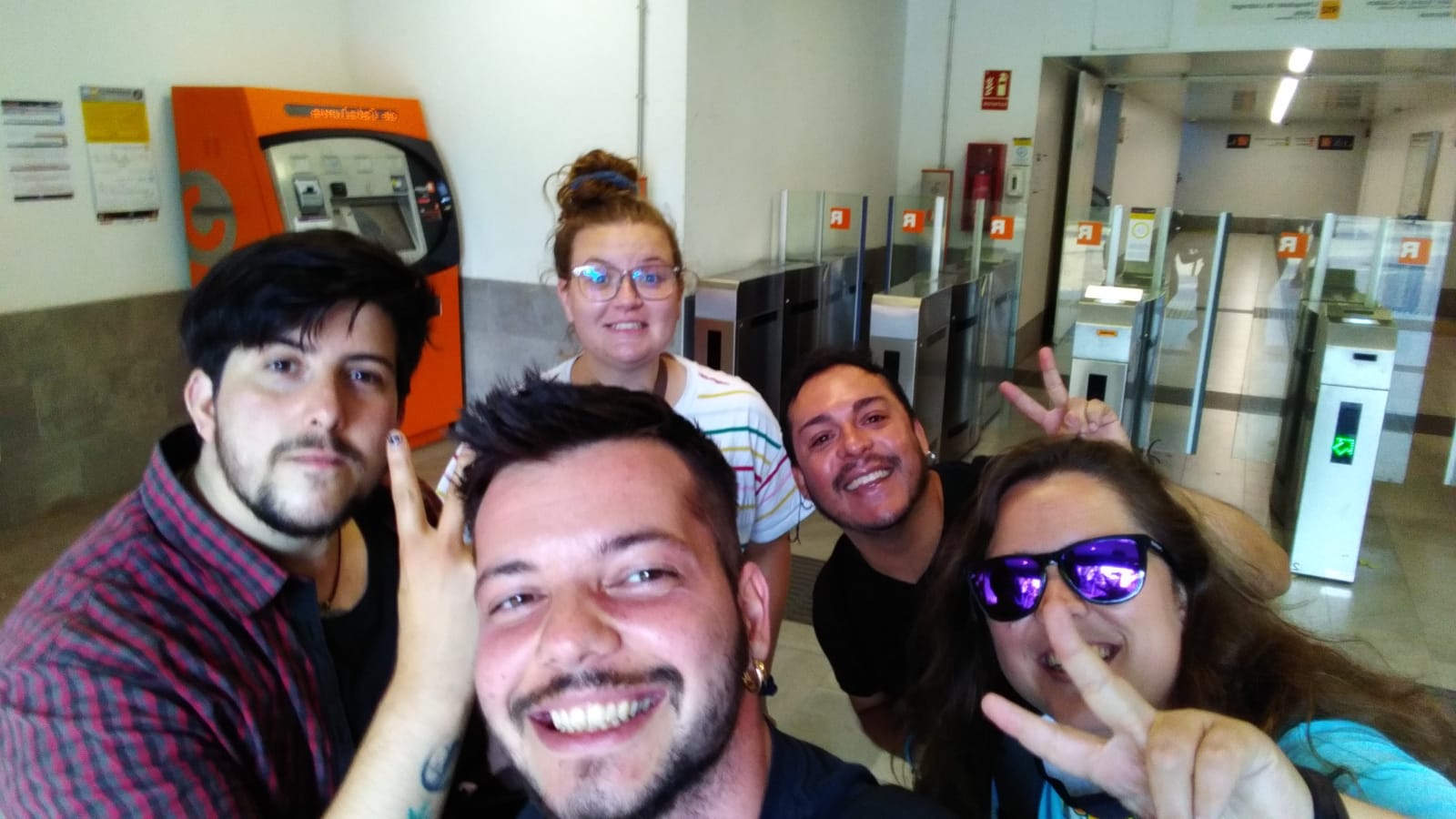
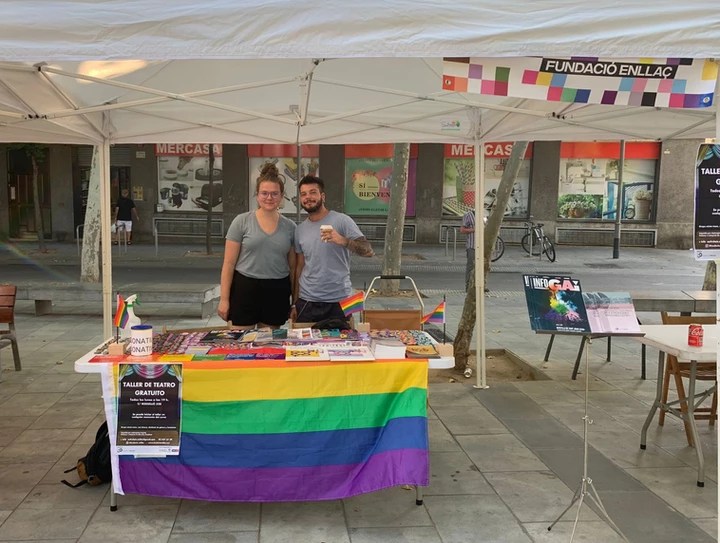
This is me and my coworker at a community event in a little neighborhood of Barcelona
Here’s a another picture of some of my amazingly kind, passionate coworkers/fellow volunteers
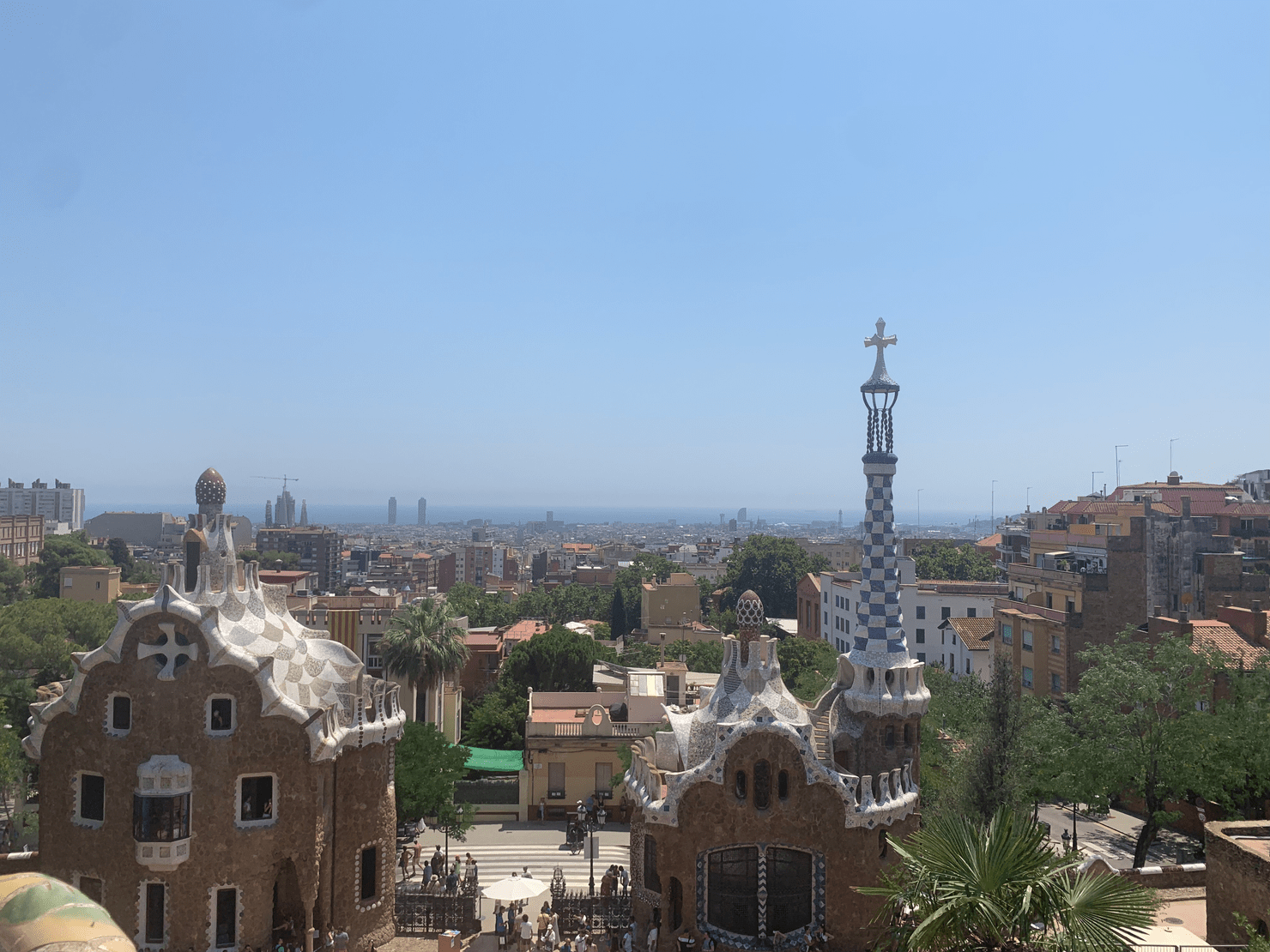
This is the view of Barcelona from Park Güell

Learning Slow Down. My Experience Studying Abroad in Vigo, Spain

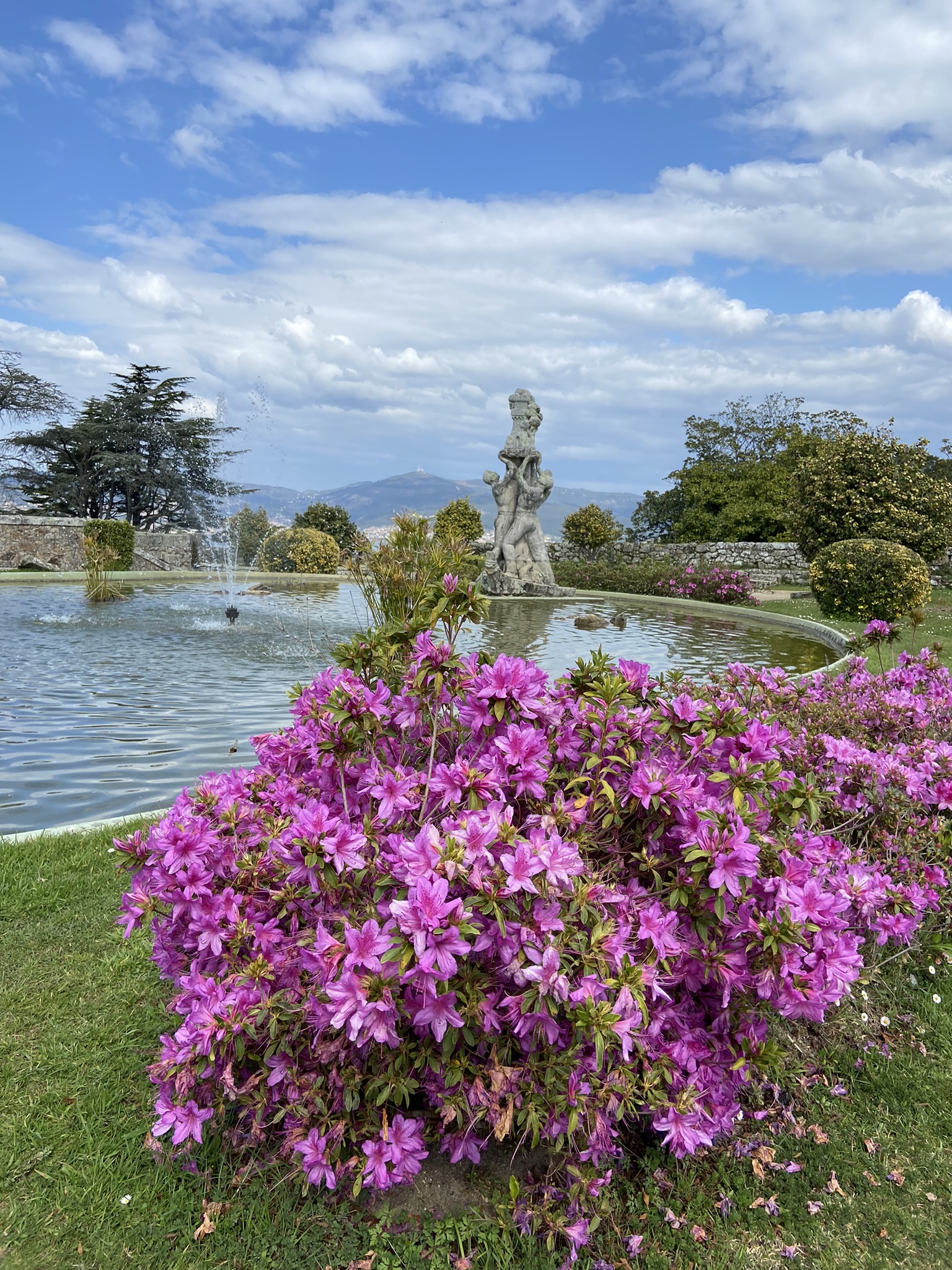
For my Beyond the Classroom Experience, I spent the Spring semester of 2022 in Vigo, Spain, a small but lively town in the autonomous community of Galicia where I attend the Universidad de Vigo. I am a senior studying in Environmental Science and Sustainability and minoring in Climate Change Studies with a certificate in Global Leadership. During my time here in Vigo I have been able to study and experience these interests in a completely different way and grow in even more areas, like my Spanish language skills. In the Global Leadership Initiative, I am focusing on the Resource and Sustainability theme where I have chosen to study challenges related to the ocean and the people that depend on it for their livelihood.

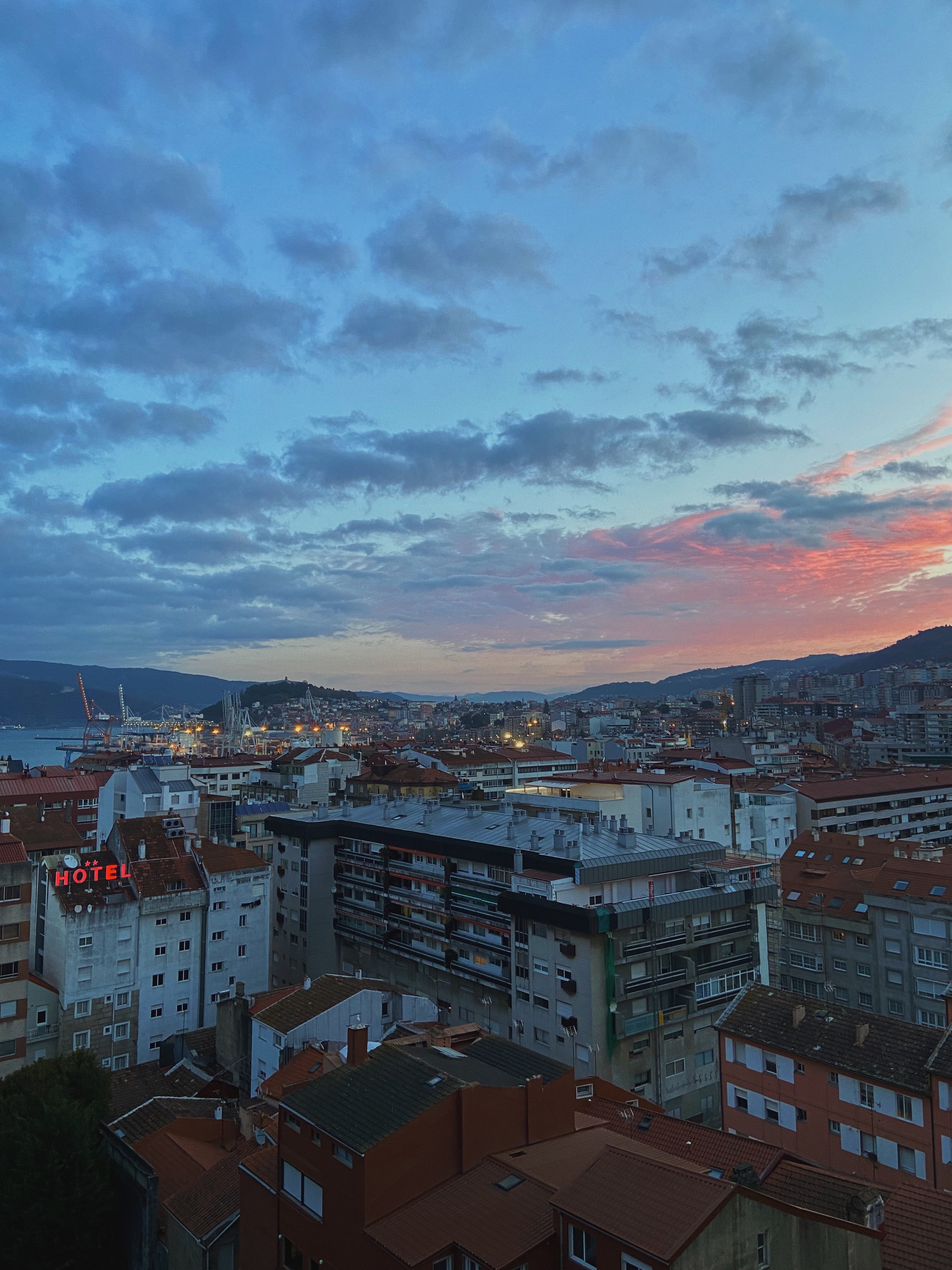
The view from my apartment in Vigo

The town of Vigo is situated on the northwest coast of Spain, protected from the harsh waters of the Atlantic Ocean by the Cíes Islands. Due to its proximity to the ocean and Galicia’s dependence on the aquaculture industry, the Universidad de Vigo was the perfect place for me to explore my global theme and challenge. In school, I was able to take a Marine Zoology and Spanish course as well as participate in an intensive internship with one of my marine science professors and her research team. In this internship, I spent the semester studying the effects of global change on commercially important intertidal clams of Galicia and the effects of a seagrass (Zostera Noltii) as a refuge for those clams. Throughout the semester I have worked both inside my professor’s lab and outside, doing field work in the neighboring towns of Cambados and Combarro. Participating in this internship has allowed me to learn about the fragility of the ocean and its importance to communities like Vigo. It has also made me realize the value of concentrated areas of research in the larger scheme of creating a world more environmentally conscious.

My life in Vigo extended beyond just studying the ocean, more profoundly, I was able to live and experience an entirely different culture and language. Life in Spain is a complete 180 from life in the United States. People aren’t in a rush; they enjoy their time and the people they are with. Taking breaks for a coffee or a chat during school or work is more than a suggestion, it’s scheduled into your day. In Vigo, the people’s connection to each other, food, land, and sea is strong. Slowing down and taking the time to appreciate life and the connections I was making was a hard but important lesson I had to learn coming from the U.S. where the mindset is, “your work is your worth.”

In Vigo I have also had the opportunity to grow my Spanish language skills. At school, I took a Spanish language course and in my everyday life I was able to speak and practice Spanish. One leadership skill that I would not have been able to grow without this experience of learning a new language is communication. Living in Spain and not speaking fluent Spanish is difficult, communication was a challenge. To add to this challenge, there were over 300 other exchange students from different countries who I interacted with during my time abroad. Suddenly the way in which I spoke and the words I used, in Spanish and English, were my most important tool. I learned that the way one communicates is one of the most important skills to have as a leader because if you are not understood you cannot lead or support others in a common goal.

Living in Vigo, Spain was everything I wanted, never expected, and more. This place and the people that live here will always have a special place in my heart. Vigo, gracias por enseñarme a vivir más despacio.

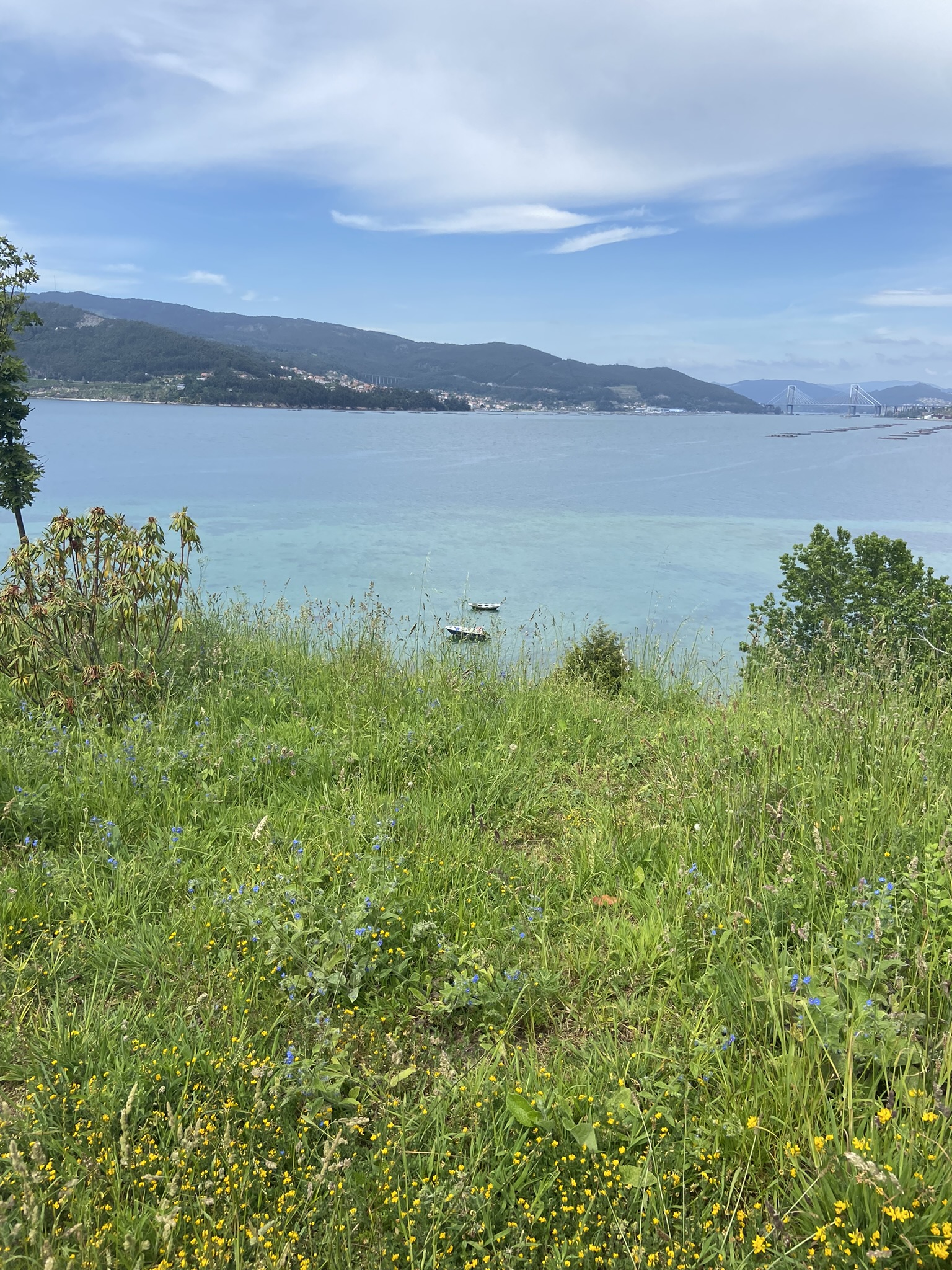
Swing next to the sea in Monteferro

The Bigger Picture in Little Minds

My name is Hailey Powell and I am a graduating senior double majoring in Psychology and Communication Studies. My Global Theme was Social Inequality and Human Rights and my Global Challenge centered around Women’s Right and mental health advocacy. For my Beyond the Classroom experience, I interned at the YWCA GUTS! (Girls Using Their Strengths) program here in Missoula, Montana. I facilitated three after-school groups, made and delivered activity kits for our virtual groups, and created a mental health curriculum to work into the GUTS! program. GUTS! focuses on building strong leadership skills within young girls (or those who identify differently but believe the program will be benefit them) and teaches and discusses important topics like friendship, diversity, body image, goals, and strengths. The goal of GUTS! is to cultivate a safe and welcoming environment to help give children the tools and discourse they need to acquire new and strengthen existing characteristics. My theme relates to my experience because I worked with kids who came from all different backgrounds. GUTS! is a trauma-informed program and tries to tackle, or at least open the conversation, about important issues surrounding race, equality, and gender differences. My theme also relates to my experience because of the mental health curriculum I created. It’s important to start the conversation about mental health early, so the signs and symptoms are easy to spot, while also providing local resources in case the participants needed it. It was age appropriate material that talked about depression and anxiety, and had an activity that gave them coping mechanisms.

My experience has strengthened my leadership skills vastly. Not only was I able to lead three groups of ten children or more, but I was able to be flexible in our sessions depending on the group needs. Some days my plans would not follow through and I would have to switch everything at the last minute. As a leader, it’s crucial to be adaptable. It also helped me learn how to interact with different types of people at that age level. Some kids were really closed off, while some were full of energy. My experience gave me experience on how to help kids come out of their shell and refocus those who needed it.

Some questions that were raised during my experience was how a program like GUTS! could be implemented at a larger scale. I’m sure other places around the United States have similar programs, but if something was held in public schools, I think it would change not only how women may view themselves as they grow up.

I am so thankful for my internship experience and the lessons it has taught me.

National Student Exchange to Mayagüez, Puerto Rico

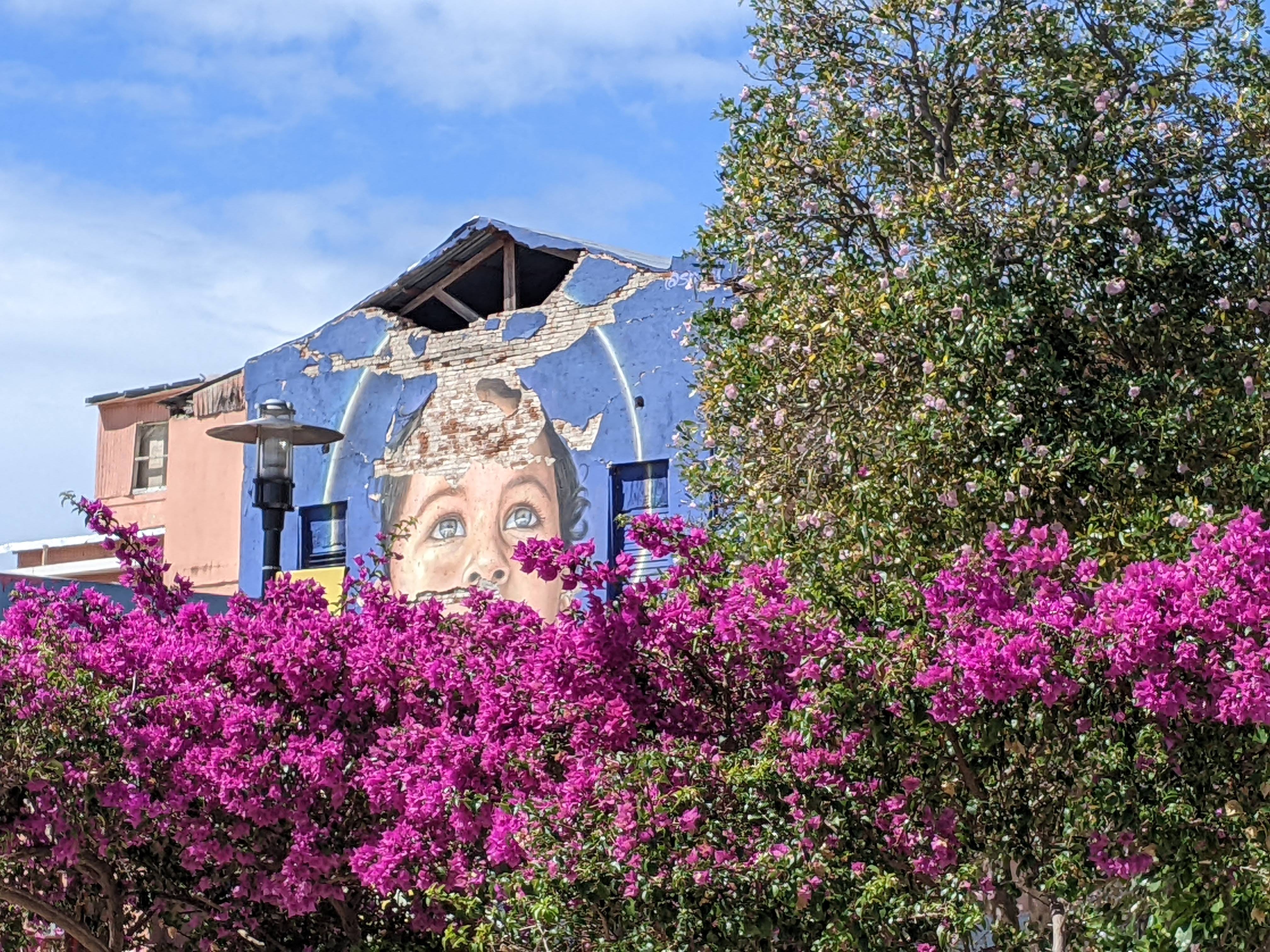
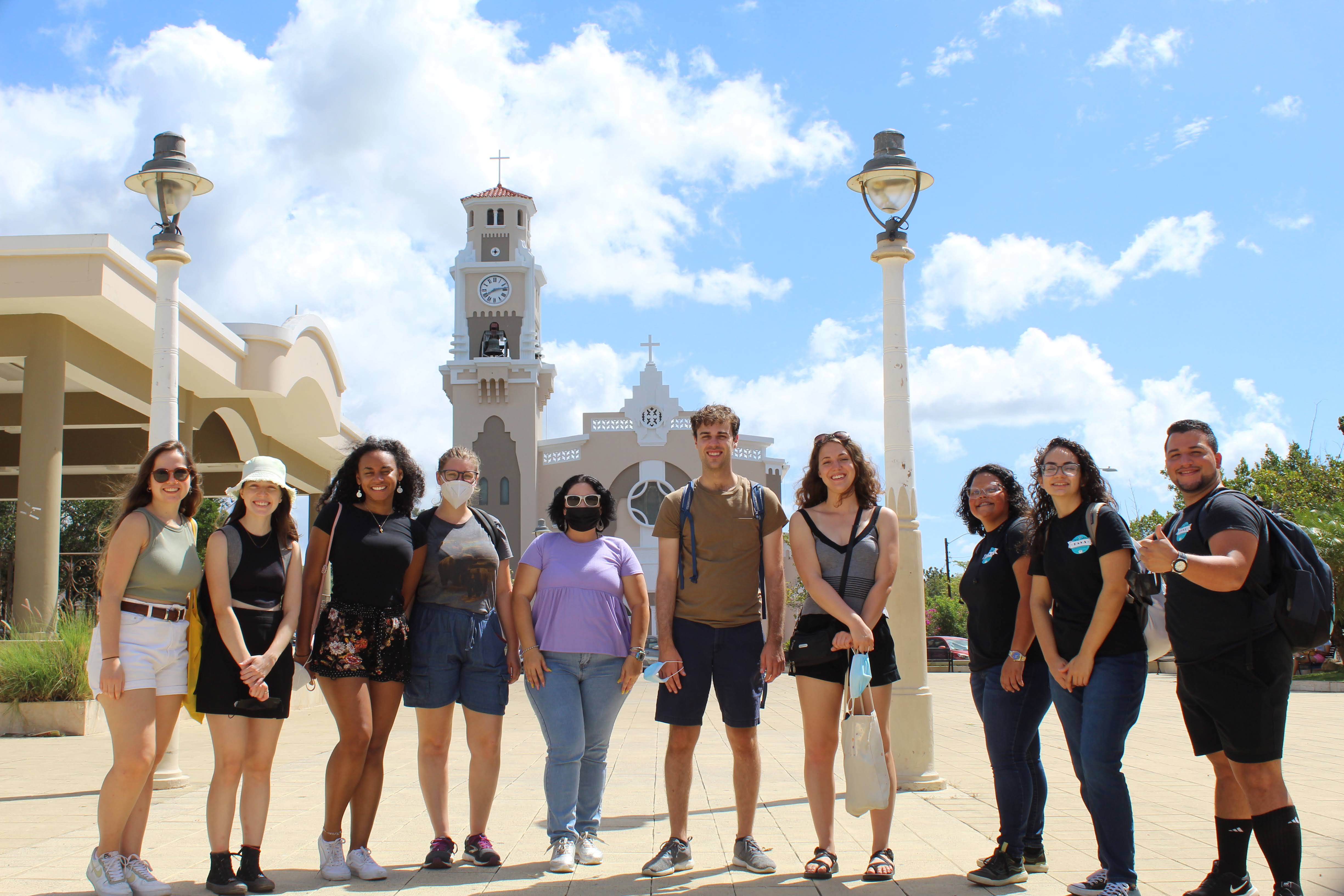
For my Beyond the Classroom Experience, I spent the spring semester of 2022 in Puerto Rico to become fluent in Spanish. I am a senior studying Computer Science and Spanish with certificates in Cybersecurity and Global Leadership, and this experience has allowed me to combine my interests in both technology and languages. I participated in the National Student Exchange program, and was placed at the Universidad de Puerto Rico, Mayagüez on the west side of the island in Mayagüez, Puerto Rico.

While in Puerto Rico, I have been able to gain new insights into my global theme, Technology & Society. In school, I have greatly enjoyed a course in Artificial Intelligence, and am working on a project with other students to create an app with an AI model that can categorize what kinds of trash can be recycled on the island. Recycling is complicated in Puerto Rico since much of it has to be shipped back to the U.S. mainland, so it has been a great experience to work with local students to make something that will benefit their community. It is important to many people here to preserve the natural beauty of their island, and there are also efforts to keep the beaches and rivers clean and healthy.

Outside of school, I have enjoyed listening to local music and visiting wonderful beaches and waterfalls. One type of music that is very popular here is called bomba, and it is a form of latin music with lots of percussion and call and response lyrics. There are some student bomba groups that I got to see in a talent show, and there is always a band playing at events and festivals. The beaches are some of the most beautiful I have ever seen, and it has been especially nice to have 80 degree weather every day while it is still snowy back home in Montana! I’ve also enjoyed getting to know my classmates and the other exchange students, and we’ve gone on trips around the island. All in all, I would recommend Puerto Rico to anyone who wants to improve their Spanish and enjoy the nature and culture of the island. 

Anthropological Internship at the Moon-Randolph Homestead

During the fall semester of 2021, I was fortunate enough to partake in an internship at the historic Moon-Randolph Homestead in the rattlesnake. The homestead was first used by the Salish tribe, long before settlers came to the Missoula area. It was then homesteaded by the Moon family then sold to the Randolph family a few years later. Then in the 1990s, after the last member of the Randolph family to live on the homestead passed away, the city of Missoula purchased it in order to preserve its history and to increase the public land surrounding Missoula. While interning there I was tasked with two large projects and a number of small ones. The first of the two major projects, which took place in the first half of my time there, was to care for the homestead’s historic orchard; I learned more than I ever thought I could about orchards, by pruning the trees, weeding the area, spreading mulch, and almost single-handedly harvesting all the apples from the nearly sixty-tree orchard which were then given to Western Cider where the apples were crafted into a special cider which consisted of only homestead apples. The second major project which I undertook was the cleaning of the homestead’s original tack shed which had not been opened since the city first bought the land in the 1990s; while wearing a full-body Tyvek suit and respirator, I removed every artifact from the shed and used gallons upon gallons of bleach to clean more mouse nests, dead mice, and, above all else, mouse feces than I have ever seen at every other time in my life combined. I then cleaned every artifact individually and then reorganized the shed and created a meaningful display within it so that visitors could have a better understanding of how homesteaders relied on horses every day in a time when mechanical machines were almost non-existent. In addition, I helped with general maintenance of the historic homestead and gave tours on several Saturdays during the semester to help visitors understand what it was like to live during the time period of homesteaders.

My internship experience not only gave me relevant work experience which will help me in my anthropology career, but it also helped me to gain diverse perspectives on American history, including those on the opposing side of homesteaders- the indigenous peoples whose land was ultimately taken from them. Learning about the history of the area in which many of us call home from both the commonly learned perspective of the colonizer and the underrepresented perspective of those who were colonized helped me to fulfill my global theme: culture and politics. Those diverse perspectives are now assisting me in the way that I go about my capstone project which involves indigenous misrepresentation in the media, which stems directly from the US’s history of settler colonialism. The information that I learned at the internship in order to accurately provide information on tours has helped me to see a narrative about homesteading and manifest destiny which is not often taught in American history.

Teaching Dance at Lowell Elementary

My name is Chloe Burnstein and I use the pronouns She/Her. My chosen global theme is social inequality and human rights. For my beyond the classroom experience I had the opportunity to teach a somatic dance therapy focused class as part of Lowell Elementary after school program in. I was specifically interested in combining the practice of emotional regulation with the theory that kinesthetic movement can heal our souls and bodies through my teaching. Lowell is located in East Missoula and is considered the lowest income elementary school in the district. The after school program at Lowell Elementary is the only school in the Missoula County Public School district that offers a free after school program full of intellectual activities and opportunities, provided and funded by Missoulas’ Parks and Recreation department. Most of the children attending Lowell come from low economic households and often do not have the opportunity to attend dance or therapy. No child should have to miss out on activities that provide moments internal discovery due to financial hardship. Therapy should not be considered an “opportunity,” but instead, a health care “right.”

During the hour-long sessions I taught, I encouraged different emotions, feeling, and sensations through a variety of games and challenges, supporting the exploration of emotion, without fear and instead curiosity and empowerment. The goal of these activities were to visualize, regulate, and simply notice the feeling being experienced through movement. It was the hope that these techniques would be something the children could return to and utilize as an outlet. Throughout the last 14 weeks I was guided by both Heidi Eggert Jones and Brooklyn Draper, professors of dance and Tess Sneeringer, the director of the Lowell after school program. In moments of frustration and failure their words of guidance and suggestion, reminded me that dance and talking/feeling your emotions is incredibly vulnerable. I narrowed my focus into just giving my time and energy into allowing the 60 minutes to be a safe place, where every child was seen, acknowledged, and loved. A space where emotions could be felt, and a place where we began to slowly begin to explore what those emotions may look like in the body without judgement. I yearned to share to share the healing and magical benefits that movement can provide. 

This experience was incredibly humbling. I saw just a bit of what these children lives were like. I remember talking to a peer in the program, identifying that many of these kids were experiencing, “adult sadness, not kid sadness.” There were many moments of self reflection, gratitude, joy, and even guilt. I discovered the elation that teachers often speak about. The feeling of connection and community that is developed between both the learner and the leader. I unearthed through my own personal experiences that a teacher is just as much a learner as well. The feeling of providing support, structure, decision making, and a safe space for children whose homes lack those elements is incredibly special. I believe this realization will influence the future actions I take as a leader.

A Season on a Women’s & Nonbinary Chainsaw Conservation Crew

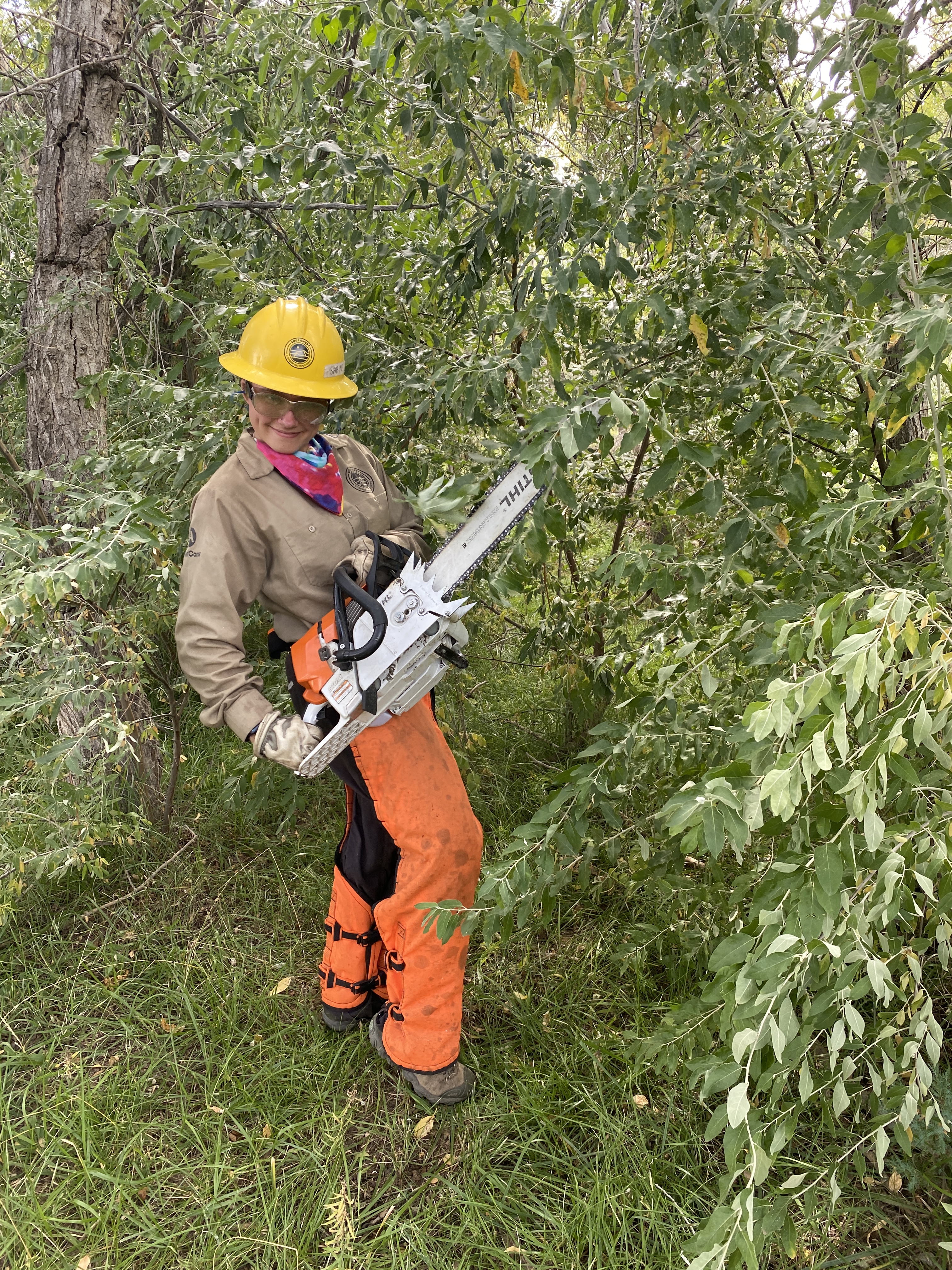
For my Beyond the Classroom experience, I had the immense privilege of joining a women’s and nonbinary chainsaw crew through Southwest Conservation Corps (SCC). I wouldn’t hesitate to call my time on this crew the best of my life. The work was definitely hard, but that’s what made the experience so impactful. I lived, camped, and worked outside for the entire season for both the on and off hitches. I was able to be a successful full time student on top of the twelve hour work days. I packed my life down to the bare minimum (one has to do that when living out of a 2002 Toyota Corolla), learned how to wake up at five thirty every morning, learned how to become safe and competent with a Stihl 461 chainsaw, learned that Russian Olives are really thorny, learned that drinking seven Nalgenes a day was necessary, learned that disassembling and reassembling saws is a sort of art form, learned that living outside in November in Colorado is demanding but beautiful, and that I am so much stronger—both physically and mentally—than I ever thought I could be. But the physical demands of the job were only a part of the picture.

When living and working full time with a small crew of people, being able to work with others and accommodate all perspectives is key. Being on a conservation crew means that every person absolutely has to pull their weight, but there is also room to support one another when rest (either physical or emotional) is needed. In order to form a good group culture, our crew as a whole would pick one reading they found impactful each hitch and we would discuss it around the fire before bed. One of our members brought us a different group craft to do each hitch. On Halloween, we dressed up in our best backcountry costumes and went trick or treating to each person’s tent. Personally, I felt that there was a lot of space created for me to expand my leadership capabilities. Work ethic and motivation were key, but so was being able to show up to the group and facilitate a fun environment. During the final evaluation of the season, my crew leaders recommended that I myself try my hand at being a crew leader with my own crew in the future. 

My GLI theme is inequality and human rights, and I found that this tied in well to my experience in many ways. For starters, the crew that I was on was something called an “affinity space.” This means that it was a space reserved specifically for women and queer folks, and was intentionally formed this way in order to create a safer space to live, work, and have fun. Our crew was its own sort of wonderful, intentional community built around queerness and a love of the earth. This made me realize that having affinity spaces at every level of work and society in the real world could be a way of cultivating social justice and support everywhere in the future. In addition, the work itself that we were doing was invasive species removal (Russian Olive and Tamarisk) and the subsequent conservation of riverbanks and riparian areas. Social justice is environmental justice, and vice versa. Humans and the natural world are deeply connected, and being able to preserve and protect the environment is vital if we hope to achieve many of the goals of social justice, specifically the ones oriented around having stable and safe and accepting places to live, work, and express oneself, as well as having clean water, air, and food to be able to do so. 

Wilderness & Civilization

My name is Libby and I spent the Fall 2021 semester backpacking and camping throughout western Montana as part of the Wilderness & Civilization program. My theme is Resources and Sustainability, which pairs well with my major in Wildlife Biology. My major is a fairly niche field, but Resources and Sustainability encompasses a greater scope of topics that I was able to explore through this program, including wilderness ethics, nature writing, and land art.

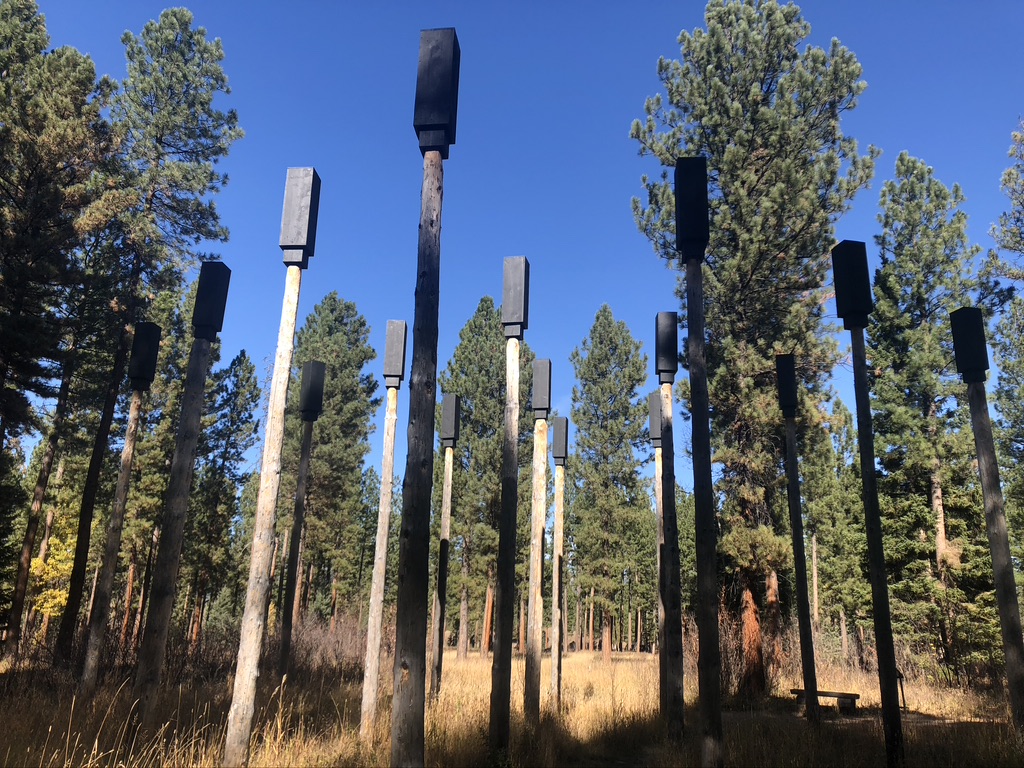
Land art at Blackfoot Pathways sculpture garden in Lincoln, MT

What I really loved about this program was the way it balanced teaching us about big, abstract concepts driving discourse about the wilderness with learning practical skills for surviving in it. There were many days where I would get into heated discussions about the future of the Wilderness Act in the morning, then literally heat it up in the afternoon with emergency fire building. It challenged me to rethink my opinions on everything from land designations to the logging industry, and more importantly, to put those ideas into words and actions.

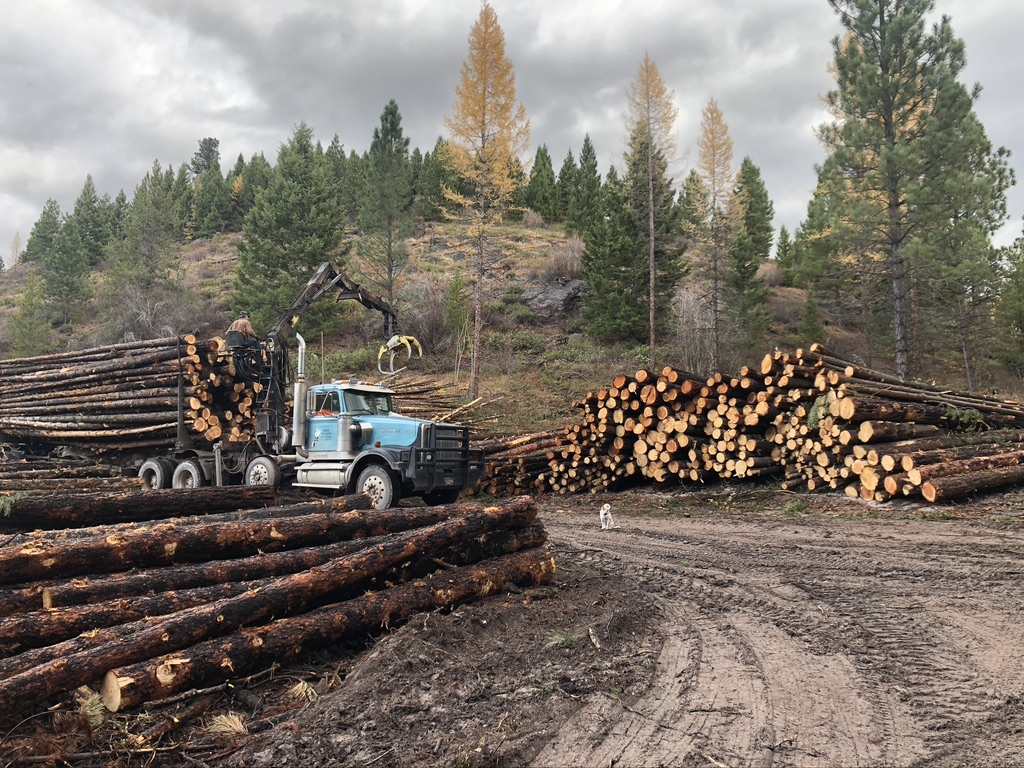
Logging site owned and operated by the Nature Conservancy in accordance with the principles of ecological forestry

One of the ongoing conversations we had in almost every class was about whether or not “wilderness” is even a worthwhile concept in the first place. “Big W Wilderness” as we called it is the strictest, most protected land designation we have in this country. It preserves landscapes in their most pristine condition, with no roads, motor vehicles, or extractive activities. However, it operates under the assumption that “pristine” means untouched and “untrammeled” by people. This is a very Western idea because it ignores a long history of active management by Native peoples in these landscapes. We spent over a month reading about the wilderness from the perspective of early foresters, indigenous leaders, nature writers, and modern scientists. At the end of the semester, we had to distill all of these conversations into a final essay defining our wilderness ethic and our hope for the future of wilderness. This is one of the hardest essays I have ever had to write. 

I learned so much this semester about the amazing place I live and the many perspectives and experiences that have made it the place it is today. But I also learned a lot about myself. I put myself way out of my comfort zone to do this program, and it was worth it in more ways than I can count. I realized I am so much more capable than I thought I was. I lived in the backcountry for 10 days, I navigated my trek crew through river crossing and bushwacking and trusted them to lead me in turn, I learned from indigenous voices and challenged my assumptions about industries I knew little about. And all the while, I was making friends for life. Thank you, W&C cohort of 2021. I will never forget you.

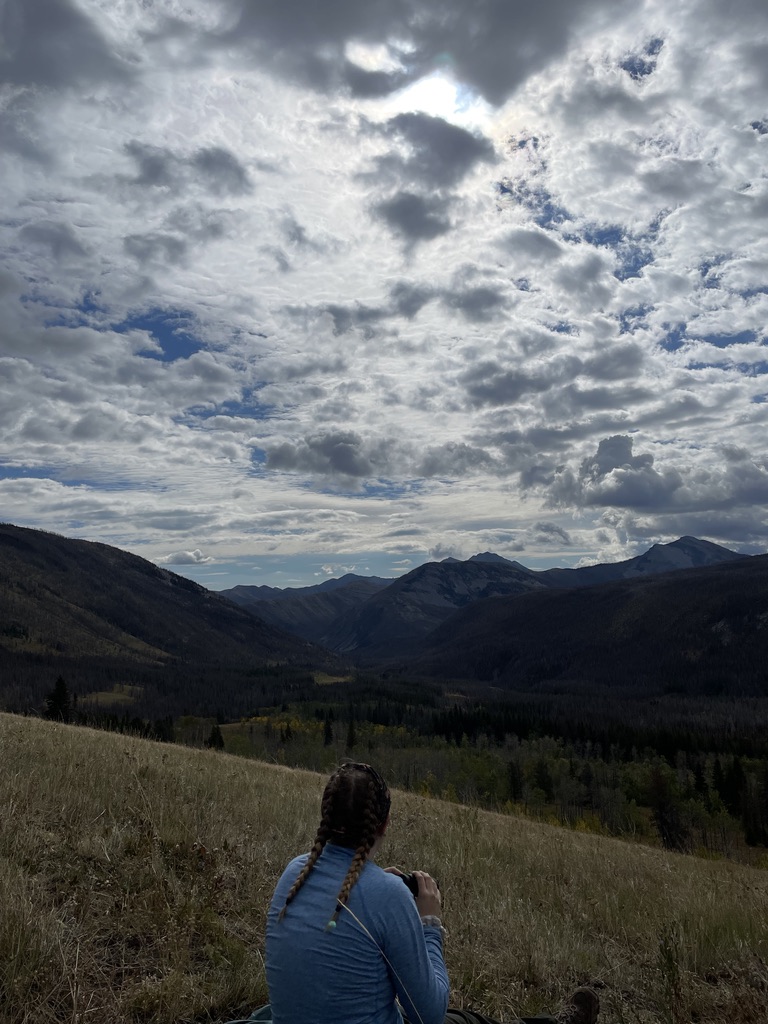
Admiring a valley in the Badger-Two Medicine, the aboriginal land of the Blackfeet Nation. The next day, we would hike past that furthest peak.

Learning the art of Lawaiʻa

Hello, my name is Sierra Franklin and I was apart of the National Student Exchange, with help from GLI, and attended The University of Hawaiʻi at Hilo for the Fall 2021 semester. I learned so much during my semester in Hilo and will always have a piece of Hawaiʻi in my heart. My experience was not what I thought it was going to be, but it turned out to be even better. I chose the Resources and Sustainability theme during my time at GLI due to my passion regarding protecting the environment. I am majoring in Wildlife Biology and minoring in Restoration Ecology and want to one day become an Environmental Lobbyist that advocates for policy that protects and conserves the environment.

Hapuna Beach located on the Kona side of the island, about an hour and a half from Hilo over the Saddle.

I wanted to come to Hawaiʻi to learn about the ocean and get some hands-on experience regarding marine biology labs and classes. Due to COVID regulations and rules, I could not get into any marine biology labs or even any in person classes at all. This made me really upset, but I figured that I would just use my time in Hawaiʻi to learn about Hawaiian Culture, so I enrolled in several Hawaiian studied classes. I learned about the Hawaiian Family System and how ancient and present-day Hawaiians carry out their day to day lives. I also learned all the limu [seaweed] and iʻa [animals] that the island has to offer. In my Hawaiian Ethnozoology class we learned about these specific ʻōlelo noʻeau [sayings] associated with each iʻa and what they meant in context of everyday life. For example, the ʻōlelo noʻeau about the kūmū fish is “He kūmū ka- iʻa, muʻemuʻe ke aloha” [ kūmū is the fish, bitter is love ]. Due to the fishʻs bitter taste, it is used by Hawaiians to describe the bitterness of love and how sometimes love bites back.

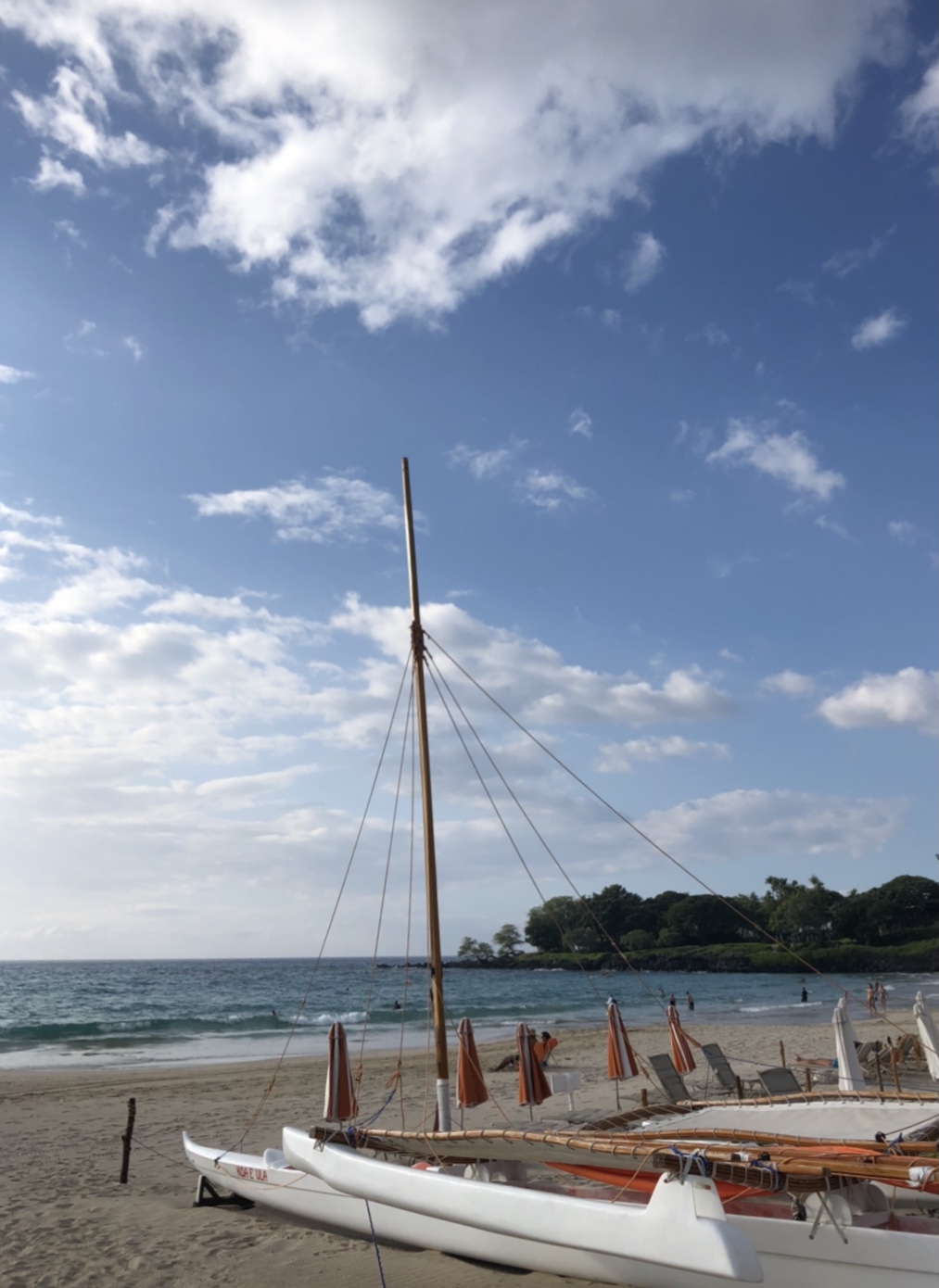
A traditional Hawaiian canoe shown resting on a beach on the Kona side of Big Island.
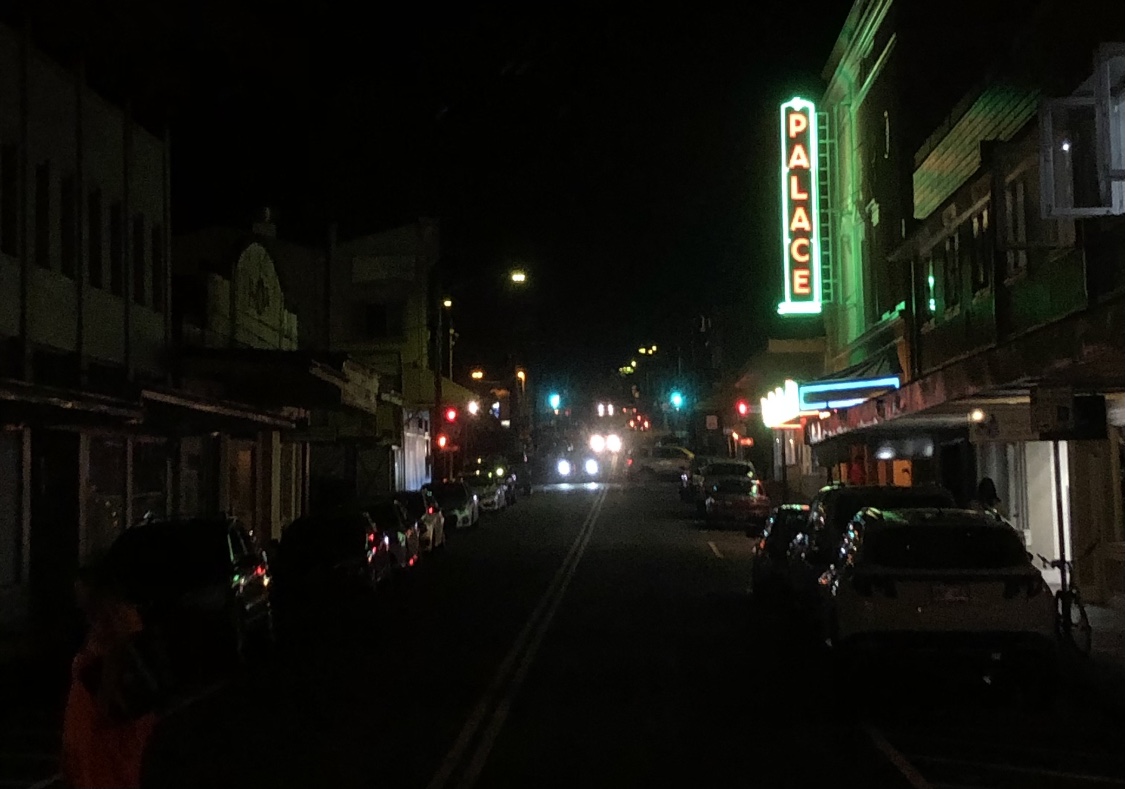
The sleepy town of Hilo on a Saturday night.

I learned that most people pronounce Hawaiʻi wrong; it is [ havai-i ]. The Hawaiian ʻwʻ is said like the English ʻvʻ. So applying this to the title of this blog post, it is said [ lavi-u ] which is translated directly to English as fishing, but it means much, much more. Lawaiʻa means to take what you need but leave the rest for the future. Does this sound familiar? It is almost exactly the definition of sustainability. In Hawaiʻi the land, sea, and iʻa are a way of life for the people living there and they treat the land with love and care. They understand that in order for the land to give to you, you need to give back to the land and help sustain itʻs health. Hawaiianʻs relationship with their land is highly admirable and I wish that the mainland US shared these same attitudes towards the environment. Relating this to my GLI theme is so easy because everything I learned in Hawaiʻi reflects practicing sustainable resource use.

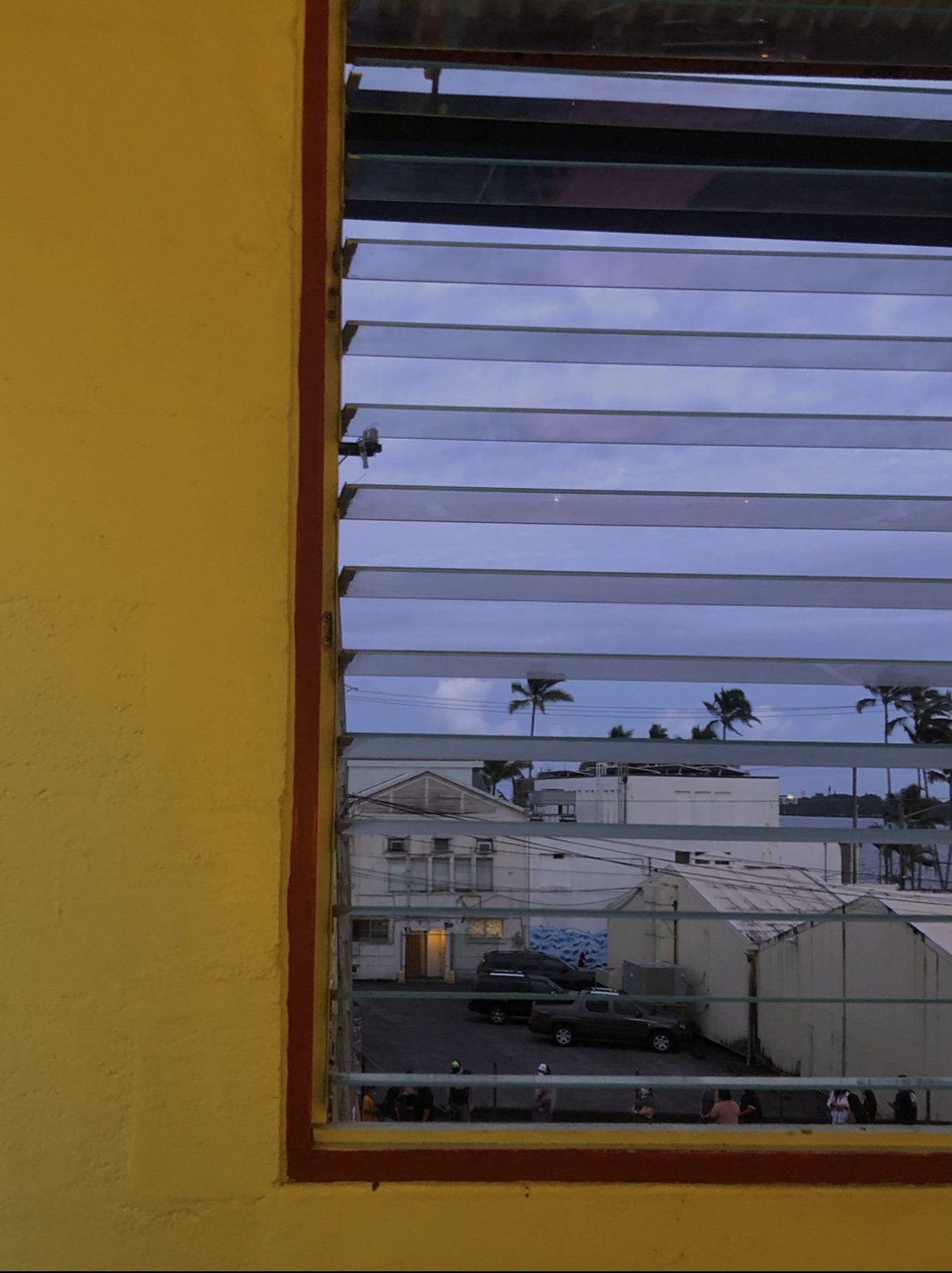
Inside of a town building in downtown Hilo during a night market.

I also took a Sustainable Tourism class during my time at UH Hilo and it shed a light on a larger issue. Hawaiʻi is being largely exploited for its resources due to mass tourism over the years. Most of the tourist organizations are run by mainlanders who pocket the money out of the state of Hawaiʻi. The tourism industry is selling white sand beaches and Margaritas by the pool; they are not selling Hawaiʻi. Many tourists come here and leave, not having learned one thing about Hawaiian culture. We cannot treat Hawaiʻi like another state in the US. There is a whole different culture and way of life here that has resided for hundreds of years. This mass tourism has damaged the islands environmentally and shown the world that Hawaiʻi is just a vacation to book when you need time away from your busy life. This needs to change and it needs to change fast because Hawaiʻi is not just a vacation spot. It is a sacred place and home to thousands of people. If mass tourism continues to proceed as it is now, Hawaiian culture will be muddled and the land and sea will continue to suffer.

Akaka Falls State Park, 20 minutes outside of Hilo.

I took away many things from my experience at Hilo, but one of the biggest things that I will take away is to respect Hawaiʻi for more than what it is marketed for. Hawaiʻi is a hotspot for cultural, linguistic, and environmental knowledge. There needs to be a renovation of respect for Hawaiian culture and a revamp of the tourism industry that is focused more towards showing Hawaiian culture. My Kumu [ professor ] Lito, who taught my Hawaiian Ethnozoology class, was apart in creating the Pono Pledge that will now be aired on all incoming Hawaiian Airlines flights to Hawaiʻi. Being Pono means acting with correctness and respect. The Pono Pledge according to the website, is, “a creative new initiative by the Island of Hawaii Visitors Bureau (IHVB) and Hawaii County, encourages safe, responsible and respectful tourism.”. This pledge encompasses not only respectful tourism but also practices sustainability and lawaiʻa in the name of all lands on this Earth. If you have read this far, you have to visit the link and take the Pono Pledge, make sure you click the link and scroll all the way to the bottom and click “Take Pledge” to watch the video! Mahalo nui, and I hope if you ever visit Hawaiʻi you take all of this into consideration.

A freshly planted taro patch on campus.