Barcelona, Spain – New Perspective on Work-Life Balance

This summer I interned for a venture capitalist called Bcombinator located in Barcelona, Spain as a data analyst. 

Spain is a beautiful country with a unique culture full of rich history. Living in Barcelona for the entirety of the summer I learned how to adapt to my surroundings. Among all the ways in which I assimilated into Spain the most difficult cultural aspect for me to adopt was the lifestyle pace. I don’t feel comfortable generalizing the entire population of Spain based solely on my experience but while I was there I saw strong importance placed on immediate relationships. Any stress that is put on a relationship due to work is out of the question. 

Prioritizing immediate relationships over career success is quite contrary to the competitive work culture in the United States. For as long as I can remember I have always strived to be the best. Whether that meant climbing to a higher branch than my older brother or collecting the most donations for a fundraising event. There’s a part of me that always desires to outshine everyone else. 

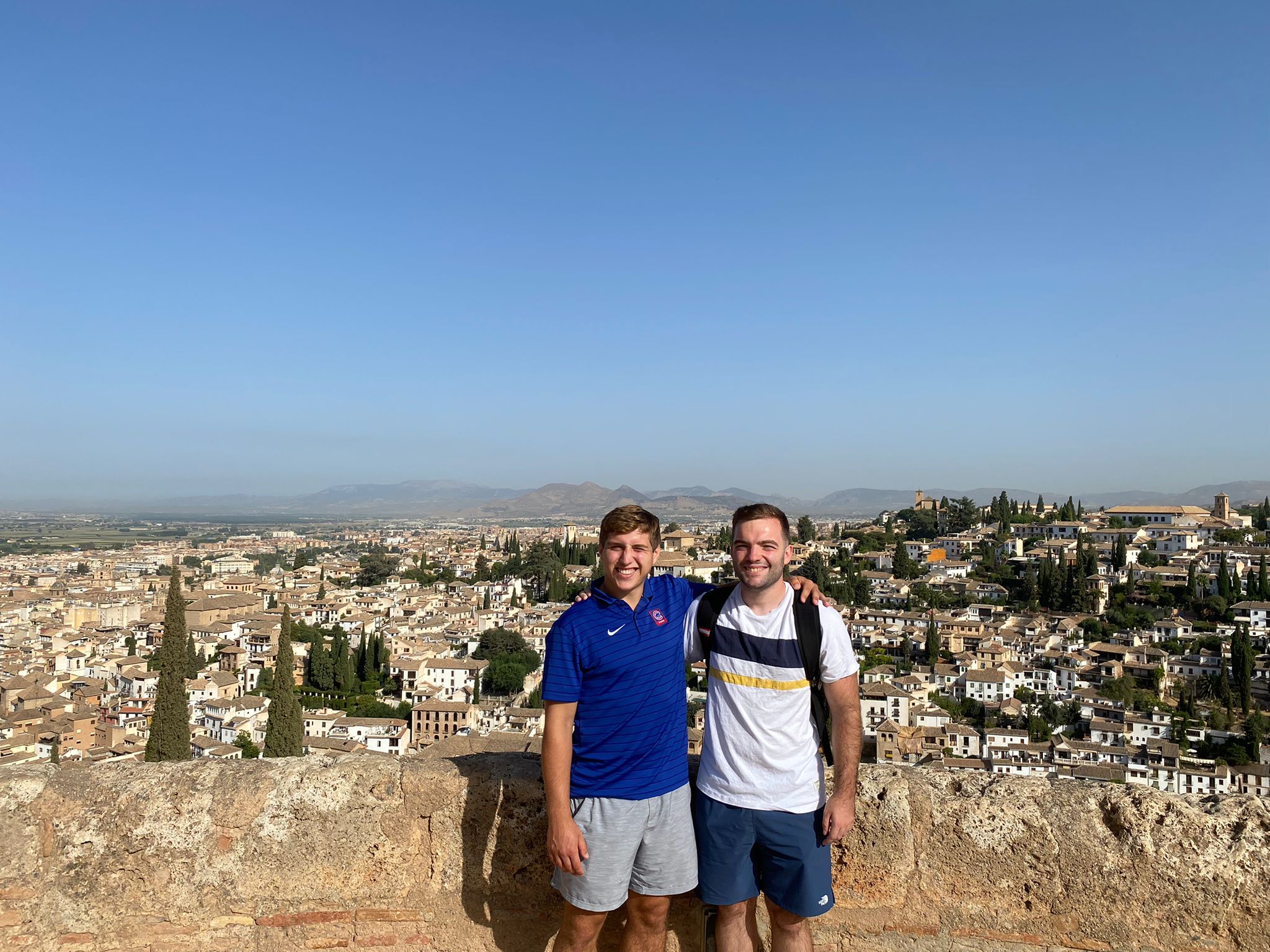
Towards the end of my internship, I made a trip to Granada, Spain to visit a friend I had made last semester at UM. Pablo was born and raised in Granada and came to UM to continue his studies. Living in his household for the two nights I was in Granada gifted me a new perspective of how beautifully simple life can be when it is centered around family. This way of life is a transformation I am consciously working at implementing. 

On a different note, my GLI global theme and challenge is Technology and Society. After interning for Bcombinator I learned that there is a lot of uncaptured value in organizations due to the repeatable tasks that are left unautomated. The longevity of any type/size of an organization is contingent on having a tech-savvy person take robotic processes out of employees’ job responsibilities to draw out their humanistic characteristic of creativity. It was rewarding to do this at Bcombinator and become an asset to the organization.

Pablo and I at Alhambra in Granada
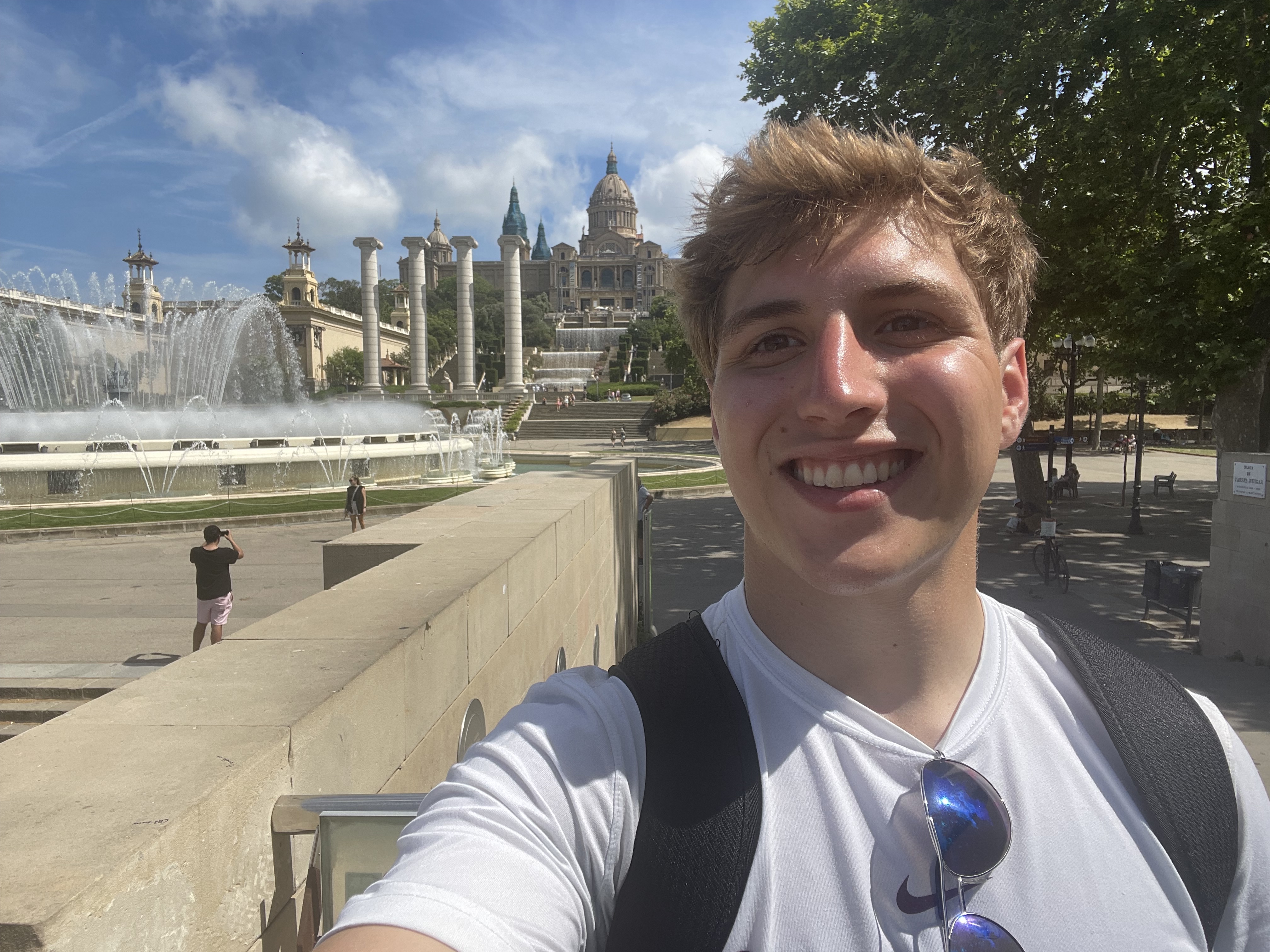
National Art Museum of Catalonia
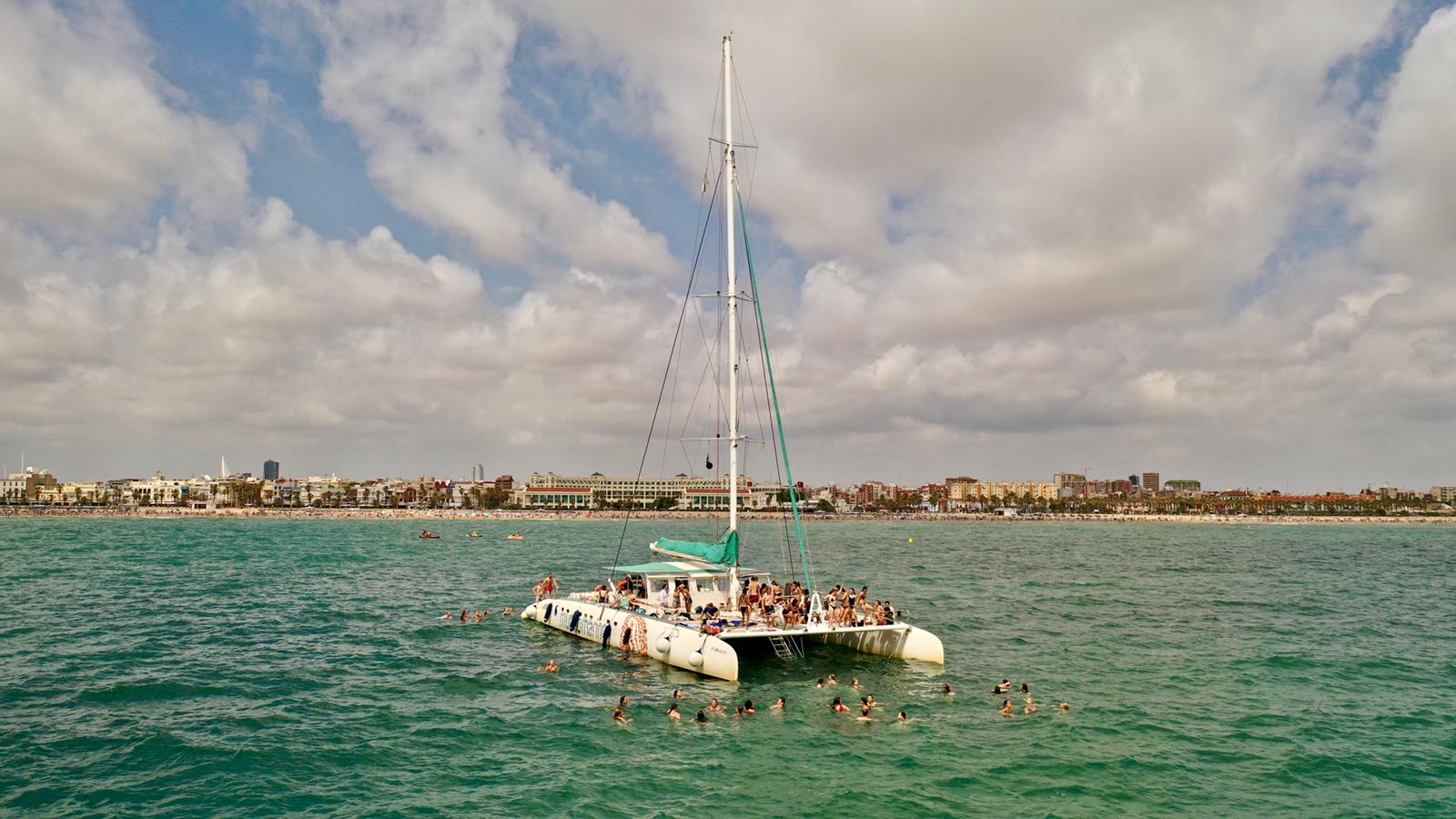
Boat Cruise in Valencia

Climate questions in the Arctic

I chose the Global Theme of natural resources and sustainability and the global challenge of sustainable management and technology for the protection of natural resources and biodiversity in the Arctic. At the University Centre in Svalbard I took Arctic Environmental Management, we analyzed the legal, technological, and social context and solutions in case studies on issues in the Arctic. My group researched the impact of cruise ship tourism and what is being done about those impacts. We found a need for more collaboration between Arctic nations on regulations and found that collaboration across scientific, legal and financial stakeholders was already present.  Living on the Arctic archipelago of Svalbard, I noticed the high environmental impact of the human presence there, but also some benefits. While pollution, wildlife disturbance, and fossil fuel consumption do occur, human presence allows the completion of ecological and climate monitoring, increased awareness of climate change for tourists, and the enforcement of protected area guidelines. Overall, I was surprised to learn how much of environmental management and attempts to adapt to climate change are social issues that come down to the effectiveness of leadership and communication.

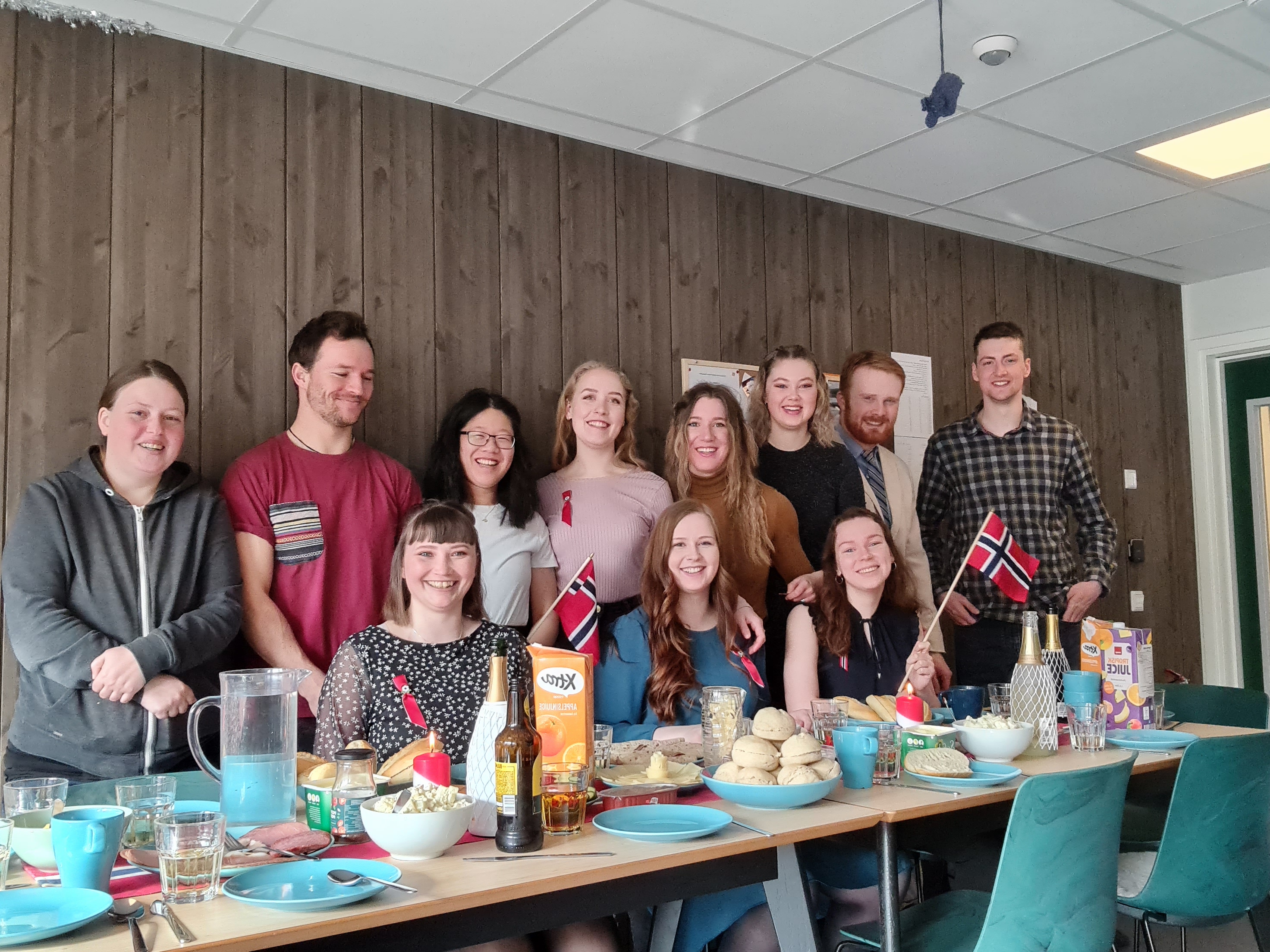
In this class I also learned about how environmental management is more centralized and has more ease of cooperation between stakeholders in countries like Norway where there is high trust in the central government. The techniques the Norwegians used for environmental lawmaking failed in Canada and would most likely fail in the USA.  I saw more cultural differences with the cheap price of college tuition and doctors visits, the fact that college students regularly receive governmental living stipends, and the whole week of vacation we got for Easter. On the 17th of May, which is Norway’s national holiday, I saw how patriotism is widespread and celebrated by Norwegians of all political backgrounds. 

Champagne breakfast with my kitchen-mates for May 17th
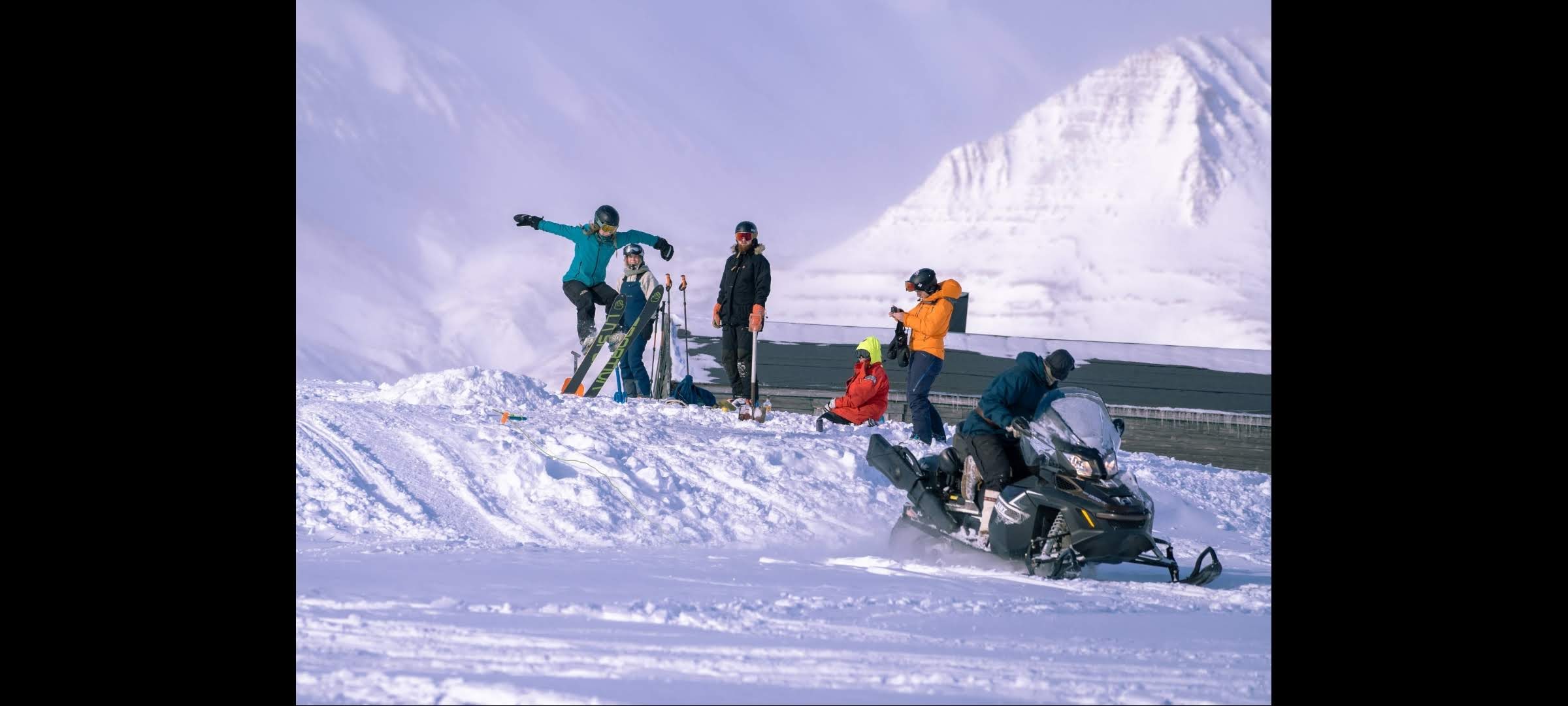
My attempt in ski jumping competition during some Easter games on an Easter break cabin trip
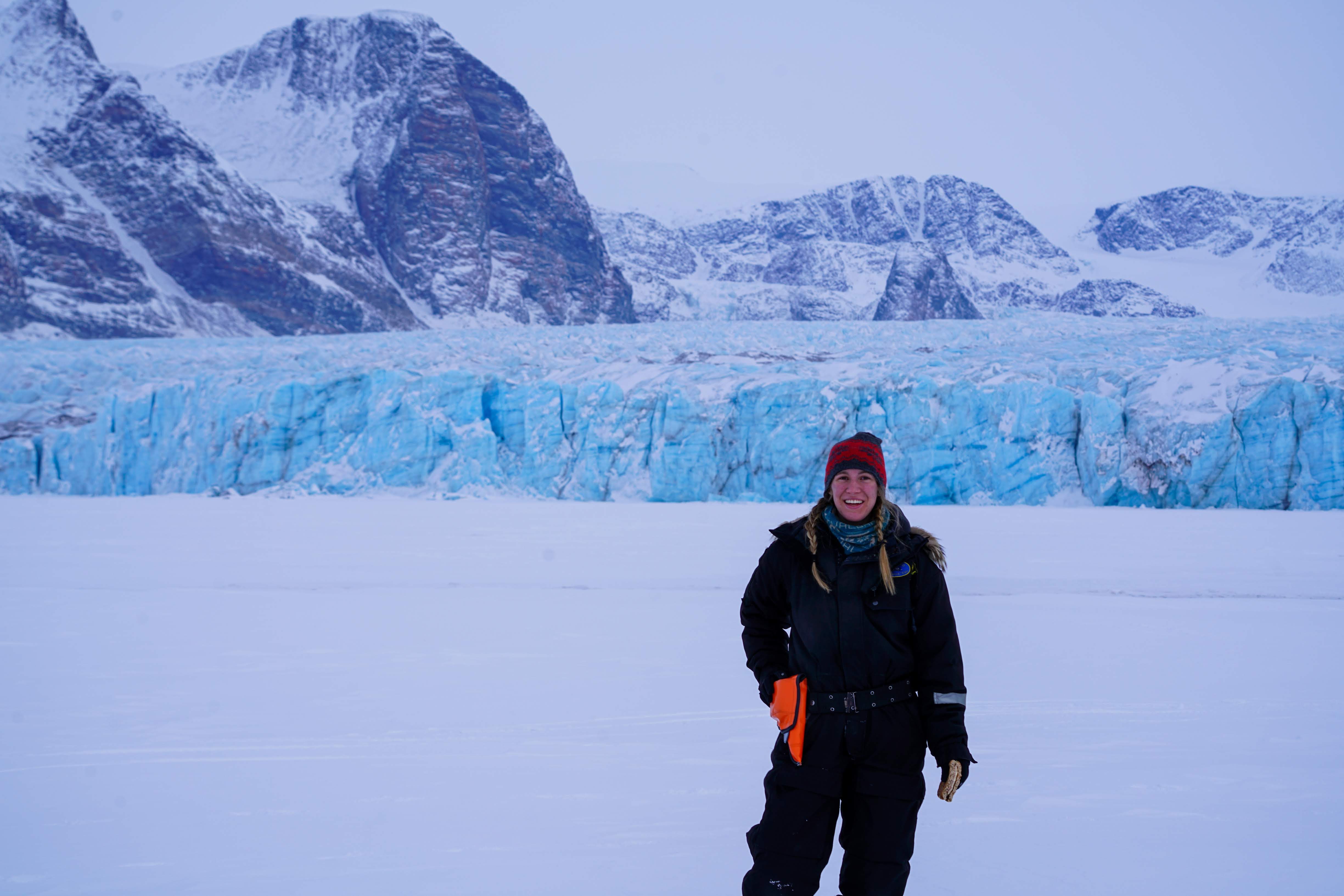
Exploring the glaciers of Svalbard during Easter
Checking out an ice cave
Me and a group of Scandinavians on a ski-camping trip, also during Easter break

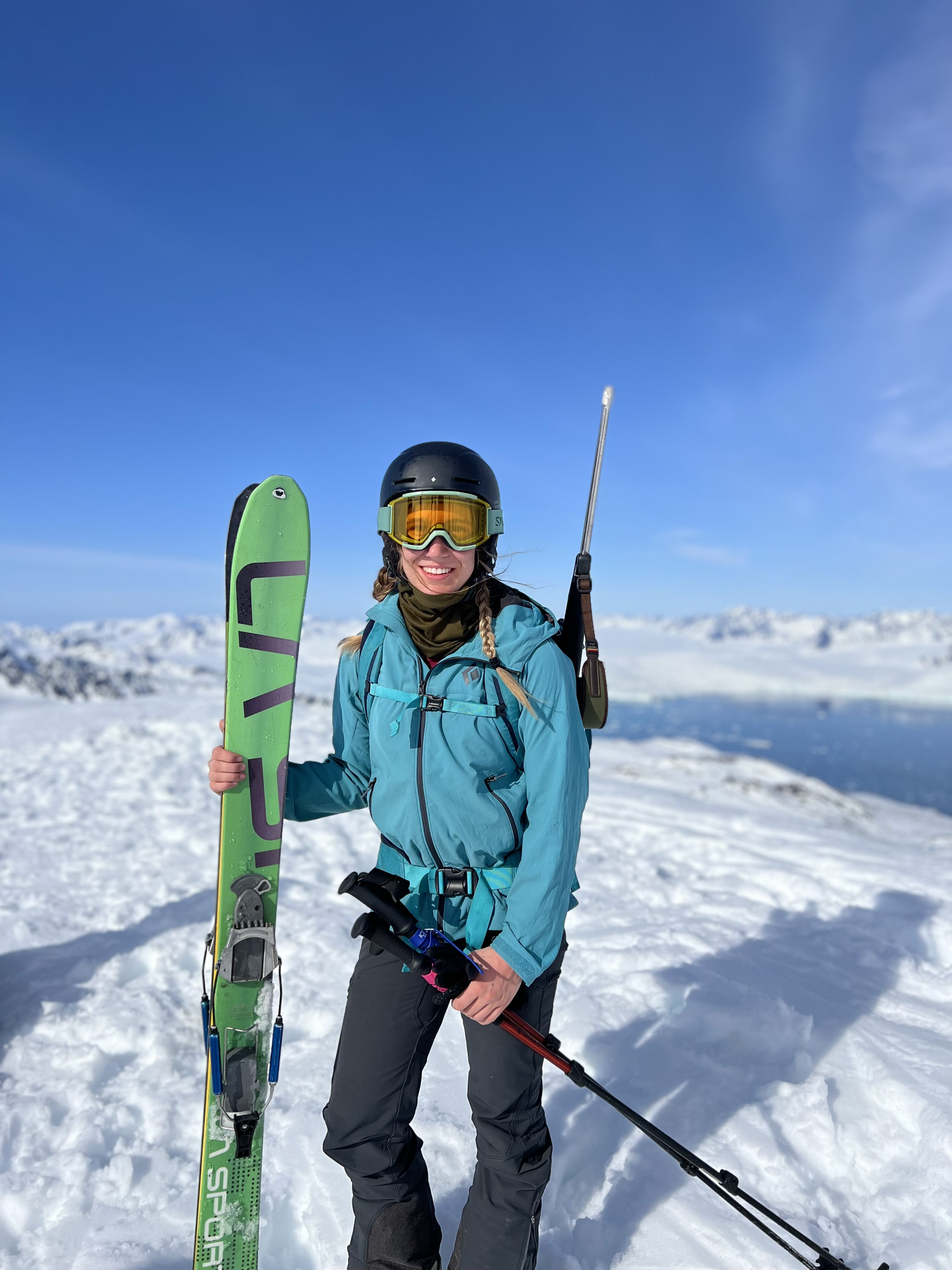
Living in Svalbard strengthened my leadership skills by requiring me to learn new skills quickly to remain safe while on field work and recreating in a harsh environment with people from different cultural and linguistic backgrounds. For my Research Project in Arctic Biology course I spent days at a time in a remote cabin recording reindeer behavior with a research partner.   This required rifle training, snowmobile practice, cold weather safety, logistical paperwork and communication, and reading lots of scientific papers. Learning these new skills helped me build confidence, practice teamwork across language and cultural barriers, and apply my problem-solving skills to unfamiliar contexts. I worked with professors and doctoral students from around the world who work in Arctic Biology, environmental management, and climate science, who served as academic and professional mentors.

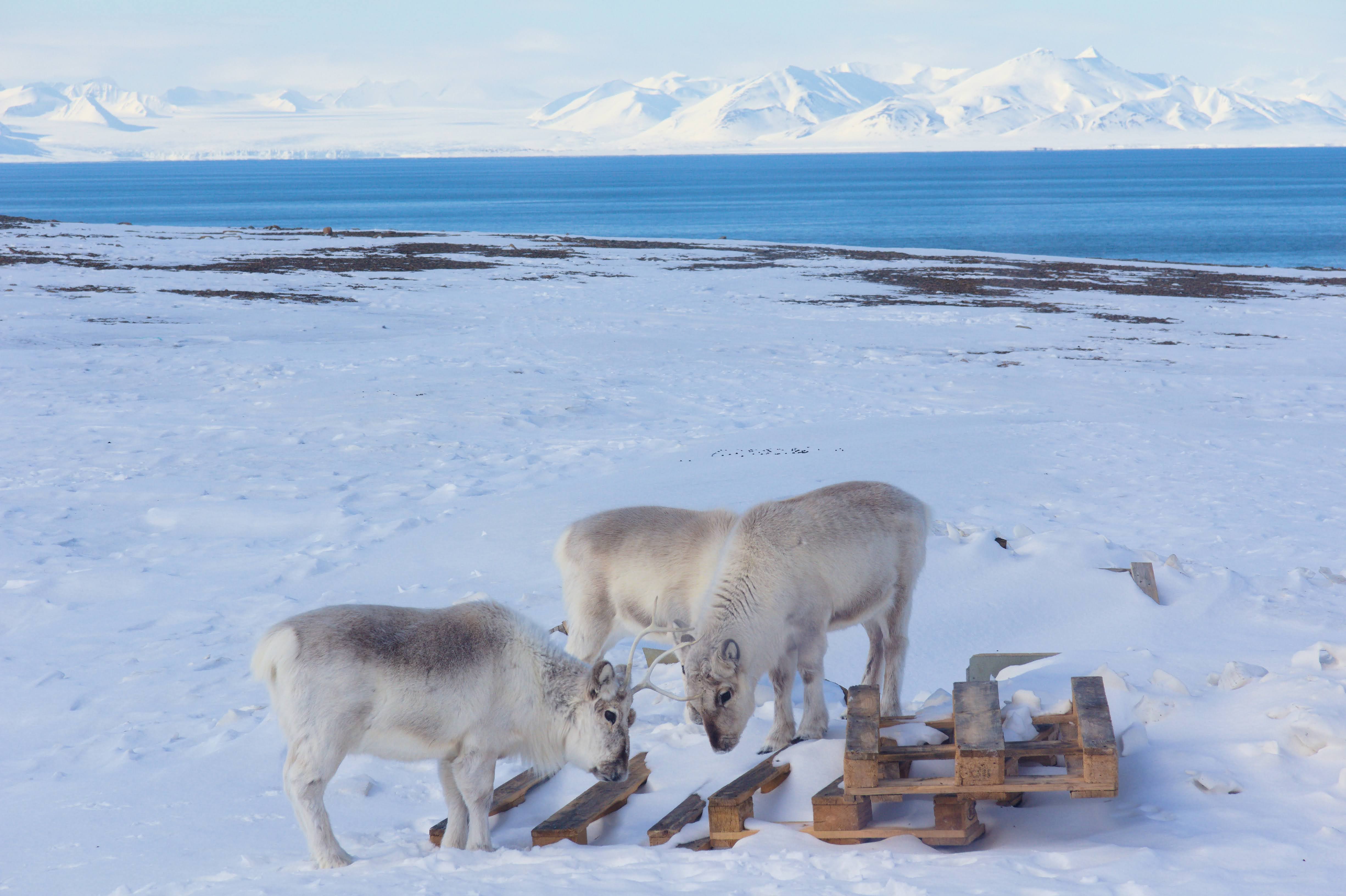
Three female Svalbard reindeer rubbing antlers playfully as we watched from a cabin during field work.
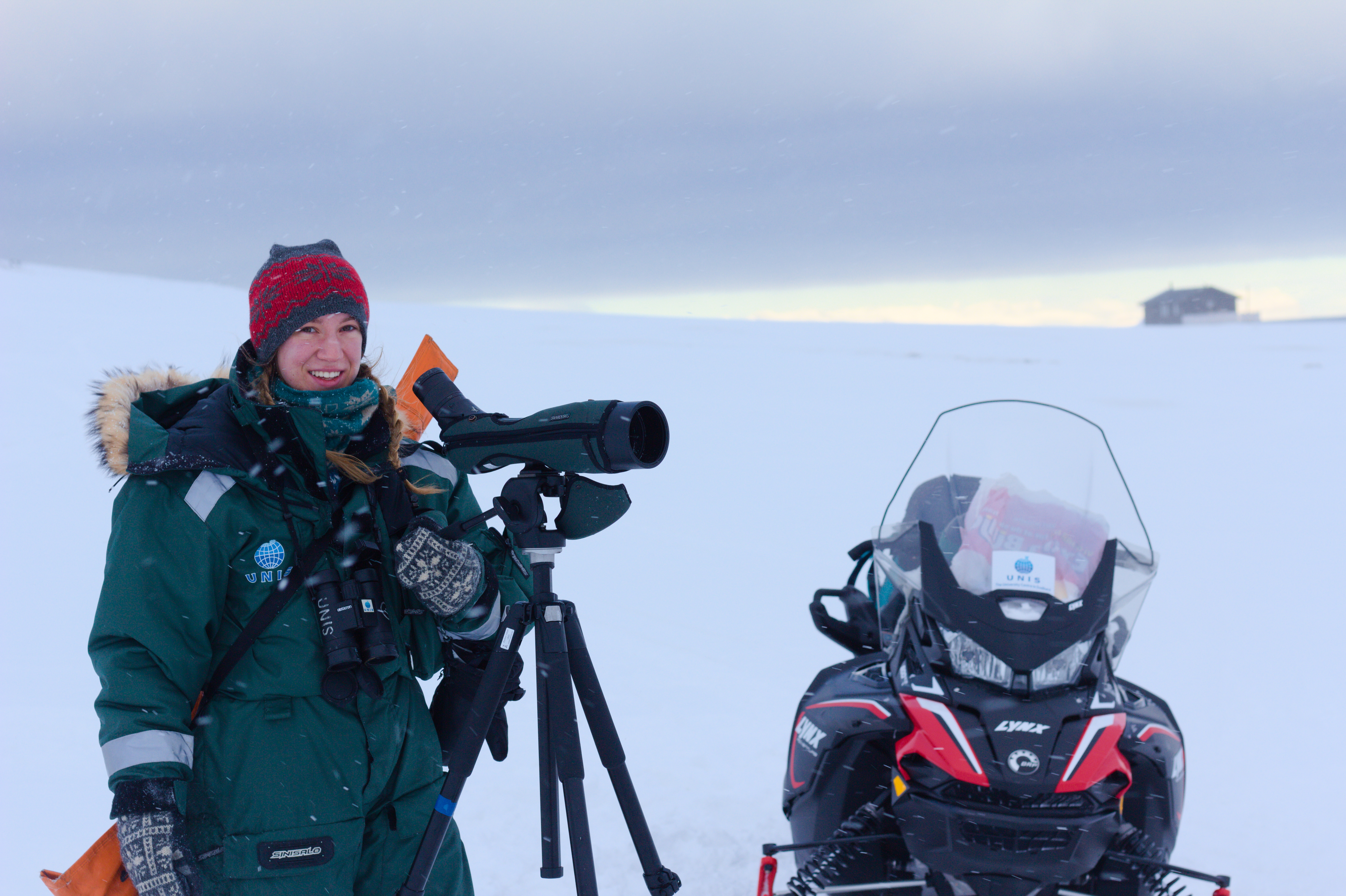
A glimpse into some of the gear required for field work in Arctic conditions in March

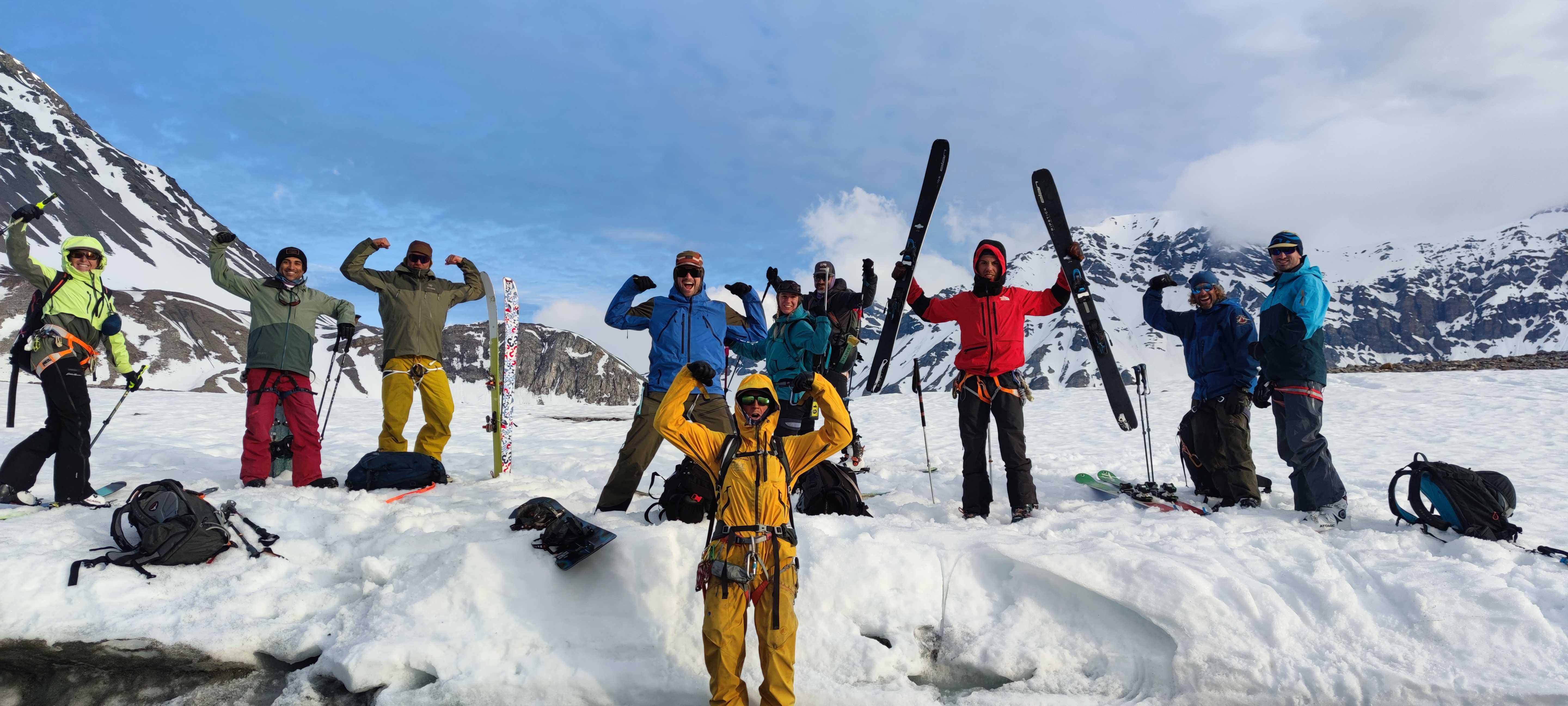
At the end of my semester abroad I was hired as a polar bear guard on a ski and sail expedition to Northwest Svalbard with the guiding company, Ice Axe Expeditions. I carried a rifle to protect 8 people from polar bears during daily ski tours. I gained access to high quality mentorship in mountain guiding and used leadership skills in a high consequence environment.

Getting ready to ski down Dronning Mauds Fjell, a mountain in Northwest Svalbard, as a polar bear guard on the ski and sail trip
The ski and sail crew after landing for a ski tour

This beyond the classroom experience made me wonder what I can do to help more people from diverse backgrounds get access to mentorship in science, the outdoors, and with technology. I also questioned what level of human interaction can be justified in sensitive environments and how to ensure a positive human impact on a given ecosystem. I am also curious how environmental management decisions can include the voices of all people inclusively while also being timely. Finally, I wonder what role technology plays in the management of human impacts on the environment and how to make this role a positive one.

Aquatic Microbial Ecology at the Flathead Lake Biological Station

This summer, I had the opportunity to take Aquatic Microbial Ecology at the Flathead Lake Biological Station. It fit perfectly into my global theme of resources and sustainability. As a terrestrial wildlife biology major, I don’t spend a whole lot of my time in my classes learning about water. This class gave me insight into how complicated and special aquatic ecosystems are, and also how important they are in the ecosystem web. My challenge is about how we should monitor ecosystems to prevent further destruction from climate change and invasive species. 

Before taking this class, I mostly thought about the cycling of the land – how the earth gives nutrients to the plants, how plants give nutrients to animals, and so on. I knew what water was important, but I didn’t know just how important until I got this field experience in the Flathead Watershed. 

The class started with us learning about how water health is measured. There are countless things that you can look at in an aquatic ecosystem: pH, biomass, chlorophyll, nitrite, nitrate, ammonia, phosphorus, etc. To see how the ecology of lakes differ, the class went to Echo Lake, Swan Lake, and Flathead Lake and tested at all different depths. After our water collection was done, we brought the samples back to the lab and tested for a variety of factors, then compared them in projects. We found that each lake had its own unique profile. Echo Lake, which is fed by groundwater only, had massive amounts of chlorophyll. The Flathead had an immense curve in nitrogen as you descended through the depths due to the amount of organisms in its surface waters.

When I started this class in June, Montana was experiencing a surge in flooding due to heavy rainfall. All of the lakes in the area pushed at the edges of their shores; in some cases, it drove people out of their homes for several days. The rivers were bloated and overfilled to the point where you couldn’t see people’s docks. Both the Swan and the Flathead lakes are fed by snowmelt and glacial runoff that form into rivers. The lakes had a unique “belt” of silt and dirt at the depth at which their respective rivers fed into them. We could see in our data that the flooding changed the normal ecology of both lakes. They were being mixed and turned over in a much greater capacity than they normally would. Even in our two week class, we saw the effects of climate change on aquatic systems in our own home state. This has given me a new diverse perspective on what it means to monitor ecosystems. We need to all work together and fit the pieces together from many different places in order to get a full view on how climate change is affecting our world.

From a leadership perspective, this class taught me that there is an immense importance in working together. As a future terrestrial biologist, I will have insights into how the land is doing when it comes to climate change. I will have to work together with marine biologists and limnologists on how their part of the world is doing so we can present a full review of just what climate change is doing, and how we can fix it as a group of people. Togetherness will play a key role in how we work to combat climate change in our world. It will involve many different parties, and a keen ear and willingness to listen, then implement is paramount to our success as biologists. 

An American in Ireland

My GLI Global Theme and Challenge is Culture and Politics, which studies the beliefs, practices, and traditions of certain societies and how those beliefs, practices, and traditions continue to shape societies as a whole. My GLI Global Theme and Challenge of Culture and Politics relates to my study abroad experience in Ireland because the rich history of Ireland makes for a rich cultural and political atmosphere. Ireland’s history is steeped in culture and politics, from sports, food, and drink all the way to religion and rebellion. If there is one place to study Culture and Politics outside of the United States, Ireland is the place.

One reason I am grateful for my time spent in Ireland is because of what I learned along the way. While in Ireland, I learned Irish culture is closely related to American culture in several ways. First, the values of hospitality and generosity present within the Irish people remind me of the hospitality and generosity of the American people. Second, the gorgeous landscapes of the Irish countryside, such as the Cliffs of Moher and the Giant’s Causeway, remind me of the beautiful mountain ranges in Montana and surrounding states. Lastly, the Irish economy’s strong combination of agriculture and industry reminds me of America’s strong combination of agriculture and industry, with rural regions focusing on agriculture and urban regions focusing on industry. 

Though I believe the American and Irish cultures to be more similar to one another as opposed to more different, I still learned about some differences during my stay in Ireland. For example, the sports scene in America contrasts to that of Ireland primarily because the countries tend to play different sports from one another. The most popular sports in America are football, basketball, baseball, and hockey, while the most popular sports in Ireland are Gaelic football, hurling, rugby, and soccer. One piece of America that I missed the most was the sporting events, such as the Super Bowl and March Madness, which I was not able to watch live due to the seven hour time difference. 

Also, the American and Irish cultures are different because the terms “Catholic” and “Protestant” still tend to be strong identifiers for churches and individuals in Ireland–though not quite as strong in the past decade or two–while in America, the same terms are treated with somewhat less significance. There is not nearly as hostile an attitude amongst Irish men and women of different faiths as there once was, yet there remains a small and nearly unnoticeable division under the surface, which served as a new experience for me.

Overall, my experience influenced my understanding of American culture and Irish culture because my appreciation for both cultures was heavily reinforced. I am proud to be an American and I am grateful to live in America, and my experience outside of America reminded me of the values I hold dear and all that I have back home. In addition, I am proud to be an American of Irish heritage, and my experience in Ireland drew me closer to the lives of my ancestors and helped me understand all the sacrifices they made to ensure better lives for their descendants. I have always been a proud American of Irish heritage, and as a result of my experience in Ireland, I always will be.

Limnology and The Flathead Lake Biological Station

The time I spent attending Lake Ecology at the Flathead Lake Biological Station (FLBS) has outlined my global theme and challenge very well while being a part of the Franke GLI program. My global theme, resources and sustainability has proven to be directly related to lake ecology and limnology on the basis of water being one of the most abundant resources on earth, but freshwater being one of the most scarce. This brings me to my chosen challenge of water availability, cleanliness, and overall ecosystem health. 

When I first arrived at the FLBS, the Elmo 2 fire was engulfing the West side of Flathead Lake. Fire retardant agents filled with nutrients were of immediate concern to me as I watched the purple and red hued gasses falling from planes darting quickly and close to the water’s edge. As my two weeks progressed I learned how nutrients filter through aquatic ecological systems based on the ecological efficiency of the area you are reviewing. Luckily there are many precautions in place to ensure very little runoff from fire retardants makes it into water bodies within close proximity. The Flathead lake is actually a very nutrient limited limnological system, which is apparent when one notices the crystal clear water quality. I feel lucky to have experienced first hand the beauty of the Flathead while at the same time witnessing a human induced disaster billowing across the horizon because of the perspective it gave me on the amount of change a single stochastic event could have on such systems whether they are resilient or not. Freshwater ecosystems are the home-base of much of the primary production of the West when you begin to look at the trophic food chain beginning with algal photosynthesis making it an incredibly important resource to maintain sustainable nutrient filtering and trophic efficiency. 

Regarding leadership, I have found that it is important when working out in the field to maintain a level of leadership for your own safety and productivity, as well as the groups. Being able to find the balance between speaking up and listening during preparing for a field trip, collecting samples, or sorting through data is indeed a leadership skill I have become more comfortable with. In my opinion everyone in my class was a leader in some form during the duration of this two week course, and once this dynamic became the norm, we all worked much more efficiently. 

One of the most memorable moments I had during my time at the FLBS was witnessing the first sediment core being taken from the Flathead. This core was somewhat difficult for the scientists to extract due to winds, lack of suction, and weight variances of the messenger which knocked the core into place. With this sample, we can possibly look five hundred years or more into the past and decipher the different events that contributed to differing sediment layering. FLBS offers incredible opportunities for students, interns, and the community. My only regret is not taking more credits on station this summer. I want to thank everyone who made this happen for me in the GLI program, especially Bill and Carolyn Franke and the whole Franke family. Hopefully I can come back and conduct some of my own research one day! 

England Experience!

I had the opportunity to complete my Beyond the Classroom experience in Preston England at the University of Central Lancashire. My time abroad greatly contributed to my understanding of my global theme and potential capstone project. The global theme I choose is culture and politics. A prospective challenge that my group and I want to explore is the differences in pay and experiences of women compared to their male counterparts in the University of Montana faculty system. Through my Beyond the Classroom experience I was able to take two courses that relate to my theme and challenge. The course I took that related to my theme was Cultural Communications which covered content relating to the different aspects of culture and how culture can vary from place to place. This course reviewed the ins and outs of culture and specifically how to analyze and better understand new cultures. The course I took that related to the prospective challenge was Diversity, Crime, and Justice. While this may not seem like it relates to the challenge in the grand scheme of things it actually does. I was able to learn about different diversities, especially how being someone who identifies as a woman, can unfortunately enhance someone’s interaction with crime and injustice. Learning the background of various diversities individuals face in life has better equipped me to contribute knowledge to our group for our capstone. Outside of coursework I was able to gain insight into my theme and challenge through my experience by immersing myself into the English culture and visiting different countries to learn firsthand about their cultures. 

I definitely have a better understanding of the diverse perspectives relating to my theme and challenge of culture and politics. I have gone abroad before and experienced different cultures but never with the knowledge I have gained from FGLI and its related courses. Through the various courses I have taken for FLGI along with the course I took while abroad, Cultural Communications, I have been able to utilize this knowledge so that I can better understand diverse perspectives and cultures. Living in and traveling around Europe has taught me that just because the countries are close together geographically does not mean that their cultures are in any way similar. Each and every country that I had the privilege of visiting was completely different from one another. From the laid-back lifestyle of the United Kingdom to the socially busy and interactive lifestyle of Portugal I have experienced a wide variety of cultures. My Beyond the Classroom experience was exactly what I needed to have a real-life example of the variety of cultures in the world and how understanding these cultures is highly important to finding the solutions to the world’s problems. 

Studying and traveling abroad by yourself is a great test for anyone`s leadership skills and it definitely put mine to the test. Being alone in a new country is a huge challenge and one that I found to be fun to tackle. While at times being alone was scary it also provided me with the great opportunity to use my leadership and problem-solving skills. I was able to utilize what I have learned from the FGLI retreat and other courses about my leadership style to interact with new people from other cultures with minimal stress. While in the states I usually have no problem taking the lead in situations things are different in other countries, so I worked hard on being the same person who can take charge in a challenging situation. I encountered many travel hiccups during my time in the United Kingdom and by utilizing my leadership skills I was able to navigate and find solutions to many of my travel issues.  

My time in Germany

If you would have told me a year ago that I would have spent the next eight months in Germany studying abroad, I wouldn’t believe you. I had planned to study abroad in Spain for years; I’ve enrolled in Spanish language courses for the past six years, I’ve read about the country, and even acquired a Spanish visa. If I’ve learned anything over the past two years, it’s that no amount of planning can prepare you for life’s curveballs. Due to COVID-19 restrictions, I was unable to study abroad in Spain, and in less than a month decided to switch schools to enroll at the Technical University in Dortmund, Germany. It was one of the best things to ever happen to me.

In GLI, my global theme has been “Culture and Politics”. During my time in Germany, the country held a nationwide election to replace Chancellor Angela Merkel who held office for sixteen years. Exposer to their political system and election process felt otherwordly to the American way. In my experience, the election wasn’t all-consuming to their day-to-day life; the candidates were serious and well respected, while the people took their role to elect a new chancellor very seriously. A multi-candidate race was embraced with a “first-past-the-post” method of electing their candidates making every vote essential.

The project I worked on with my capstone group centered around countering misinformation. Germany takes a unique approach to solving this problem. First, the country is very serious about fact-checking their candidates and limiting hate speech. For example, it is illegal to deny or downplay the Holocaust in Germany. This approach led to the vast majority of their country moving through the democratic process seamlessly. It was impressive to be reminded of the principles and importance of the electoral process and to see ways in which our country can improve.

My time in Germany was unforgettable. The election process was relevant to my GLI courses, but my experience in a new country, meeting new people, and seeing new places is what will shape me the most in my life. I am so grateful for the opportunity that I had, and the memories I will keep with me.

Resilience in the Most Unequal Country in the World (South Africa):

A non-profit organization in South Africa found that the youth in their programs had experienced 8 highly traumatic events each year in comparison to the UK/US average of 4.8 per lifetime. Childhood trauma is something that can alter the trajectory of your life leading to mental and physical health concerns. My global theme is Public Health, and as a social work student, childhood trauma has been an interest of mine. Here in Cape Town I was exposed to more than I could have ever imagined – with this, I also met some of the strongest children ever.

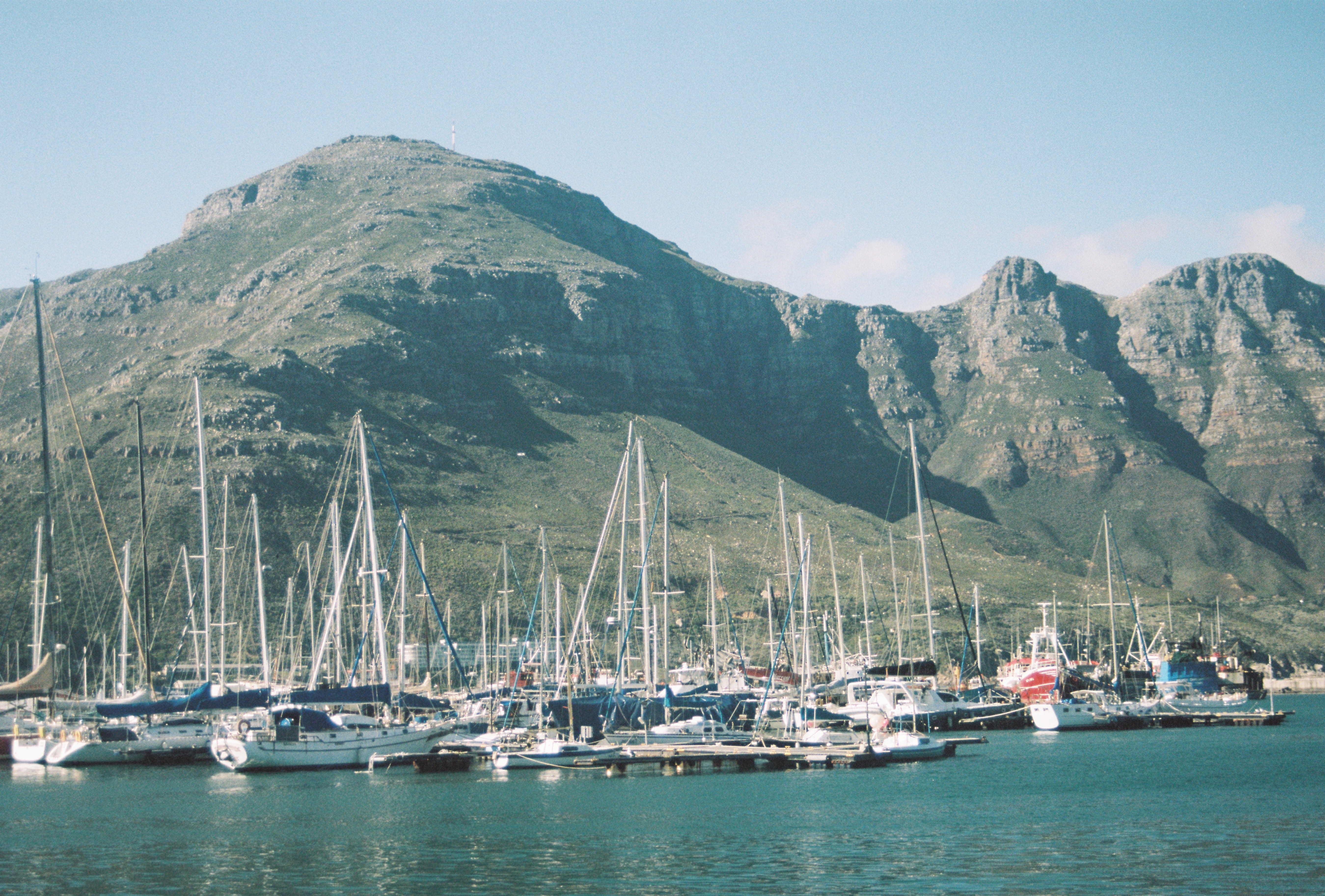
I work in communities 30 minutes away from Cape Town called Hangberg and Imizamo Yethu. They are communities nestled in between the beautiful mountains of Hout Bay. Hout Bay is a bustling fishing community. Hangberg is a coloured community and IY is a black community referred to as a “township.” Both are largely informal settlements made of aluminum, brick, earth, and any other scraps. Both are in the same locations (and many of the same conditions) as they were during Apartheid.

I have been working at the James House, an organization that provides support for children, their families, and the community. I am working closely with a Social Worker named Jana. Her focus is mainly with the children in the Hangberg schools. For a while I had the opportunity to shadow her as she had sessions with children and parents who were struggling with various issues. The communities are suffering with high levels of school dropouts, gang activity, drug and alcohol abuse, violence, neglect, hunger and malnutrition, sexual and physical abuse, and more. I also assisted Jana with organization, filing, paperwork in the office, created a couple lessons for teachers, and sat in on some group sessions.

This last month I was able to begin doing my first real individual sessions! The sessions were with high school students identified as “high risk” and in need of support. The sessions ranged from 10 minutes (with the more shy kids) to 45 minutes with others. Since this was the first interactions most of them had had with the James House, my focus was on discussing things they enjoyed, strengths of theirs, dreams they had, and more positive things. These kids are often bombarded with what is wrong about them and their lives, rarely to they get the chance to consider the good.

In Hout Bay, trauma is often generational and sometimes never addressed. Children experience pain that no human should ever have to endure. And in communities as tight knit as Hangberg and IY, trauma never touches just one person. But despite all the pain, this community remains the most resilient group of people I have ever met. When I first stepped foot into the school in Hout Bay, I was struck by how lively and joyous the children were. They played together and laughed, some of them running up to me (a clear new person) asking me questions about America. During some of the sessions I was honored that some children would share serious things with me – many were very open and honest. I was also impressed with their ability to find the silver lining in the bleakest of circumstances.

In fact, it is often the hardship and frustrations caused by the government that can tie people here together (and trust me there are many frustrations). For instance, while here I experienced “loadshedding” which is when the electricity gets shut off from 2-16 hours a day. Everyone shares the misery and helps each other out how they can.

When people search South Africa online, they get flooded with articles about violence and inequality. Headlines never address the extreme resilience people here have. The vast majority of people here are giving, supportive, and welcoming. I feel it is easy for first world countries (like the US) to look down at South Africa and criticize. When in fact our country too leaves its people out on the streets and suffers from gross displays of racial prejudice.

Coming to this country in a place of privilege, I had the opportunity to see and do the things that only the top 1% usually get to experience. Working at James House gave me a window into what the rest of the country’s experience is and the hardship they face. I feel so incredibly honored to have been able to learn from the people of South Africa.

Hout Bay

Ireland Experience

My time in Ireland was an experience I will remember for the rest of my life. My global theme is “Culture and Politics.” My time in Ireland better informed me on this topic because of the tense relations with the UK, and immigration in Europe. I also learned more about the most powerful political systems other than the US living in Europe, and close to the UK.

My experience taught me more about life in the USA through the people I met, and through my experiences in and outside the classroom. I had one roommate who grew up in Russia, and another from China. Those superpowers are often at odds with the US, so it was interesting to hear their perspectives of my home country, and learn about how they grew up and how they hoped to live in the future. In the classroom, I took a class called Politics of Northern Ireland which was so insightful and sparked my interest in the normalization of otherism in a community and how it can make that overall community less prosperous and accepting. I also took multiple non-required Irish Culture classes such as Irish archeology.

My time in Ireland also helped me to develop as a leader. It was an interesting social landscape to navigate. I went straight from Ireland to an internship in DC and was able to transfer my knowledge to a very different situation. I learned to be sure of myself and to know when to bend and when to assert myself. I also learned to find my people and empower them and myself rather than changing to fit in with the larger group.

Some questions I have now are mostly related to what it would take to live full-time in the UK or Europe, and what my future education looks like as far as a master’s degree or working.

Mental Health: Exploring Mental Health Through Art Therapy

Unlike many members of the GLI family who go abroad, I chose to complete an internship locally (Polson, MT). For my internship, I shadowed Erika Weber, a licensed clinical social worker (LCSW). Erika works with her clients using various forms of therapy, but one form that especially caught my interest was art therapy. Before I reached out to Erika, I already had a small interest in art therapy and little knowledge on how it worked and what benefits came with it. However, being that I major in psychology and minor in art, art therapy has been on my radar for potential career options. Before knowing what I wanted to do for my internship I knew I wanted to complete it locally and shadow someone who specializes in therapy for mental health. This is where I came across Erika and Boule Sophia LLC. Through Psychology Today, I found a description of Erika’s work and that she practices independent from an agency. While working privately, Erika created Boule Sophia LLC, which translates to ‘Counsel Wisdom.’

During my internship, I sat in on a few therapy sessions with Erika’s clients. Because of how private therapy is in nature, Erika had clients who felt comfortable with an intern sitting in sign a consent form and additionally give Erika verbal consent. If a client ever felt uncomfortable with me present, I would leave. In addition to the consent form, I was forbidden to discuss any specific details about clients, such as age, name, or place of work, etc. Basically any identifying factors that could potentially out a client. This is all protected under HIPAA. This is also why I won’t be posting any photos. While sitting in on therapy sessions, I was permitted to take notes. Erika taught me how she, as a LCSW, takes notes. When taking notes, I would write about body language (crossed arms, shaking, touching or messing with nearby objects, etc.), mood and affect (affect being that a client’s mood matches their expression. For example, a client expressing they’re sad and crying. Affect and mood don’t always match. A client can say they’re sad but be smiling, affect does not match mood), memory (if they can retain past events), and orientation (this includes awareness of where they are, awareness of the situation they are in or why they’re in therapy, and diagnosis). Other than taking notes, Erika and I worked on creating a therapy group which focused on self-care and the betterment of women while using art therapy and exercise. Each week had a different exercise along with an art therapy activity that fit with the exercise and theme of the week. For example, one week would be focusing on mindfulness. The exercise for that week would be yoga and the art therapy activity would be a soul collage. Another week would be self-care, which would be creating an inside me outside me mask (how we perceive ourselves inside the mask vs how others perceive us on the outside) and cardio. In some sessions, Erika utilized art therapy. For example, a client was in distress. Erika introduced them to sandtray therapy, which is a form of art therapy. The client would run their finger through the sand, or mold it into shapes while continuing on with the session. This was proven to work for the client as it began to calm them down. Another client created a collage using images and text that resonated with how they felt towards their spouse. The client would then create another collage of their spouse at a later time. The two collages were starkly different, one even containing bitter words such as control.

As previously noted, Erika practices privately. I learned that there are many steps to begin practicing privately. Firstly, it is important to have your degree as well as a business license. After that, signing up for multiple health insurances is important. Not every client has Medicare or BlueCross. Some health insurances are easy to sign up for; however, some require additional information and specifics of what therapy you’ll be providing for your client. After sessions, health insurance is important because this is how you’ll bill the client and receive payment unless the client pays themselves. It’s also important to have plenty of money saved up once you begin to practice privately. Some health insurances take months to mail or fax you your payment. Additionally, they may even take a few dollars off your payment depending on what type of payment they give you (typically when given cards). Lastly, getting your name and services out there. This could be placing an online ad or making cards and handing them to hospitals and other therapists. Additionally, developing relationships with hospitals and other therapists helps you gain clientele as they can refer clients to you. Practicing independent from an agency comes with its pros and cons. Firstly, the pros. Pros include creating your own schedule, taking on clients when it best works for the client and you, having flexible hours in case a client has an emergency session, and deciding whether you want to rent a space or work from home. While there are pros, there are also cons. Cons include no internet connection. Erika provides therapy in person and also online through Zoom, BetterHelp, and Telehealth. If Erika or a client cannot connect to the internet, then the session cannot be held. More cons include privacy. Erika works from home and often has clients that visit her house for sessions. Occasionally her family is home as well which raises concerns for privacy. Practicing from home raises questions about safety. If a client is known to be harmful to themselves or others, meeting with them in-person can be dangerous. Recently, there has been a report where a therapist was tortured and beaten by their client during a session which took place in their own home. Clients who know where Erika lives could potentially visit her at any time, even during her off hours present problems and conflicting with the safety of her family. Unlike working for an agency, Erika does not have resources or materials for specific problems. For example, a client was struggling with alcohol addiction; however, Erika does not have the authority or resources to help out that client other than make a referral to an addiction specialist or place the client on a waitlist for rehab. Agencies on the other hand have those resources.

During my internship, I was presented with some challenges. The biggest challenge was actually the therapy sessions themselves. Clients who felt uncomfortable having an intern sit in on their session would have me leave, clients would often no call no show, and occasionally clients cancelled minutes before their session began. Some clients would run late, making their therapy session run slim if another client was booked afterwards. Erika has described having days where all but one or two clientele cancel, resulting in a major loss of income. Another challenge is how small of a town Polson is. The population is relatively small and you’re bound to run into a client outside of work. One thing I noticed was how there was a lack of mental health providers in Montana. Some of Erika’s in-person clients traveled hours just to meet with her once a week. Another issue I noticed were mental health stigmas. A client had been prescribed with Seroquel, which is often used as a mood stabilizer in low dosages. The client’s spouse had done some research and learned that Seroquel is also used as medication for individuals displaying psychopathy. The client’s spouse then came to the conclusion that the client was a psycho hence why she was taking Seroquel, not to stabilize their mood. This lack of knowledge or misconception spreads misinformation about mental health and further enlarges stigmas around mental health. Another stigma I noticed was that Erika’s clients were white and native women with a few exceptions. Generally, women report experiencing more mental distress than men; however, men do not always seek help for mental disorders. This could be deeply rooted in the old belief that men should not display emotions or seek help. Unrealistic gender norms create stigmas towards mental health.

Despite the challenges I faced, I learned a lot more about therapy. I learned how to deal with a client who has suicidal intentions, especially when in a rural area and / or when practicing privately. I also learned how to file and fill out a medical request relief form for a client who needs time off of work for mental reasons, so long as the client continues therapy. This is the first internship where I was able to sit in on sessions, as I had not done that prior. It was a lot more different than I expected. Some clients were difficult to get a response out of whereas some belittled or ridiculed Erika during a heated conversation. Towards the end of my internship I used some art therapy activities on my younger siblings. I utilized an art therapy card deck, which is used when dealing with clients who shut down, refuse to speak, or are overall difficult. The cards contain four subcategories, 1. control 2. responsibility 3. safety and 4. relationships and connectedness. Each card has a different art activity centered around topics such as mindfulness or how to better control anger / rage. Overall, my internship went well and I had connected with Erika and her clients. This internship was an opportunity for me to get an early look into what a potential career would look like for my interests and major. I would recommend my experience to anyone else interested in art therapy or learning the basics of practicing therapy privately.