From Tāmaki Makaurau to Piopiotahi: Envisioning Sustainable Futures in Aotearoa New Zealand 

Kia ora, hello! My name is Maiya, and I am a senior at the University of Montana studying Wildlife Biology with a Climate Change Studies minor and certificates in Nonprofit Administration and Global Leadership. For my Beyond the Classroom experience, I studied abroad in Wellington, Aotearoa (New Zealand) at Te Herenga Waka (Victoria University of Wellington). My Global Theme is Resources and Sustainability, and during my time abroad, I immersed myself in learning about New Zealand’s sustainability and climate goals and the history and culture of the Māori people. My classes at Te Herenga Waka covered a vast range of climate change impacts in Aotearoa and I furthered my learning outside of the classroom by having conversations with local people, visiting a diversity of natural spaces around the country, and experiencing the critical nature of having a connection to place. 

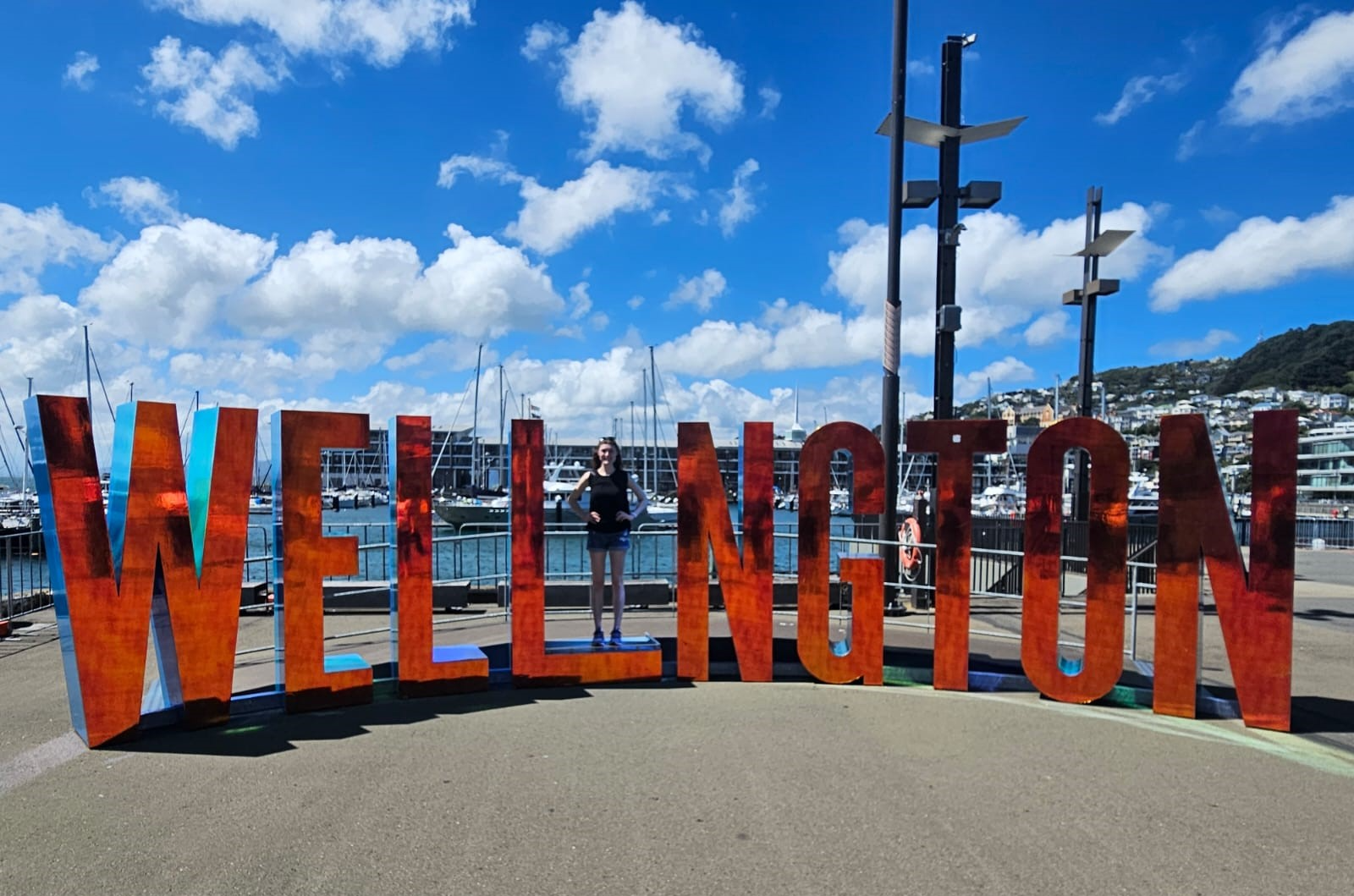
The famous Wellington sign in the country’s capital city.

New Zealand is home to tens of thousands of endemic species, meaning that certain plants, birds, reptiles, and other organisms are found nowhere else in the world. Being an island nation, Aotearoa also hosts a diversity of marine life, including dolphins, whales, seals, sting ray, fish, and marine invertebrates. Being from the United States which is not geographically isolated in the same manner as Aotearoa and not having had a lot of prior knowledge of endemic species, it was incredible to witness the plant life and wildlife that are Native to the country. Students and professors in the Ecology and Biodiversity Department at Te Herenga Waka nearly always refer to species with their names in Te Reo Māori (the Māori language). For me, this was a learning curve at first, as Indigenous language has never been a part of my education due to the systemic colonial thinking embedded in US academic culture. It was a beautiful and transformative experience to learn to speak about the land in Te Reo Māori. I will remain committed to decolonizing language and systems of thinking in my field of conservation, and I will challenge myself and others to continue to learn in this way, for it is so important to the knowledge of people, place, and our relationship to the natural world. I initially arrived in New Zealand thinking that policy would be my primary focus with regards to conservation and climate commitments, but came to be reminded of the importance of turning to Indigenous leaders for lessons in how we care for the Earth. From Pīwakawaka to Kererū, Ruru to Kārearea, and Kauri to Rimu, my time in Aotearoa expanded my understanding of the possibilities for the future of conservation and only made me love wildlife more. How can I continue to honor Indigenous tradition in my education, my career, and throughout my life? How does language shape the way we view the natural world and our vision for the possibilities of a future that exists in symbiosis with the planet?  

Hiking near Marlborough Sound outside of Waitohi Picton.

In addition to the unique wildlife and plant communities of the country, the geography of Aotearoa is absolutely stunning. Highlights of my time there include a weeklong bus trip across the scenic North Island with other students and solo travelers that took me from Tāmaki Makaurau (Auckland) to Te Whanganui-a-Tara (Wellington). Along the way, we stopped at the famous Cathedral Cove, Karangahake Gorge, Waitomo glowworm caves, Huka Falls, Tongariro National Park and Lake Taupō. I also greatly enjoyed my time on the South Island at the end of my trimester, as I travelled from Tāhuna (Queenstown) to Waitohi (Picton). Experiencing the splendor of Piopiotahi (also known as Milford Sound) on the South Island was one of the most magical moments of my time abroad because witnessing largely untouched and protected wilderness such as that is so extremely rare and precious. And of course, visiting a Kiwi bird rehabilitation sanctuary in Tāhuna is another special memory from the South Island. 

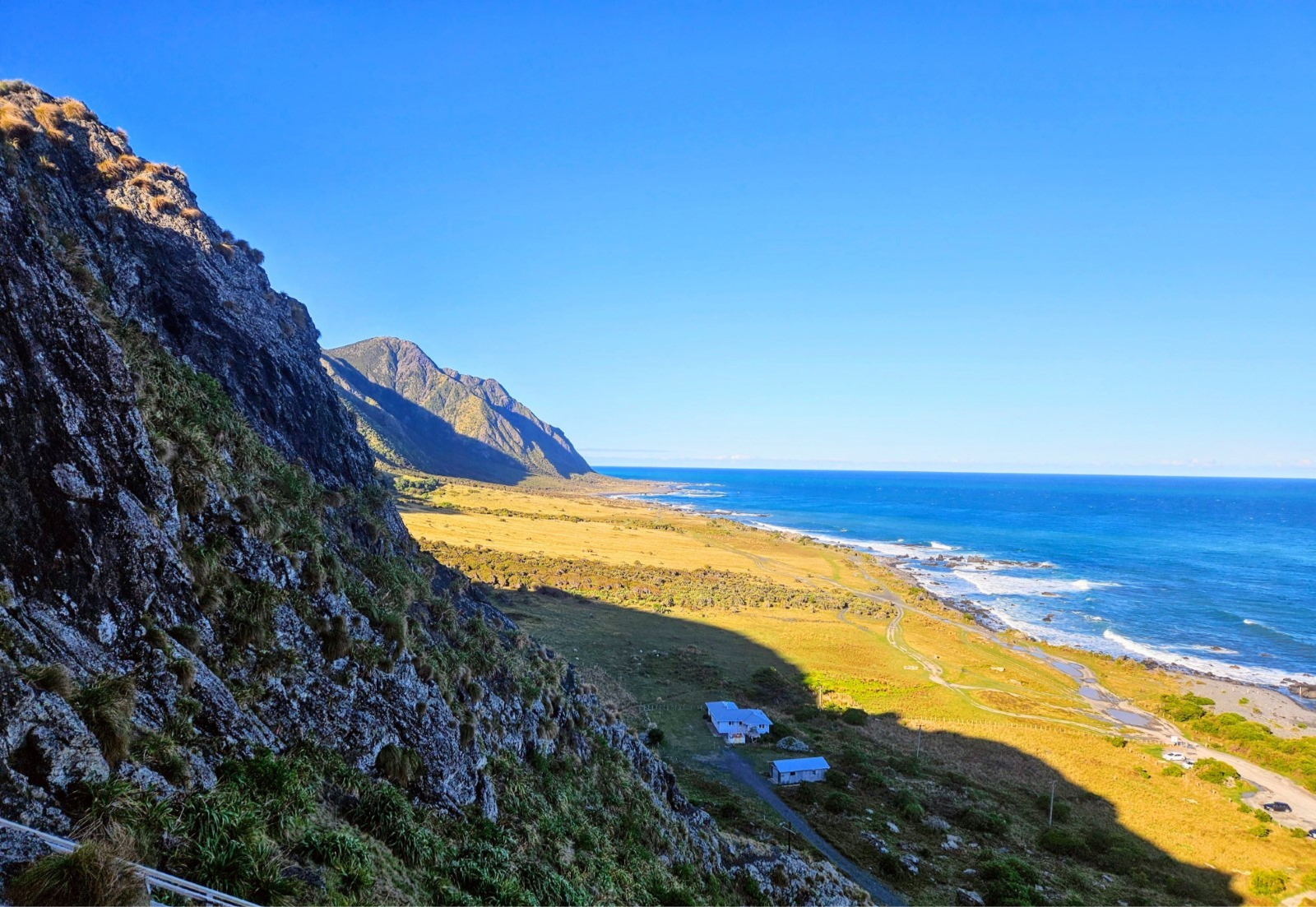
The southernmost point of the North Island at Cape Palliser, Aotearoa.

My time in Aotearoa challenged the way that I think and enhanced my ability to evaluate how language shapes our relationship to the world and each other. I met some incredible people who welcomed me to a new place with compassion, curiosity, and warmth, and for this welcome I will always be grateful. I found joy in learning about species I had never known, like the Tuatara, hiking to an eight-hundred-year-old Rimu tree and stumbling upon a huge Fur Seal community at the southernmost point of New Zealand’s North Island. I believe we should always learn from our local, national, and international neighbors with humility because there is a lot to know, and it is always worth taking the time to listen. I am tremendously grateful to the Franke GLI for helping to make this experience possible and for encouraging me to seek unique paths along my educational journey that open doors such as this. I look forward with great excitement to my next adventure.  

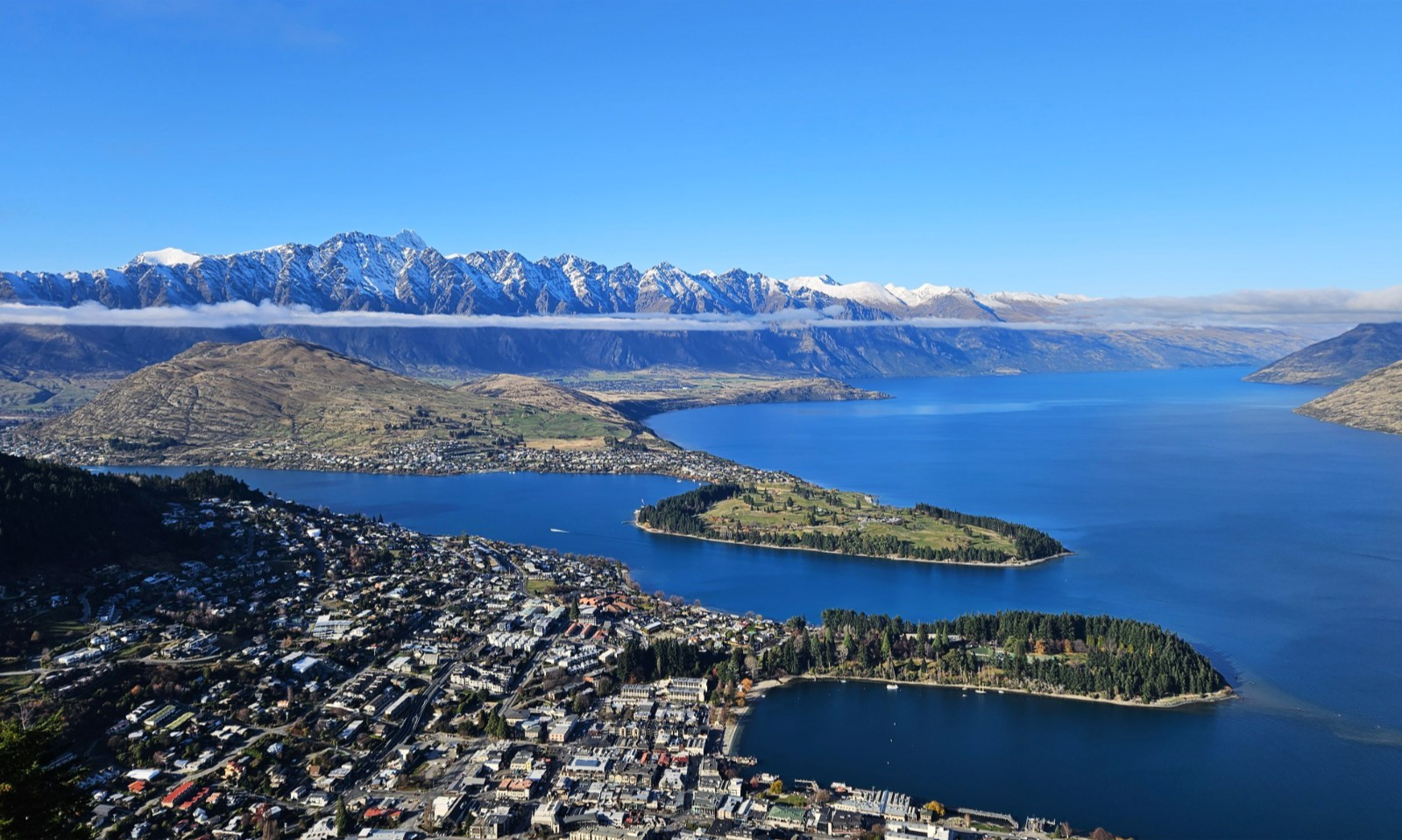
The Remarkables mountain range in Tāhuna Queenstown, Aotearoa.

My Semester in Athens, Greece

Hello Everybody!

My name is Hannah Davis and I’m a current senior at the University of Montana that is majoring in Theater and a minor in Music. This spring semester for my junior year, I went to Athens Greece for my Beyond the classroom experience. For four months, I have partaken a few gen ed classes, a theater class and music classes at the American College of Greece including a social inequality class for an approvement on my inequality and human rights topic for my global theme. Also, I was able to find a club that involved with womans rights and a foundation for woman to do fundraisers and show the empowerment of working together known as the American Woman of Greece.

Coming to Greece was a process to be experiencing air travel to another country and being able to get through to my next destination was worth it. I was able to meet my new roommates and I had great time getting to know them. It took me time to adjust being away from home and my roommate was so kind and respectful to what I was going through. Soon, the Adjustment became like a second home and that my roommates were like family.

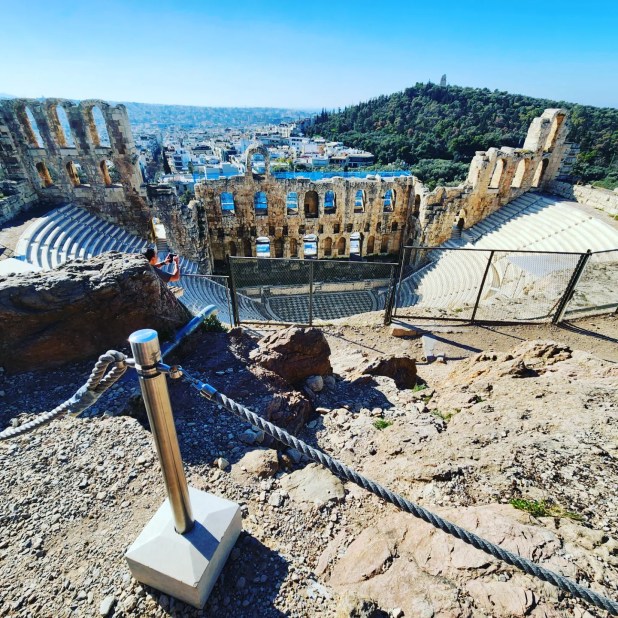
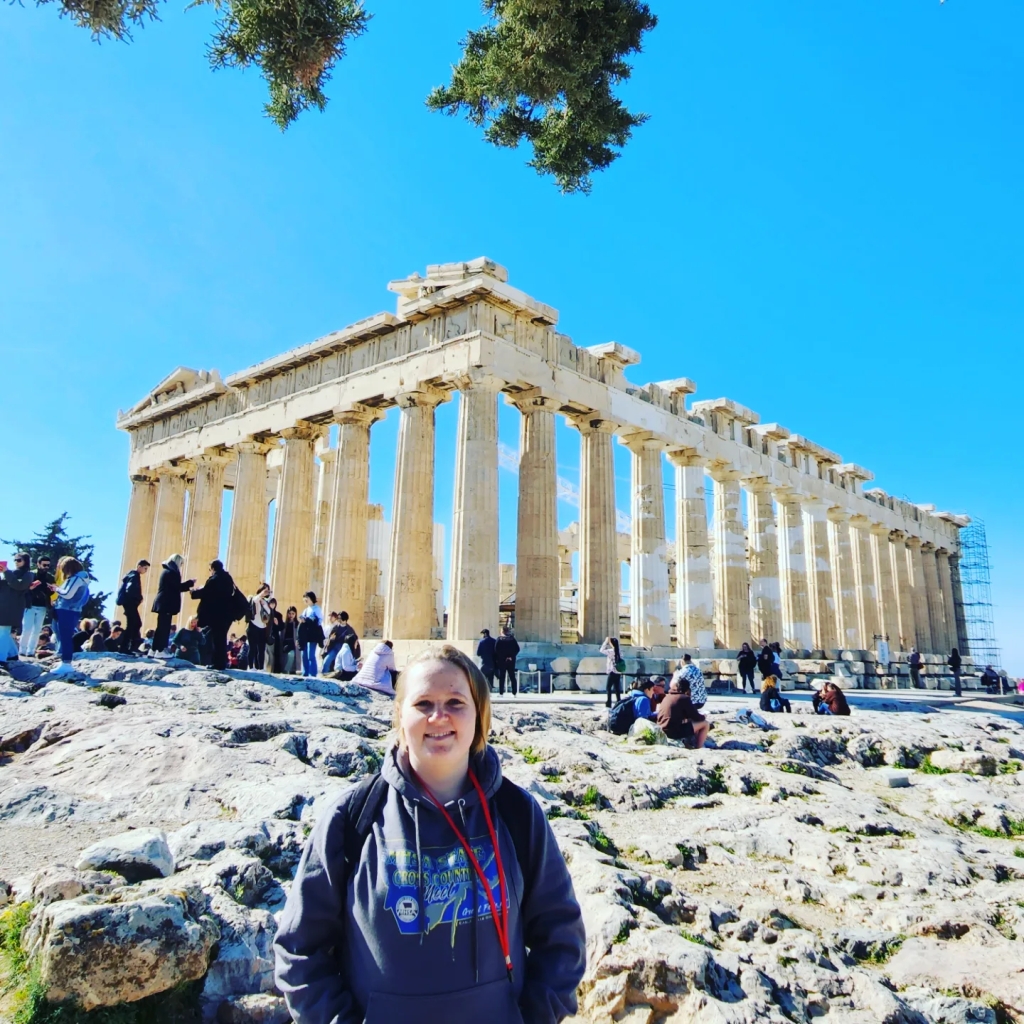
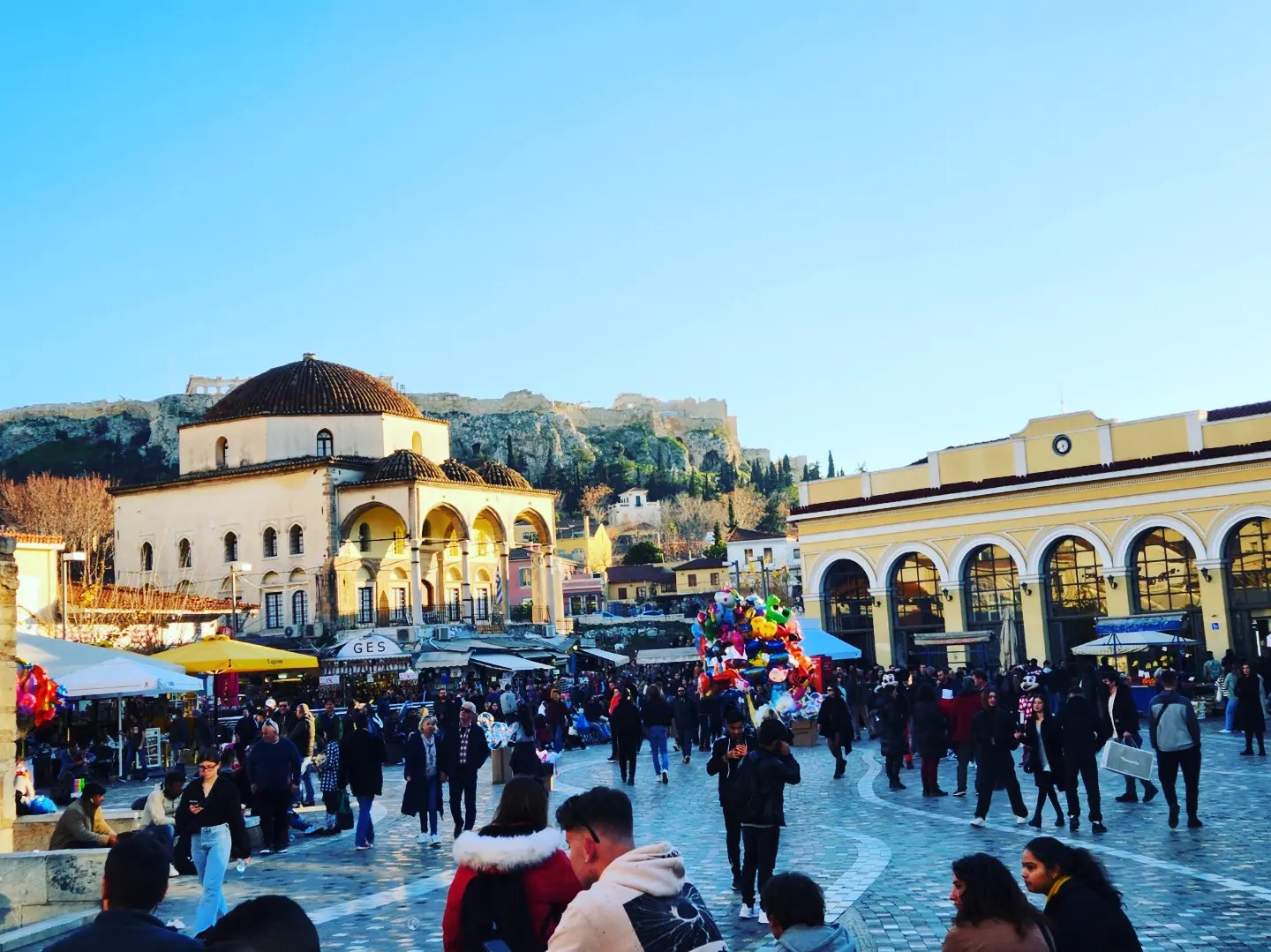
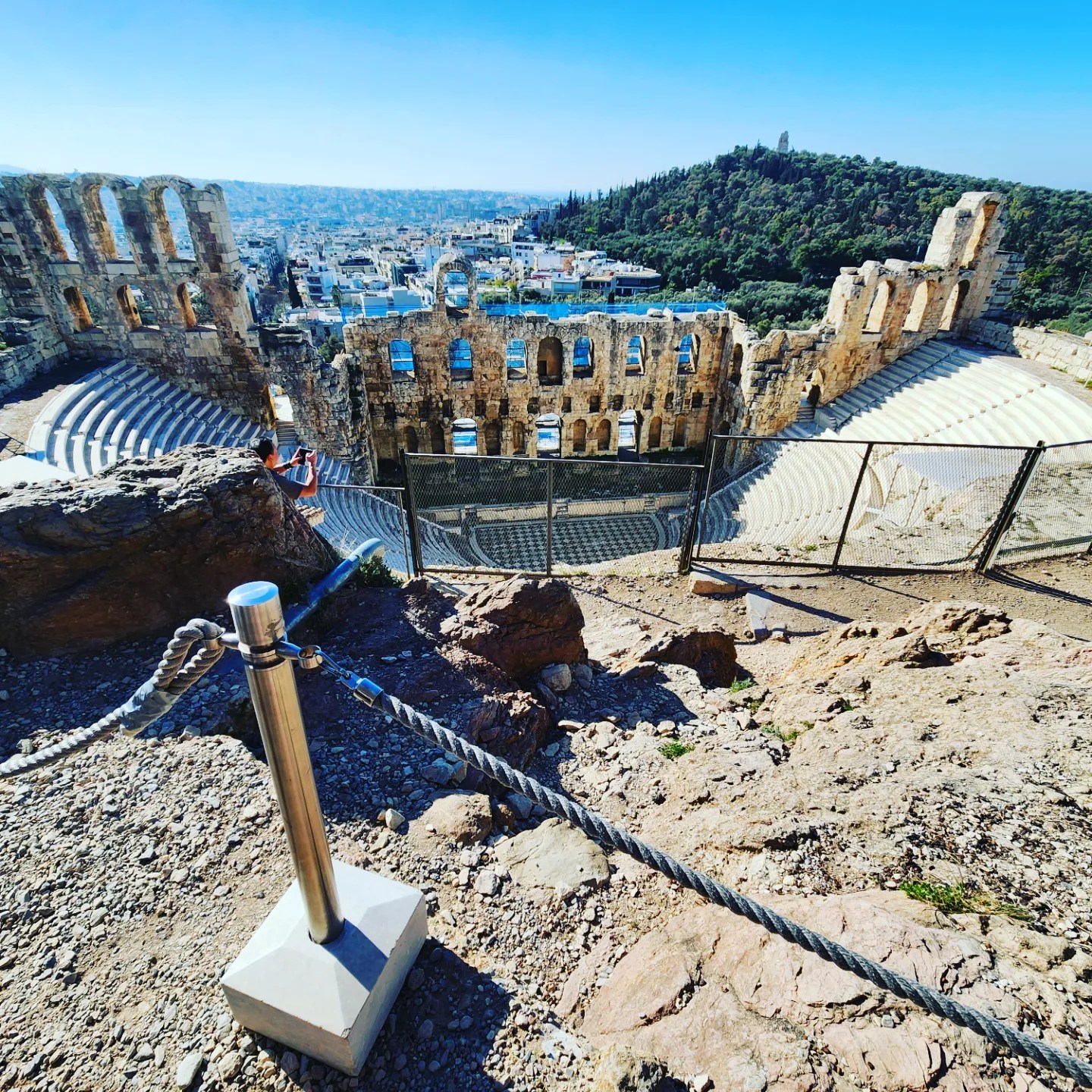
I had visited places that were very historical, breathtaking and I had so much fun. I was to afford going to travel different places and islands that were offered such as Italy, Crete, Seces and Many more. From Historical downtown Athens that had a lot of stores, people, wonderful Cuisine and very creative artists on the street. The Athens temple to Parthenogen had such an historical background and mythological effect towards making truly beautiful. I was able to visit the city of Delphie was so beautiful and being to learn how certain parts of them that was run by leaders, kings, and mythological gods.

Above All, this beyond experience had been Absolutely amazing and Unforgettable! I learned more about myself as a person and being able to explore my horizons on this journey of exploring new possibilities. I truly enjoyed my experience and I’m still shocked that I went to one of the most beautiful places in the world and I still miss it. It’s Worth It!

Classroom to Coastline: Studying in Malta

Hi, I’m Danielle (or Dani), and as I write this, I am currently a senior musical theatre major. I left for Malta in the spring of my junior year and spent five months abroad. I partook in various theatre and music classes at the University of Malta (L-Università ta’ Malta in Maltese) and a social work class in agreement with my global theme of Inequality and Human Rights. Beyond that, I traveled quite a bit, helped write and perform a short musical, and learned the ins and outs of the small island I called home.

Moving to college and learning to be on your own is difficult, but moving to Europe and learning to be on your own is a whole new level of independence. Adjusting to the new structure of schooling and meeting new people was a challenge, but it was so gratifying. Days were up and down, but I slowly became accustomed to this way of living. My local Maltese classmates welcomed me with open arms and made me feel at home. As I mentioned, I took this opportunity to do some traveling. While I saw beautiful places like Italy and Spain, traveling came with its own challenges.

While typical travel annoyances arise (hostel stays, airport security, etc.), the problems my travel partner and I ran into were much scarier. Our classes had ended for the semester, and while we had been to quite a few places already, we wanted to cover as much ground as possible. So we planned a long two-week trip. Our first stop was Spain; little did we know it would also be our last. On day four of our trip, my friend Anika got sick. We got her to a doctor, and it was very little help. Eventually, we ended up in the hospital, and after much testing, she was diagnosed with viral meningitis. Long phone calls with insurance and a language barrier made this scary experience even scarier. After the discharge, I played caretaker, and we spent two weeks in a Spanish hotel while I tried to navigate a culture and language barrier. We made it through, and the two of us got home safely. Now, we have a lot to make up for in the future. 

Overall, I am grateful and overjoyed to have had this experience. I learned so much about myself and have significantly broadened my worldview. I am still in awe of the beauty I witnessed, but truth be told, I never missed home more than when I was away.

Mijn gezellige reis naar Tilburg

Hallo iedereen! My name is Maxwell Shaver, and I studied abroad in Tilburg in the Netherlands. I cannot recommend it enough- especially if you love biking (check out Not Just Bikes on youtube: https://youtu.be/9OfBpQgLXUc ). There I was close enough to a major hub for international traveling (Schiphol Airport), and studying at a top 50 school for economics. All of this is with the added bonus of the GLI scholarship! What’s not to love?

Moving abroad is tough at times, like this picture of me implies. But first and foremost remember: everyone is struggling the same amount as you. This was my second study abroad and by far the harder, and the first one wasn’t even in English! The school system is harder, and the separation you get from friends and family is tough, but hey- you’re tougher! Studying abroad, you get so many awesome experiences. I managed to learn Dutch in only four months, and now I can communicate with a population that has a 93% English literacy rate! In all seriousness, I made friends in my international dorm from all across the world. I now have a couch to sleep on in Madrid, Singapore, Vienna, Taipei, Hong Kong, and even as far away as Sydney! Some of the people I met are going to be lifelong friends, and really encourage me to be true to myself. As my friend Libor told me (in a thick German accent) “Mixwell, you are, who you surround yourself wif.” I will never forget those words, and I am happy to have taken lessons from people I love so much. They pushed me to be who I want to be, and it is an experience I wouldn’t have given for the world.

Apart from the sappy (yet always important) personal growth you will inevitably experience abroad, there are so many things you can do. Tickets from Schiphol to Barcelona were at one point 22€, not to mention how easy and cheap it is to get around by train or bus! I had six close friends and family members come to visit me throughout my semester, and I got into a rhythm of showing them the cool parts of Amsterdam and the Netherlands. Not to mention how cheap it is to travel (especially in Eastern Europe), there are always super cool events going on! Somehow a pirate band I had known for most of my life (don’t ask) was playing in a few nearby towns on tour, and I managed to rope a few friends to go. This band was so engaging and fun we all went to each time they played in the Netherlands.

How crazy is that? All of the members on tour (they are called Ye Banished Privateers by the way) signed my CD, and it remains a highlight of our friend group.

Regardless, this experience was life-changing (as you have heard a billion times), and I can only say good things about the Netherlands. Also, I need people here to speak Dutch with. Please go, if not then please learn it and hit me up!

Dankjewel om dit te lezen, ik vond Tilburg heel gezellig en jij zult het ook vinden!

European Union, Brats, and the Bundesländer

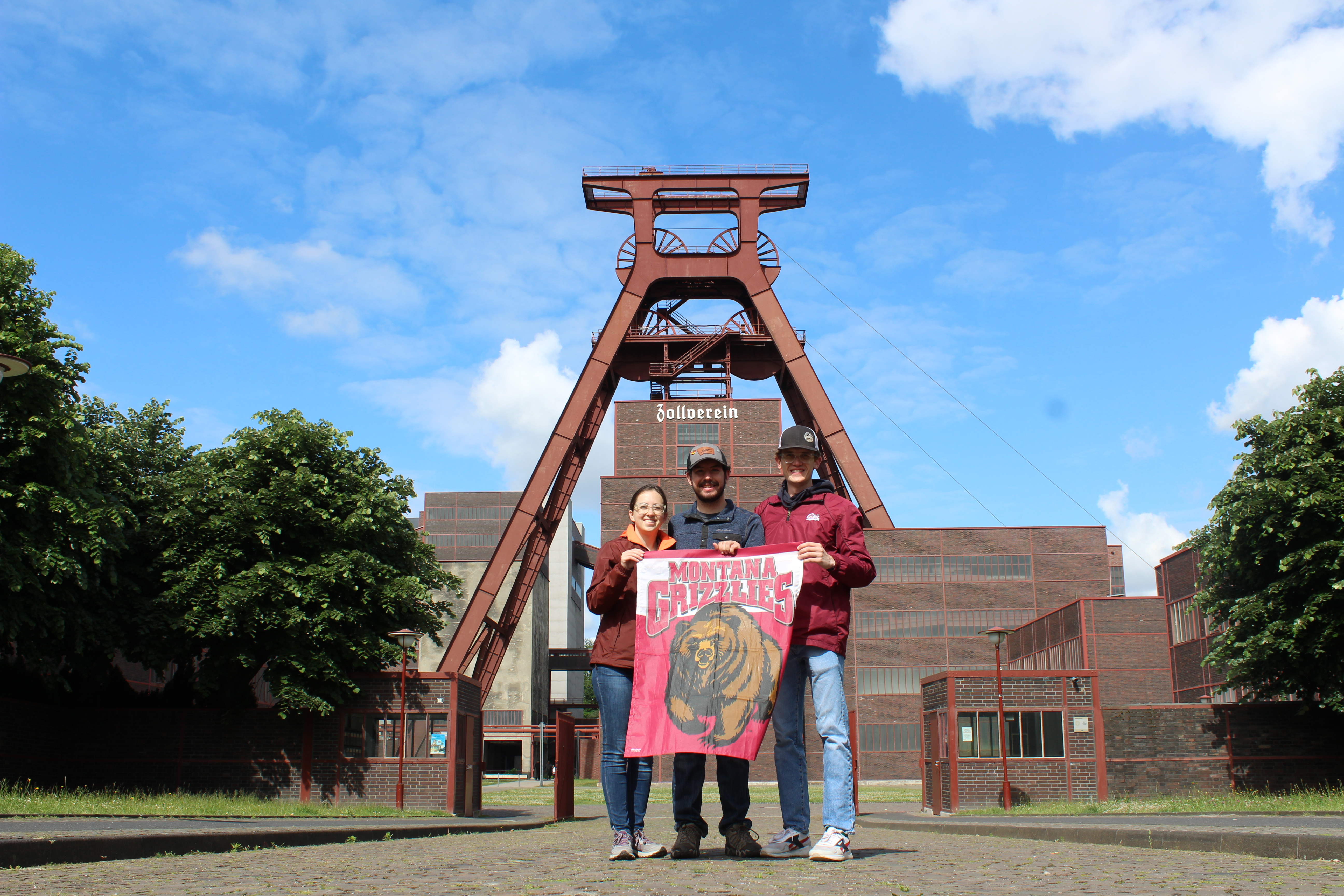
Complicated and interlocking political and economic administration systems. I expected most of Germany to be devoid of trees and heavily influenced by the Cold War cement. Waking up at the end of my flight I noticed a polka dotted landscape of villages that grew in size while coming closer to major cities. All over Germany there are fields of wind turbines and solar panels. A brave utilization of land, lush and beautiful. The area I called home for a year is the ‘Ruhrpott,’ distinguished by a preserved mining heritage reminding me of Butte, America. Embodied in the state-of-the-art UNESCO museum at the Zollverein Mining area, it follows Germany’s history in utilization of coal mining, industrialization, and worker life in the area. This museum displays local artifacts ranging from archeological treasures found while mining, cultural tides of an imperial past, and the final chapters of coal mining in the area. Local Dortmund peers educated me on the Fußball Club rivalries and diverse communities within the Ruhrpott. As one could expect, this city prides itself on diversity with citizens coming from all over the world. I was particularly impressed with the international students at the Techniche Universität campus as they number 14% of the student body.

I opted to intern with a local high school as an English teaching assistant in my second semester. Unsure how this experience would go, once these “at risk” students learned about where I was from their curiosity pushed them to communicate in my native language. It helped I spoke enough German to answer simple questions and I was able to play a bit of charades when these students wanted to dig deeper than their English textbooks allowed. (I was really proud when during this year my I managed to pass as a local giving directions at the Hauptbahnhofs.)

Personal connections are the lasting souvenir from Dortmund. In an online German Intensive Language course, I invited a bunch of peers out one evening and quickly became friends with a Turkish fellow, Maltepe. He had been attending a Military Academy in Istanbul with the expectation to become an officer. I immediately knew I’d found another politics buff. We traded thoughts about Turkish current events and American culture. I enjoyed telling him stories of my Montana home and other parts of the U.S., particularly national parks, and he enjoyed explaining growing up in Malatya on an apricot farm. He opened up about his love of Turkey and his hope for a better future. He works hard for his studies in a foreign country, learning his fifth language, working, and following a different career than he was educated for. He became a fellow explorer of German culture, architecture, bratwursts, and museums.

I thoroughly enjoyed my time using the Deutsche Bahn public trains because of the easy use long distance and local systems. I was able to use the regional train systems with the German 9 Euro Ticket allowing individuals to buy an all-inclusive ticket to travel anywhere in Germany (regional and local in all cities). This was a promotional legislation and experiment to see if Germany could attract a large amount of tourism after the pandemic. It worked and train platforms had no elbowroom and felt like being at a concert.

Dortmund is an undiscovered gem. A central location near the Rhine river, there is easy access to historical sites in Germany such as Cologne, Aachen, and just a few train stops from Münster (where they conceived of national sovereignty). The downtown boasts the oldest Pharmacy in Western Europe that was founded in 1332 which put into perspective how young the United States are. While traveling Germany and exploring the national museums show an ancient and divided history in a youthful nation (remember it only unified after the fall of the Berlin wall). I was fortunate to study and travel Germany while political passions were high. The election of a new Chancellor (Olaf Schultz of the SPD). A common spirit of decency and respect and anti-Nazi sentiment referring to the far-right AfD party. Traveling the former Eastern block countries when Putin’s War in Ukraine began gave me a fright and incentivized a habit of being glued to the news even while in museums. I had a few heavy visits to concentration camps; in particular the Dachau camp which my great grandfather Allen Chesbro Jr. (UM Class of 1941) helped to liberate with the Rainbow Brigade. I enjoyed representing Montana to my international peers, it gave me a diplomatic perspective I hope to carry in my final year at the University of Montana. The intensive German language learning courses offered by TU were a great way to meet other new exchange students and there were many events on the TU campus to connect with the local Germans before classes began. Learning a language takes a little humor and a lot of dedication to try. I took many classes on the E.U. structure and recent crises. I learned from new friends to make traditional Calcutta Curry and Schnitzel while memorizing different phrases in Turkish. While participating in day trips and longer travels in Europe I taught these same friends to respond ‘Fight On’ to my chant of ‘Go Griz’.

Hunter Grimes (recent UM graduate) and Ben DeBar (current UM student) visit Seth Carmichael at the Zollverein UNESCO World Heritage Site
Visiting the top of the Reichstag in Berlin
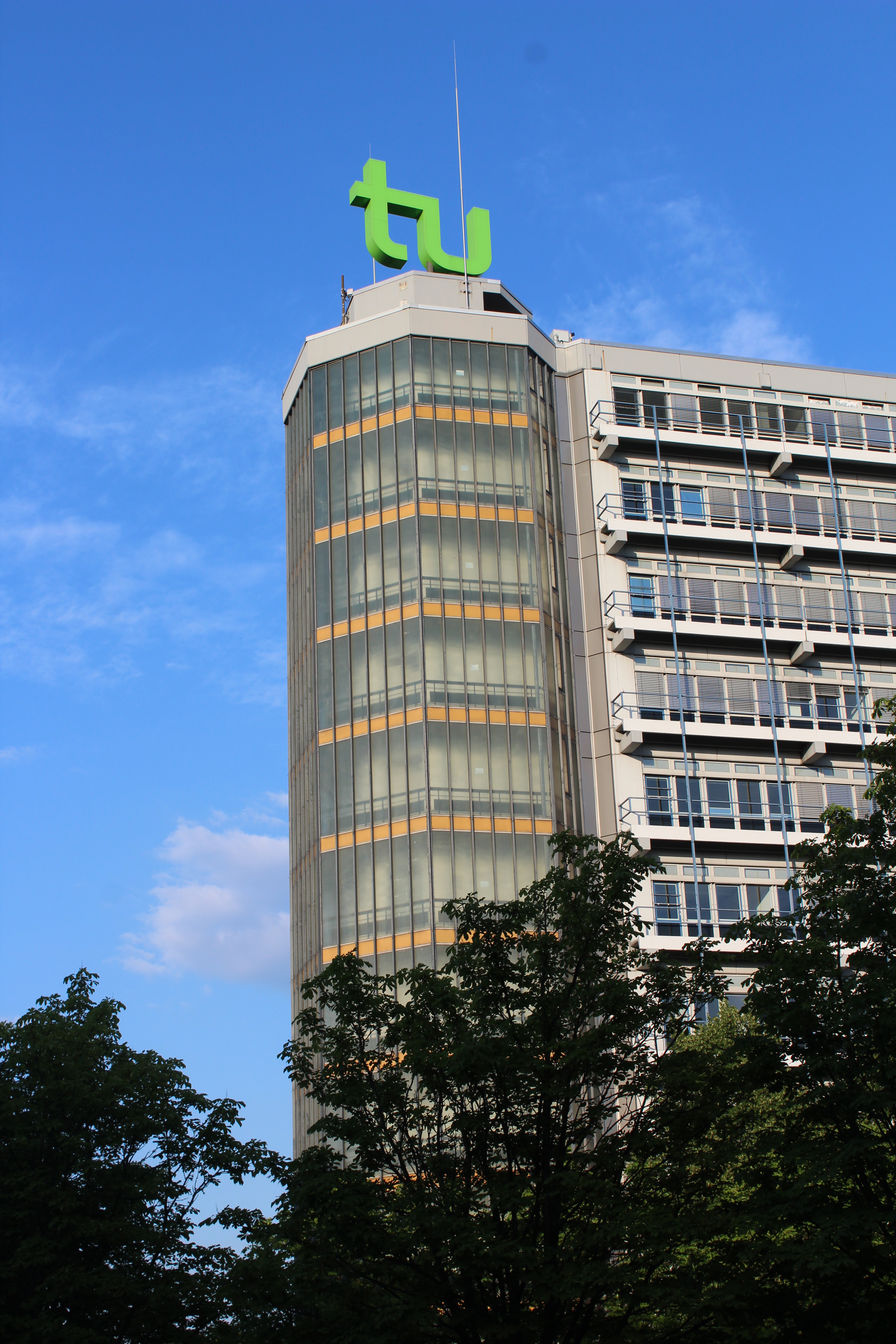
Techniche Universität Dortmund (main campus)

Nottingham, England

Hi there, my name is Trevor Finney and I am currently a senior at the University of Montana!

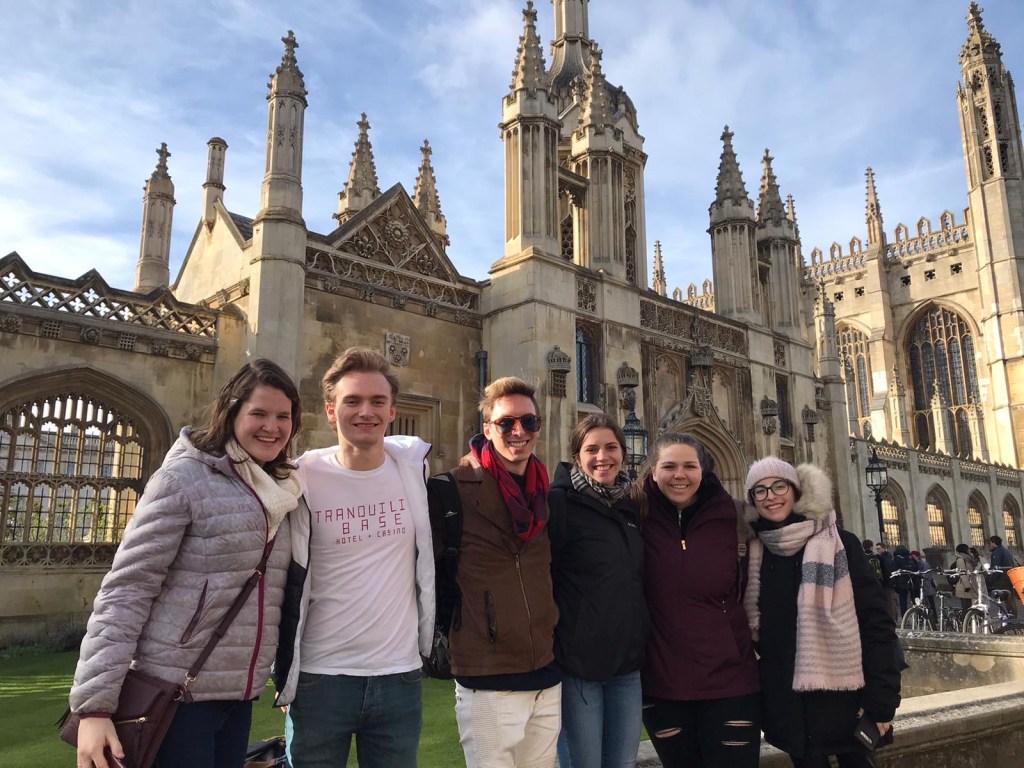
I spent this past semester studying abroad in Nottingham, England with the goal of learning more about green business and sustainability within supply chains. I wanted to better understand how businesses can evolve in the face of climate change and operate more efficiently and environmentally friendly. I was able to take courses in logistics, business strategy, and China’s global economy, all of which had elements discussing the steps companies are taking to innovate in the name of sustainability. Furthermore, guest lecturers in my courses were able to provide insight on European trade

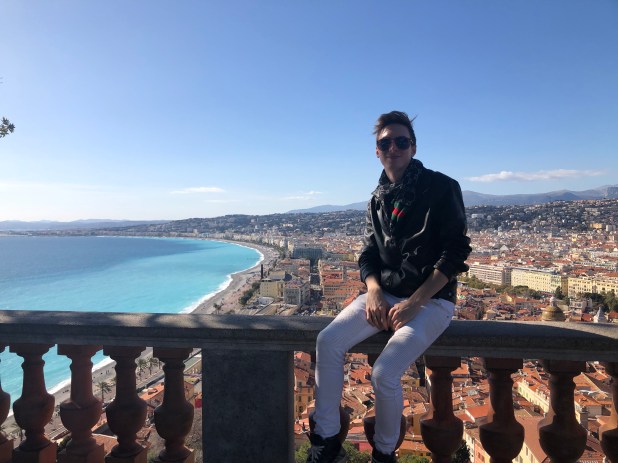
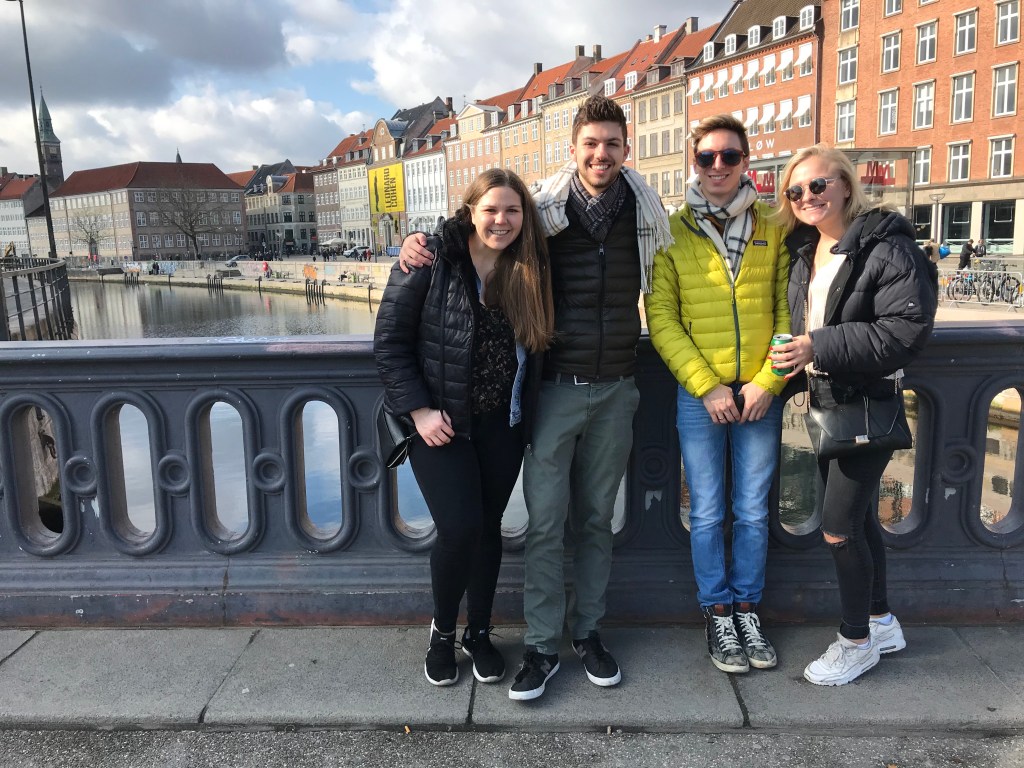
 I was also lucky enough to travel to several countries such as Denmark, France, and Ireland to explore all the wonders that Europe has to offer.

My experience abroad and engagement with the different cultures of students who lived in the residence hall with me has given me a new perspective on how culture shapes our relationship with the environment as well as the importance of learning from people outside one’s bubble. For example, there is more social pressure to be environmentally responsible in the U.K. and Sweden, it is a social contract like waiting in queue. A good example is how when you go grocery shopping in downtown Nottingham (or Dublin), most people bring reusable bags as it costs ten pence for each plastic one you have to buy. Furthermore, many people walk to the grocery store, so your bags have to be durable enough for the trek home. I really appreciated the bag tax as an economics major as it is a proven incentive to get people to engage in more socially and environmentally responsible behavior, and the shame of noncompliance does not hurt either.  

It is also easier to live greener in Europe as public transport is everywhere, affordable, and accessible. In Nottingham there is an electric tram that runs through all of town daily, connecting city to suburb. Talking with my fellow flat mates, I confirmed what I had suspected, most cities in Europe have incredible public transit whether it is HamburgHamburg or Copenhagen. I think Americans like myself can learn a lot from talking with people from diverse perspectives when it comes to sustainability as we clearly don’t need to reinvent the wheel, rather just look at what has been proven to be an effective solution. I also found that the students I met from Italy live greener lives, but it isn’t with great effort, it’s simply apart of their lifestyle and culture. For example, they spoke of how some apartments do not have clothes dryers, air conditioning, or limitless amounts of hot water and thus you live a more practical, energy conserving life. With smaller fridges and cars that get double the mileage of even the best hybrid, Italians carb footprints are much smaller than those of Americans, and even the Brits. When it comes to the Netherlands, my Dutch friend told me about how as a small country there is a lack of space for new landfills, implying the need to be conservative and efficient with waste management, instilling in the culture a sensibility when it comes to disposables like single use plastics, one that I find  we often lack in the U.S.

In terms of leadership skills, you might be shocked to know that absolutely no one participates in class discussions in the U.K. My American friend Cole and I would sit in a lecture hall of a hundred students and watch as everyone said nothing until we felt compelled to give the lecturer an answer just to break the silence. It may’ve just been my three courses, but I definitely had to get used to feeling weird for speaking up. Participation isn’t necessarily “leadership” but I also led group discussions and group projects. I did not mind it because it gave me a chance to ask questions about attending university in England and what it’s like to not have to pay hardly anything for school. I did develop in my ability to independently plan a trip and navigate French cities with only two semesters of classes.

One cultural difference that may be attributed to being in a city instead of a small town like Missoula is that every night of the week is a party night. Nottingham has a vibrant nightlife with dozens of clubs, and I’d always head home around midnight only to be awoken at three in the morning by the drunken chatter of inebriated lads. One of the best nights I had in the U.K. was a trip to Scotland where we went on a bar crawl, and for the sake of embracing the local culture, we drank a fair amount of local scotch. I also enjoyed Scotland for the beautiful architecture of Glasgow, Edinburgh, and the stunning landscape.

P.S: News flash to me, an American, Trevor is not a common English name; it is actually considered antiquated.

Went Down Under for a Bit

My name is Liam Hauck, I am a marketing major and my global theme is Natural Resources and Sustainability.  For my beyond the classroom experience I chose to study abroad at La Trobe University in Melbourne Australia.  I was looking forward to learning more about the theme of Natural resources and Sustainability while I was in Australia.  Climate change has had a significant impact on Australia. The Great Barrier Reef is continuously being negatively impacted by climate change and I arrived in Melbourne just as the last of the severe bush fires were being put out.  So, it seemed like there was a lot to learn from Australia in terms of natural resources and sustainability and how the natural world can challenge a nation’s sustainable practices.  

            However, it was only about two weeks into my semester abroad that I had to return back home to Seattle to finish my studies online due to COVID shutdowns.  Fortunately, I had arrived in Melbourne about a month before my program started and I got to stay with my Uncle who lives in Melbourne.  During this time I was able to explore Melbourne, see Elton John perform, and even took a week-long trip down to Queenstown, New Zealand (where I got to skydive)

            The majority of the times where I found myself growing as a leader and simply as a person were when I had to continue my studies online back in Seattle.  I left Australia on March 26th and finished my semester on June 15th.  All of my classes had to be attended live via Zoom, in Australia time.  Which meant that most of my classes were at night, with the latest class starting at 9 pm and ending at 11 pm.  It was very hard to find the motivation and fortitude to attend these classes and do all the work at late hours.  Yet I persevered and worked as hard as I could through those 2 ½ months of late nights and I certainly developed skills that I will take with me into my professional career.  While this experience of course was not the one I wanted, it was the crazy one that I got. I am definitely thankful for the time that I had down under.

Cultures don’t meet, people do: an exchange period told through three reflections

welcome to Finland

First, some questions answered 

Where: The University of Jyväskylä in Jyväskylä, Finland 

Wait…where: About three hours by train north of Helsinki 

Was it cold and dark: Yes

Did you learn any Finnish: A little bit (I am especially good at saying “En puhu suomea” or “I don’t speak Finnish”) 

sun setting above apartment buildings at 2:29 PM

Löyly, Avanto, and Sisu. 

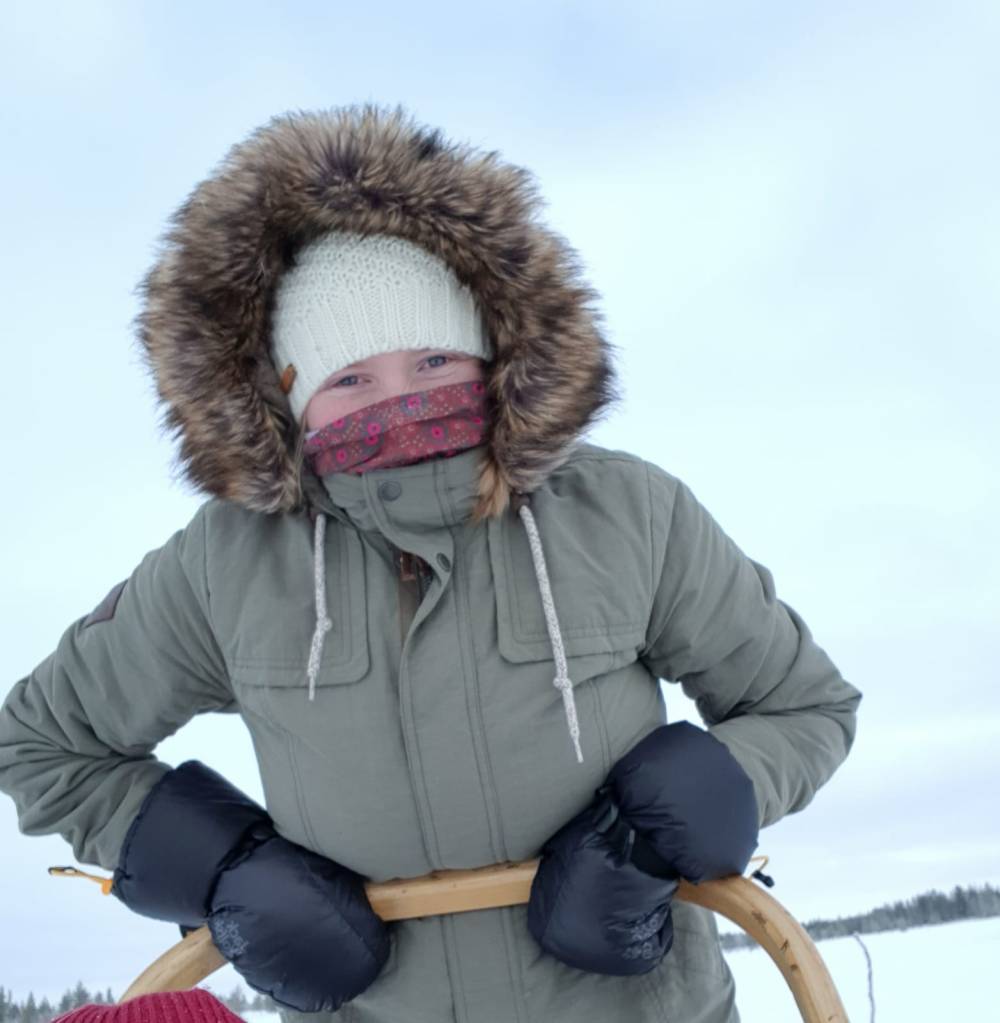
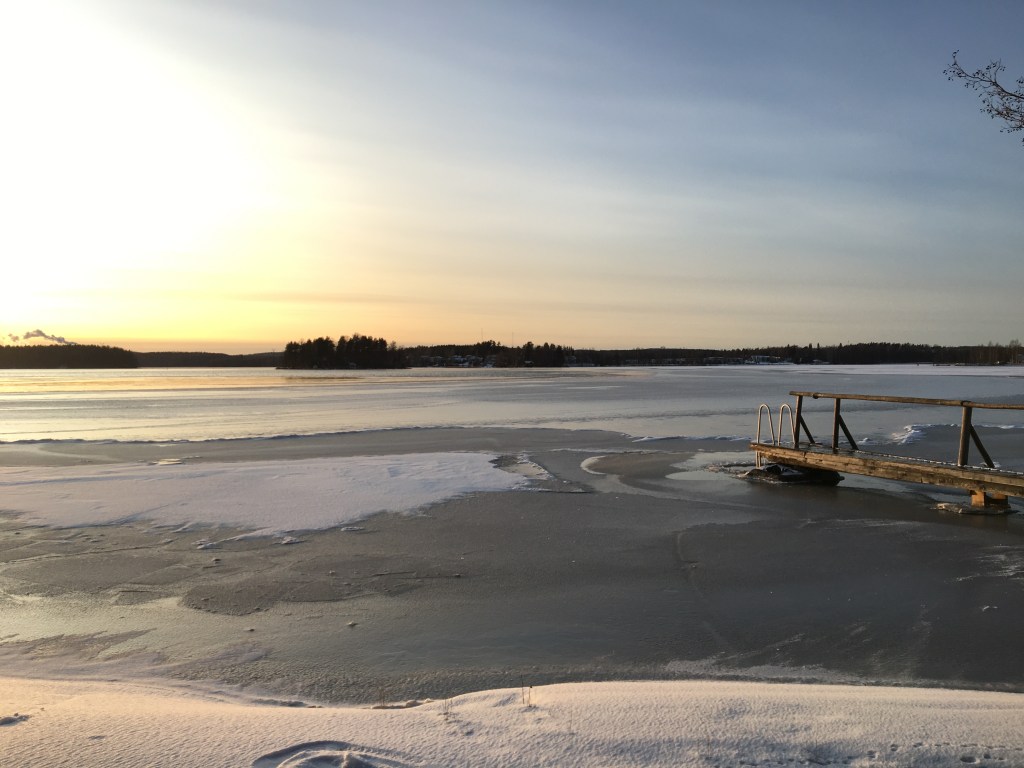
Sauna culture was something I looked forward to exploring while in Jyväskylä and I was pleased to learn that Kortephoja, my student living complex, boasted a proud five saunas. It is also important to clarify that the correct pronunciation is sow-na, because the Finns know best. Learning about Finnish sauna culture meant embracing löyly, the steam that rises off the rocks in the sauna when water is splashed on them, and avanto, the practice of dipping into a hole in the ice.

a hole in the ice waiting for a sauna-goer

Taking multiple sauna turns a week meant time for long conversations with friends. More adventurous sauna experiences included running into the Arctic Ocean in Norway while a Finnish bus driver yelled at me to put me head fully under the water; this gets one closer to the Finnish concept of sisu. Sisu is comprised of determination, grit, and resilience and is said to express the Finnish national character. Choosing an exchange experience in college means choosing to embrace sisu (and saunas, if one finds themself in Finland). 

Are you the one who needs a violin?

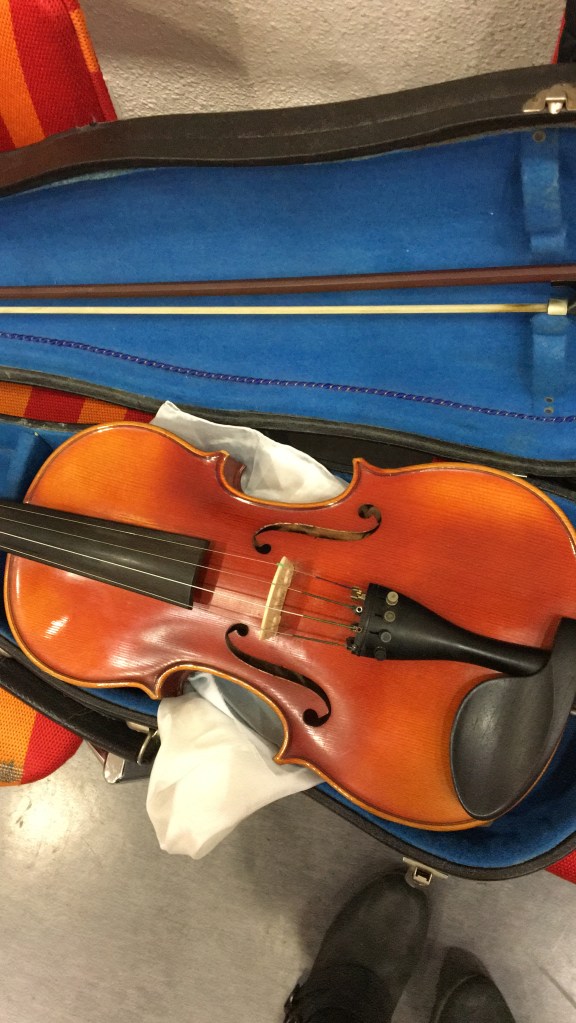
After my first day of classes I plodded through the dark, the sun set at 3:30, without an instrument, my violin was safe at home in Montana, towards the music building, a twenty-minute walk from my apartment. Groups of musicians have a certain buzz about them, and that night was no exception. Timpani drums were tuned, a saxophonist played a scale, and rosin was applied to bows as I quietly stood in the corner and observed. As the symphony tuned, a trombonist emerged beside me and asked, “are you the one who needs a violin?” I was offered her grandfather’s violin for me to borrow. I lovingly nicknamed the violin ‘Pavo’, after violin’s original owner, and slipped into my spot in the second violins.

say hello to Pavo

As the only exchange student in Sinfis, the student symphony, I found it refreshing to be around only Finnish students. Works by Grieg, Mendelssohn, Bizet, and Saint-Saëns were the soundtrack for those three-hour Monday evening practices. The rehearsals were conducted all in Finnish, but I quickly learned “yksi, kaksi, kolme, neljä” (one, two, three, four) as the count to begin as a symphony. My ever-patient stand partner, Rita, spent hours leaning over to me and whispering what measure number we were rehearsing each time the conductor offered a direction. While our final concert was canceled due to the COVID-19 pandemic, those hours spent making music remain some of the ones I am proudest I spent during my exchange. 

Brunch

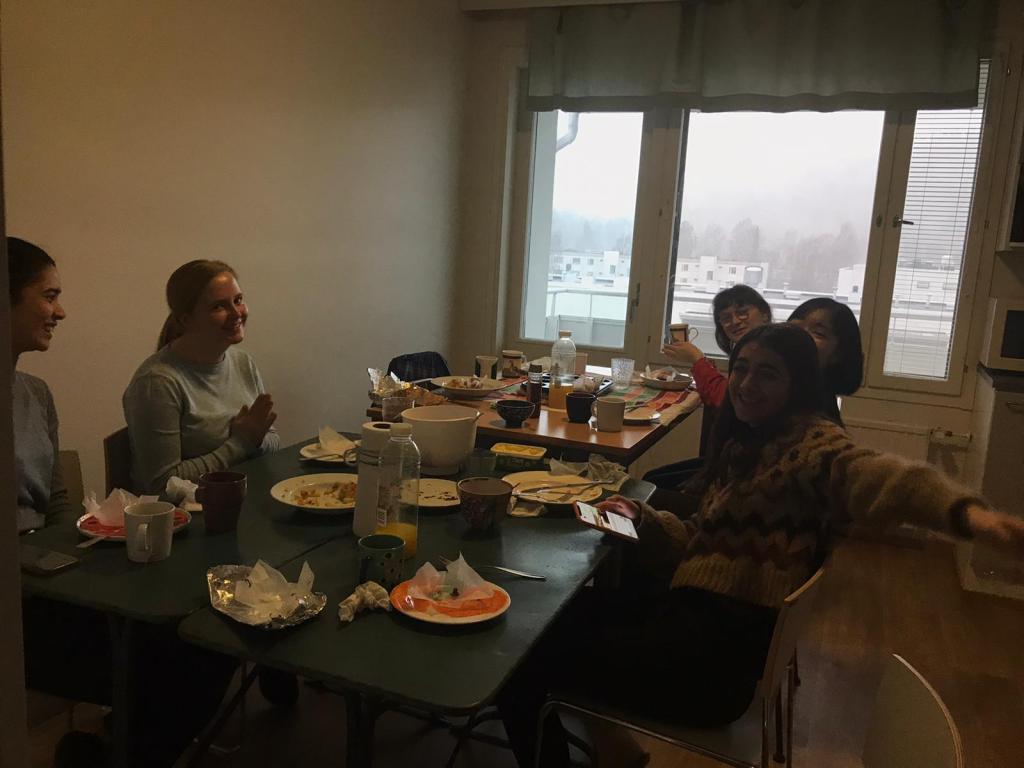
Because my roommates and I had the largest apartment, it was decided that we would host brunch. Miriam and I pulled out the desks from our room to make the dining room table longer. Shannon took muffins out from the oven while her ‘brunch’ playlist played out of her phone. Sienna stood ready at the door to hop in the dangerously small elevator and let our friends into our building.

a bounty from some creative exchange students

About once every two weeks this was our ritual. Gathering for a meal with friends from Spain, France, Hong Kong, Madagascar, and Russia meant lots of food, conversation, and laughter. Our earnest interest in building lasting friendships was born out of these meals together and has continued since. In late March when the composition of our study abroad experience was altered due to the global pandemic – this group of friends rallied in an impressive way. When universities called some of us home, others showed up to clean the entire apartment top to bottom while we packed. Our last hodge-podge meal all together was composed of only desserts and food we had purchased in an attempt to use up our food stipend for that month (can’t let good euros go to waste). Though I spent half the amount of months I had planned to with this friend group, we’ve stayed connected: reminding each other of inside jokes, bi-weekly zoom calls, and plans to see each other have kept the spirit of our brunches very alive.  

our kitchen before our last meal together

Cultures don’t meet, people do 

With a focus on the global theme of culture and politics I tried to construct my schedule at the University of Jyväskylä around these large concepts. As a Communication Studies major I had never previously studied intercultural communication. The University of Jyväskylä specializes in instruction and research in this field. I took multiple courses with an underlying focus on intercultural communication. My main take away from these courses, and my time outside of the classroom in and around Jyväskylä, was an awareness of the simplifications we tend to make when we take about intercultural communication.

One of my most impactful instructors at the University of Jyväskylä took a critical view on commonly held beliefs about intercultural communication and borrowed a subtitle from a book by Hoffman and Verdooren to remind her students that “cultures don’t meet, people do.” This lesson was solidified around a table constructed out of desks, while rehearsing music I understood in a language I did not, and in a cedar plank sauna in the Artic Circle. 

Oppdage et moderne Norge, Discovering a modern Norway

Hei, jeg heter Madeline og jeg bodde i Oslo, Norge i seks måneder. Hi, my name is Madeline and I lived in Oslo, Norway for the last six months. 

Having only been back “state-side” it is difficult to look back on my time abroad with perspective. Norway has always meant a lot to me. Growing up, my family made a lot of traditional Norwegian food and even attended an annual “Norway Day” celebration in Minneapolis, Minnesota. When I return home for winter break one of the first things my mom and I do is make a large patch of fresh lefse for the holidays. Lefse is a thin potato tortilla that we like to eat with butter and cinnamon and sugar sprinkled on top. 

In Norway, friends told me they no longer knew anyone who made fresh lefse. Everyone just bought it in from the store, premade. I had spent my whole life learning about Norway and hearing stories from family members who had visited. 

It sounds obvious now, but I quickly learned that my family was practicing traditions that had been passed down from family members that had immigrated to the United States more than 100 years ago. But, I have also found that many Americans have an outdated view of Norway, if they’ve even heard of the Nordic country. While many Norwegians live on farms in beautiful fjords raising sheep and knitting, Norway is also a powerful oil country that leads Europe in multiple fields including environmental innovation. 

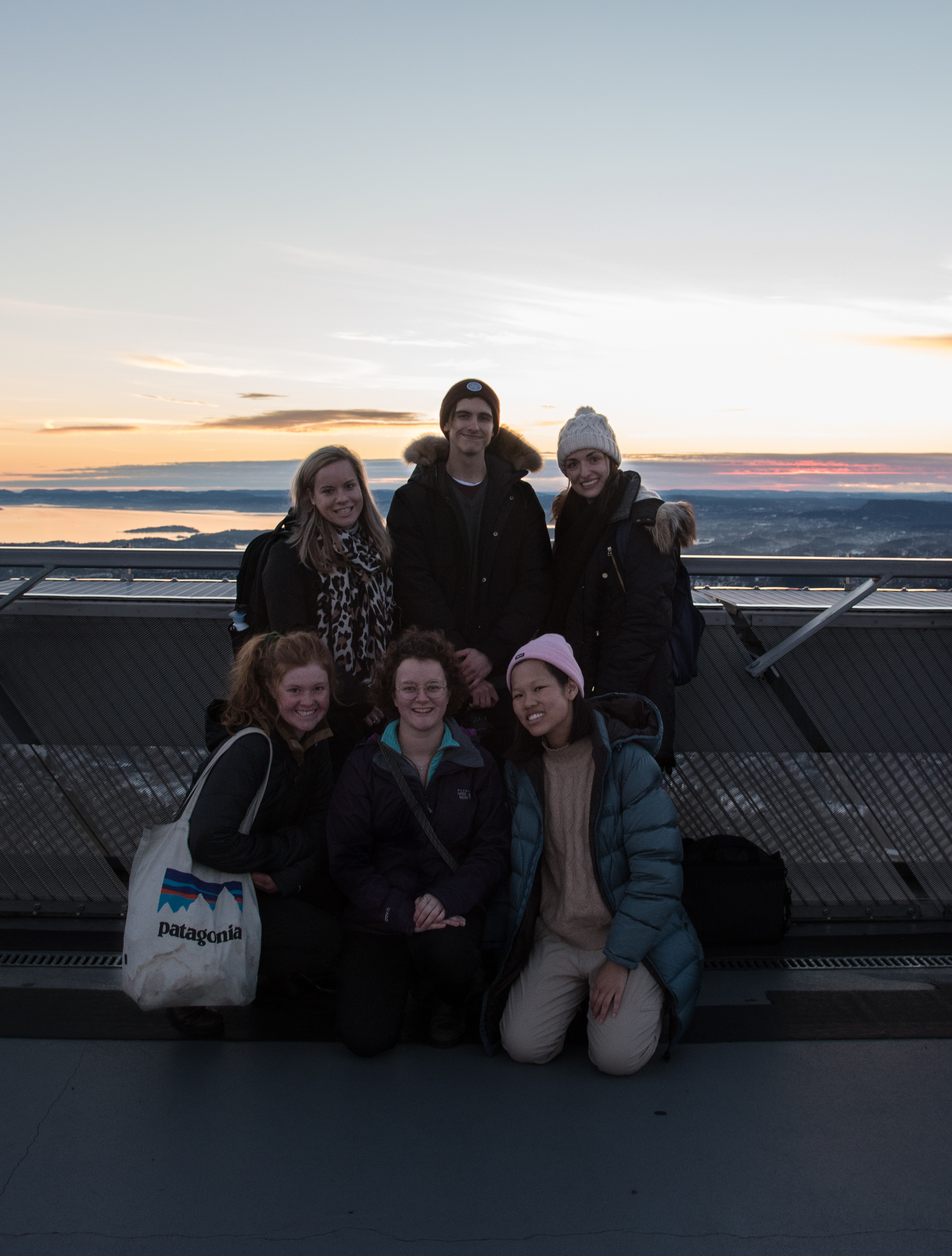
From left to right, Astrid (Dutch), Andre (Australian), Vanessa (Austrian), Izzy (Colorado), myself and Lauren (Australian) pose around 2 p.m. on top of Holmenkollen on one of my first days in Norway. Holmenkollen is a tall ski jump, used in the Olympics, that has a wonderful view of the city.

I was also amazed to learn that many students are heavily involved in one of the country’s eight political parties. Every one of my new Norwegians friends were involved and attended climate marches, held offices in the student union and helped organize large events for nonprofits. This is much different from my experience at home. In high school, very few were even knowledgeable about politics. Meanwhile, at my university, many of my friends are politically active in both political parties and local nonprofits, but I wouldn’t say that’s the norm for the student body.

Within Europe, Norway is frequently regarded as a country that other countries should aspire to be. Their progressive environmental and social policies have made them a leader. And even though many believe the country to be a leader, citizens continue to demand more from their governments. In March, I stood outside Stortinget, translated to “the big thing” aka Norway’s parliament building, with nearly 20,000 Norwegians chanting “Fjerne Erna!” or “remove Erna,” referring to Erna Solberg, the Norwegian prime minister. We were gathered outside the parliament building to demand action on climate change from the leader of the ruling conservative party. Norway, at the time, had been discussing beginning to drill for oil in Australia and the Arctic. 

Izzy (left), from Colorado, and Ingeborg from western Norway hold signs at the Oslo Climastreik (Climate Strike) in Oslo. Ingeborg’s sign reads “We want systems change, not climate change.”

I was inspired by a country full of people that recognized the great life they got to live in Norway and how different that often made them from the rest of the world. But they didn’t allow that to make them complacent, they continued to push for equality and justice.

As someone who has been in climate change work for just over three years our slow progress, and sometimes regression, has been hard to watch. The time we have left to turn this climate crisis around is quickly shrinking. It’s traveling to places around the world whether it is Vietnam, like I did last January, or Norway I am reassured when I see the people who are doing the work around the world. 

Youth hold signs at the March Klimastreik in Oslo, Norway. The signs, from left to right, say “Do something while there is still hope,” “crocodile tears don’t help us,” and “you said clean your room, we say clean the planet.”

Norwegians gave me more hope for our future and our ability to at least slow down the climate crisis that is quickly making the Earth uninhabitable for humans as we do now. There connectedness to the environment was inspiring and their kindness towards one another was moving.

As I go into my capstone experience I am filled with hope that we can shift the American consciousness towards being environmentally aware and politically active for the environment. That was important for me as I had been spending some time feeling dejected with the current regression in American environmental policy. 

Sunshine in the Hearts

My GLI Global Theme is Exploring Mental Health, particularly among college students. This topic plays into the well-being of an individual and the productivity and happiness of a society. I arrived in Lille, France, assuming I would be awaited by some romantic, French enlightenment on this issue.  In fact, I discovered a richer complexity to mental health, and the need for time and patience to influence.

Lille, France, may be unknown by many Americans, but it is located in the center of a triangle of three major international cities: Brussels, London, and Paris. This means that it is a melting pot of multiple cultures, filled with international students and habitants, immigrants and refugees. Despite its convenient location as a stopping-point between cities, very few people speak English, forcing me into a rapid state of improving my French.  This was utterly terrifying, because French people tend to not smile.  As an American, eye contact results in an awkward smile, and anything less is interpreted as hostile. However, I quickly learned that the French method of communication is simply different, and the people are often very kind and ready to help.

paris

The favorite saying in Lille translates as follows: “In the North, the sunshine is not in the sky, but in the heart of the people.” I have never been so surprised by the kindness of strangers, despite their grimacing faces.  Unfortunately, vulnerability is not an easily accessible thing.  Only now, after five months of living alongside am I starting to glimpse the culture regarding mental health. It is rather surprising to find that it remains very heavily stigmatized.  According to the Psychology students, if a French person discovers that you study Psychology, they instantaneously create space.  Very few students use the resources, or are aware that they exist for free on campus.  In addition, the resources are incredibly lacking for international students, as they have counselors only in French and it may take weeks or months of paperwork before you one can access the services.  I learned patience during my time in France, thanks to the French administration (a worker’s smoke break is completely permissible, despite a line of waiting clients), being friends with Italians (“J’arrive” doesn’t mean “I’m arriving” but “I am still at home, in the shower, and will leave in an hour”), and waiting for the French to come out of their shells.

Once a French person has allowed you to integrate in their life, you are truly family.  This is one of the most beautiful experiences.  My confidence in quickly changing the world has diminished, but my curiosity for other cultures and places steadily grows.  I have learned that simply asking questions and listening can create a safer place.  Some questions, about mental health, are incredibly scary, but these questions have the ability to change lives by creating a dialogue – interior or exterior, and this potential is found only in already formed relationships. This is a form of personal leadership, accessible by anyone willing to take the time and effort to learn and share. Despite the challenges of living in such a stigmatized and different society, I crave to return and continue to search for a healthier world.

rainbow.jpg

I have so much more I could write about – Christmas with Italian families, force-feeding me and teaching me important words such as “MANGI!”, sharing Stroopwaffles with strangers in the Netherlands, or becoming a connoisseur of Belgian Fries.  I return to the US in one week with a full stomach and full heart.

kelaiah.jpg