
My name is Tristan Clifford, and I’m a Management Information Systems major with a minor in Spanish. My Beyond the Classroom Experience was to Barcelona, Spain. My theme was Culture and Politics, and this experience changed my life in many ways and reframed my ideas of what Europe and Spain was and the people that existed inside of it. Being in one of the more radical regions of Spain, Catalonia, I learned a lot about the cultures, attitudes, history, and beliefs that Catalonians have.
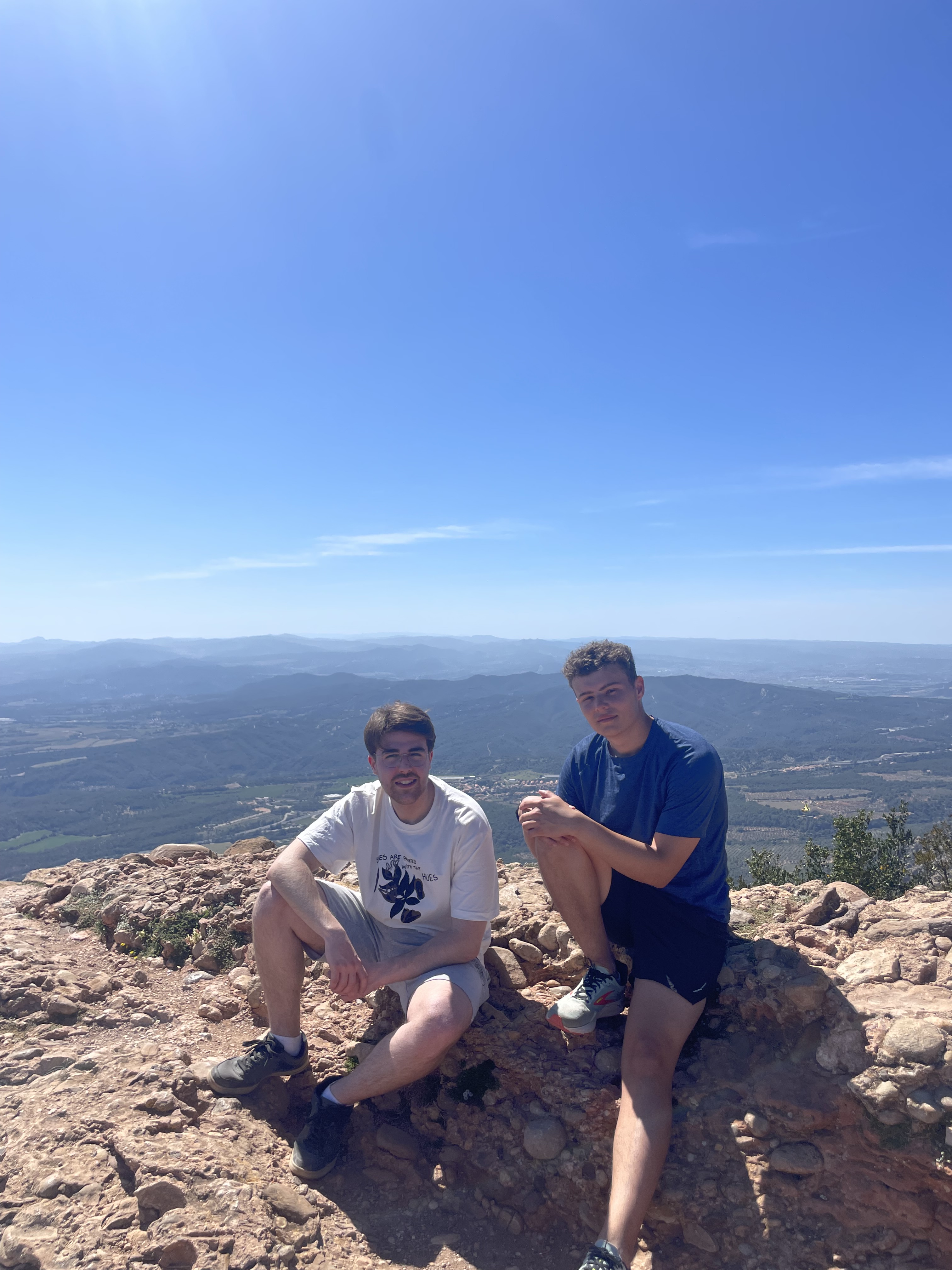
Taking two of my classes in Spanish at the Universitat Autónoma de Barcelona (UAB) really challenged my Spanish and social skills. I needed to find friends in my Spanish classes that would help me with note-taking since native Spanish speakers speak way faster than I could possibly comprehend. This challenge needed me to leverage my, quite frankly mediocre, Spanish skills and become more outgoing in an unknown environment. One of my Spanish classes was on the Modern and Contemporary History of Spain which taught up from the late 1400s to Francisco Franco’s Reign in the 1930s. In that class I learned many things about the reunification of Spain and specifically about the very independent thinking of Catalonia, Basque Country, and Navarra throughout these time period. Catalonia today has regained its sense of individuality since the fall of Franco’s regime, and has wanted to separate from Spain for years now, often having protests for its independence. In the election for EU parliament this year, right-wing parties have gained more seats meaning that the social-democrat party, Spanish Socialist Workers’ Party, has to make a coalition government with these more radical left-wing separatist groups, including Catalonian independence parties.

While I did learn a lot about Spain, I would also say I’ve learned a lot about people from Europe in general. For some reason, I’ve always had the ideas in my head that Europeans were so far away, foreign, and different from me and that they seemed to live in some fairy tale world with advanced transportation, healthcare, and mental well being. In reality, it was nearly all of those things except the people were really really cool and not that different at all. I’ve met people from all around Europe in the many events I went to in the Erasmus organization that was at UAB. I’ve met people from Poland, Italy, Mexico, Germany, France, Ireland, Austria, Holland, and England, and they all had super fascinating views on policy, interesting, but mostly questionable, opinions about food, and had a very interesting way of seeing their identity that is very different to the United States. For example, if you have a pale skin color in the United States, you would just be considered “white” with maybe strong ethnic ties to Ireland or something, but in Europe everything is based on their ethnicity, their country of origin. It makes sense when I say it out loud, but it’s a very big deal over there. People from Southern Europe (e.g. Spain, Italy, Greece) are considered way different than people from Eastern Europe (e.g. Romania, Ukraine, Poland), even though in the US they would all be considered as “white.” However, even saying that would be controversial because I knew some Poles that don’t consider Poland a Eastern European country and would instead argue that its a Central European country since they don’t want to be associated with the poor, and stereotypically socially conservative Eastern European countries. Talking to my new friends about these random things really uncovered a microcosm in varying European values that I truly had no idea existed just several months before.
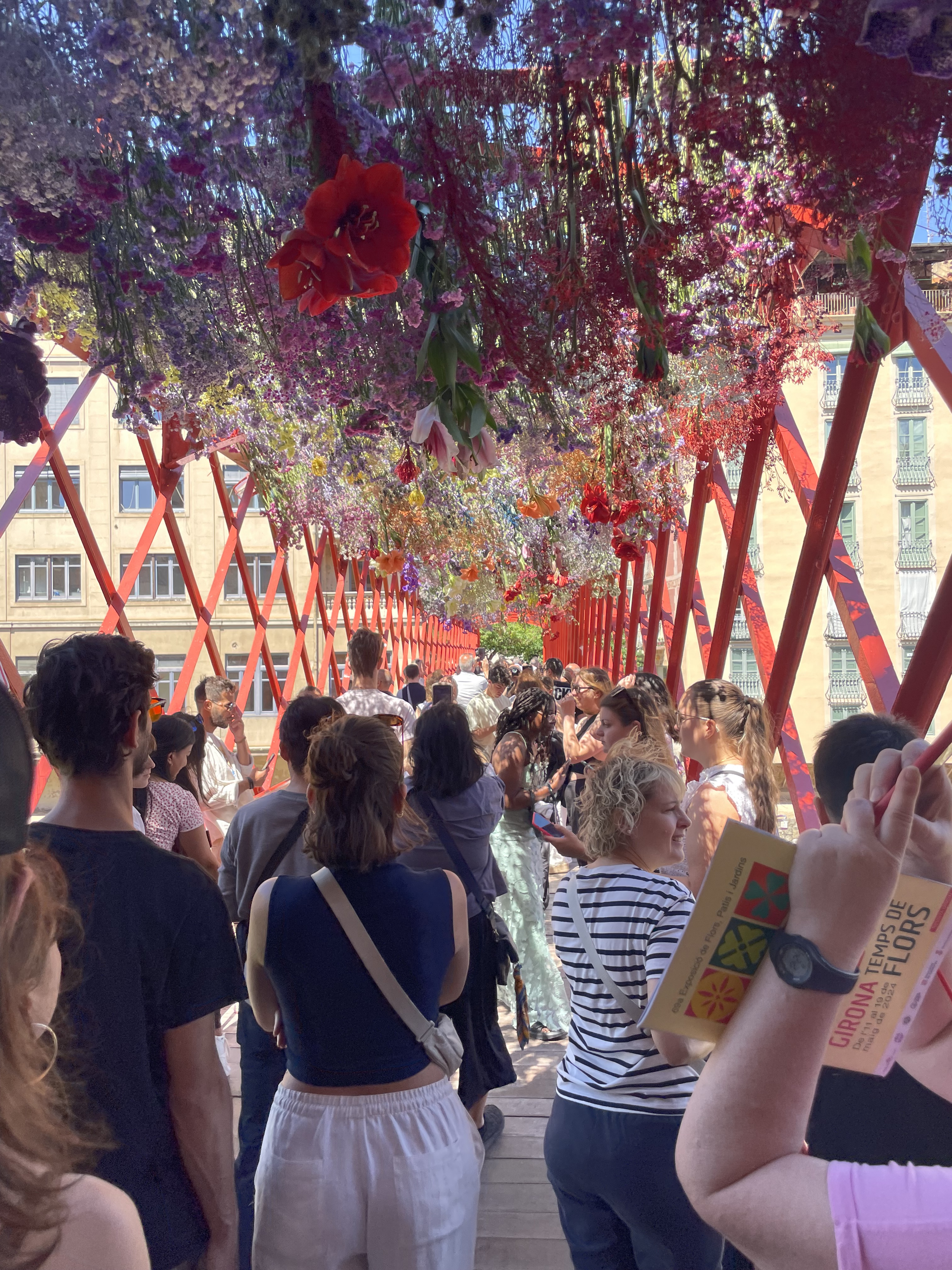
Studying Abroad was one of the best things that has ever happened to me, and I recommend it to anyone that even has a slightest desire to do so, since these experiences have become so valuable to me. Being able to network with other people while in another country where the national language is not English definitely needed me to be more assertive in introducing myself, being sociable, and it made me better solve the problems that would be constantly thrown at me, which really helped me improve my leadership skills. Taking a Spanish history class, going to landmarks and museums, and making friends from Spain and the rest of Europe really exposed me to the many different facets of European values and culture that I think is super important to understand in our interconnected world and I hope to use these experiences to help shape the solutions to problems the world has been struggling with for decades.
 Beyond the Classroom