

This year, I had the opportunity to connect my Global Leadership Initiative theme of Inequality and Human Rights to my Global Challenge of Early Childhood Education Access and Equity through hands-on work as a preschool teacher and teaching aide at Discovery Preschool and Childcare Center in Bonner, Montana. My role enabled me to move beyond the theories of Communication Studies into daily engagement with children, families, and educators, where the abstract principles of human rights became tangible in the everyday routines of teaching, nurturing, and advocating for our students.
At its core, my theme asks how inequality manifests in ways that limit human flourishing, and my Challenge focuses on how children’s right to education is upheld or restricted during the earliest years of life. Working in early childhood education has made me acutely aware of the disparities that appear before children even reach kindergarten. Access to high-quality preschool programs is uneven, shaped by factors such as cost, geography, and family resources. Observing how these inequities ripple into children’s social, emotional, and cognitive development clarified for me that education is not only a service but a fundamental right, one that sets the foundation for lifelong opportunity.

As part of my GLI deliverable, with guidance from UM professor of Communication Studies, Dr. Heather Voorhees, I created a comprehensive guide for teachers focused on engaging effective communication in early childhood education, drawing from my observations, research, and hands-on experience. This resource, now kept in each classroom at Discovery Bonner, highlights strategies for engaging both children and parents in ways that are developmentally supportive, inclusive, and equity-driven. In many ways, it is the synthesis of what I have been learning in both the classroom and the field.
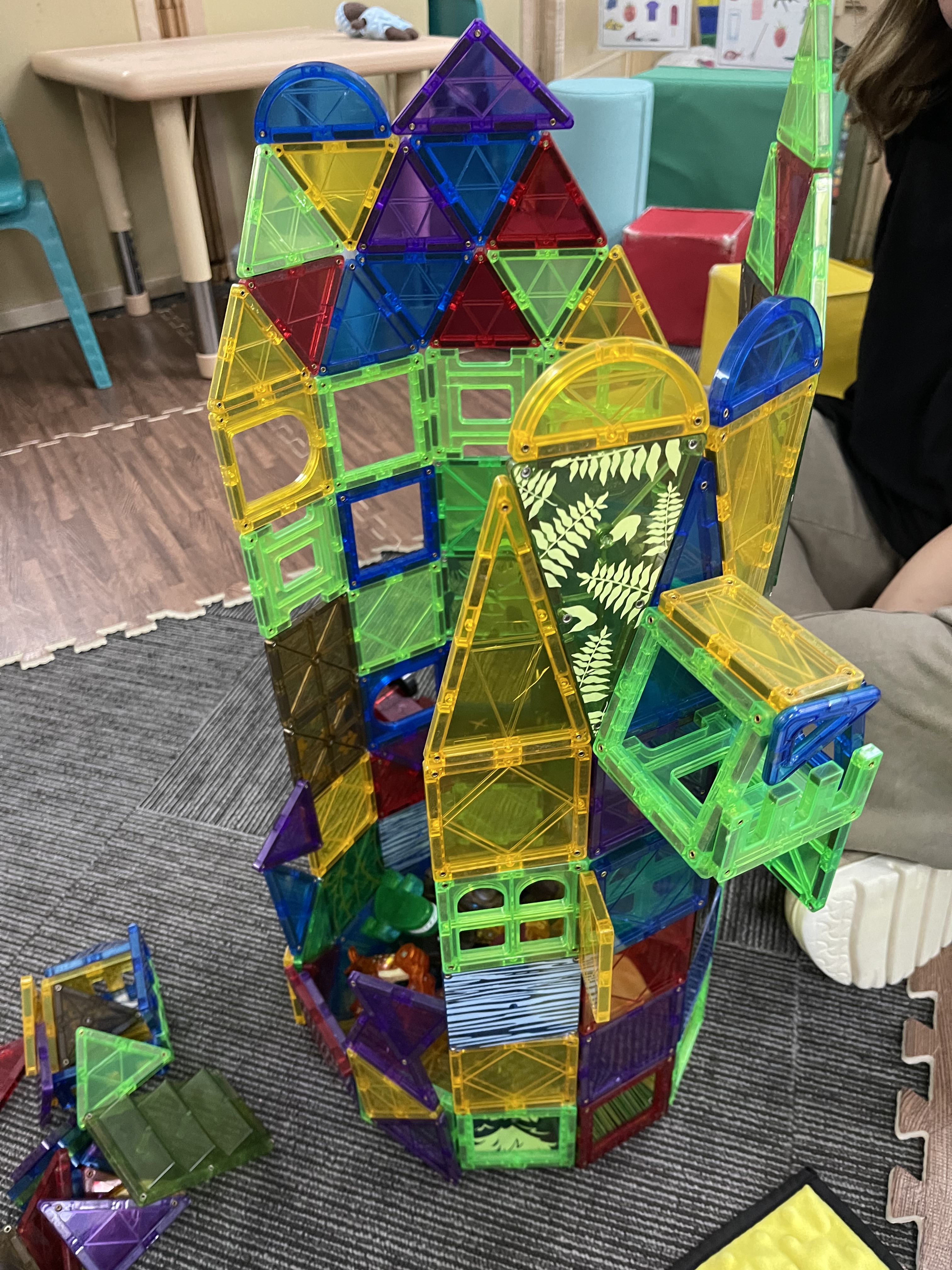
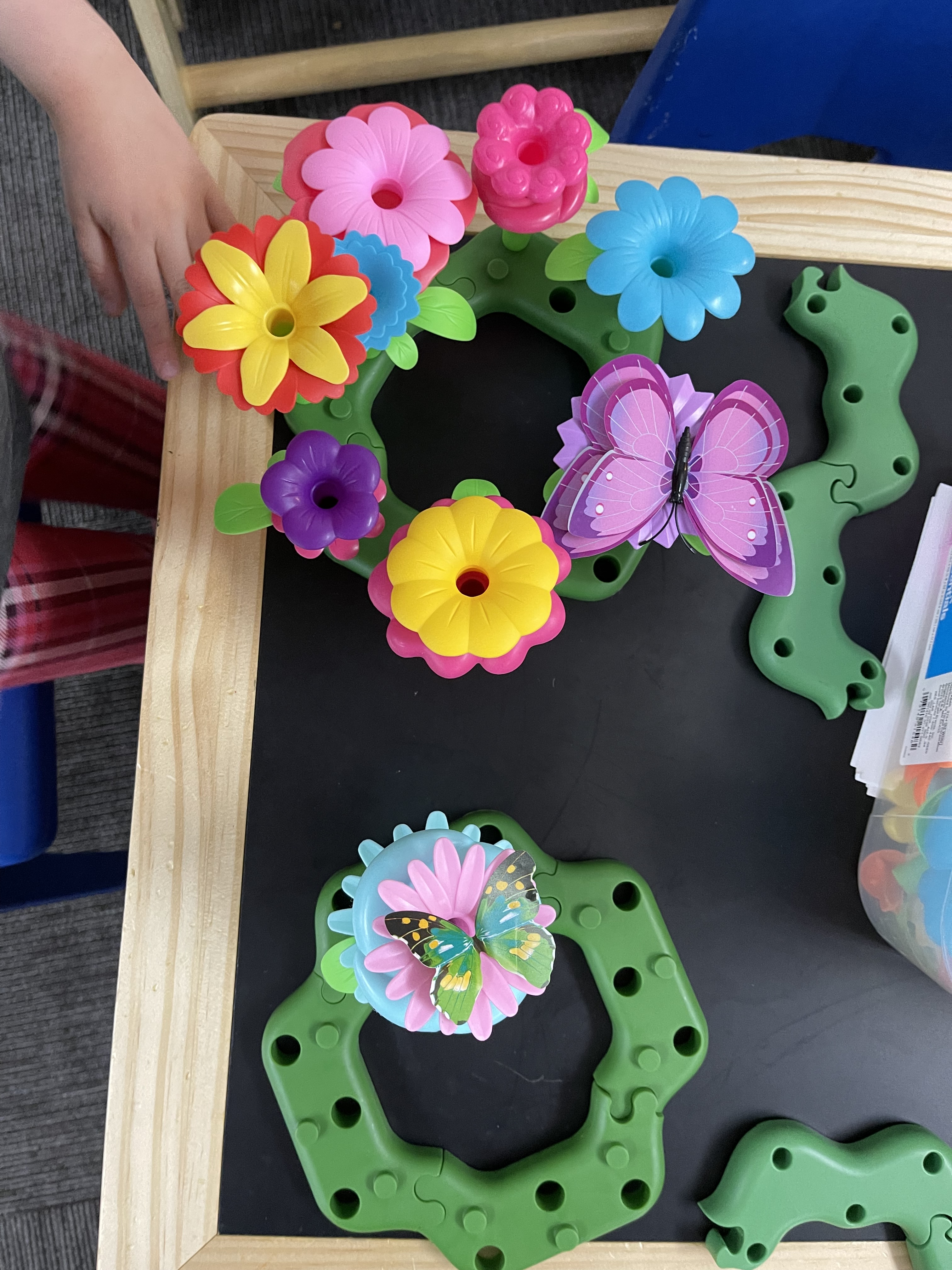
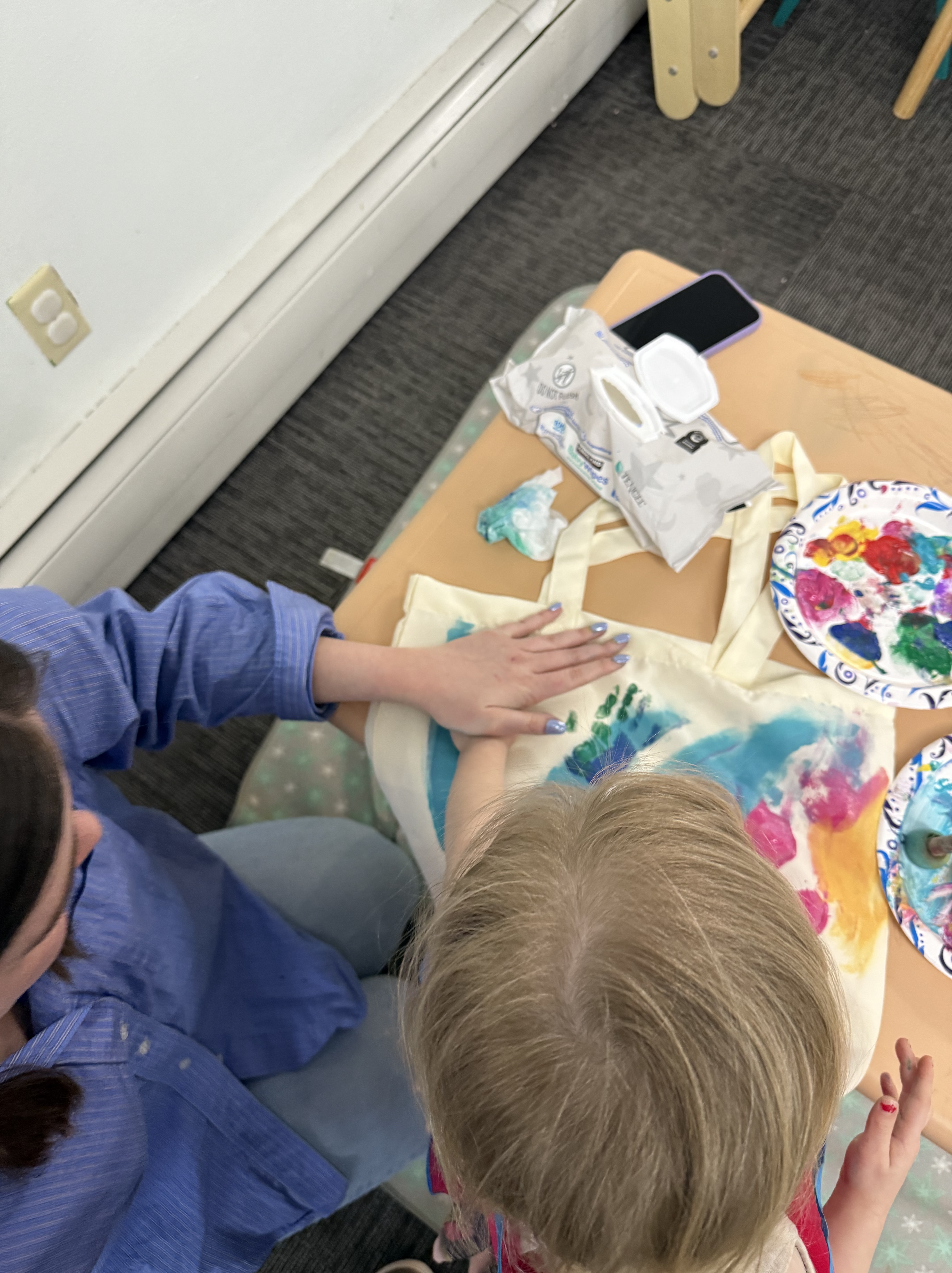
My work at Discovery also gave me the chance to form deep personal connections with the children. Each day brought laughter, challenges, and creativity, from spontaneous conversations to carefully stacked block towers. Behind these joyful moments were many hours of activity planning, each day attempting to engage students through thoughtful projects and interactive play. My phone’s camera roll has become a colorful collection of artwork, towers, and small victories, reminders of the joy and resilience children bring into the classroom when given the chance to thrive.
My hands-on engagement pushed me to reflect on culture, both my own and the communities I worked with. I grew up in a setting where access to early education was relatively secure, and I often took for granted that children would be prepared to thrive in school. In contrast, my work at Discovery highlighted how rural and working-class families often struggle to find consistent, affordable care. This contrast challenged me to think more critically about privilege and to value the resilience and resourcefulness that parents demonstrate in navigating these barriers. It deepened my respect for the families I served and gave me a more nuanced understanding of how culture, economics, and education intersect.
This experience also raised new questions for me. How can educational policy better support families so that access to early education is a right, not a privilege? What role should local communities play in shaping early childhood programs that reflect their unique needs and values? And how can educators themselves be supported to provide equitable, high-quality care when they often face underpayment and burnout?
Overall, this Beyond the Classroom experience gave me a more grounded perspective on my Global Theme and Challenge. It confirmed my commitment to pursuing a career in early childhood education and advocacy, while reminding me that addressing inequality requires both hands-on engagement and systemic change.

 Beyond the Classroom