
Hi all! My name is Maya Gritzner and I am a senior studying Biology with a concentration in Ecology and Organismal Biology with a minor in International Development Studies. For my Out of Classroom Experience I chose to take a Field Ecology class at Flathead Lake Biological Station, which is located about an hour and a half north of Missoula on the shores of Flathead Lake. I spent four weeks living and studying at the bio station where I met many amazing and inspirational people, spent my time in some truly spectacular landscapes, and learned a great deal about ecological principles, components, and research methods.
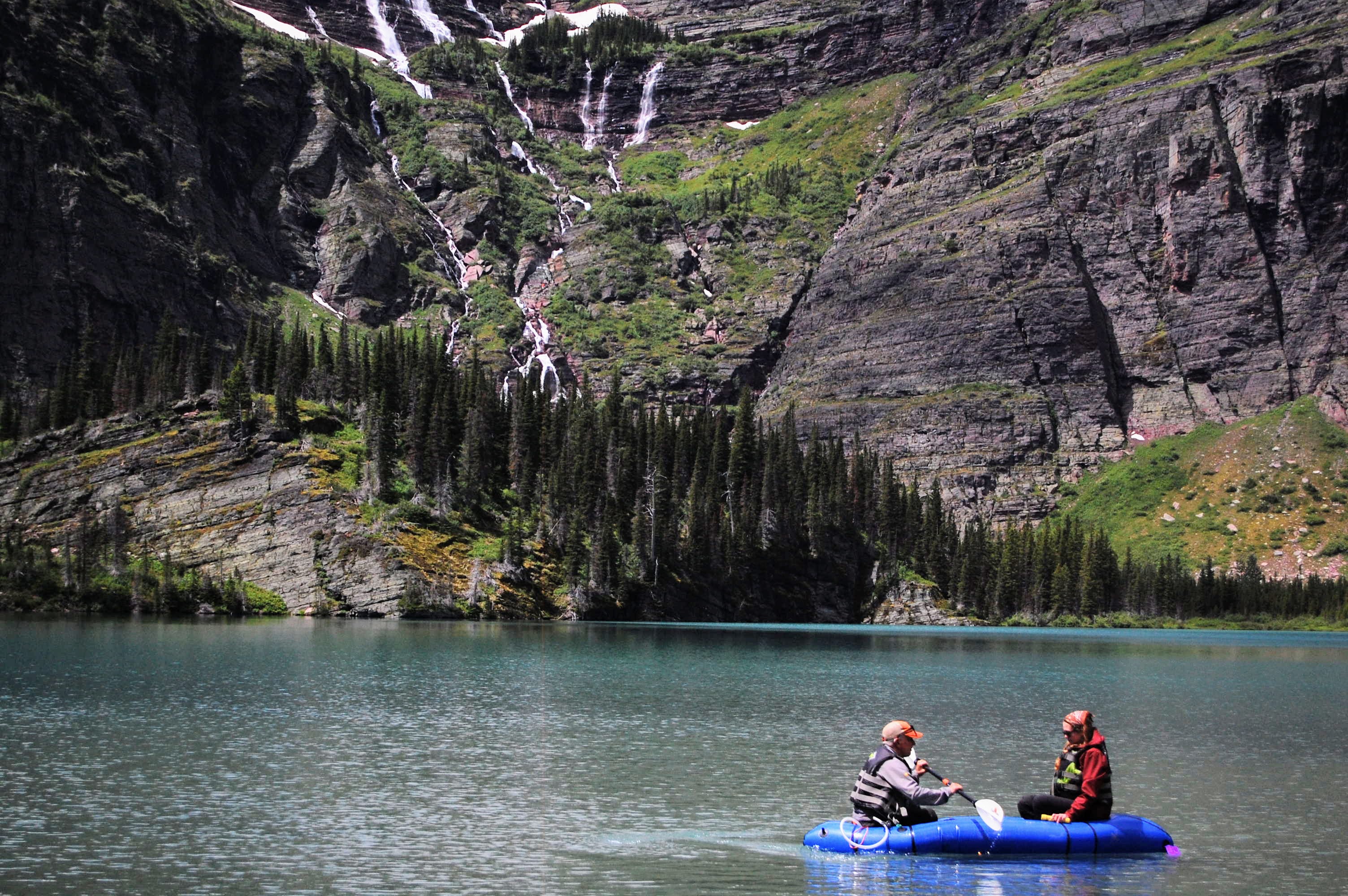
During my time in the GLI, I’ve chosen to focus on the Global Theme of Resources and Sustainability. I have always been very passionate about the well-being of the natural world. Through my exploration of this theme, I’ve come to understand just how entangled and reliant society is on nature and the resources it provides. Healthy ecosystems have intrinsic value outside of what they provide to people, but it is undeniable that the state of our planet dictates the state of humanity. My experience at the Flathead Biological Station reinforced this perspective and gave me a greater understanding of what can be done to counter the degradation and dysfunction afflicting most of our world’s ecosystems due to human influence.
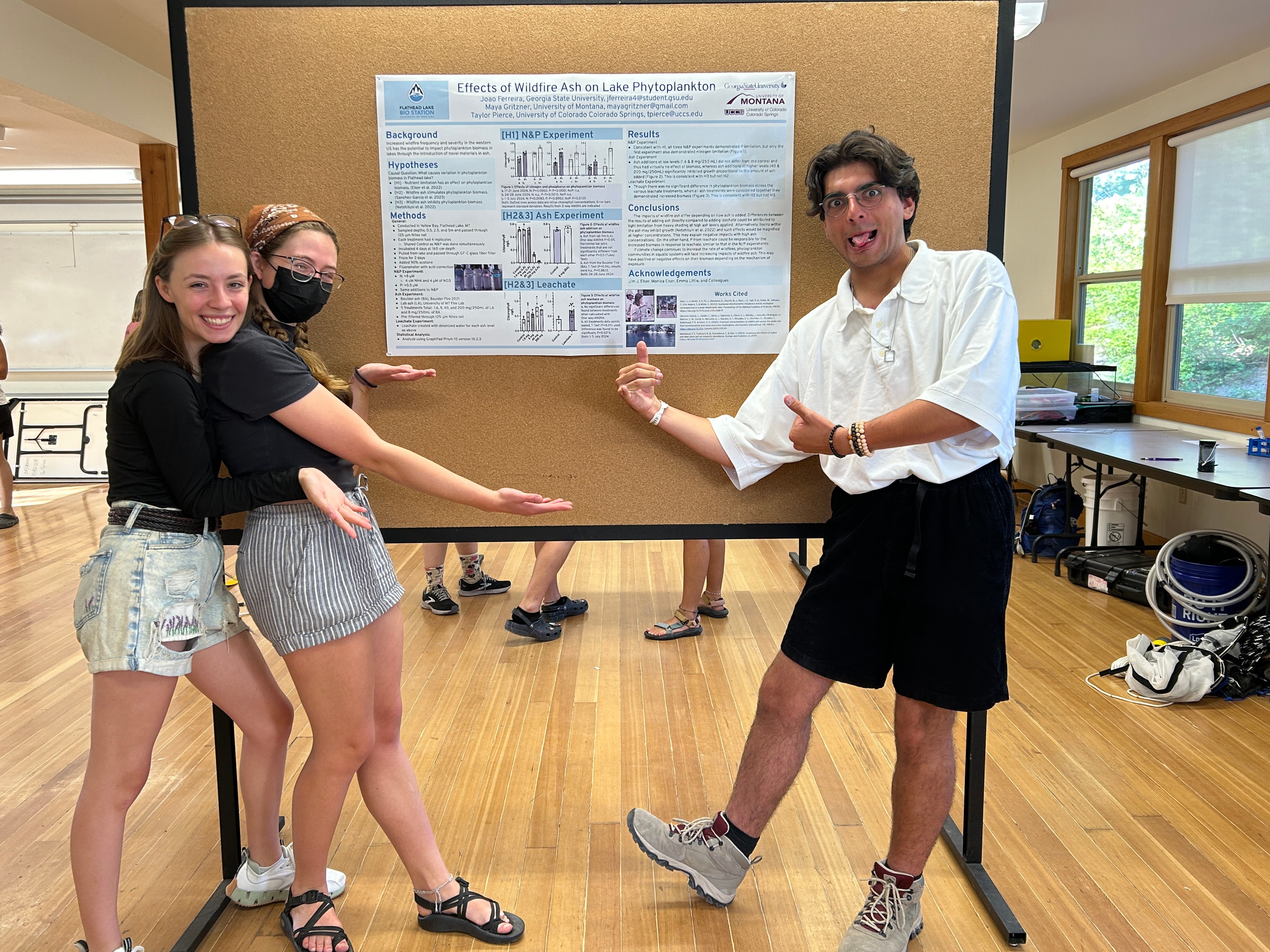
Another incredible part of this course was getting to participate in a Classroom-based Undergraduate Research Experience (CURE). My team of three students conceptualized, planned, implemented, and completed a research project in just four weeks. Our experiment sought to investigate the impacts of wildfire ash on phytoplankton biomass. This experience provided me with an opportunity to learn more about the research process and practice leadership skills. My team was well-balanced and we were able to collaborate and communicate well once we learned to recognize each other’s strengths. As with all good science, our results left us with more questions than answers, but the station plans to continue our research next season and I’m very excited to see what the next team discovers.
I am incredibly grateful for this experience, and I only wish it had been longer. I would love to learn more about restoration ecology as, now that I have a strong foundational understanding of the current issues facing many ecosystems, I want to know what must be done to restore them and how I can be an active participant in those efforts to better our world on a global scale.
 Beyond the Classroom