
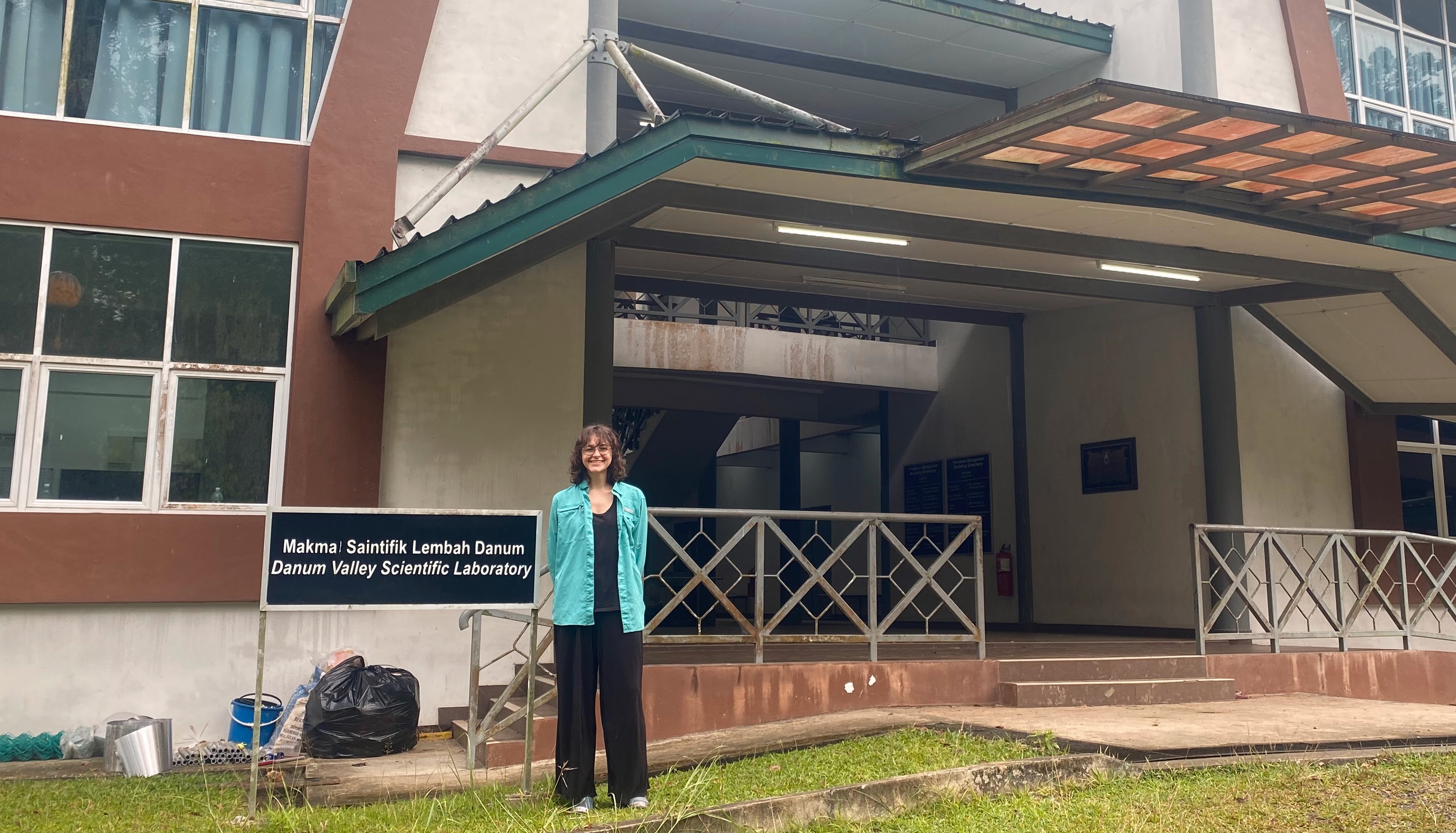
This summer, I had the opportunity to take my Global Leadership Initiative theme of Resources and Sustainability to Malaysian Borneo, where I spent several weeks as a research assistant at the Danum Valley Field Center. Danum Valley is one of the last primary lowland rainforests in Southeast Asia; a place where towering dipterocarp trees dominate the canopy, and endangered wildlife like Bornean elephants and orangutans still thrive.
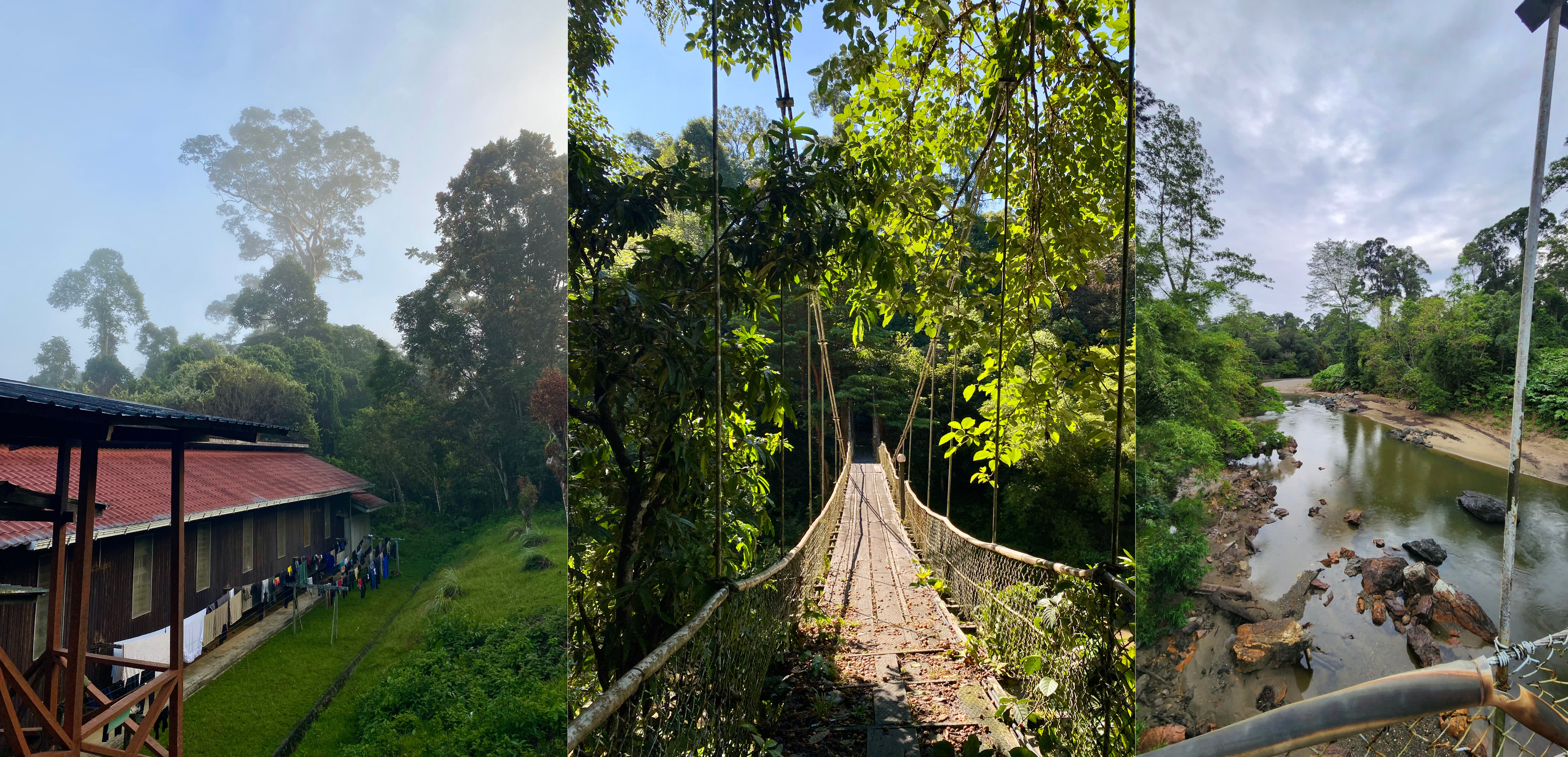
My main role was assisting with a long-term forest phenology project that monitors how tropical plants respond to climate change. Phenology is the study of seasonal cycles such as leaf flush, flowering, and fruiting, the timing of which is critical for wildlife that depend on these resources. By recording fruit production and tree leafing patterns, the project helps researchers understand how shifts in climate ripple through the ecosystem.
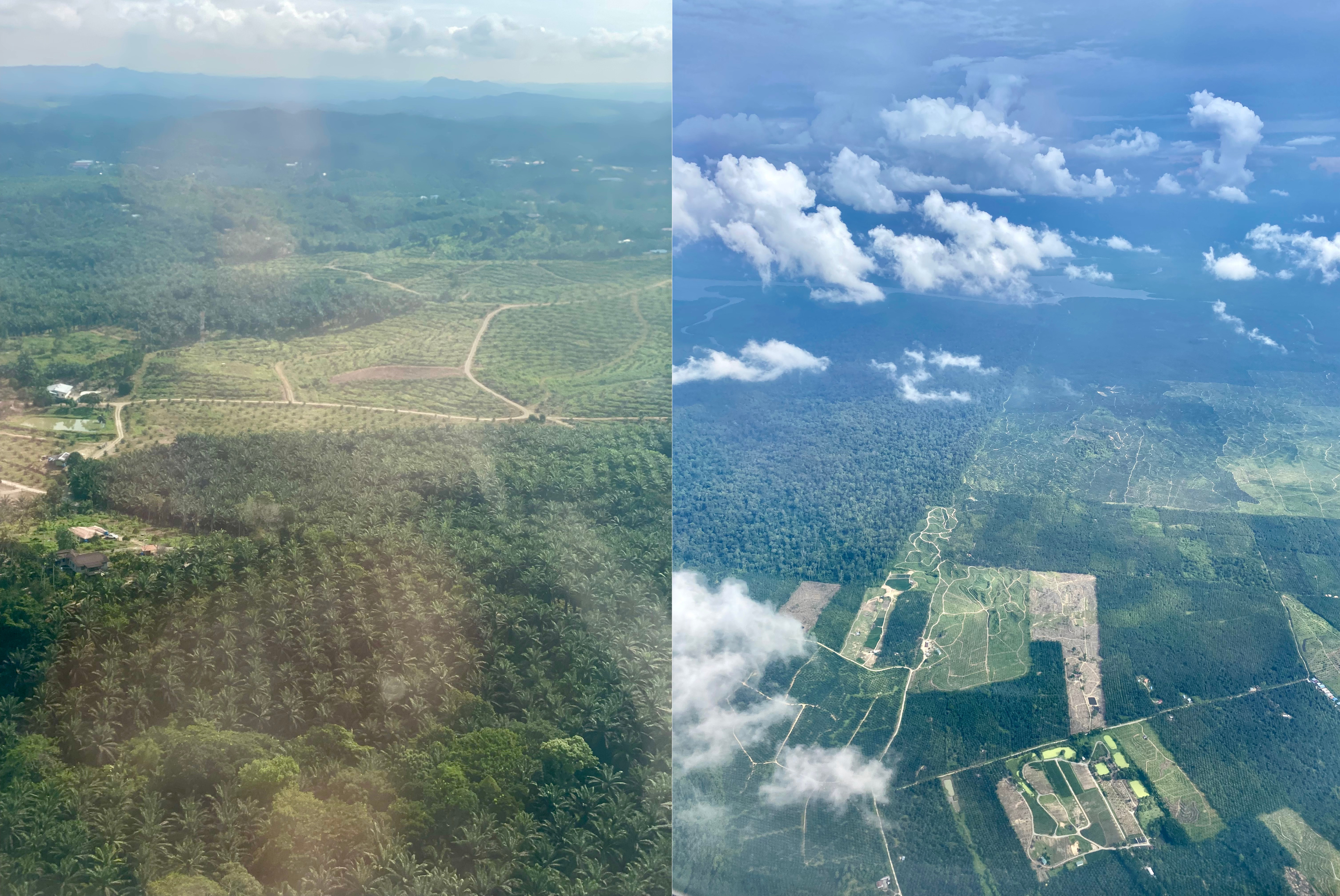
My internship connected to my global theme of Resources and Sustainability and my challenge of “conserving biodiversity in the face of environmental change” by highlighting how natural resources and human needs intersect in complex ways. Primary forests like Danum are irreplaceable for biodiversity, carbon storage, and climate regulation, yet the economy of Sabah in Malaysian Borneo has long depended on palm oil. Abandoning such a profitable industry would be very difficult, thus the state is pursuing a dual strategy by reforming palm oil through sustainability initiatives while also expanding ecotourism. My experience at Danum contributes to these tradeoffs by providing scientific data that helps policymakers and scientists understand how climate change affects tropical forests and the wildlife they support. At the same time, my presence as a visitor contributed to the ecotourism economy, since my funding helped support the operations of the field center. In this way, my experience reflected both sides of the sustainability challenge by advancing scientific knowledge and directly sustaining the institutions that make conservation possible. It also gave me an invaluable opportunity to engage with complex and conflicting perspectives related to my Theme and Challenge.
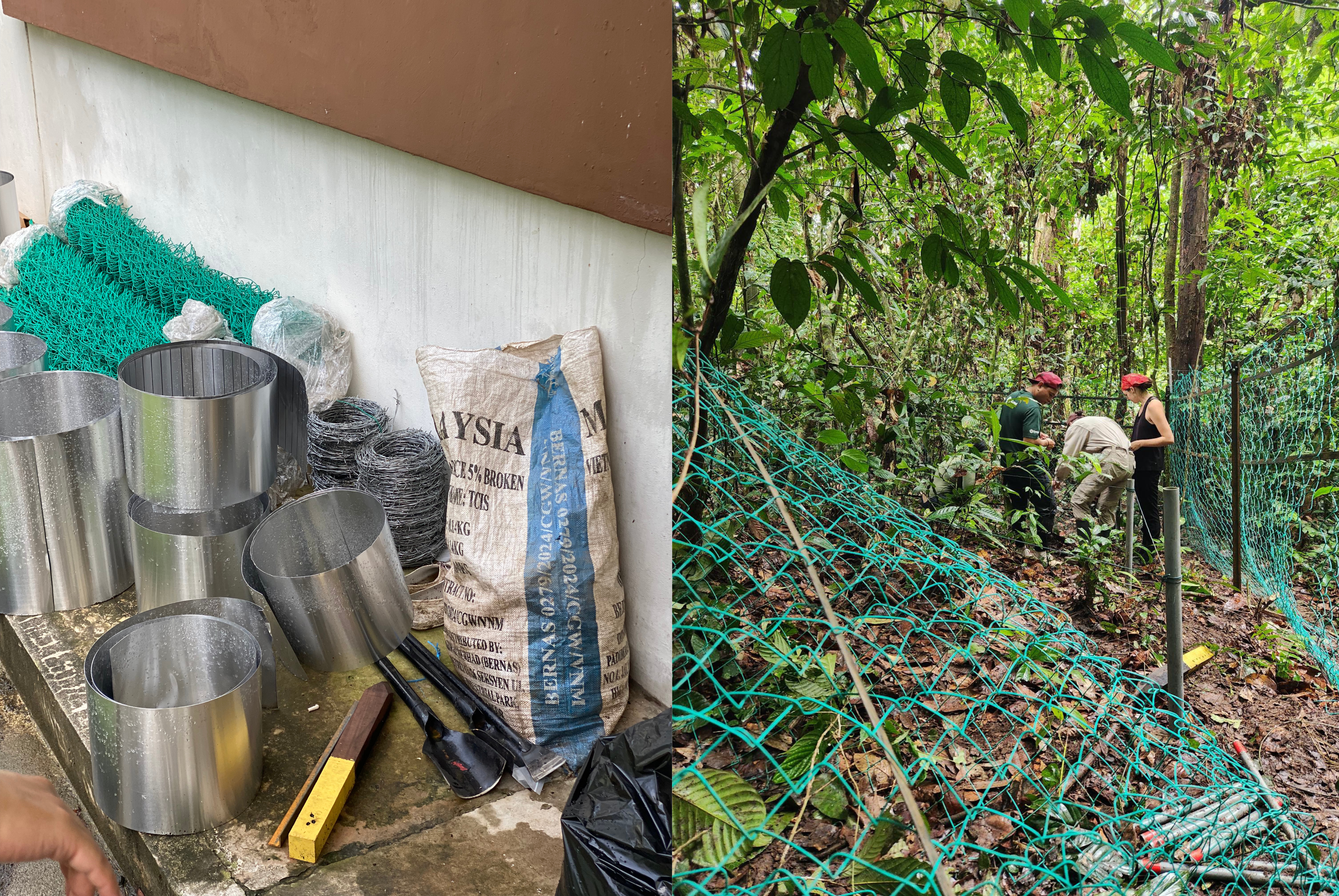
When not collecting phenology data, I also helped launch a new herbivory exclusion experiment. This study tests how insects and insect-eating birds influence the survival and growth of tree seedlings by using a combination of netting, insecticide, and protective fencing. Building enclosures strong enough to keep out all herbivores (from rats to elephants) in the humid rainforest was difficult, muddy work, but it gave me hands-on insight into the challenges of designing and implementing controlled experiments in complex and harsh ecosystems.
This experience also developed my leadership skills. For most of my time in Danum I was on my own, which required me to take initiative, coordinate daily fieldwork with the local research assistants, and manage my role in the project independently. In the final week, I also worked alongside a group of student volunteers, and I found myself stepping into a leadership role by helping guide their work and sharing what I had learned.

One of the most unforgettable moments of my internship was looking up to see a family of orangutans moving gracefully through the canopy. Spotting orangutans in Danum Valley is special because it offers a rare glimpse into their natural, undisturbed habitat in an ancient forest largely untouched by logging, poaching, or oil palm plantation development. Borneo is a global biodiversity hotspot, holding approximately 6% of the world’s biodiversity despite covering only about 1% of Earth’s land surface. During my time in Danum, I was able to see an incredible diversity of species that thrive in intact primary forests, many of them species that are often absent or less abundant in recently logged or restored areas elsewhere in Borneo. Each night on guided night walks, I encountered something new, reinforcing just how much remains to be discovered in these ecosystems and how much could be lost without protection.

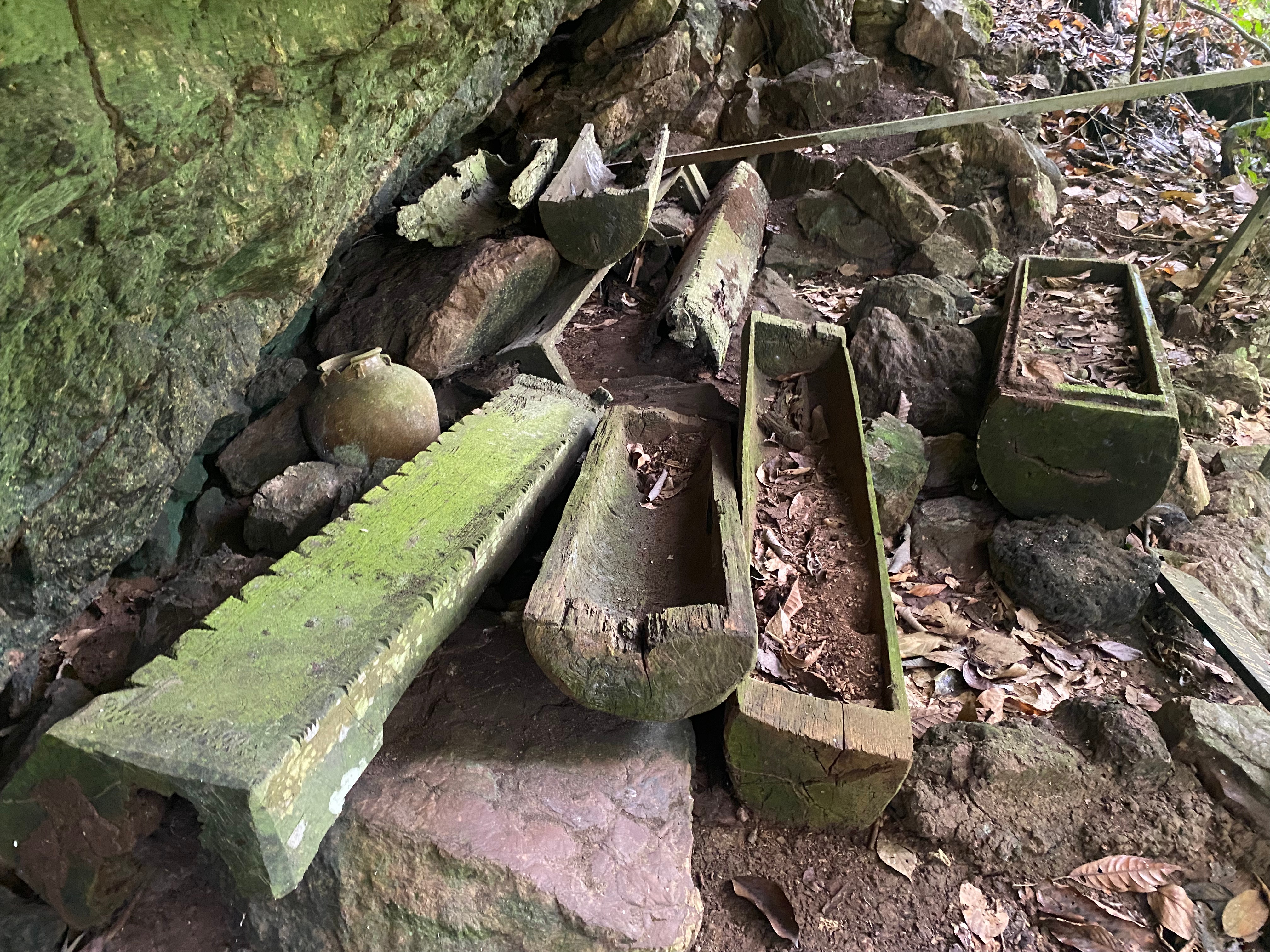
In Sabah, I saw clearly how people and forests are deeply intertwined. A striking reminder was encountering ancient wooden coffins in the forest, dated to around 400 years old, reflecting a long human presence in the landscape. Alongside these historical ties, I also experienced living traditions by taking Malay classes and joining a BBQ where local research assistants prepared traditional foods and taught us dances. These moments reinforced that conservation is inseparable from culture, and that local people must be included in every effort to address biodiversity loss and climate change. This challenged me to reflect on my own culture’s tendency to view wild and preserved places as “untouched” and gave me a more integrated understanding of how people and ecosystems are fundamentally connected.
I still wonder how climate-driven changes in fruiting and leafing patterns might affect wildlife populations. Because this project is still underway, I look forward to reading the final PhD dissertation to fully understand the results and their implications for tropical forest conservation. Overall, this Beyond the Classroom experience gave me a clearer sense of the challenges facing tropical conservation, and a vision of how science and community engagement can work hand in hand. Beyond that, it strengthened my skills as a researcher and clarified my commitment to a career as a research wildlife biologist. I am grateful for the support that made it possible.
 Beyond the Classroom