
Hello! My name is Brandon, a junior at the University of Montana where I’m majoring in Wildlife Biology with minors in Wilderness Studies and Climate Change Studies. My Beyond the Classroom Experience took place over the Autumn 2024 semester, where I had the incredible opportunity to study at The University Centre in Svalbard (UNIS) located in Longyearbyen, deep in the high Arctic north of Norway.
Svalbard is a remote archipelago that sits at a high latitude, providing unique opportunities for studying biology. My semester started in July and ran through December, allowing me to experience the midnight sun, where the sun remained above the horizon until late August. Following this, the polar night began in late October, when the sun ceased to rise, and by mid-November you could see constellations even in the middle of the day. These extreme seasonal shifts underscored the unique adaptations required by local wildlife to survive. One particular example of this is the Svalbard Reindeer, think of the pony version of a caribou and, well, you get the Svalbard reindeer, scientific name of Rangifer tarandus platyrhynchus, directly translating to “flat-nosed reindeer”, which is a good description of this peculiar critter who certainly has shortened extremities to help with heat retention through the cold, windy winters.

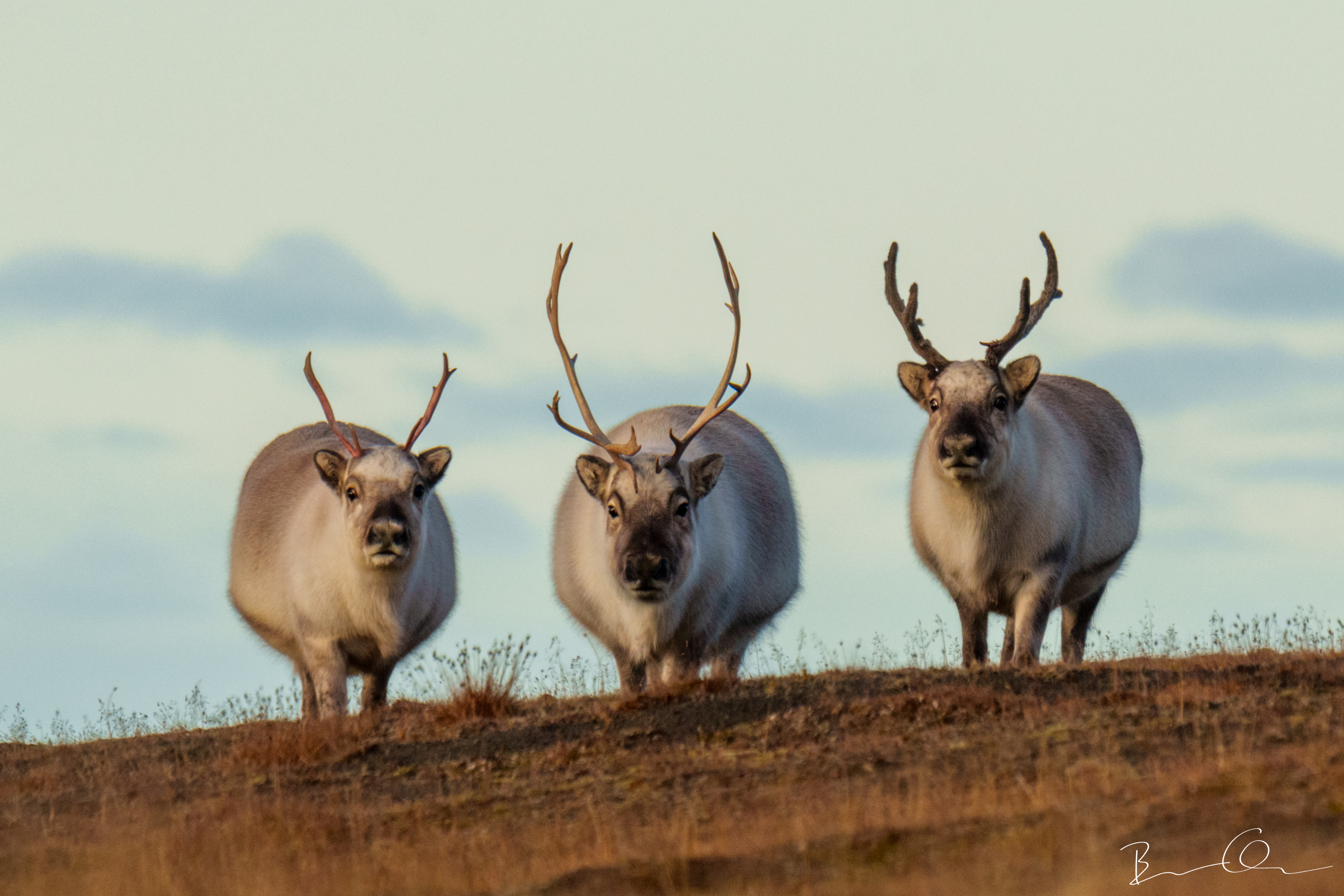
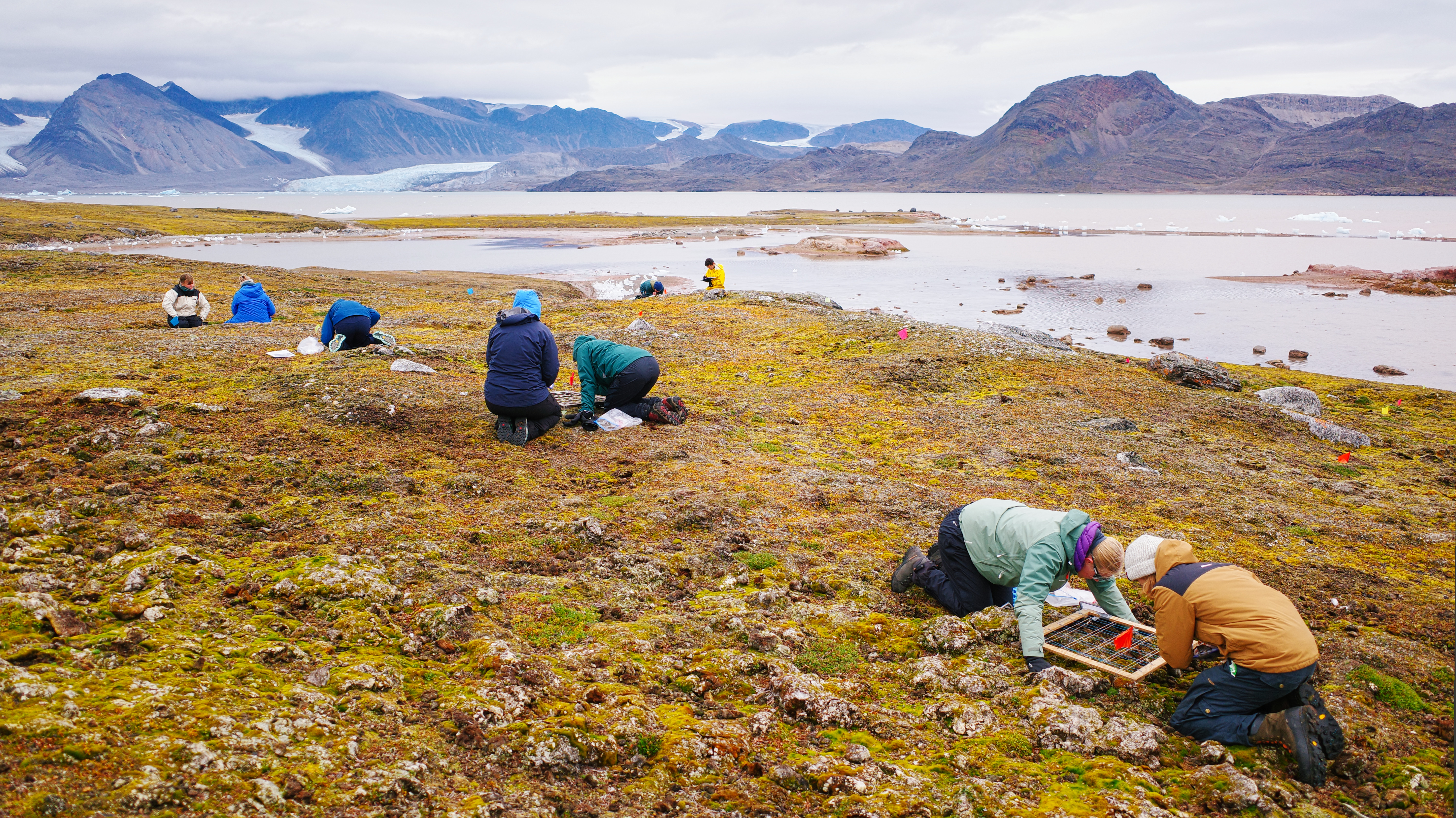
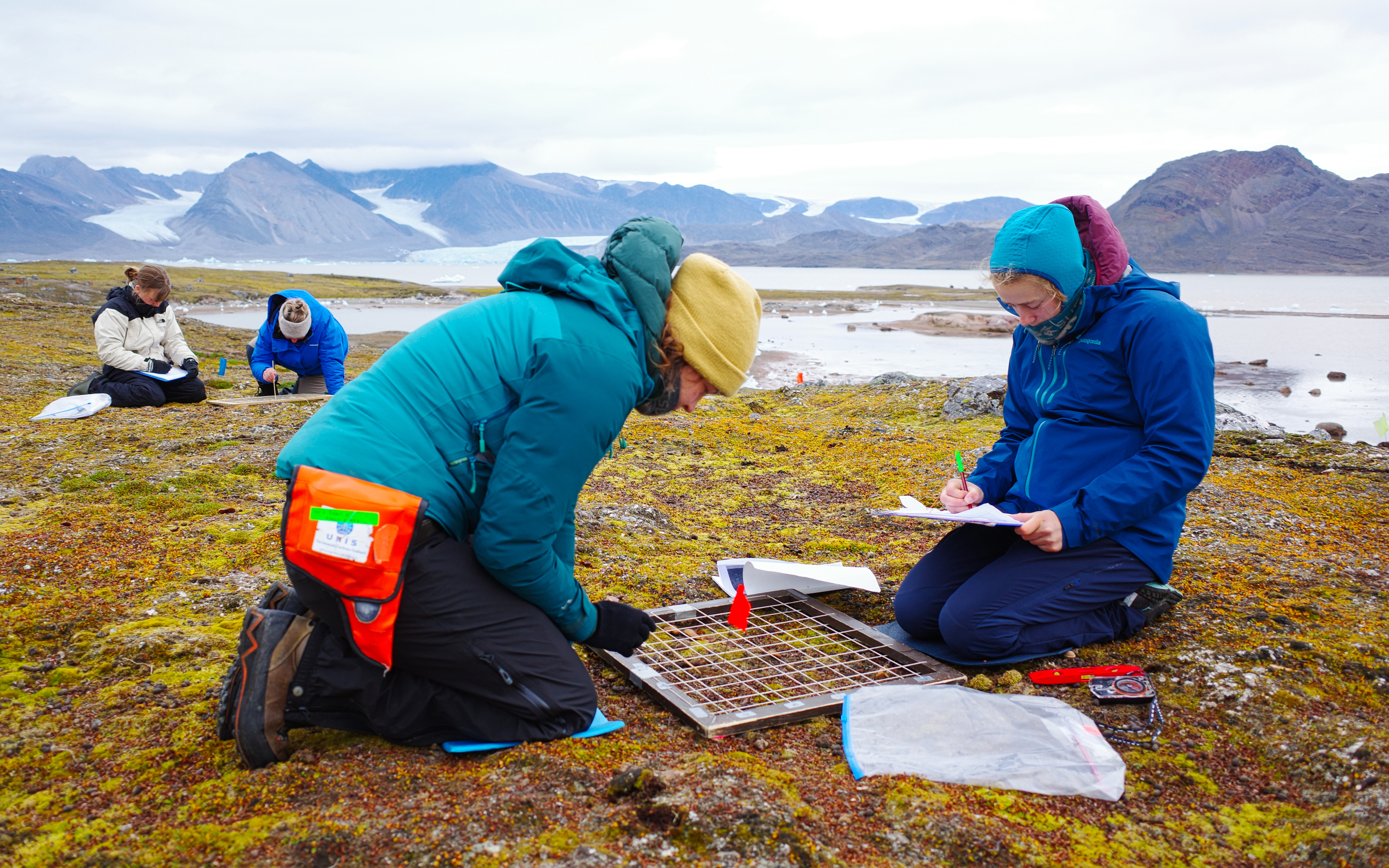
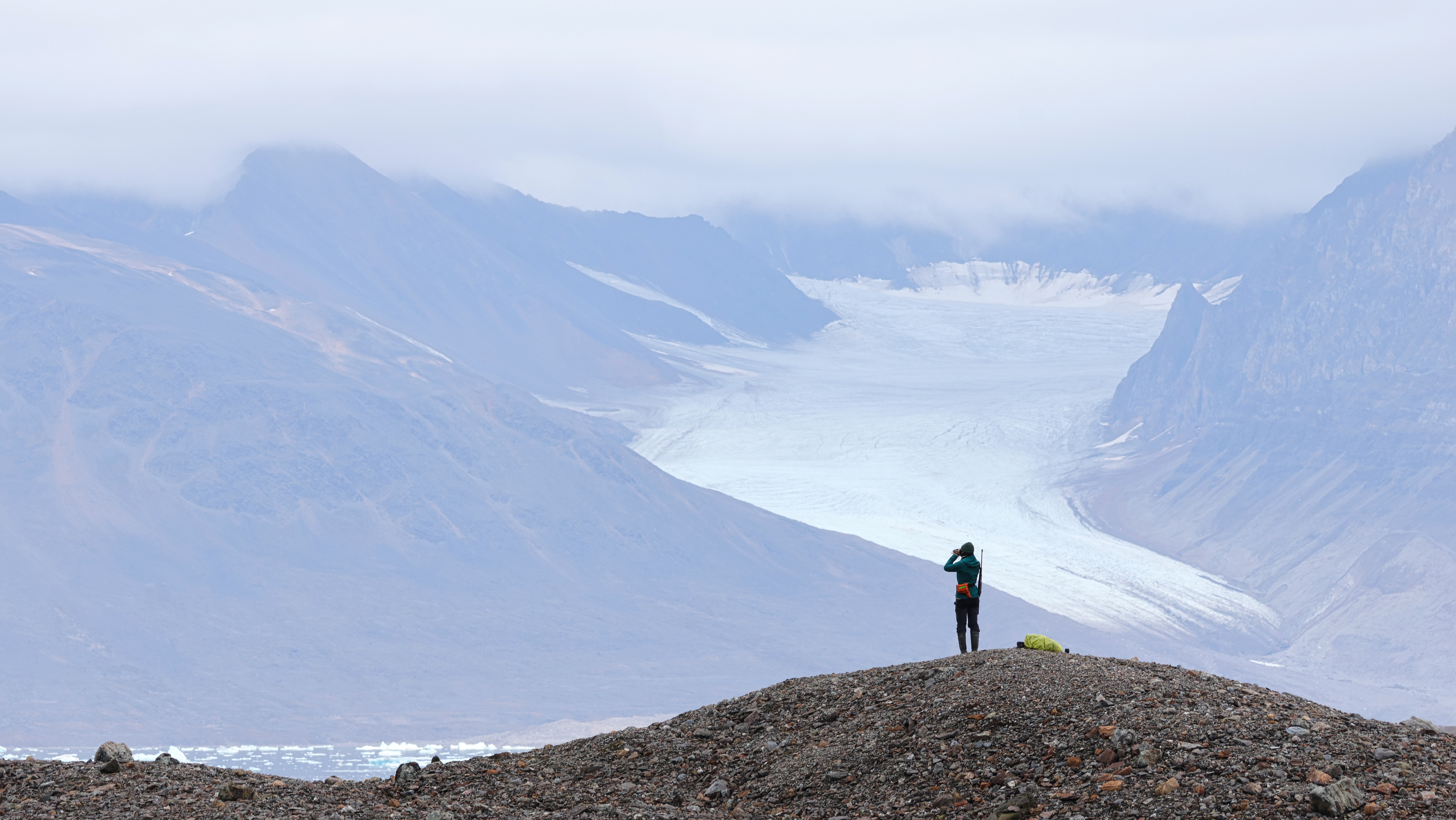
My courses in Arctic Biology and Arctic Population Ecology were had a large field component. We regularly ventured into the field to conduct surveys, implement sampling methods, and analyze our findings back in the laboratory. The impacts of climate change were a constant theme, particularly significant in Svalbard, which is warming faster than any other place on the planet due to the effects of Polar Amplification.
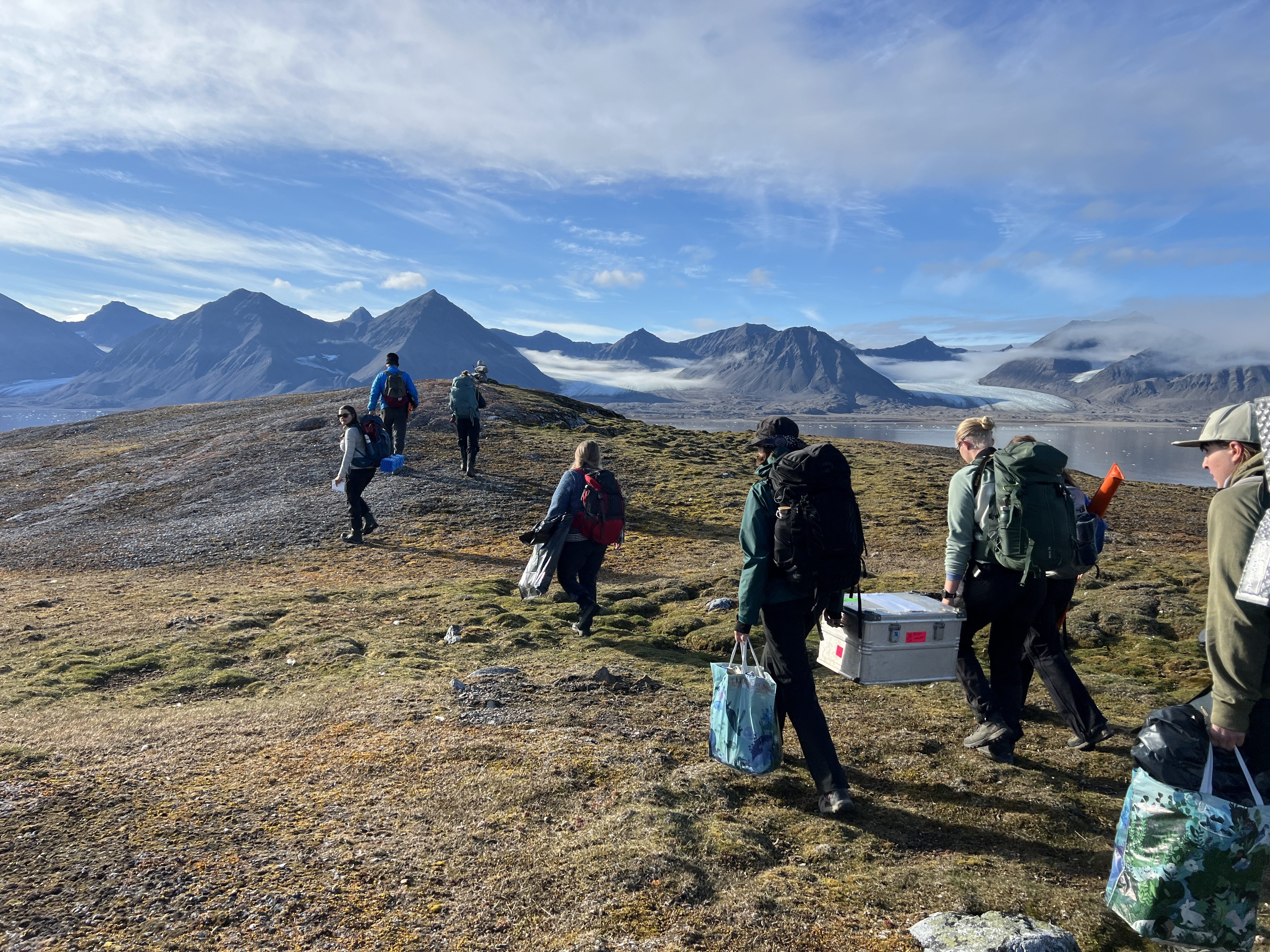
Pursuing a career in international conservation aligns closely with my GLI theme of Resources and Sustainability. This experience deepened my understanding of how different countries and cultures approach conservation. Lectures from experts from around Northern Europe offered insight into alternative approaches to resource management and conservation, emphasizing the importance of adaptability and international collaboration in our global fight against environmental degradation.
A significant component of our program involved breaking into groups to tackle specific scientific questions through field and laboratory research. This not only honed my technical and analytical skills but also developed my leadership abilities, as it required orchestrating complex logistics and promoting teamwork in a dynamic environment. One memorable moment was when our plans were abruptly changed due to a polar bear napping on the route to one of the sites we were surveying—a vivid reminder of the unpredictable nature of Arctic fieldwork.
A hot topic in the media that directly relates to my studies is the debate over deep sea mining (DSM), particularly around the thermal vents in the Arctic Ocean. These vents are critical to unique and fragile ecosystems and are now at risk due to increased resource exploration facilitated by the melting polar ice caps. The exploration itself, not just the mining, poses significant risks to these ecosystems, from physical disturbance of the seabed to potential chemical pollution.
My time in Svalbard has been nothing short of transformative, deepening my commitment to conservation and my understanding of global environmental challenges. As I continue my academic journey and move towards a career in international conservation, the lessons learned here will undoubtedly shape my approach to both leadership and collaborative international efforts.


 Beyond the Classroom