
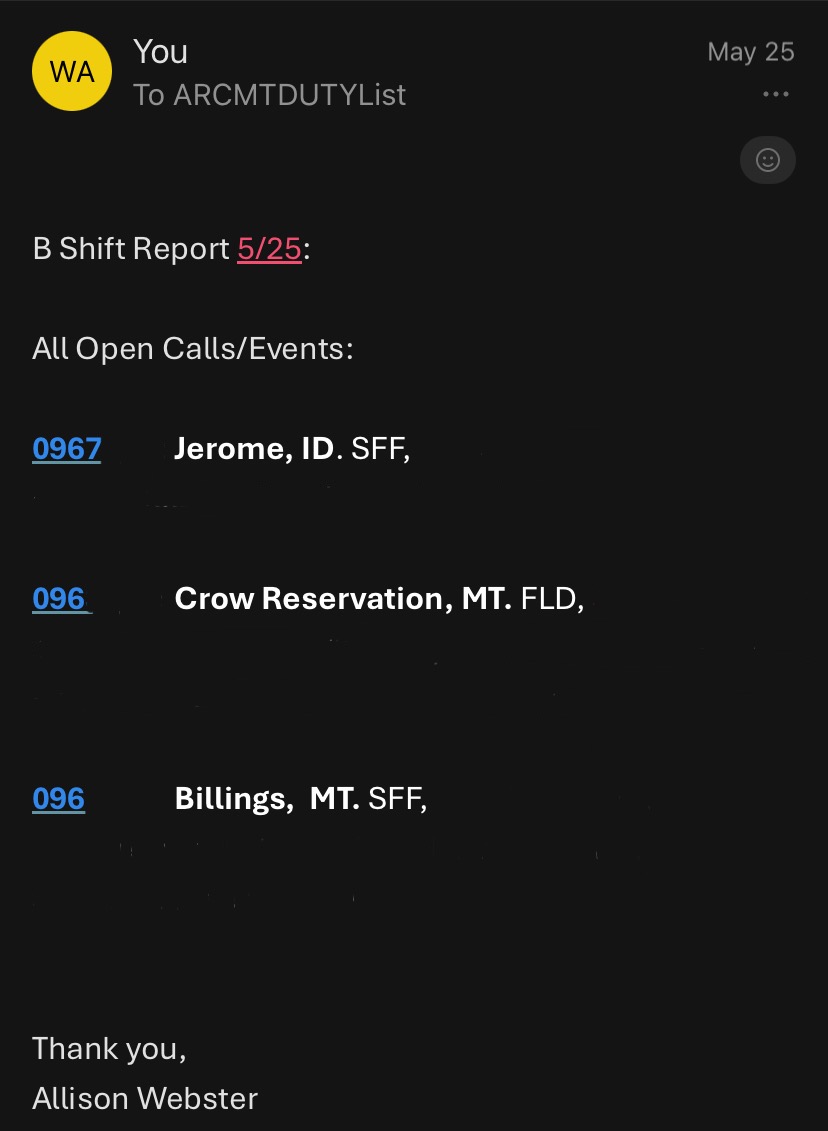
Hi everyone! My name is Allison Webster. For my Beyond the Classroom Experience, I volunteered with the American Red Cross as a Duty Officer. This role put me on the front lines of their Disaster Action Team, where I was often the first person notified when someone was in crisis and needed help. I was able to find volunteers who were local to the event and dispatched them to offer Red Cross assistance in their time of need.
My Global Theme of Inequality and Human Rights and my Global Challenge, “How to offer support and hope to those in need during times of crisis and despair”, have both been deeply shaped by my experience working with the American Red Cross. As a Duty Officer, I had the opportunity to provide support to individuals facing some of the most challenging moments of their lives. My duties ranged from helping someone find emergency shelter, replace lost medications, access mental health services, or obtain financial assistance after a disaster. I was able to witness the real-world impact of compassionate and timely support. This role also helped me grow significantly as a leader, as I was the one behind the computer orchestrating the whole response with my DAT team and the clients.
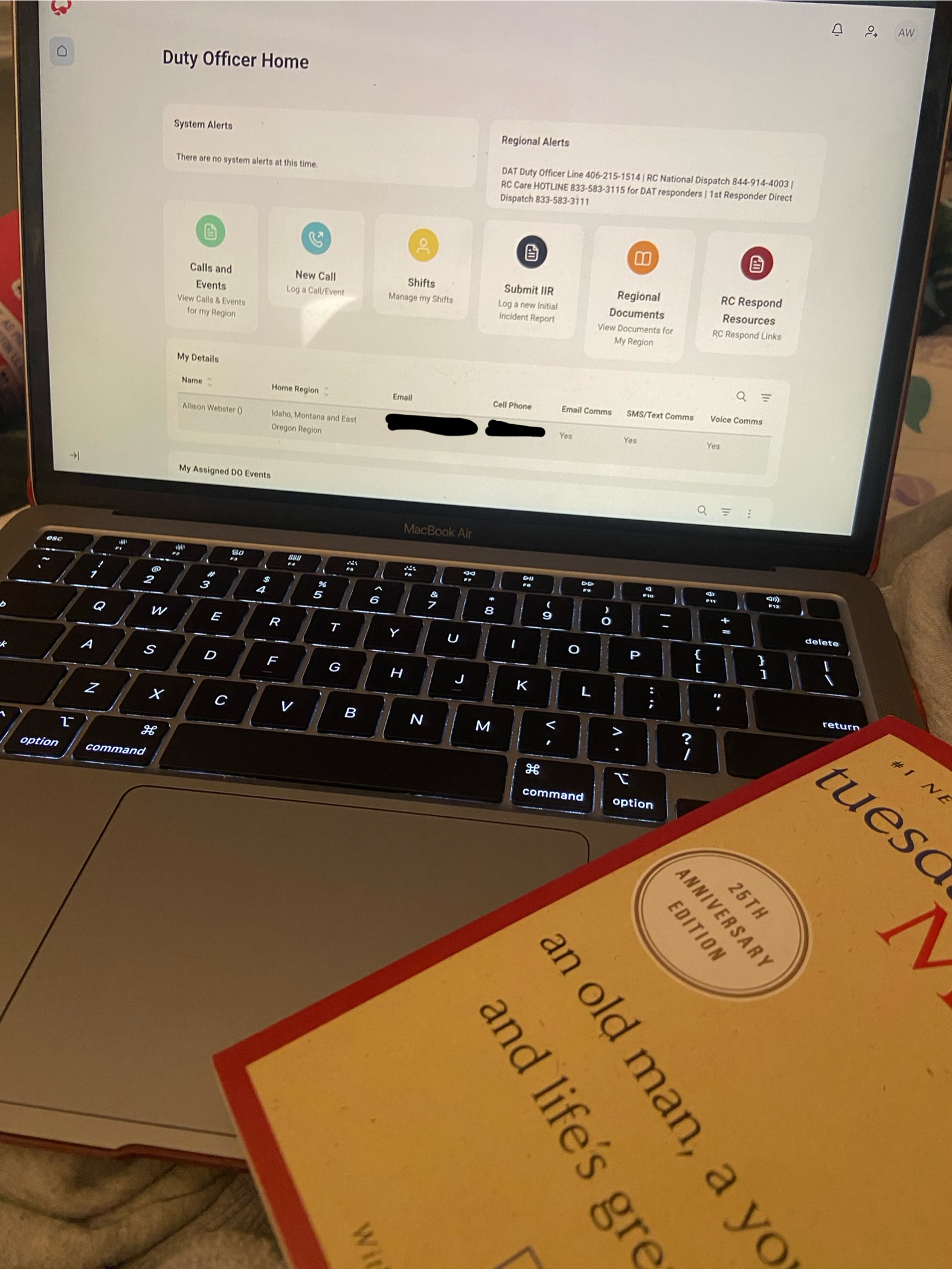
This role provided me with an understanding of how inequality can impact a person’s ability to recover from a crisis in their specific disaster. This often looks different from client to client. Many of these clients are experiencing the worst days of their lives, and I learned the importance of meeting people where they are. There were many circumstances where the DAT members would call me after speaking to the client and tell me that the client is unsure if they need the Red Cross’s help right now. Many clients need a little bit to process what has happened. In this case, we would leave their case open in our system and let them know that if they decide that they need our help, to just call us and let us know.
Academically, I’ve studied how social systems often fail to support individuals, especially in offering support in times of need. Working with the Red Cross allowed me to witness these systemic gaps that can often be overlooked when not aware of them. It was one thing to read about inequality in textbooks; however, it was a different ball game to see someone without a support system trying to recover from a house fire or struggling to access medication after a disaster. Many of us, even I included, take for granted our support systems. I know if my house caught on fire, I would be able to stay at so many people’s houses until I got back on my feet. I also know I would have the financial support of my family. However, many of these individuals don’t have that luxury that many of us have.
Throughout this experience, I’ve started asking new and important questions that I hope to look at further and take with me as I enter the workforce. How can crisis response systems better serve underserved or rural communities? How can we reduce barriers to accessing emergency support?
 Beyond the Classroom