
When I began college, I had many different interests and wasn’t sure which path I would ultimately take. The one certainty was that I wanted to spend a semester abroad. That dream came true this past year. While my time abroad brought its fair share of challenges, it was also one of the most rewarding experiences of my life.
My original GLI Global Theme was Public and Global Health. However, once I arrived in Chile, I realized that the courses I had planned on taking either didn’t match my Spanish level or required prerequisites I hadn’t met. Because of this, I decided to pivot and change my global theme to Resources and Sustainability, which aligned much more seamlessly with the Biology classes available to me. This change opened up new perspectives that I hadn’t anticipated, and I became curious about the ways the U.S. and Chile approach sustainability topics, as well as the cultural or societal norms that inform those differences.
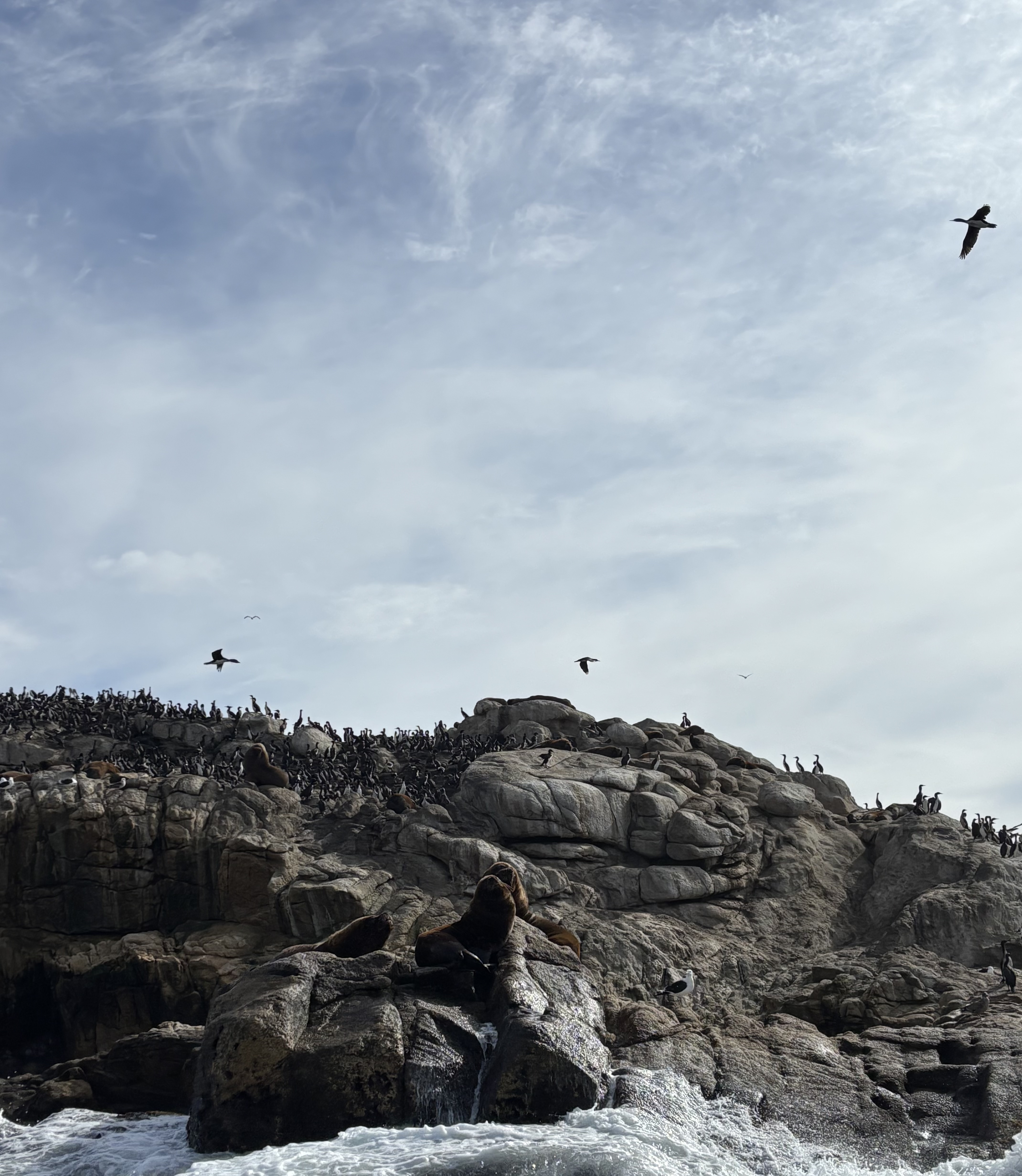
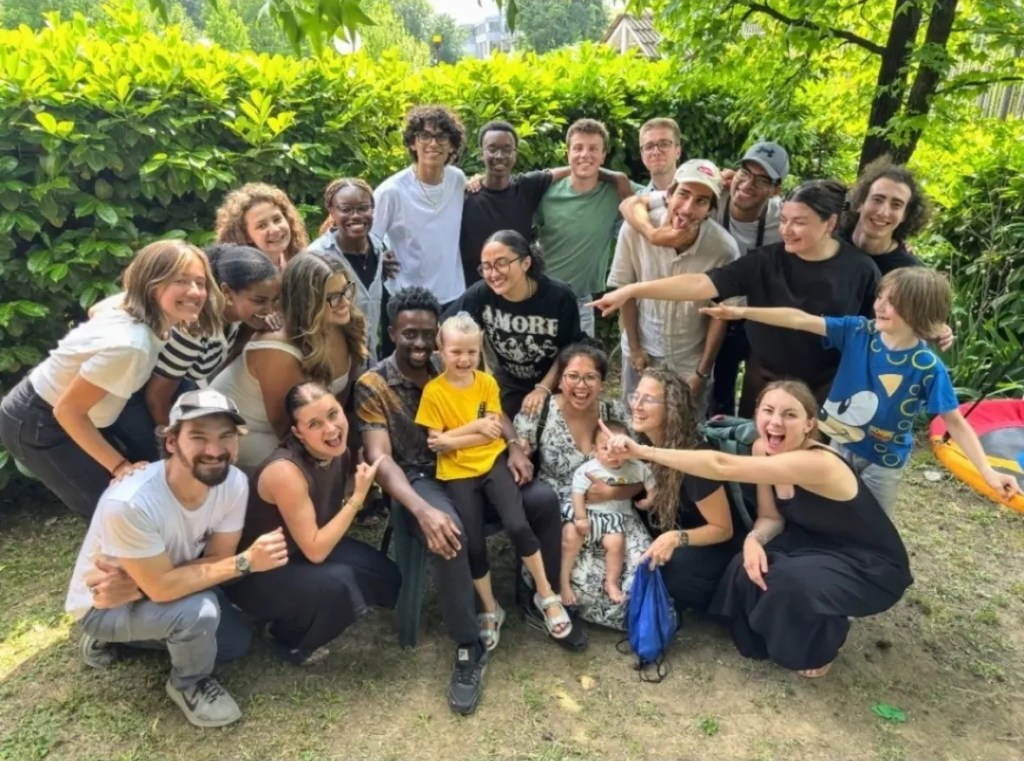
Living in Concepción was a huge adjustment. I was in a house with 11 other people from all over Europe and South America, and I quickly noticed how flexible things were compared to what I was used to. Punctuality wasn’t treated as rigidly as it is in the U.S., and classes often began 15–30 minutes past the hour. Scheduling conflicts weren’t resolved through an advisor, but rather directly with professors, which often meant classes could change from their original schedule. What first seemed disorganized eventually began to feel like part of the charm of life in Latin America—there was a kind of beauty and magic in the chaos.
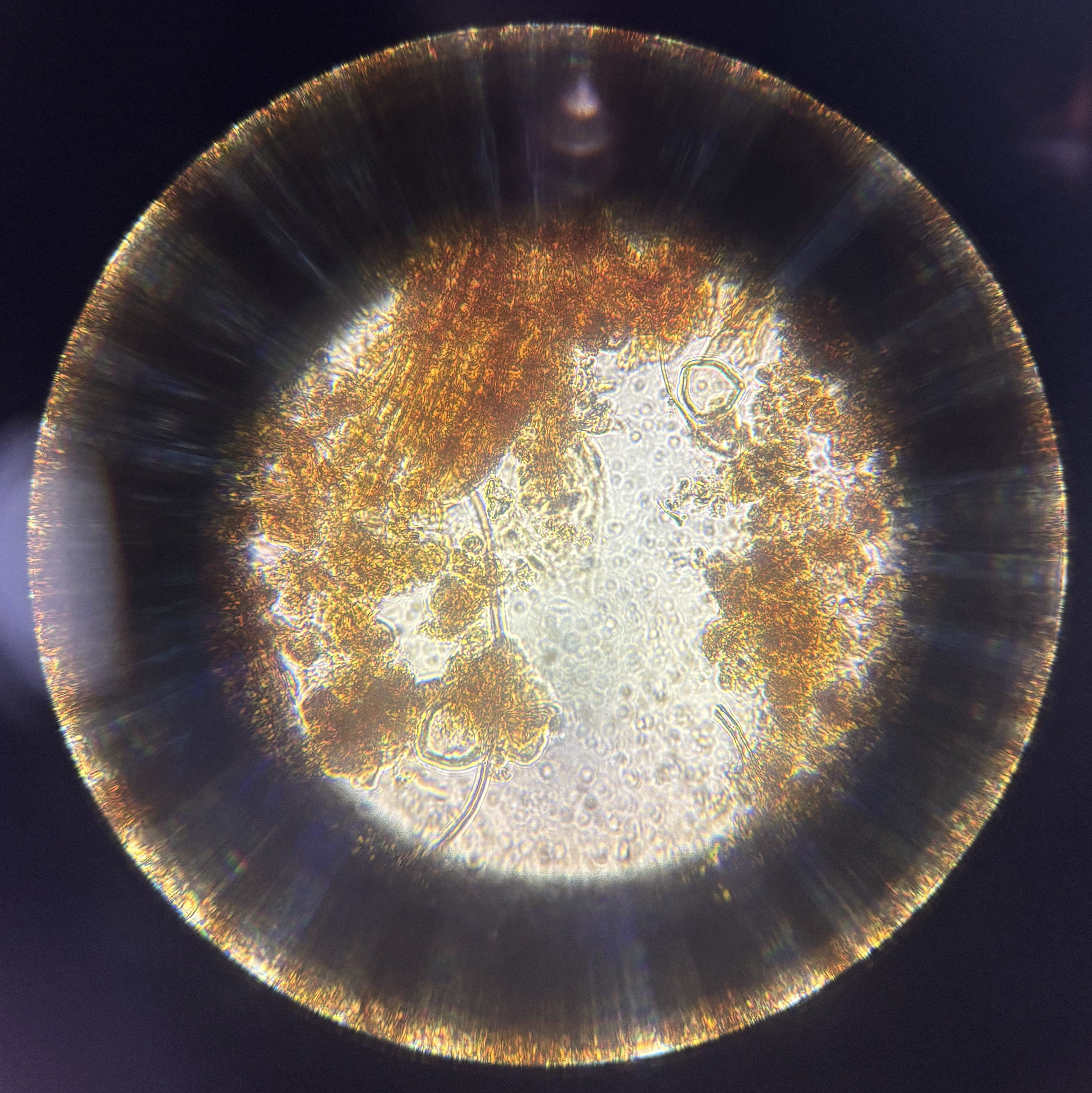
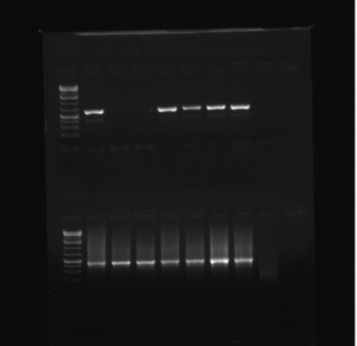
It was also a big change to live in a coastal port city. Having grown up in the desert of New Mexico and studied in Montana’s mountains, I had always been landlocked. Suddenly, I was in a place with ocean air, San Francisco–style weather, and the beach only a short drive away. On the surface, this might not sound life-changing, but it shaped both of the Biology classes I took: one on plant diversity (which focused heavily on algae) and another on the genetics of marine organisms. Aquaculture plays a huge role in how Chile thinks about natural resources, and it was fascinating to learn about research on algae or vaccine development for salmonids, which nearly always came back to the importance of marine organisms as both a source of revenue and a local food staple.
This perspective was striking when compared to most of my Biology education in the U.S., which has emphasized conservation and protecting species from habitat loss and climate change. While aquaculture is certainly present in the U.S., the focus often leans more toward land and wildlife conservation. Observing this difference made me grateful for the education I’ve received, even though I am no longer a Wildlife Biology major, because I still hope to work in that realm. Conversations with Chilean students also revealed that their opportunities for research in wildlife biology are much more limited, often requiring a veterinary track first or pushing students toward fisheries and aquaculture. Still, Concepción is becoming a hub for cutting-edge research on how the environment affects genomes, and I had the privilege of learning from one of the leading experts in that field.
My semester abroad was also one of the most challenging things I have ever done. Beyond language immersion and academic differences, I navigated setbacks that tested my independence and resilience, including a two-month student strike and even a dislocated elbow. These experiences forced me to adapt in ways I never expected and gave me a new sense of confidence in what I am capable of.
Looking back, my time in Chile taught me more than I ever anticipated. It gave me new perspectives on sustainability, pushed me to grow as a student and as a person, and helped me discover my passion for education, advocacy, and community engagement. While I am still shaping my career path, I know I want to be a lifelong learner, an educator, and a voice for the environment. My semester abroad was a dream come true—but more than that, it was a turning point in how I see the world and my place in it.















 Beyond the Classroom