
Sleeping in a tent for three months is not everyone’s cup of tea, but I drank the whole pot as a research student for Round River Conservation Studies in Chilean Patagonia and loved every second. Being my first time out of the United States, my experiences in Chile were nothing short of amazing– even life changing. From our basecamp in the town of Cochrane to deep in the backcountry of Patagonia National Park, I learned so much about conservation science, Patagonian culture, and myself.

I was a part of several ongoing and new research projects including population surveys of Guanacos, the home range and habitat quality of the Magellanic Woodpecker, presence and habitat indicators of Vizcacha, and trail condition and visitor satisfaction research to inform management plants. These projects greatly deepen my understanding of my Global Theme of Resources and Sustainability and my Global Challenge of how to curb biodiversity loss through means of ecological restoration and conservation. Conducting this research entailed week or even two-week long stints backpacking in the three main sectors of Patagonia National Park: Chacabuco, Jeinimeni, and Tamango. Not only did I learn about specific research methods, I gained invaluable local perspectives on the importance of sustainability and conservation.


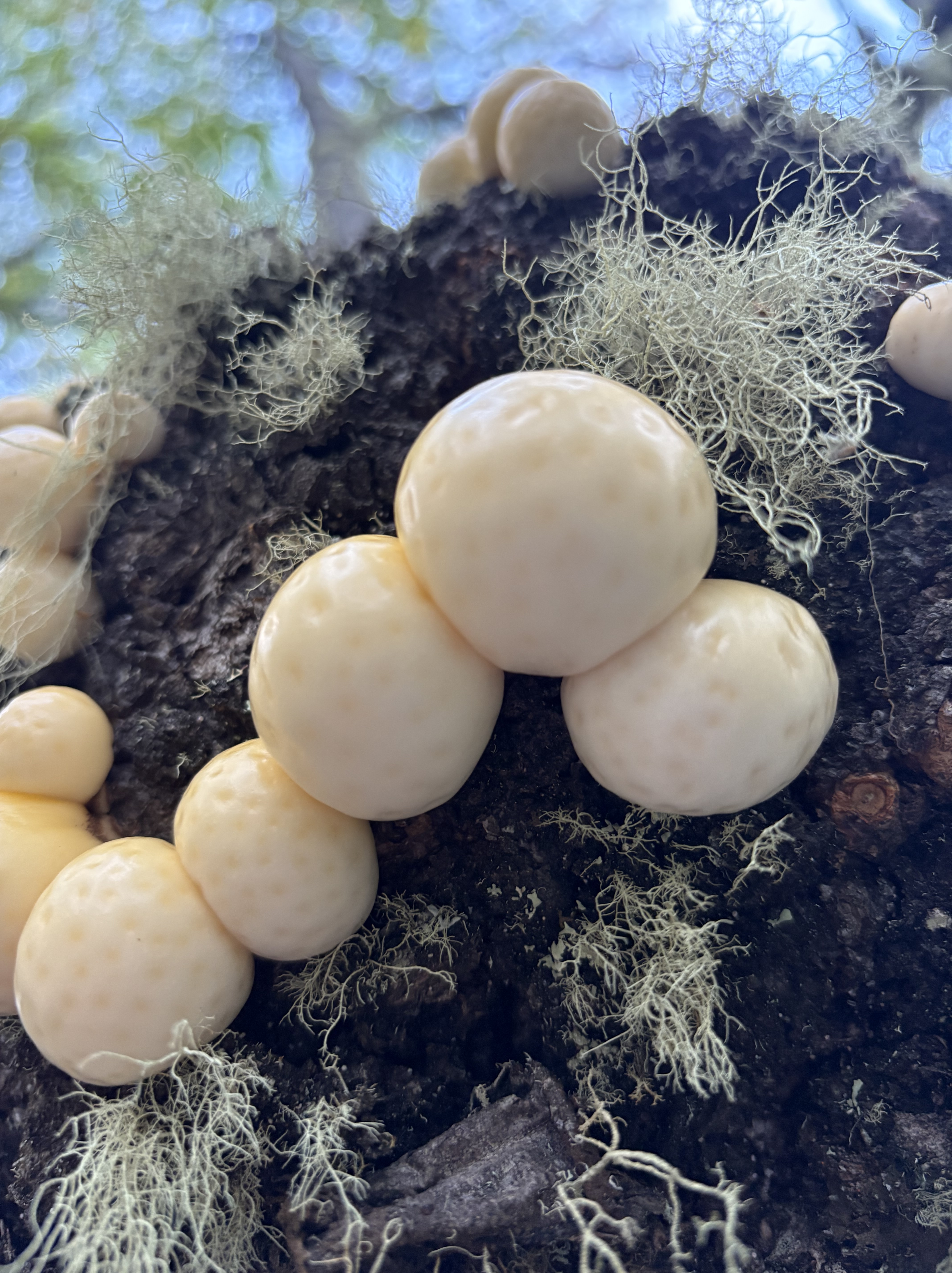
My favorite project was on the Magellanic Woodpecker, and I got to write a report on it which was translated and presented to the Corporacion Nacional Forestal (CONAF), the government body which manages all of their protected areas. For two days, in two research teams, we observed two family groups of the birds following them from the moment they left their cavity in the morning until they went to sleep in the evening, marking a GPS point every 20 minutes.

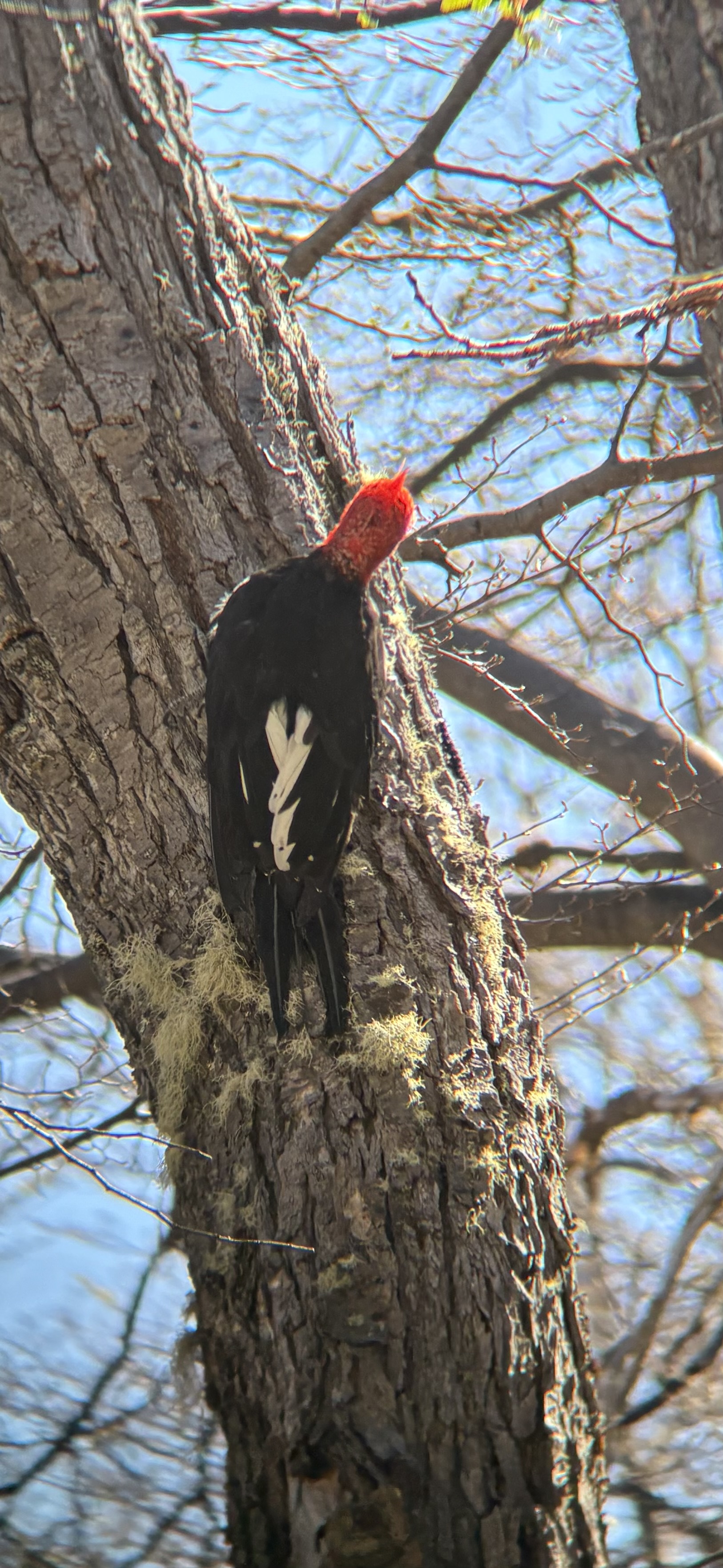
We used this data to map their home ranges in conjunction to habitat quality data to continue the scientific understanding of the preferences of the species. I was quite literally running through the forest and up mountain sides following these woodpeckers every move. The family group I followed consisted of an adult male, female, and two juvenile males (one yearling and one fledgling). I remember one moment when the three older birds flew off leaving the youngest male by himself. While I cannot say for sure, I think both of us were nervous– where are the others?! After 15 minutes of calling for his mom, I followed the baby until his reunion. Throughout the day, we observed the woodpeckers spending quite a bit more time foraging on the ground! Which is interesting, because previous research has found that the Magellanic Woodpecker spends a majority of their time foraging on the trees.
When not in the field, I had the great opportunity to connect and learn about the local culture including the traditional dance, Chamamè, drinking mate, and staying with a rural family for a week on their campo. Speaking with and learning from locals, I gained a distinct understanding of their values of living sustainably and the importance of community. It was so refreshing to live among a community who truly cares for one another and where they live. When was the last time you walked down the street and everyone, I mean everyone, smiled and said hello…well… hola! While this seems simple, it is one part of what made living here so special.

I will carry these memories for the rest of my life and continue to share my new global perspective and practices into my community in the United States. I am forever grateful to my fellow students on the program, Round River, and all of my support within the Franke Global Leadership Initiative and the University of Montana.

¡Nos vemos!
 Beyond the Classroom