A Semester in Cork, Ireland

Hello! My name is James Deacon and I spent the spring semester studying at University College Cork (UCC) in Cork, Ireland. I am now entering my senior year at the University of Montana studying environmental science and sustainability. However, within the GLI my global theme is culture and politics — directing my studies at UCC towards courses such as International Politics, Political Corruption, and Language and Culture in Traditional Irish Areas. Within my global theme, I aimed to discover key differences/similarities between Ireland and the United States within political polarization, and what cultural consequences it leads to.

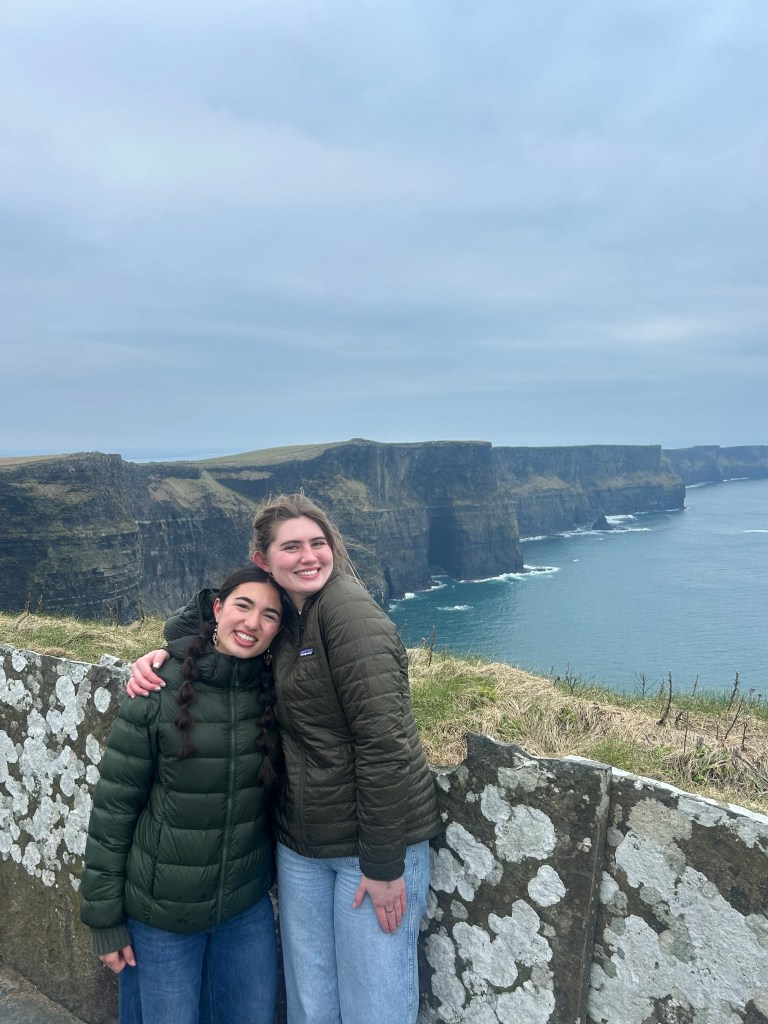
Rainy day at one of Ireland’s main attractions the Cliffs of Moher.

Traveling to Ireland opened my eyes to a completely different political environment, and one that was actively changing with the elections of the Dáil Éireann in progress. As an exchange student I leaned on discussions in my courses, as well as talking to Irish professors and students when gaining a better understanding of the climate within Irish politics. To start, there is a lot more codependence within Ireland’s multi-party system due to the collaboration of parties to implement policy, creating overlap of values and beliefs between parties. In addition, unlike the United States, Ireland’s main political ramifications and consequences are held within the parliamentary body and not with a singular figurehead such as the prime minister or president. Lastly, due to the stranglehold of the United States on global outcomes, I found that most citizens felt as though news coming from the United States oftentimes transcended current issues in Ireland. From my time surrounded by Irish students, and learning new political concepts, I was able to gain a better understanding of diverse perspectives on how politics interacts with everyday life in Ireland compared to the United States.

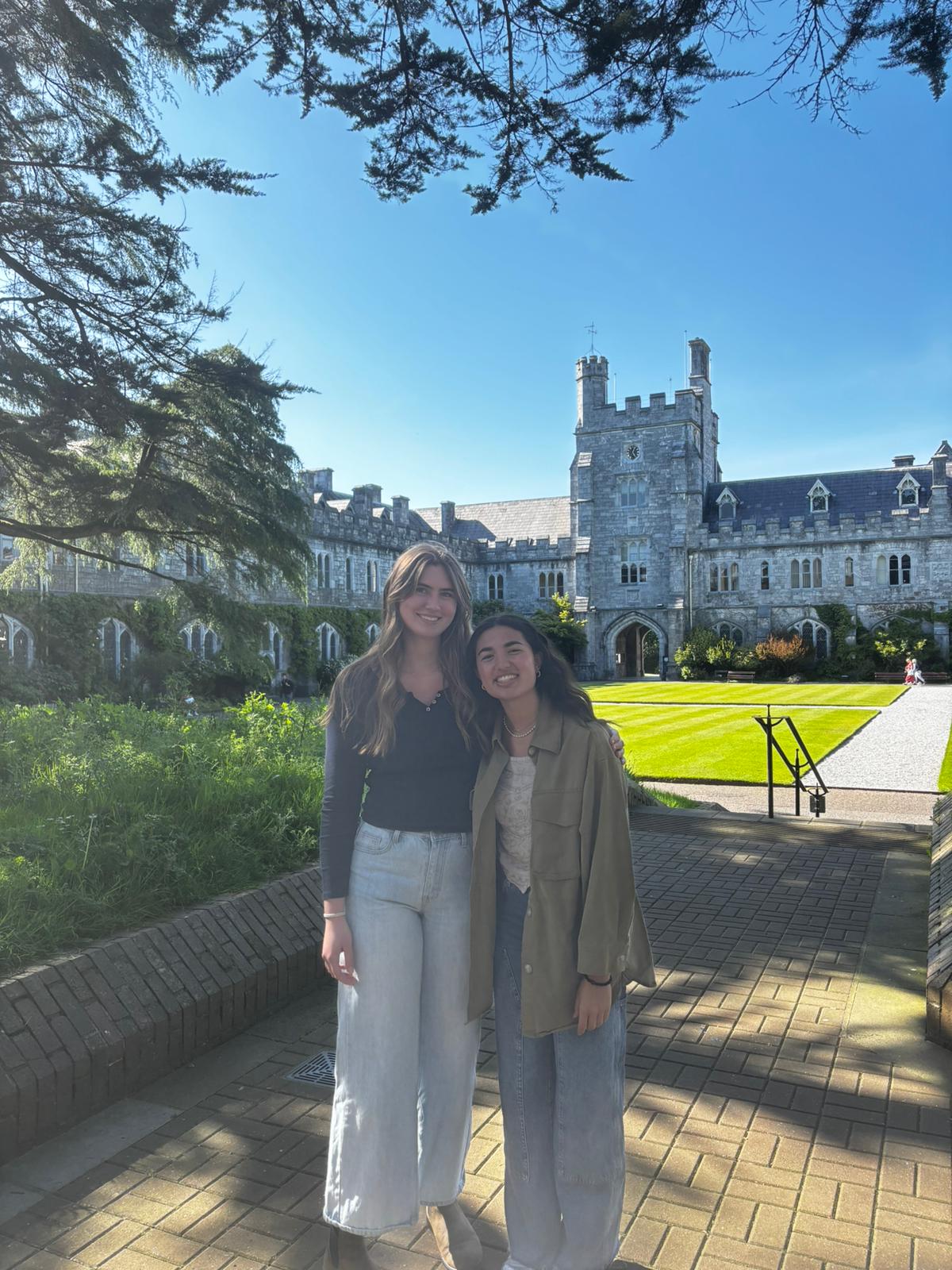
UCC main quad and student center.

Beyond the classroom I spent a lot of time traveling, both within Ireland and to a dozen other countries in Europe including Switzerland, Norway, and Italy. A couple of the different countries I traveled to were trips with clubs on campus such as the surfing and mountaineering club. Most of the time I would travel with a group of friends, however when I traveled alone it was always fun to go to museums, take photos, and try different types of food from all around the world.
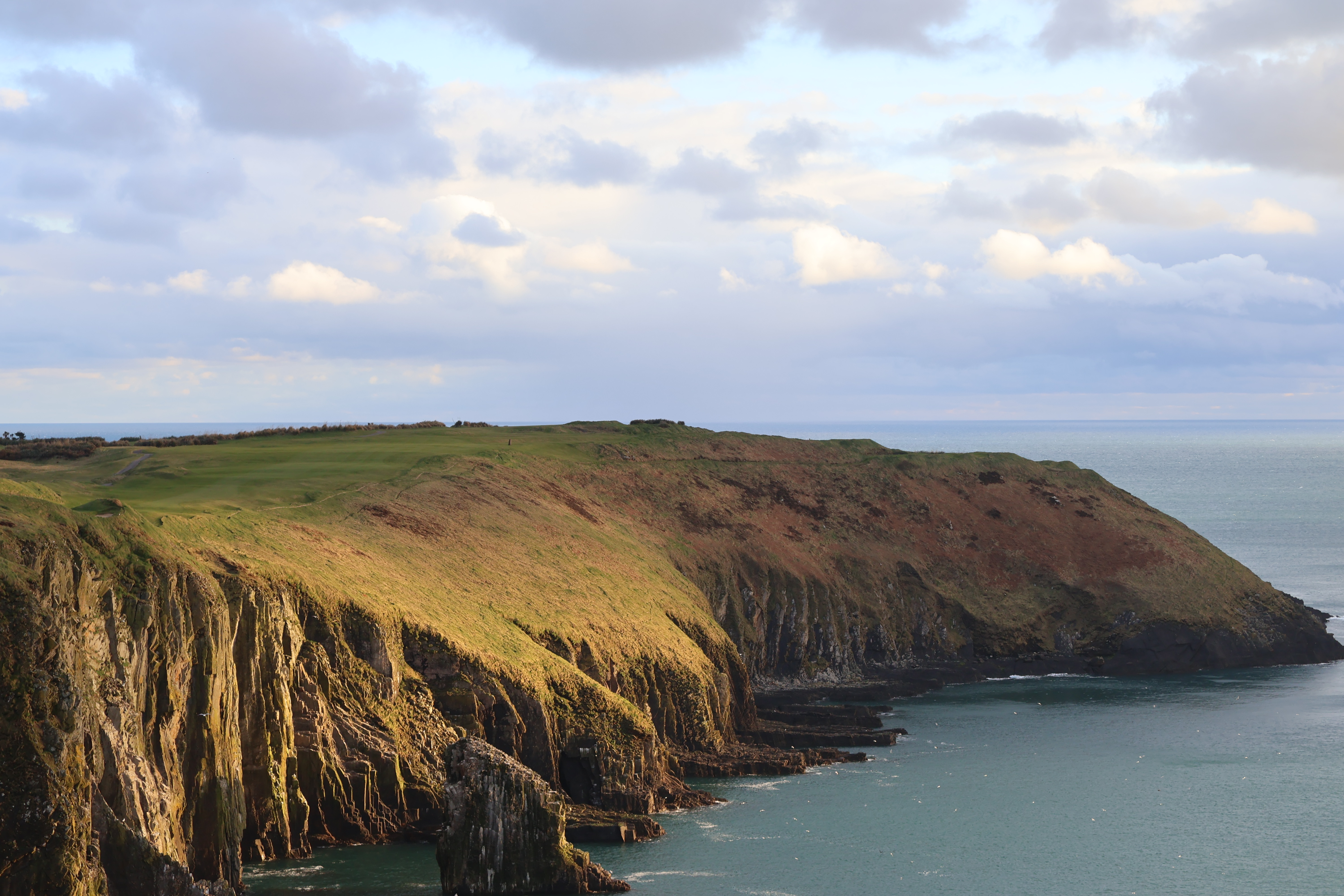
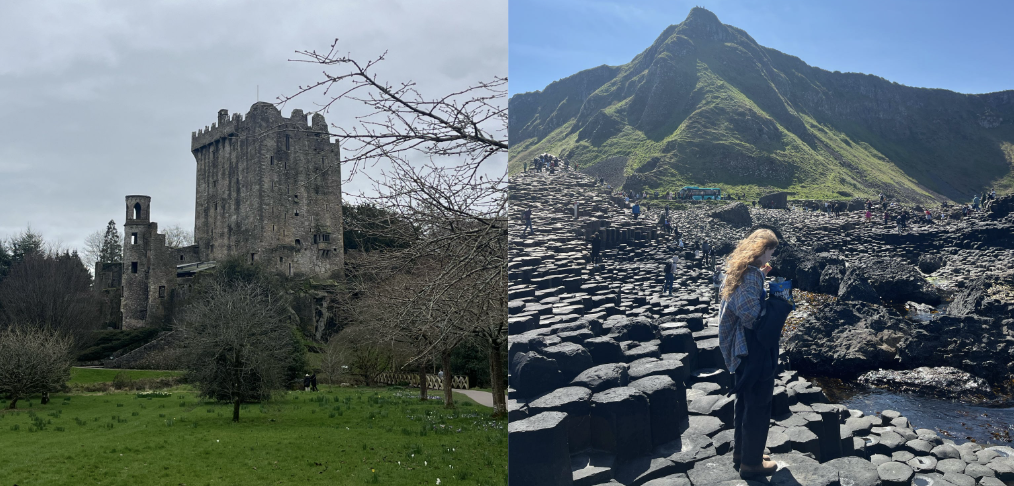
Photo taken from the lighthouse overlooking the Cliffs of Old Head of Kinsale.

Being able to study abroad in Ireland was truly a once in a lifetime opportunity. Whenever I was in Cork I made new friends, interacted with tons of different cultures, got involved with clubs, and became confident even when I felt uncomfortable. One of my coolest experiences was spending five days in a An Rinn within one of Ireland’s Gaeltacht’s, a place where traditional Irish culture is preserved. During this trip we learned to play Irish instruments, speak the Irish language, and engage with locals about the history of Ireland’s independence and continued drive to protect Irish values. This trip was designed for international students to experience Irish culture in a secluded part of the country, though the bulk of international students on the trip were Americans. However, this led to my realization about both Irish and American culture — no matter where we were, who we were with, or what we were talking about, the experience I had was built upon creating community. I spent four months building community in Ireland with a wide range of students and locals, but I also learned how important it is to build community being home in Missoula. Wherever I go next I’ll always be thankful for the community that I built in Ireland, and for the influence it had on getting to understand my own culture a little bit better.

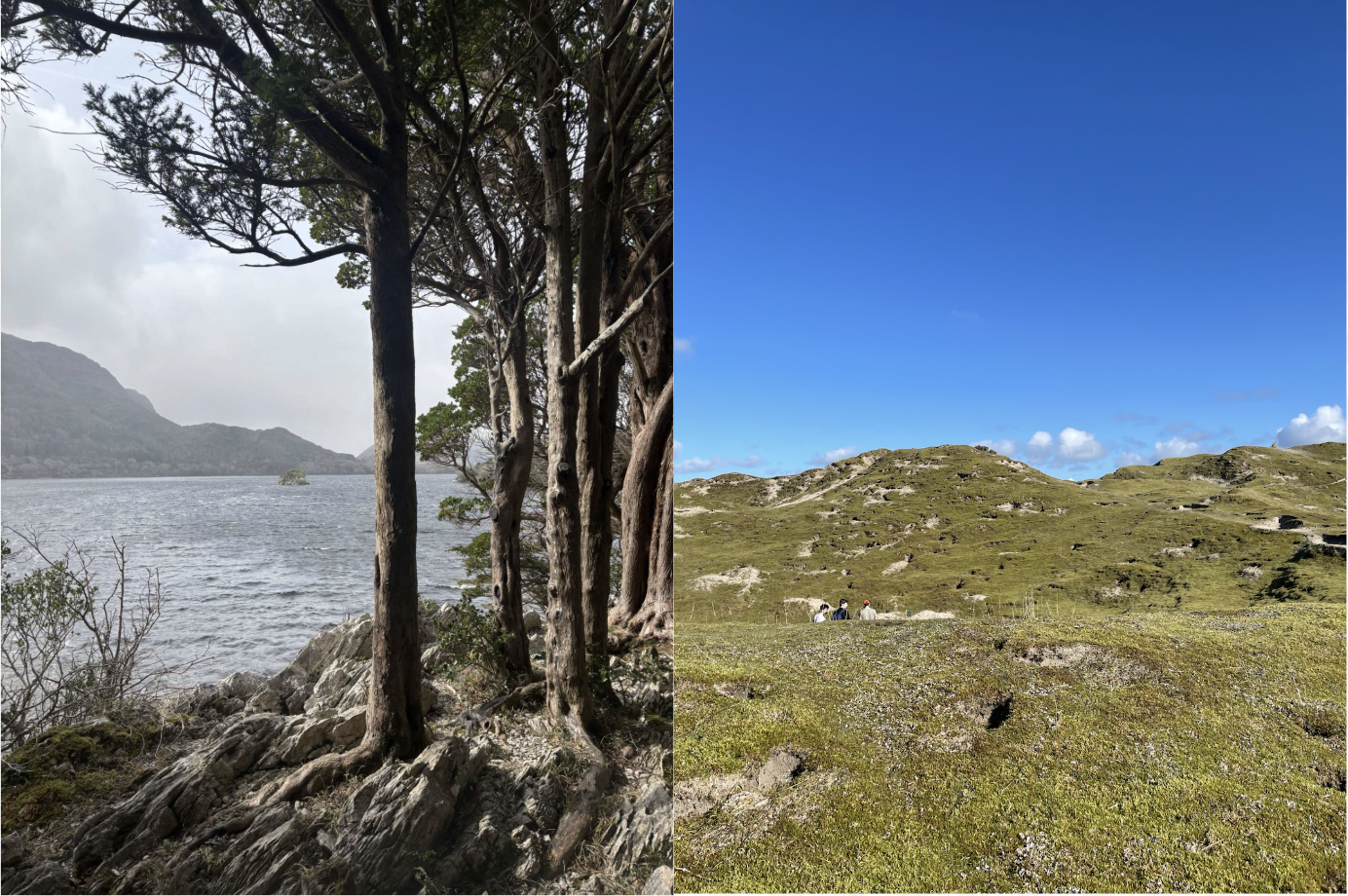
Mountaineering club summit of the Paps of Anu in County Kerry.

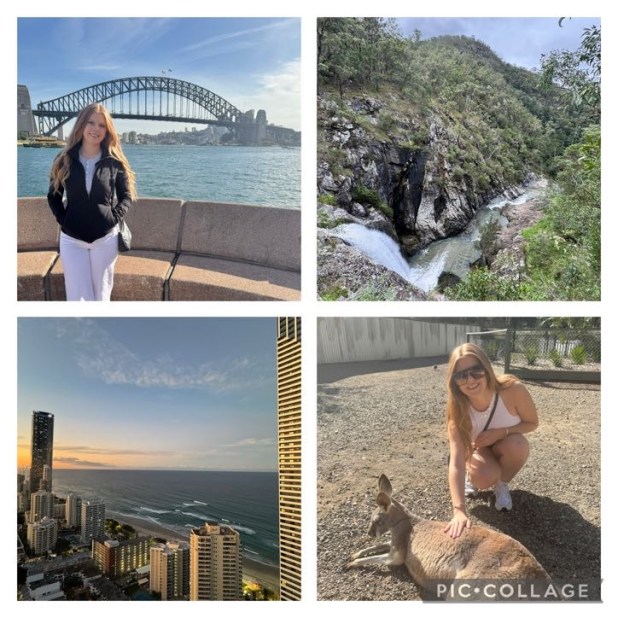
Studying Global Health in Gold Coast

My name is Chani Brammer, and I had the incredible opportunity to study abroad in Gold Coast, Australia, at Griffith University from March to mid June of 2025. This experience was deeply aligned with my Global Leadership Initiative (GLI) theme of Public and Global Health, and it was an invaluable part of my academic journey.

While in Australia, I focused on my theme by taking courses such as Human Services Structures, American Politics and Government, and Abnormal Psychology. These classes not only helped me expand my knowledge in areas directly related to my future career in Speech-Language Pathology, but they also gave me a broader understanding of how different countries approach public health and governance. I was particularly interested in how Australians view U.S. politics and health systems, offering me a unique opportunity to compare and contrast the two countries’ structures and policies. Through these experiences, I deepened my understanding of how political decisions impact public health, and I’m excited to integrate these insights into my upcoming GLI Capstone project this fall.

One of the most meaningful aspects of my study abroad experience was the chance to engage with people from all over the world. I made lifelong friends from Australia, New Zealand, Japan, and South Africa, and our diverse backgrounds made our discussions and collaborations that much richer. We spent time exploring Gold Coast, taking weekend trips to nearby places like Brisbane, Byron Bay, and the Sunshine Coast! It was during these times we shared what our lives were like wherever we had come from and were able to truly bond! These friendships provided a supportive and enriching environment, making my time in Australia unforgettable. At the end of the trimester, my family was fortunate enough to visit me and we had a week long trip in Sydney where we go to see the Opera House, Bondi Beach, and try many different cuisines!

Living in Australia also gave me a chance to reflect on my own culture and how it shapes my perspectives, particularly in healthcare. The Australian healthcare system, the way they approach governance, and the societal values they hold have influenced my understanding of global health challenges and solutions. It reinforced the importance of cultural sensitivity, something I will carry with me in my future career as a Speech-Language Pathologist.

This study abroad experience has not only enriched my academic pursuits but also developed my leadership skills. Navigating life in a new country, interacting with people from diverse cultures, and discussing complex global issues in classes has made me a more confident and culturally aware leader. I’m excited to bring these new perspectives and leadership skills to my future work in public health and in my GLI Capstone project.

Looking back, I’m incredibly grateful for this once in a lifetime opportunity. It has expanded my global perspective, connected me with wonderful people from all over the world, and deepened my passion for making a difference in public and global health. I can’t wait to apply what I’ve learned to my future career and to continue working toward a more inclusive and effective approach to health and wellbeing worldwide. Thank you GLI for making my time abroad possible! This has been a life-changing experience and by far my favorite college memory!

Spring in Cork, Ireland

Hello, Dia Duit! My name is Dylan Van Rossum, and I spent last spring in Cork, Ireland, as an exchange student. I am now entering my junior year studying Social Work and Global Public Health at UM. My GLI theme is public and global health, and while I was abroad, my goal was to examine how mental health and well-being are viewed and addressed in different cultures. To learn more about my chosen question, I engaged in courses including Public Health Issues, Personal Lives & Family Policy, and Social Perspectives in Mental Health. I came back to the U.S. with a greater understanding of the mental health care system in Ireland, the history of mental health care in Ireland, and the current issues and future goals for mental health and wellbeing care in Ireland. Some of my biggest takeaways were about the controversial history of mother and baby homes and asylums in Ireland, the role of the Catholic church in Irish families and social care, and the important of peer support in the modern Irish mental health care agenda.

While I learned a lot in the classroom in Ireland, I also gained a valuable new perspective from my time exploring Ireland and several other countries in Europe. Being immersed in Irish culture was a new and bold experience for me. I gained much perspective about how Americans are viewed abroad, and how centuries of European history, especially the Irish fight for independence, influences their current cultural and political scene. I had the opportunity to travel to the UK, Italy and Spain over spring break, and then to the Netherlands, Germany, Austira and Switzerland once my semester was over. Getting to backpack to so many new places and experience so many different cultures put me out of my comfort zone and strengthened my leadership skills by building my confidence and allowing me to practice communicating with people from all different walks of life. Some of my favorite places I visited were Sevilla, Spain for the incredible architecture and food and Innsbruck, Austria for the remarkable mountains and nature.

Reflecting on my time, I am grateful for the new places I visited and the wonderful people I met. I am excited to continue traveling at every opportunity and learning more about world perspectives on mental health and well-being. I am looking forward to applying the diverse perspectives I gained to my future career in social work and/or public health.

Cork, Ireland

I spent my spring semester abroad at the University of College Cork in Cork, Ireland. Cork is the southernmost county in Ireland and I experienced a lively culture with traditional music, dancing, and food. I am studying Ecosystem Science and Restoration at UM, and I have a particular love for wildflowers and want to contribute to the conservation projects that aim to restore the native wildflower population in degraded ecosystems. My global theme is resources and sustainability, with the challenge of utilizing modern restoration strategies in tandem with the cultural expectations of different societies to facilitate the regeneration of sustainable ecosystems. I loved being able to learn about the Irish native plant species, as well as the ways in which the Irish traditionally and contemporarily use native plants in everyday life.

In my Ecological Fieldwork and Analysis course, we conducted research for three ongoing studies at UCC located in Clonakilty, Kilbritain, and Killarney National Park, exploring ecological concepts such as rabbit density on sand dunes, snail shell polymorphism, and distribution of lichen communities. I was able to gain valuable experience gathering data, analyzing and graphing statistics, and writing scientific reports. I appreciated having the opportunity to explore these different ecosystems in Ireland and contribute to ongoing research.

In my Nature-Culture: Anthropologies of the More-than-Human course, I learned that the concept of ‘nature’ does not exist universally, and because there are many different ways of seeing the world, there can be no one solution to the environmental crisis. I tend to think very scientifically, often allowing myself to think of the environment I am working in as a closed system, and this class emphasized the importance of the interpersonal relationships individuals form with specific plant species. Our cultures often define the ways we interact with nature, and this is essential to recognize if we want to have global advancements in conservation. I think a lof os issues in creating successful global environmental change comes from the dichotomy of the utilitarian and biocentric perspectives. 

My favorite aspect of studying abroad was making life-long connections with people from across the world, and experiencing an independence that allowed me to explore my interests and travel to new places.

Field School in Northern Minnesota

Hi, My name is Maggie Dammann and for my Beyond the Classroom Experience, I had the wonderful opportunity to attend an archaeological field school, run through the University of Minnesota-Duluth. As an anthropology major, focusing on archaeology this was the perfect opportunity to not only fulfill my BTC requirements, but it also gave me a baseline of knowledge to help me move forward in my schooling and career.

During the field school, my classmates and I spent one week in the classroom learning about laws, ethics, and cultural history, five weeks in the woods digging holes and filling out paperwork, and one week in the lab, cleaning rocks, combining data and trying to mentally reconstruct the human activity at our site over the last few thousand years. Despite the fact that it was a field school, my classmates and I were doing actual archaeology, collecting real data, and adding to the archaeological record. In my unit (a methodically-dug square hole) alone we found flakes and shatter that resulted from the making of stone tools, cobbles with evidence of human use, and even some fire-cracked rock.

My Unit at ~10cm depth. Our ending depth was 57.5cm.

The global theme I chose was culture and politics and the global challenge I decided to focus on was the issues of exploring culture history in a meaningful and scientific way while also adhering not only to our national and state laws but also to the ethical standards set forth by archaeologists, individuals, and those whose past and culture we are studying. Our field school took place on both state and private land in an area that is abundant in artifacts. The thing that I took home the most from this is the fact that not only did I have to show proper respect for the land I was digging on and the things I was removing from the dirt, but also the landowners’ wishes and the specialness of the site. We did all of our excavations not only to the letter of the law but also to the ethical standards that archaeologists are beholden to.

Despite the rainstorms, wildfire smoke, and enough biting bugs to last me a lifetime, field school was an experience I will never forget. Not only did I learn a lot, I also had a lot of fun and was able to do it with a fantastic group of people.

Study Abroad in Athens, Greece!

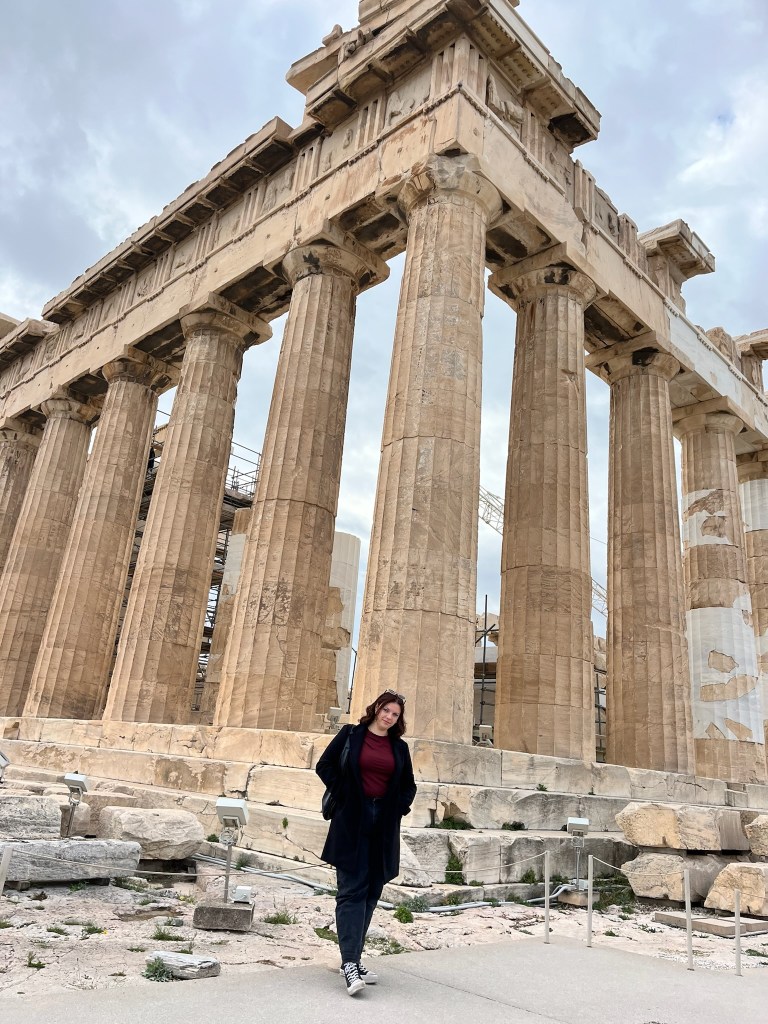
My name is Sophie, and I was able to study abroad in Athens, Greece at the American College of Greece last year.

While I was there I was able to look into my GLI theme of culture and politics and my global challenge of public access to the arts. Ancient Greece was a space of access, specifically when it came to theater. Theaters were open air and accessible from the ground. Examples of ancient architecture and artistry were displayed in every metro station. Access to historical and archeological sites as well as museums are free to the public every Sunday during the ‘off season,’ and the Greek people are incredibly proud of their history and heritage and are proud to show it. The United States has a different perspective. Most museums are ticketed, with ticket prices ranging in the $20s on average, and most theatrical performances are the same.
Now, one thing that I am very passionate about is bringing about a return of classical theater pieces. Plays from Sophocles, Euripides, Aristophanes, and more. I think that theater has always been political, and frequently been used as a tool to display the wrongdoings of a society in an effort to change people’s views. I think that bringing these back into the sphere of modern society would be incredibly beneficial and even modern retellings and reimaginings could do great things.

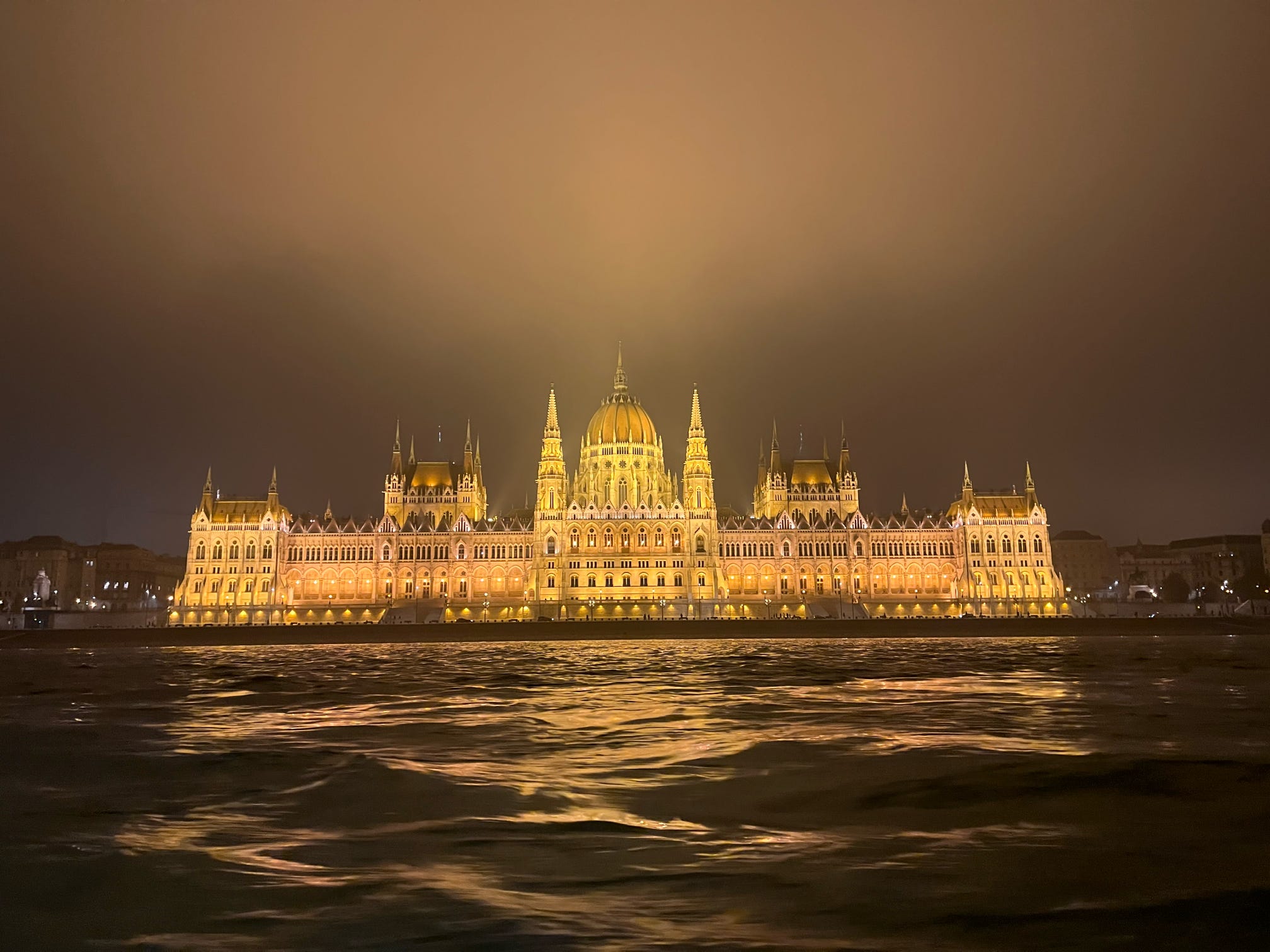
I think one of the things I will remember most from my time are my roommates. I had 9 roommates, which was a huge jump from 1. But they quickly became my friends and I still talk to the few who became some of my best friends. We did everything together. Every grocery run, every vacation or weekend away. One of my most memorable experiences was actually not in Athens itself, but on a long weekend to Budapest. It was a city and people that I quickly fell in love with and already have plans to return to. 

Spring in Granada, Spain!

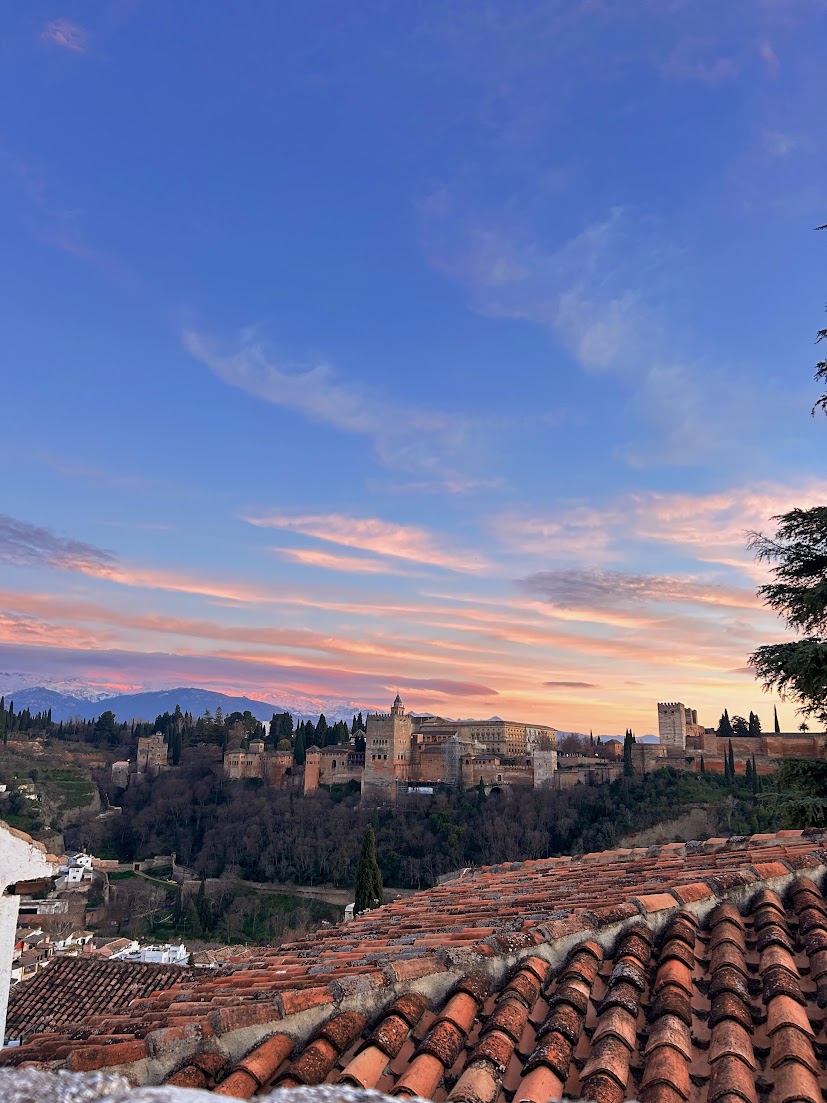
The Alhambra at sunset — a Moorish palace and fortress overlooking Granada.

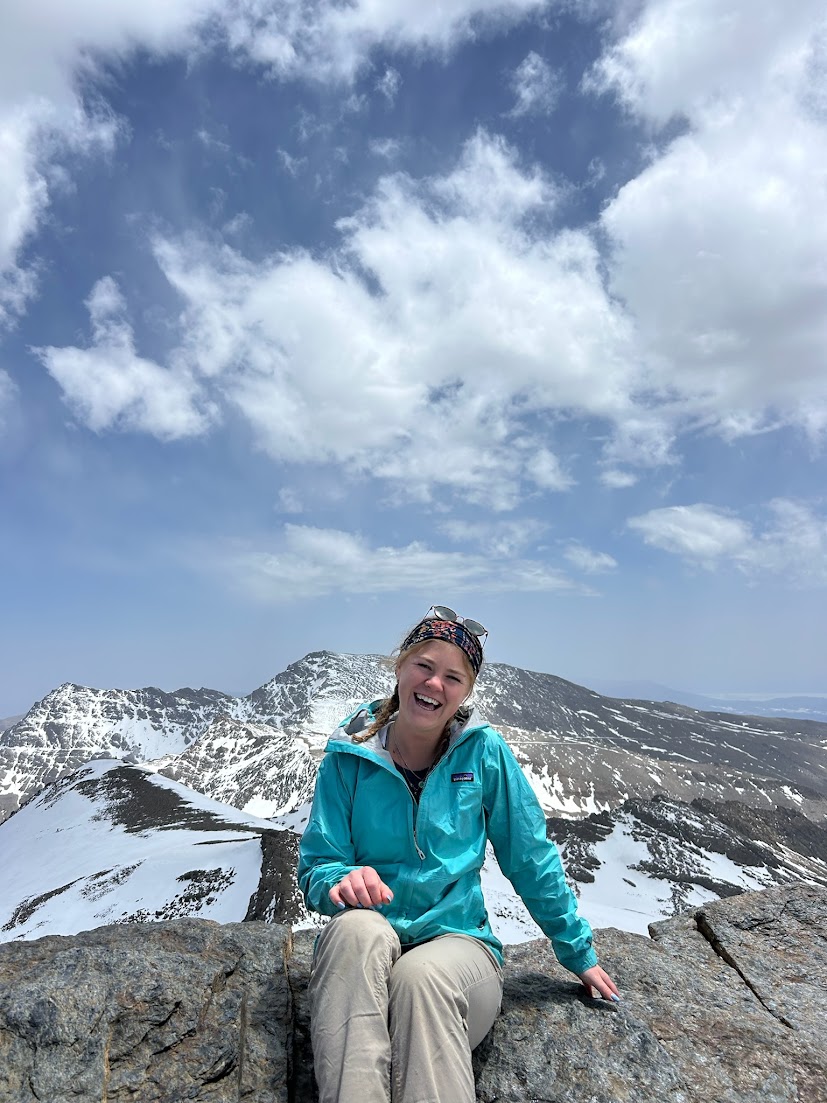
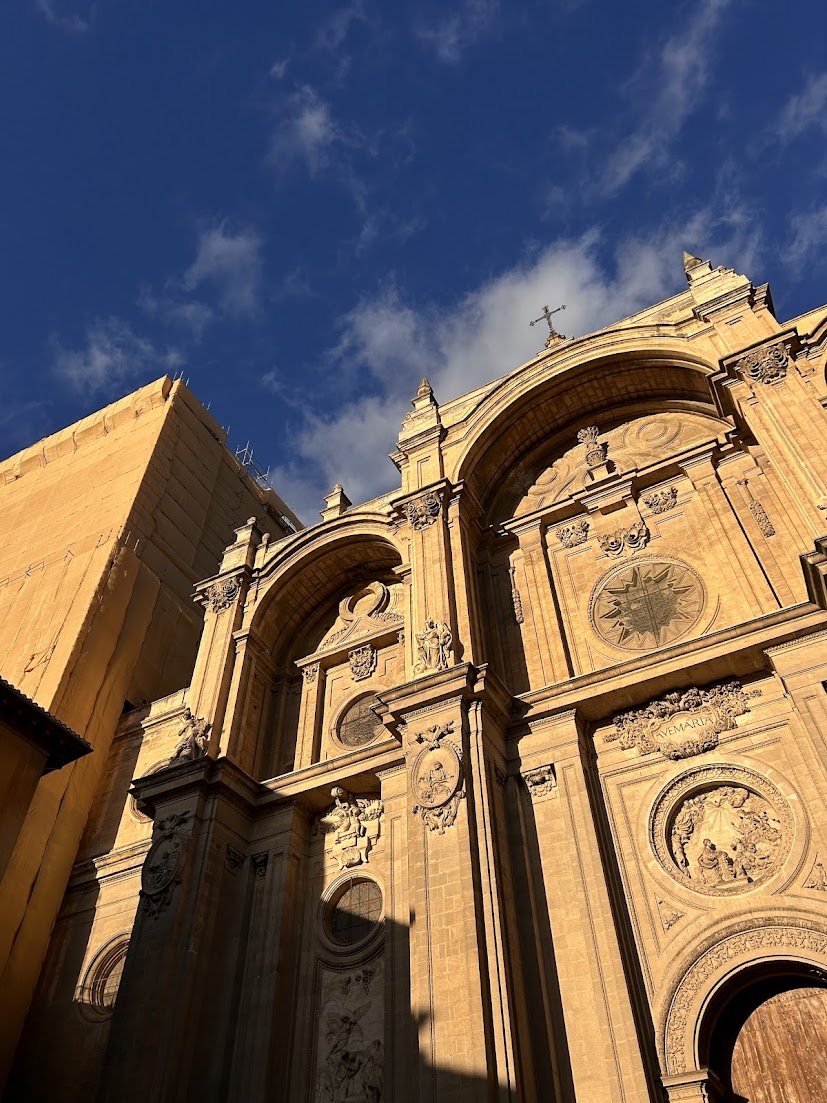
Hi, my name is Katie LaBuda and I had the opportunity to live and study in Granada, Spain! Granada is a beautiful, colorful, and lively city in southern Spain, part of the autonomous community of Andalusia. The city is nestled in the Sierra Nevada Mountains, something that immediately caught my attention. I study environmental science here at the University of Montana and I initially chose Granada because I loved the idea of being in a city surrounded by nature. The Sierra Nevada even has a ski resort where, from the top, you can see the ocean. Meaning that you can ski and swim in the Mediterranean on the same day. One weekend, I did exactly that — climbing a snowy peak in bitter winds on Saturday, and then less than 24 hours later, spending a Sunday relaxing with my host family on the sunny beaches of southern Spain!

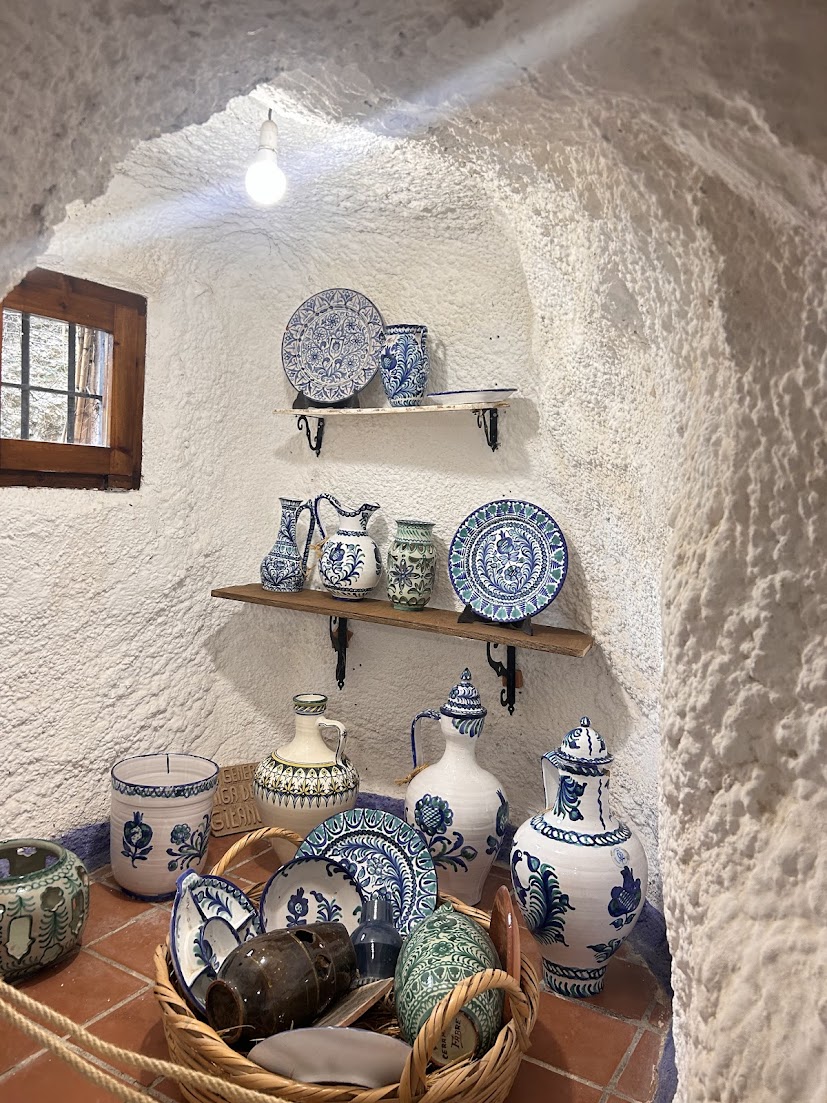
At first, it was the outdoors that drew me to Granada, but in the end, it’s the culture, traditions, and people of Andalusia that I’ll remember forever. They created the perfect atmosphere for me to dive into my global theme of culture and politics. Granada itself is full of vibrant culture. There was flamenco music and dance constantly filling the tiny quarters of the historic city sections. Art and intricate ceramic tiles filled homes and public spaces. Meals were a time to enjoy with friends and family, spanning for hours on end. It was a place where individuals truly took their time to live and enjoy. 
In addition to general culture, I specifically wanted to learn more about the Spanish language and dialects within the country. Learning a new language has been a dream of mine for as long as I can remember. So to prepare for this incredible experience I minored in Spanish here in Montana so that in Granada I could be fully immersed. I took all my courses in Spanish and opted into living with a host family, one of the best decisions I’ve ever made. I had the goal of not only studying Spanish but living it. Through this, I was surrounded daily by the food, music and conversations that locals actually enjoy. On the flip side, I also got a real insight into the economical and political struggles that the country faces. I watched the news daily with my host mom and our conversations forced me to consider new perspectives and ideas. 

As for my global challenge, I focused on how dialects are changing within our modern world. While I still have so much to learn about this topic, I was able to hear many different dialects and accents throughout Spain as I traveled the country. Adjusting to each person’s accent was one of the most difficult yet rewarding parts of my time abroad. My host dad, for example, spoke with a very thick Andalusian accent, which I struggled to understand for much of my stay. Those conversations led to plenty of awkward moments, but just as many laughs. In addition, I took a course that explored the dialects of Spanish around the world, which gave me a deeper understanding of how and why regions within Spain speak so differently, even while sharing the same language.

This experience helped me grow not only as a student, but also as a person and a leader. I immersed myself in a completely new environment where nothing felt familiar, and instead of shying away, I leaned into the discomfort. As a result, I gained greater confidence in myself and in my ability to navigate the unknown. Now that I am back in a familiar environment, I feel optimistic and prepared to face any personal or professional challenges that come my way. I also know this will not be the last time I travel abroad, and for that, I am deeply grateful to GLI and to this life-changing experience.

The Intersection Between Sustainable Development and Preserving Cultural Values

Hello! I am Sarah, I am pursuing a BS in Environmental Science and Sustainability with a double major in Parks, Tourism, and Recreation Management. For my beyond the classroom experience I chose to do a semester abroad in Valparaíso, Chile in the spring of 2025. My main goal for going abroad was to focus on my global theme of Resources and Sustainability and my global challenge of wondering how do we preserve cultural values while also focusing on sustainable development.

I found that my global challenge related to my experience because Chile is still a developing country. While it has strong infrastructure and a growing economy, they have a prime opportunity for sustainable development, but Chile also has indigenous populations that have slowly being losing their cultural identity and values since the 1880’s.

While in Chile I took 2 courses that related to my global challenge. One class was on Cross Cultural Interactions with the Mapuche People (One of the indigenous groups in Chile), the other was Sustainability in Latin America.

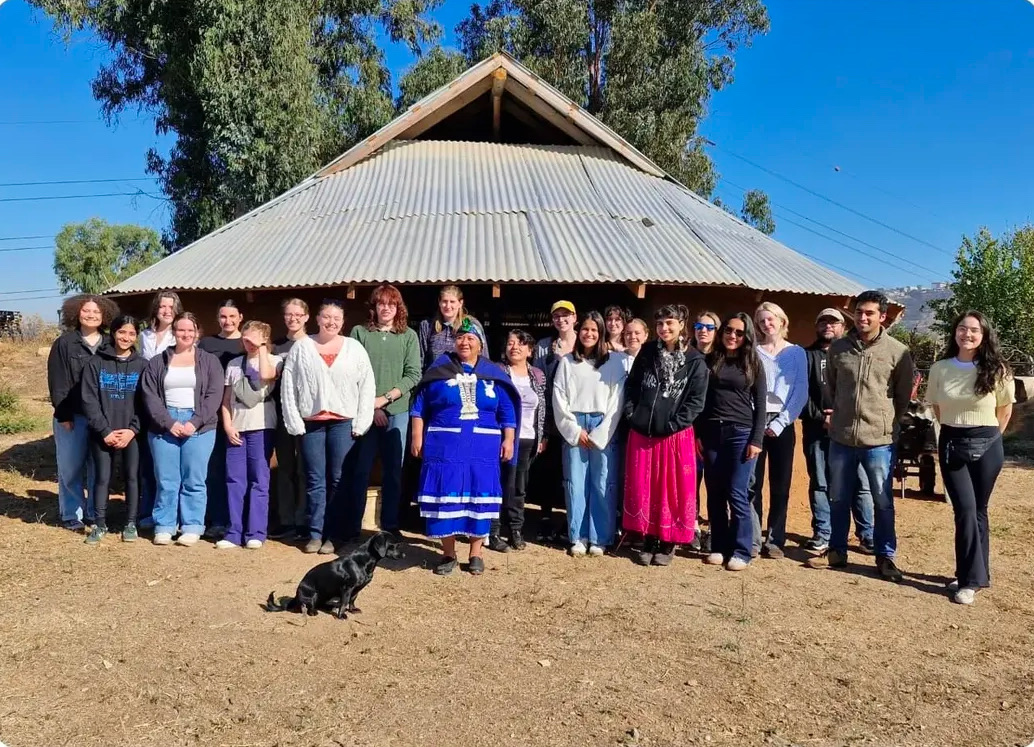
Due to the fact that my global challenge directly involves other cultures I not only spent time in the local Chilean culture, but also spent a fair amount of time learning and experiencing the Mapuche culture and customs. These interactions gave me a wider lens on how we can interact with different cultures and how dominating a western ideal can overpower a more traditional native way of life. Many Mapuche communities are nearly self-sustainable, don’t often use modern day medical treatment, live in houses they built themselves and are not a big apartment building. The Mapuche have different values of how they want to live life, and are more spiritually connected than most Americans and I am. They have rituals that they partake in year after year, some rituals reunite communities from all over the country.

From a sustainability aspect, I learned more about how these developing countries are struggling to keep up with the growing economy of the U.S. while not sacrificing their natural environment. There are these areas called sacrifice zones, and they are areas that a factory, mine, extraction site are to harvest or sequester materials needed to make different items to help the country grow in its infrastructure. Some areas in the north of Chile mine copper and lithium which are essential materials for the Green Energy Revolution. However the mining of these materials is actual on indigenous lands and the runoff from these factories is negatively impacting the health of the indigenous people in these areas. This harm directly has an effect on the indigenous population.

In a conversation I had with a Mapuche community, the daughter of the Lonko (chief), mentioned that with less Mapuche people it is harder to maintain their rituals, and with a lack of regular rituals that ultimately makes it harder for her family and community to maintain their cultural values. She also mentioned that there are some efforts to implement education programs to teach their language which also hold so much value in their culture. These teaching programs also include Mapuche practices and knowledge. The issue is that many of these programs are at the University level and are not easily accessible to much of the populations.

These conversations with Mapuche people and experience with sustainable efforts in Chile gave me a better perspective on my global theme and challenge because cultural values and sustainable development are clearly both trying to be improved but it seems as if they are ultimately competing with each other. In my opinion they should be working together rather than against each other. If the Mapuche or really any indigenous population had a say in how their community or city should develop, I think that would make all the difference in protecting the environment, but this would also prioritize the indigenous values because they would be the underlying force for the motivations of development.

After going through this experience not only impacted how I thought about my global challenge but also aided in my leadership skills. I put myself in an uncomfortable situation, I barely knew spanish, had never immersed myself in a brand new culture, moved in with a host family. All of these things led me to be a better leader, I had to adapt and learn quick in order to survive. I also found an aspect of confidence within myself, I often stuck out like a sore thumb in public and Chile. Eventually I realized that if I am already being noticed then why not be proud of it. Moving in with my host family and having to learn a new language helped with my communication. I can’t say it was easy at first to learn and communicate with not only my host mom but other Chileans, but over the 4 months and a lot of spanish class I am able to hold a conversation and could talk fluently with my host mom.

Learning so much about myself from this experience really put me in a position to question what is next, in all aspects of my life. What else am I going to do to grow in leadership? What am I going to do help support sustainable development? How can I help other cultures maintain and grow strength with their values?

Photo from a sacrifice zone on Native land in central coast of Chile
Birds-eye view of lithium mines in the Atacama Desert sacrifice zone

Conservation Science in Chilean Patagonia

Sleeping in a tent for three months is not everyone’s cup of tea, but I drank the whole pot as a research student for Round River Conservation Studies in Chilean Patagonia and loved every second. Being my first time out of the United States, my experiences in Chile were nothing short of amazing– even life changing. From our basecamp in the town of Cochrane to deep in the backcountry of Patagonia National Park, I learned so much about conservation science, Patagonian culture, and myself. 

View of Monte San Lorenzo from Valle San Lorenzo. This was taken on our first backpacking trip. On the otherside of those peaks on the far left is Argentina!

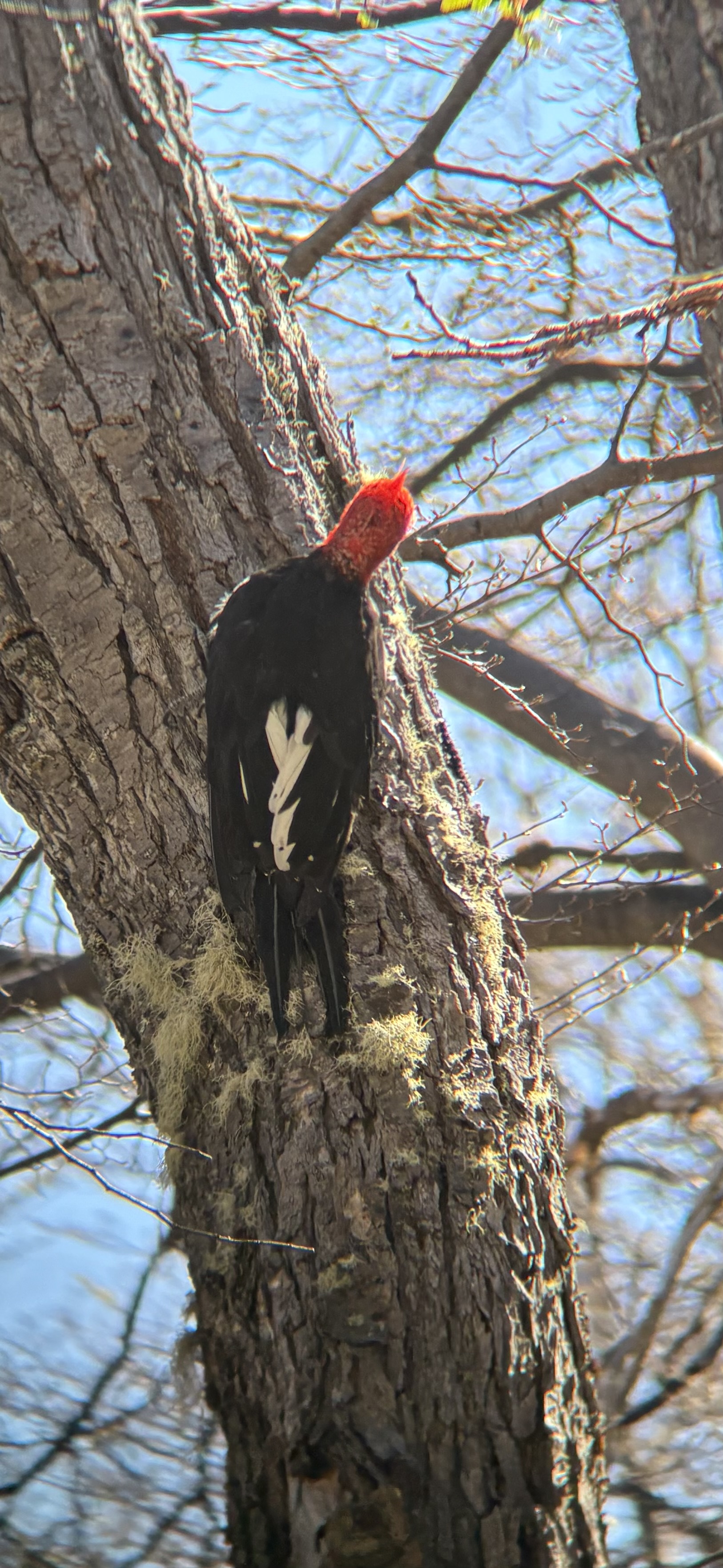
 I was a part of several ongoing and new research projects including population surveys of Guanacos, the home range and habitat quality of the Magellanic Woodpecker, presence and habitat indicators of Vizcacha, and trail condition and visitor satisfaction research to inform management plants. These projects greatly deepen my understanding of my Global Theme of Resources and Sustainability and my Global Challenge of how to curb biodiversity loss through means of ecological restoration and conservation. Conducting this research entailed week or even two-week long stints backpacking in the three main sectors of Patagonia National Park: Chacabuco, Jeinimeni, and Tamango. Not only did I learn about specific research methods, I gained invaluable local perspectives on the importance of sustainability and conservation. 

My favorite project was on the Magellanic Woodpecker, and I got to write a report on it which was translated and presented to the Corporacion Nacional Forestal (CONAF), the government body which manages all of their protected areas. For two days, in two research teams, we observed two family groups of the birds following them from the moment they left their cavity in the morning until they went to sleep in the evening, marking a GPS point every 20 minutes.

We used this data to map their home ranges in conjunction to habitat quality data to continue the scientific understanding of the preferences of the species. I was quite literally running through the forest and up mountain sides following these woodpeckers every move. The family group I followed consisted of an adult male, female, and two juvenile males (one yearling and one fledgling). I remember one moment when the three older birds flew off leaving the youngest male by himself. While I cannot say for sure, I think both of us were nervous– where are the others?! After 15 minutes of calling for his mom, I followed the baby until his reunion. Throughout the day, we observed the woodpeckers spending quite a bit more time foraging on the ground! Which is interesting, because previous research has found that the Magellanic Woodpecker spends a majority of their time foraging on the trees. 

When not in the field, I had the great opportunity to connect and learn about the local culture including the traditional dance, Chamamè, drinking mate, and staying with a rural family for a week on their campo. Speaking with and learning from locals, I gained a distinct understanding of their values of living sustainably and the importance of community. It was so refreshing to live among a community who truly cares for one another and where they live. When was the last time you walked down the street and everyone, I mean everyone, smiled and said hello…well… hola! While this seems simple, it is one part of what made living here so special. 

Me drinking mate in the snow while attempting to do trail condition research. Kind of hard when you cannot see the trail. I built a snowman and we even had a snowball fight!

I will carry these memories for the rest of my life and continue to share my new global perspective and practices into my community in the United States. I am forever grateful to my fellow students on the program, Round River, and all of my support within the Franke Global Leadership Initiative and the University of Montana. 

Group picture ontop of Tamanguito, Tamango Sector, Patagonia National Park, Chile. We had perfect visibility at 1,485 meters and could see the Northern and Southern Patagonian Ice Fields.

¡Nos vemos!

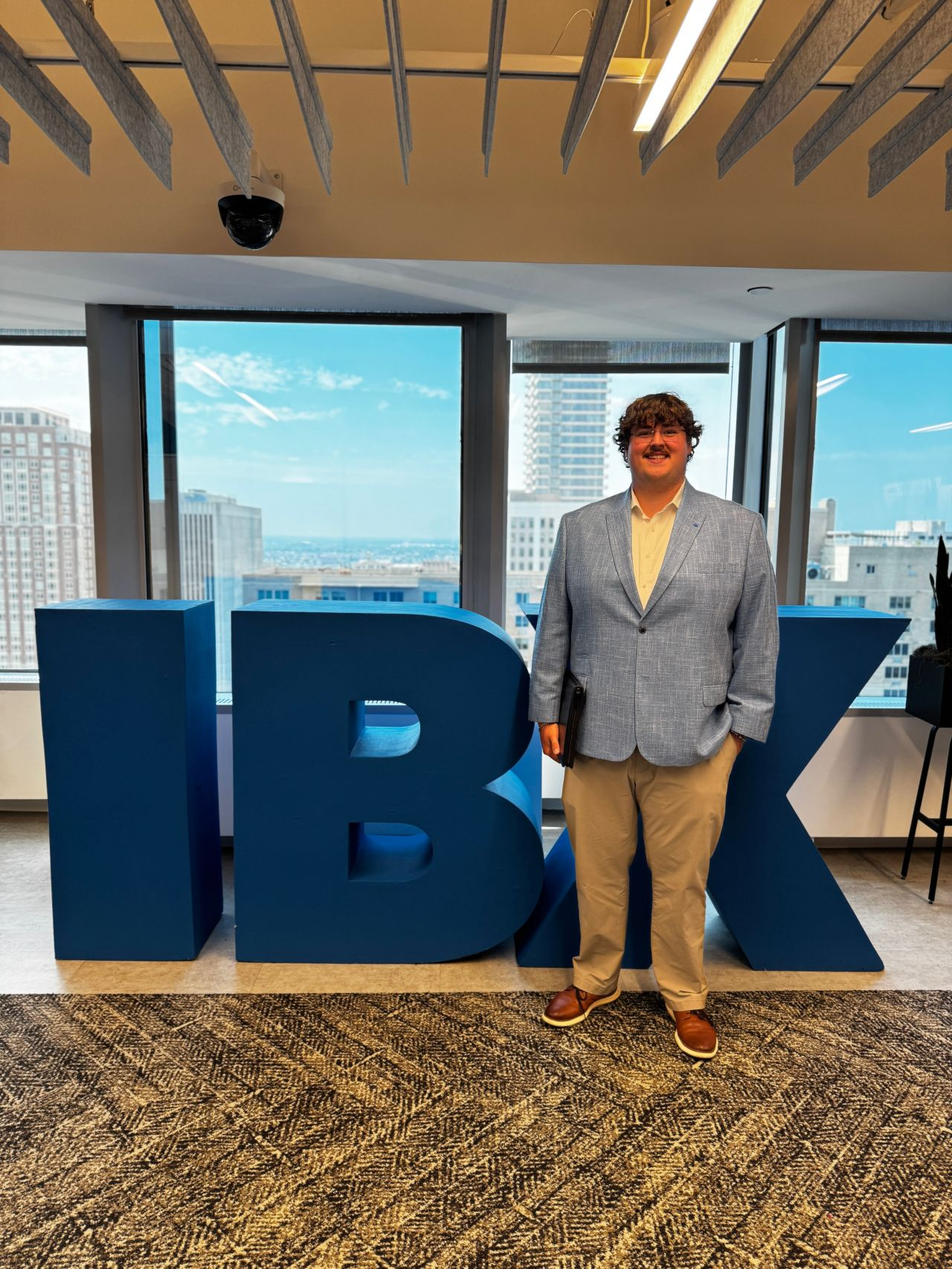
Reducing Stigma and Expanding Access: A Summer with IBX

Over the past ten weeks, my internship with the Behavioral Health sector at Independence Blue Cross (IBX) has been an eye-opening experience, one that connected deeply with my GLI Global Theme of Technology and Society. While my initial expectation was that technology would drive much of my work, I quickly realized that our Medicare-focused project required us to step back from a purely technological approach. Because this population is less likely to engage with digital tools, our challenge was rooted in the societal side of the theme: how do we improve behavioral health access and reduce stigma without relying on technology? To answer this, my team designed postcards that communicated support in a non-stigmatizing way, carefully avoiding behavioral health language while still ensuring accessibility, clarity, and impact. By working around technology, rather than centering it, we were able to meet the unique needs of this population and demonstrate the importance of adapting solutions to the communities they serve.

Beyond this group project, I also contributed to IBX through two additional initiatives. First, I created and managed repositories to improve provider-member matching, which involved extensive outreach and meetings with providers. Second, I used IBX data to prepare quarterly reviews for Connect to Care virtual providers, ensuring timely therapeutic care for members. These tasks not only sharpened my understanding of behavioral health operations but also highlighted the importance of collaboration in creating real-world impact.

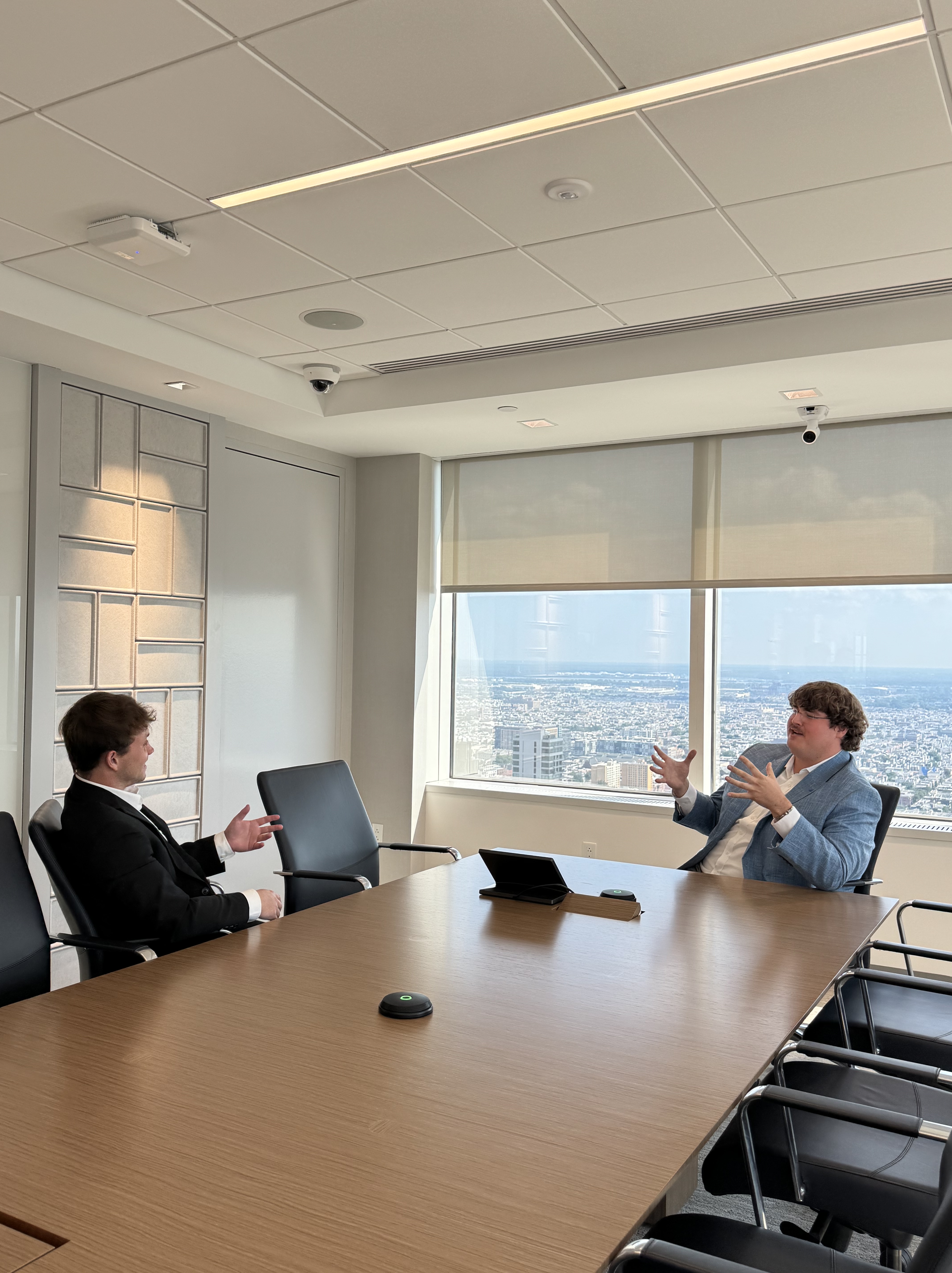
From these experiences, I gained valuable leadership and teamwork skills. Working with seven fellow interns on the Medicare stigma-reduction project pushed me to balance leading with listening. I learned how to contribute ideas while also supporting others, how to delegate tasks effectively, and how to ensure that each teammate’s perspective shaped our final product. Winning first place against three other groups was a proud moment, but more importantly, it reflected the strength of our teamwork and the trust we built with one another.

This experience has also raised new questions for me. How can healthcare organizations continue adapting their approaches to reach populations that may not have access to or feel comfortable with technology? How do we balance innovation with accessibility to ensure that no group is left behind? At IBX, I began to see how these questions can be addressed. Their commitment to improving behavioral health access, whether through data-driven solutions, provider outreach, or non-technological approaches like our Medicare project, demonstrates how an organization can innovate while still centering accessibility. In many ways, IBX sets an example for other Blue Cross Blue Shield companies across the nation, showing that progress in healthcare must be both technologically forward-thinking and socially inclusive.

Ultimately, this internship was more than just a professional milestone; it was a journey of growth. I am immensely grateful for the opportunity, for the incredible team I worked alongside, and for the chance to connect my GLI Global Theme of Technology and Society to meaningful, real-world impact.