
My name is Bella Wengappuly, and I am a wildlife biology/computer science dual major pursuing a career in wildlife research. I am a student in the Davidson Honors College, Global Leadership Initiative Certificate Program, and a third-year Resident Assistant for the University of Montana. My GLI Global Theme is Natural Resources and Sustainability and my Global Challenge is “How to conserve ecosystems and biodiversity through sound research, ethical data collection and community collaboration”. This summer I had the opportunity to spend three months in the Limpopo Province of South Africa exploring different conservation efforts and gaining practical field experience. The first two months of my experience were spent working at a wildlife rehabilitation center, a wildlife monitoring program and a captive breeding program for cheetah conservation with other interns and volunteers from around the world. The final month of my stay was spent studying at a field guide college on the Marataba private wildlife reserve adjoining the Marakele, a South African National Park.
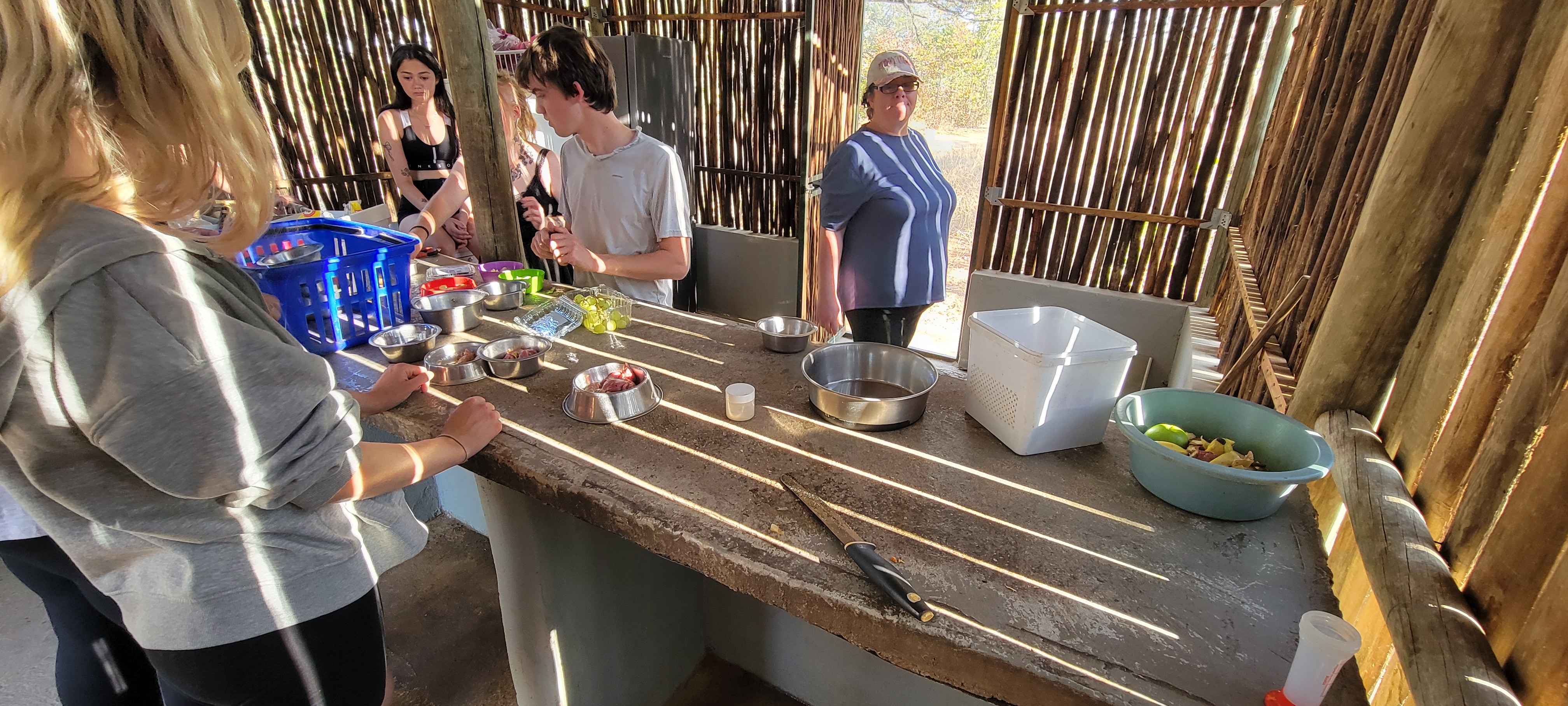
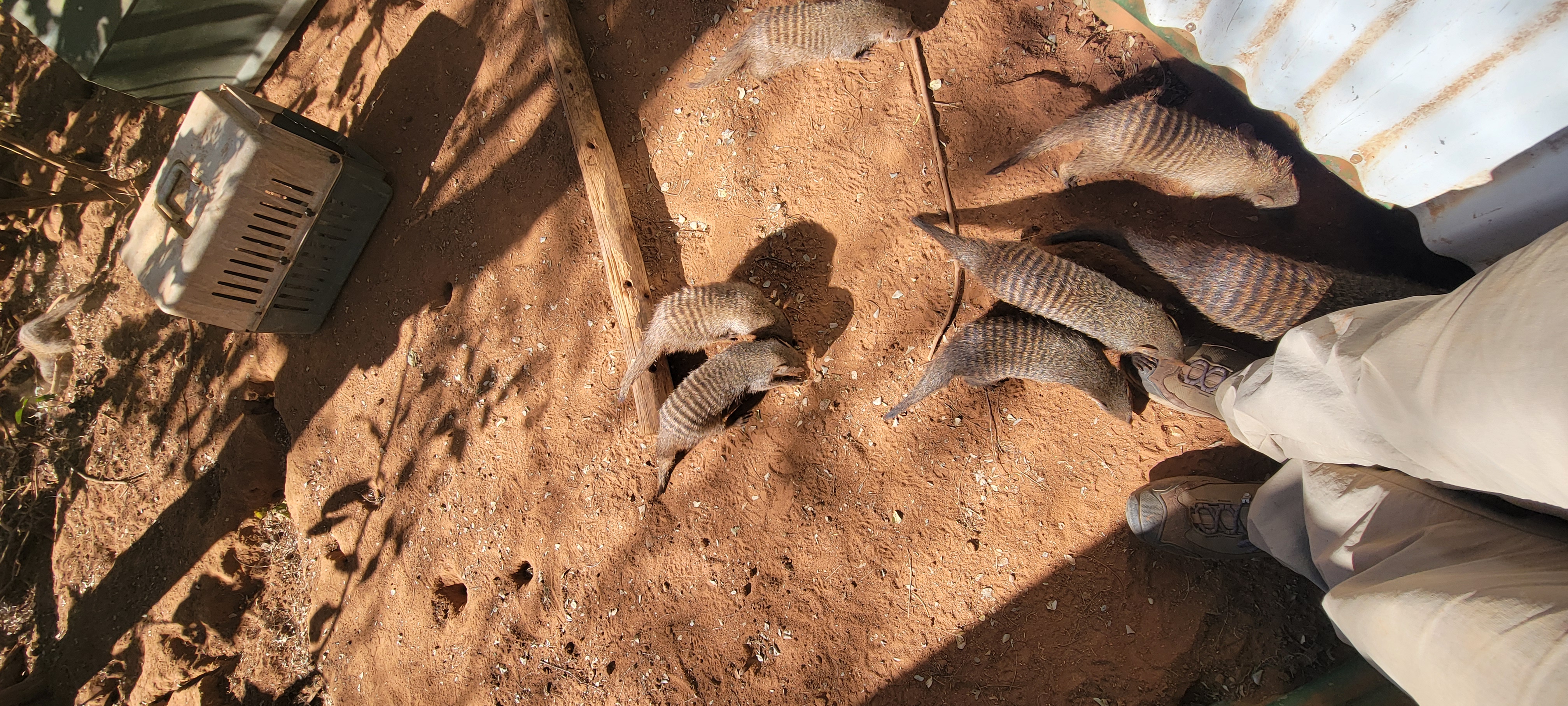
Now to dive into what I learned! After deboarding the airplane in Johannesburg, finding out that my luggage was still in Dallas, Texas, and finding my internship supervisor, we drove to the Johannesburg Wildlife Veterinarian to pick up a banded mongoose (formerly a pet, which is fairly common) for transport to the Umoya Khulula Wildlife [rehabilitation] Centre. I spent three weeks at the Centre preparing food for the animals, cleaning and refurbishing enclosures, and creating enrichment items. I learned about the workflow of wildlife rehabilitation, how to sew medical stitches, and discussed conservation ethics and the effects of animal trafficking with other interns. We worked with many smaller animals (bushbabies, three species of mongoose, baby wildebeest, baby hippo, owls, warthogs, caracals, tree squirrels) and with pangolins, which are the most trafficked mammals in the world. This was my second favorite part of the three-month trip. I was inspired by the other interns’ past experiences and appreciated the excellent management.

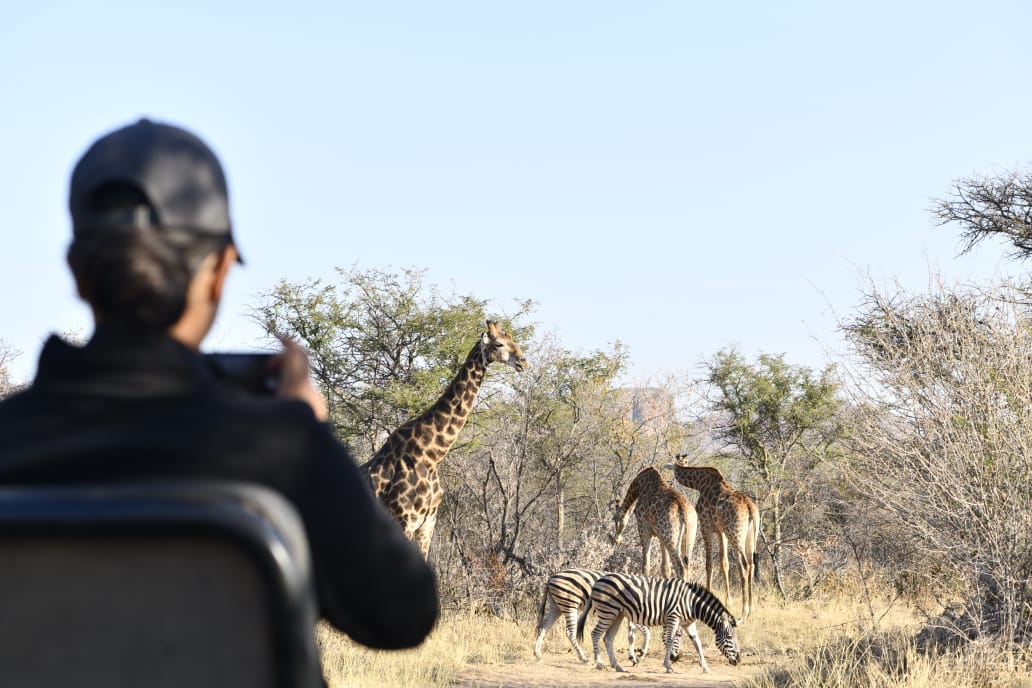
Next, I learned about wildlife monitoring, research, and management from Siyafunda, a wildlife monitoring group based in the Greater Makalali Private Game Reserve. Siyafunda works with many international conservation organizations and with reserve management to combat poaching and inform wildlife management decisions. Siyafunda has recently begun assisting a National Park in Zimbabwe to establish their own wildlife monitoring program. We would go out on two drives daily and log data on every animal we saw, then return to camp and process trail camera photos from the water holes within the reserve. We also assisted with road clearing and river cleanup weekly. This project reinforced the importance of being informed about the ecosystem of managed areas to make educated management decisions and understanding the effects of those decisions.
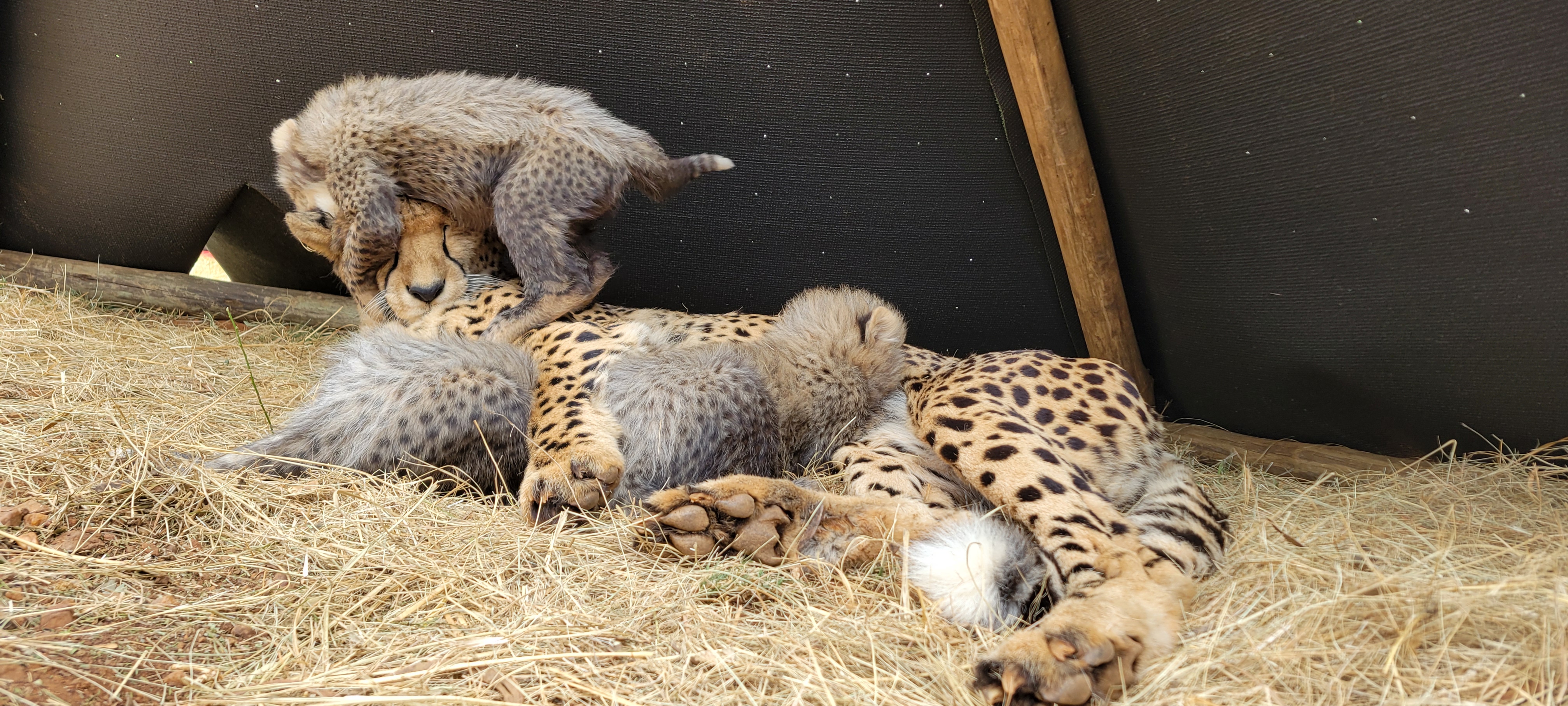
After that, I learned about endangered species conservation at Running Wild Cheetah Conservation, the only facility in the world that breeds cheetahs for reintroduction to the wild and has their cheetahs consistently succeed and breed with wild populations. Over three percent of South Africa’s wild cheetah population can be traced back to Running Wild’s efforts. I was again exposed to the effects of the exotic pet trade and profit-centric safari industry. Cheetah cubs are sought after within illegal markets, which is a driving force behind their low numbers in the wild, as well as habitat infringement. Private reserves maintain high lion populations to cater to international guests’ preferences, and lions drive out or kill cheetahs in their territory. This makes it difficult to find suitable habitat for cheetahs to be released. I had seen this happen on the Makalali reserve, where the three resident cheetahs were forced to live along the fenced edges of the reserve due to the extremely high lion density. The patterns were coming full circle.

The last month was my favorite, largely because it was spent learning about the nature around us and about life in South Africa from locals. I studied at a field guide college with South African students and staff in a truly immersive experience. These students from various backgrounds (law, IT, tracking, adventure guiding, university) were on a six-month course to become certified safari field guides. Most of the people I had interacted with in the last two months were American or European, so this new cohort was a breath of fresh air. I ate local cultural food, learned a few words of greeting in various local languages, watched rugby (practically a religion for South Africans), and even learned a traditional victory dance.
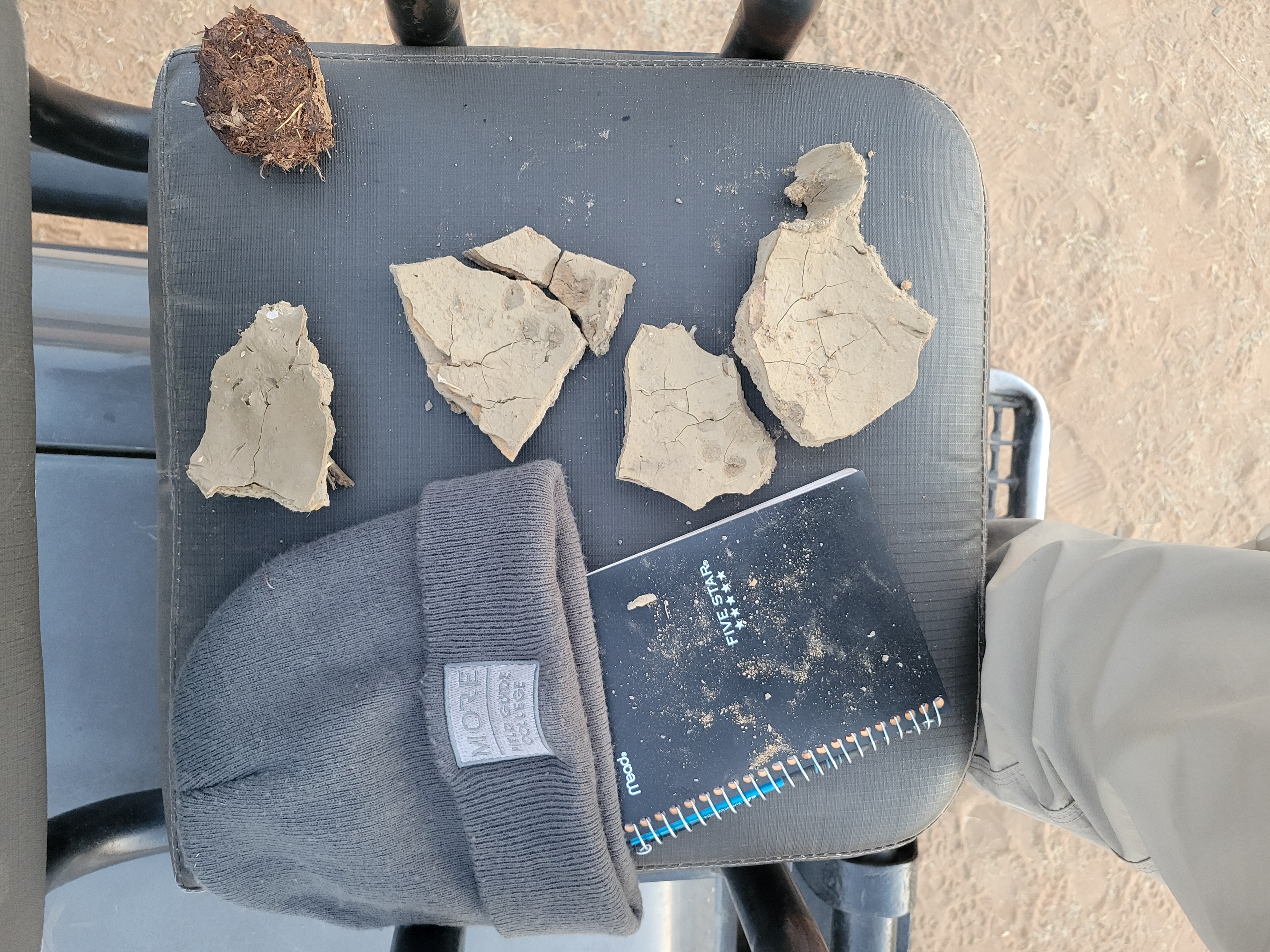
Our days were packed with game drives, lectures, and studying to teach us how to identify the plants, animals, and signs of animals within the reserve. I loved it. I learned to identify wildlife tracks and signs from our two students who were professional trackers at every opportunity. I asked endless questions and took more notes during drives than I do in university classes. Every moment was a new learning experience, even more so because the flora and fauna were all different from anything I had ever seen before. One of our instructors would often say, “Bella is thrashing you. All the way from America and she knows more than you,” to which the students would reply jokingly, “That’s that first-world education for you.” We all became wonderful friends and I am looking forward to hearing about where they go in life from here (as well as going back to visit).
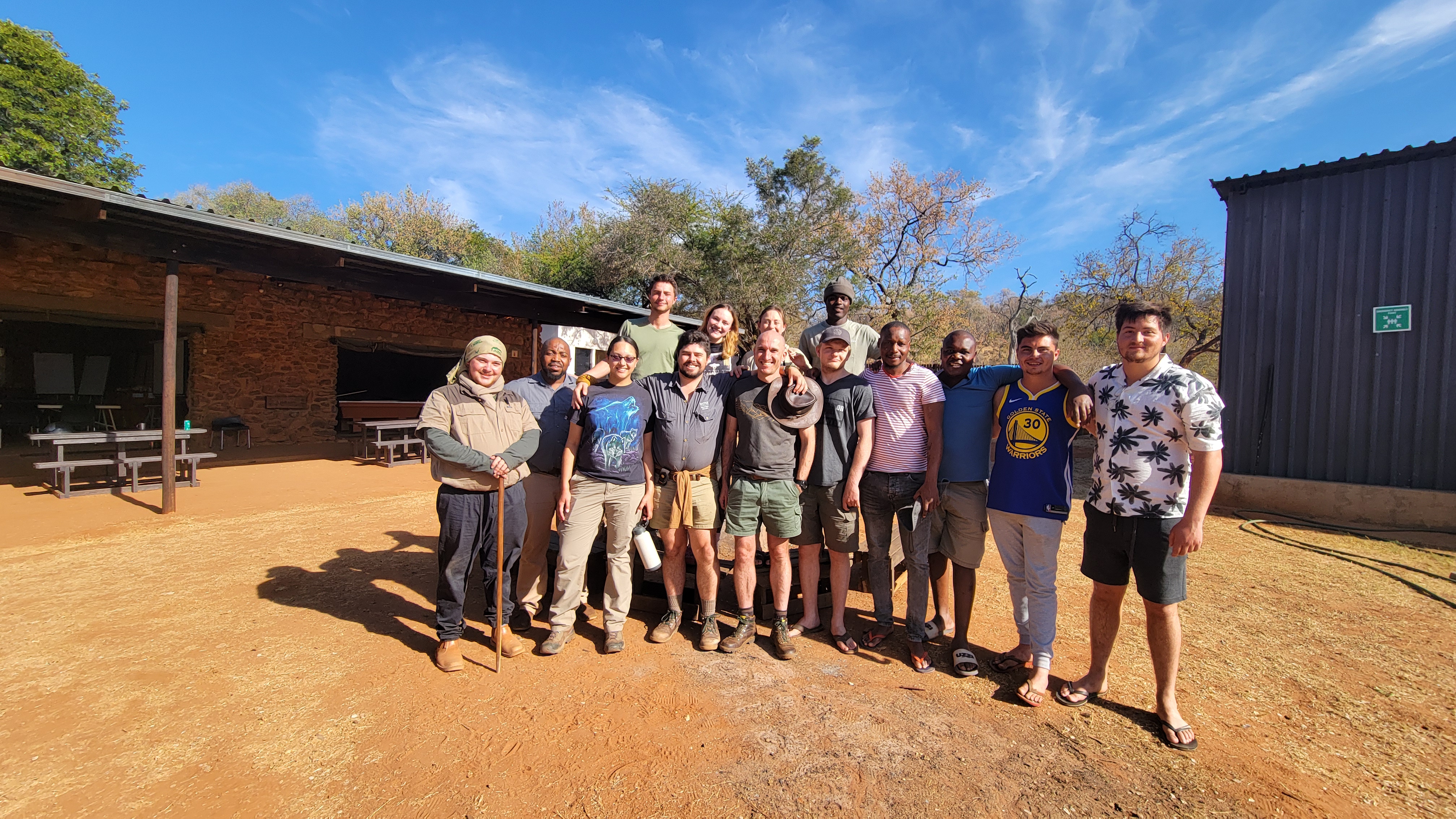

The most important thing I learned during my GLI Out of Classroom experience was how to approach the multitude of people and interests involved in natural resources, wildlife in particular. Conservation decisions must be examined from the perspectives of each demographic involved and thorough communication and education must be employed to ensure the decision carries through as intended. We must get to know one another despite our differences and form a bond as fellow humans before we come to the meeting table. Forging personal connections first leads to much more meaningful and productive discussion, which in turn yields well-rounded, robust answers to multifaceted problems. We must be human first before we are anything else.
Words and pictures cannot express how much those three months in South Africa, particularly the final month, impacted me and the people I met along the way. I believe that the friends I made in South Africa came away just as changed as I did, which is a wonderful thing. This internship has painted issues such as the exotic pet trade, poaching, corruption, and wildlife rehabilitation in painfully vibrant color. It has also shown me the ways in which people are working to make their world a better place in their own way, by cultivating community and educating others. I have learned so much: wildlife rehabilitation, wildlife monitoring, data processing and research, wilderness first aid, wildlife photography, wildlife management with local communities, and wildlife tracking. This experience really has been a life-changer on my journey to become a globally-minded wildlife researcher working in conservation. This well-rounded experience would not have been possible without the support of the Franke Global Leadership Initiative Fellowship, other scholarships and our University of Montana community. Thank you.

 Beyond the Classroom
This is wonderful writing about your amazing experience! I enjoyed reading it.