
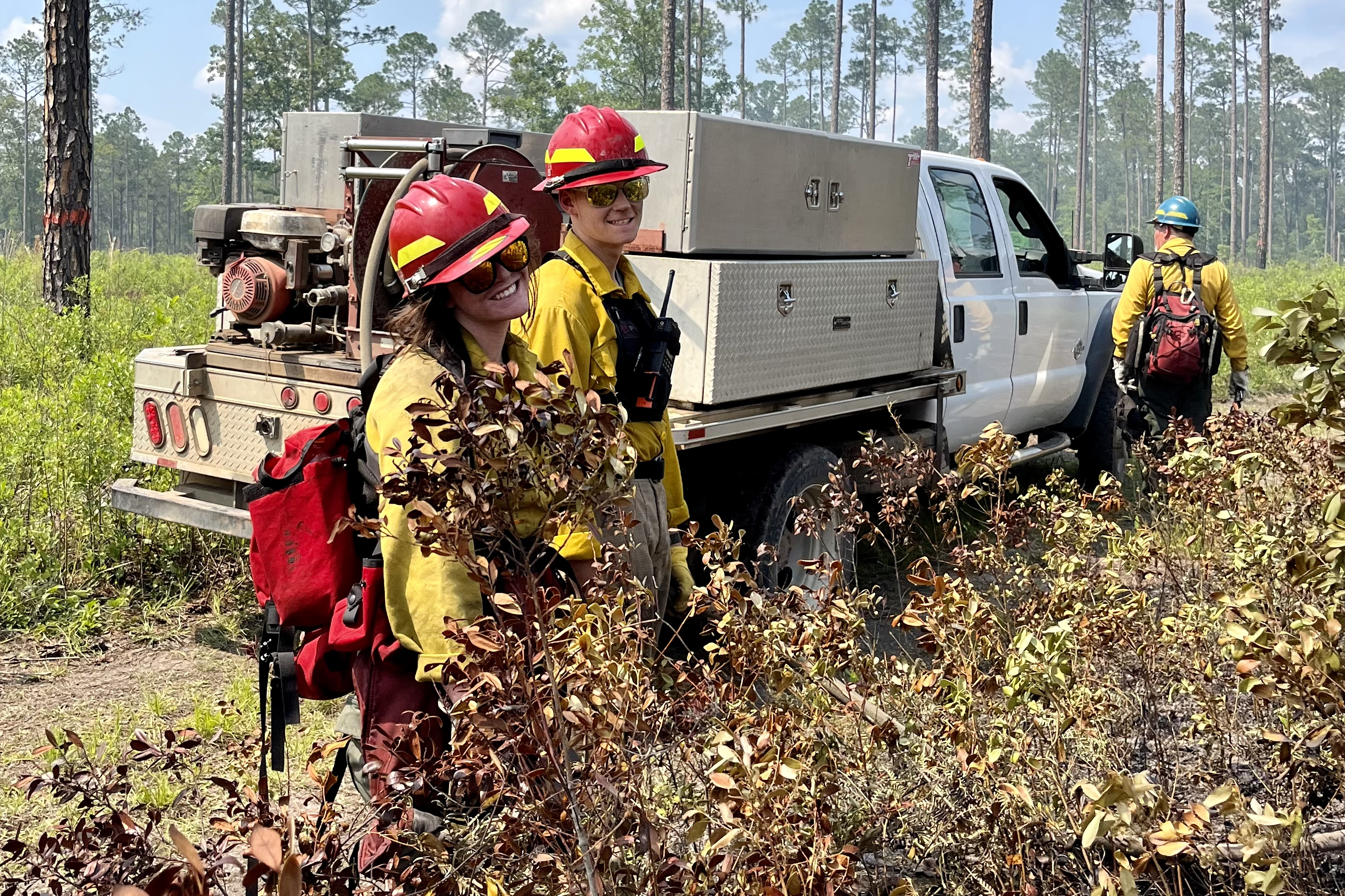
Hello! My name is Koson Verkler, and I am a forestry major entering my junior year at the University of Montana. In addition to my main course of study, I am also a student in the Franke Global Leadership Initiative, where my global theme is Resources and Sustainability. The Beyond the Classroom Experience that I took part in this May was held at the Moody Forest Preserve outside of the small town of Baxley, Georgia. During my 10-day trip, I was part of a group made up of several UM students and faculty that helped land managers from The Nature Conservancy (TNC) perform several large-scale prescribed burn operations. This experience was not only very valuable in terms of improving my education and professional skillset, but it also aligned perfectly with my global challenge of spreading awareness of the benefits of prescribed fire.
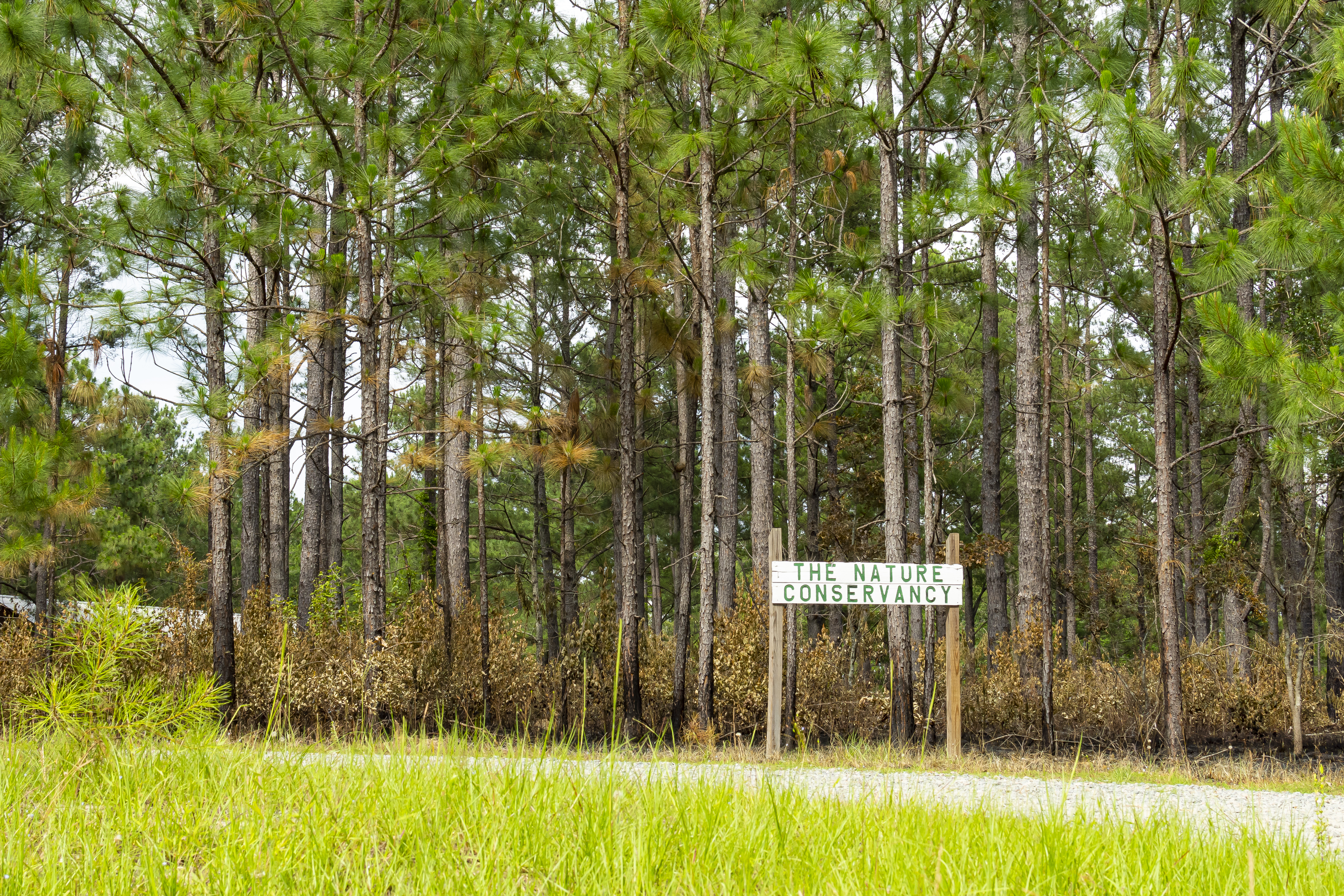
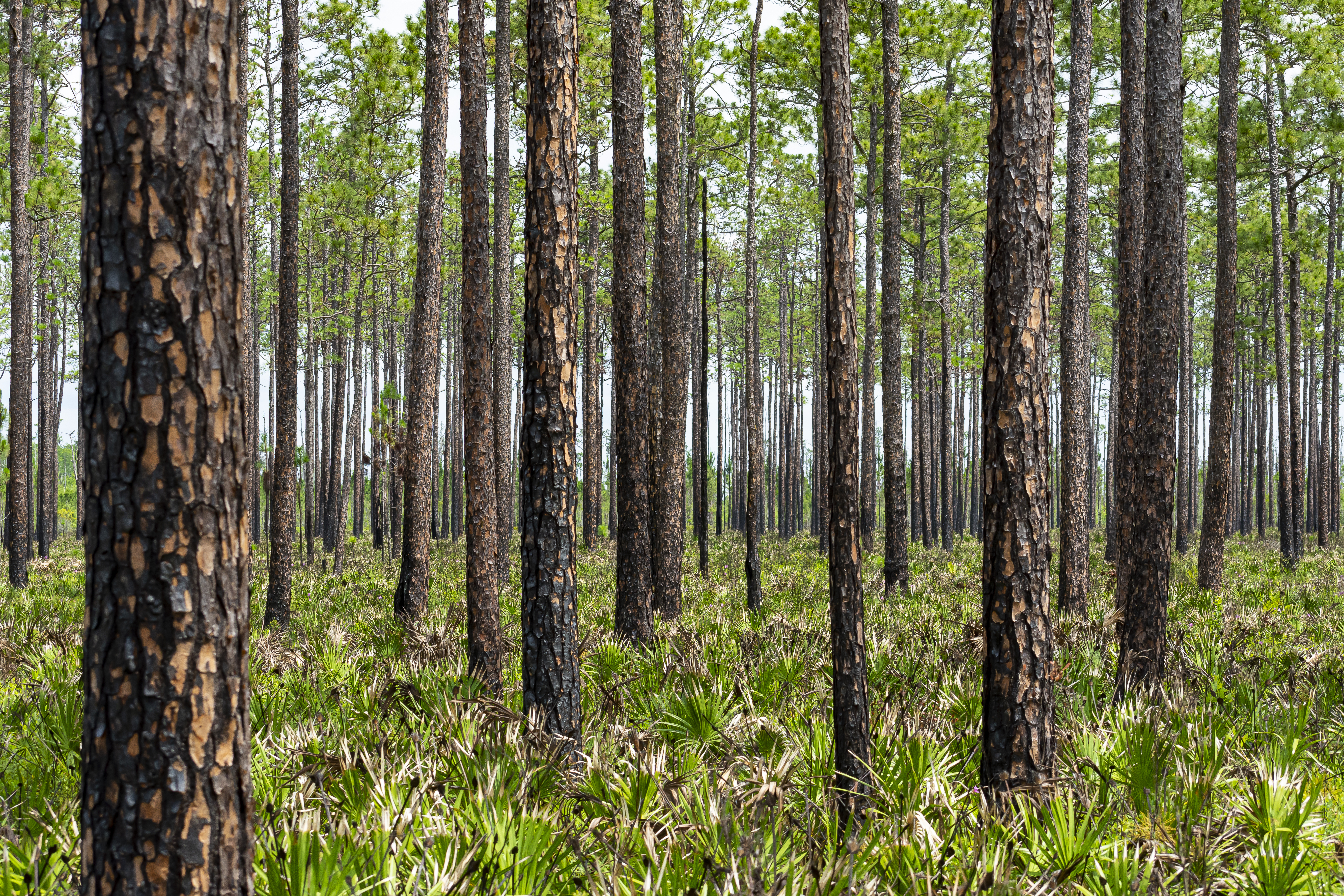
Throughout my time in Georgia, I learned about the major role that natural and prescribed fires play in southern forest ecosystems, not only for the benefit of natural resources but also for the habitats of wildlife. Species that have experienced a dramatic decrease in their population such as the longleaf pine (Pinus palustris), gopher tortoise (Gopherus polyphemus), and the red-cockaded woodpecker (Leuconotopicus borealis) all benefit greatly from a consistent fire return interval. When these keystone species suffer due to a lack of fire and resulting overstocking of the forest understory, the rest of the ecosystem begins to falter, but when these species thrive, their ecosystems do as well.
In addition to the educational benefits provided by this program, another goal is to get students and young firefighters more fire line leadership and operational experience. Due to our small crew size and the number of burns we performed, there were ample opportunities to focus on different aspects of prescribed fire, from acting as a squad boss and division, to lighting the fire with drip torches, and even working on an engine or ATV to ensure the fire stays within its designated perimeters. Besides the TNC land managers, we also worked with a crew of firefighters from the Georgia Department of Natural Resources and students from the Abraham Baldwin Agricultural College who were participating in a similar field experience program.

In all, our crew helped burn five separate units totaling roughly 575 acres of land across two TNC-managed parcels, the Moody Forest and Broxton Rocks preserves.
While all the burns were successful and a blast to be a part of, the two that stood out to me most were the 227-acre Unit 3 and the 29-acre Unit 10 North burns, both of which were held at the Moody Forest Preserve.
The Unit 3 burn is notable because it was the first time I had ever acted as a squad boss (someone who is in direct command of a group of firefighters on an incident). While I had four of my crew members working under me, we all worked together and executed our plans perfectly to complete our assigned tasks. Not only did I feel supported by both my squad and the burn boss, but I was proud that my first day “in charge” of a small group of personnel on a fire had gone smoothly.
The reasons that the Unit 10 North burn stands out to me are because of its complexity and excitement. Even though the unit was less than 30 acres, we were burning around the Moody Forest headquarters buildings (the buildings we were stationed in during the trip) which almost made it feel like we were fighting a real wildfire with structures threatened. In addition to this, several TNC Georgia board members and the Executive Director, Monica Thornton, were on site learning about the burn and prescribed fire in general. I was impressed to see the leader of Georgia’s branch of the TNC getting involved with the boots-on-the-ground side of land management and it made me happy that prescribed fire is being showcased to more decision-makers and executives in large organizations that have a very far-reaching influence. Burns like this one should be used to inform the public about the necessity of having fire in an ecosystem that relies on it and I was happy to be a part of one in a location that supports the practice as much as Georgia does.

By using many of the techniques that I learned in Georgia, I am looking forward to lending my skills on more successful prescribed burns here in Western Montana. As a UM student, I am extremely lucky to have access to the Lubrecht Experimental Forest outside of Greenough, where we try to burn 25 to 100 acres every semester. The one downside of burning at Lubrecht is that it’s often hidden from the public view. While having inexperienced people on every burn isn’t feasible or safe, I think that having one or two showcase burns every year could be helpful in changing minds and showing people what proper forest management looks like.
People focus on the dangers of fire and complain about the impacts of smoke, and while I understand these fears and grievances, the damage, danger, and inconvenience that large wildfires cause every year is much worse than the low-impact and well-managed prescribed burns that are used to save our incredible forest ecosystems. By focusing and investing in prescribed fire, we can change from a reactionary to a proactive management mindset, which will result in improvements for the environment, safer and healthier conditions in our forests, and less of a burden on the taxpayer and their wallet.
While I could go on and on about the benefits provided by prescribed burning, I would stray far off topic for this simple blog post. I hope you have enjoyed learning about my trip to Georgia, a little bit about how prescribed fire is implemented, and the steps we are taking to combat the destructive wildfires that have become a common sight across the Western United States during the summer months.
Thank you for reading and see you out on the line!
Koson Verkler, UM Franke GLI Student & Fire Club President
 Beyond the Classroom